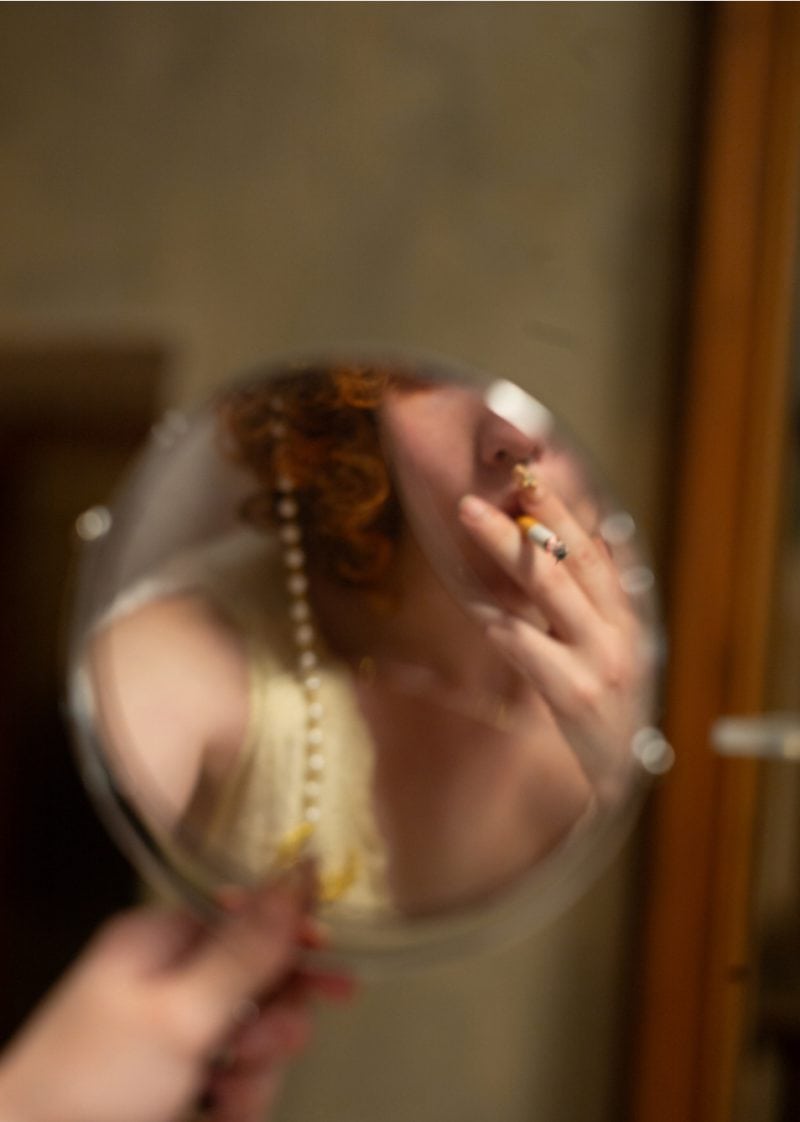
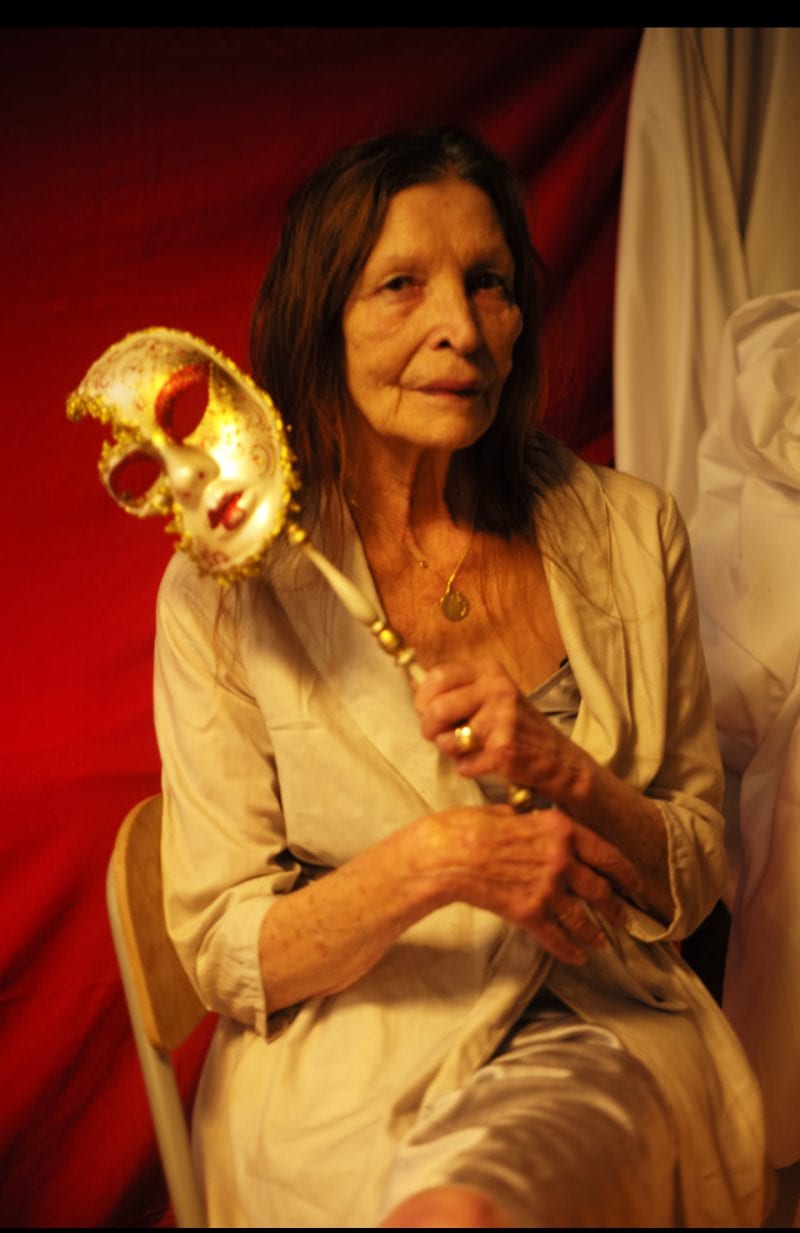
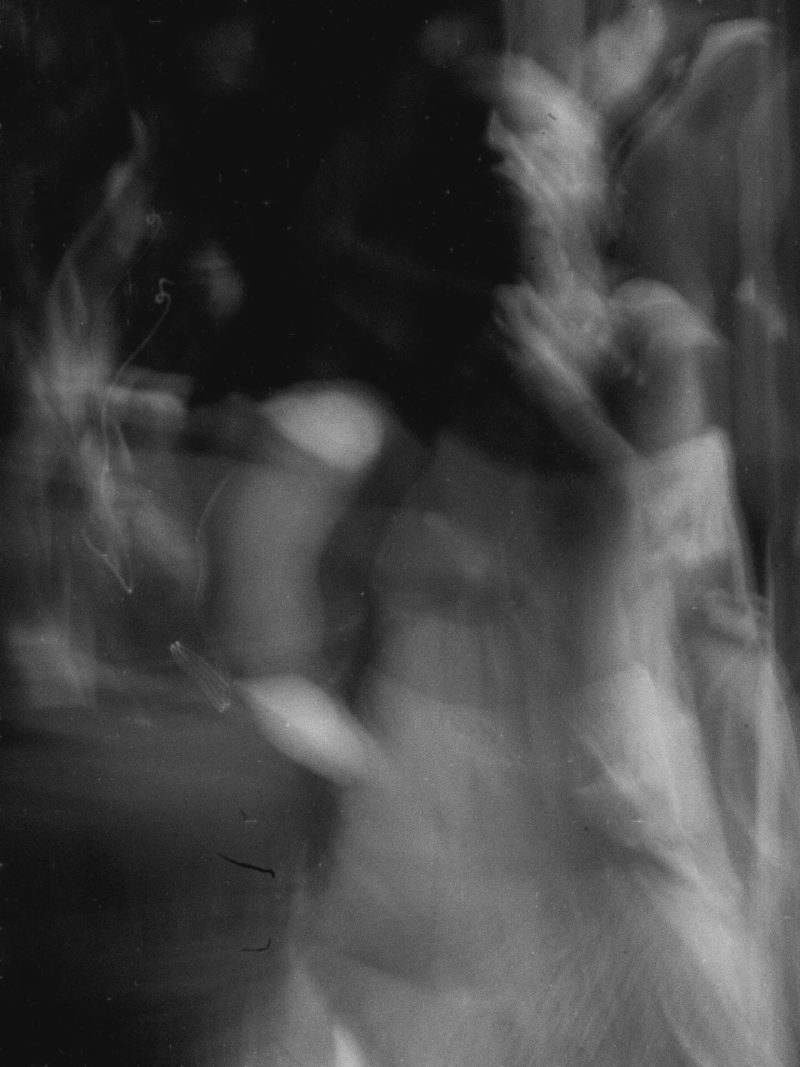
Since 2013, when illness reshaped the course of her life, Buku Sarkar found in photography not just a creative outlet, but a vital means of expression. Living with an undiagnosed neurological condition similar to Parkinson’s that gradually took away her ability to write, she turned to the camera as her primary language. What began as necessity soon evolved into a deeply personal practice, a visual diary through which she could process, communicate, and remain connected to the world.
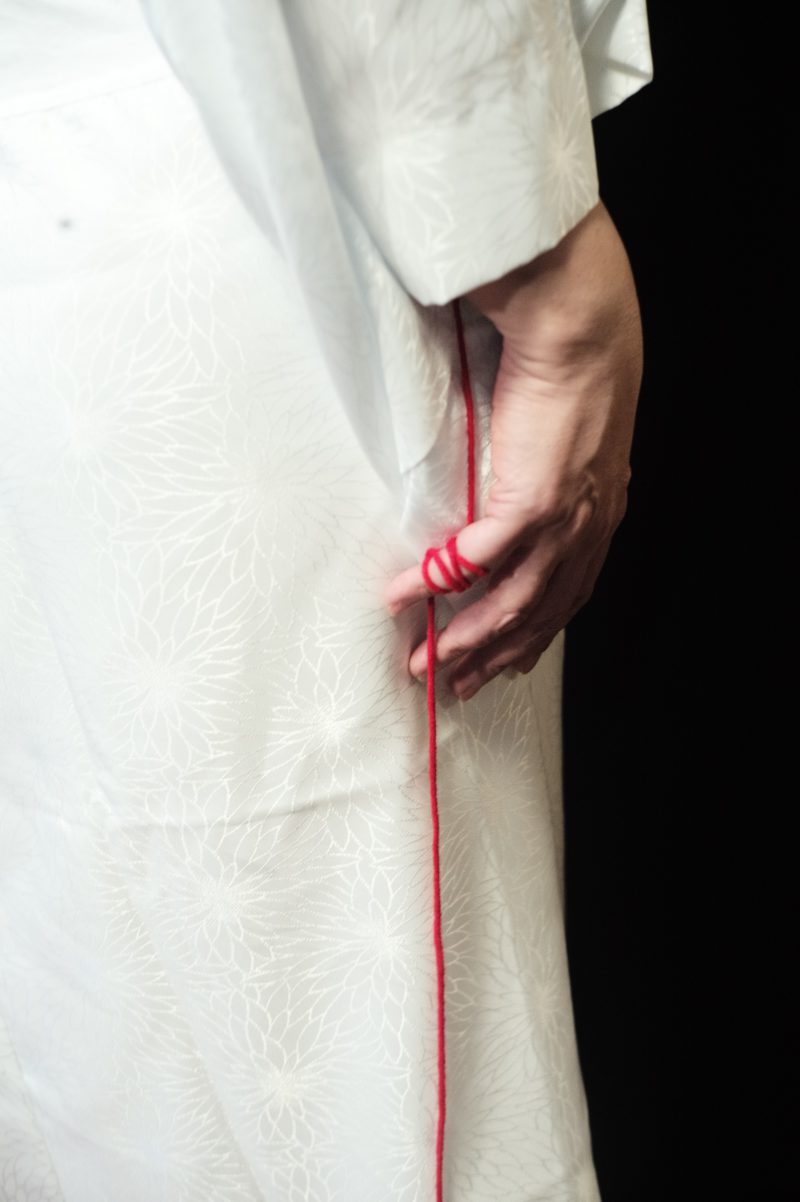
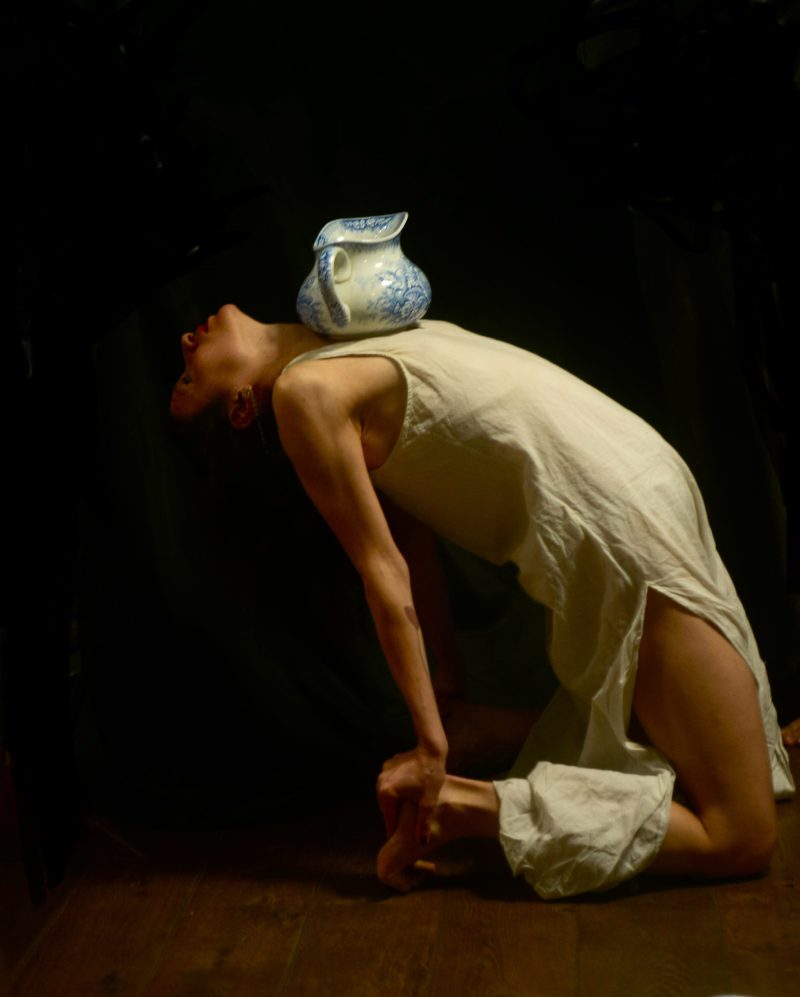
For seven years, Sarkar worked in front of her own lens, creating a compelling body of self-portraits that documented both physical transformation and emotional endurance. These images became acts of resilience and reclamation, tracing the shifting relationship she had with her own body. Through them, she explored identity, vulnerability, and the experience of inhabiting a body that felt increasingly unfamiliar.
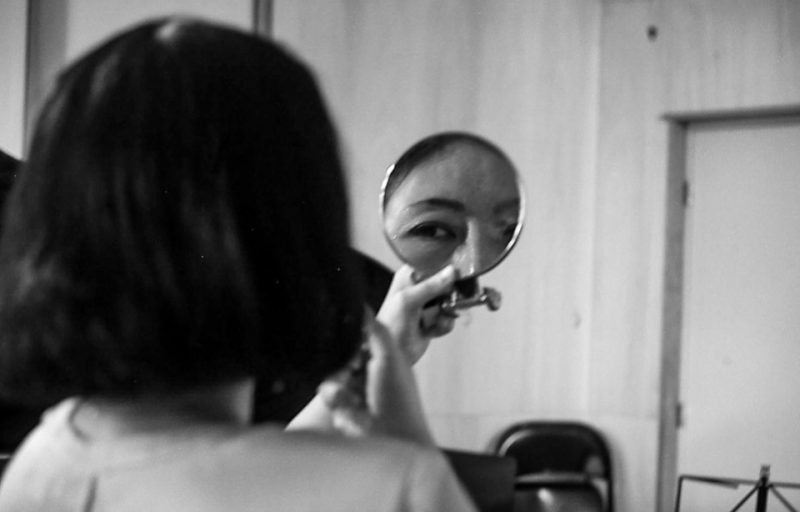
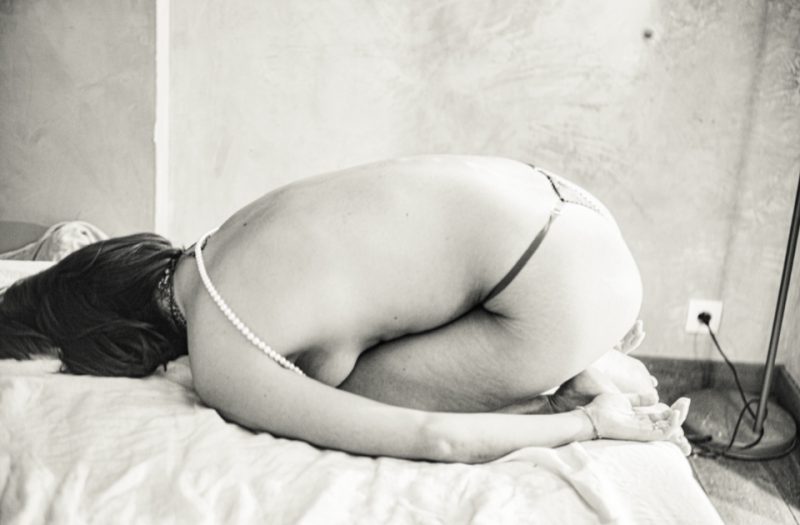
This deeply introspective period laid the foundation for her latest series, Women and Bodies, in which Sarkar turns her focus outward. Moving beyond self-portraiture, she now collaborates with other women, creating a shared space for reflection and representation. The work transitions from the personal to the collective, expanding her inquiry into broader conversations around embodiment.
Women and Bodies examines the complex emotional and physical relationships women have with their bodies. It engages with themes of beauty, censorship, form, and the structural realities of the physical body, while also questioning how gender shapes ways of seeing. The series confronts the long history of the female body as a site of projection, scrutinized, idealized, and controlled, by instead centering the voices and experiences of the women themselves.
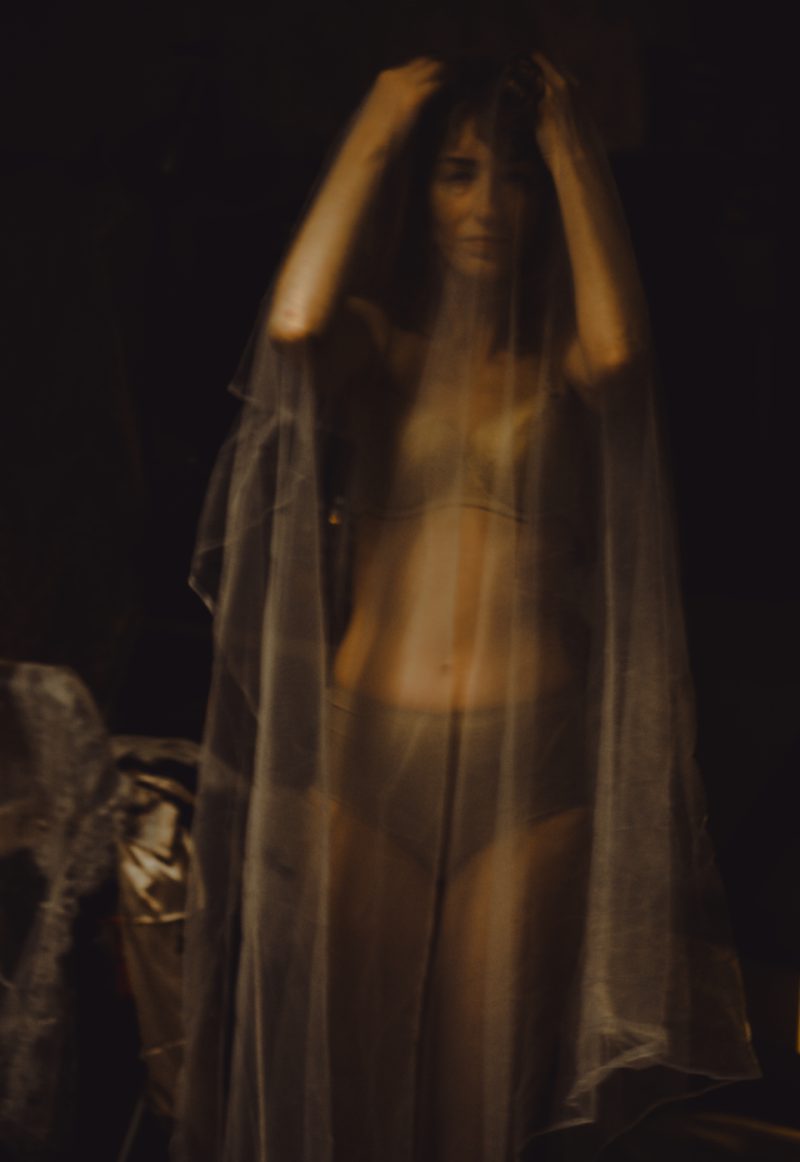

Each photograph is marked by a sense of intimacy and intention. Sarkar’s approach resists conventional aesthetics, focusing instead on presence and authenticity. The bodies she photographs are not objects to be consumed, but subjects that carry memory, history, and agency. Scars, textures, and gestures become integral elements of the narrative, offering a more honest and expansive understanding of beauty.
Central to the series is the question of gaze. Sarkar interrogates who is looking, who is being seen, and under what conditions. By fostering a collaborative process, she challenges passive viewing and instead creates images that emphasize mutual respect and authorship. The result is a body of work that feels both personal and political.