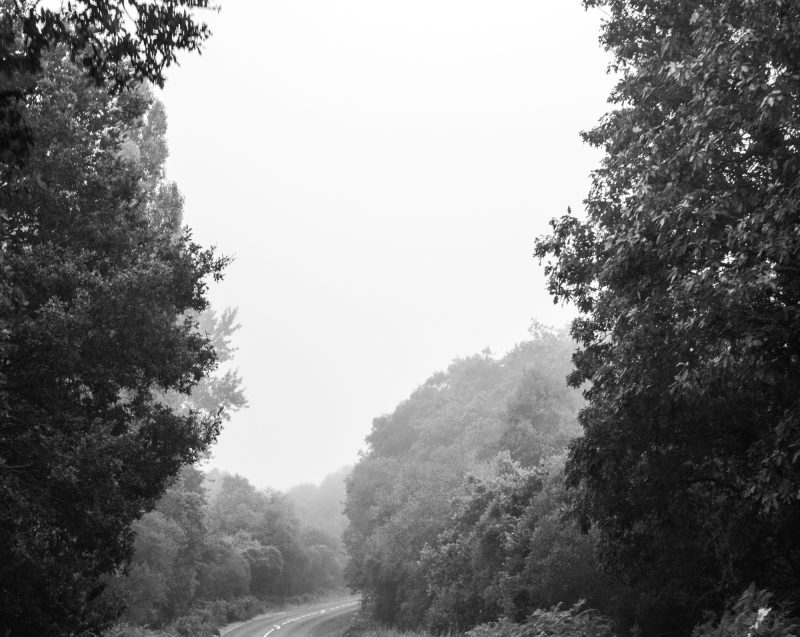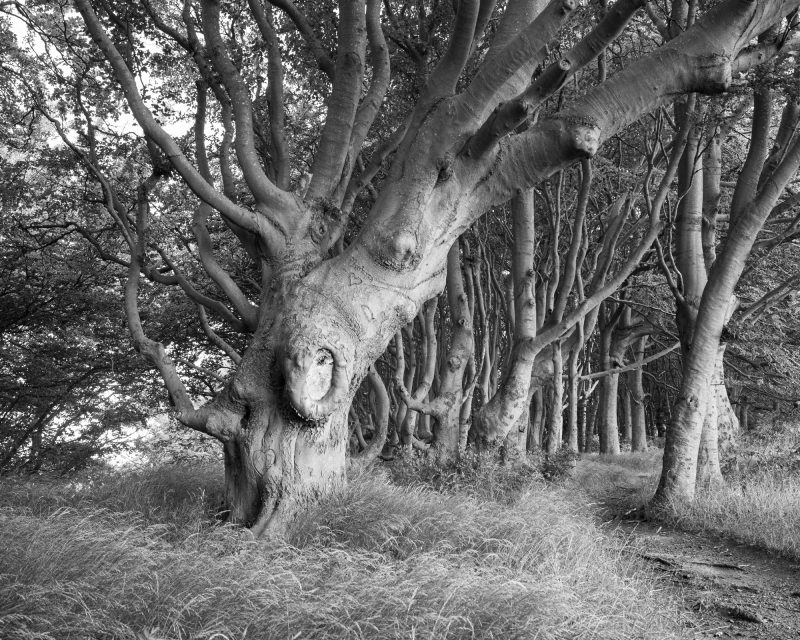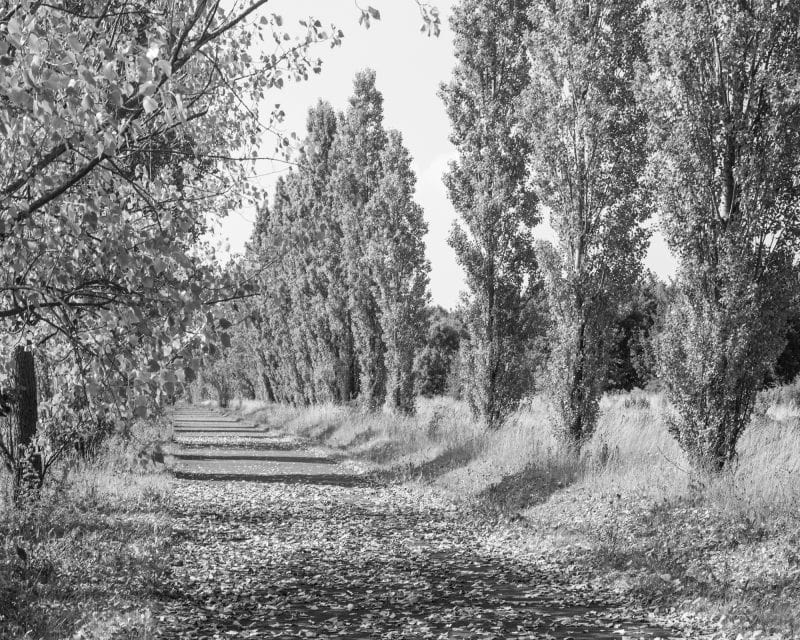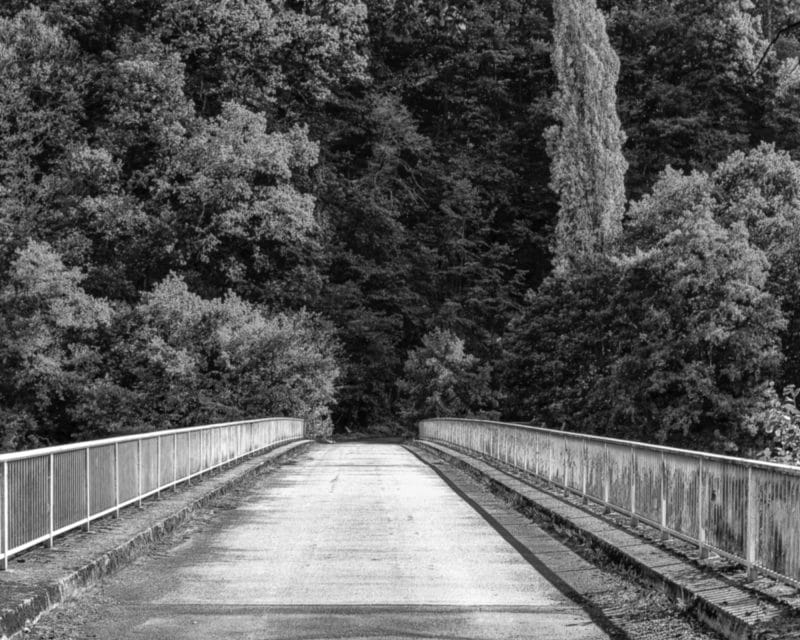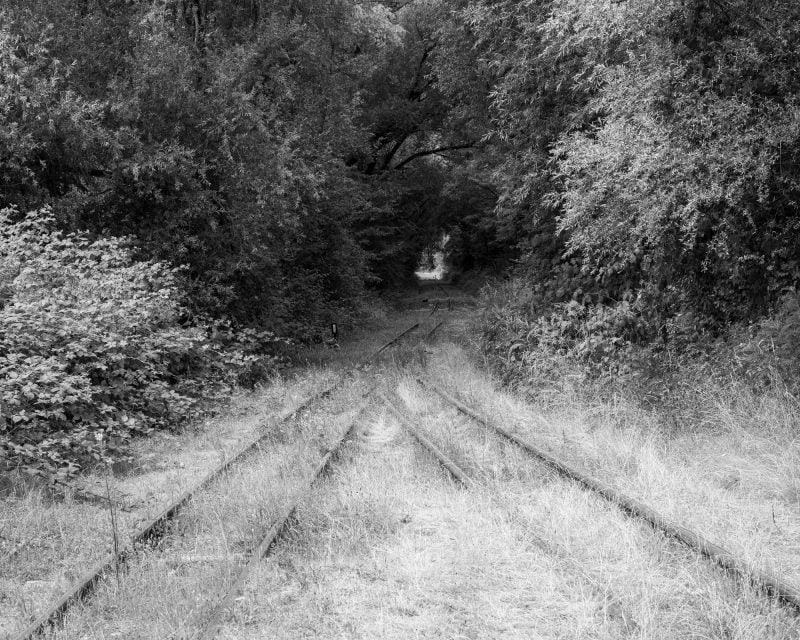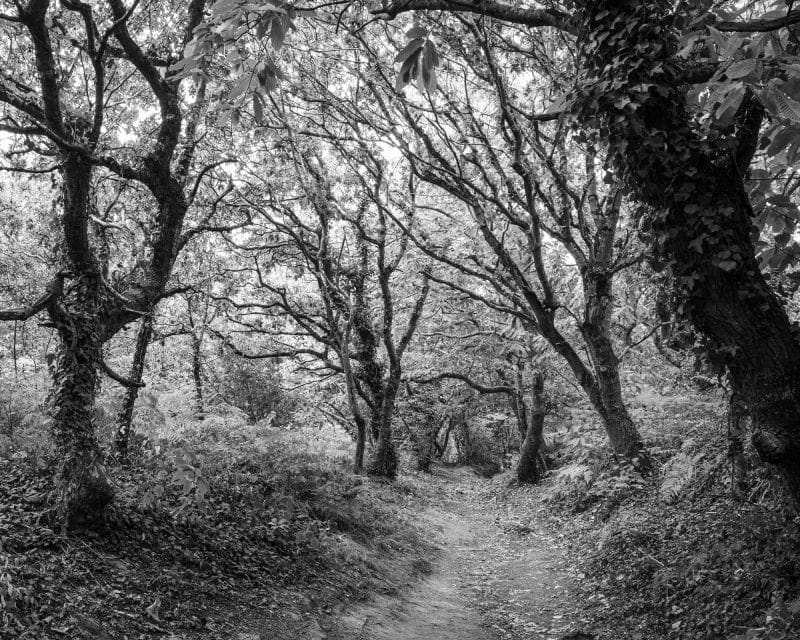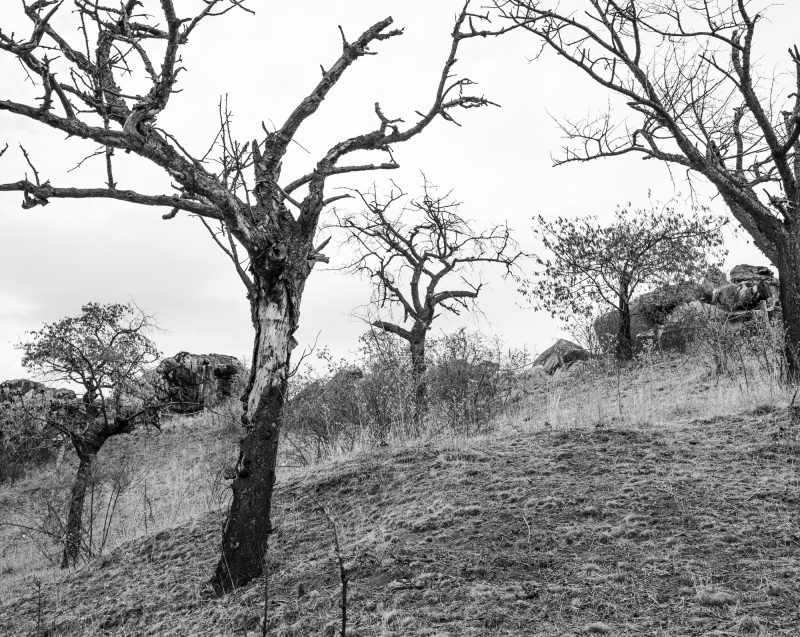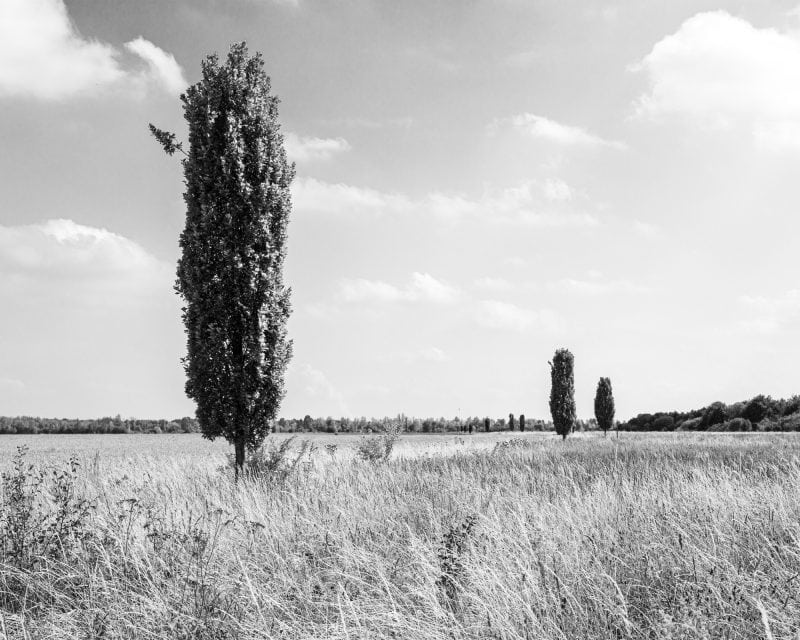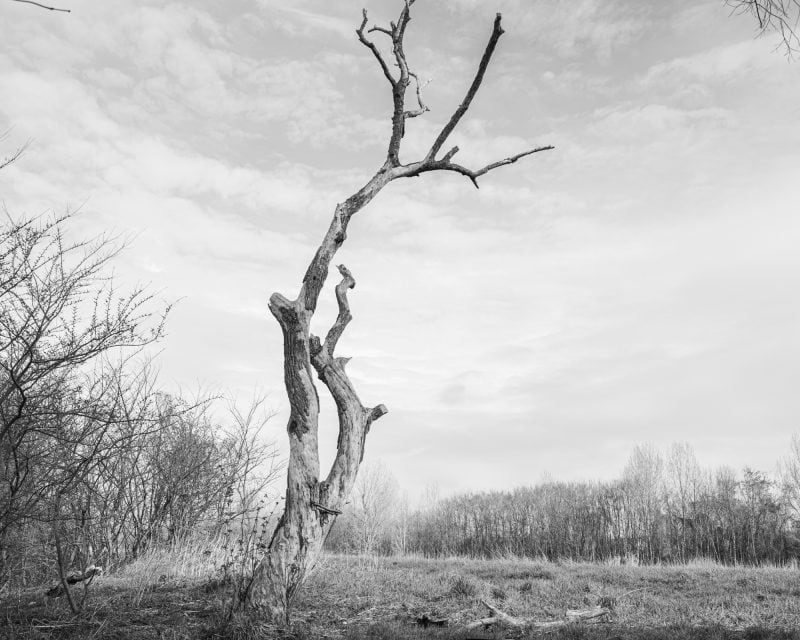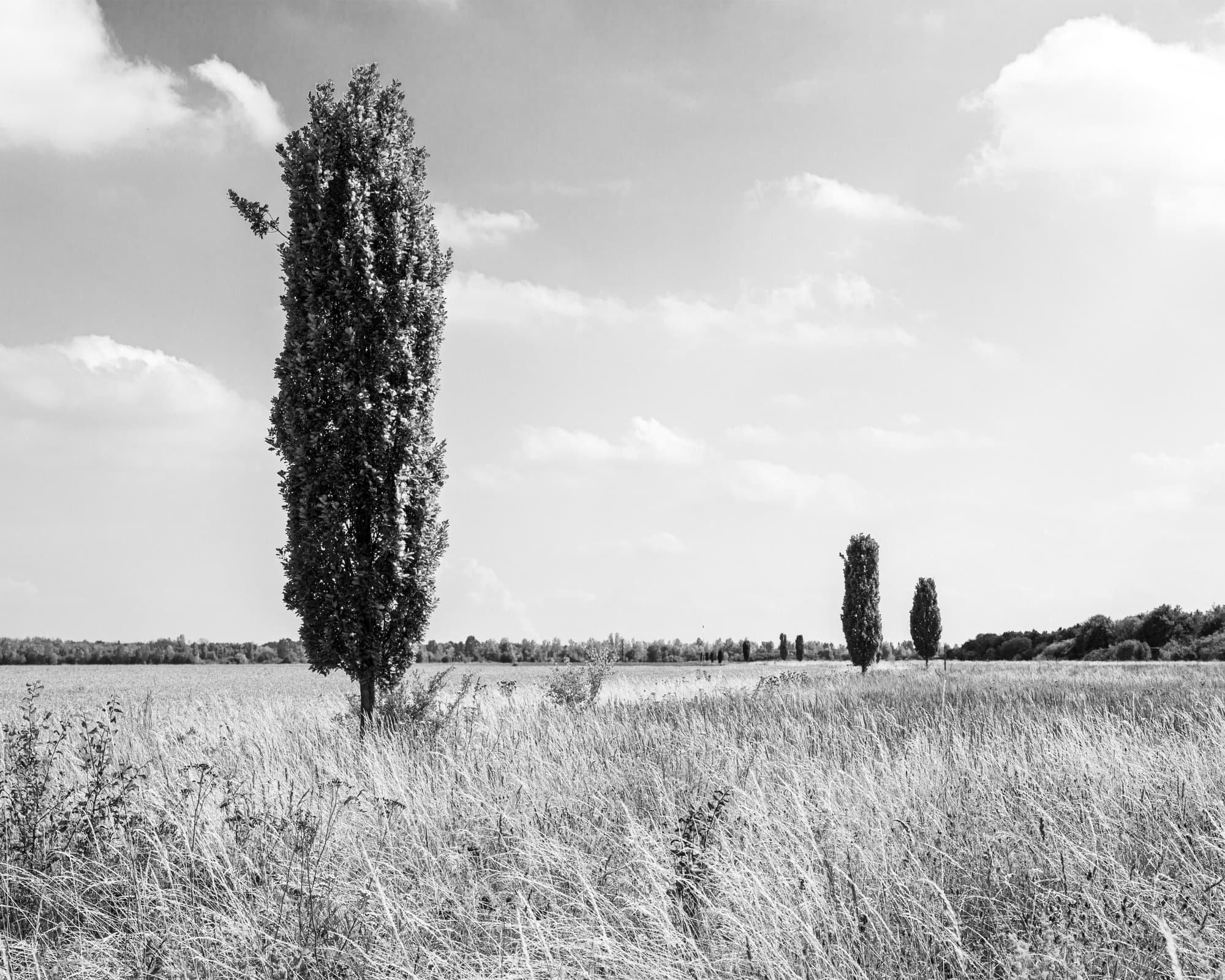
In a wood, the landscape can sometimes lose its sense of familiarity. The trees seem to repeat themselves, the paths all look alike, and every direction seems both right and wrong at the same time. This subtle sensation transforms a walk into an experience more akin to a psychological phenomenon, in which the landscape seems to be observing those who pass through it. In the project Where the Land Waits, the German photographer and artist Marcel van Beek explores this ambiguity through a series of black-and-white images that question our relationship with the natural world. No human figures appear, yet their presence is evoked by roads cutting through forests, bridges leading into dense vegetation and railway tracks overgrown with grass. These are ordinary places, whose stillness suggests the possibility of change. The imagery is reminiscent of David Lynch’s films, in which even the most commonplace landscapes can take on an unsettling quality. As in the woodland sequences of Twin Peaks, nature becomes a mental space where reality and perception blur. In van Beek’s photographs, however, no supernatural event occurs: it is the absence of any event that generates tension.
Composition plays a central role.
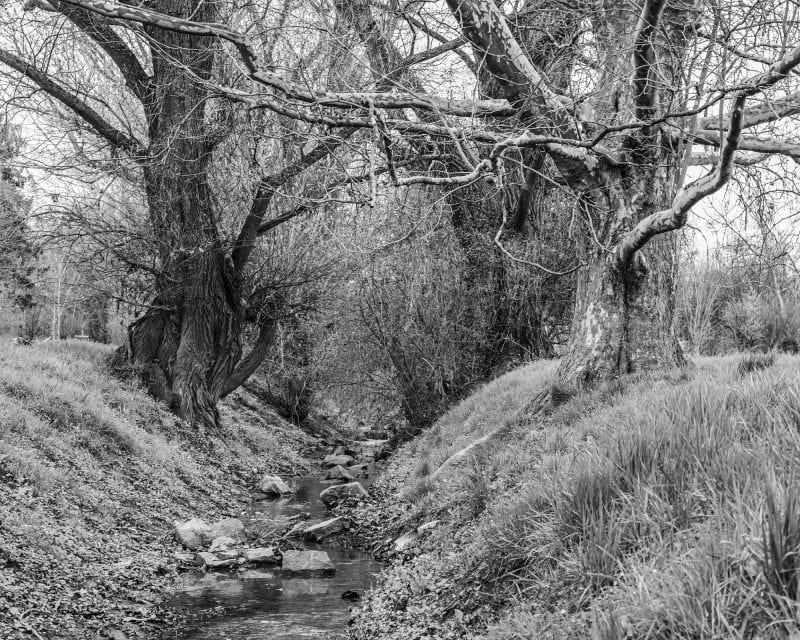
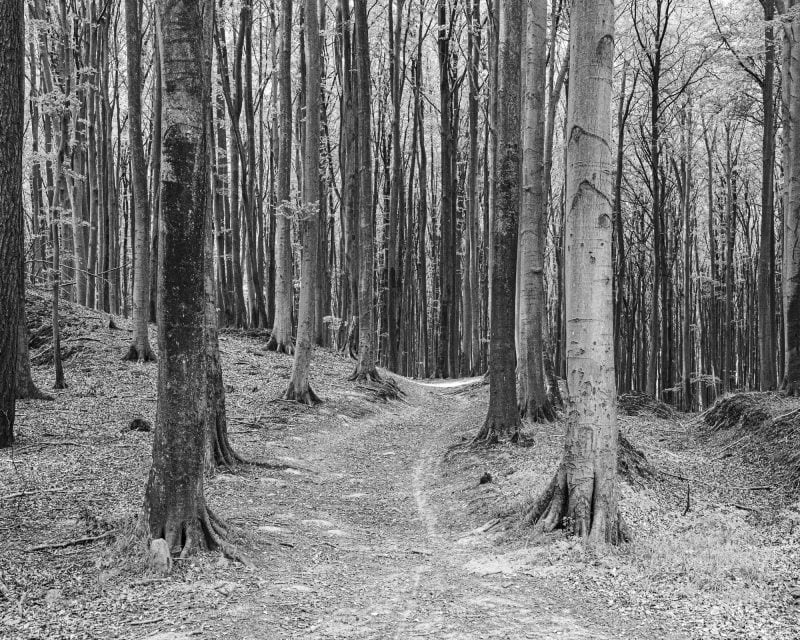
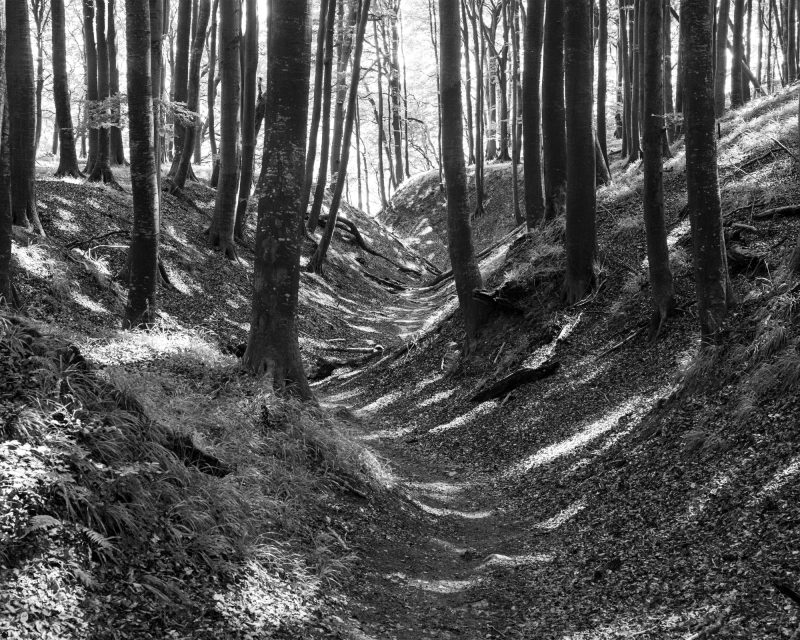
The paths often occupy the centre of the frame, creating perspectives that invite the viewer to move forward, without, however, indicating a specific destination. In one image, two imposing trees stand facing each other across a stream, like guardians of an invisible passage. In another, a log weathered by time takes on vaguely anthropomorphic forms, evoking our tendency to ascribe meaning to our surroundings. The work ties in with the Freudian concept of the Unheimliche, the uncanny – that sense of unease which arises when the familiar becomes alien. Van Beek does not depict a hostile natural world, but rather the need to interpret it, transforming every fork in the path into a choice. In an age of digital maps and predefined routes, Where the Land Waits invites us to embrace the uncertainty of our own path. The true mystery may lie not in what lies hidden beyond the trees, but in our inability to accept what we cannot control. The landscape remains still, waiting.