The festival takes on a tangible form when the programme intertwines with the places, objects and people that bring it to life. Over the nine days spent between Como and Lecco, the theme ‘Confine’ found expression above all through tangible elements, such as materials, buildings and the way in which objects occupy spaces. The 2026 edition extended the event to Lecco and local educational institutions for the first time, integrating the event’s geography into the overall project.
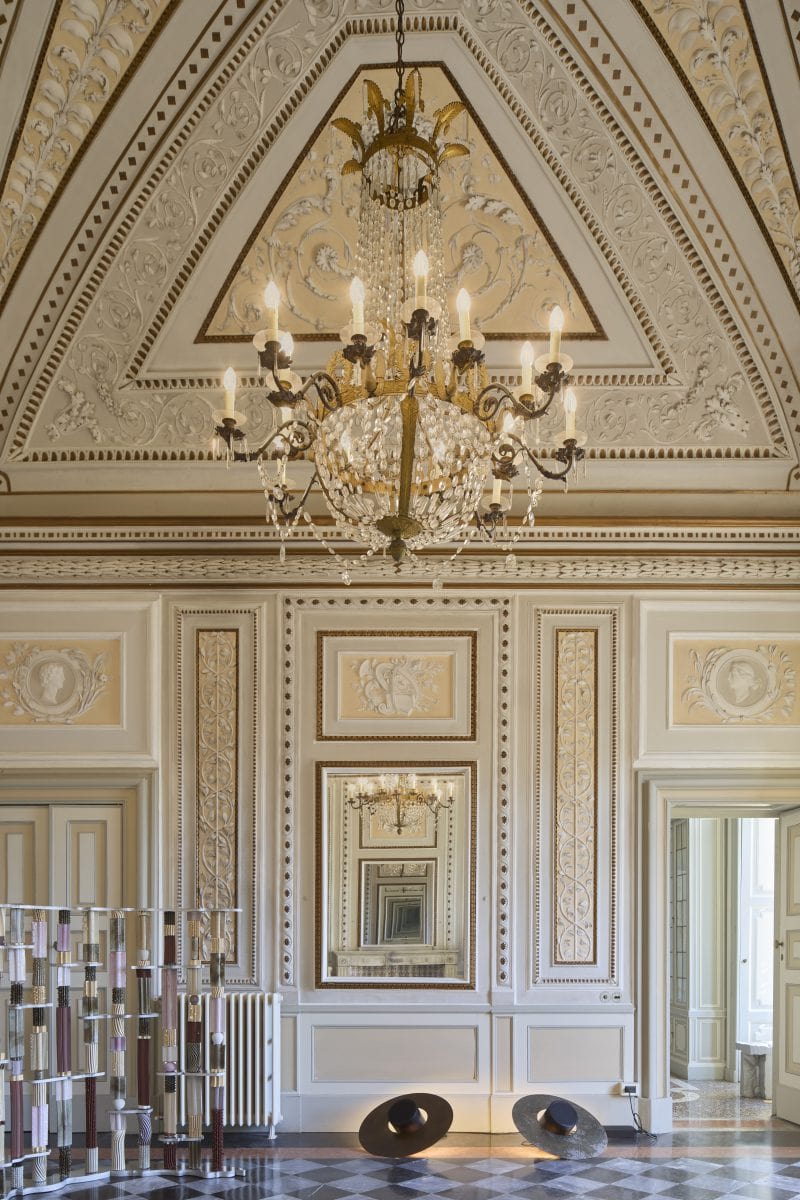
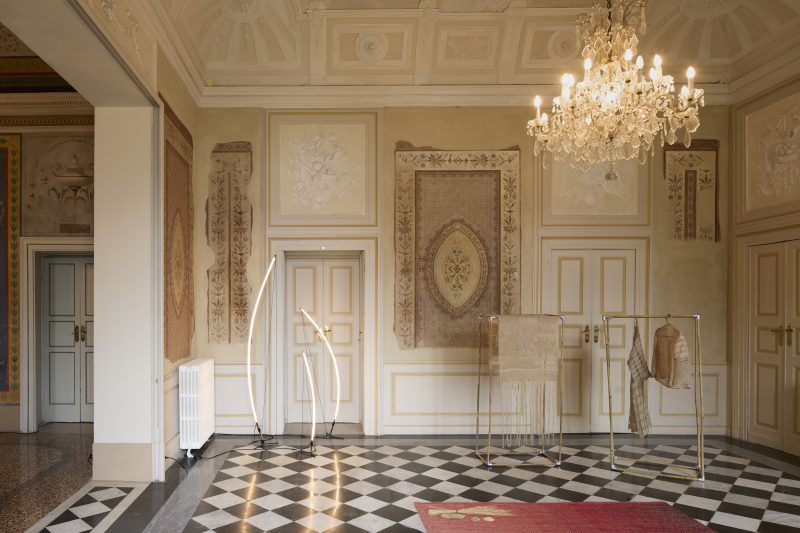
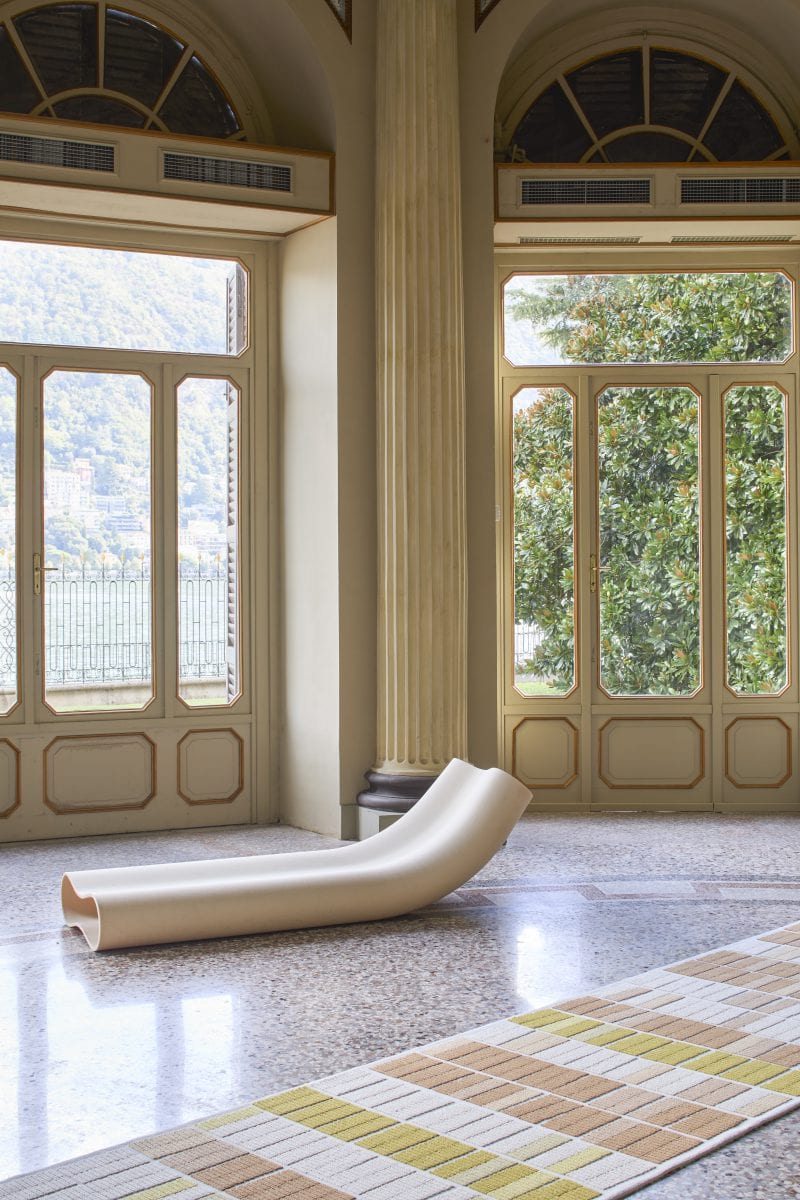
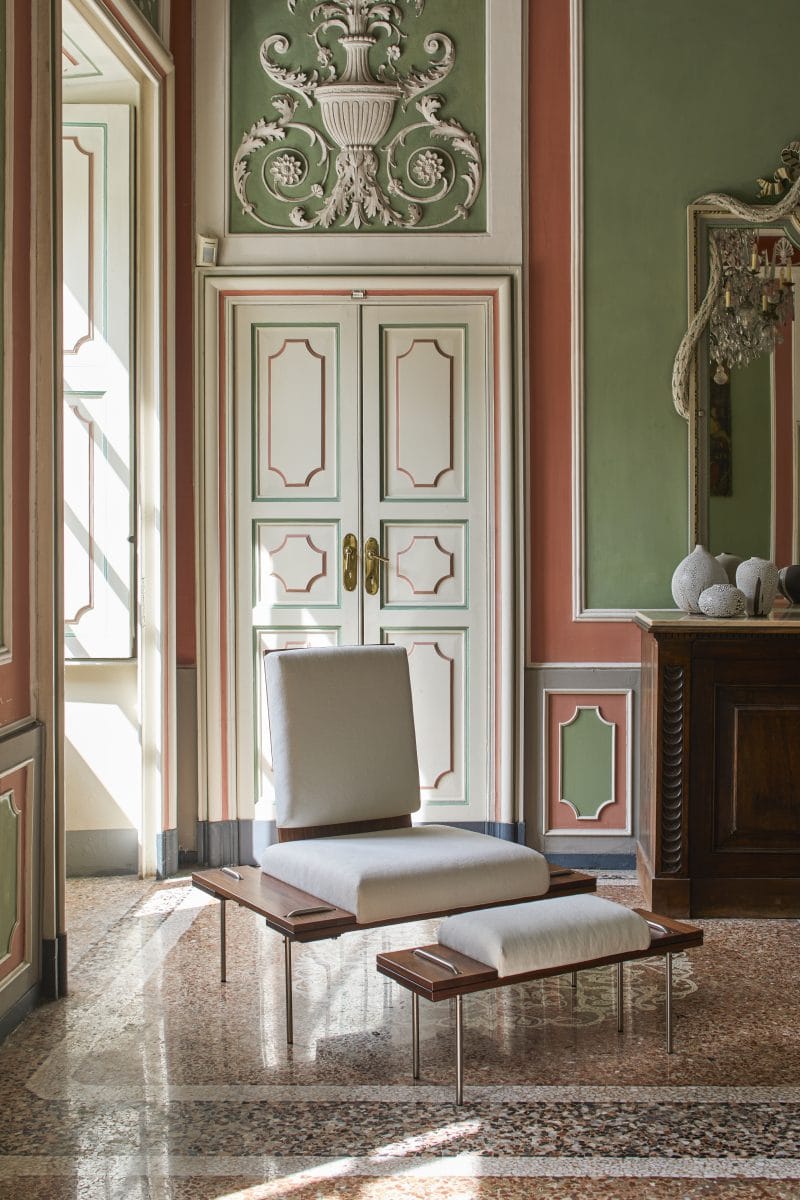
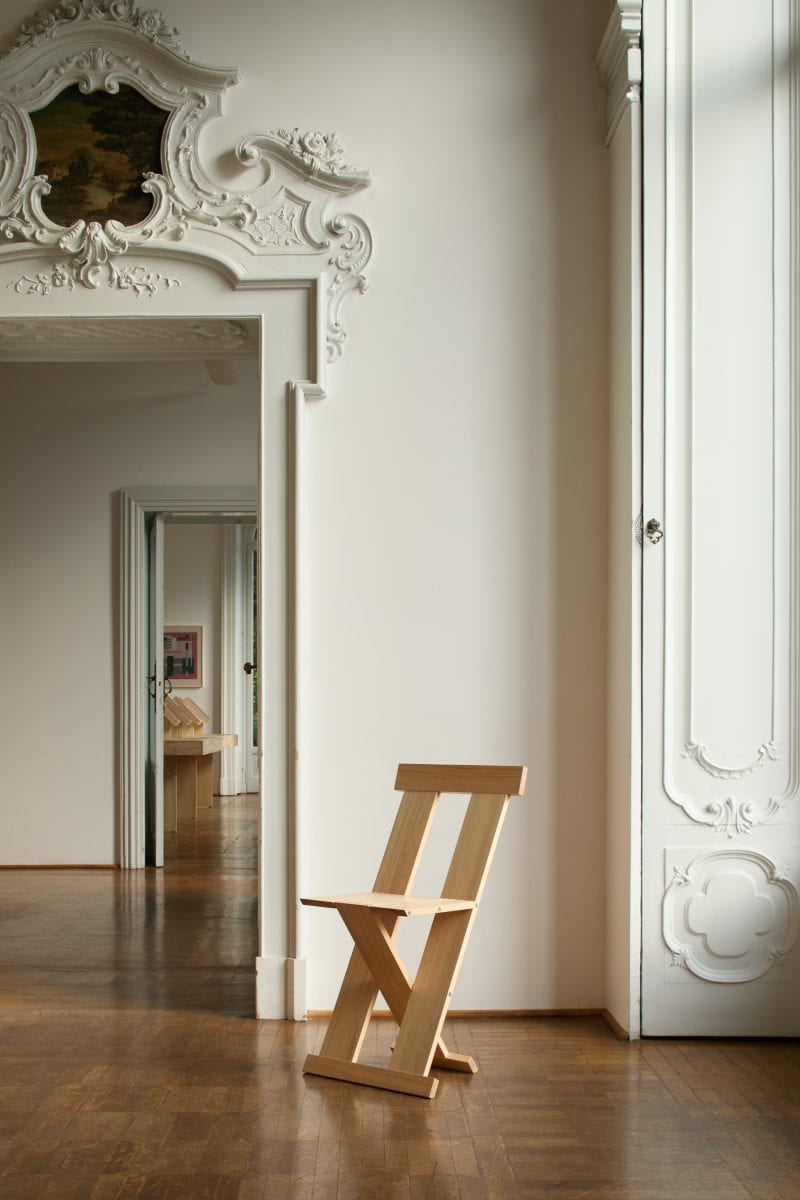
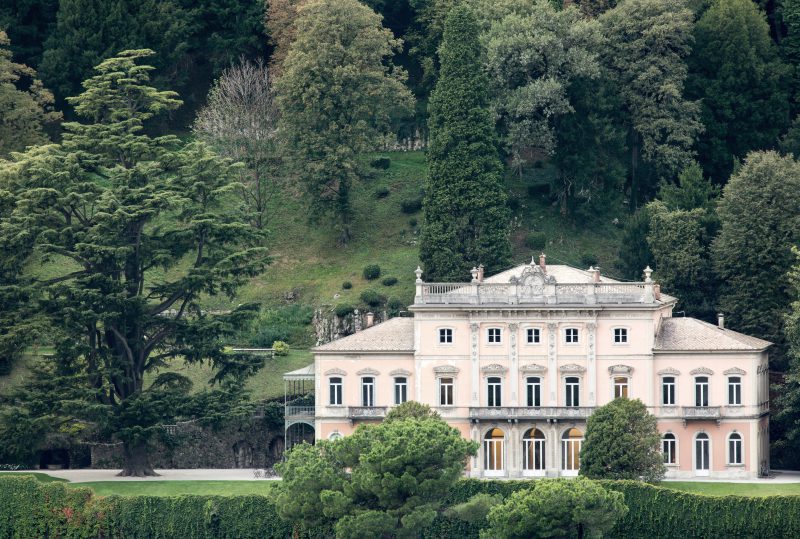
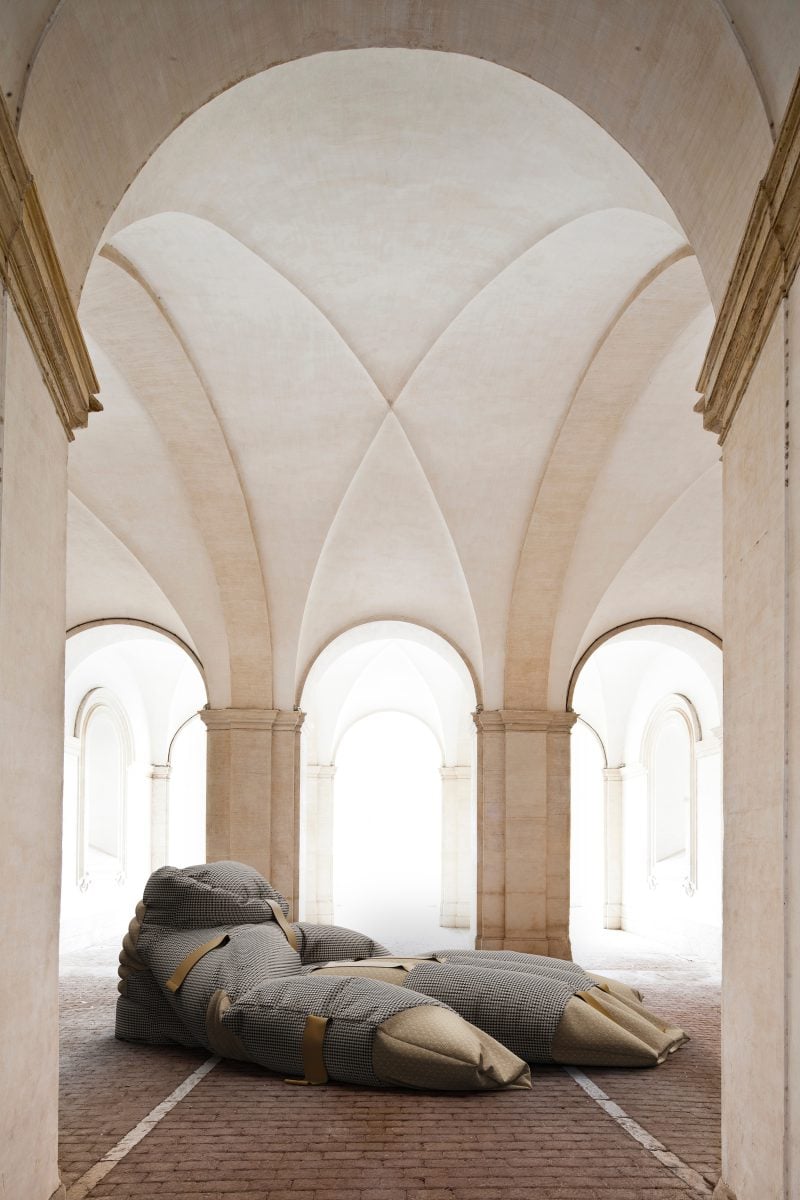
Among the most notable aspects was the Contemporary Design Selection, hosted this year in the neoclassical rooms of Villa Saporiti. The contrast between container and content was clearly evident. Pastina’s Soft Monuments transformed the visual weight of monumental sculpture into a padded, tactile volume, whilst Yelyzaveta Rudenok’s Soft Structure Chair softened the rigidity of the wood through kerf cutting.
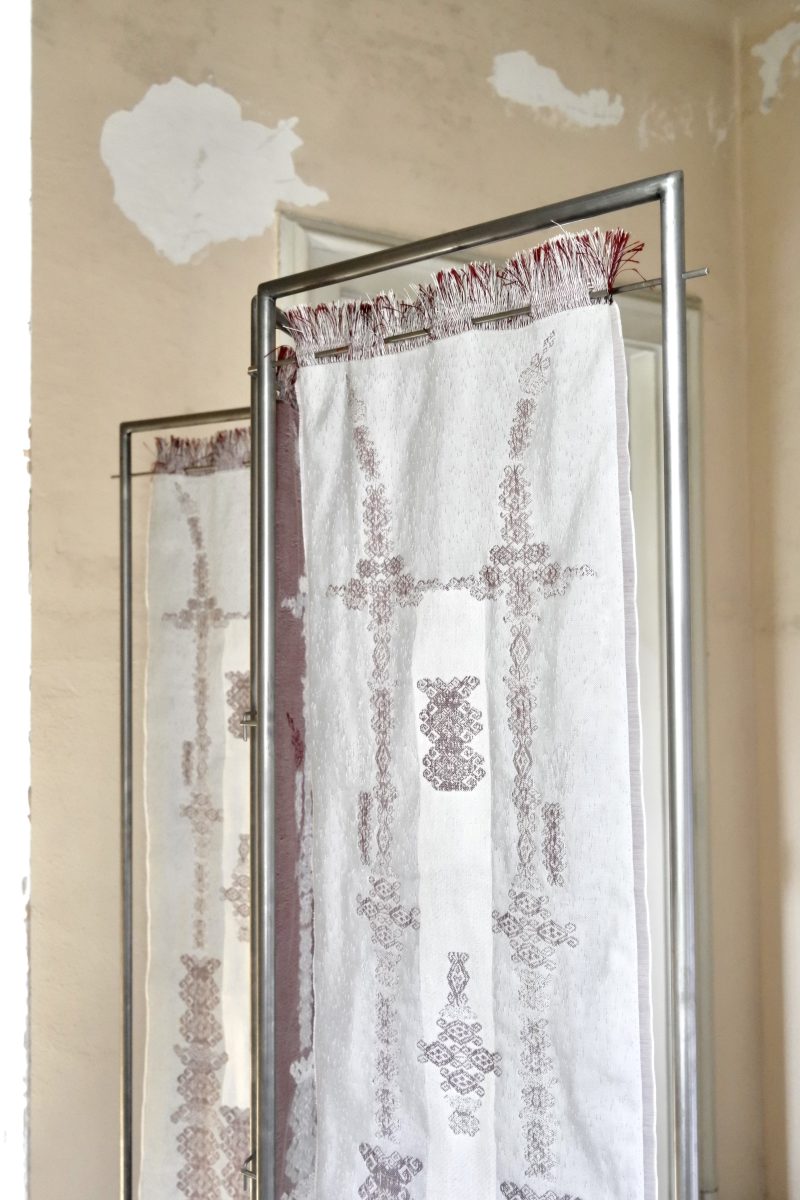
Elsewhere, the boundary took on a cultural dimension. In her work To Read A Pattern, Marie Vilay integrates Laotian weaving motifs into contemporary production processes, whilst Threads of Origin by Vittorio Di Girolamo and Xenia Kwiatkowska draws on the Amazigh textile traditions of Morocco to explore themes of transmission and belonging. The Long Take by The Happy Few, on the other hand, translates the experience of walking through Shanghai into a carpet, bringing together fragments of the street and urban perceptions. Among the most significant works are Sedia 2 by Mateusz Wappa, a pine structure almost overrun by rough branches of birch, beech and hazel; Constellation by Marijke De Cock, in which beads and ornamental techniques become structures in space; and Porous Boundaries by Barbara Munsel, hand-woven tapestries that visitors do not merely observe but walk through. Olive Tree Console & The Black Chair by Gerard Kuijpers and Schneidersitz by VON DENEN were also based on contrasts: organic material and steel in the former, traditional construction and a minimalist language in the latter.
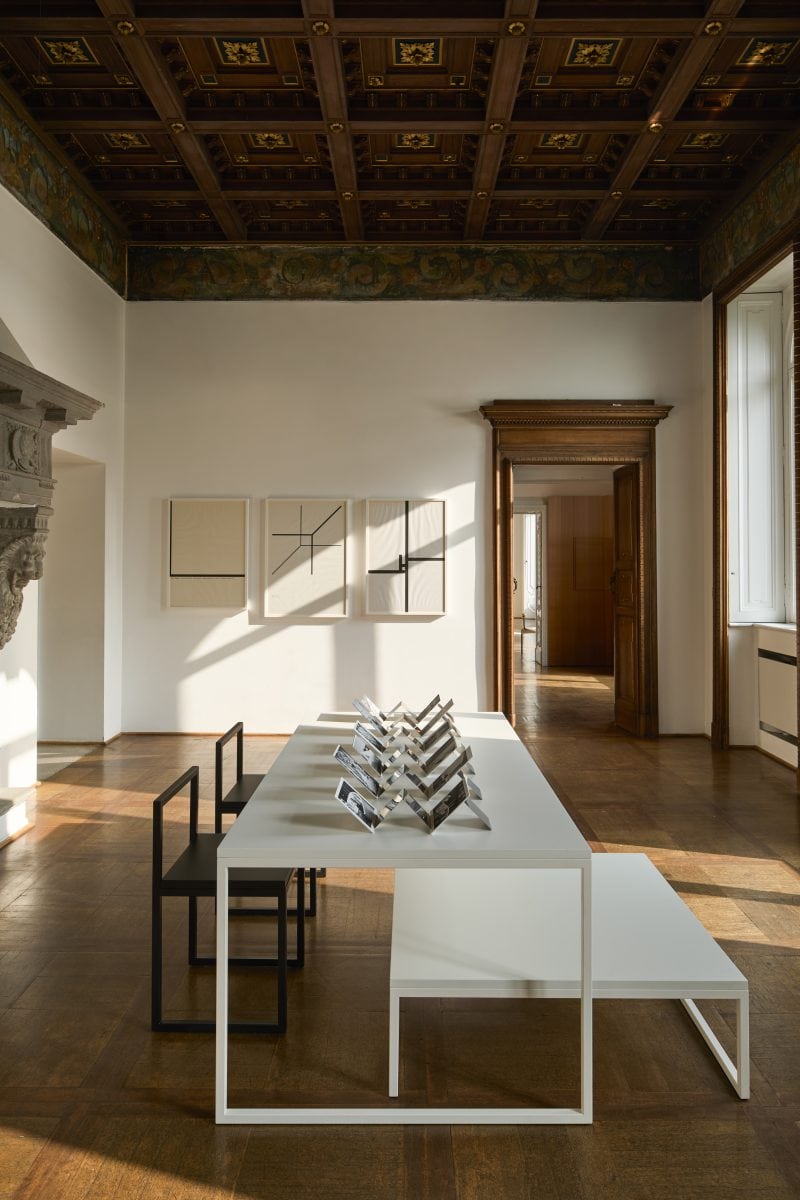
At Villa del Grumello, Future in the Past approached the same idea from another direction, treating the archive not as something static, but as material that can still be activated through design. Historical references were placed back into circulation: Lupo Borgonovo’s Disegno Nomade enlarged the forms of ancient Eurasian buckles into drawings, etchings and a woven jute rug, while ETEL’s presentation of Lina Bo Bardi brought furniture into dialogue with images of Casa de Vidro and SESC Pompéia. AG Fronzoni’s archive, shown alongside his Collezione 64 for Cappellini, made this relationship even more direct: here, the past was not reconstructed, but allowed to remain useful.
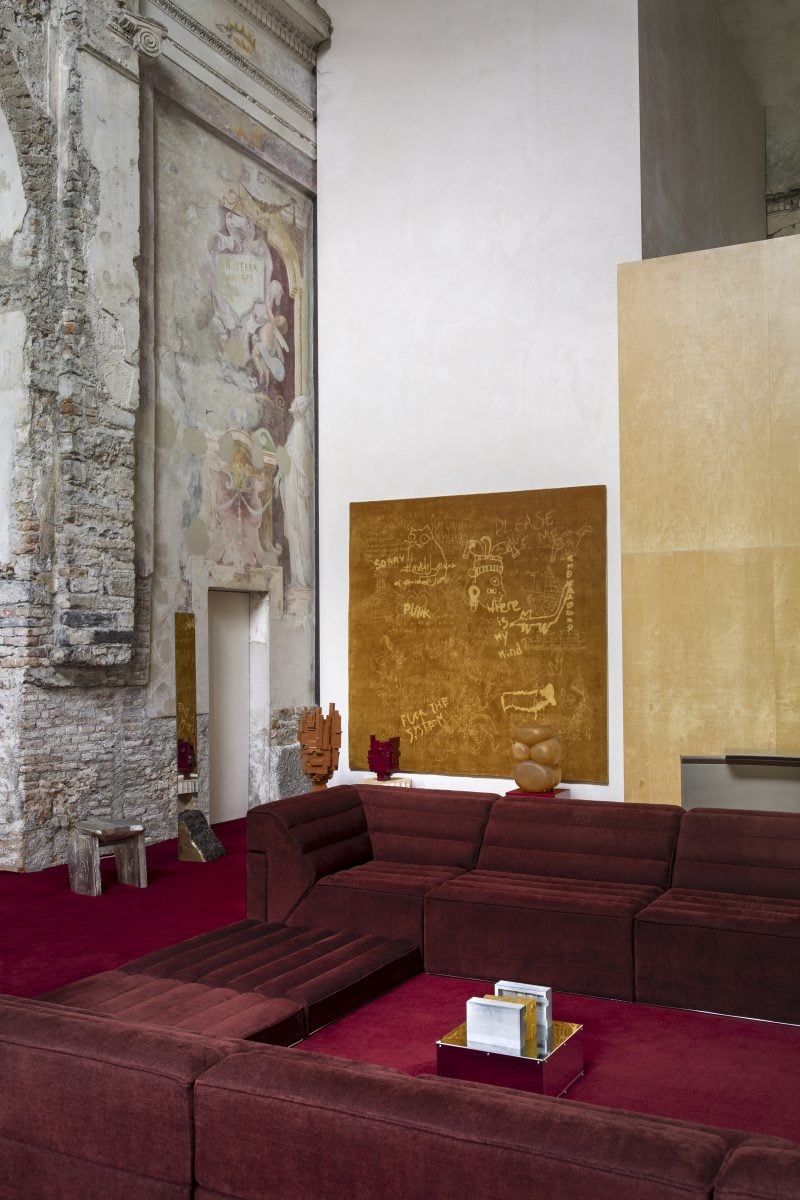
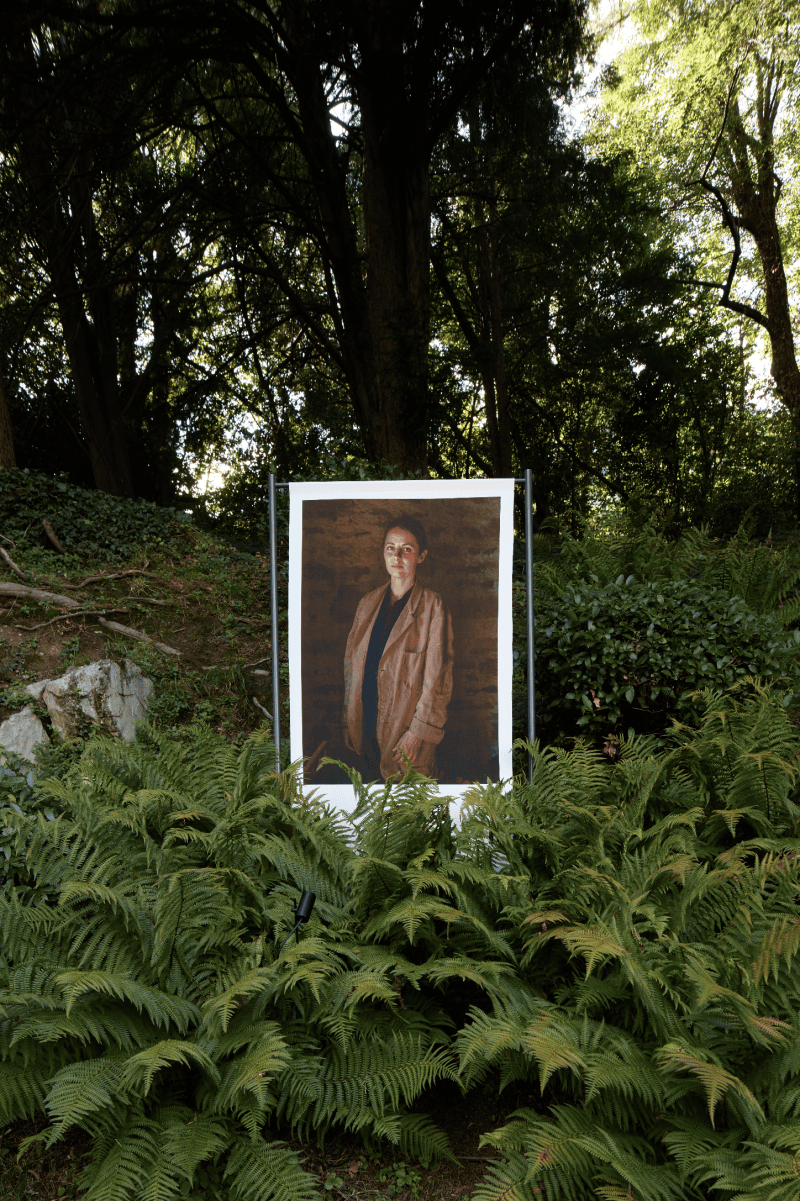
Outside these spaces, the festival demonstrated how objects can transform their surroundings. In the former church of Santa Caterina, the Fine Comune project by Lobby Nomade and Ultrapresent Studio softened the verticality of the religious setting, steering it towards a more horizontal and communal dimension. Acerbis’s Free System and Roberto Sironi’s Hypercode rugs for cc-tapis transformed the nave into a temporary space intended for collective use. In Lecco, Eterno Femminino at the Polytechnic explored the boundary between archetype and stereotype. At Grumello, Nella Natura: storie di chi ha scelto un’altra vita, curated by Paola Manfredi with photographs by Selene Magnolia Gatti, presented six stories of people who have opted for a life between the city and the wilderness.
The most effective projects did not seek to represent the theme of ‘Confine’, but made it tangible: an element to sit on, to cross, to touch or to observe from a different perspective.