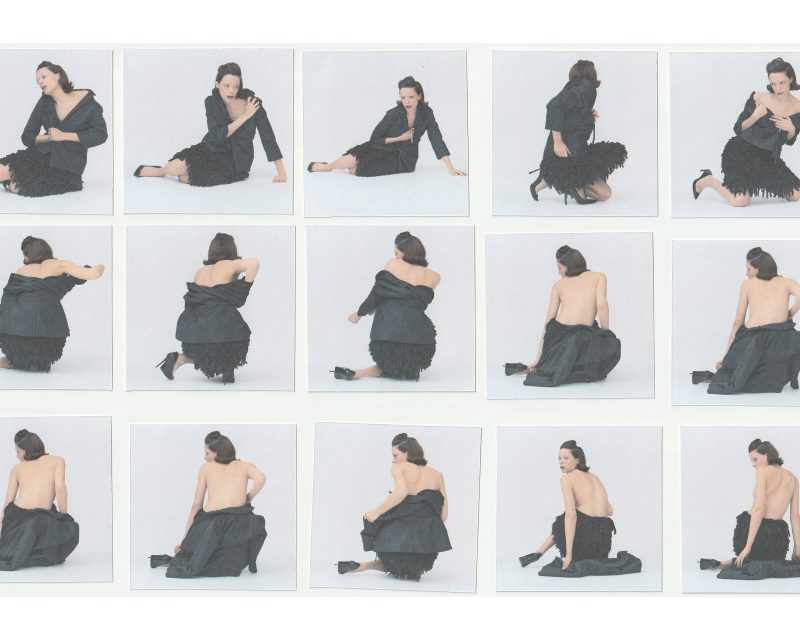
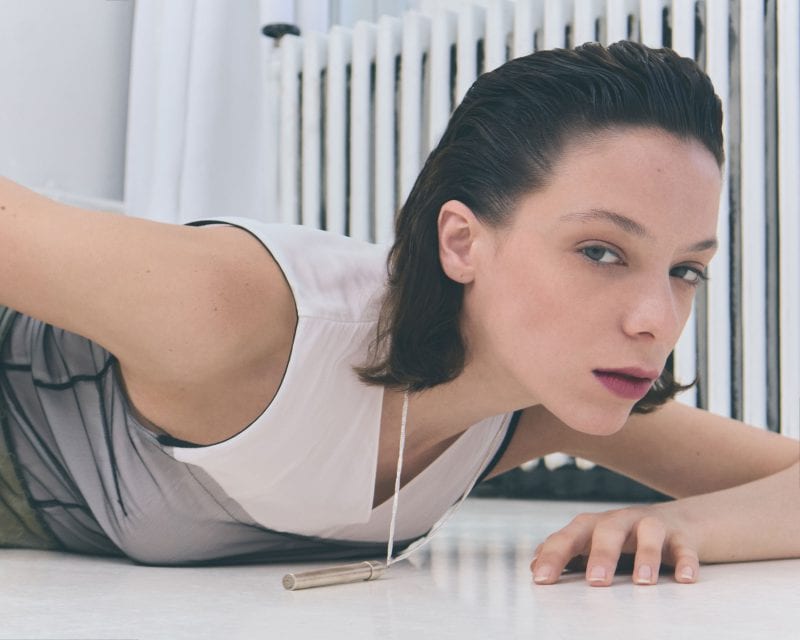
The story unfolds within an intimate, undefined space.
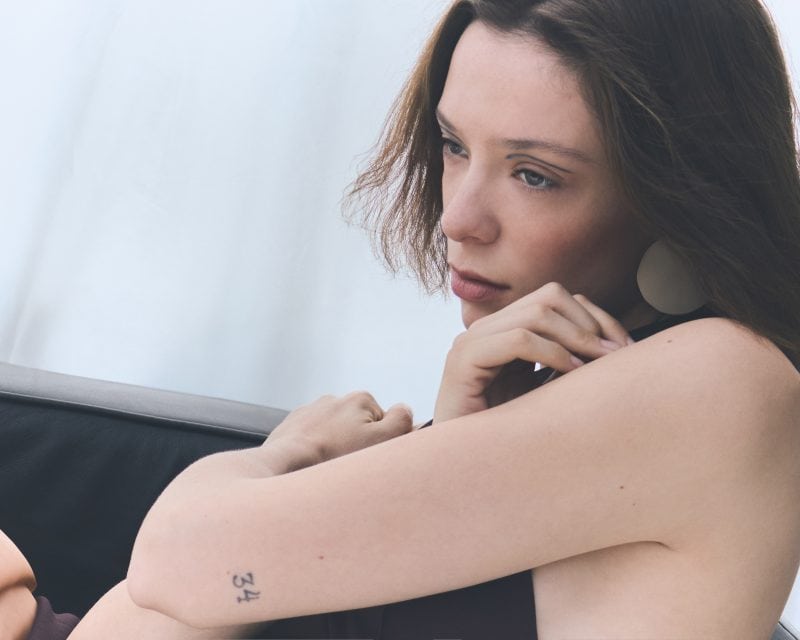
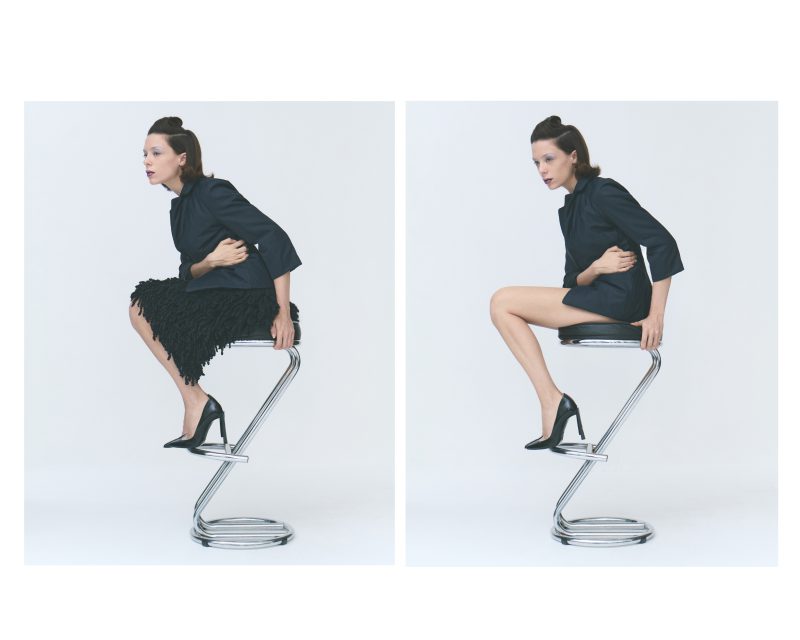
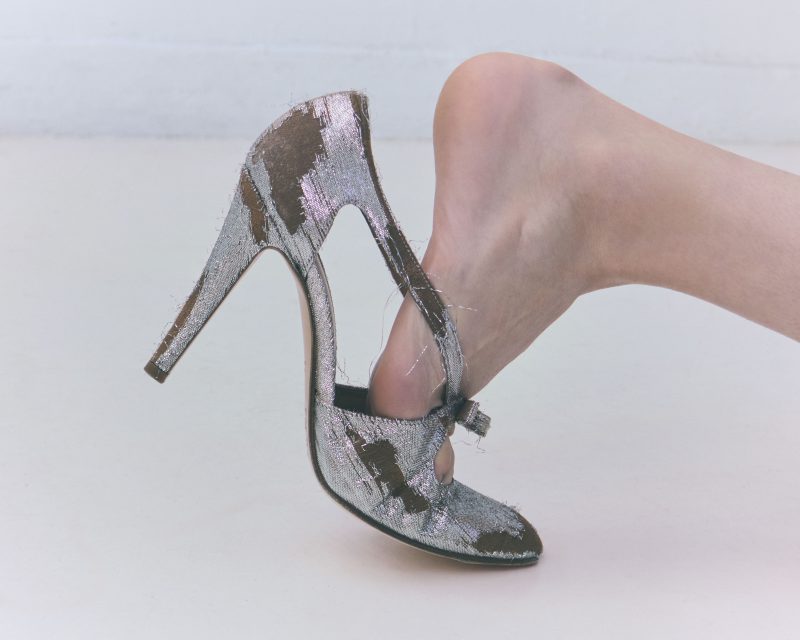
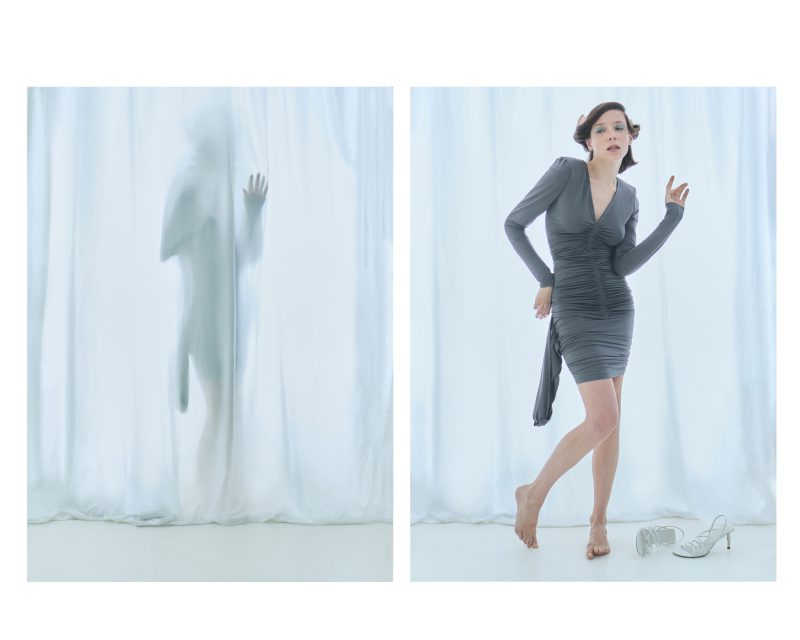
Inside a small, quiet room, there’s a woman lingering in a space that belongs solely to her. It is unclear whether she is getting dressed or undressed. She inhabits that delicate in-between, either preparing to step out into the world or retreating from it, where the weight of outside observation dissolves.
She is not a character in the traditional sense, but a presence. A figure shaped as much by the observer as by herself. Her identity is not given, because it is not meant to be known. She could be anyone, or perhaps she is only a construct of perception.
These are the rituals rarely witnessed. Subtle, unguarded moments that take shape in solitude, when the presence of others is no longer felt. They represent a kind of authenticity that public life often conceals.
Yet curiosity persists.
Voyeurism, in its broadest sense, reflects a deeply human impulse: the desire to see what is hidden. It is not always rooted in intrusion, but in imagination—the urge to fill in the unseen, to construct meaning from fragments.
In this moment, however, she is not entirely alone.
There is a silent observer.
The voyeur is the reader.
And so her identity becomes even more uncertain. Is she a real person, or a projection shaped by the one who watches? Does she exist independently, or only through observation?
The question lingers, unresolved:
Is she getting dressed, or undressed?