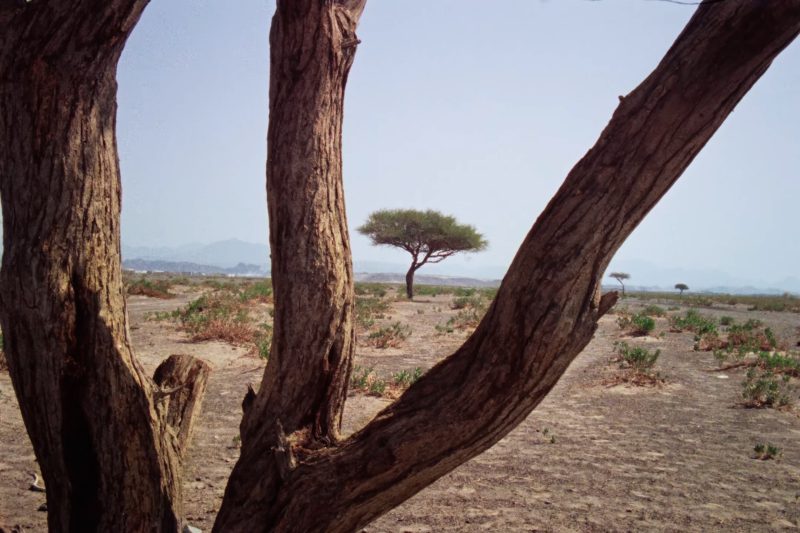
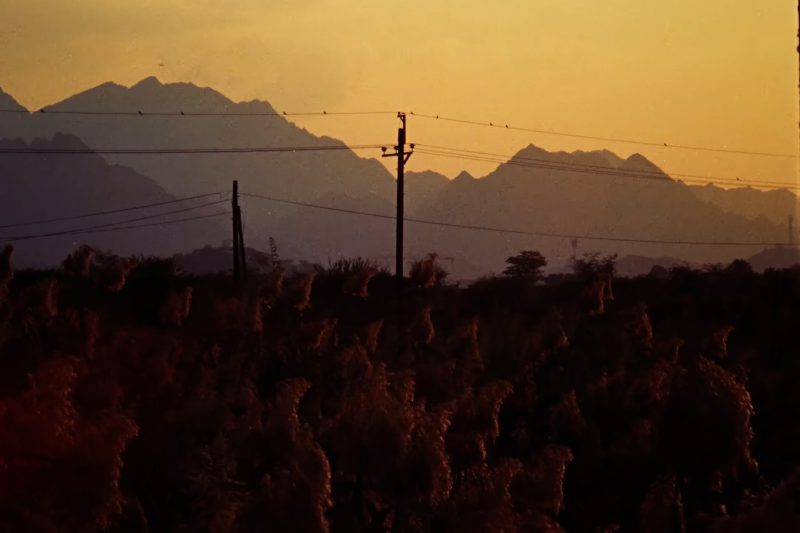
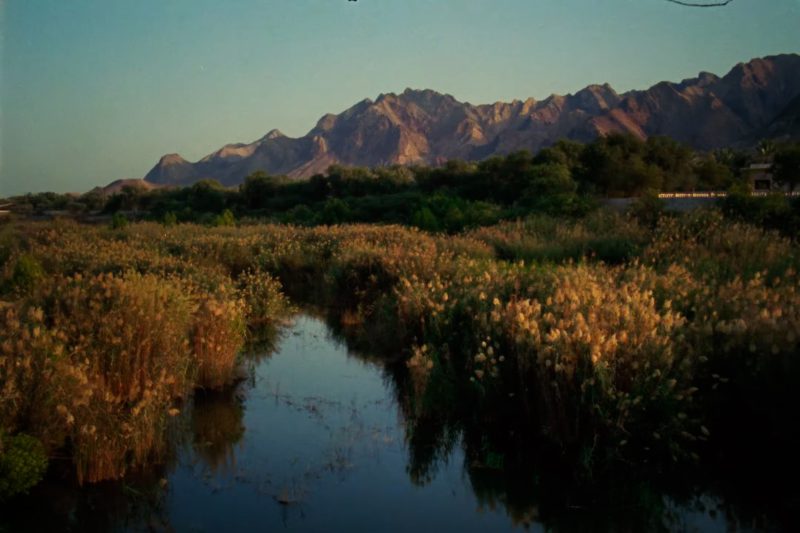
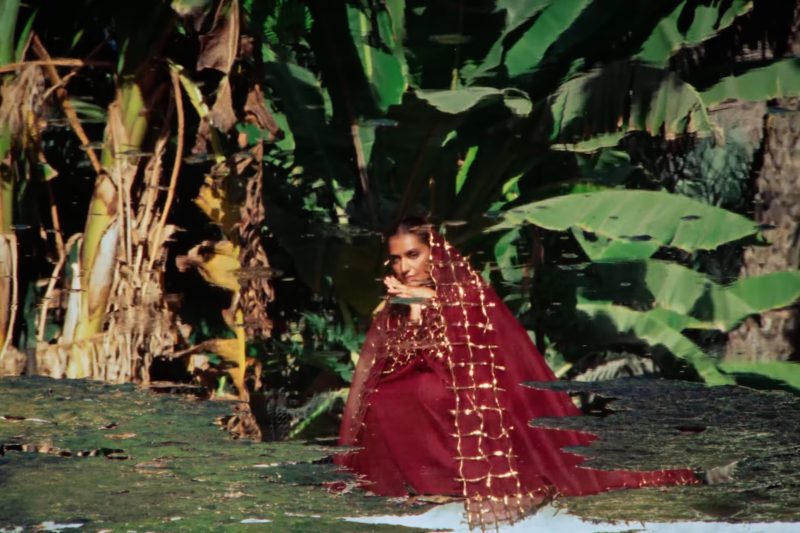
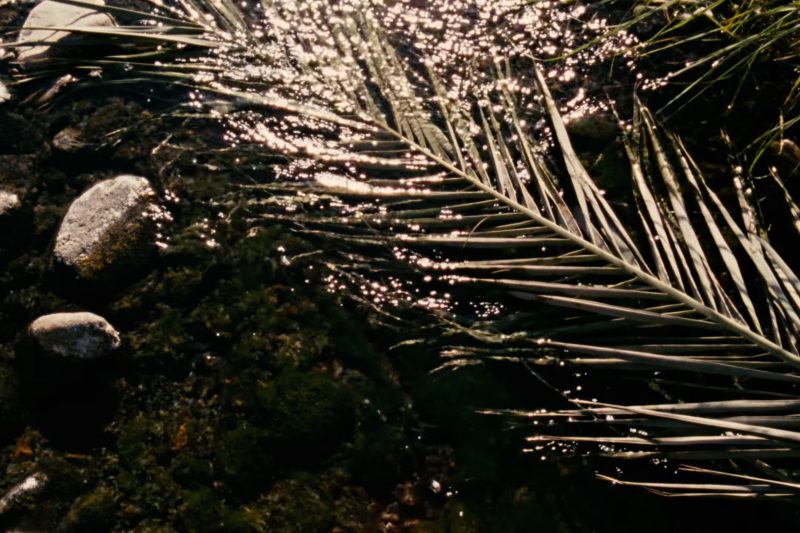
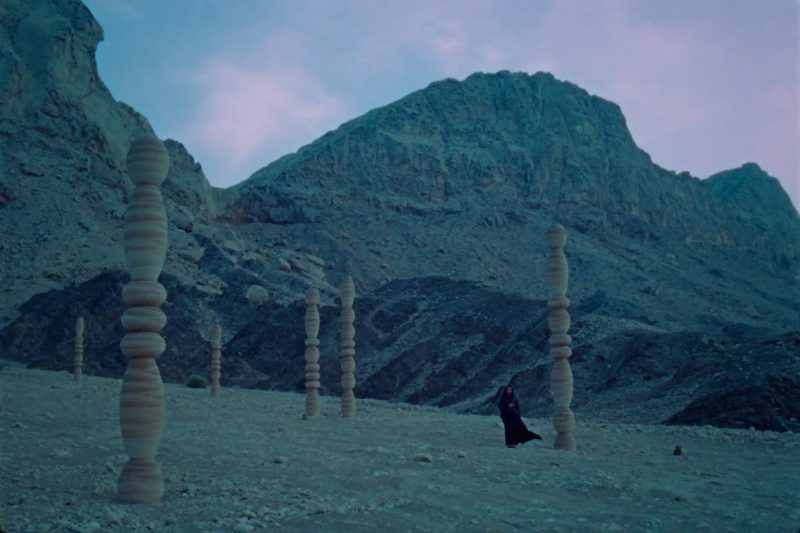
In an age dominated by digital clarity and perfection, Daughter of Earth offers a strikingly human alternative. Shot entirely on 16mm film, the short work embraces the tactile qualities of analog lending each frame a sense of life and memory. The film’s visual language is simultaneously intimate and expansive, grounding the viewer in landscapes that feel ancient yet immediate, while conveying a deep emotional resonance.
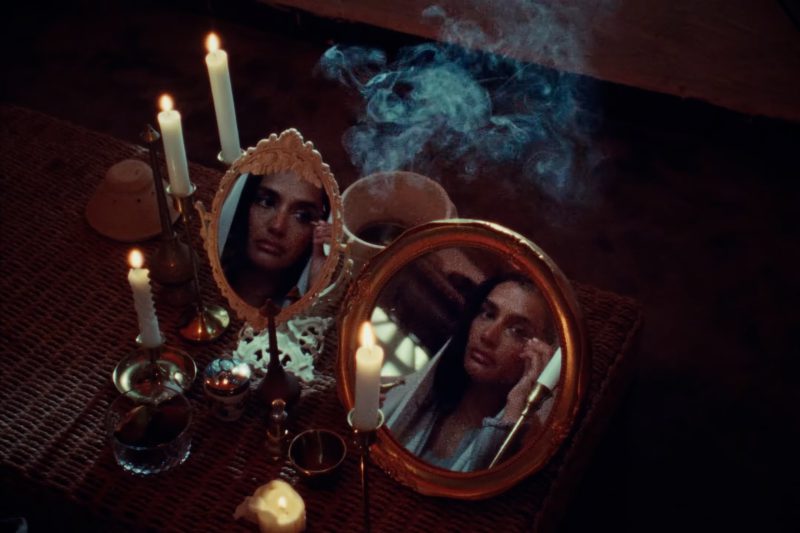
The cinematography moves fluidly between wide, austere terrains and close, intimate gestures. Mountains, deserts, and open skies are contrasted with domestic spaces, quiet moments, and human presence, creating a rhythm that mirrors both the physical and emotional terrain of the story. The choice of 16mm is central to this effect: the analog medium captures light, texture, and materiality in a way that digital tools struggle to replicate, giving the imagery a palpable weight and presence.
Beyond its visual richness, Daughter of Earth explores the relationship between humans and their environment. Through ritual, craft, and quiet interaction with the land, the film presents a meditation on heritage, resilience, and connection. Each sequence feels deliberate, as if sculpted with care, drawing attention to gestures, textures, and the spaces between movement and stillness.
The work resonates as a contemporary reflection on memory and continuity. It balances the starkness of natural landscapes with the intimacy of personal experience, creating a cinematic rhythm that is both contemplative and immersive. The result is a film that does not merely depict a place but evokes the sensorial and emotional life of that environment, its light, its dust, its quiet poetry.
Ultimately, Daughter of Earth is more than a short film; it is a visual essay, a study in texture, atmosphere, and human presence. By privileging analog film and a measured pace, it reminds us of the tactile, imperfect, and profoundly beautiful aspects of cinema, offering an experience that lingers long after the screen goes dark.