In a moment when the present often feels saturated with noise and uncertainty, the act of creating something meaningful and beautiful carries a particular weight. The creative process becomes a way to navigate the world: a space where memory, culture, and identity are translated into new visual languages. In this sense, filmmaking is not only about telling stories, but about shaping experiences, preserving perspectives, and opening new ways of seeing.
Bobo Blues moves within this territory. Through a cinematic approach that blends music, rhythm, and visual storytelling, the project reflects on the emotional textures of Black culture while exploring the collaborative energy behind contemporary independent filmmaking. The result feels both intimate and deliberate, a work where everyday gestures and memories become part of a larger narrative about representation, creativity, and cultural continuity.
Within this framework, we spoke with director Palmer Williams about Bobo Blues, discussing collaboration, creative process, and the ideas that shaped the film.
The project was brought to our attention by Melissa Alibo, who works closely with black artists and supports emerging voices within contemporary visual culture. This connection is part of an ongoing collaboration between C41 and Black Spectrum, an initiative Melissa Alibo initiated in 2020 for the ASVOFF Film Festival.
AE_ I really enjoyed the video. It feels visually powerful but also very intimate. I noticed that this isn’t the first time you’ve collaborated with Miracle. Could you tell us how your creative partnership began?
PW_ Our first collaboration started with a birthday video she made back in 2023. Then in 2024 we created My ATL Smile. Miracle had written a poem and told me there was this trend going around, and she said, “Palmer, I’d love for you to capture on film what I do in the grill shop.” She already had a YouTube channel where she documented herself working there, but she told me she really liked my eye and wanted me to help bring her poem, My ATL Smile, to life visually. That’s how the project was born.
AE_ As your collaboration with Miracle continues to evolve, I’m curious about how that relationship has shaped your approach to filmmaking. Has working together influenced the way you think about directing or building a creative process?
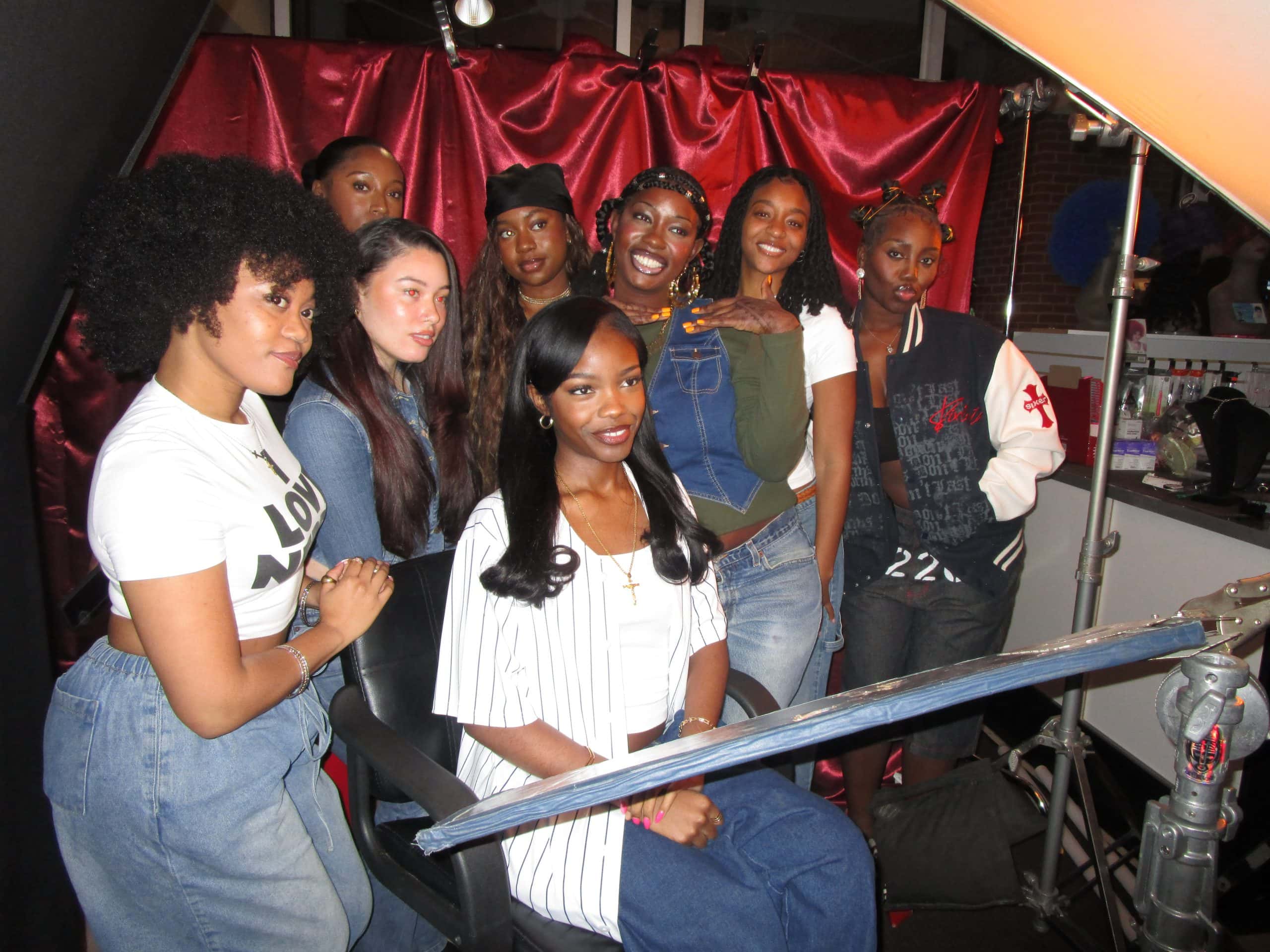
PW_ Yes, absolutely. Bobo Blues was actually my first collaboration with Miracle that also involved a larger team. Normally when we work together it’s more of a one-to-one collaboration. But with this project I had the chance to build chemistry with the team I’m currently developing here in Atlanta. Miracle was the talent, the writer, and also a co-director, while I directed the project alongside a director of photography and a crew of about fifteen people.
When people watch the final result they don’t necessarily realize how many people were involved behind the scenes. For me it was a really important experience because it taught me how to be a better leader and how to build relationships within a team. It also reinforced the importance of doing as much creative work as possible during pre-production and post-production so that everything runs smoothly when the actual shooting day arrives.
AE_ One of the most striking aspects of the video is the way blues music guides the narrative, almost carrying the viewer through a kind of emotional memory. I was wondering how that idea developed. Was it something you and Miracle envisioned from the beginning?
PW_ It came from a mix of influences. From the beginning we knew we wanted to blend Black culture with strong cinematic elements. Miracle mentioned a play called Chicago, where the story moves in and out through lighting transitions and rhythmic cues. I told her about Mo’ Better Blues, and we watched the opening credits together. Once we saw those references side by side, we immediately knew that was the direction we wanted to take. After Miracle finished writing the script, I did my usual work as a director and broke it down in detail.
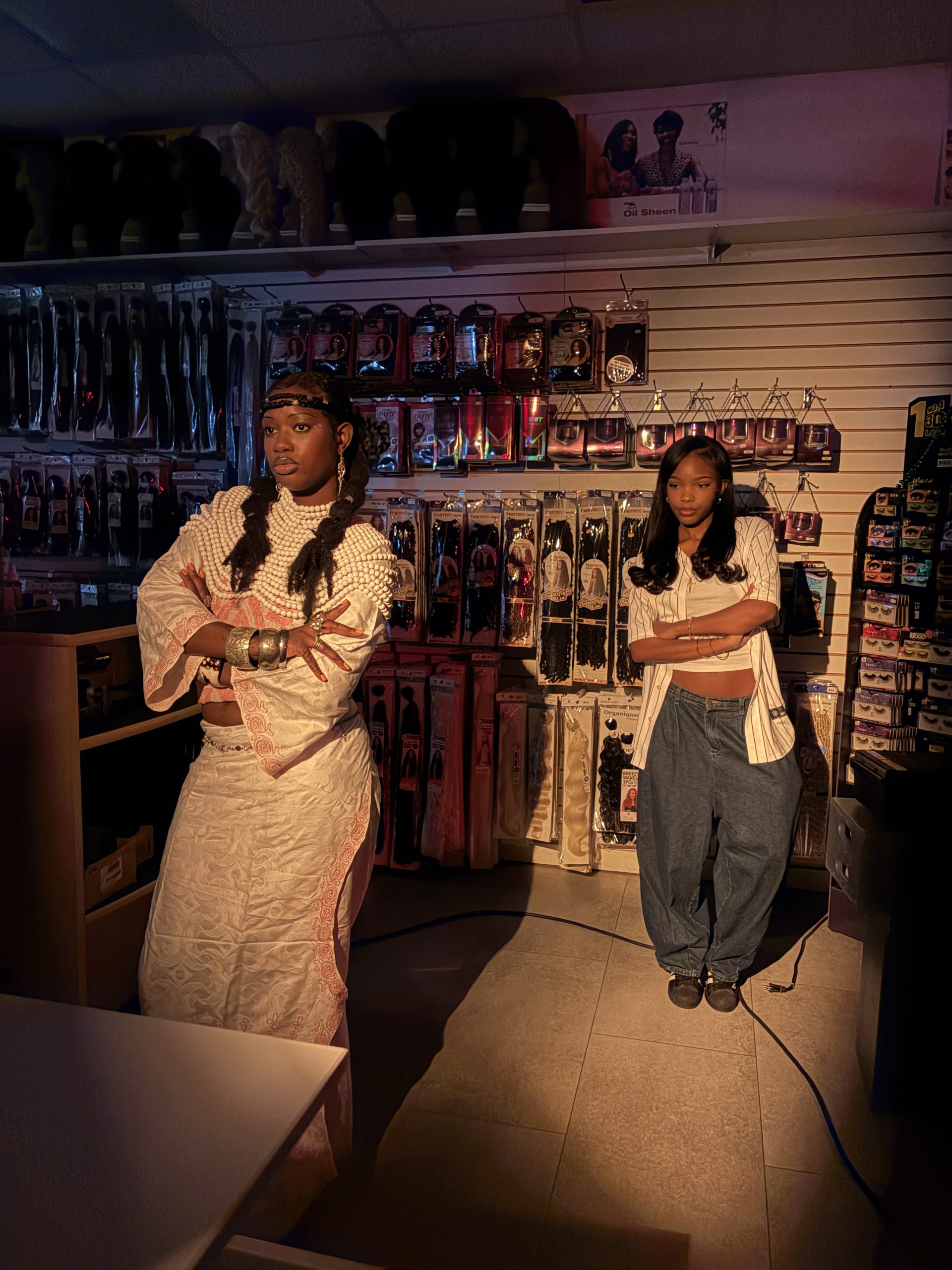
I mapped out the lighting cues and decided when certain elements would appear during specific moments. For example, the opening shot where she has her eyes closed and the lights suddenly click on came from that process. So the concept really became a blend of our ideas: Miracle’s inspiration from Chicago and my desire to create an atmosphere similar to Mo’ Better Blues, almost as if the character exists in a kind of void. I also drew inspiration from a previous film of mine called Politicking. In that film, music acts as a catalyst that shifts the viewer between different moments in time and space. It’s something I’ve been exploring in my storytelling for a while.
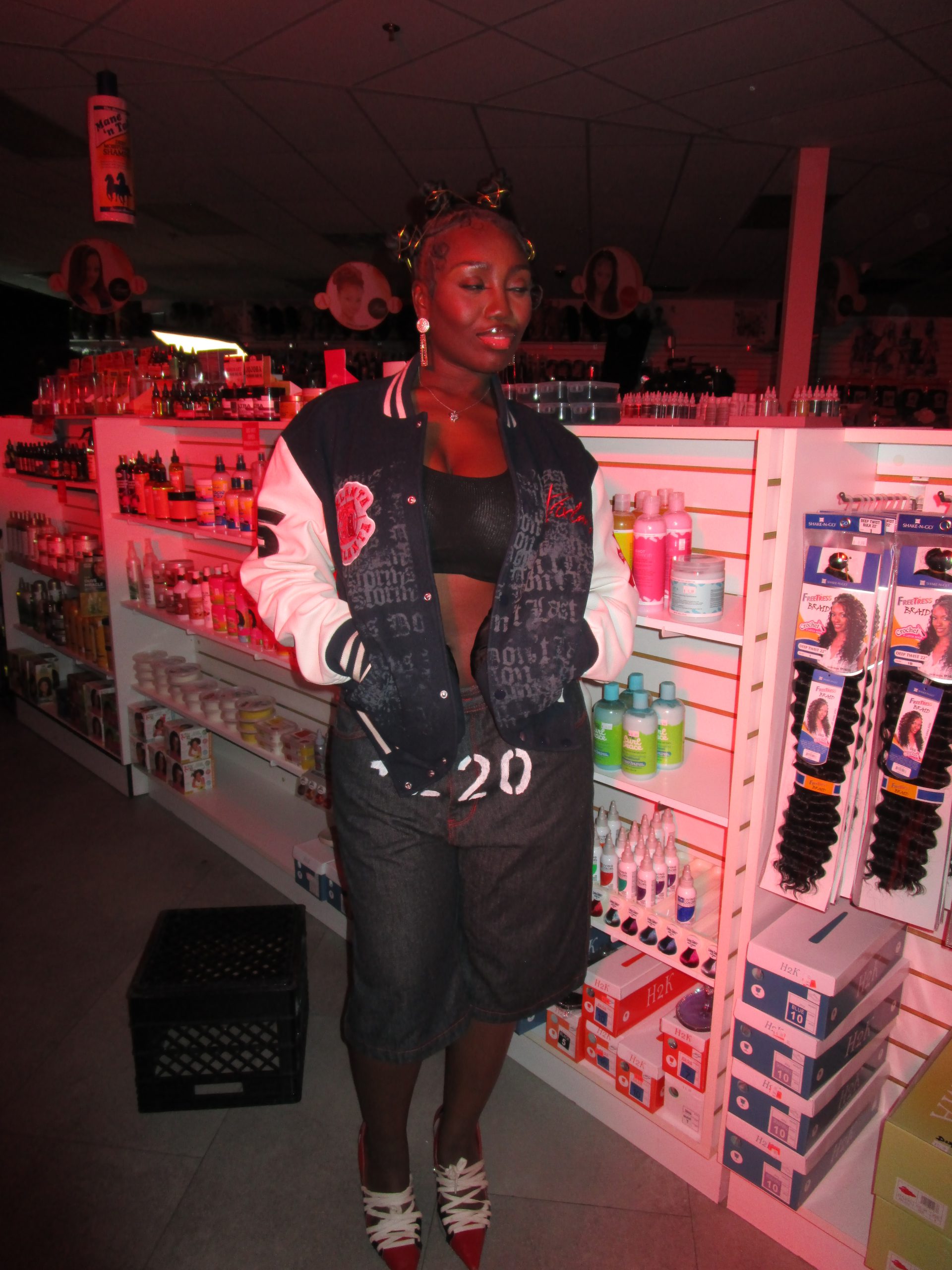
AE_ Another element that stands out in the film is the strong visual identity of the characters, especially in terms of styling. Could you talk a bit about the process behind hair and makeup?
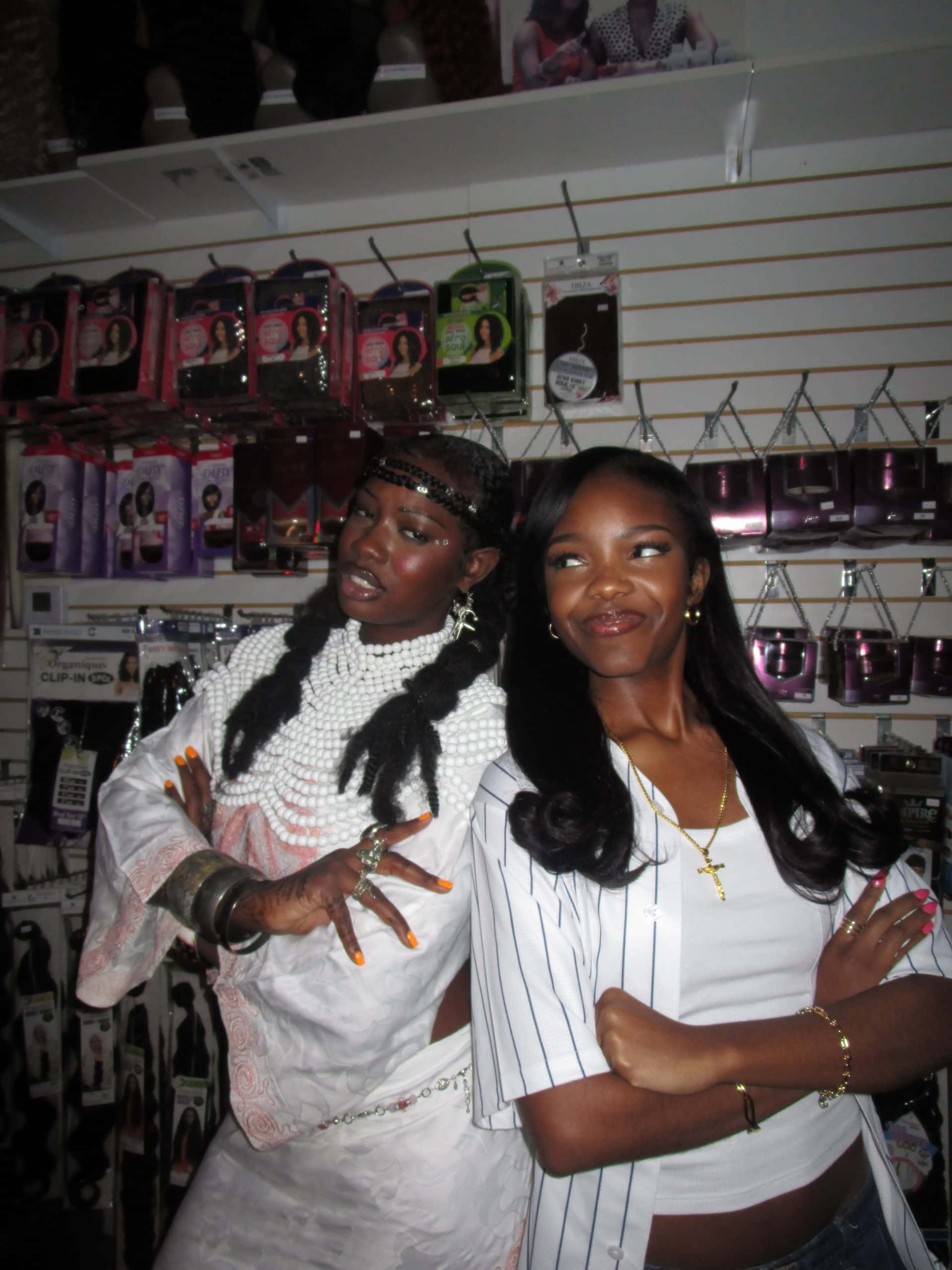
PW_ Honestly, that was probably the most stressful part of the project. Miracle, Isis, and I were the executive producers, and we had spent a lot of the budget on props and food for the set. We assumed people would just show up ready with their looks — which didn’t exactly happen. For example, Alea, who is very well known now, is actually a friend of mine. I called her and asked if she could help. She recently went viral on TikTok for her Y2K-inspired outfits, but now she’s moving toward a style that blends ancestral African elements with American cultural influences.
At first we had a different outfit planned, but when we saw it on set we realized it didn’t work. I’m very particular about styling, so we ended up combining elements from two different outfits and adding white beads from another look. The final result had a kind of “Kazaam Shaq genie” energy when her character transitions from cashier into that moment. For Miracle, we originally planned something more Afro-futuristic, similar to Alea’s style. But we simply couldn’t find the right people in time. We were trying to shoot before the end of Black History Month.
After three different ideas didn’t work out, we decided to go for a classic 1990s look inspired by Nia Long in Love Jones. Isis had the Bantu knots in the opening scene. I had a very specific shot in mind showing the back of her head with the two characters in the background. She worked with her friend Aliyah, who is a hairstylist and multidisciplinary artist, and they executed it perfectly.
AE_ Watching the final result, it’s easy to forget how complex and unpredictable a production can be. Being an independent project, problem-solving must have been an important part of the process.
PW_ Exactly. The final result was amazing and the reception was great, but as a director I’m always competing with myself. I’m constantly thinking about how I can improve my leadership and preparation. I never want the shooting day to feel stressful, I want it to be smooth and organized. We’re still building chemistry as a crew, but I think we did a phenomenal job. For the next project I’ll push even harder in pre-production so that everyone on set feels respected and everything runs efficiently.
AE_ From a technical perspective, could you tell us more about how the film was shot and the equipment you used?
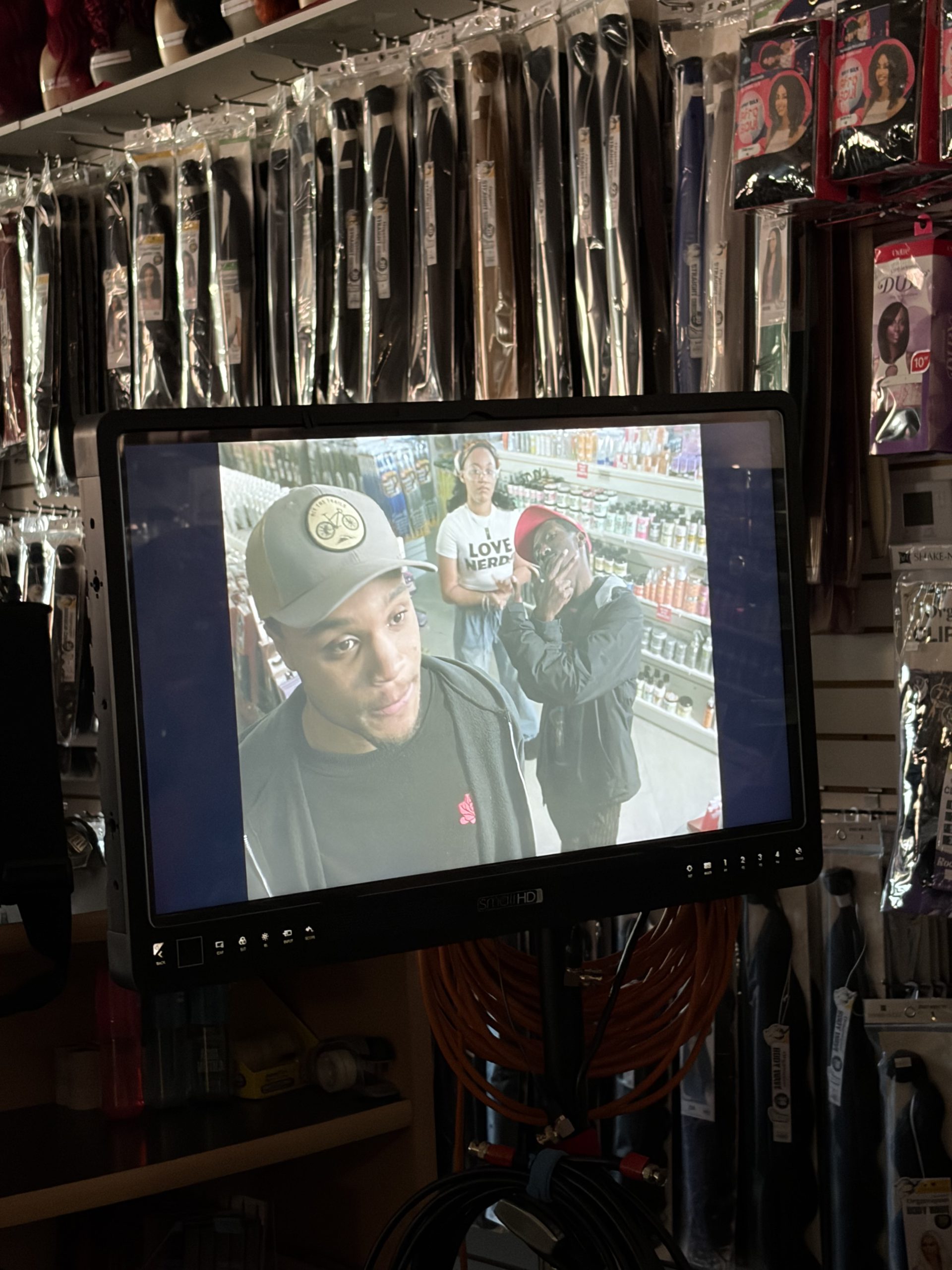
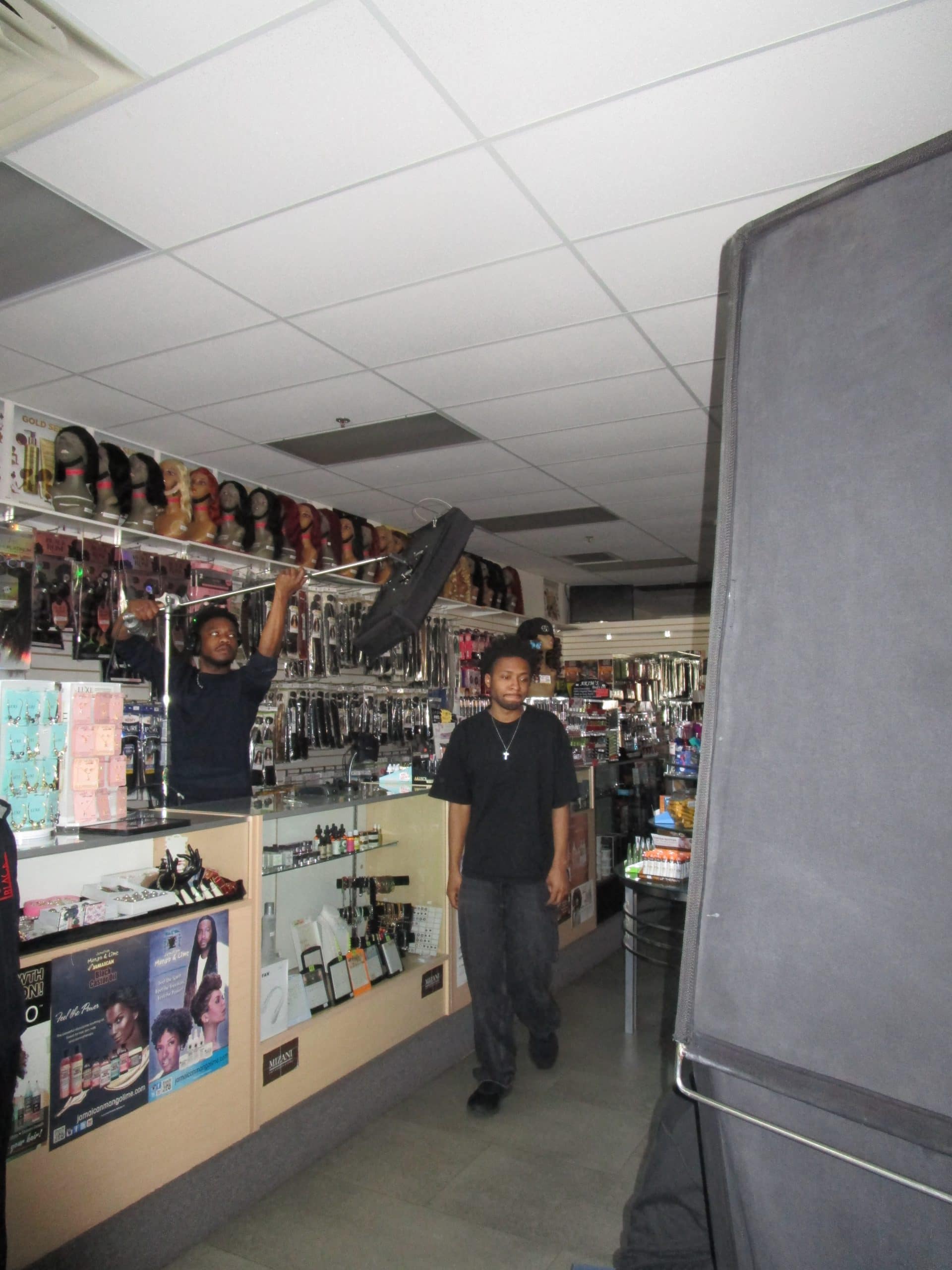
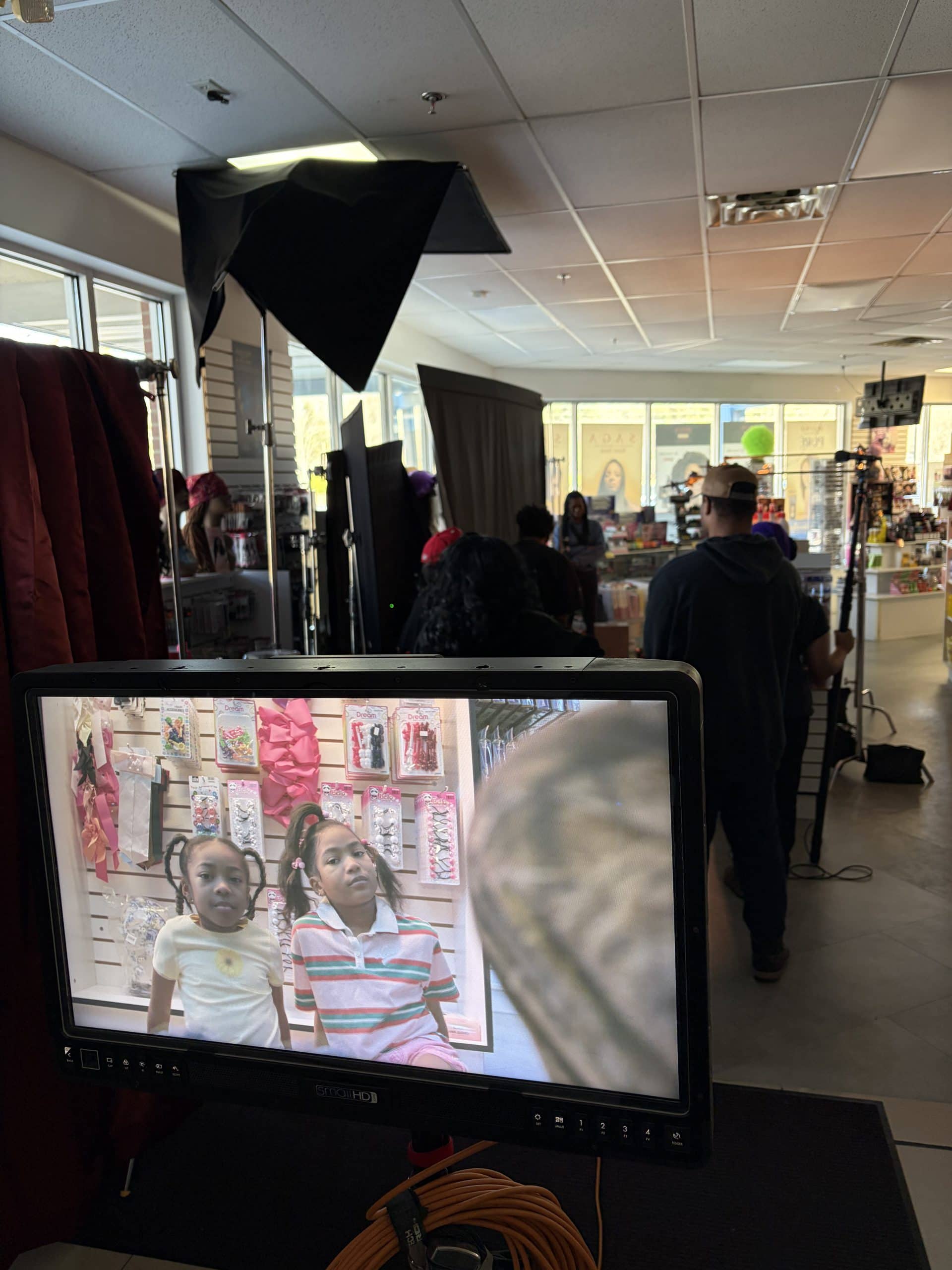
PW_ We used a Blackmagic Mini Ursa 4.6K G1 with DZO Vespid Generation 1 prime lenses. They’re not the fastest lenses, but they perform really well. Usually I’m more of a one-man band, so I’m still learning how to work with a full crew. We shot in 4.6K BRAW. The format was 16:9, but we set the monitor to show a 4:3 crop so we could compose the frame that way.
The director of photography was Alvin, who runs a production company called Dagon Lighting. I actually met him when I was 17 after winning a national PSA competition in the U.S. about texting and driving.
That was the first time I saw a full grip truck on a set, and Alvin was there. Later we reconnected when I was studying at Georgia State. This project was our first real collaboration as director and DP. Alvin handled the lighting setup along with our gaffer, Chris Nash, who is part of my core team. They designed the lighting grid on the day of the shoot and we managed to stay on schedule.
The location was a Black-owned beauty supply shop, and the owner kindly allowed us to film there for free as long as we credited her.
AE_ Since the film was released during Black History Month, I’d like to close with a broader question. What message were you and Miracle hoping to convey with this project?
PW_ That’s a great question. For me, the goal was to highlight Black culture in a positive and uplifting way. There’s a lot of negativity in the world right now, especially in the United States, so we wanted to create something that could lift people’s spirits. Our generation, myself, Miracle, Isatu, Aliyah, and everyone involved in the project is actively shaping history. We’re building our own culture today while standing on the shoulders of the generations that came before us.
Ultimately it’s about representation. We weren’t trying to make a loud statement like “I’m Black and I’m proud,” even though that message is important.
Instead we wanted something more simple, showing that we’re here, that we’re creative, and that we’re contributing to culture in our own way. Releasing the project during Black History Month felt like an honor. While we were working on set, it genuinely felt like something special was happening, like everyone’s talents had come together at the right moment to create something meaningful.