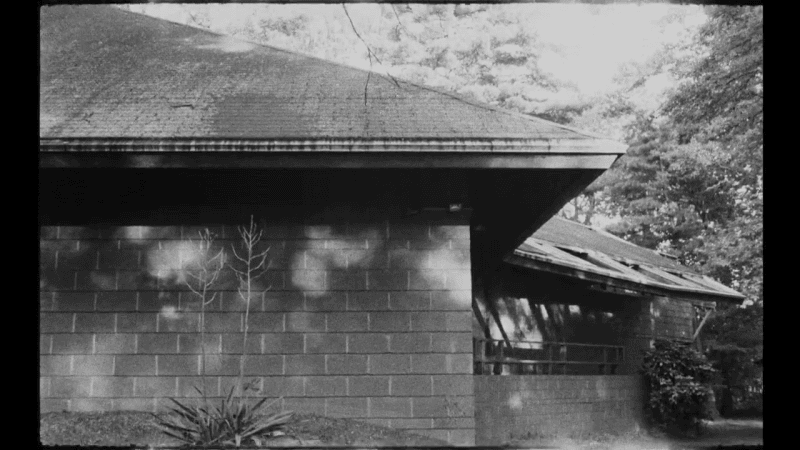
When AG Rojas arrived for the first time at the Rudy Van Gelder Studio there was no need for conversation. Standing beside his friend and collaborator, Shawn Peters, Rojas shared a wordless moment of awe. Some spaces don’t require explanation; they are felt before they are understood.
The approach to the studio is deceptively simple: a long, tree-lined driveway, now flanked by unassuming office buildings. But the quiet exterior gives way to something far more profound within. “You feel the space before you see it,” Rojas reflects. Inside, the studio opens into a world that seems to honor both nature and something more abstract—what he describes as a kind of sacred geometry. Instruments, recording equipment, and fragments of the past remain scattered throughout, creating an atmosphere that transcends time.
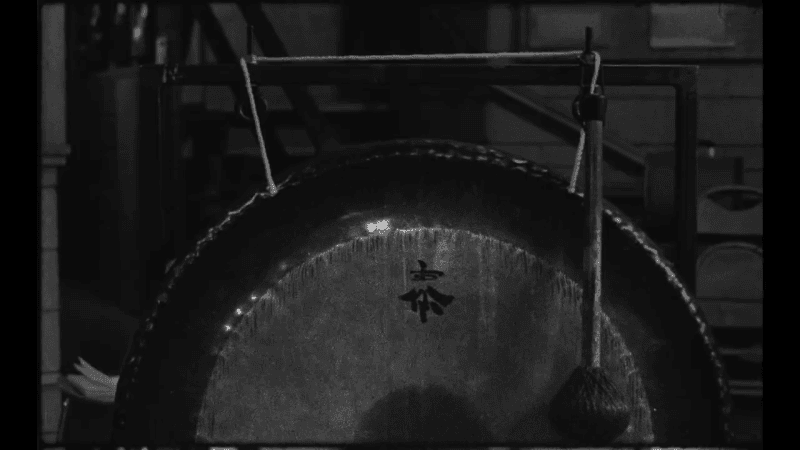
It is here, in December 1964, that John Coltrane and his quartet—McCoy Tyner, Jimmy Garrison, and Elvin Jones—recorded A Love Supreme, a work that continues to resonate as both a musical and spiritual landmark.
For Rojas, the challenge was never about recreating that moment with historical precision. Instead, his film seeks to evoke what cannot be documented: the feeling of that night, the unseen exchange of energy between musicians, the lingering presence of sound. This philosophy shaped every aspect of the production. Drawing from his own background as a saxophonist in jazz bands, Rojas approached filmmaking as an act of improvisation. The parallels between jazz and cinema became central—both forms demand intuition, collaboration, and a willingness to surrender control.
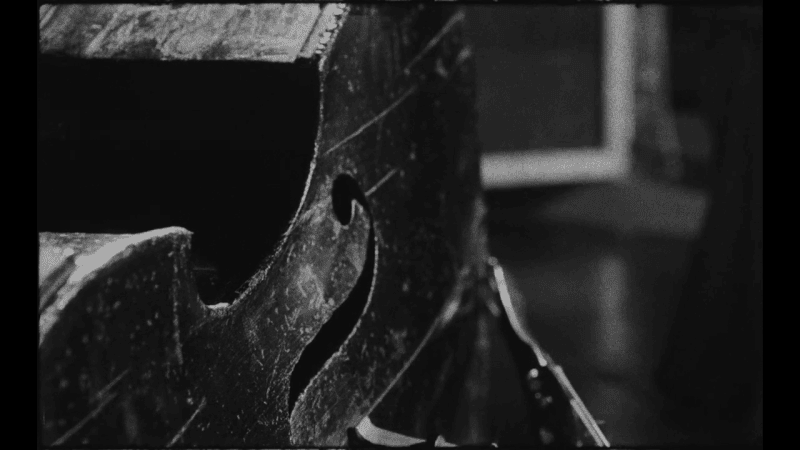
Working alongside cinematographer Shawn Peters, production designer Emmeline E. Wilks Dupoise, producer Grace Campos, and a close-knit crew, Rojas cultivated an environment that mirrored the ethos of Coltrane’s quartet. The set became a living, breathing collaboration: music played continuously, conversations flowed, meals were shared. The camera—16mm, tactile and immediate—captured not just images, but atmosphere.
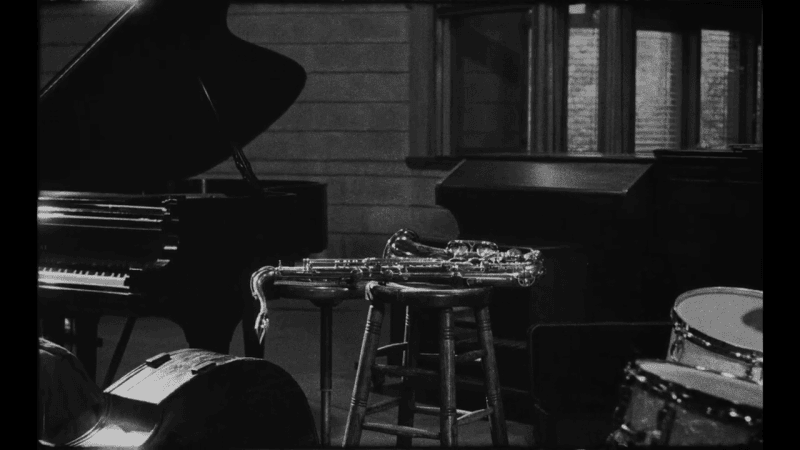
Rojas’s work at Van Gelder Studio reminds us that certain creative spaces carry an imprint that cannot be erased. Decades after A Love Supreme was recorded, its echoes remain—not only in the grooves of vinyl, but in the walls, the air, and the artists who return to listen.
And in listening, they find a way to create something new.