When you meet someone, do you ever try to imagine what unsuspecting things they might be obsessed with? Or, when spotting something unusual or kooky, do you ever try to imagine what kind of person would do anything to get their hands on it?
Tell me what you collect, and I will tell you who you are—it’s a fun game to play, especially when you wave off the realm of the plausible and go wild, which is exactly how it works in real life.
In fact, sometimes the correct answers are so seemingly random that it feels like anything could belong to anyone, so is there even an
y point in trying to make a reasonable guess?
But somehow, from the least original to the most blindsiding, every combination of collector and collection ultimately makes sense.
This is because one is the reflection of the other, and the nature of this reflection is either specular, or revelatory—that is, it either duplicates things as they already appear, or it magnifies something otherwise invisible.
For example, it makes sense that a young and quirky chef might reserve a whole kitchen shelf to her varied assortment of little vintage eggcups, and be thrilled to tell you everything about them—after all, it is in perfect harmony with the person we know her to be.
It strikes us as funny and yet completely plausible that a stern banker might spend his office hours itching to go home, take his expensive suit off, and finish painting his horde of miniature cyborgs.
But how? How can it make sense? And yet it does.
For many of us, there are parts of who we are that exist jealously tucked away in pockets of our life; in apparent contradiction with the rest of it, and thus kept separate. The figurine, the card, the bauble, are keepsakes from a private dimension that we don’t witness, but that we can intuit by absence: the missing dot by which all the others connect.
Hidden or not, this side of us can be detected, even if just in retrospect.
It’s as if the nature of the collection, or perhaps even the very fact of having one, inevitably seeps through the persona we embody in front of the world and peeks out from its folds, vivid or faint, but either way surely there.
And in turn, in a sort of alchemical reciprocity, that hidden part of us also peeks out from our collection, as if infused into its surface by countless gestures of devotion—assembling, polishing, cataloguing, but also playing, caressing, turning over and inside out, feeling weig
ht and texture in the hands.
These objects are physical tokens of the things that move us, lending tactility to the abstraction of emotions, passions, ideals, and dispositions that compose the mosaic that is “us.”
It is easy, then, to understand the urge not only to own, but to amass and duly honor these sort of simulacra, of effigies of the self—and how indulging in this urge can sometimes surmount both reason and measure, and any attempt at concealment.
With each touch, the collection inevitably rubs off on the collector, and vice versa.
So, let’s play.
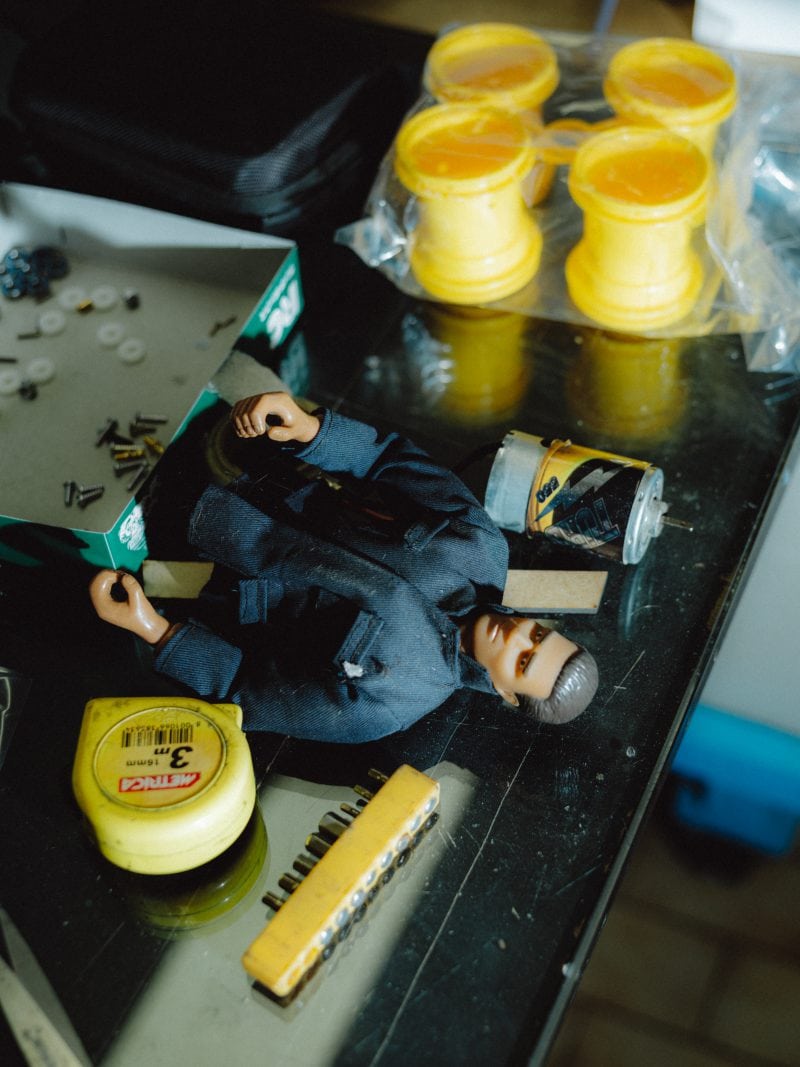
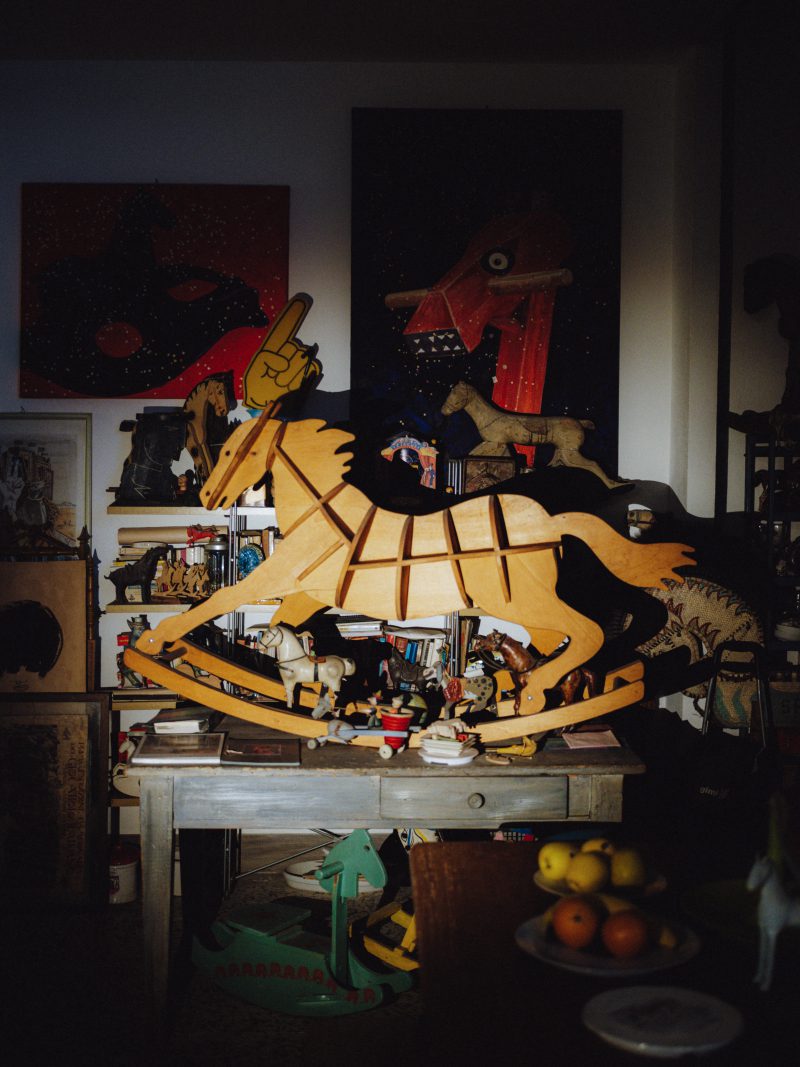
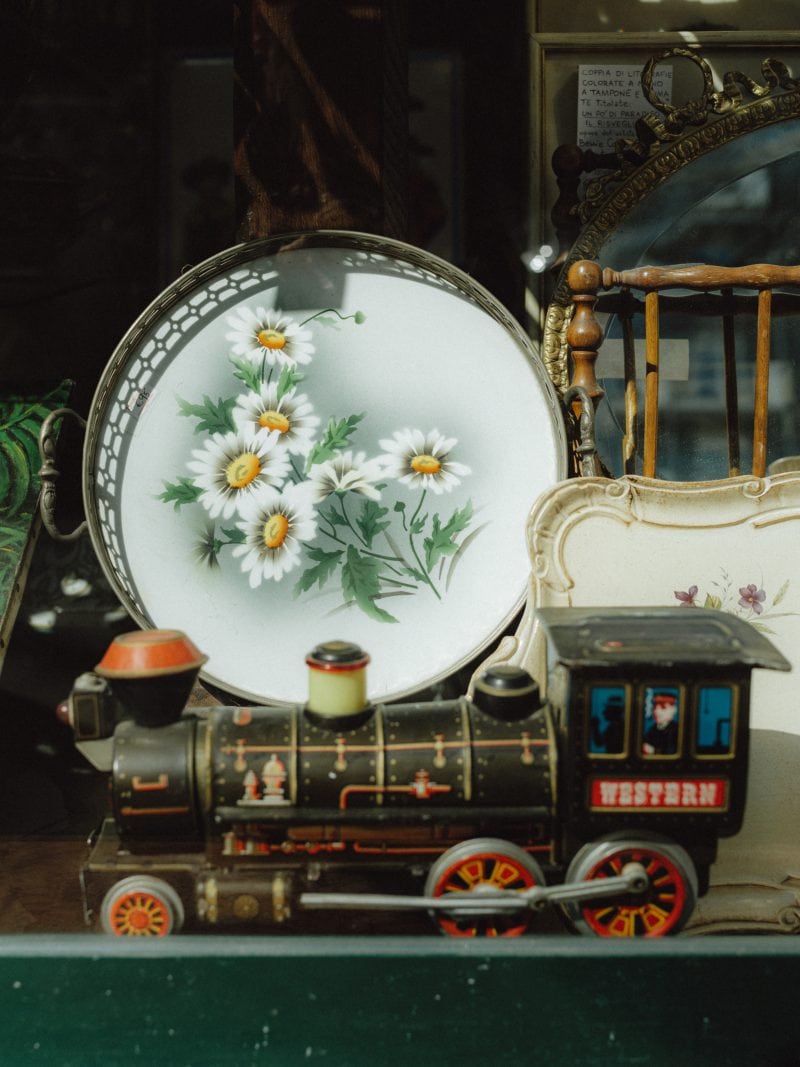
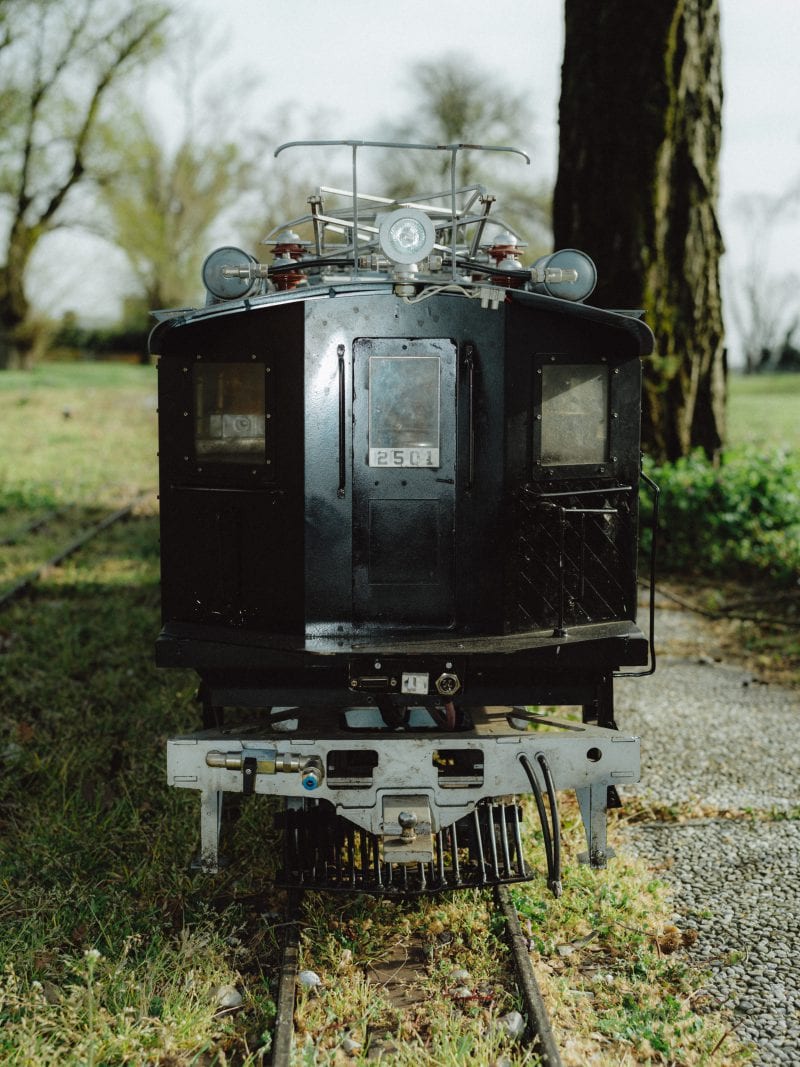
Take a look at these pictures: who are these people? What drives them to collect those specific things? Is it childhood nostalgia, a hobby turned mission, wishful self-projection, or maybe a very elaborate inner joke?
There are no truths here—these stories are entirely yours to tell.