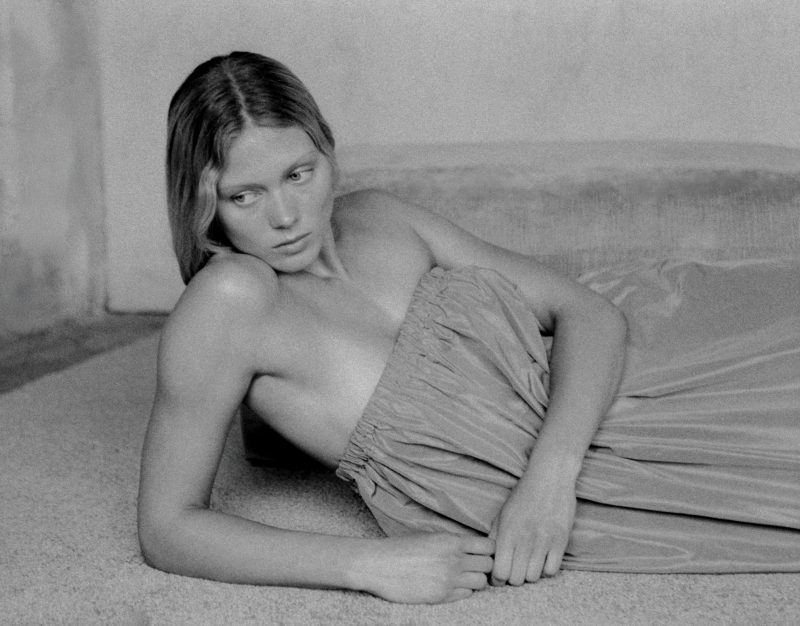
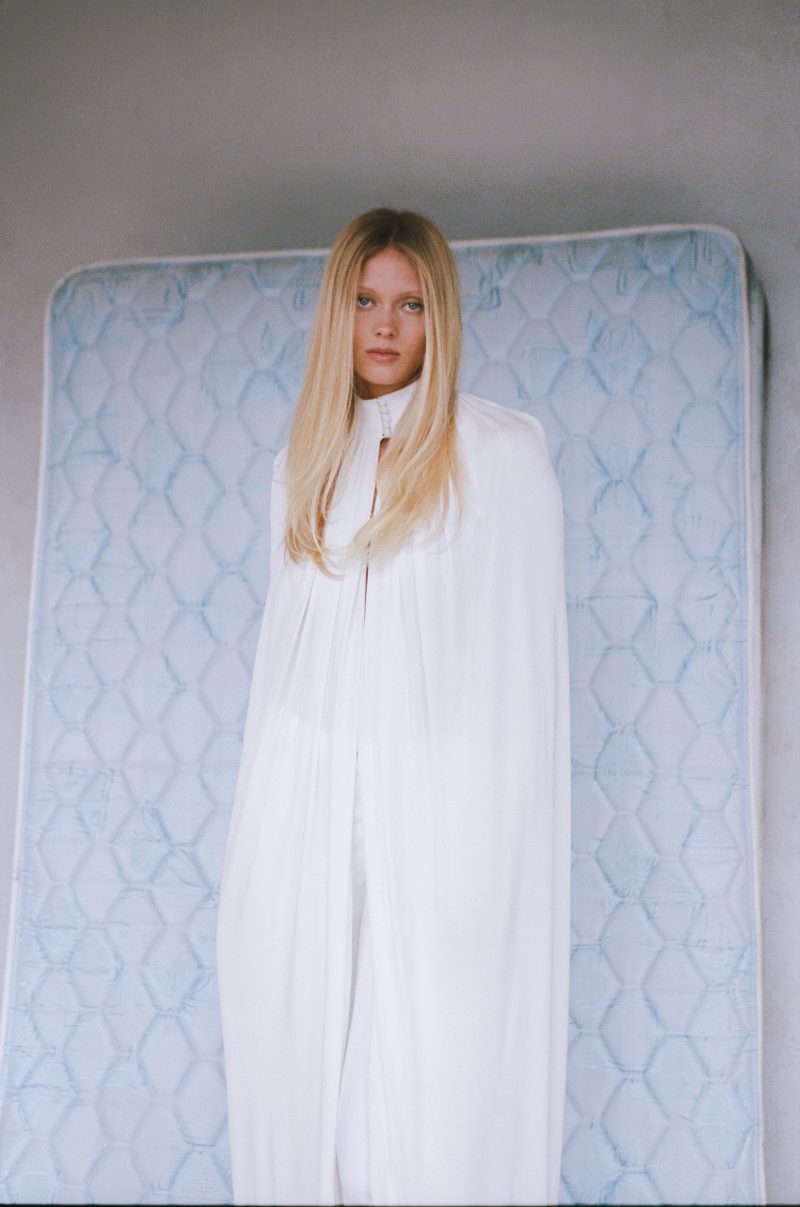
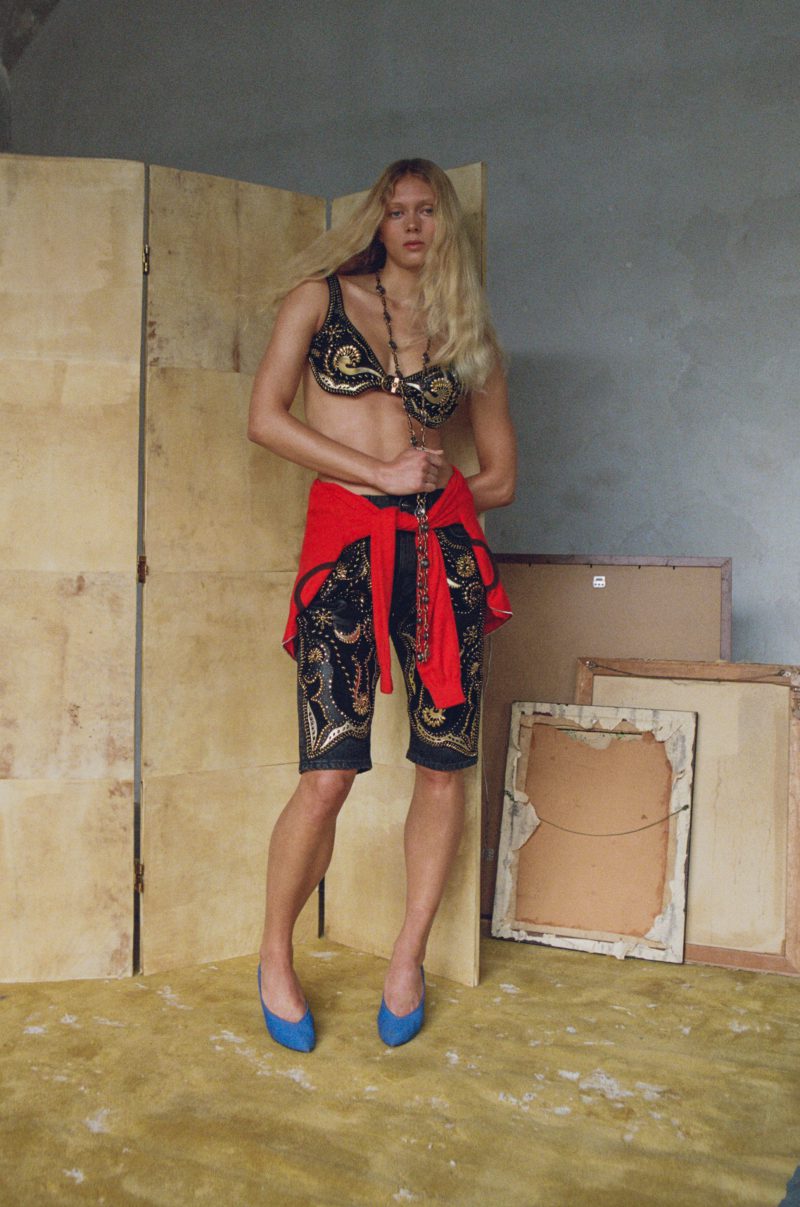
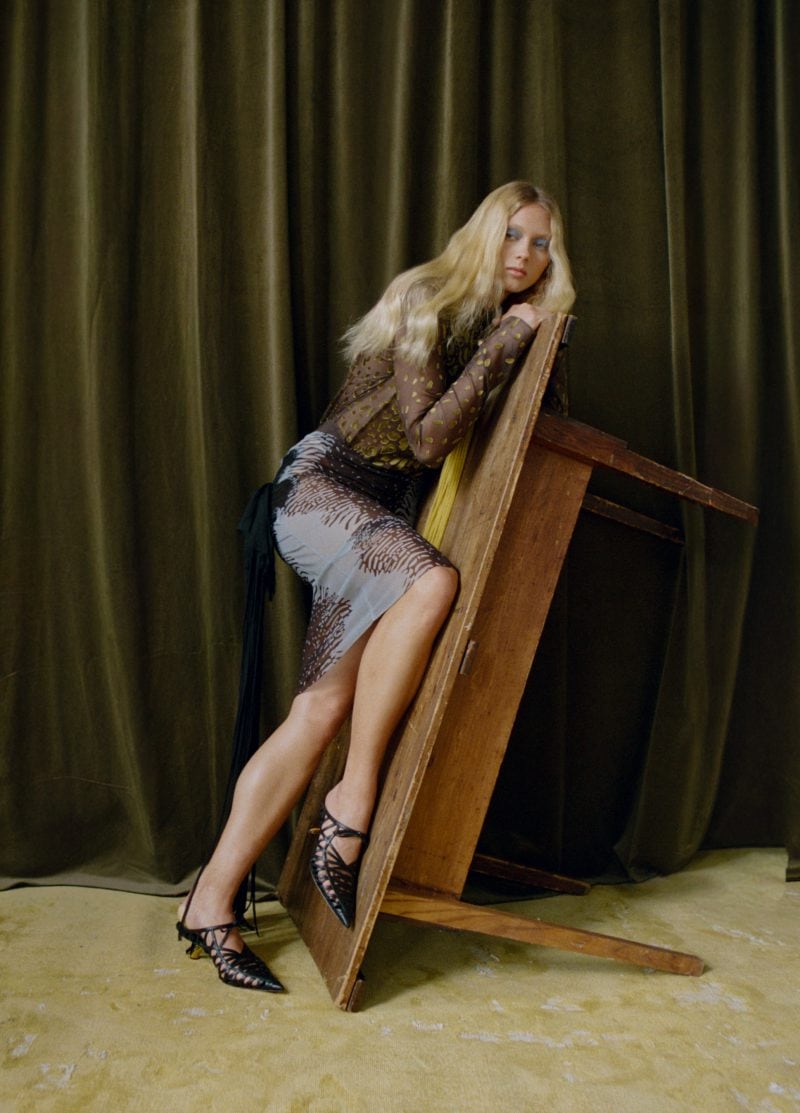
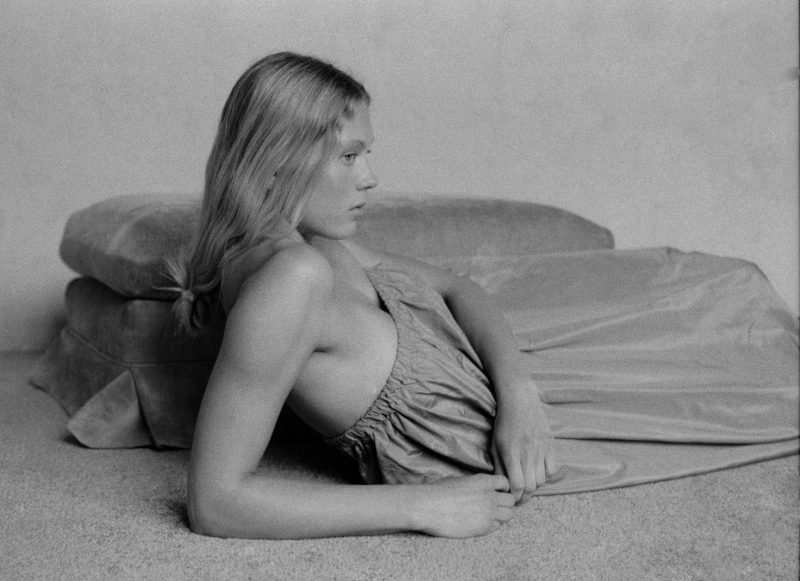
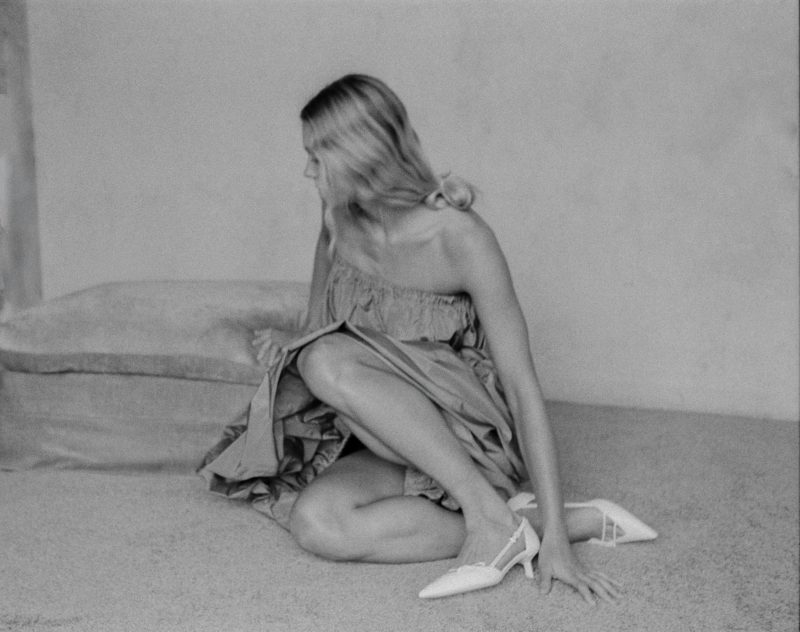
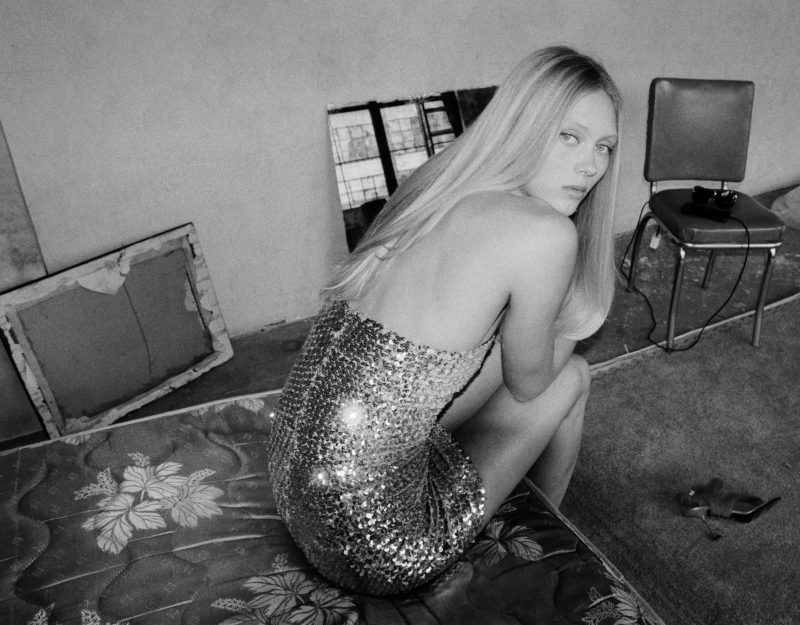
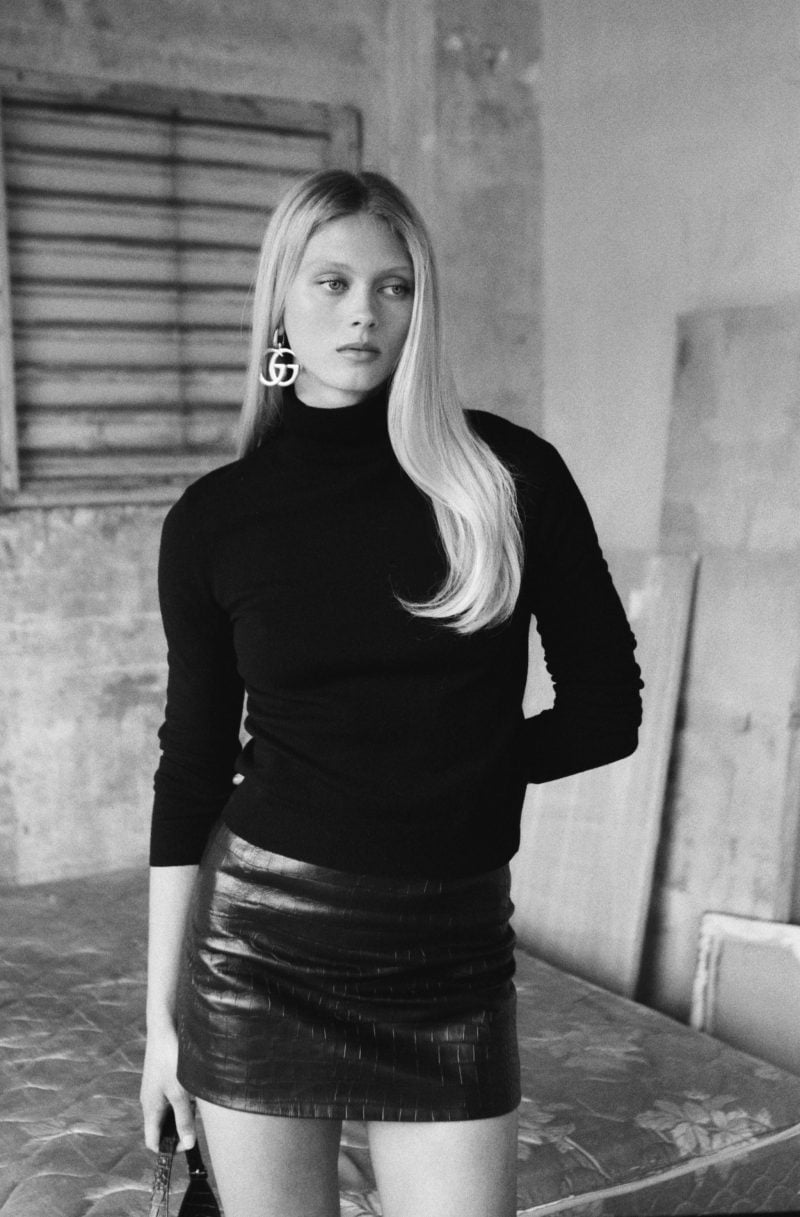
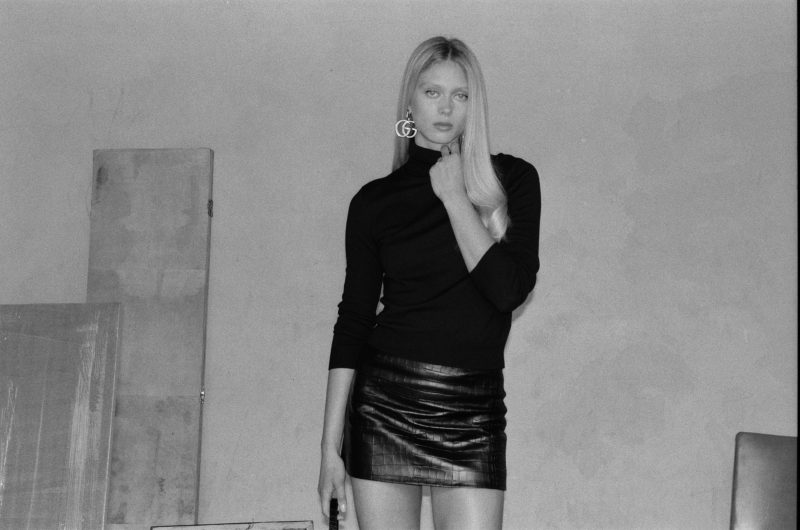
Space is often mistaken for emptiness. As if silence were the absence of life, rather than evidence of everything it has absorbed. But space remembers. It stretches around memory, desire, grief, instinct. It holds traces of movement long after bodies disappear from it.
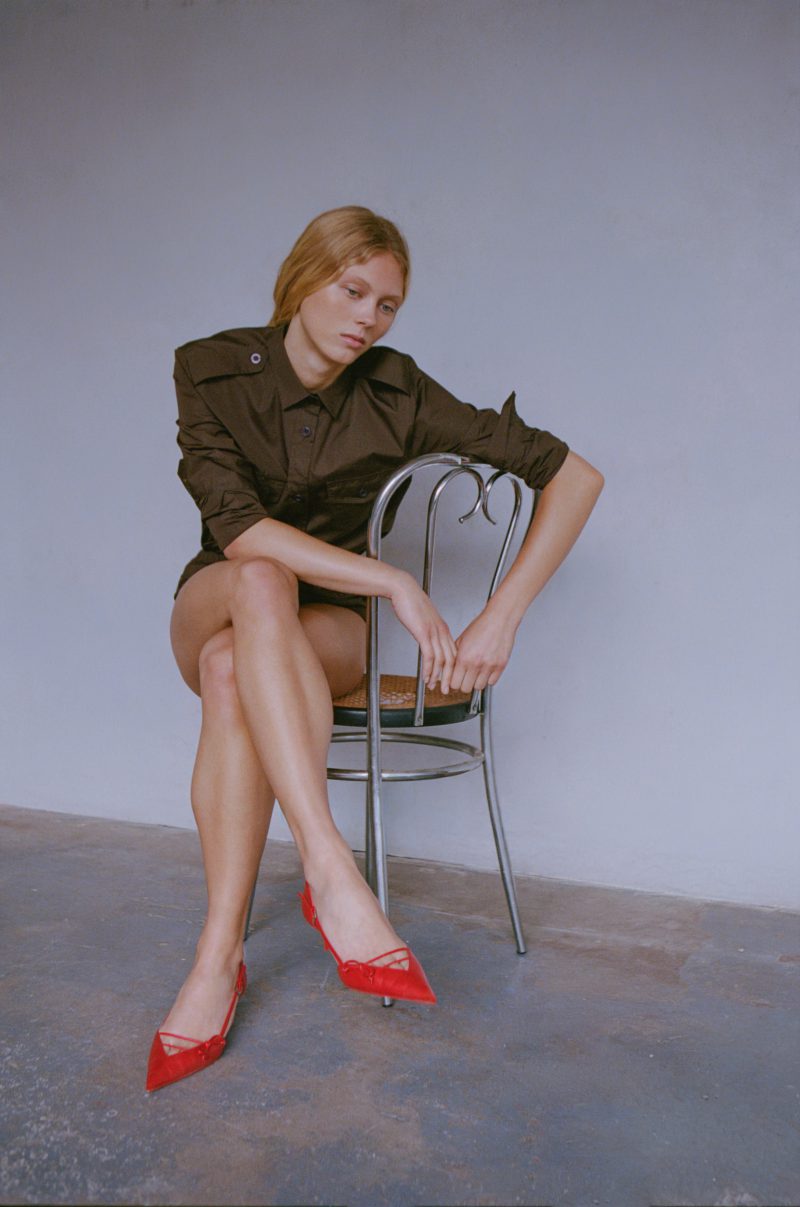
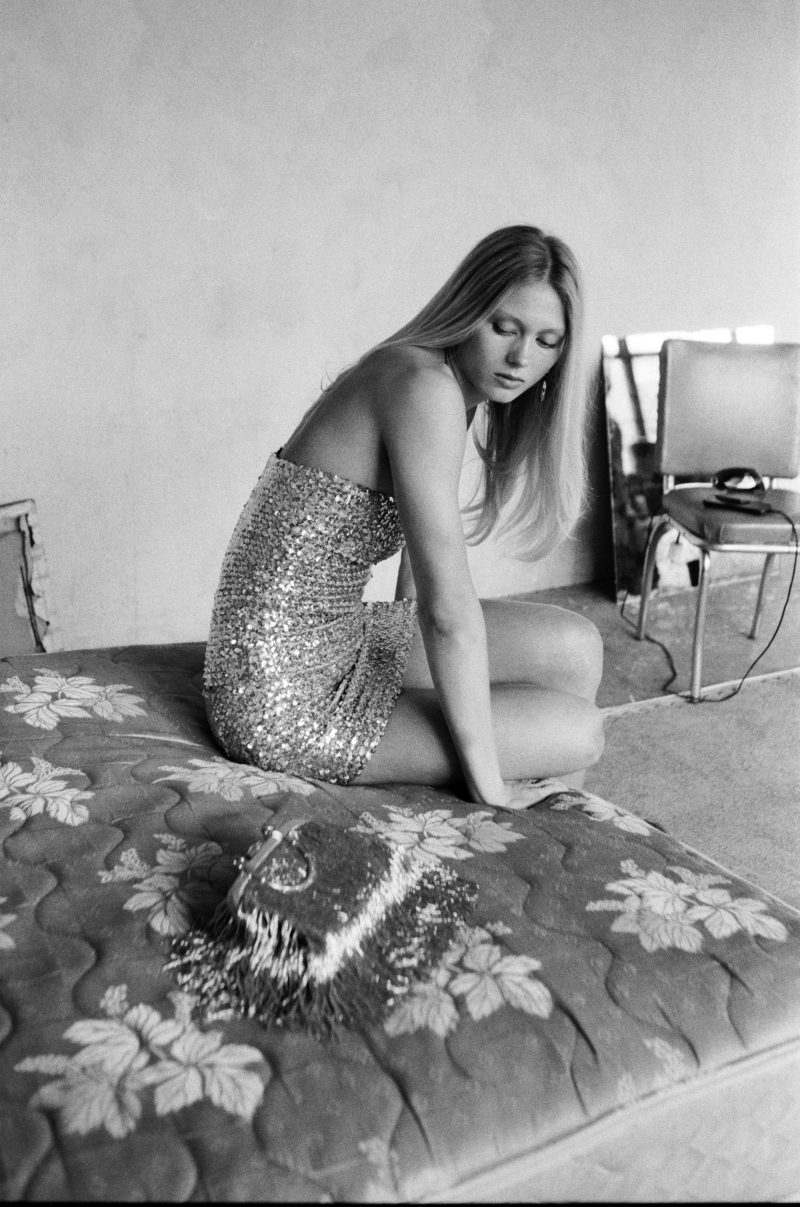
A woman moves through space differently. She does not simply occupy it; she alters its emotional temperature. Presence becomes something expansive, difficult to contain within fixed borders. She carries softness beside severity, restraint beside hunger, solitude beside sensuality. Never singular, never fixed, she exists as an accumulation: of past selves, imagined selves, inherited selves, hidden selves. Entire interior worlds coexisting at once.
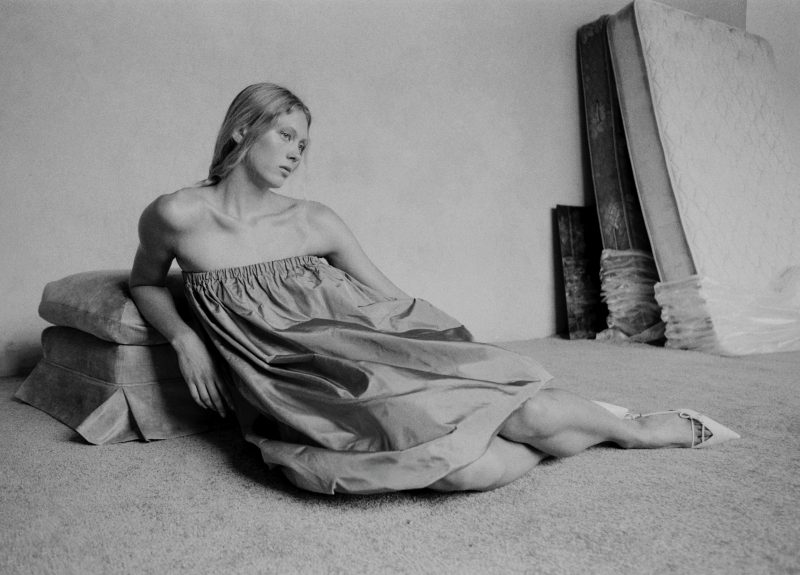
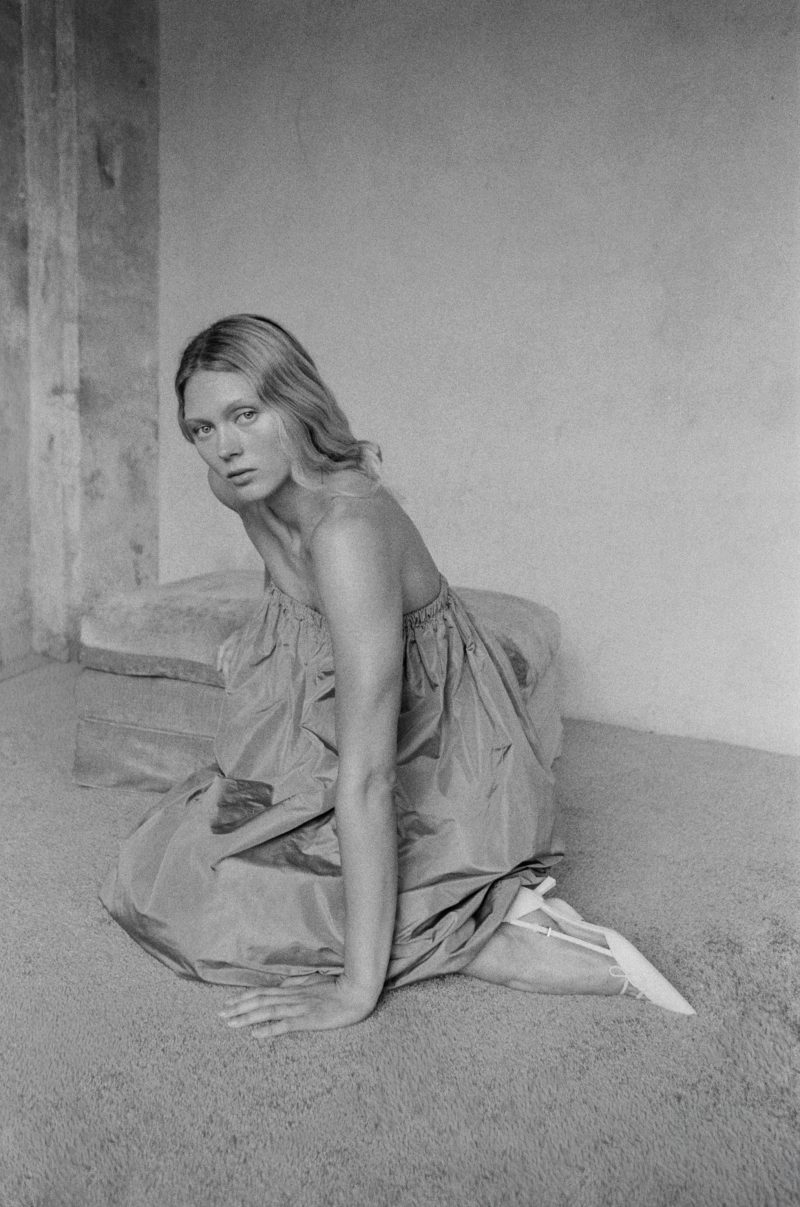
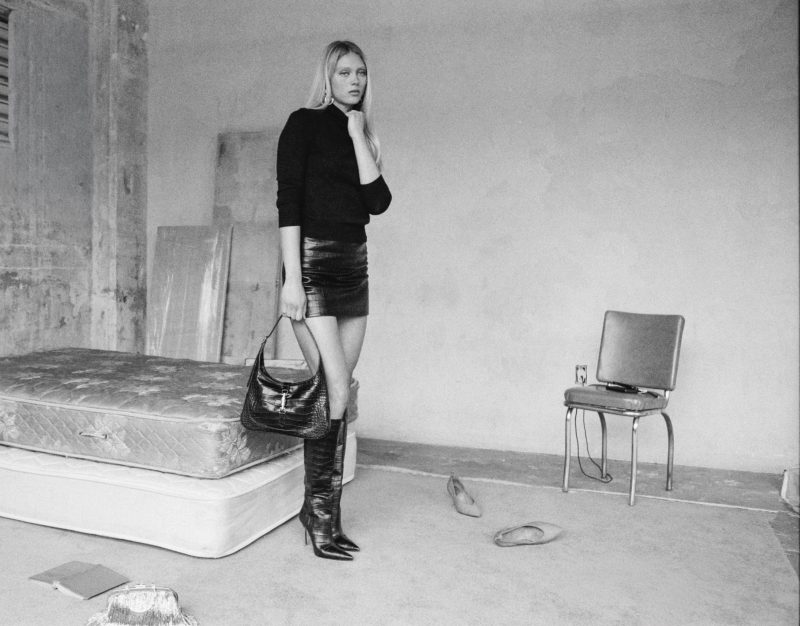
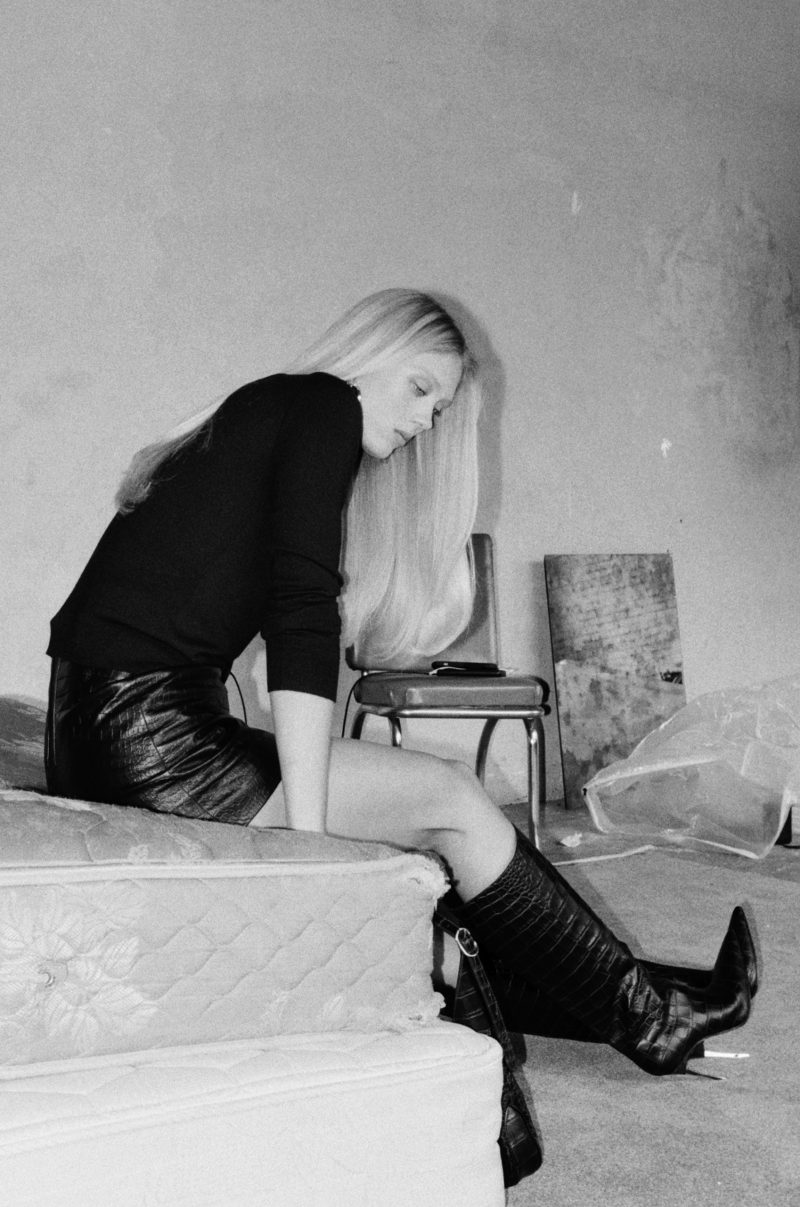
In emptiness, these layers become visible. Without distraction, space begins to echo the architecture of the self. Corners feel like memory. Light becomes almost tactile. Silence sharpens perception. What first appears vacant slowly reveals itself to be dense with emotional residue.
There is a particular power in flourishing without excess. In discovering that abundance is not always material, but internal. That beauty can emerge not from decoration or fullness, but from tension, atmosphere, and the ability to remain expansive even within limitation.
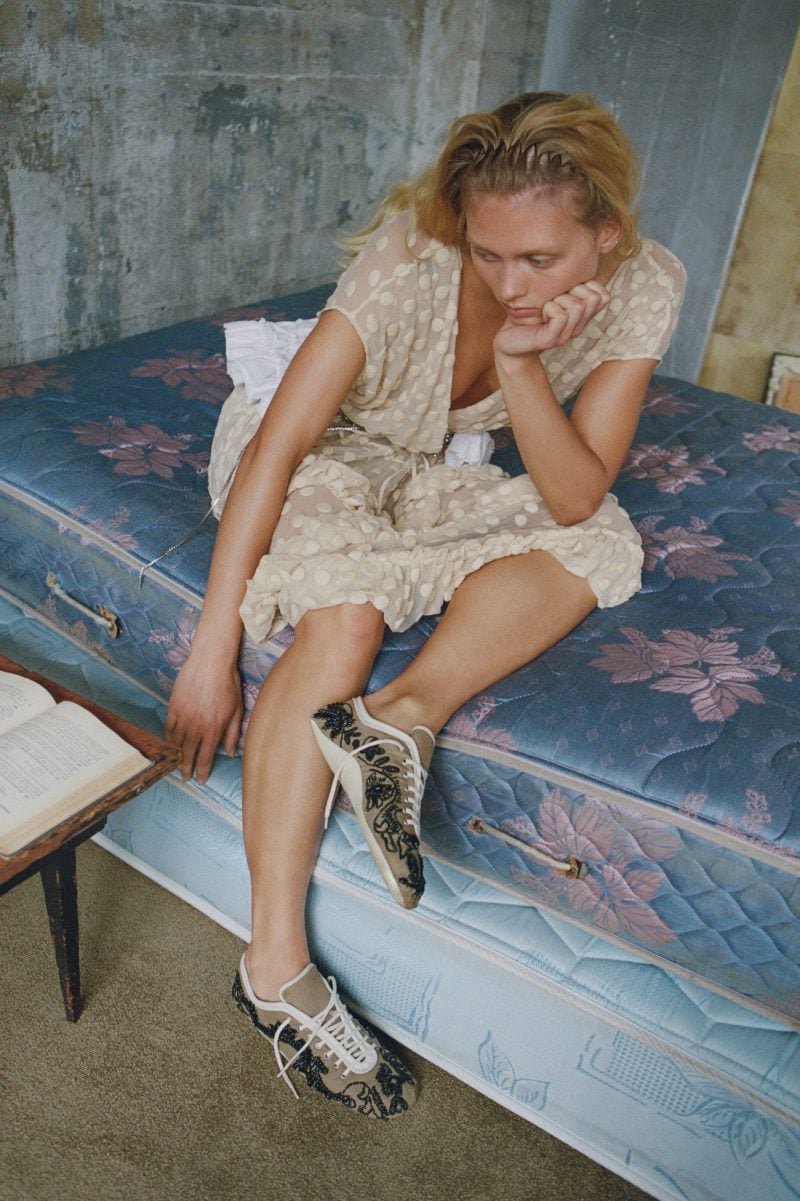
Perhaps this is why emptiness can feel strangely transformative. It leaves room for contradiction to surface. For fragility and confidence to exist together. For stillness to reveal movement underneath it. A woman becomes not one identity, but many unfolding simultaneously—shifting between presence and absence, exposure and protection, intimacy and distance.