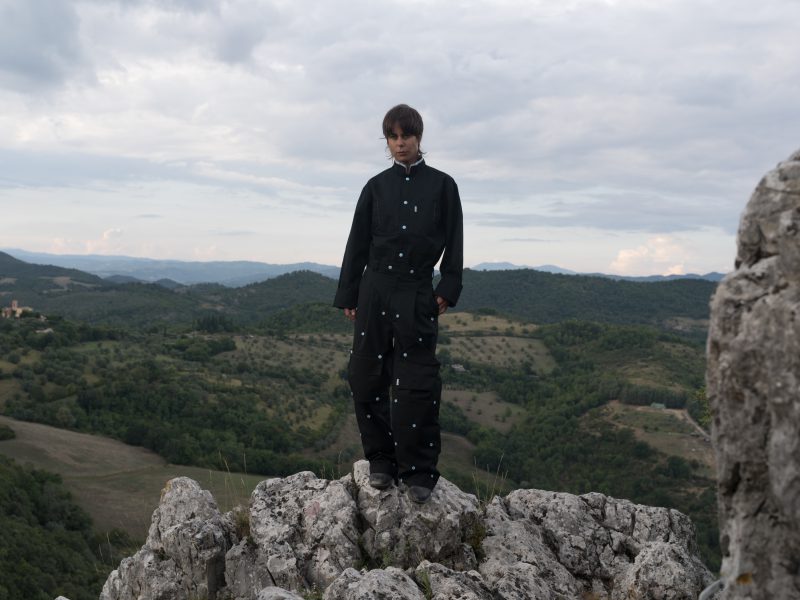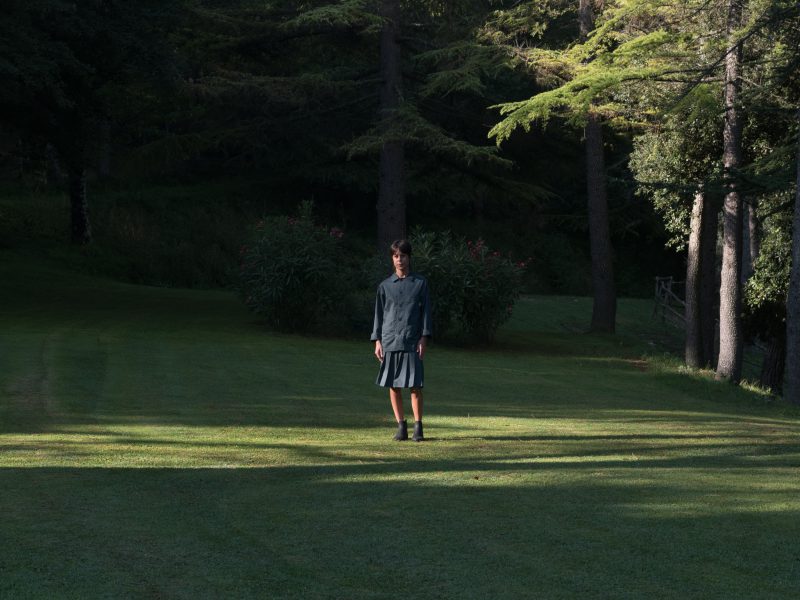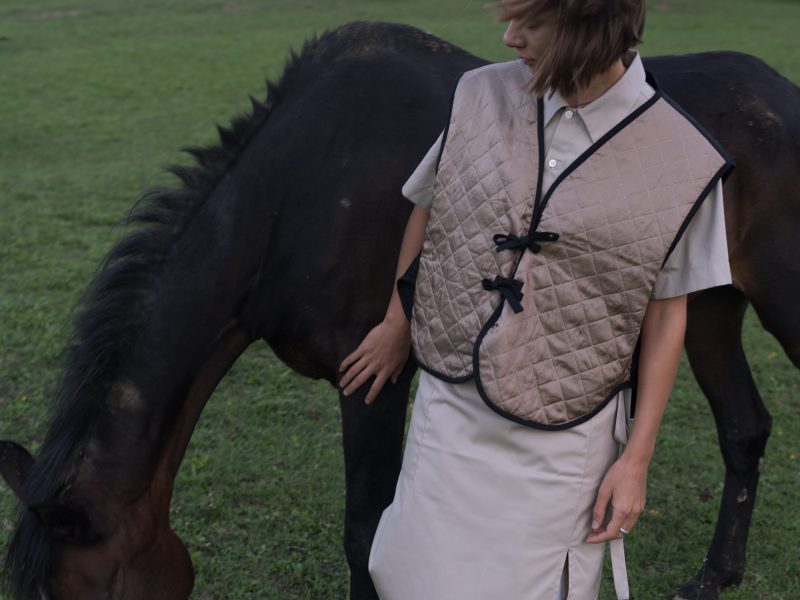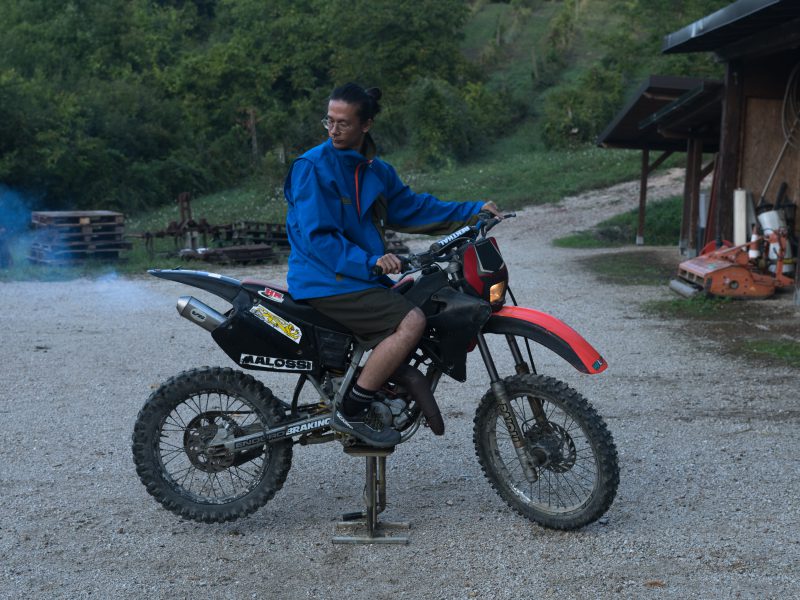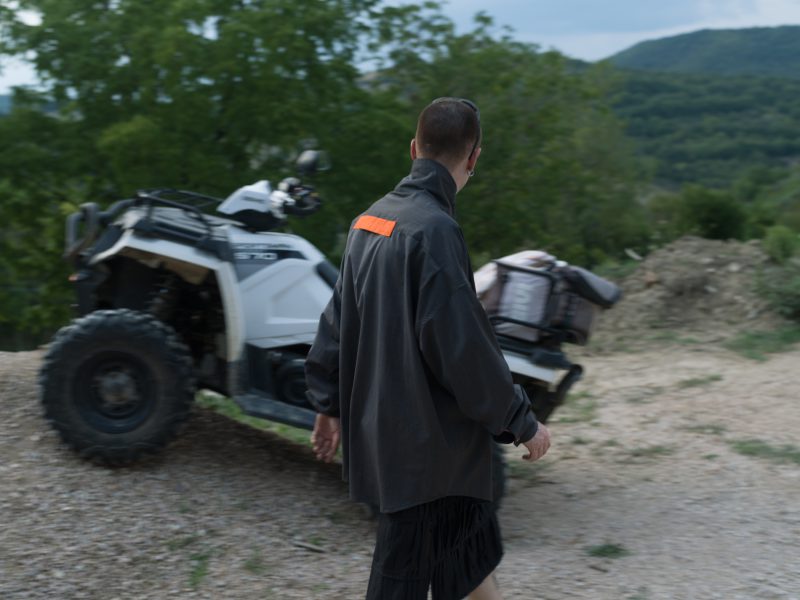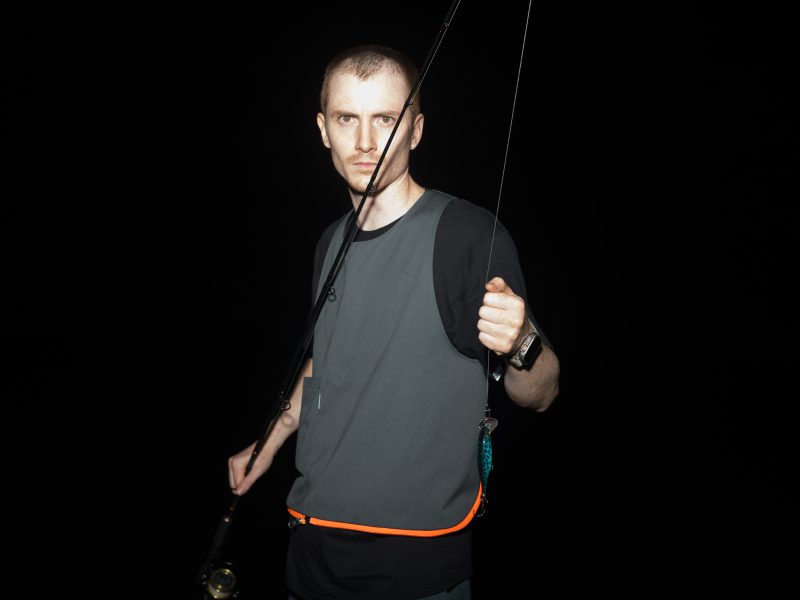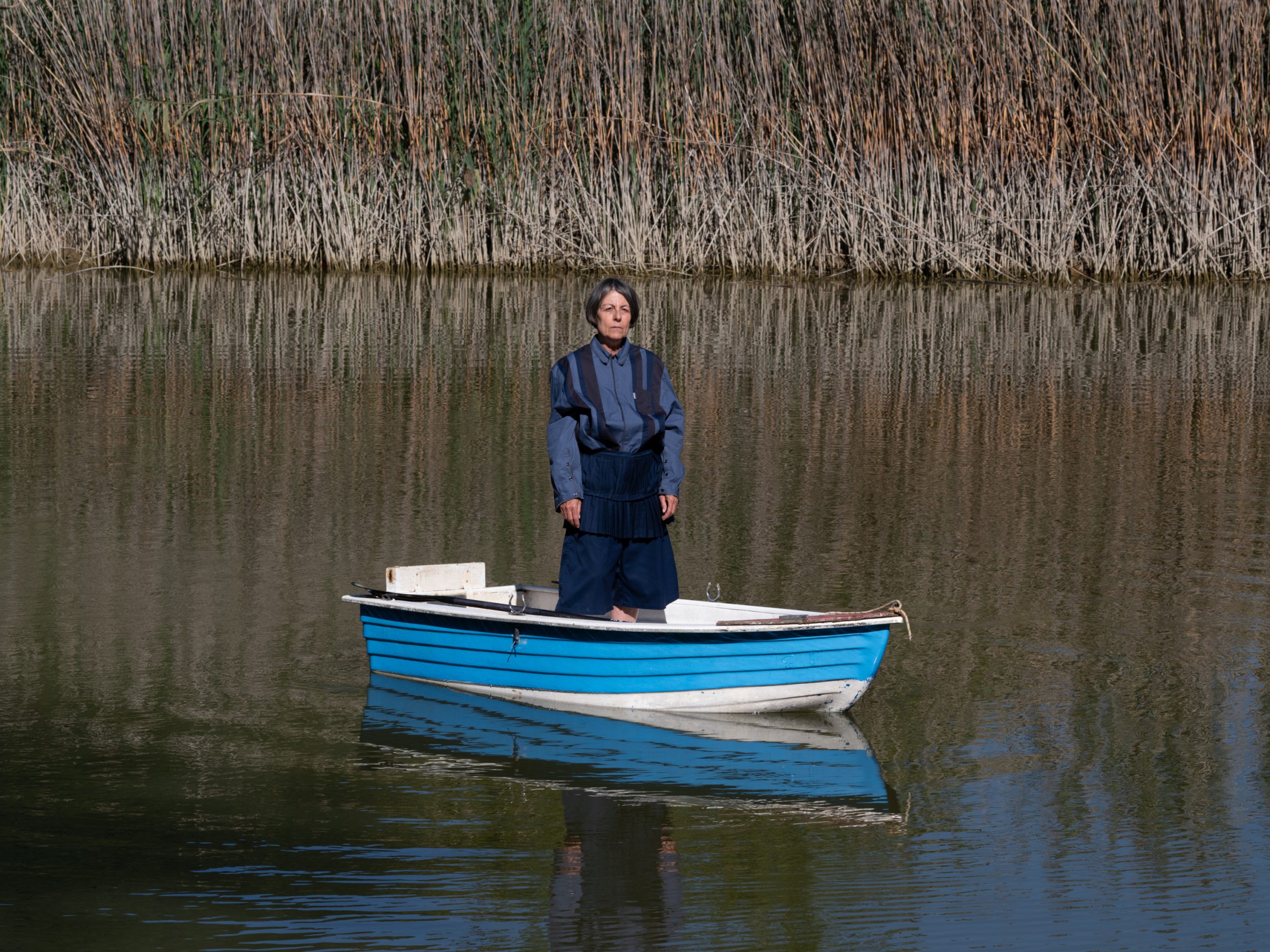
In the second act of ‘AS SEEN BY’, OLDER Studio hands over the reins, allowing the lively spirit of Umbria to conduct the orchestra. Through Tobia Faverio’s lens, Umbria reveals itself as a pulsating ecosystem, woven with daily rituals, ingenious transport solutions and silent bonds between people, clothes and the land that welcomes them. Here, fashion leaves the stage to become a vital infrastructure.
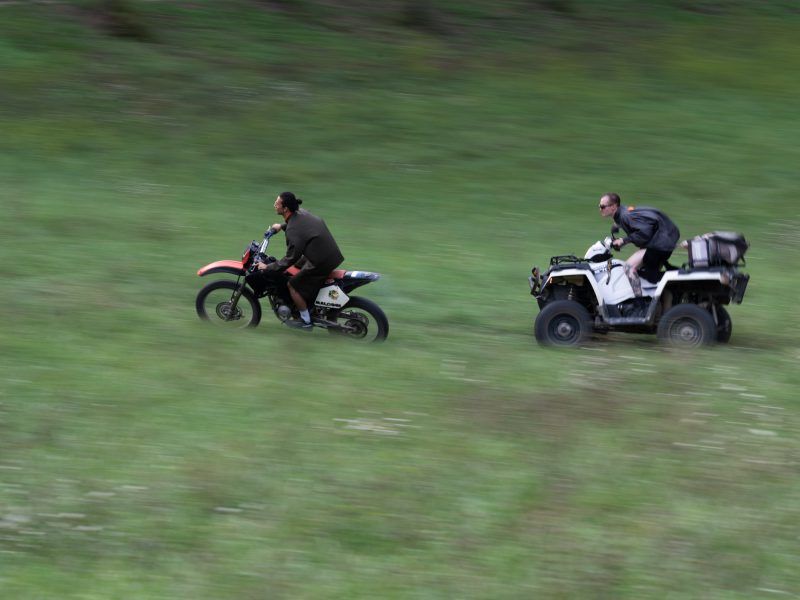
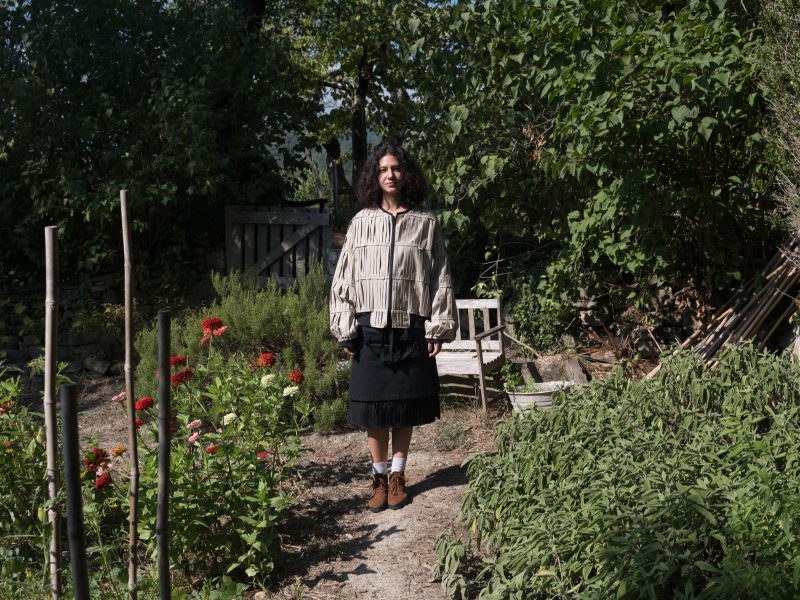
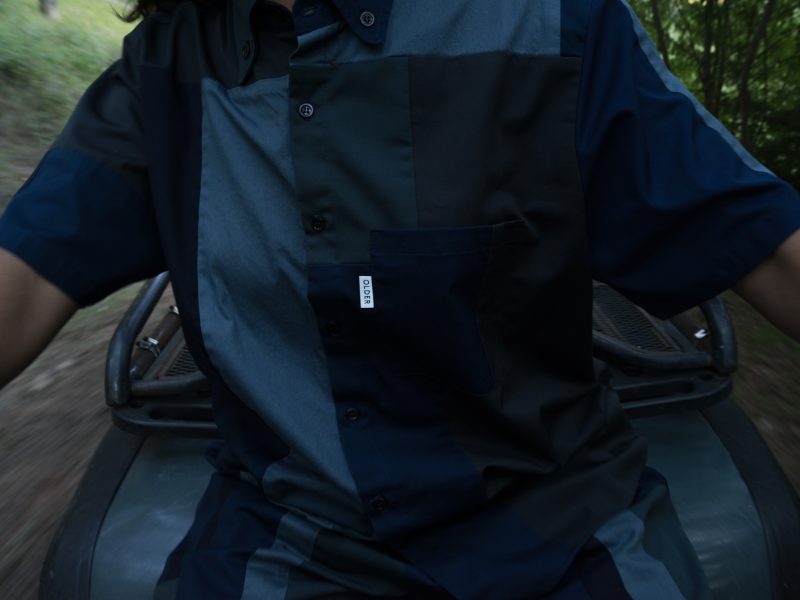
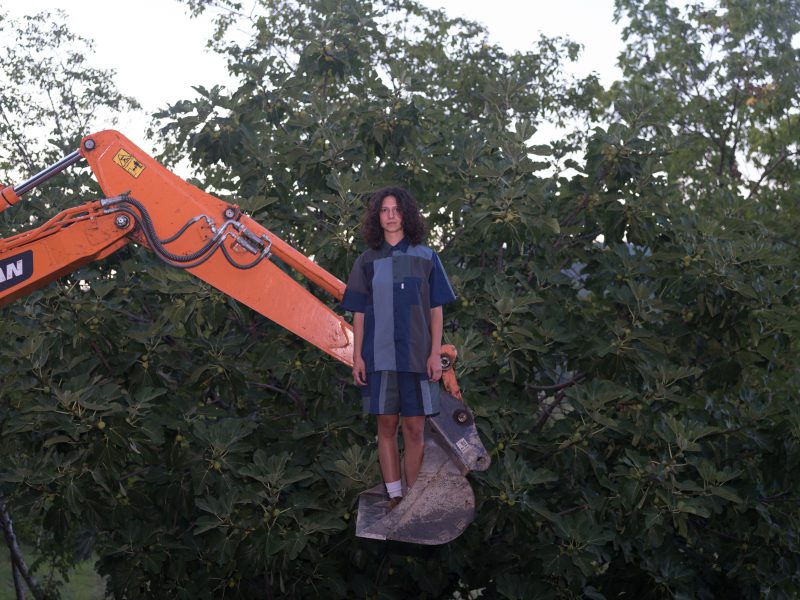
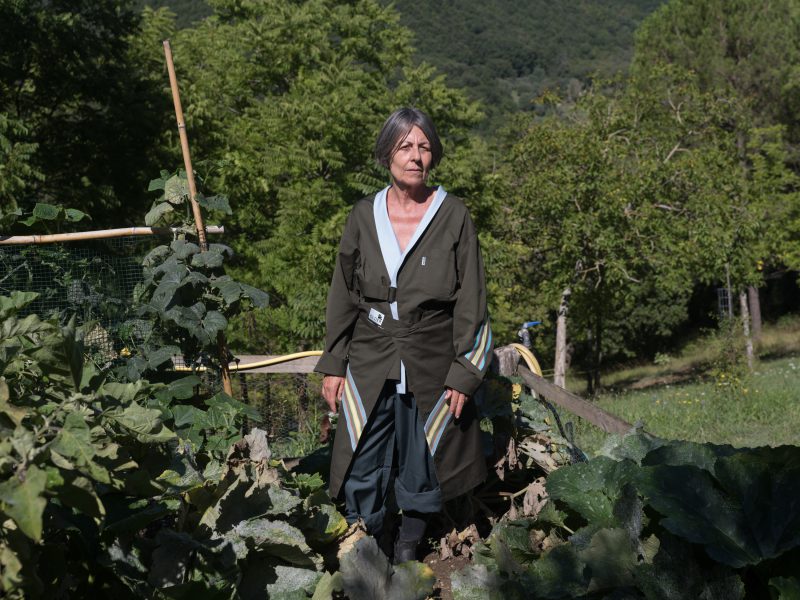
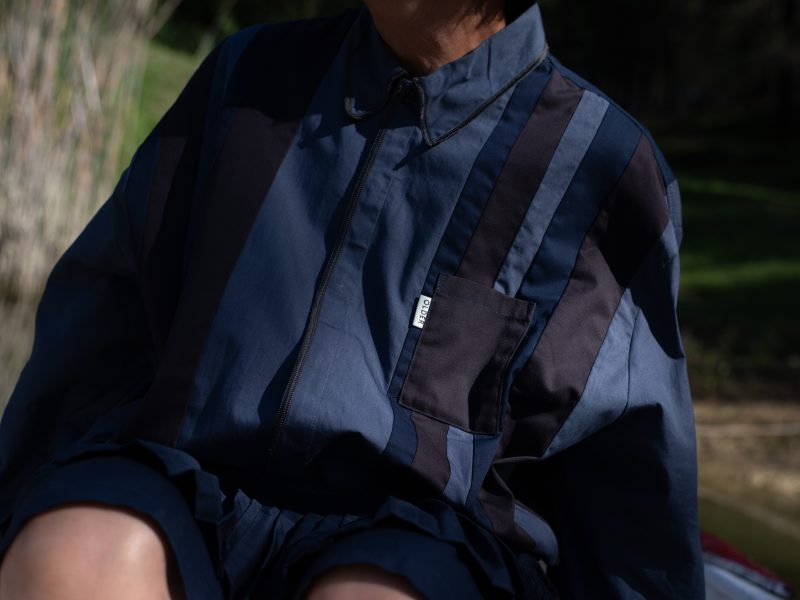
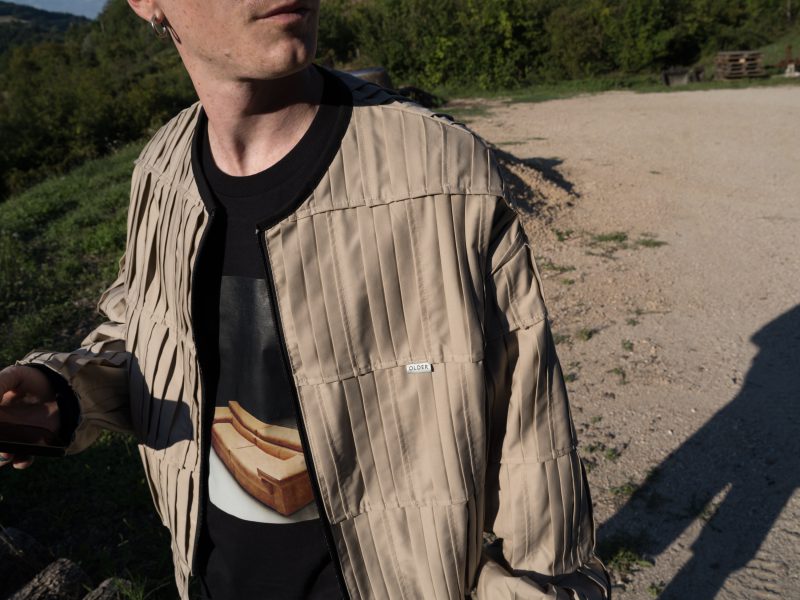
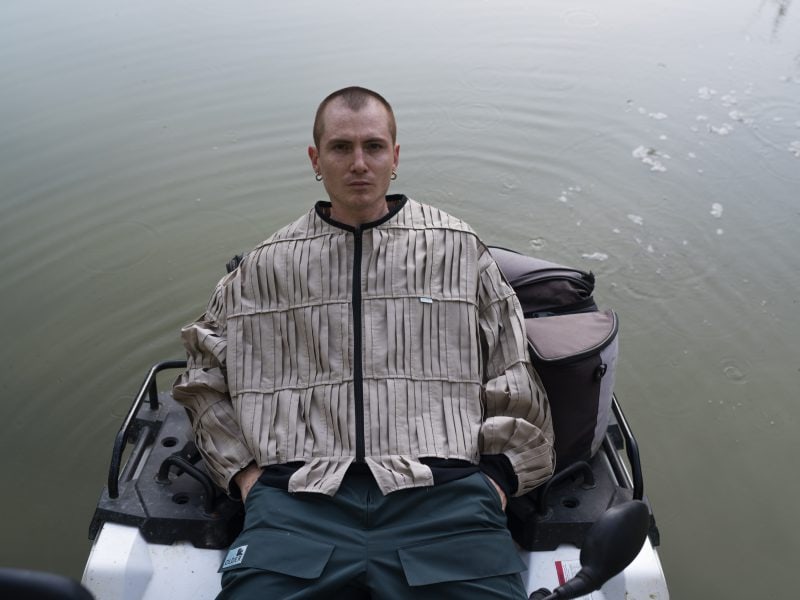
The images merge into a harmonious choral narrative. A serene woman on a boat, sailing through calm waters; isolated figures dancing across fields on agile quads and motorbikes; presences floating between action and anticipation, suspended in perfect balance. Faverio sculpts the scene with grace, capturing wide shots where the subjects do not beg for attention but reveal themselves in all their naturalness. OLDER’s clothes are not exhibited but lived intensely. It is fashion that thrives on movement, adapts with agility, allows itself to be shaped, gets dirty with life. The reference to the tried and tested method in Tokyo is transformed here into something completely new. Where the Japanese metropolis invoked a dialogue with urban density, Umbria evokes a tension that arises from emptiness, distance and regenerating slowness. As Morten Thuesen explains, the inspiration came from observing how everyone reached the same point “by different rural means”. This diversity becomes the beating heart of the series: not a uniform that homogenises, but an inclusive system that celebrates differences. The portraits immersed in lush greenery or on the edges of cultivated fields are particularly evocative, where the human figure appears almost as a brief interruption in the eternal cycle of nature. In these images, Faverio confirms his mastery in navigating between fashion and contemporary art.
There is no room for nostalgia or idealisation of rural life. Rather, a poetic realism emerges, where the landscape does not serve as a mere backdrop but actively participates as a co-author. OLDER Studio consolidates its unique position in the fashion landscape: a brand that embraces the renunciation of absolute control to construct a profound meaning. As Letizia Caramia points out, the project is also an opportunity to shed light on a “still little-known” territory. But above all, it is a silent manifesto on what fashion can represent today: not an unattainable image, but an authentic everyday practice. In Umbria, the uniform does not standardise. It persists, accompanies, listens.