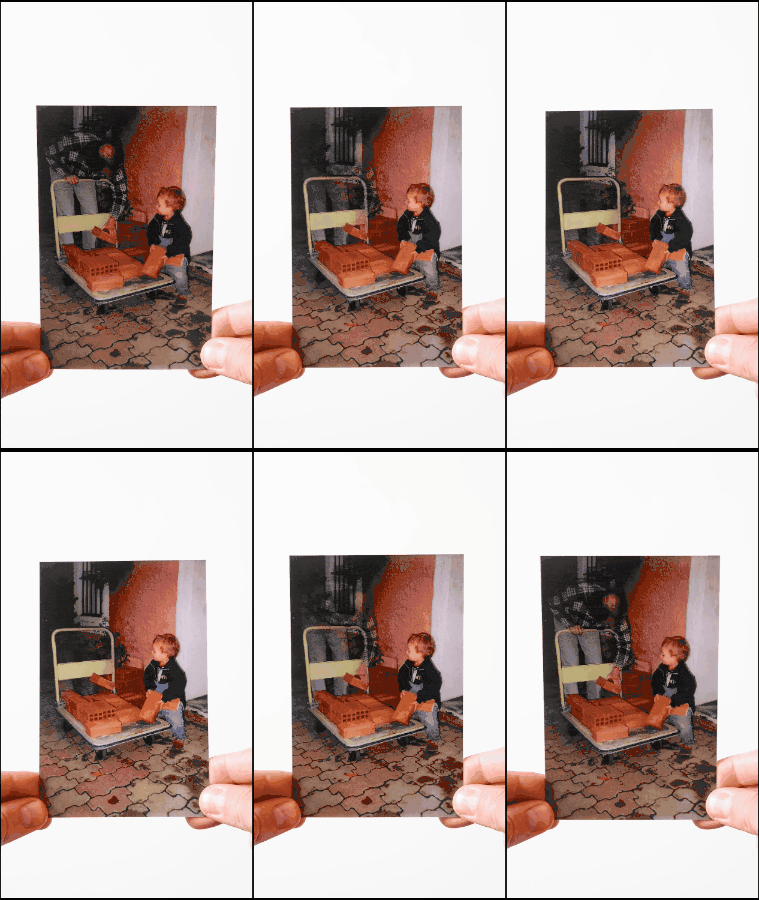
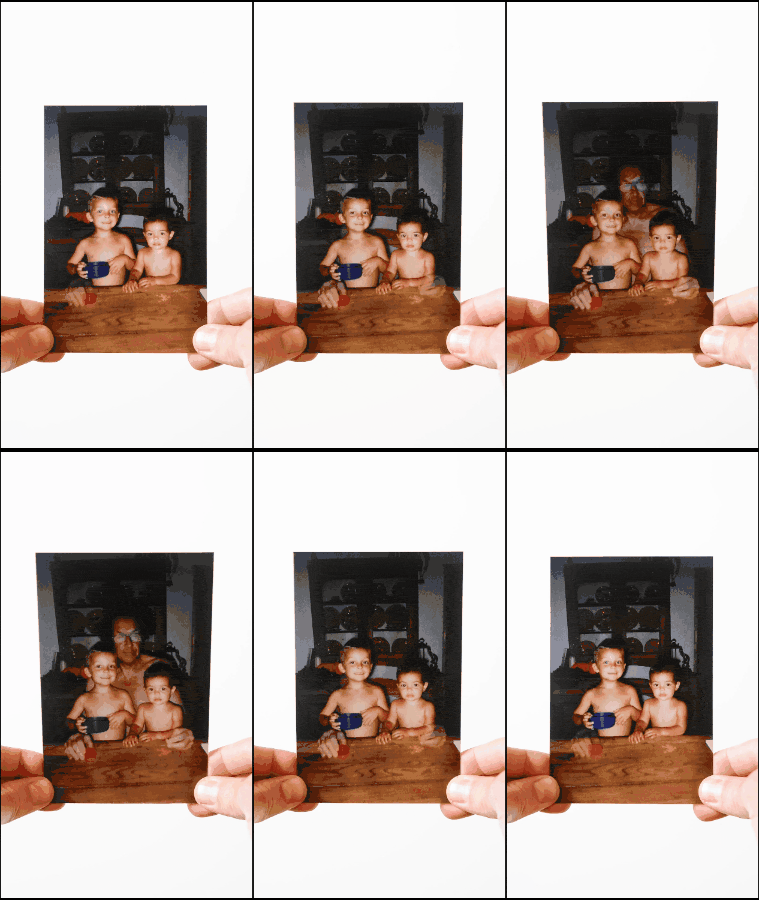
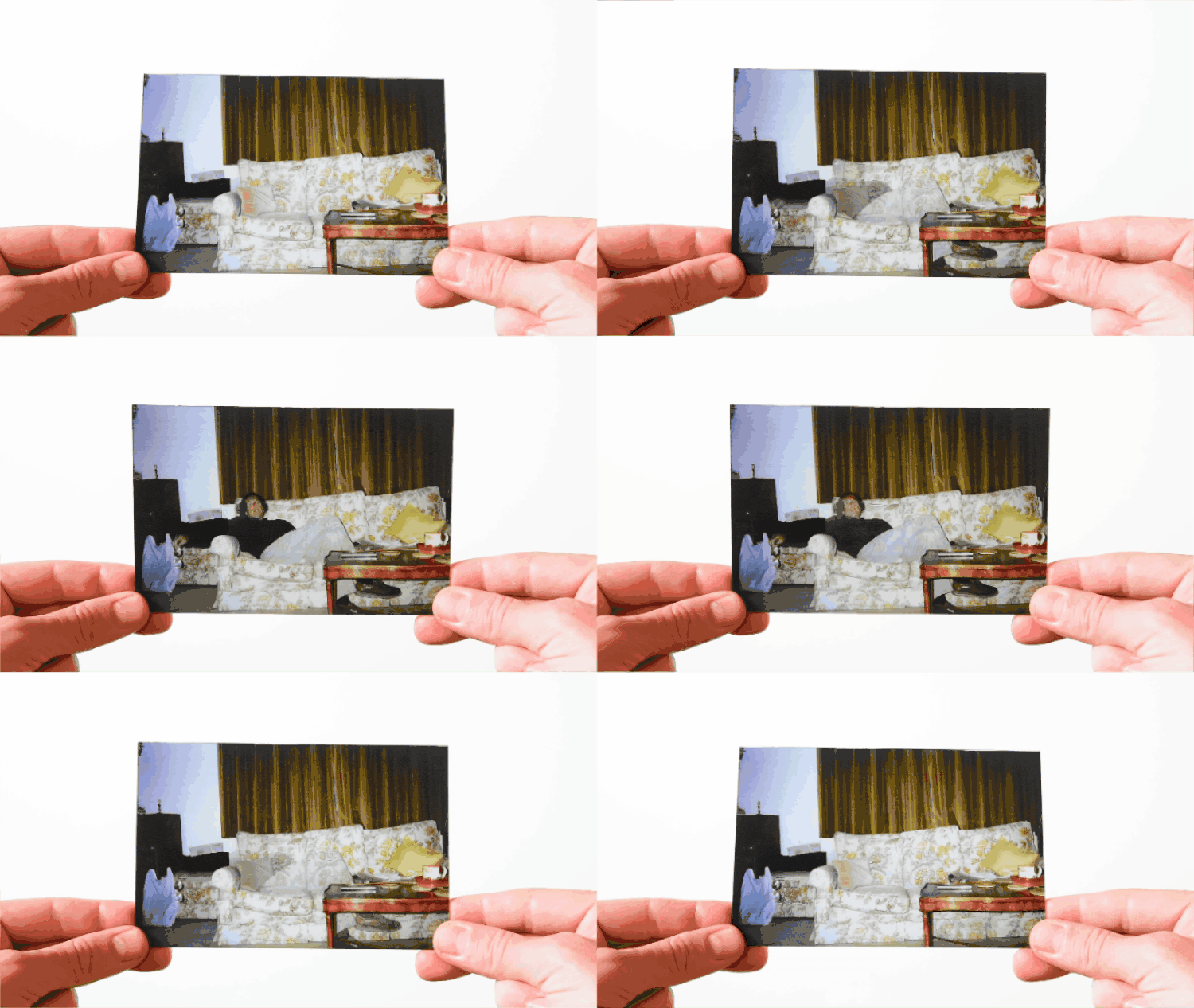
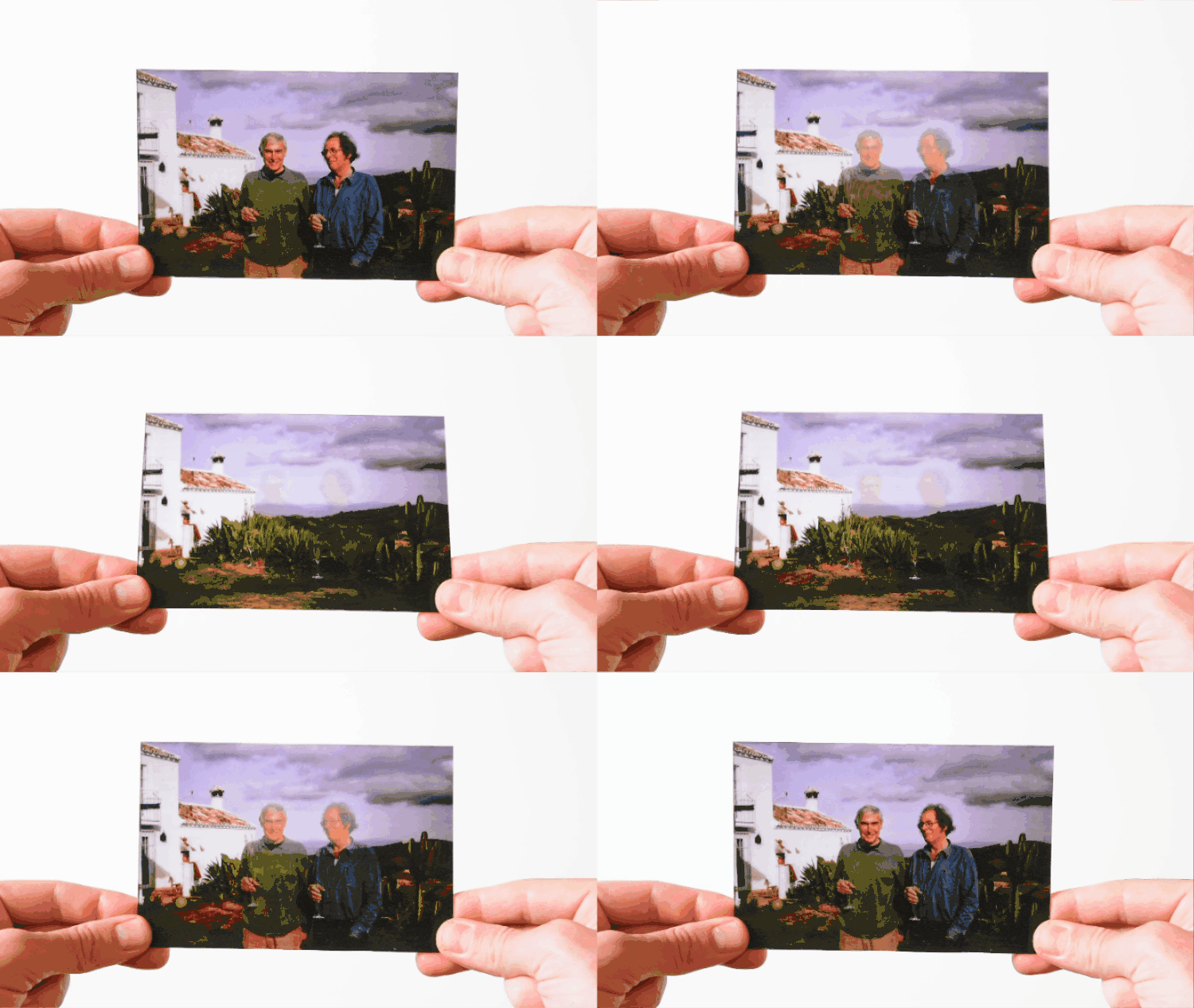
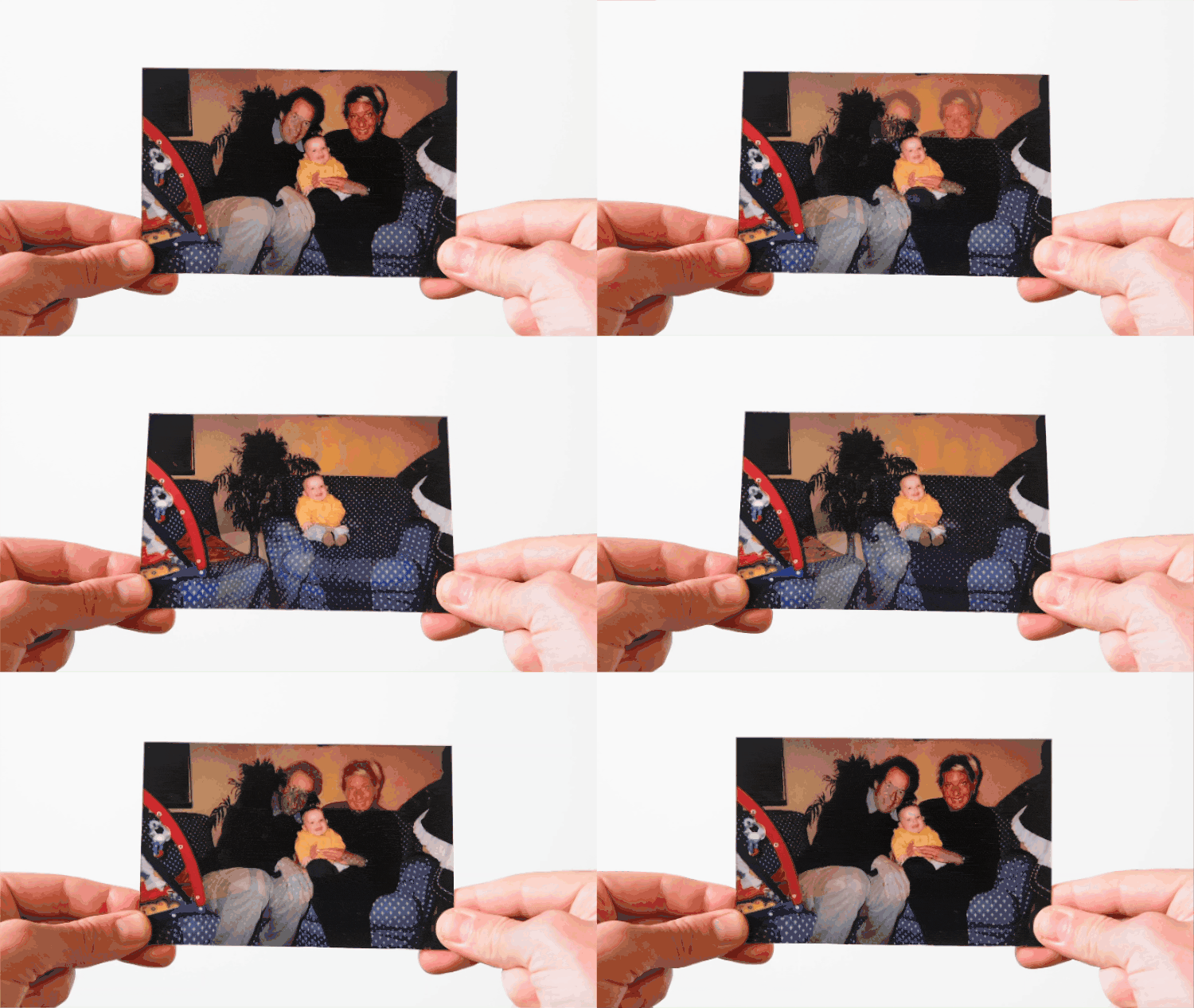
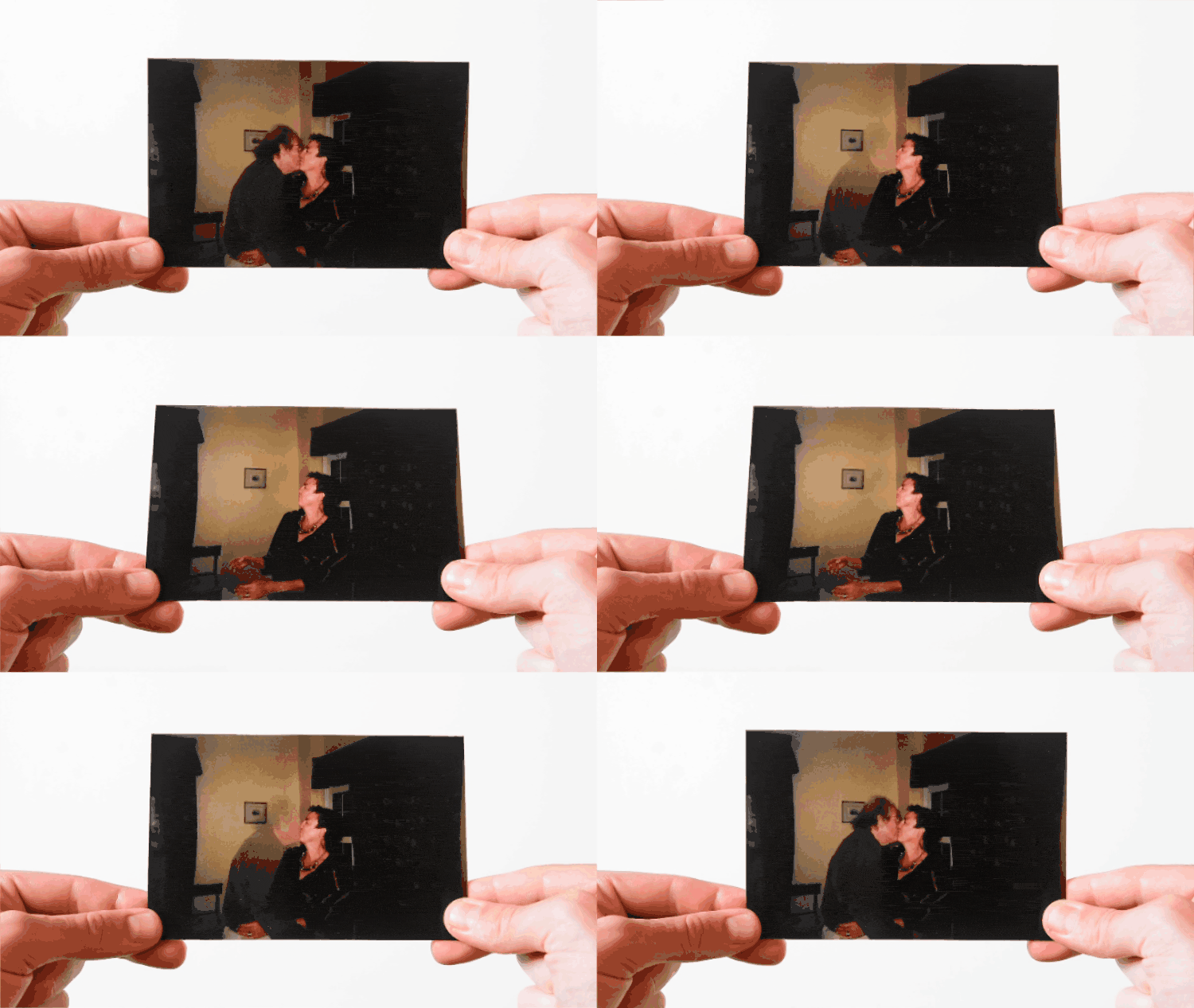
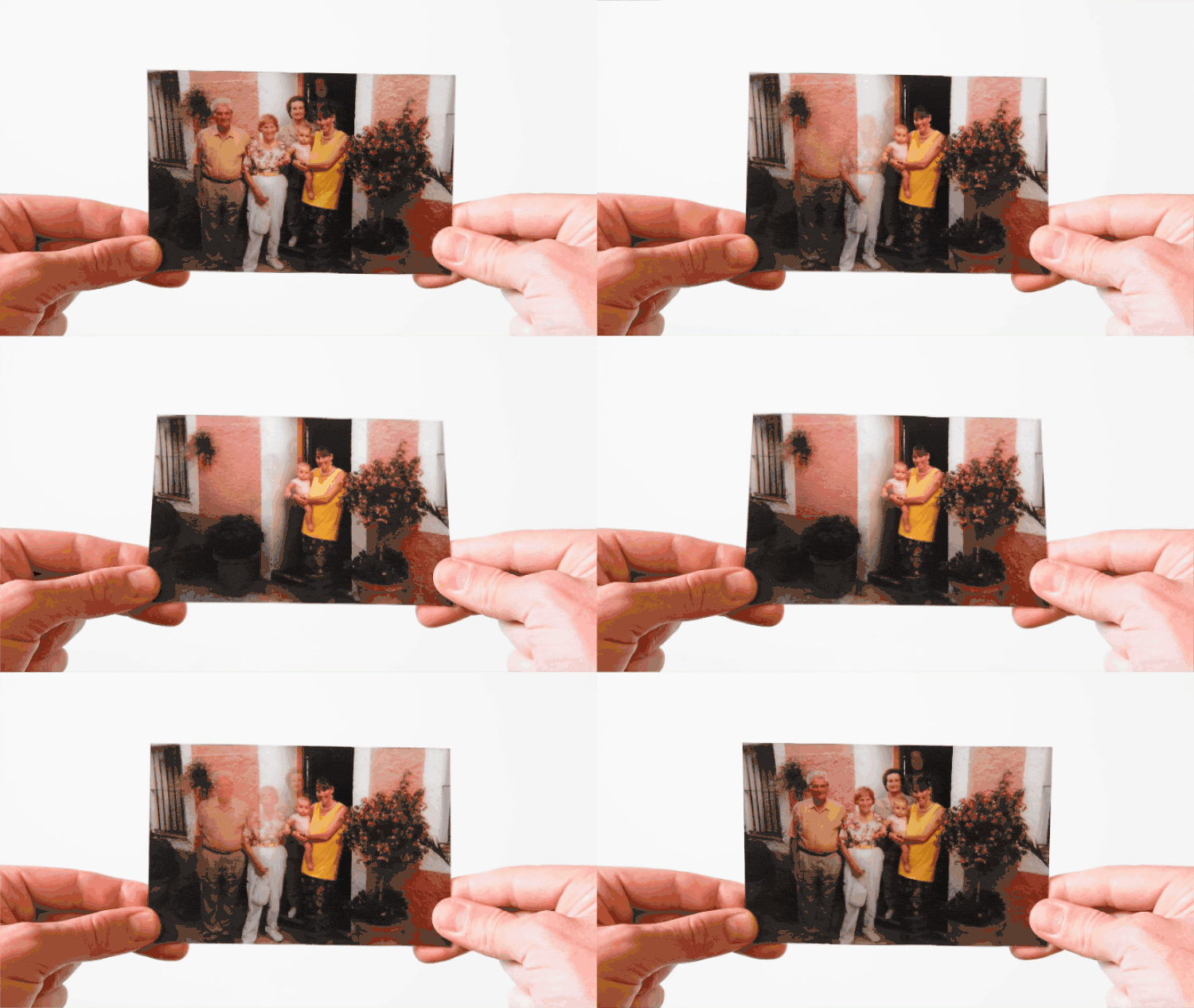
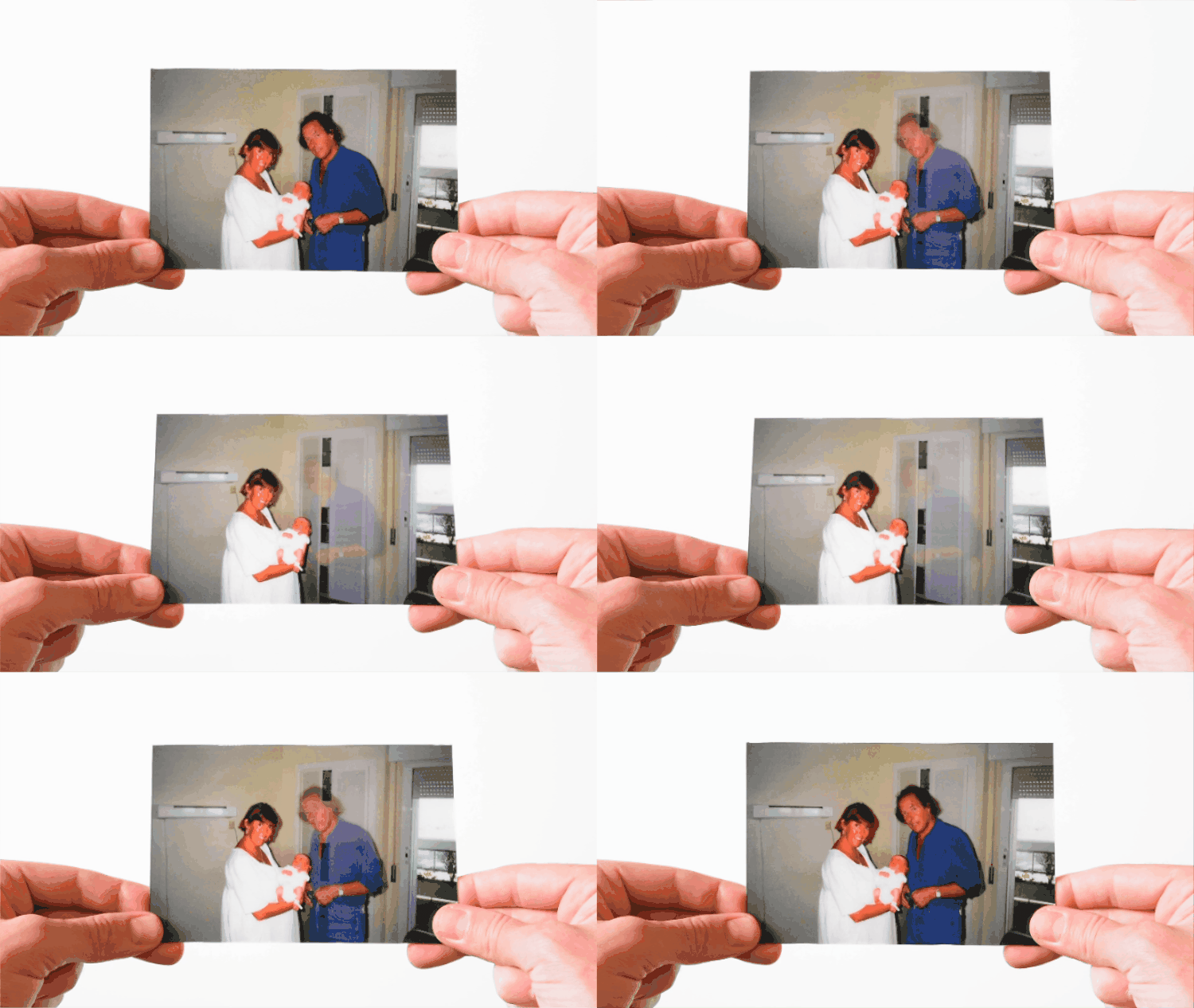
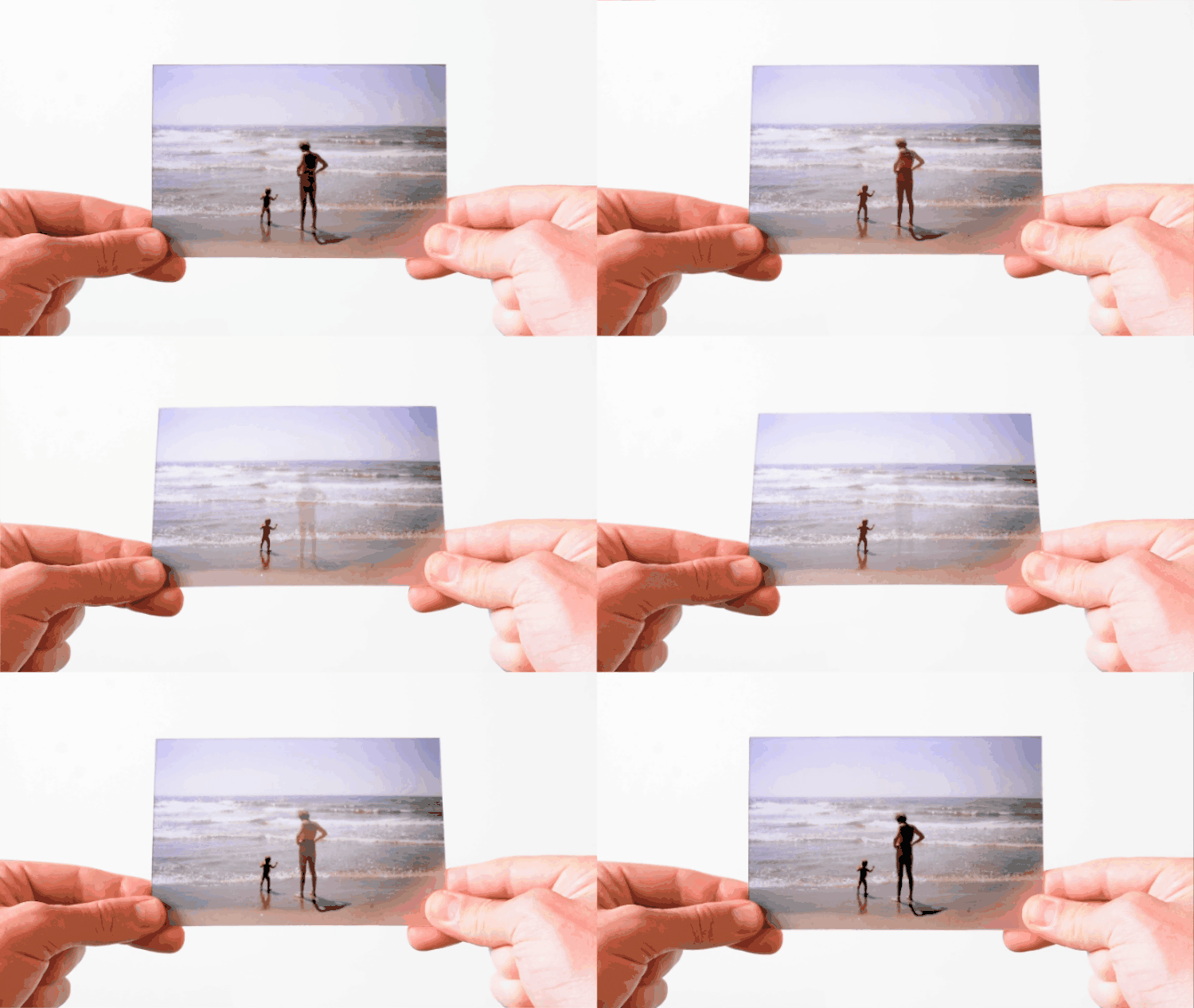
In the ‘Transparent’ project, photographer William Josephs Radford explores the relationship between memory and absence through the use of artificial intelligence. Rather than recreating figures who are no longer with us, Radford removes his father’s presence from photographs of his own childhood using generative editing tools and reproduces the images using lenticular printing. By tilting the print, the viewer triggers a visual shift: the father’s figure appears and disappears with a slight movement. The scenes depict domestic moments, such as a man on a floral-patterned sofa, a parent standing beside their child by the sea, or playing with bricks and spades. The variation extends to other settings, from the blue-polka-dot armchair in the living room to everyday gestures, such as a kiss, a toast amongst cacti, a family portrait in front of a pink house, or embracing a newborn in hospital.
The work challenges Roland Barthes’s notion of photography as irrefutable proof of what has been. Radford presents the family photograph as a space in which memory is composed of verifiable elements, inherited narratives and personal projections. This approach draws on Jacques Derrida’s concept of the ‘spectre’: the father is not eliminated in order to deceive, but appears as a presence that oscillates between visibility and disappearance. Unlike technologies designed to prolong the presence of the deceased through digital avatars, Radford uses digital tools to subtract. The intervention is made explicit and does not aim to offer consolation, but rather to make the retroactive nature of loss perceptible. The project thus transforms the algorithm into a tool for reflecting on vulnerability and the cultural significance of mourning.
Explore the full project at josephsradford.com.