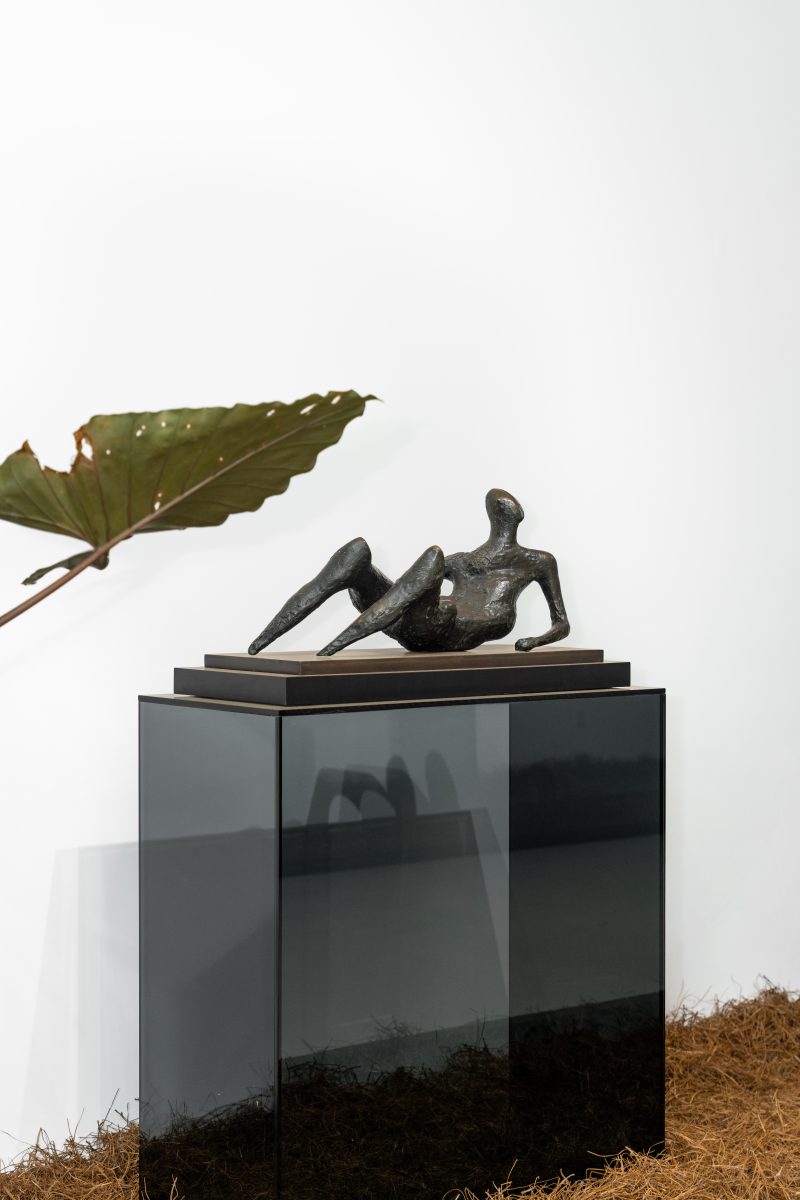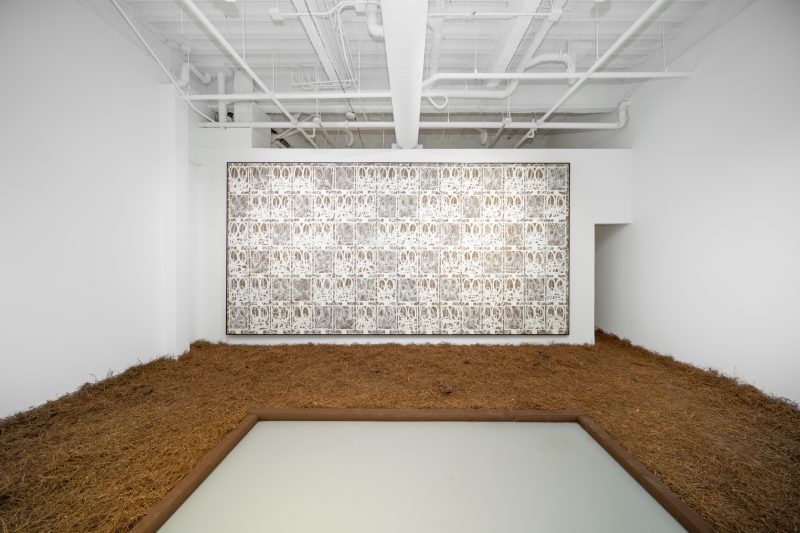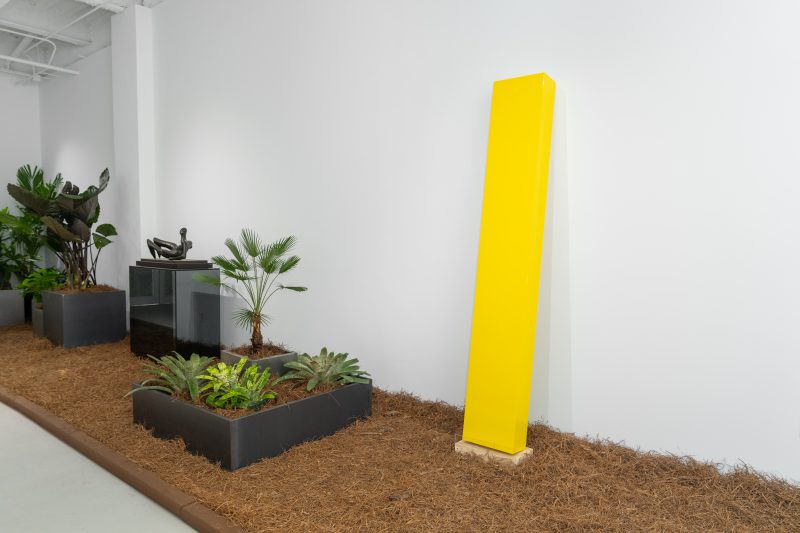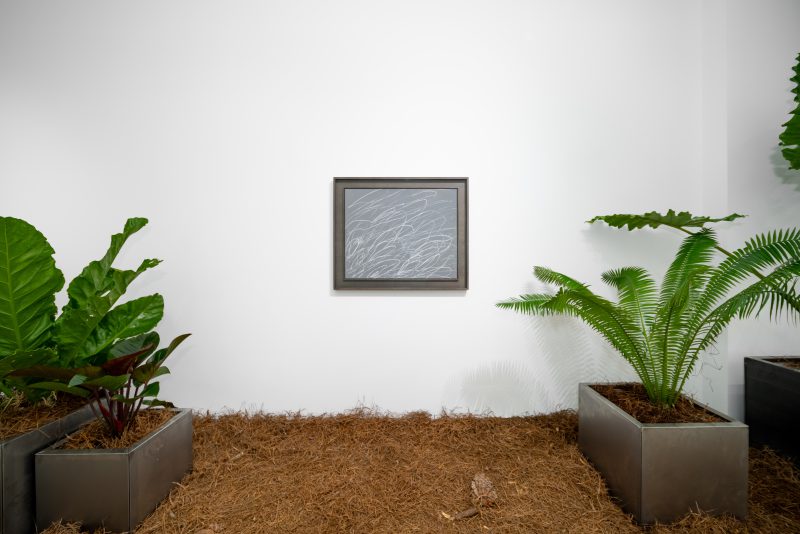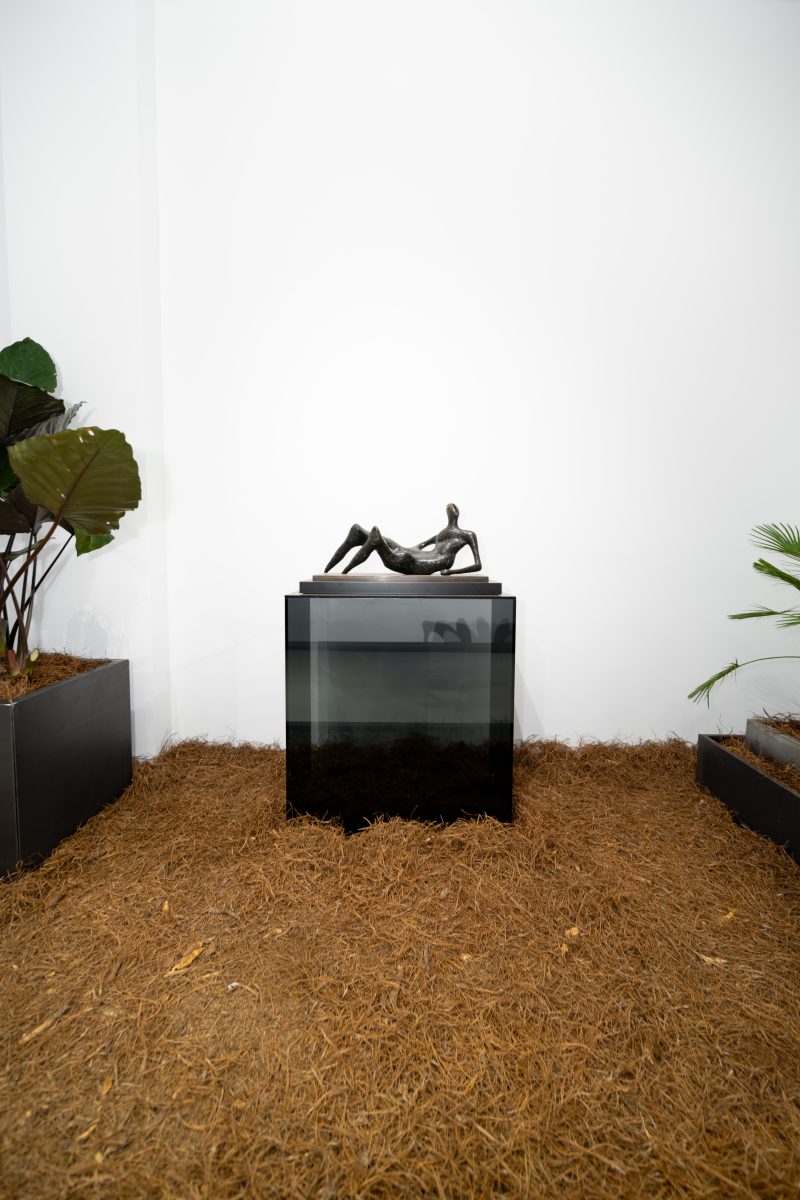
In Miami, the Berkowitz Contemporary Foundation gave anticipation a room of its own. At Paradise Plaza in the Design District, The Prelude, an exhibition curated by Rashid Johnson, does not so much announce a beginning as inhabit the charged pause before one. An exhibition about waiting, and about sitting with personal, institutional and architectural potential before it fully takes shape.
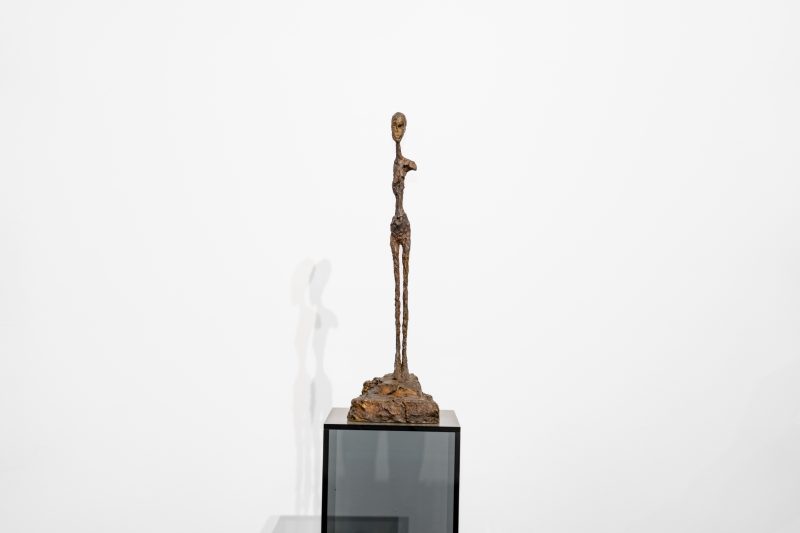
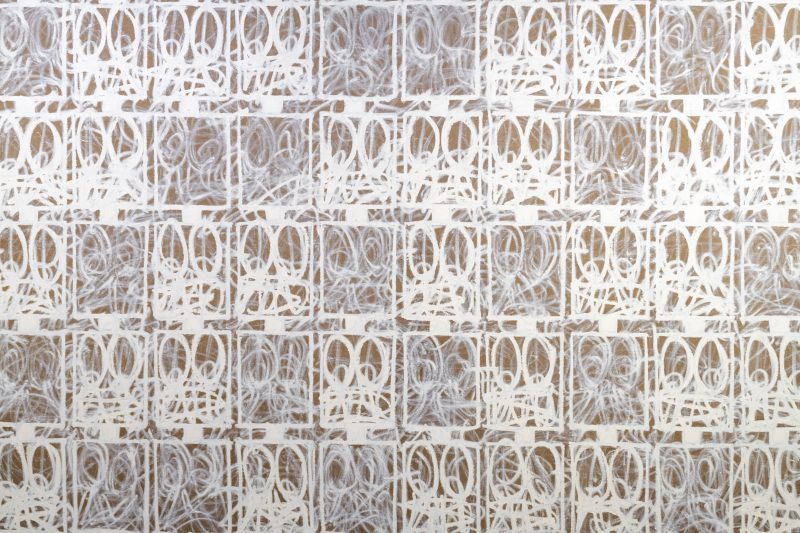
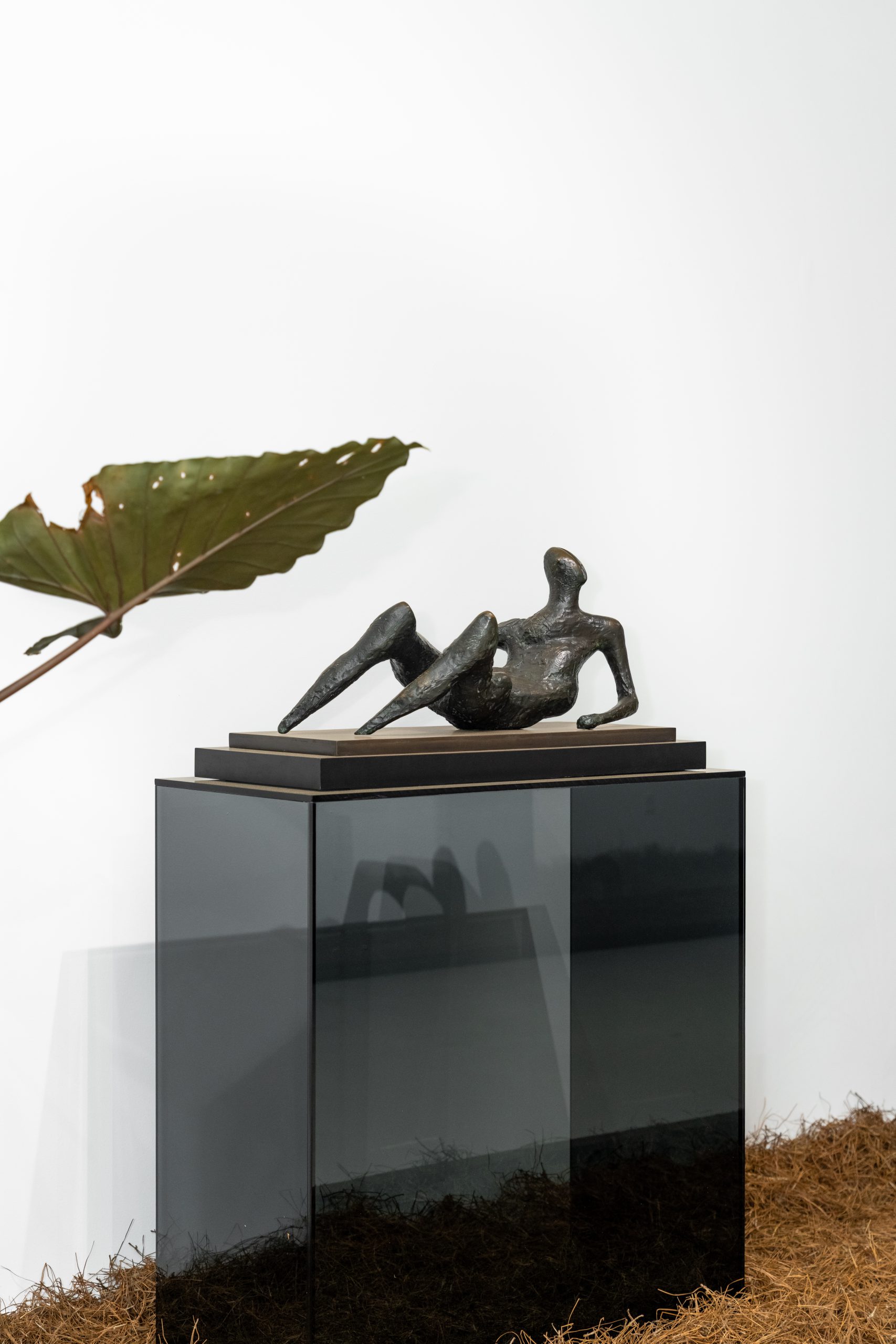
Johnson, one of the most influential artists of his generation, has long been attuned to thresholds: psychic, cultural and material. Here, he turns that sensibility outward, shaping an exhibition that operates as both artwork and proposition. At its center is Surrender Painting (Summer in the City), a monumental work from Johnson’s celebrated “Surrender” series. Dense with gesture and emotion, the painting functions as a gravitational force, pulling into conversation a carefully chosen selection of works from the Berkowitz Contemporary Foundation’s collection — Henry Moore, Alberto Giacometti, John McCracken and Cy Twombly among them.
The dialogue is less about chronology than about tension and release. Moore’s corporeal solidity rubs against Giacometti’s attenuated existentialism; McCracken’s immaculate surfaces hold their own against Twombly’s restless lyricism. Johnson threads these voices together through scale and material, allowing them to breathe within an environment that resists the sterility of the white cube. Living elements — plants, organic textures, subtle shifts in temperature and scent — punctuate the space, hinting at the landscape beyond the gallery walls. That landscape is not incidental. The Prelude is, as its title suggests, a foreword to Berkowitz Contemporary Foundation’s most ambitious undertaking to date: Longleaf Art Park, set to open in Walton County, Florida, in 2026. Spanning 15.5 acres, the park will be a new kind of public art destination — one in which land, architecture and sculpture are conceived as a single, interdependent experience. At the heart of the park will be Passage of Time, a monumental late work by Richard Serra, developed in close collaboration with the artist before his death. Composed of eight towering weathering-steel plates arranged in parallel formation, the 217-foot-long sculpture will be housed within a pavilion designed by OLI Architecture, with Serra himself contributing to its conception. Visitors will encounter the work gradually: first via a winding path through native flora, then across an elevated boardwalk skimming a pond, before entering a sequence of concrete-cast vestibules that usher them into Serra’s slow, immersive spatial choreography. Seen from this vantage point, The Prelude reads less like a standalone exhibition than a thesis statement. “Collaboration with artists is at the heart of BCF’s mission,” Chloe Berkowitz, the Foundation’s founder and president, said in a statement. “The Prelude offers a glimpse into what BCF strives to create: spaces where artists’ visions are at the forefront and can unfold, evolve and connect meaningfully with the public.” That ambition extends beyond sculpture and architecture into programming. Longleaf Art Park will host free, year-round offerings — workshops, guided tours and partnerships with cultural and educational institutions — underscoring BCF’s commitment to access and public engagement. These values are quietly rehearsed in Johnson’s exhibition, which asks visitors not merely to look, but to linger, to notice how art behaves when it is allowed to coexist with nature and time.
Moving through The Prelude, one senses that the exhibition’s true subject is not the park itself, but the condition of becoming. It is an invitation to occupy an in-between moment — before the steel rises from the ground, before the landscape is fully revealed — and to consider how institutions, like artworks, are shaped by the questions they ask before they decide on the answers.