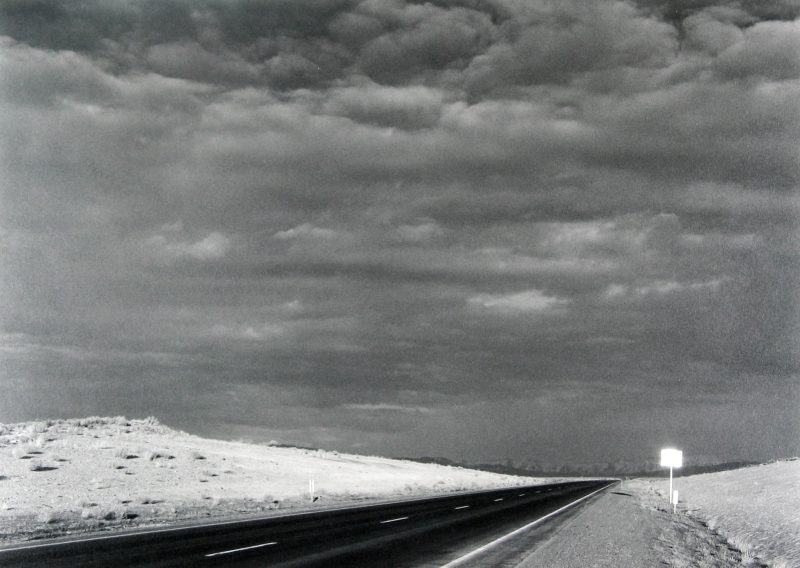
There is an America that never stops being rewritten. With the exhibition The New American West: Photography in Conversation, 10-Corso Como Gallery places the titans of the lens—from Diane Arbus and Edward Weston to Stephen Shore and Robert Adams—in a direct, living dialogue with the contemporary visions of Maryam Eisler and Alexei Riboud. Curated by Alessio de’ Navasques, Howard Greenberg, and Carrie Scott, the show treats the landscape as a “space of thought”. We sat down with the two artists to discuss their 2024 journey through Texas, New Mexico, Arizona, and Utah: a dual pilgrimage defined by architectural silences, cinematic cravings, and the realization that the “West” is less a place than a recurring question, continually reshaped by those who pass through it.
Gaia V. Marraffa: Your photographs feel very cinematic. When you shoot, are you thinking more like a photographer or like a film director?
Maryam Eisler: A bit of both. A bit of both because in general my photography is very much about storytelling. People in the industry have said to me ‘why don’t you try film?’, which is interesting given your question. On this particular trip it was fascinating because as we went along I did something very unusual. I was so taken by the space, the place, the skies, the clouds, the vastness of the land, the possibilities, the spirituality… the potential that this land offered, that I did a strange thing: I shot everything on a wide-angle lens. I don’t usually do that, in fact I hate wide angles! But in this case it was a kind of ‘greediness’. I wanted to consume everything, to capture everything.
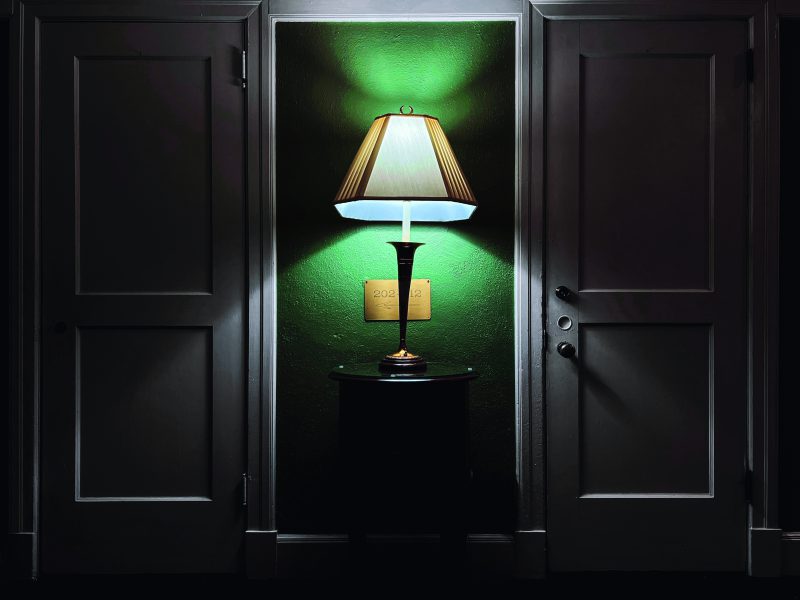
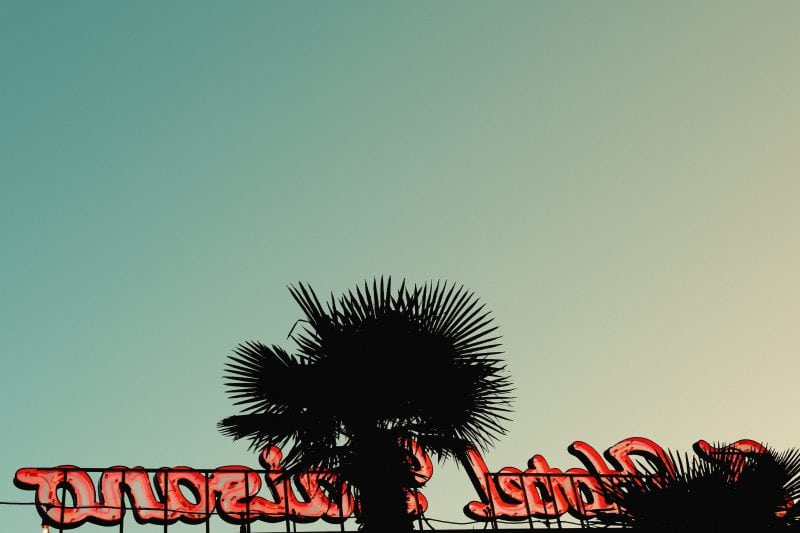
Not only did I use a wide angle, but I was also shooting upwards. I didn’t realize it until I came back and worked with the curators. When we were doing the book with Carrie Scott, she said to me: ‘My God, you shot everything looking up, like a movie’. And of course there’s the idea of cinema and Hollywood in this part of the world… Giant, James Dean was filmed there, the Hotel Paisano, the neon you see back there… that comes from the corridors of the Hotel Paisano at 2:30 in the morning. Walking through those corridors thinking about movies, what those walls had seen, what was behind the doors.
GVM: What was the moment during the trip when you thought, ok, this is the real West?
ME: There was an ‘Aha!’ moment for me, and it was a spiritual moment. It was at the White Sands National Park. It was sunset, I saw Rothko in front of me, all those art history references I grew up with.
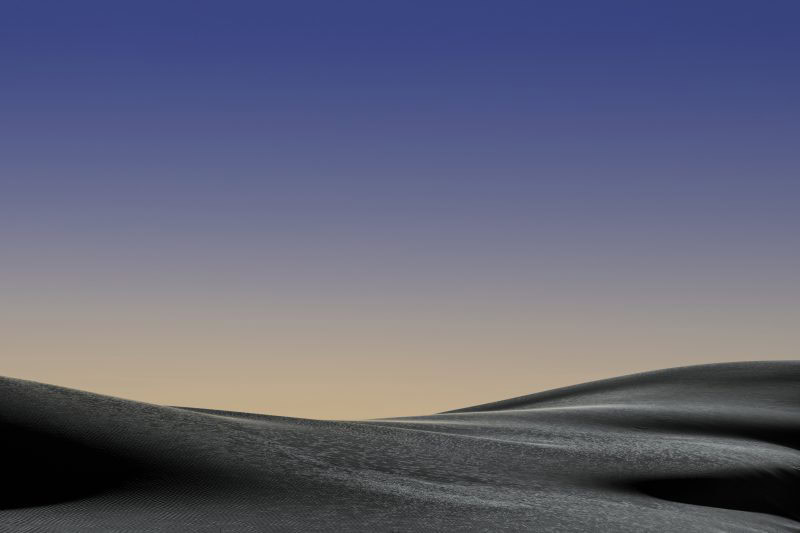
In that place I had almost an out-of-body experience. I’ve never been a particularly ‘new age’ or spiritual person, but that place proved me wrong. I don’t know for how long I left my body and then came back, but there I understood the importance of the land for the indigenous people. There’s a special energy that drew me in and put me at peace, in a kind of trance.
Then you wake up and you realize that behind the beauty of nature, unfortunately, there’s also a history of tension. That was a missile testing ground until ten years ago. Los Alamos, where the atomic bomb was created and tested, is an hour away. There’s this continuous dichotomy between man and nature: nature renewing itself through beauty and power, and man constantly destroying it. Environmental issues, water shortage… they invest money in projects that are then never completed. A lot of destruction of nature, sadly, without solving the problems. We humans are good at that.
GVM: What usually makes you stop and take a photograph when you’re on the road?
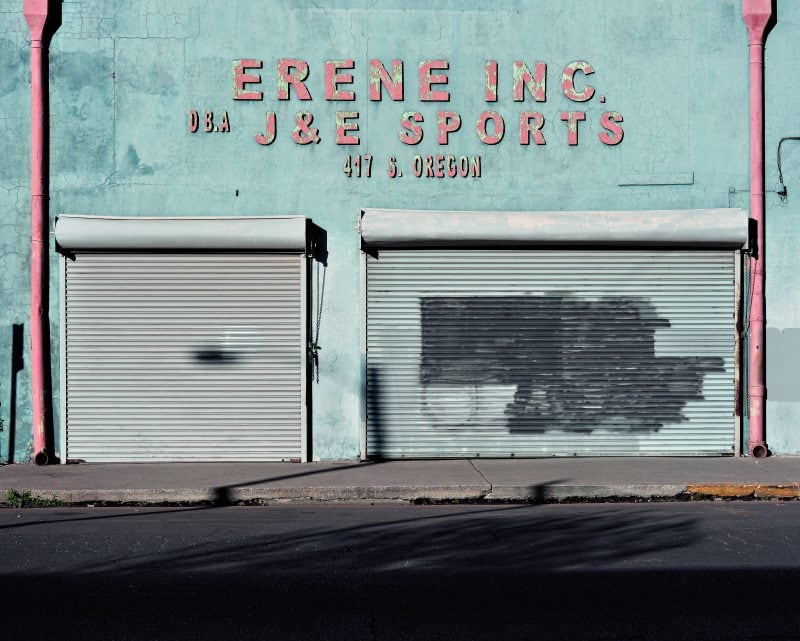
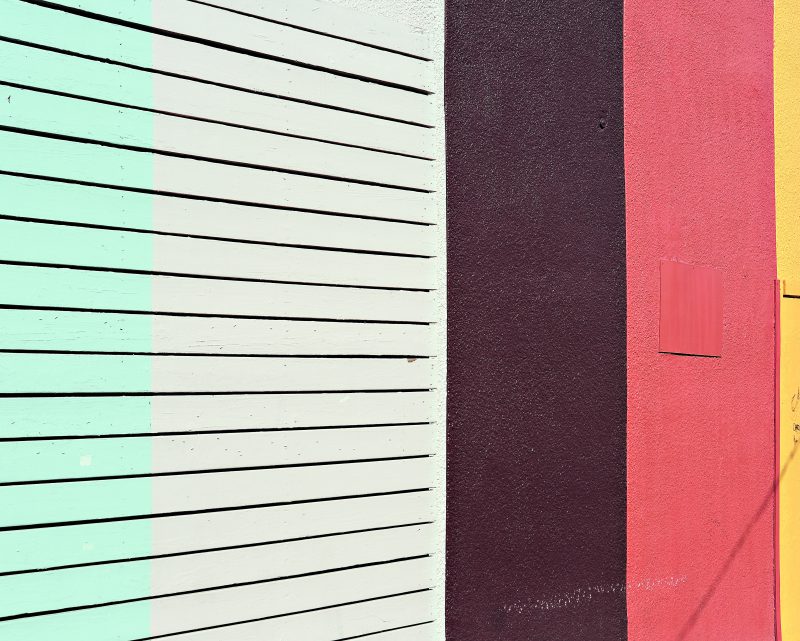
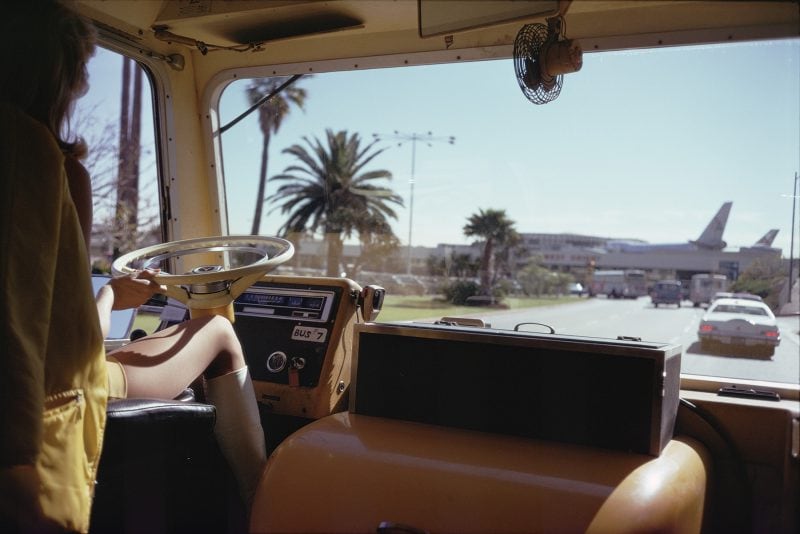
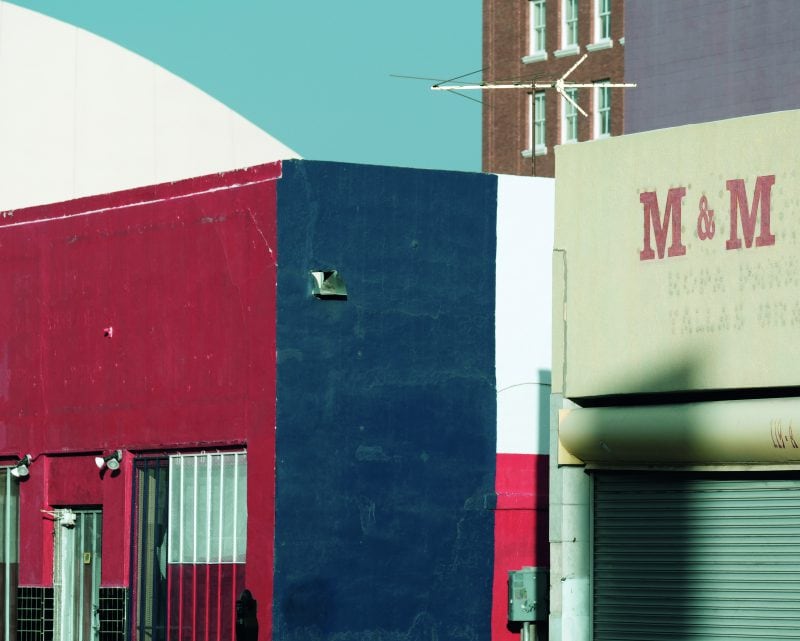
Alexei Ribaud: That’s an interesting question. It’s really something that cannot be explained. It’s not conscious, I think. It’s not really conscious, especially on road trips because your eyes are wandering and something will attract your attention, then at first you don’t really know why. Something that clicks in your mind, and the great thing is that you can stop and go out of the car and take a photograph. I think it’s probably something that reminds you that it has the harmony of something that you idealized. Usually when you wake up in the morning as a photographer, you want to take the best picture you can take, and that’s probably what happens. But there’s a lot of reasons. For me, it’s mostly the geometry and the harmony and, as a graphic designer, it’s also the writings on the wall and the typo and everything.
GVM: the American West is such a powerful visual reference, it’s something that we are really used to seeing in photography. When you were photographing there, did you feel familiar from images that you’ve seen before or something completely different?
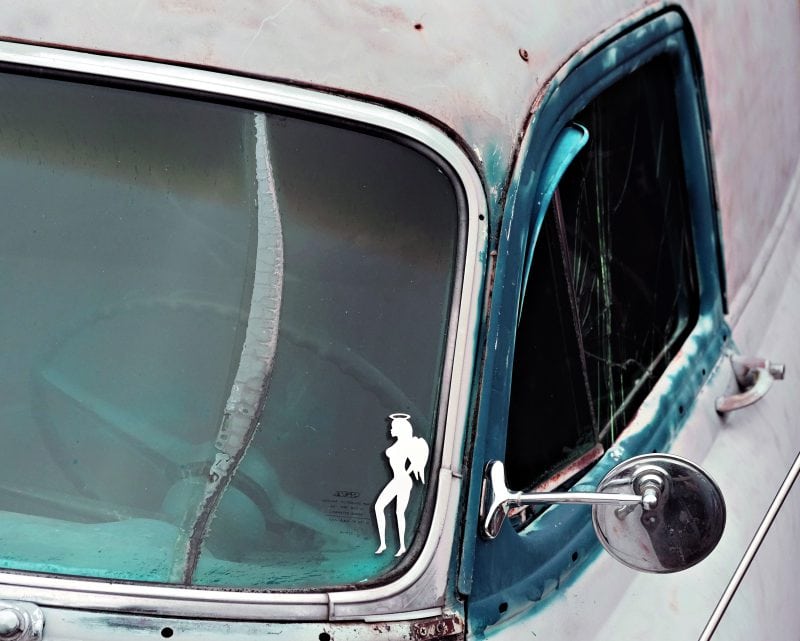
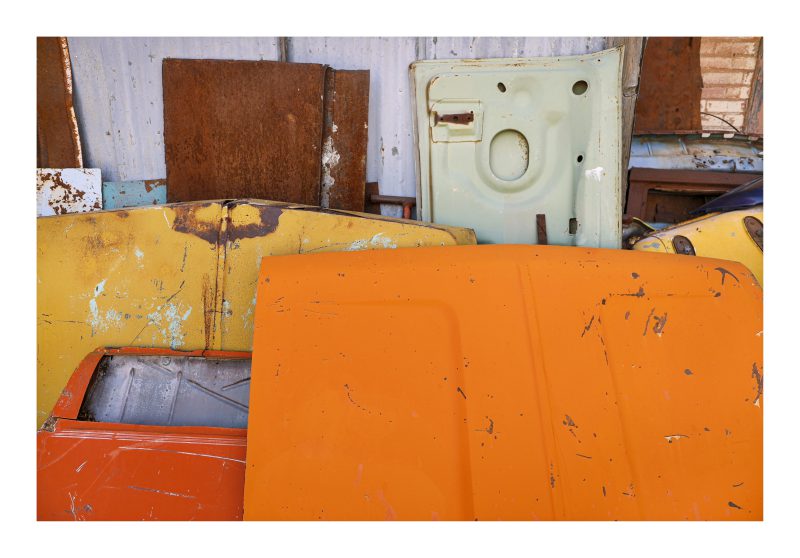
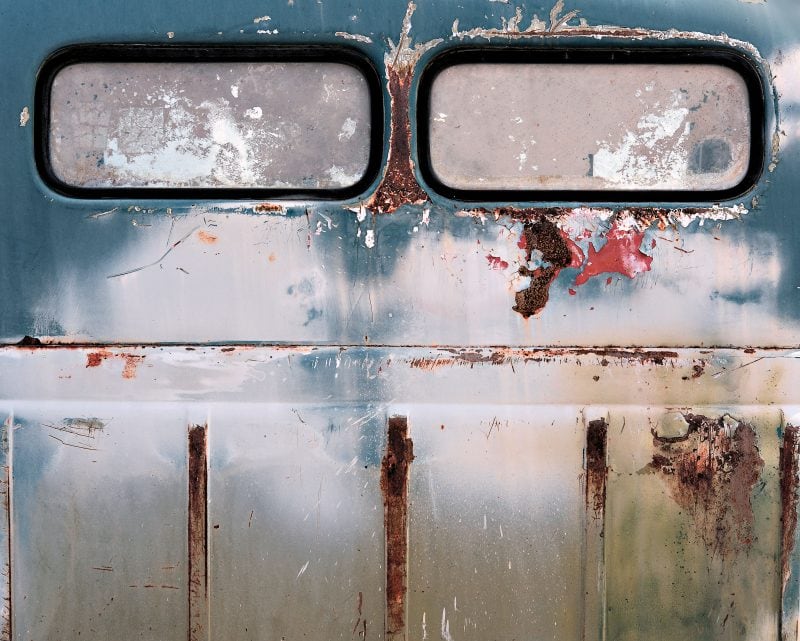
AR: What struck me the first is the stillness. There’s what I would call a “fossilization” of things from the past which, like you said, is something that reminds you of the old movies and what you’ve experienced with photographs that you looked at or what you think the West is. But then it became more personal. I think you want to find some truth about the West, and that’s where the vision is different from one person to another. I wanted to work with the aesthetics of the vernacular and the derelict, because that’s what I was driven to. So that’s why there’s a lot of car wrecks, abandoned towns… I think I wanted to have a true look at the relics of the past because they tell a lot about the present. And I thought it was like a very lonely place to be, a very solitary place.
GVM: Seeing your work here at 10 Corso Como next to photographers like Diane Arbus or Edward Weston — did that change the way you look at your own images?
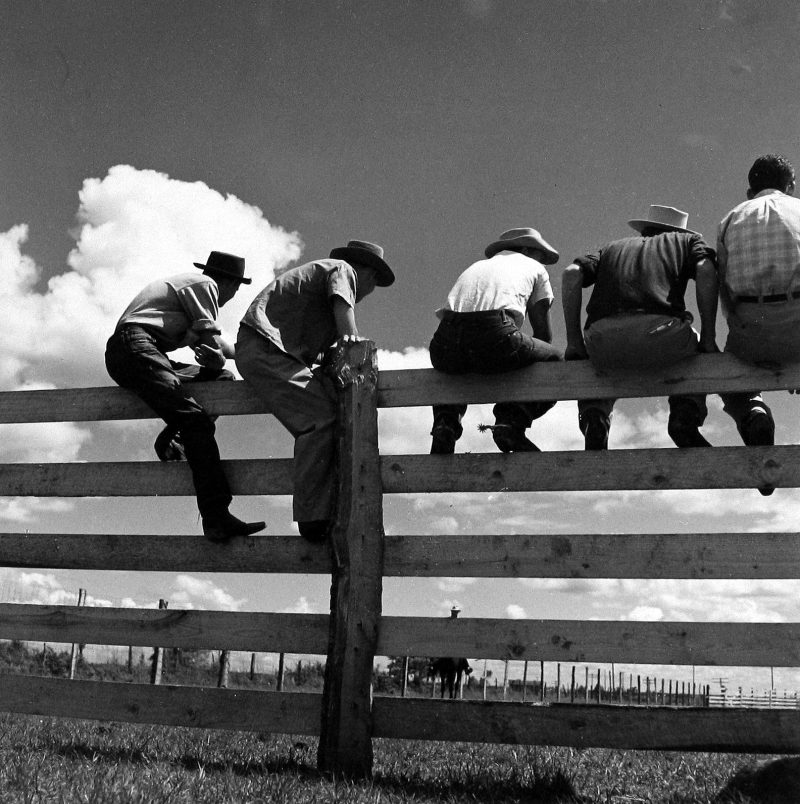
AR: Actually no, I think, and I’m very proud because I think it looks different. I’m not trying to copy any of these photographers. And the times have changed so much that what strikes me is that the time they took the pictures, there were many more movements with human activity because of the Great Migrations and because there were a lot of towns and people living in the train station. My experience was way more settled and still and calm, and there’s not a lot of people in my pictures. I really concentrated on the atmosphere and the feeling around the West. So there’s a lot of architecture, a lot of construction, because I didn’t see a lot of people.
ME: Yes, absolutely. It makes my heart beat, I feel it in my stomach. It’s a huge thing to be measured against these names that I’ve always looked up to, who inspired me, whose work I’ve studied and have in my library. There’s a lot of history here.
But showing it in this way… I have to say, working with the team here has been fantastic. They’ve been so professional and curatorially smart. We spent a lot of time figuring out every choice: it was a conscious decision of pairings, associations, collaborations and dialogues. This gives value and merit to the work. It makes me feel like I had something new to say: that the West doesn’t stop at this romantic idea, but it’s built on stories of tension, violence, poor economic environments, and indigenous people who are economically deprived, yet incredibly faithful to their spiritual sense and identity.