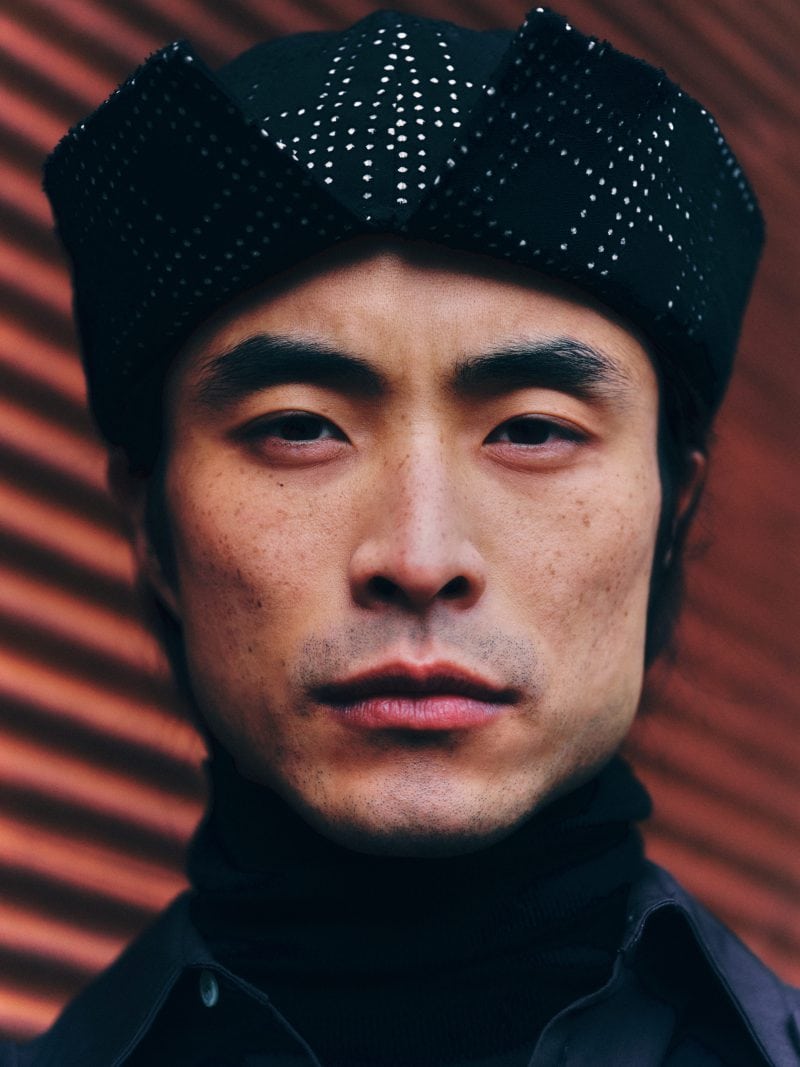
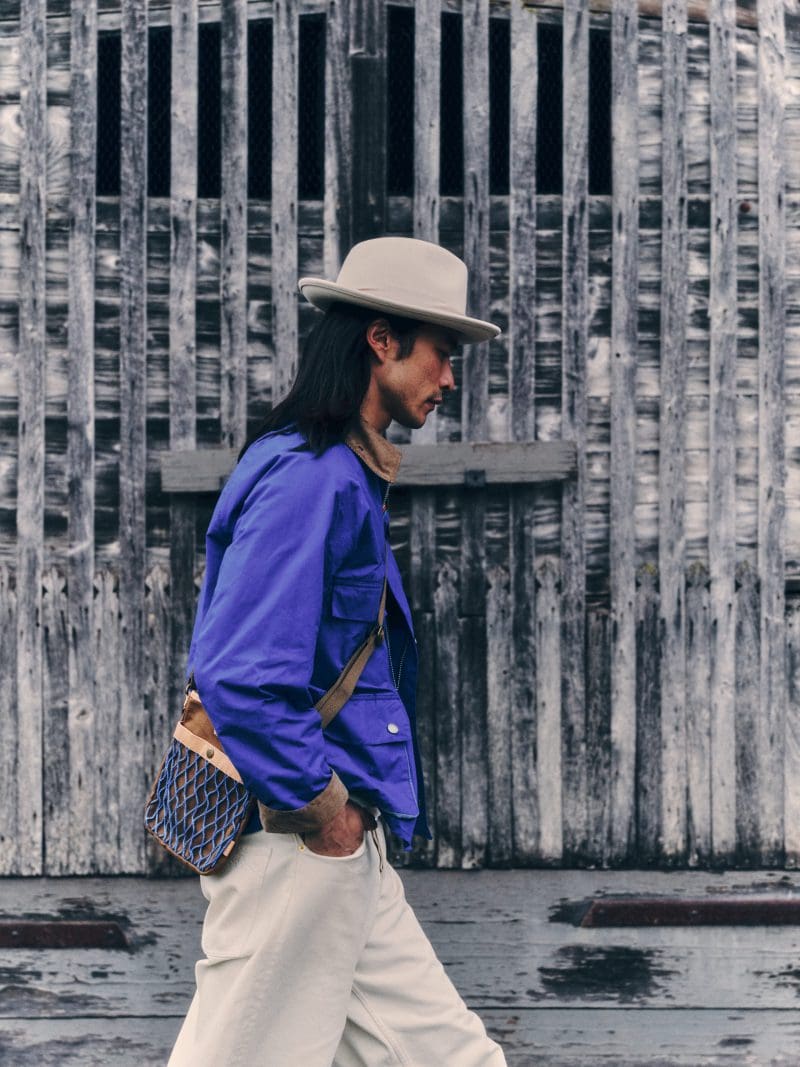
Beneath every image exists another layer. Beneath stone walls, another memory. Within inherited spaces, the invisible accumulation of gestures, voices, absences. Old places never remain entirely still. They absorb the traces of those who pass through them, carrying fragments of lives long after they disappear.
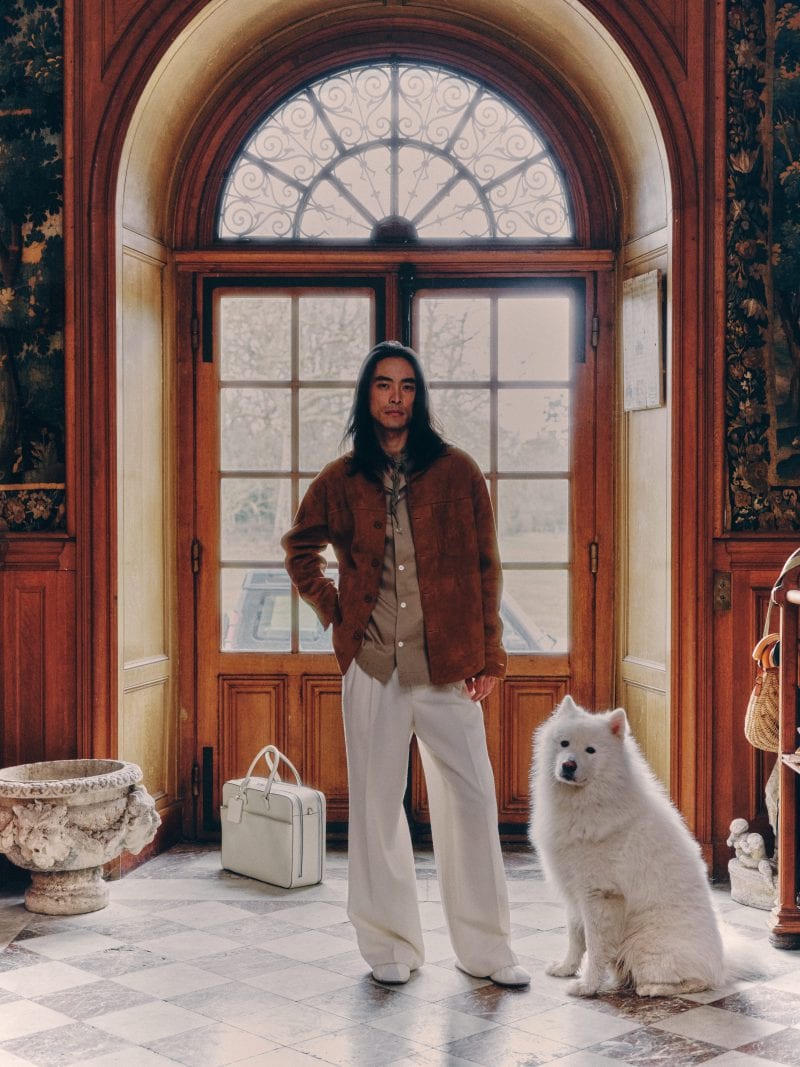
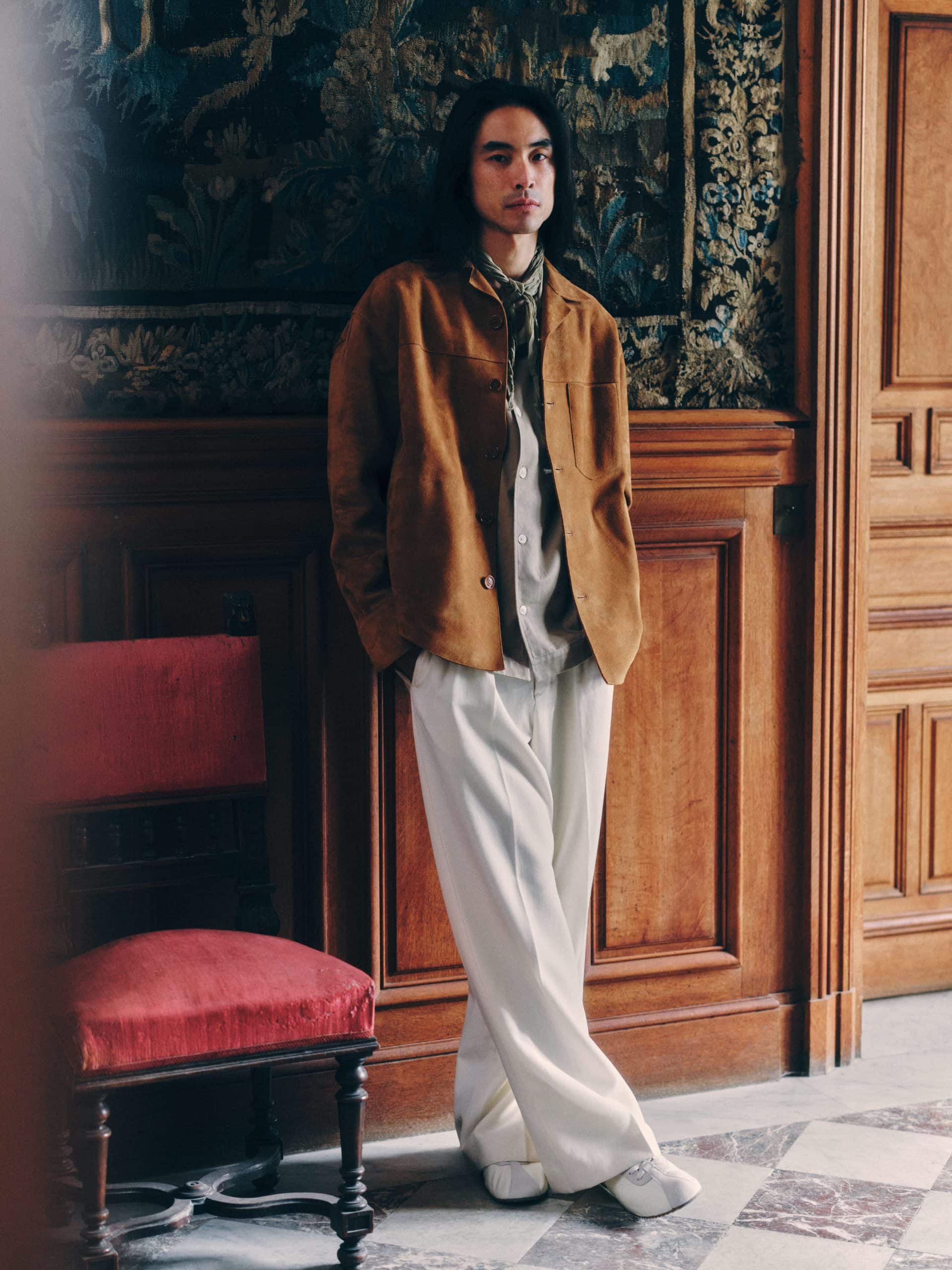
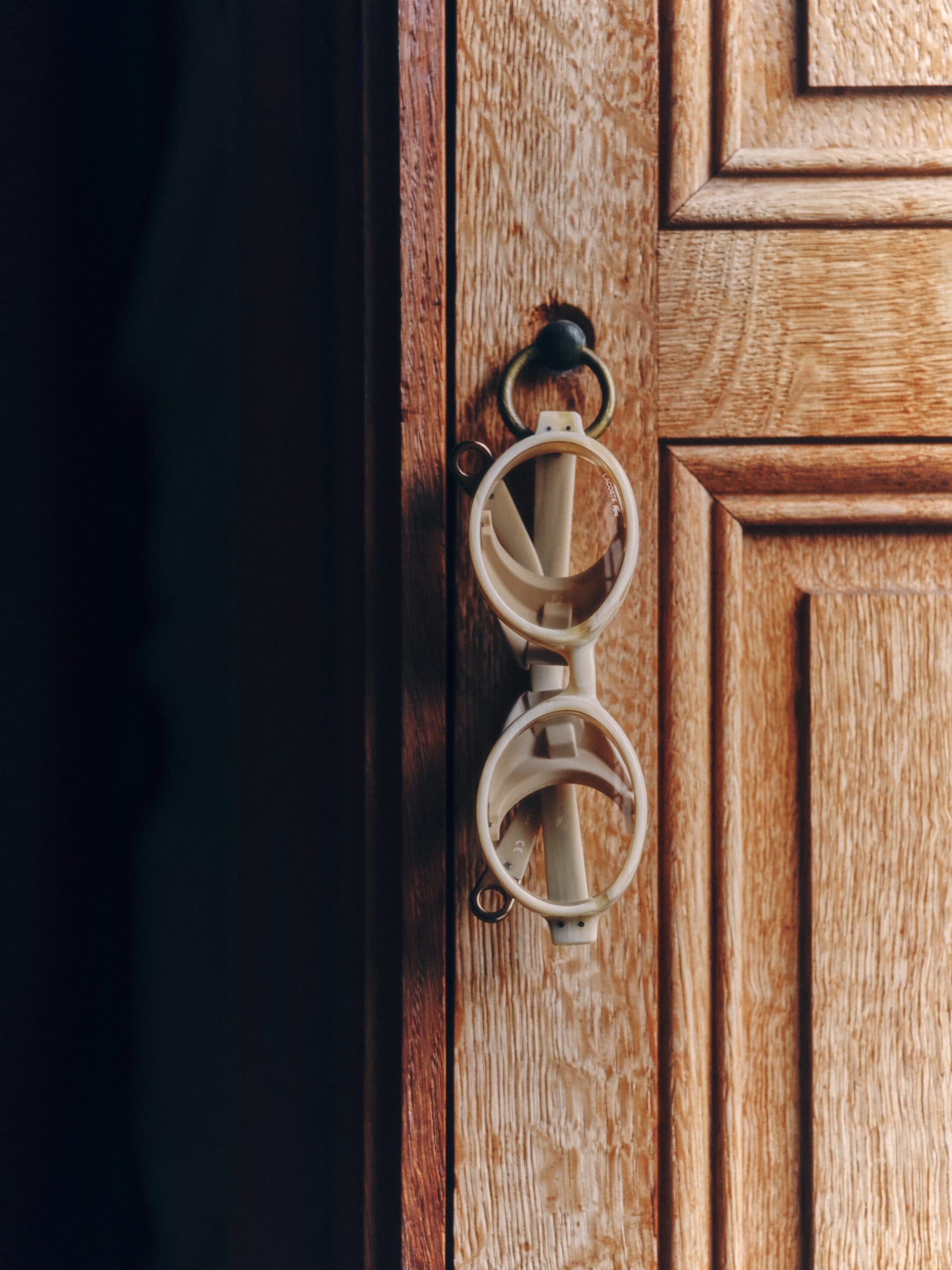
Within the silence of the chateau, the past does not feel distant so much as suspended, embedded in worn wood floors, faded textiles, filtered winter light. Yet, moving though these rooms also means confronting them with the emotional noise of the present. Contemporary anxieties, fractured identities, private desires: the restless mental noise of modern life confronting spaces built for permanence.
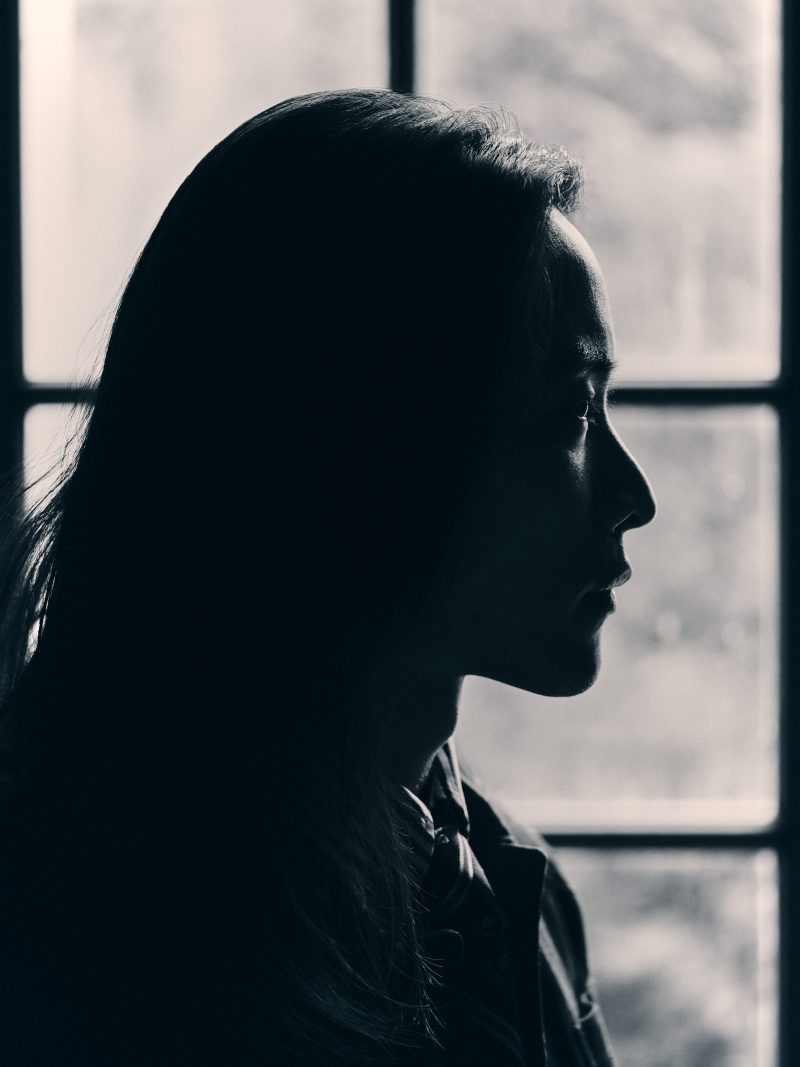
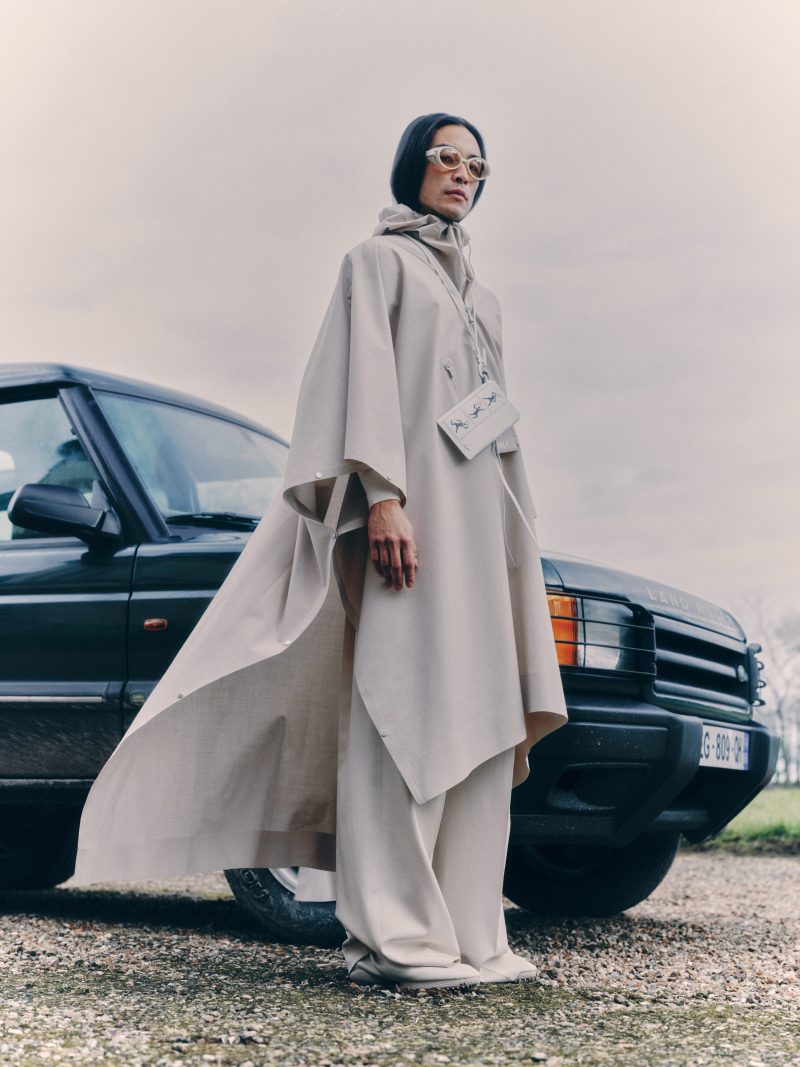
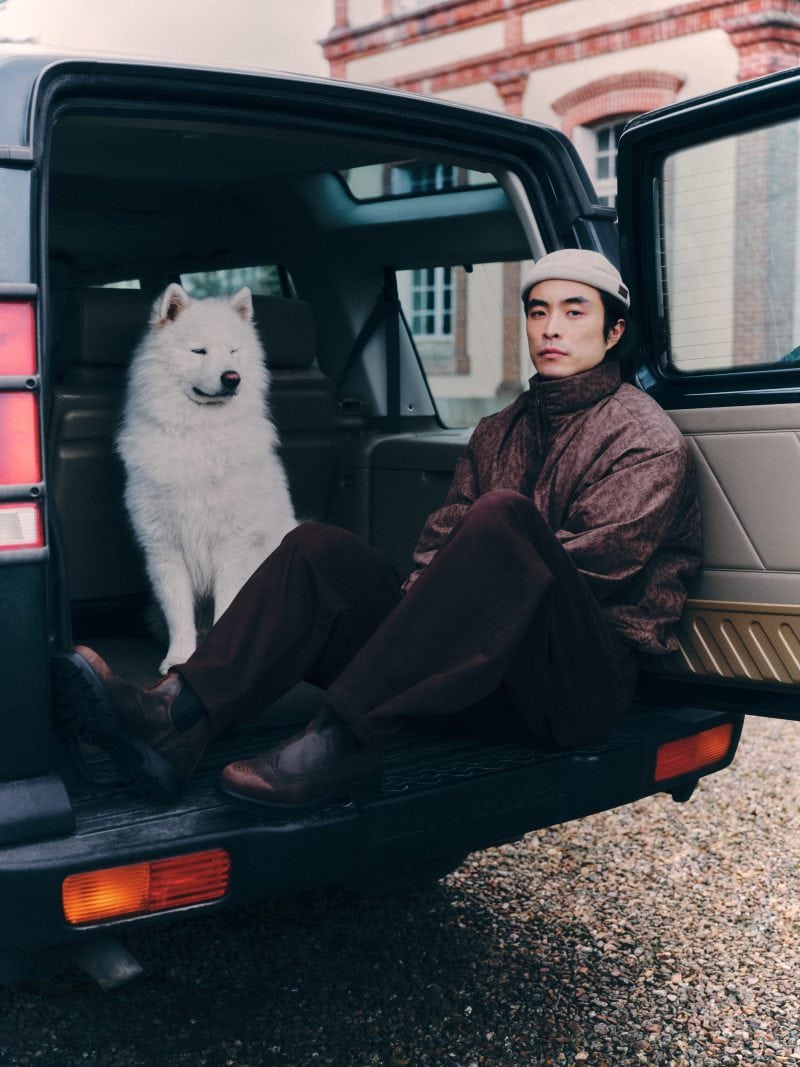
It is within this tension that Victor emerges. The images suggest stillness, composure, stability. Yet, like every portrait, they conceal realities that exceed the frame entirely. Exhaustion, reinvention, accident, the invisible texture of a life unfolding behind appearance.
Certain lives begin to detach from themselves long before any visible rupture occurs. The gestures remain the same, the routines continue uninterrupted, yet internally something has already shifted. The body moves forward while another part lingers elsewhere, searching for air.
Before modelling, Victor inhabited this state of quiet dissonance. Between business studies at Dauphine, a toxic accounting internship, and volleyball practice every evening after work, his days collapsed into mechanical repetition. Even space itself seemed to reinforce the sensation of withdrawal. A corner desk facing the wall, as though life had slowly narrowed into surfaces impossible to move through.
Exhaustion possesses its own physical language. Eventually it transforms perception, making even brief departures feel necessary for survival. A weekend away became one of those suspended moments where another reality unexpectedly reveals itself. For Victor, London arrived less as escape than interruption. It was there, through an almost absurd chain of contemporary chance that another possibility quietly entered his life. An Instagram DM, at first thought to be a scam, introduced him to modelling.
Not every transformation arrives dramatically. More often, a life changes though barely perceptible intuitions, through the growing impossibility of remaining where one no longer feels fully present.
Contemporary life increasingly asks us to exist as visible surfaces. To compress ourselves into images, fragments, impressions capable of circulating quickly and disappearing just as fast. Yet human beings remain irreducibly layered. Behind composure linger fatigue, inherited memories, unrealised desires, private fears, intuitions difficult to articulate. Entire parts of ourselves resist becoming fully visible. The photographs resist this flattening. What they capture is less an identity than an atmosphere; the sensation of a life extending beyond the visible limits of the frame.
Despite everything, human life continues to resist complete disconnection. Amid schedules and carefully constructed identities, intuition persists quietly, asking to be listened to. Sometimes it emerges through exhaustion, sometimes through music, through movement, through the sudden need to leave familiar environments behind.
Perhaps most people have experienced these moments without fully recognising them. A conversation that remains suspended in memory long after it ends, a place that feels strangely familiar upon arrival, the quiet certainty that encounters alter us before we fully understand why.
Life often speaks through almost imperceptible shifts in attention, yet contemporary existence leaves little silence in which to perceive them. Surrounded by constant stimulation, people gradually lose contact with their own internal rhythms, until intuition itself becomes difficult to distinguish from noise.
In this sense, tactile realities may reside precisely within these fragile forms of awareness. The instinct to move towards something unknown, a feeling impossible to explain logically, an emotion quietly redirecting us toward certain people or places.
Perhaps the value of images today no longer resides in their immediacy, but in their ability to
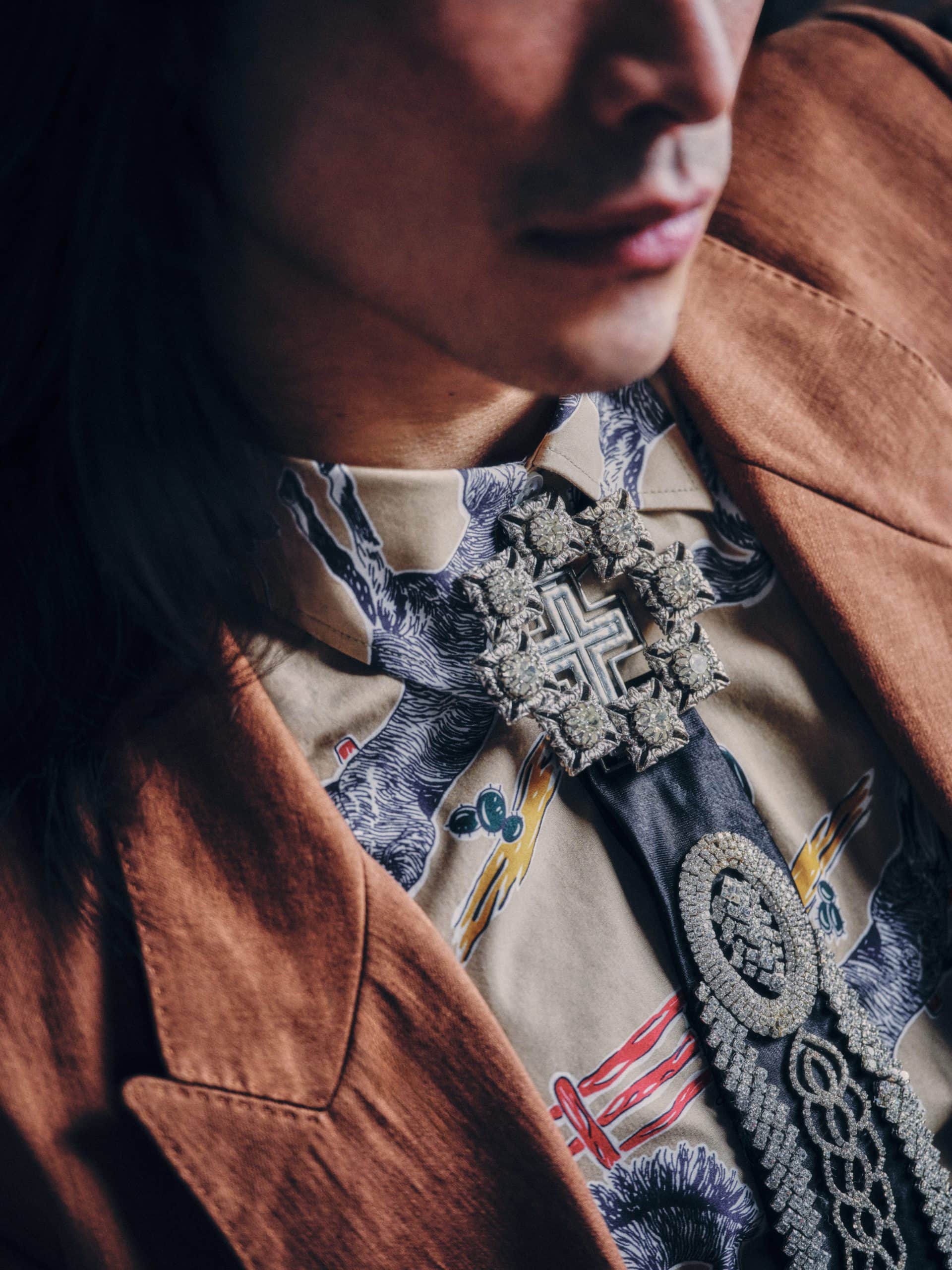
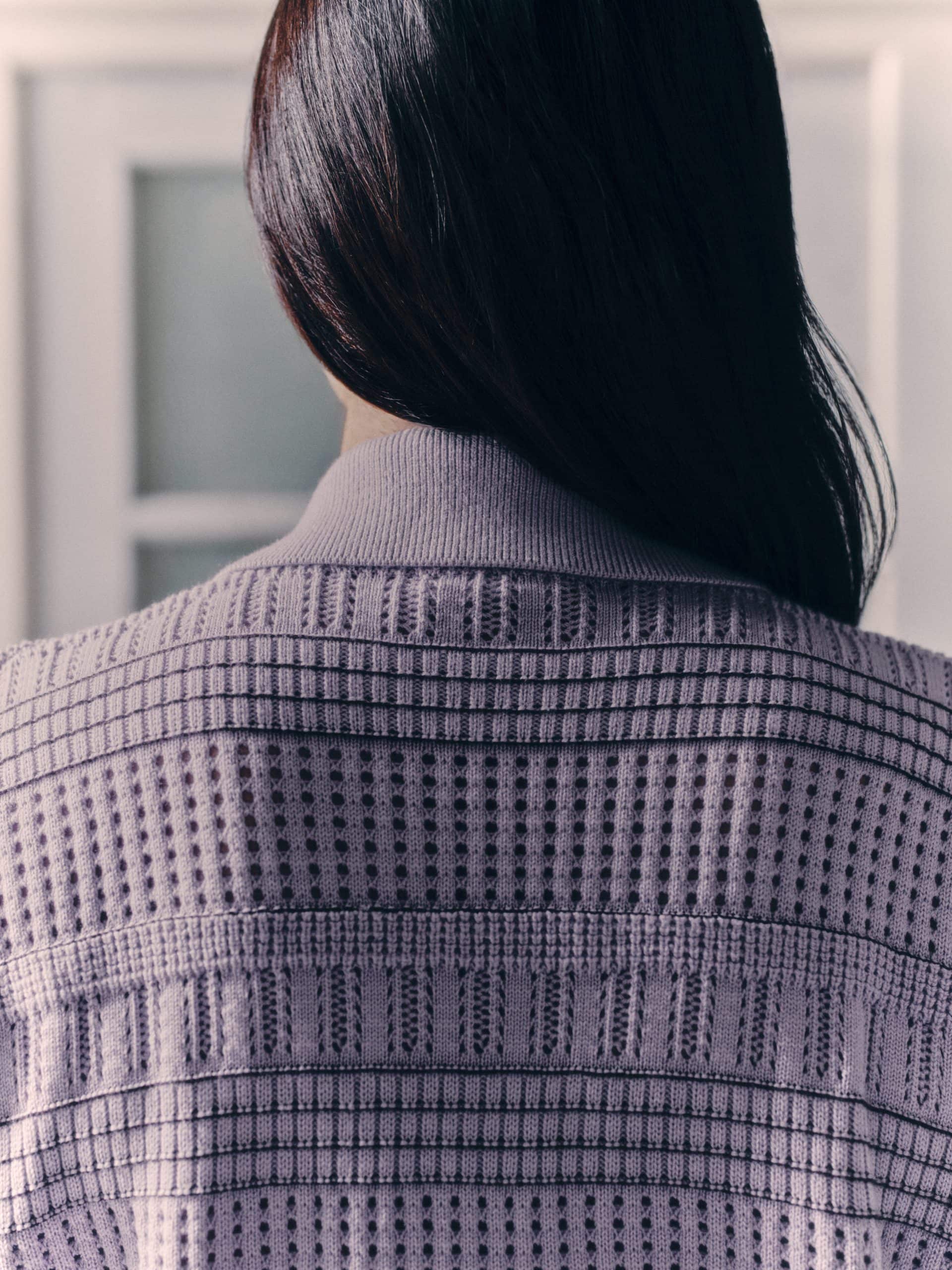
return us to attention. To remind us that every photograph remains, above all, a fragment of lived reality. Fabrics against skin, light settling onto walls, gestures shaped by emotion, people carrying entire interior worlds impossible to fully perceive at first glance.
Surrounded by endless streams of content, images are often consumed before they are truly felt. Yet some still invite another rhythm entirely. One rooted in observation, silence, and presence. A slower way of looking that gradually extends beyond image itself, and into the way we move through the world.
Maybe tactile reality begins precisely there: in the decision to pause. To breathe. To remain open to beauty, intuition and subtle forms of human connection still quietly exist all around us.
Sometimes reconnecting with reality begins simply by slowing down enough to notice what has been there all along.