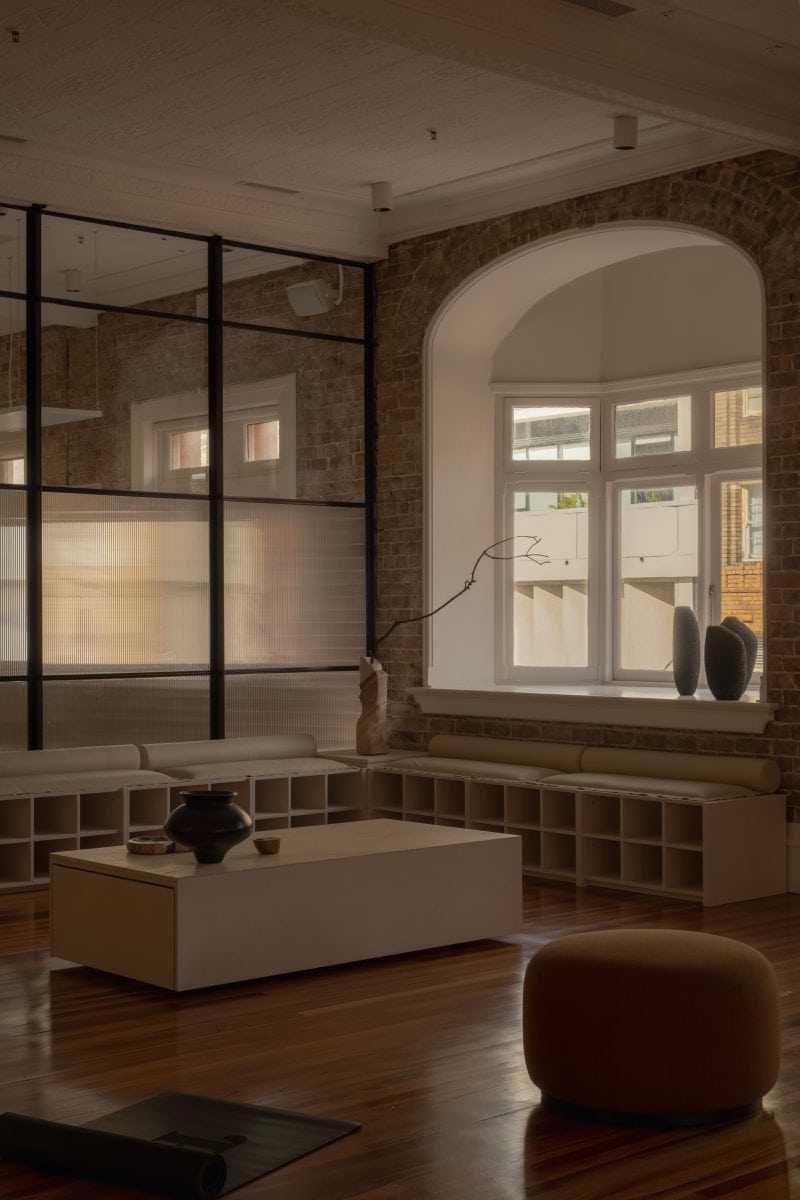
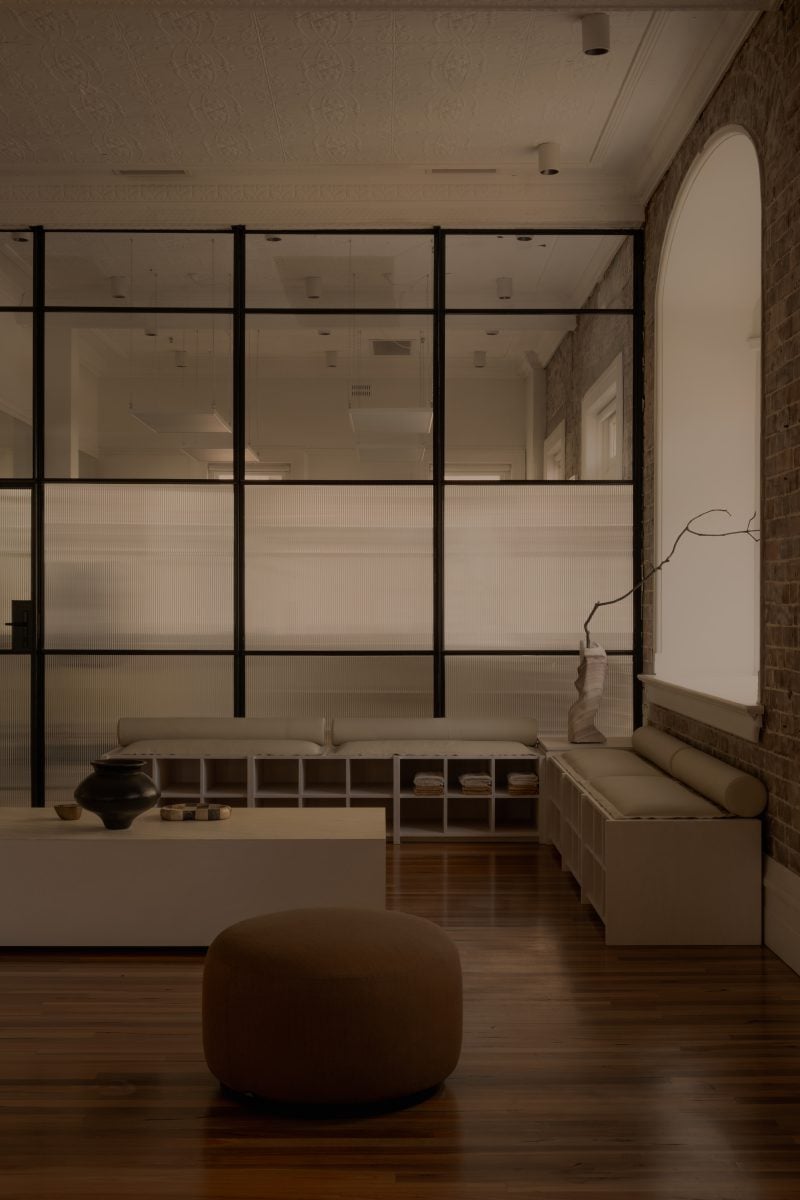
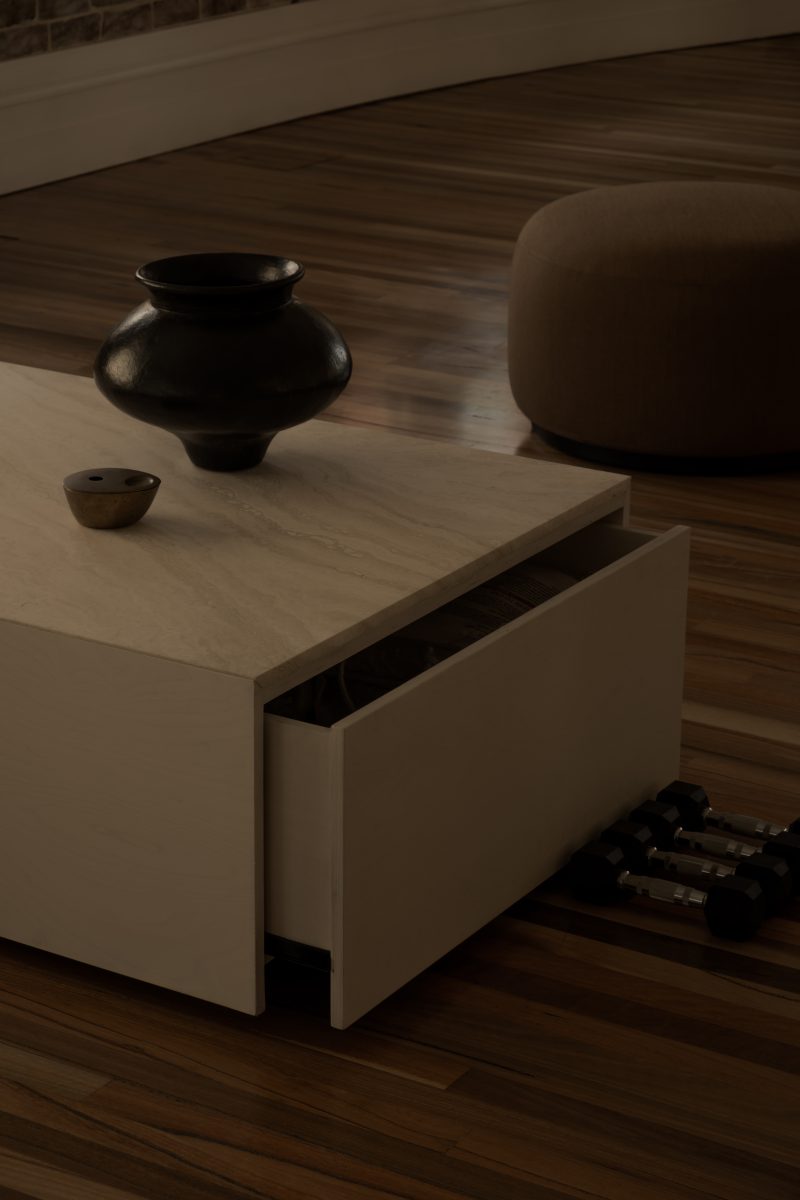
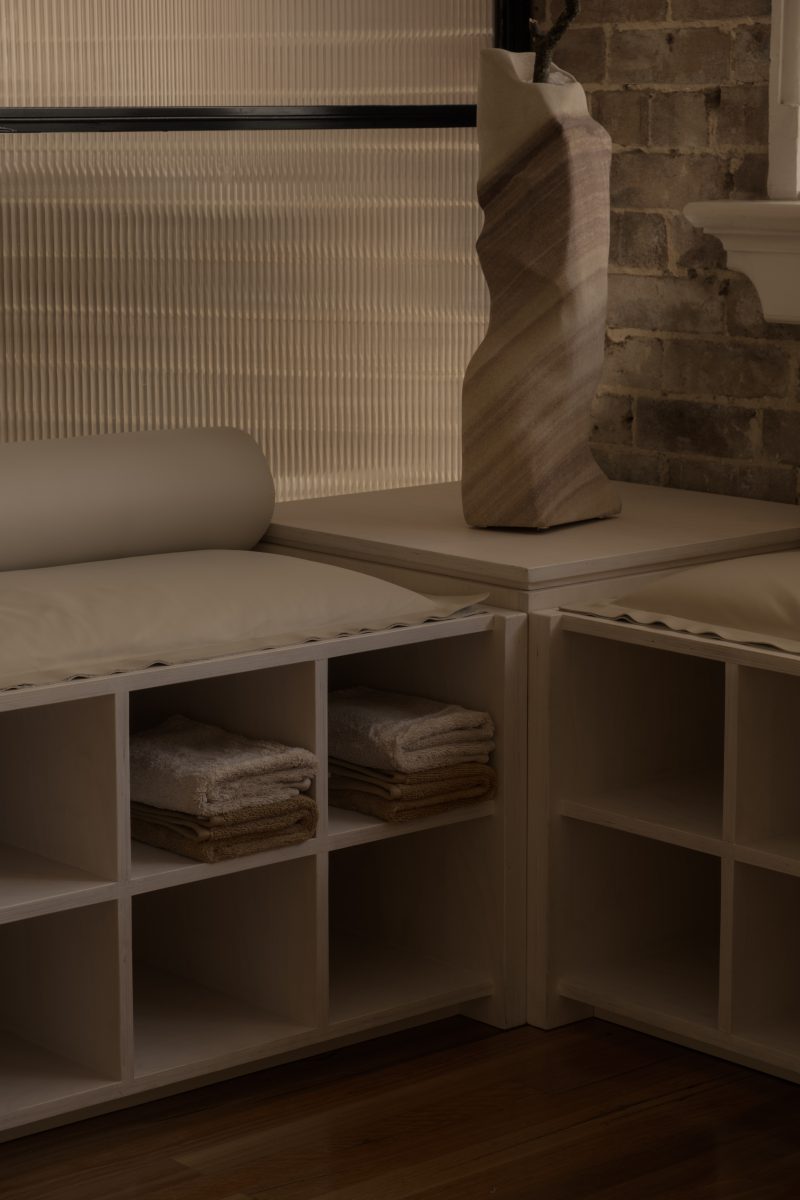
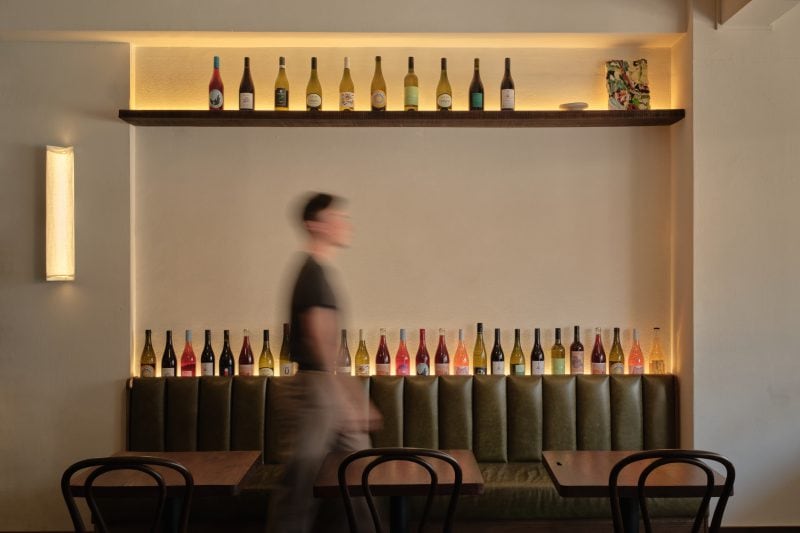
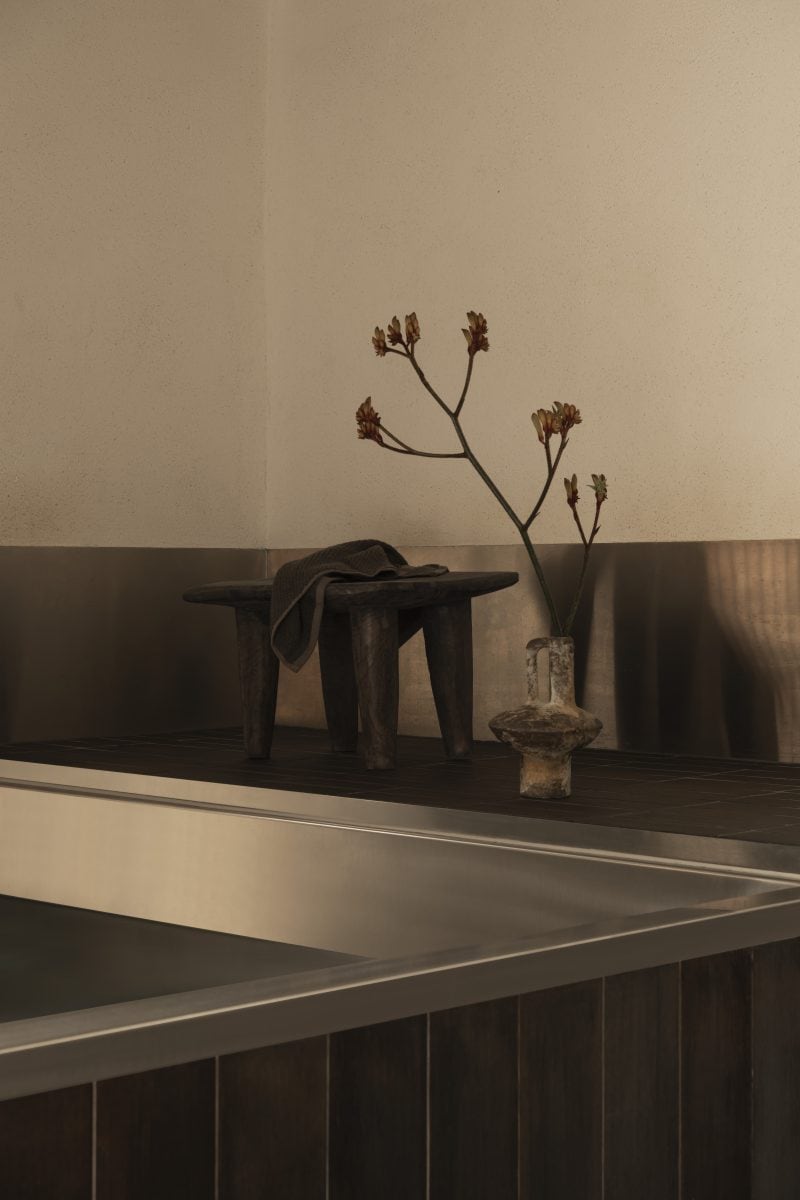
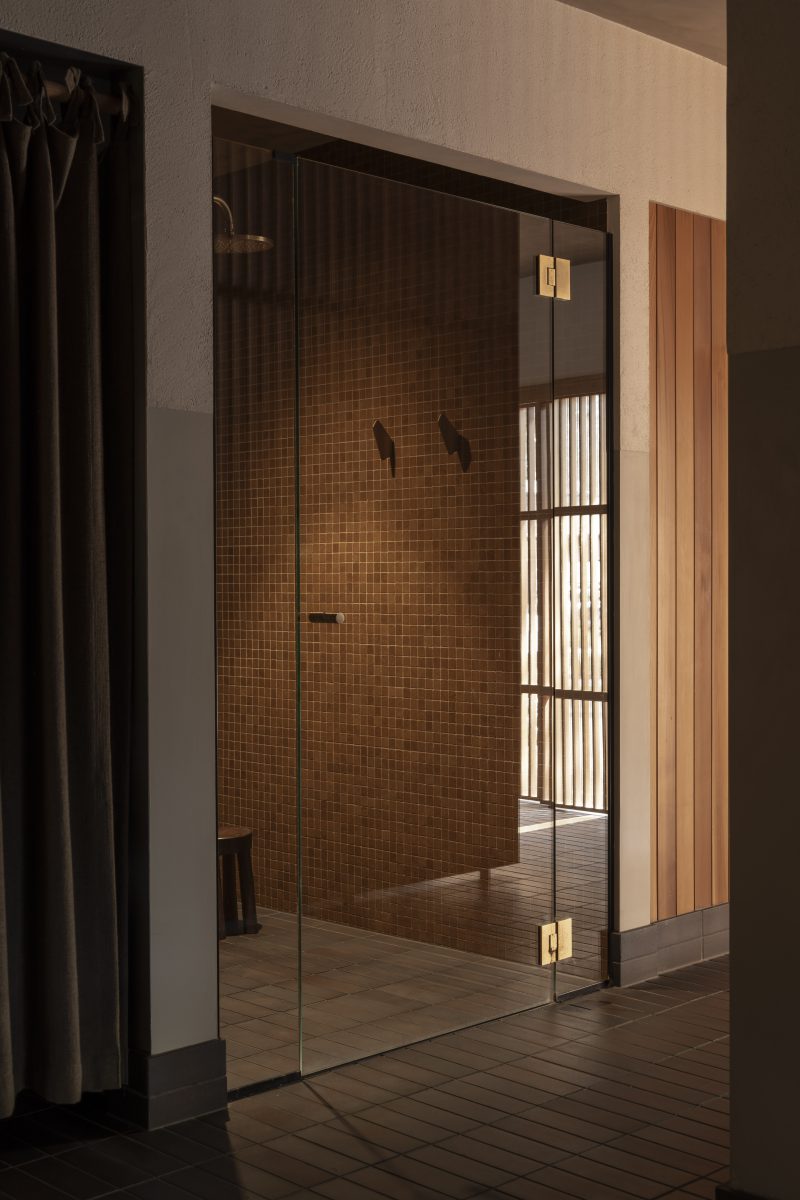
Designer Vieri Landini, co-founder of Solander House, approaches interiors as emotional landscapes rather than purely visual compositions. Working between Sydney and Milan with his co-founder Madelyn Hurd, Landini’s practice explores the tension between rawness and romance—spaces shaped by atmosphere, storytelling, and the quiet rituals of everyday life. Materials are often left imperfect or unpolished: chipped marble, weathered stone, acid-washed metal. For Landini, beauty lies not in surface prettiness but in depth.
Influenced by cinema and narrative thinking, Solander House designs interiors that are meant to be felt before they are fully seen: spaces that evoke mood, memory, and reflection.
In conversation with C41, Landini discusses storytelling in design, the role of imperfection, and how working between Australia and Europe continues to shape the studio’s distinct approach to atmosphere and materiality.
Athena Kuang: You were born in Florence, a city deeply rooted in art and craftsmanship. How did growing up there shape your sensitivity to materiality and atmosphere?
Vieri Landini: It’s interesting because I’ve only really reflected on this more recently. Before working in interiors, I was painting murals and creating artwork quite regularly. Looking back, I think that passion for art inevitably comes from being born in Florence, where art and craftsmanship are such a fundamental part of the culture.
There’s also a particular mood within the art that comes from Italy, a sense of beauty that exists alongside darkness. Many works carry this tension between elegance and violence, light and shadow. That duality has always stayed with me.
Australia, on the other hand, is often very bright and optimistic. The landscape and culture naturally produce work that reflects that sunlight and openness. So returning to Italy, where there is more atmosphere and depth, reconnects me with that moodiness. It’s something I continually gravitate towards and try to explore in my work.
AK: How do you feel that your past art practice shapes the way that you design interiors?
VL: In many ways the ideas are quite similar, even if it happened subconsciously at first. The concept of beauty existing within shadows still informs the way I approach design. Beauty doesn’t always need to be something traditionally pretty. Sometimes it’s found in darker or more overlooked elements.
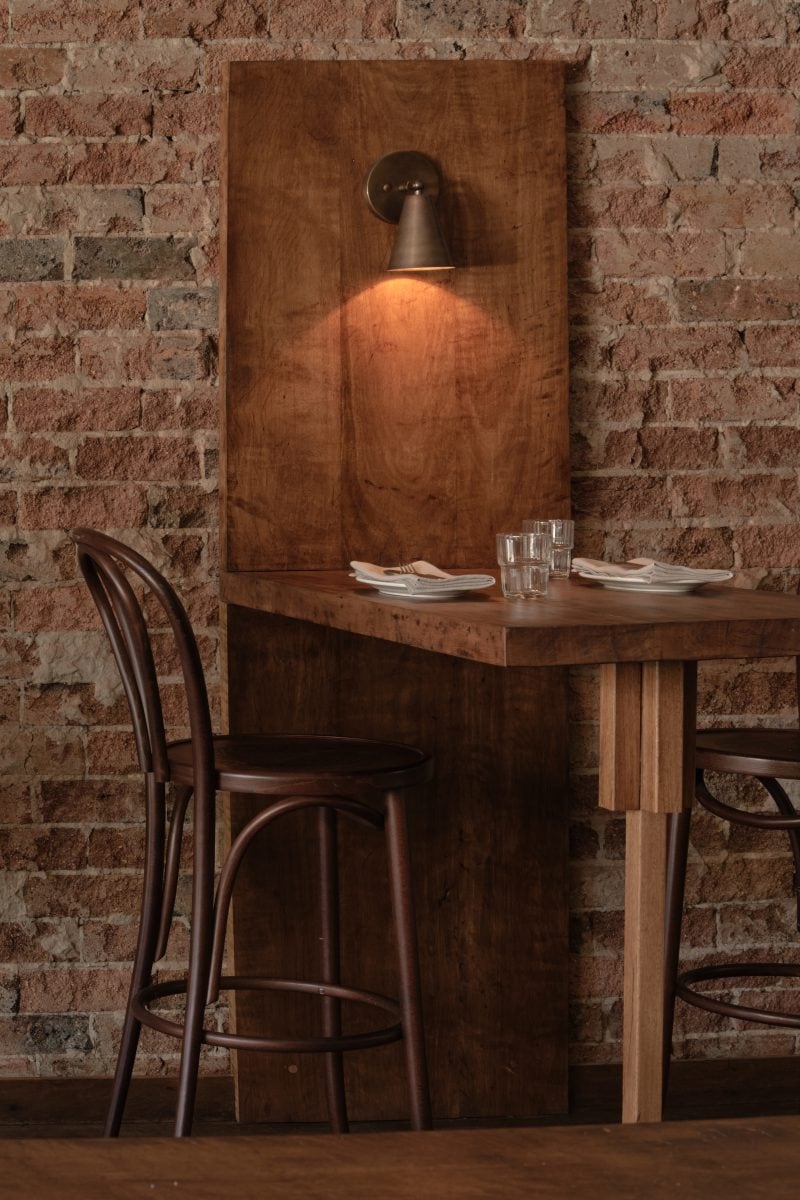
That thinking has naturally translated into the materials we use. We’re often drawn to raw timbers, untreated metals, acid-washed surfaces, materials that feel honest and slightly imperfect. Rather than polishing everything into perfection, we’re more interested in revealing the character of the material itself.
So in a sense, the same curiosity that existed in my art practice has simply shifted mediums and found another way to express itself through interiors.
AK: Before founding Solander House, what experiences most shaped your design perspective?
VL: My business partner Maddy and I previously worked together at another studio. During that time we began to realise that the way many studios approached design didn’t necessarily align with how we saw things.
Without speaking negatively about anyone, we often felt that projects prioritised making things look beautiful or pleasing rather than creating spaces with deeper meaning. Both Maddy and I have always been drawn to work that carries more mood and atmosphere.
We were interested in spaces that connect to rituals, memory, and emotion, environments that people can genuinely feel rather than simply admire visually. That shared perspective ultimately led us to start Solander House and pursue that approach more honestly.
AK: You often reference cinema as an influence. What is it about film that resonates with the way you approach interiors?
VL: Cinema is interesting because it has the ability to evoke a huge range of emotions. You might watch a comedy that brings joy and lightness, but then you might watch something like Schindler’s List, which deals with very dark subject matter yet still creates an incredibly powerful emotional response.
That emotional range is something we find fascinating in interiors. Spaces don’t always need to be uplifting or bright, they can also be reflective, dramatic, or introspective.
A lot of our inspiration comes from cinematic elements such as photography, colour grading, lighting, and tone. Those visual tools shape how people emotionally experience a film, and we think about them in a similar way when designing spaces.
Storytelling is also a huge part of it. Every project we do begins with a strong narrative, and that narrative informs the palette, the materials, and the overall atmosphere of the space.
And then also I think we’re really passionate about storytelling as well. Every single one of our concepts has a really deep narrative and story, and that’s what actually translates through every materiality, every color palette. It comes from that original narrative. So that same process through cinema is definitely a big inspiration for us.
AK: You’ve described materials as having both brutality and romance. What does that duality mean to you?
VL: As designers, we’re very interested in the idea of romanticising everyday life. Interior spaces are where people move through their daily rituals, so we try to create environments that elevate those moments.
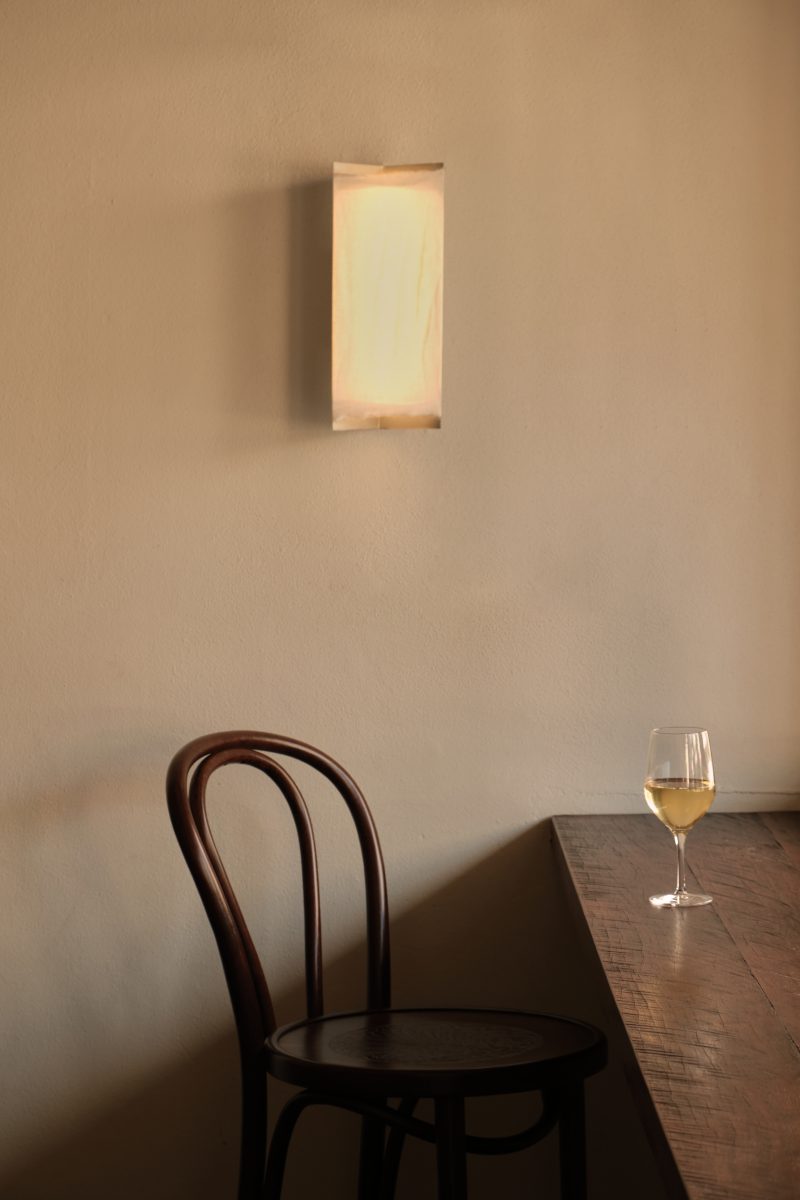
Often that means working with softer lighting, darker tones, and materials that feel intimate rather than overly polished. For example, we designed a sauna where most venues would normally create something very bright and minimal. Instead, we chose deeper tones and a more atmospheric palette to help people relax and feel grounded.
There’s also something symbolic about the ritual itself. People usually enter a sauna looking for renewal or recovery, so the materials remain quite raw and honest. That balance between rawness and intimacy is where that idea of brutality and romance begins to exist together.
AK: Is imperfection something you actively design for, or something you allow to happen naturally through time?
VL: For us, the beauty of imperfection is something that happens quite naturally through the materials themselves. It’s not something we try to artificially create or exaggerate.
If we receive a marble slab that has a small chip or irregular edge, our instinct is often to highlight that detail rather than hide it. It shows the authenticity of the material and reminds you that it’s something natural rather than manufactured.
That way of thinking probably comes from my experience with painting. When working with oils I would sometimes use turpentine to let the paint drip and move unpredictably. You allow the material to behave in its own way rather than controlling every detail.
In interiors we take a similar approach. If timber has knots or imperfections, we embrace them. Those elements give the space character and make it feel more honest.
AK: Solander House speaks about creating interiors that people feel in their chest before they see with their eyes. How do you begin designing that kind of emotional response?
VL: Usually, the process begins with trying to deeply understand the client and the context of the project. Whether it’s hospitality, residential, or something else, we try to uncover a story that can guide the design.
That story might come from the client themselves, from the surrounding landscape, or sometimes from a broader emotional idea. Once we find that narrative, the design tends to unfold quite naturally from there.
For example, we designed a sauna in Western Australia in a region that is very seasonal. In summer it’s vibrant and full of people, but winter becomes harsh, quiet and raw.
I found that off season atmosphere really compelling. The idea of visiting a sauna, a place for recovery and renewal, felt very connected to that seasonal transition. The project became an ode to the off season, drawing inspiration from storms, raw landscapes, and the process of restoration.
AK: Each Solander House project carries a strong narrative, from coastal storms to quiet rituals. Where do these stories originate?
VL: It’s often a combination of instinct and listening carefully to the client. Maddy and I naturally appreciate that sense of moodiness and beauty within imperfection, so we tend to notice those qualities quite quickly.
Many of the narratives emerge through small details during conversations with the client, something they mention about the site, a memory, or even a particular atmosphere they’re drawn to.
Material sourcing also becomes part of the storytelling. For example, in a current project in Lake Como we’ve been visiting quarries to find offcuts of stone that have been sitting unused for decades. Those materials already carry history, and incorporating them into the design adds another layer to the narrative.
AK: So do you also feel like you are a storyteller?
VL: In many ways, yes. Storytelling is central to the way we approach design.
It connects closely to our interest in cinema and atmosphere. A space can communicate a story through many different elements, the materials, the colours, the lighting, and the way people move through it.
We try to ensure that every decision relates back to that original narrative. Every material we choose and every detail we design should feel connected to the story behind the project.
That’s something we believe distinguishes our work. Rather than designing purely for aesthetics, we focus on creating spaces where every element has meaning and relates back to the client.
AK: Solander House operates between Sydney and Milan. How does moving between those cities influence your perspective as a designer?
VL: It’s actually something we were discussing recently. Australia gives us a very strong connection to nature and raw materiality. It’s a country where you’re constantly surrounded by landscape, so there’s a natural appreciation for honest and tactile materials.
Italy, particularly Milan, offers something quite different. There’s a deep sense of history, craftsmanship and storytelling embedded within the architecture and culture.
Bringing those two perspectives together has been very valuable for our work. Australia influences our appreciation for rawness and nature, while Milan adds a sense of atmosphere and narrative depth.
Being in Europe also gives us access to a much wider range of materials and artisans. In Australia many designers are limited to similar suppliers, whereas here we can experiment more freely. That constant exchange between the two places keeps our work evolving.
AK: What kind of emotional atmosphere do you hope people leave with after experiencing your work?
VL: For us, it’s less about a single emotion and more about creating spaces that invite curiosity. Ideally, people walk into a space and feel compelled to look a little deeper, to question the materials or the atmosphere around them.
We’re very interested in the idea of romanticising everyday life, elevating small rituals and moments within a space.
At the same time, something we value strongly is longevity and quality. Beauty can always be subjective, but quality endures. So beyond the emotional response, we want our work to feel timeless and carefully crafted, spaces that people continue to appreciate over many years.