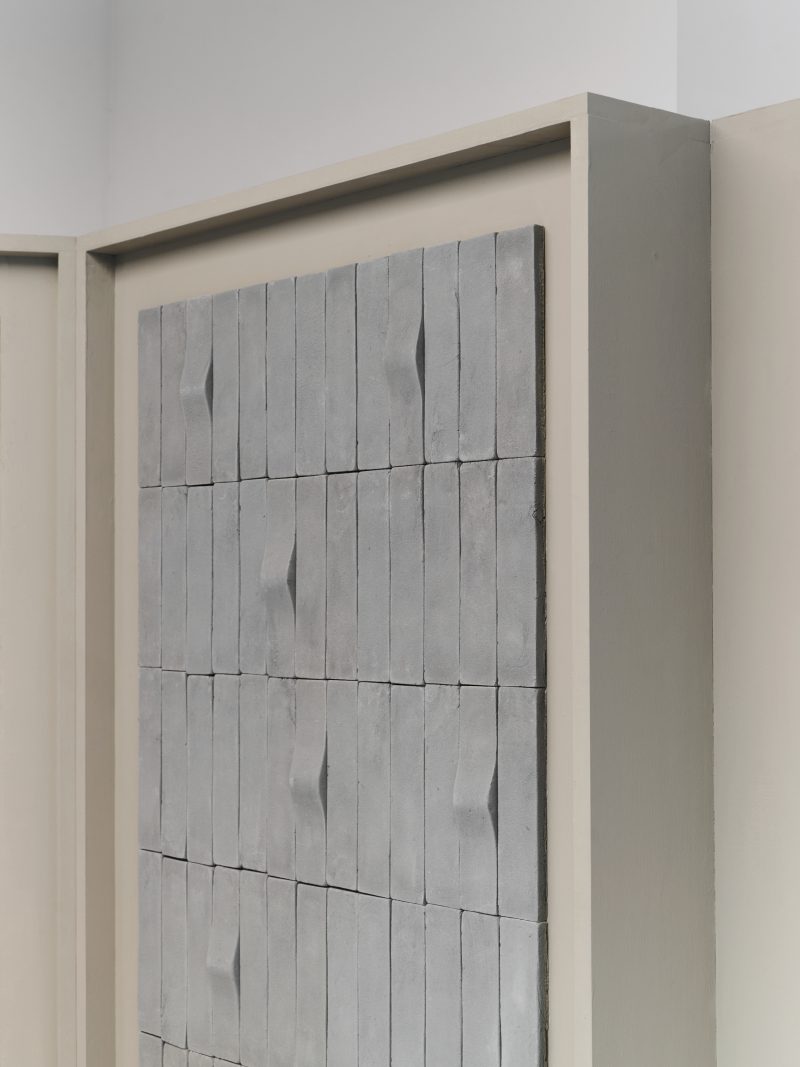
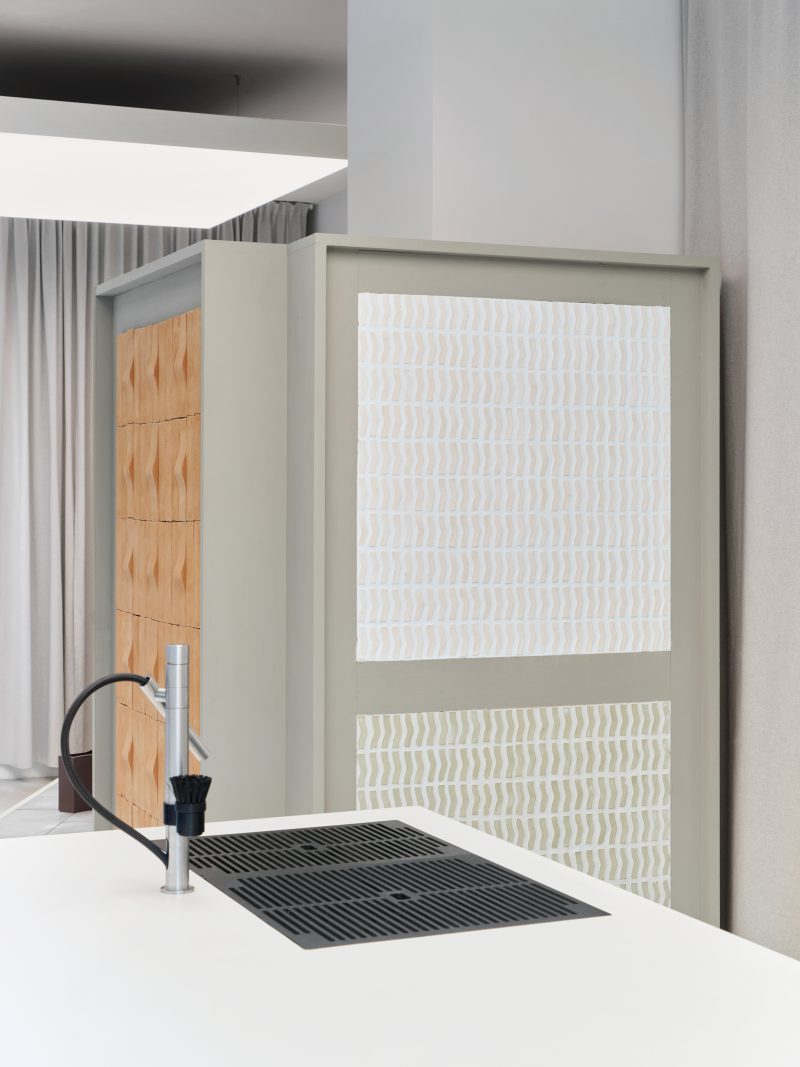
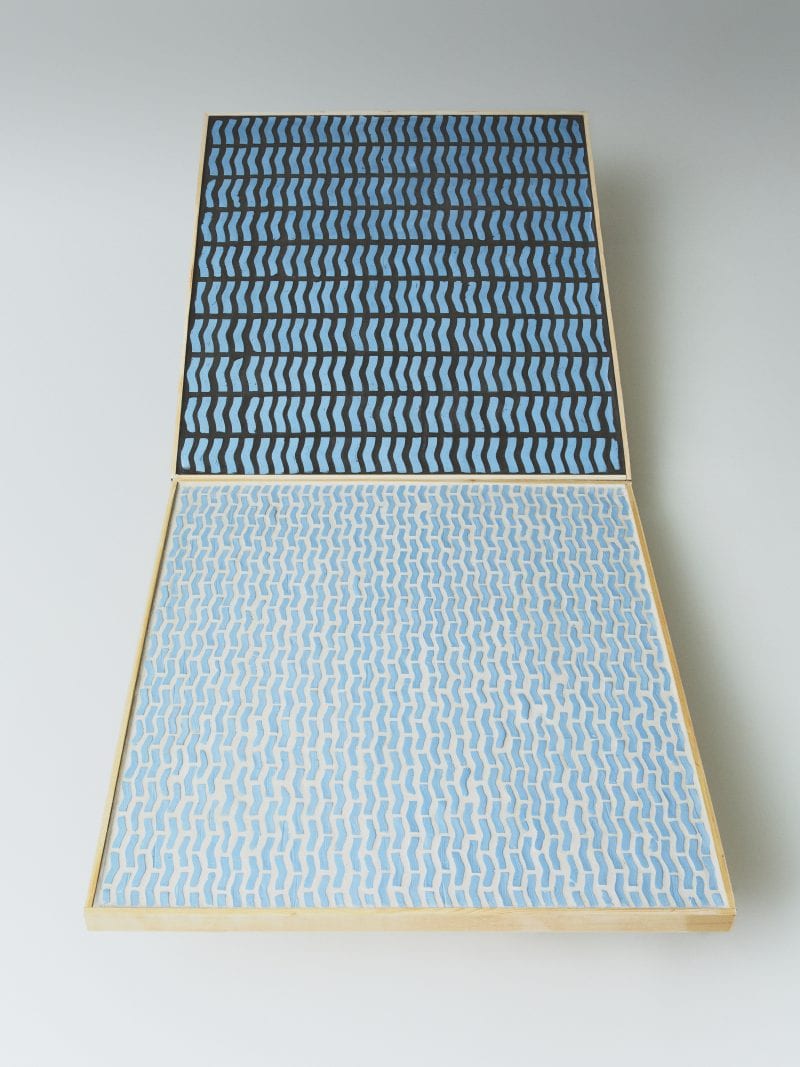
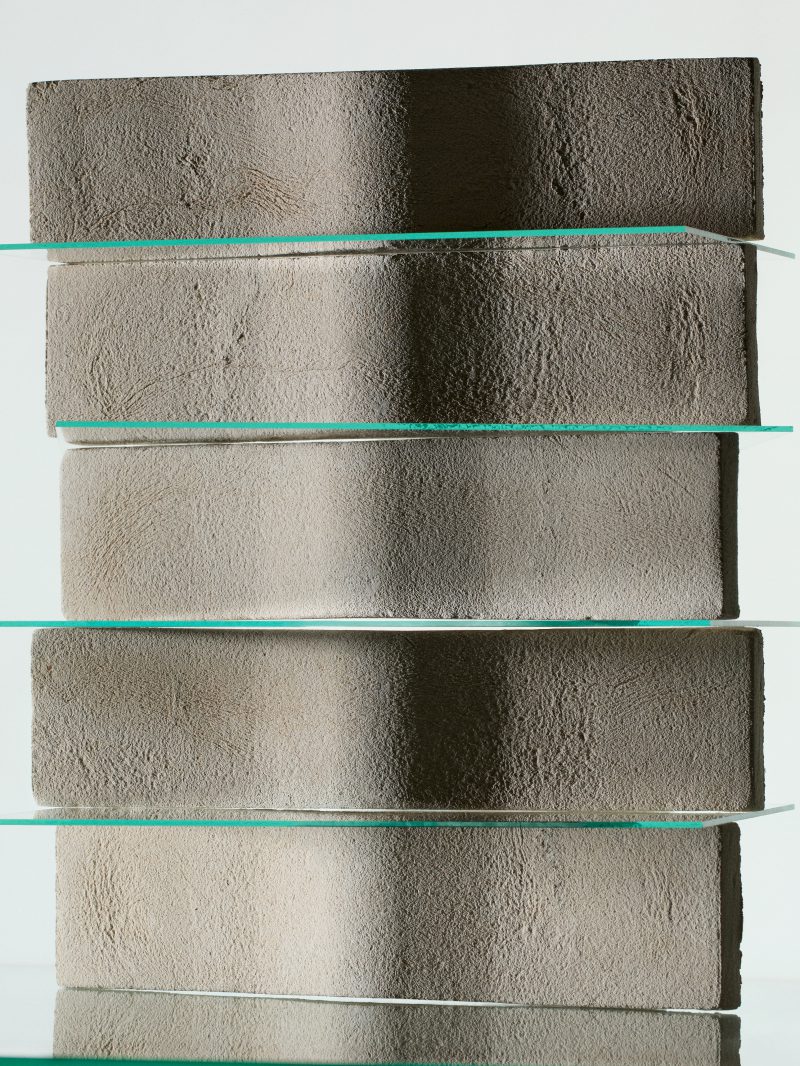
In an era where architecture often favors sterile perfection, the Microbia collection—a collaboration between design studio Finemateria and historic terracotta manufacturers Fornace Brioni—introduces a profound shift in perspective. Launched in July 2026, the collection bridges the invisible and the tangible, translating the chaotic, living rhythms of microscopic soil organisms into the macro-experience of interior space. By marrying Finemateria’s rigorous geometric intuition with Fornace Brioni’s century-old legacy of hand-molded craftsmanship, the partnership bypasses industrial uniformity entirely. In this interview, the creators discuss the tension between fluid randomness and structural control, the technical feat of hand-crafting terracotta on a microscopic scale, and how an ecosystem of mutual respect birthed a surface that doesn’t just cover a space, but breathes life into it.
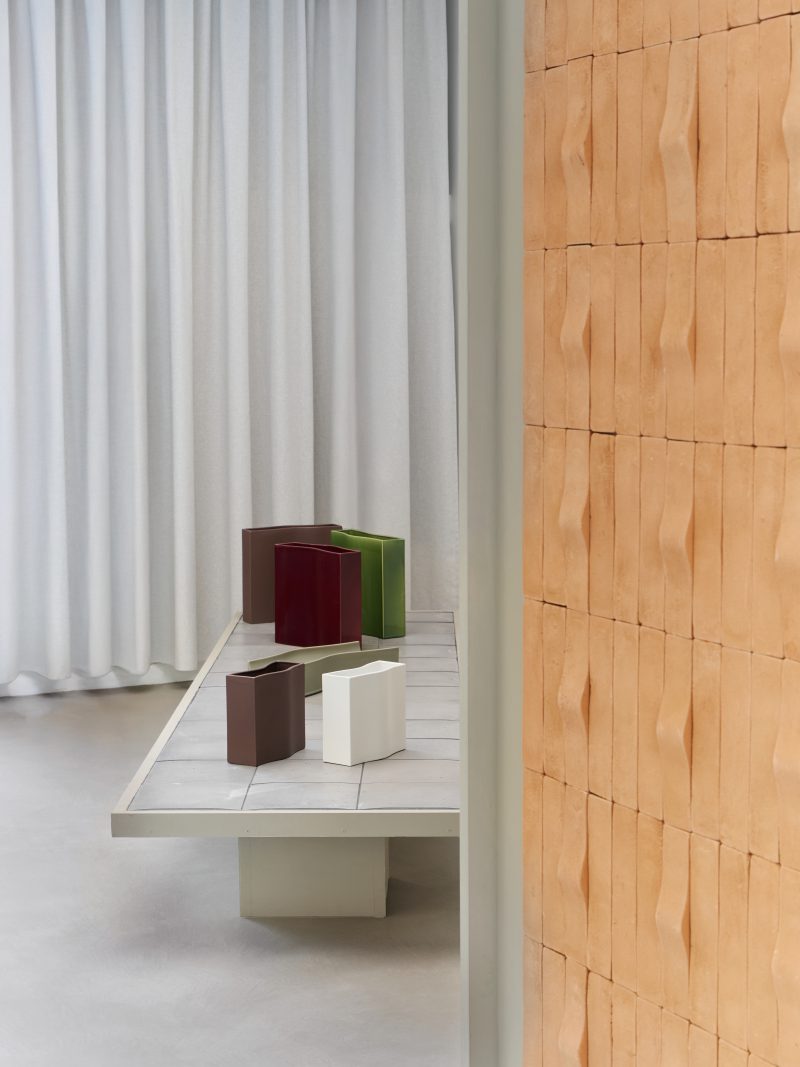
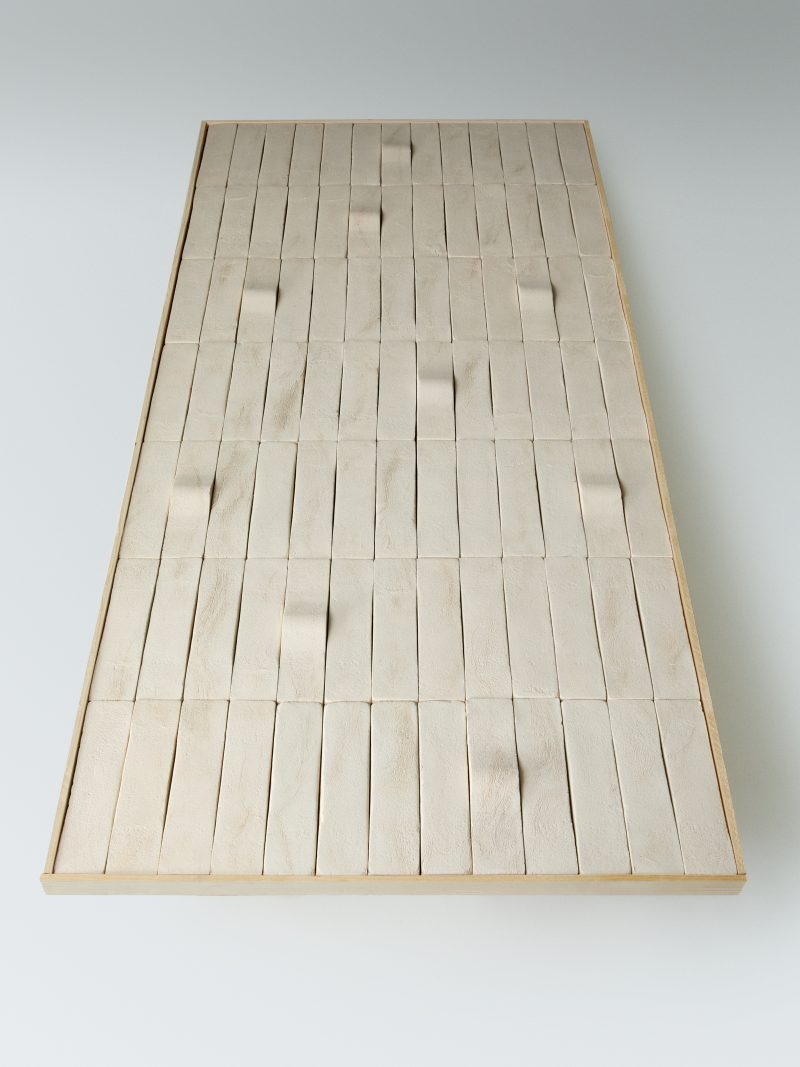
Athena Kuang: Your research for Microbia began with the observation of microscopic, invisible natural systems. How do you scale down your gaze to the microscopic level, and how does that translate into a physical, macro-experience for a space?
FINEMATERIA: The research began with clay and soil, questioning what they really are and how they are formed over time. Observing soil through a microscope made us realize that it is far from static: it is a living environment shaped by the continuous movement and activity of microorganisms. The microscope also revealed the difference between the material in its original state, where it is alive and constantly transforming, and clay after firing, when that vitality is lost and the material becomes fixed. With Microbia, we wanted to preserve the memory of that organic movement within the final object. We therefore distilled this dynamic into an essential geometry, designed to repeat infinitely and create a continuous rhythm, as if the surface were crossed by an invisible swarm of tiny elements still in motion. Through this process, we also shifted the scale of the movement: what begins as an invisible microscopic activity within the material is transformed into a visible spatial experience, becoming a defining feature of the final form that can be perceived with the naked eye.
AK: Fornace Brioni has been a custodian of terracotta craftsmanship since 1920. When Finemateria brought you a concept inspired by “microbes” and irregular, fluid shapes, did it feel like a disruption of your heritage, or a natural evolution of it?
FORNACE BRIONI: Honestly, we never saw it as a disruption of our heritage. The idea resonated with us from the very beginning. For some time, we had been eager to work on something on a much smaller scale, and we felt the market was finally ready to embrace a terracotta mosaic—a format that is rarely associated with the material. So when Finemateria came to us with the concept of microbes, with their fluid, irregular shapes, it landed on ground we had already begun to cultivate in our own minds. If anything, the real challenge was not conceptual but technical. Giving form to something so small, entirely by hand, is far from straightforward. But that’s precisely the kind of challenge we enjoy taking on, so we embraced it without hesitation. For us, it was never about heritage versus innovation; it was about our hands learning a gesture they had simply never made before.
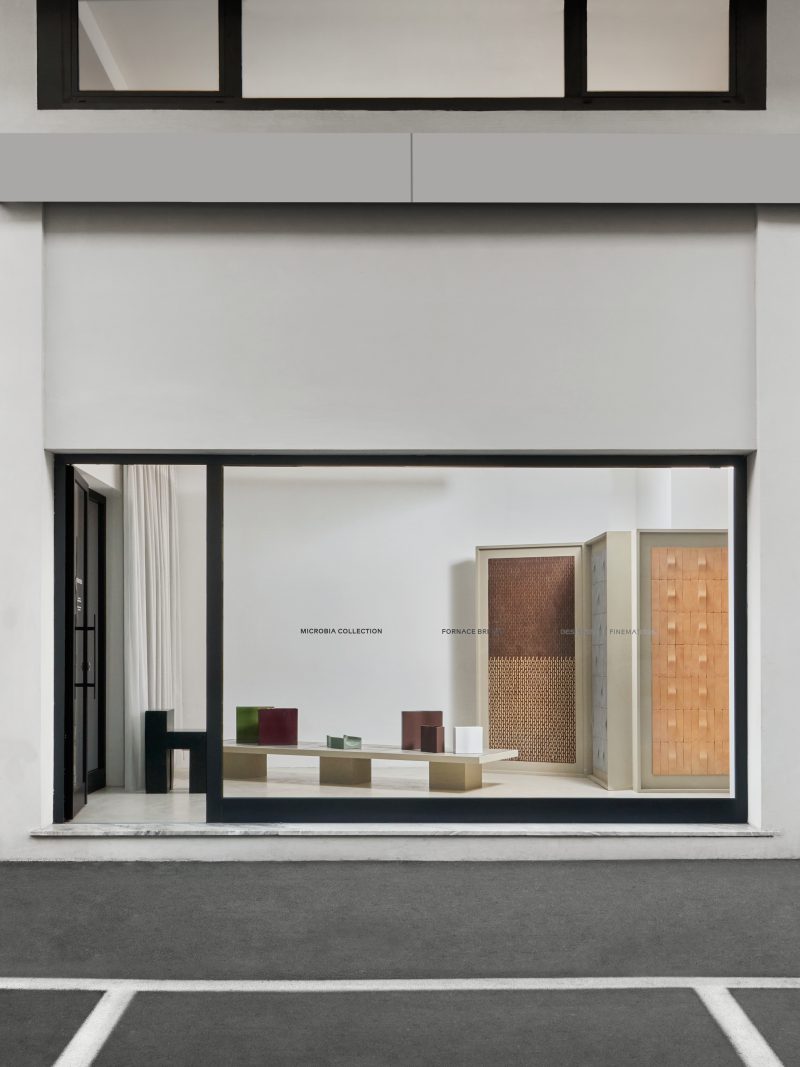
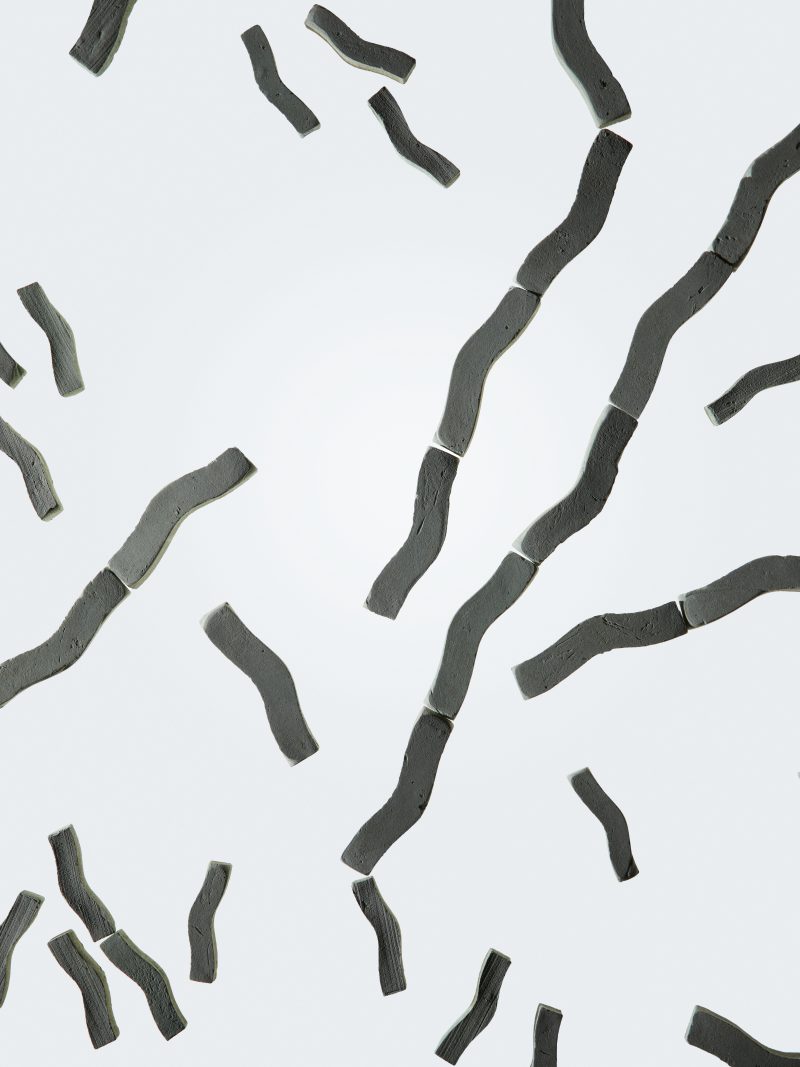
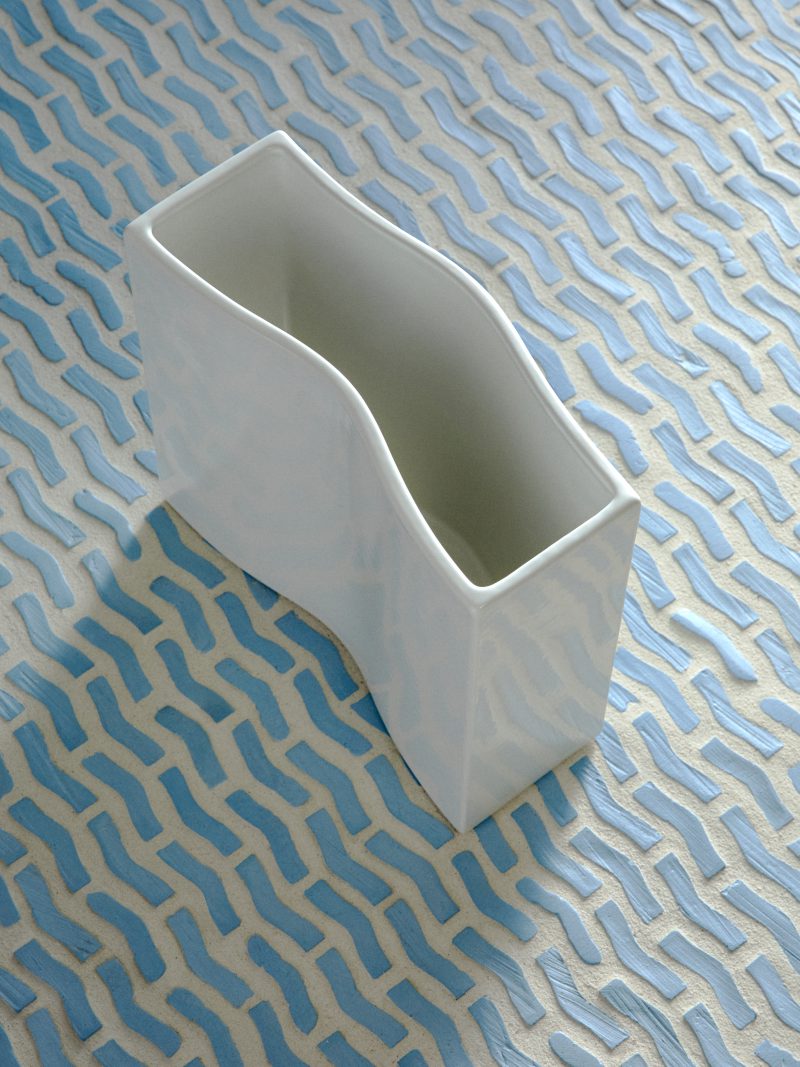
AK: You refer to the biomorphic tile as a “small living organism” that multiplies and aggregates. There is something almost haunting yet beautiful about covering human interiors with a pattern inspired by microbes. Why do you think we are currently seeing this strong desire to bring the chaotic, microscopic language of biology into the geometric rigidity of architecture?
FINEMATERIA: In this project, we mainly followed an intuition, while also being guided by the distinctive character of Fornace Brioni. It is a company that does not pursue perfection through absolute minimalism, but rather embraces the complexity of matter: the value of craftsmanship, the unpredictability of the handmade process, and the human warmth of the people involved in production are essential elements of its identity. For this reason, Microbia needed to find a balance between our own research, which is more essential and restrained, and the richness inherent in the material. We developed a single formal principle that runs through the entire collection, a simple element that, through multiplication and aggregation, generates a broader visual complexity. We believe terracotta has a unique role within architecture. It should not simply act as a neutral surface, but as a material with a strong presence, capable of defining a space. Not through an excess of variations, but through the depth of a single gesture that, repeated over time, creates rhythm, movement, and visual richness. Microbia brings an organic principle into the geometric language of architecture, transforming a microscopic natural process into a spatial experience.
AK: The collection relies on the inherent imperfections and tonal variations of the clay to make each composition unique. As manufacturers, how do you navigate the balance between industrial precision and the beautiful, unpredictable “errors” of artisanal production?
FORNACE BRIONI: Here, we would gently challenge the premise: there is no industrial precision to balance, because there is no industrial process involved. Everything we create comes from the hands. What would be considered a flaw in a factory—a variation in tone, a slight irregularity—is, for us, simply the voice of the material, the expression of a completely handmade process. It is not an error to be tolerated; it is the character we are seeking. This does not mean leaving things to chance. We carefully control the colours, and we reject pieces where the imperfection becomes so pronounced that it compromises the balance of the composition. In other words, the freedom is genuine, but it has a threshold. We allow the material to speak, and we intervene only when it begins to say the wrong thing.
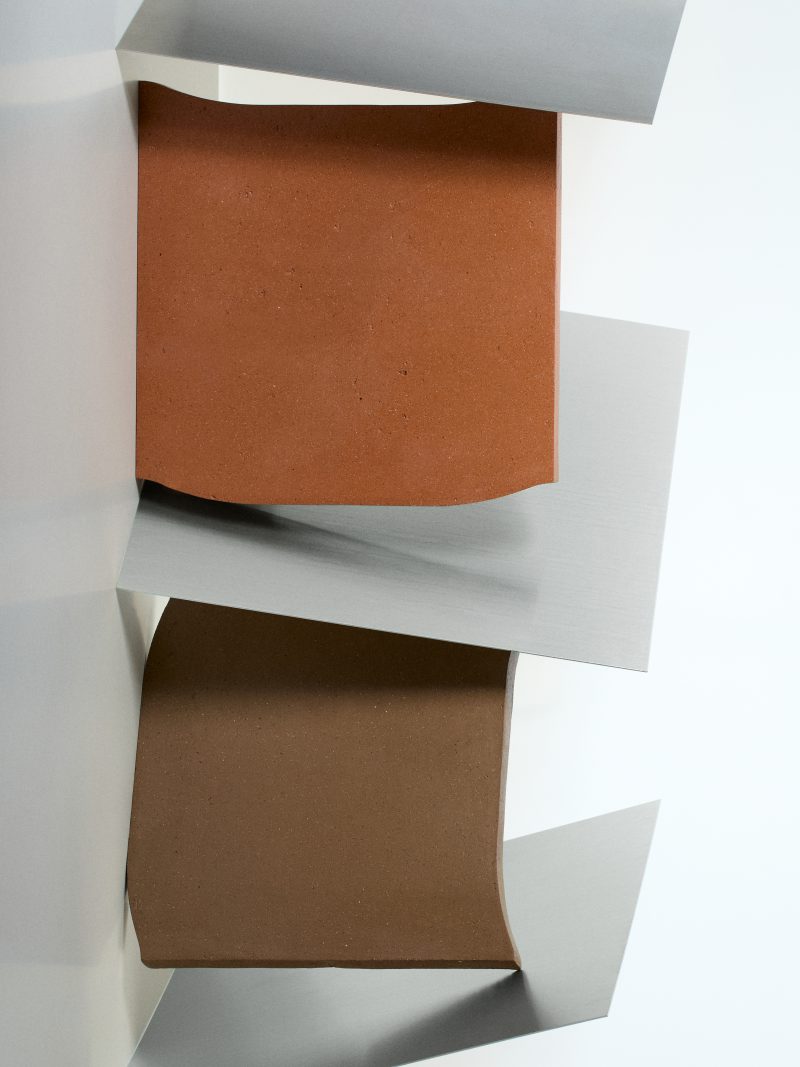
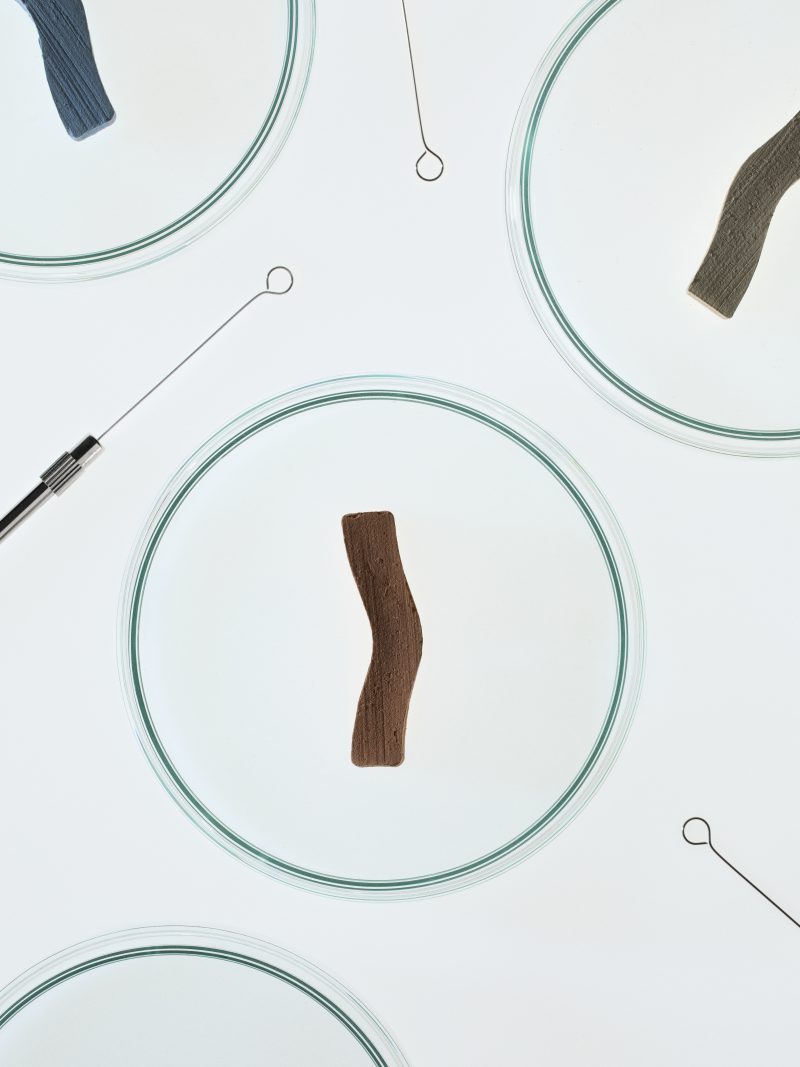
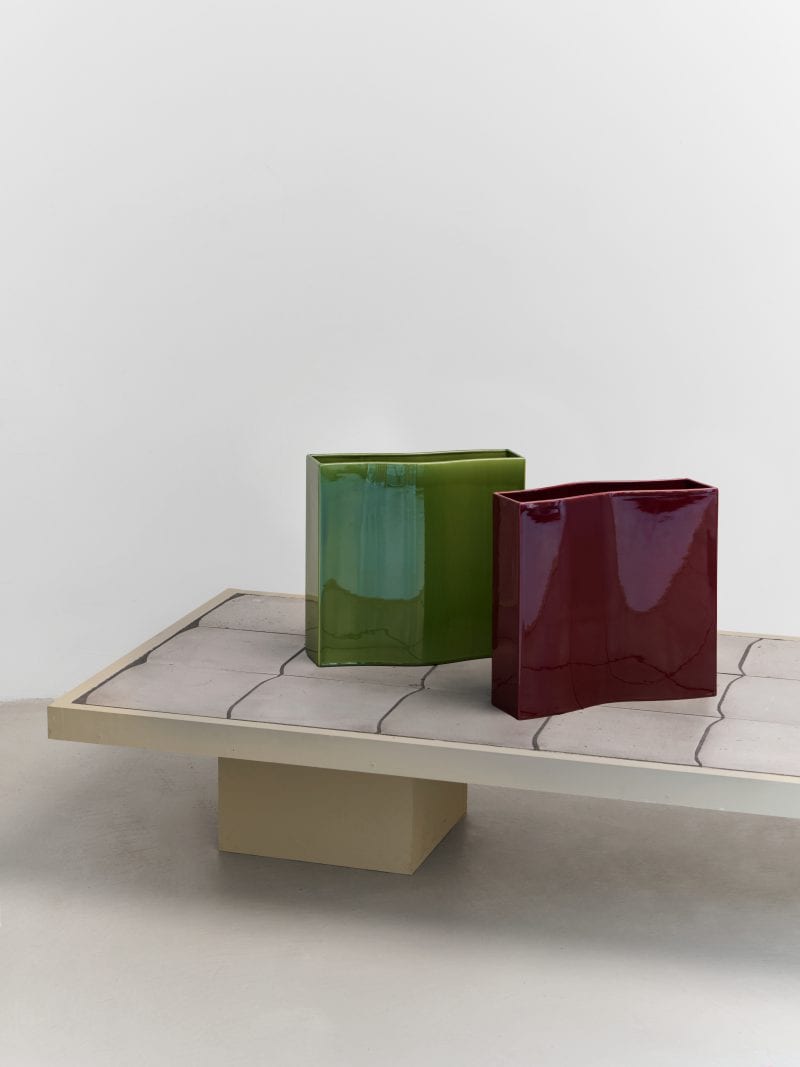
AK: There is a beautiful tension between the flat, controlled flooring system—where the microbe shape is defined by negative space and grout—and the expressive, variable heights of the mosaic (45 mm and 60 mm). From a production standpoint, how do you manipulate the density and weight of the earth to achieve both subtle control and fluid randomness?
FORNACE BRIONI: Production flexibility is one of our most concrete strengths, and Microbia is a clear example of this. The ability to work with different heights and lengths comes from our research into moulds—that is where the real complexity lies. Once the moulds have been perfected, producing pieces with different heights becomes a smooth and straightforward process. The flooring system, on the other hand, follows an entirely different logic. Here, we chose to calibrate the edges through water-jet cutting, so that the grout line is no longer simply an empty space, but becomes an intentional part of the pattern conceived by the designers. It is precisely in this contrast that the meaning of the project lies: bringing together two different techniques allowed us to create a mosaic that feels alive and tactile, while also achieving a floor that is precise and controlled. The same clay, expressed through two profoundly different languages.
AK: Microbia is described as a “cohesive yet highly versatile ecosystem” where elements interact autonomously. How did your two studios interact as an ecosystem during the creation process?
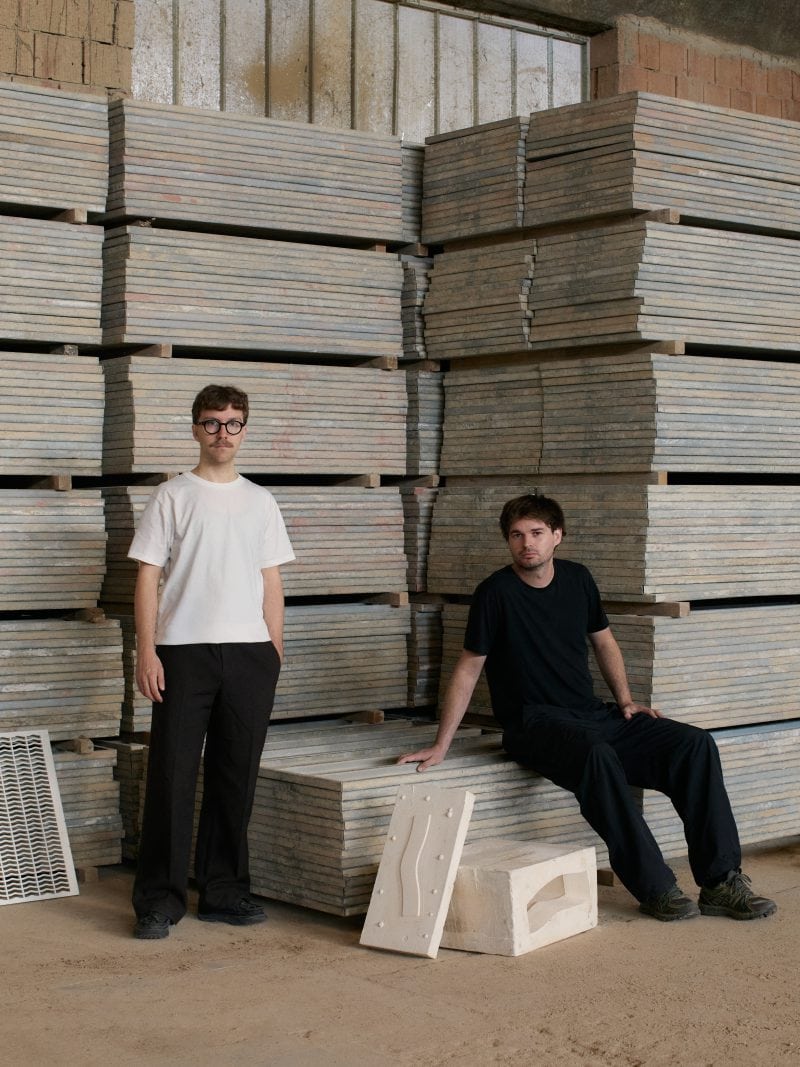
FINEMATERIA: The collaboration developed in an extremely respectful, patient, and positive way. Sometimes there are fortunate circumstances where two realities find themselves sharing the same perspective and moving in the same direction at the right moment. Finemateria has learned a great deal from Fornace Brioni, from its deep knowledge of the material to its approach to craftsmanship and production. We hope that this exchange has been mutual, and that Fornace Brioni has also found value and inspiration through this collaboration.
FORNACE BRIONI: We interacted as a natural ecosystem, without hierarchies. Finemateria brought the project’s vision and rigor, together with an essential design approach, while we contributed our deep knowledge of the material, its transformations, and the craftsmanship behind it. Our roles were distinct yet complementary, and each informed the other throughout the process. We never had to convince one another, because from the outset we shared the same direction. That mutual understanding made the collaboration fluid from the very beginning and resulted in a process we are genuinely proud of.