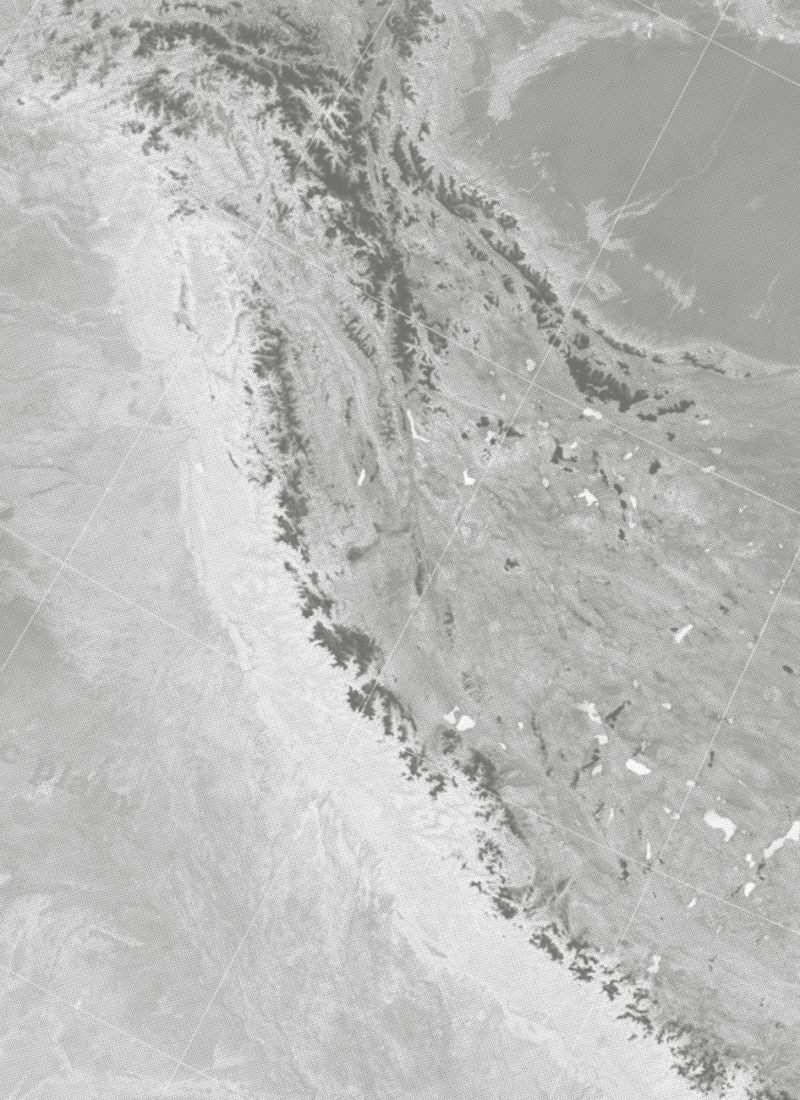
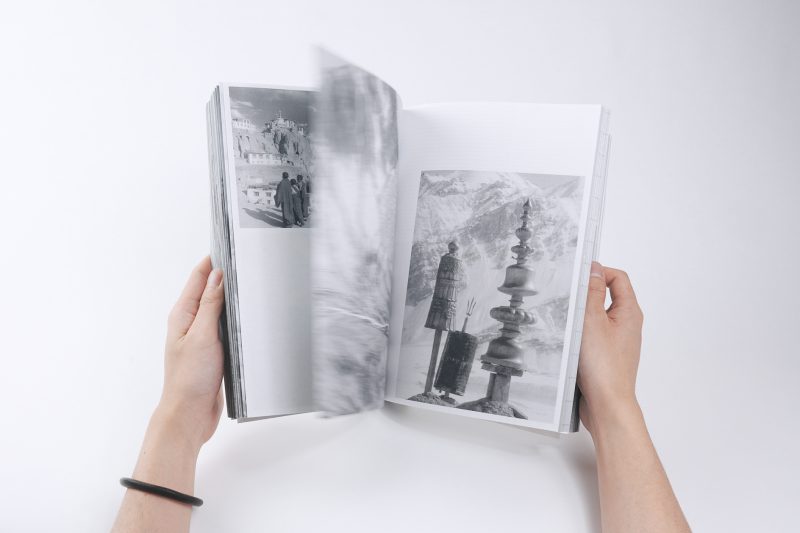
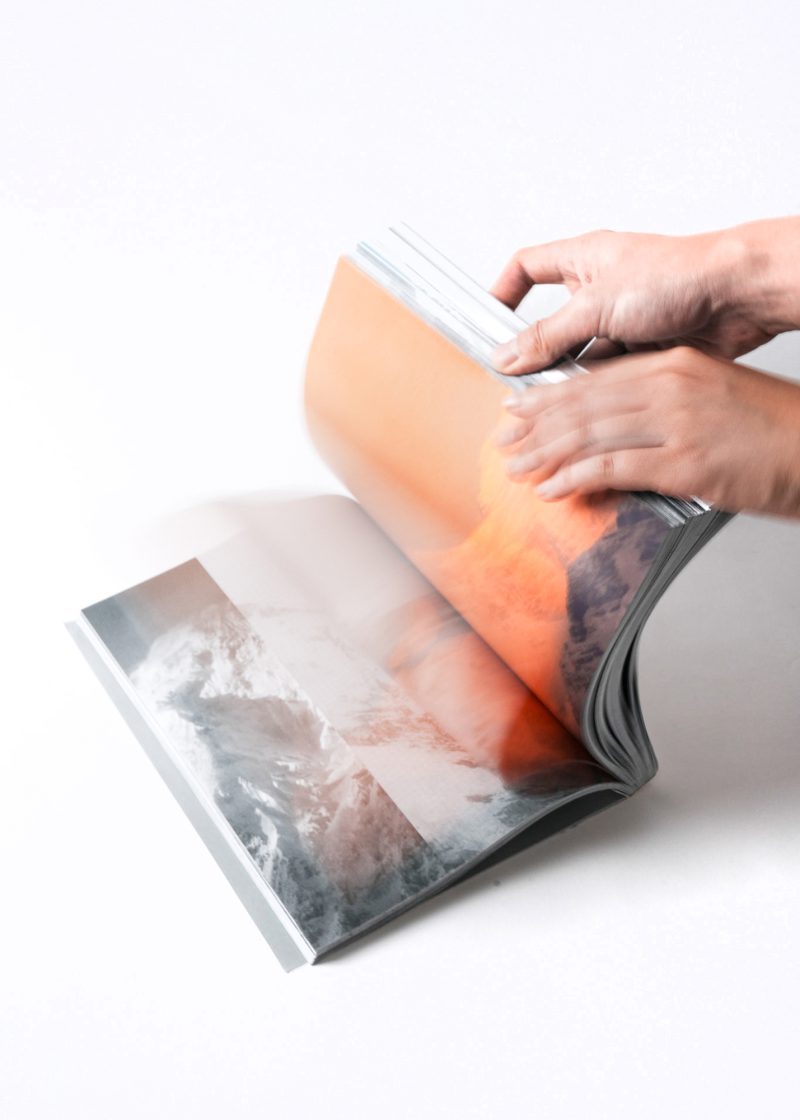
A line drawn on a map aspires to be definitive. Thin and distinct, seemingly neutral, it separates one territory from another, transforming space into an entity that can be named, administered and owned. However, what happens when this line encounters a shifting mountain? In the project Shifting Lines, Silent Peaks: Rethinking Borders under the Shadow of the Himalayas, Jiayi Gu takes the disputed border between China and India as her starting point to challenge the very concept of a frontier. The Himalayas are presented not so much as a landscape to be observed, but as an unstable organism: retreating glaciers, watercourses altering their course, and surfaces shaped by time. Whilst cartography seeks stable coordinates, geology responds with movement. This tension is also reflected in the structure of the work. Conceived as an artist’s book, the project replaces the linearity of the map with a composition based on folds, overlays, interrupted images and pages that seem reluctant to stay still.
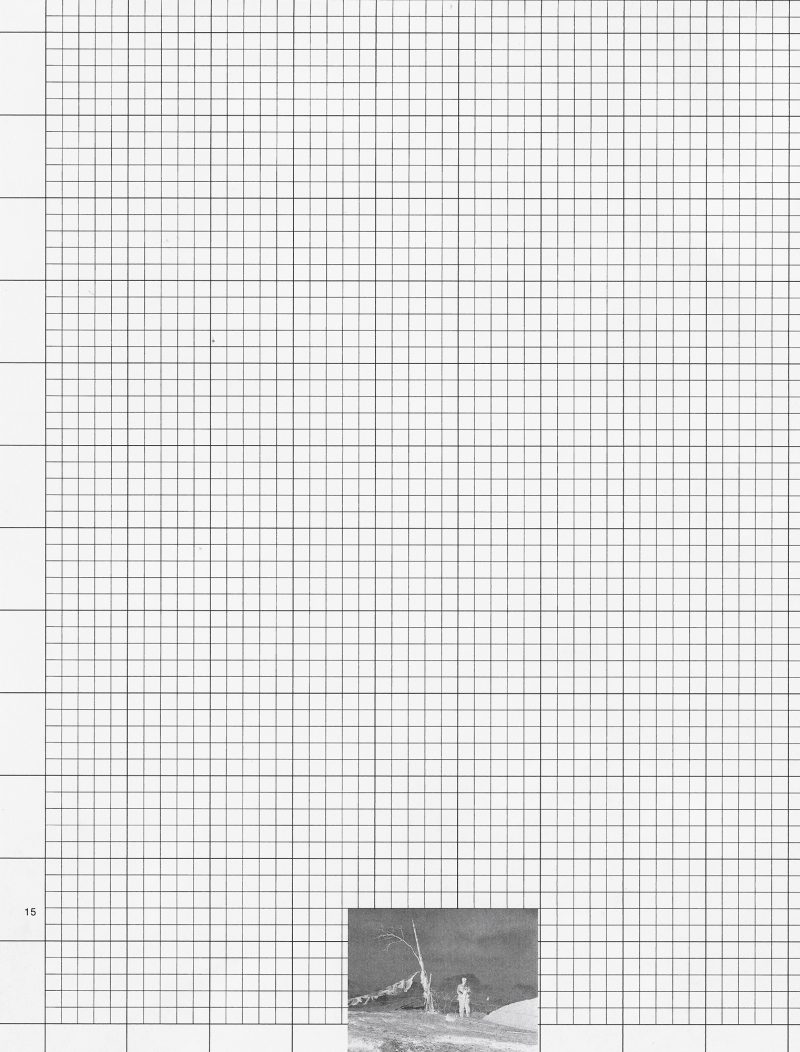
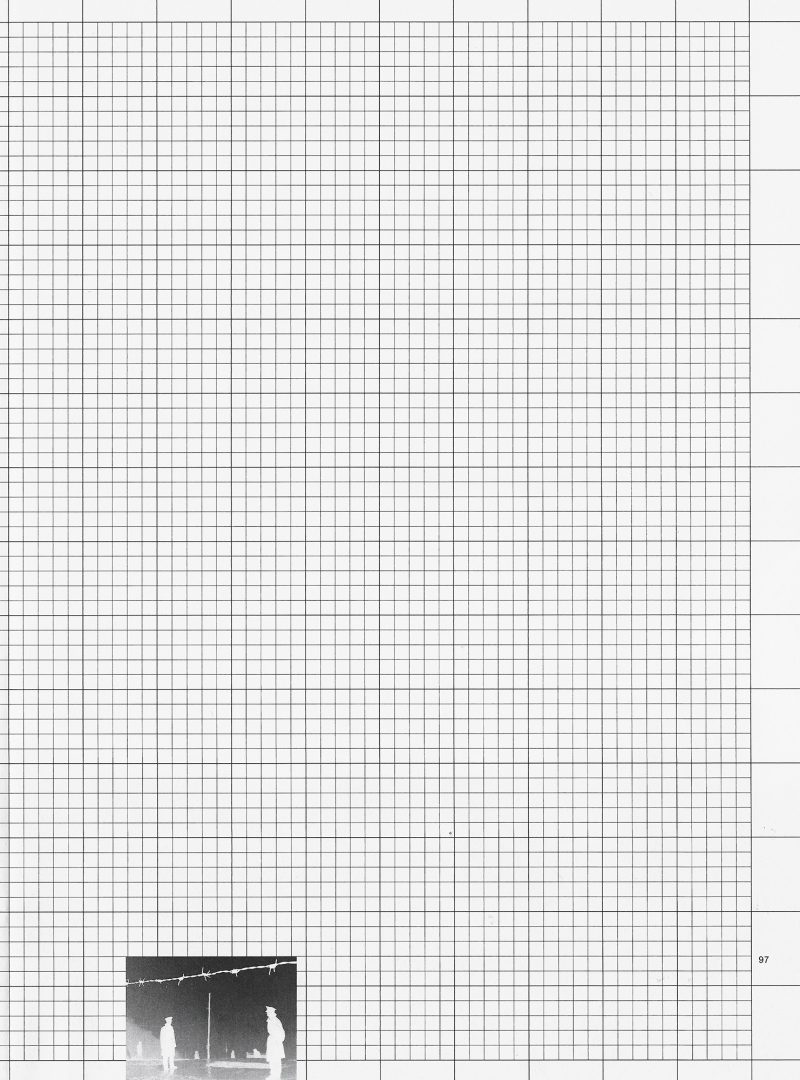
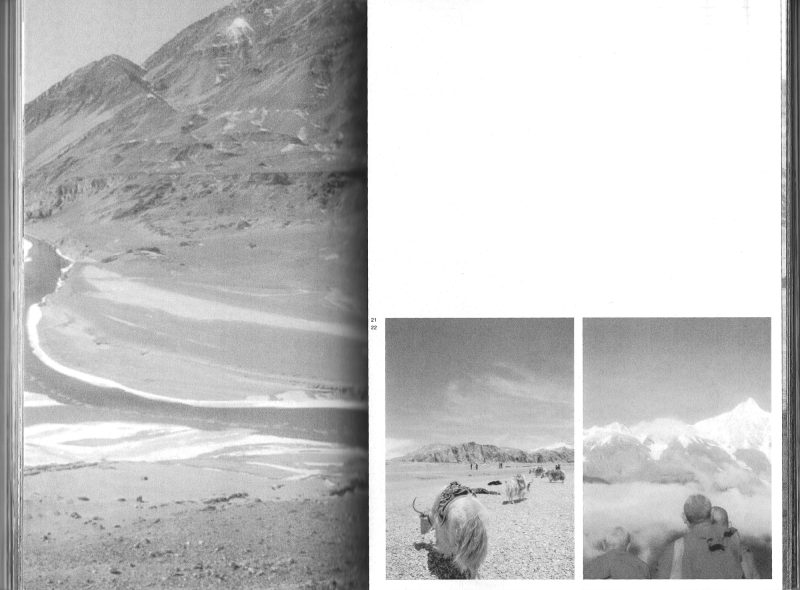
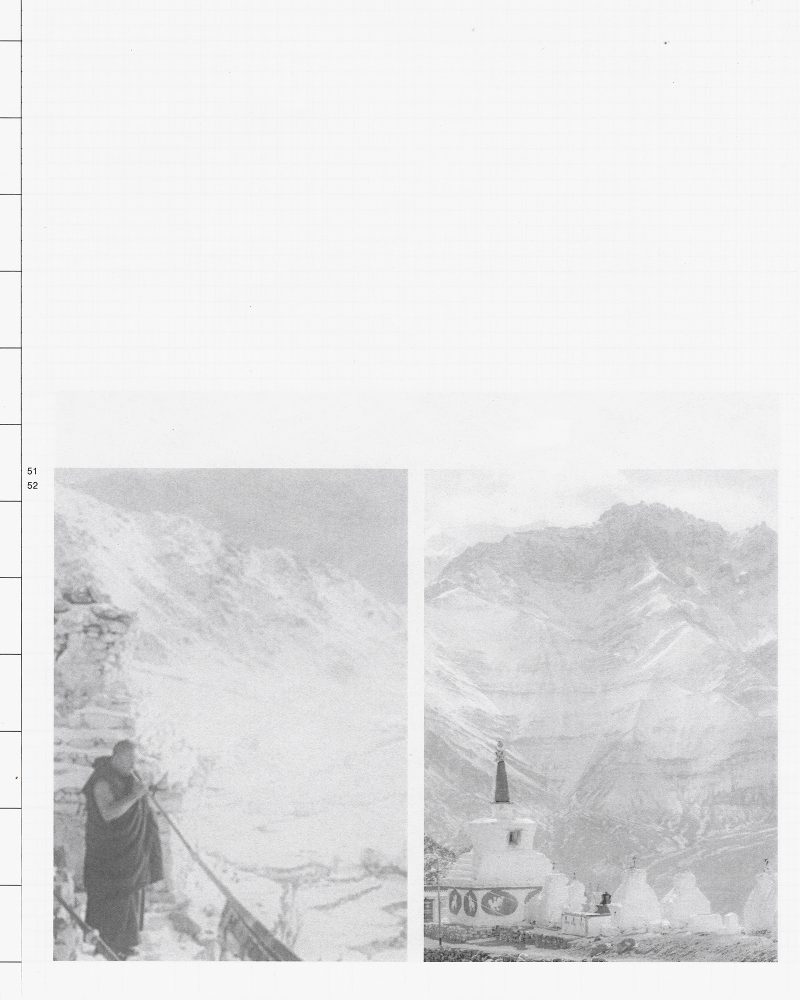
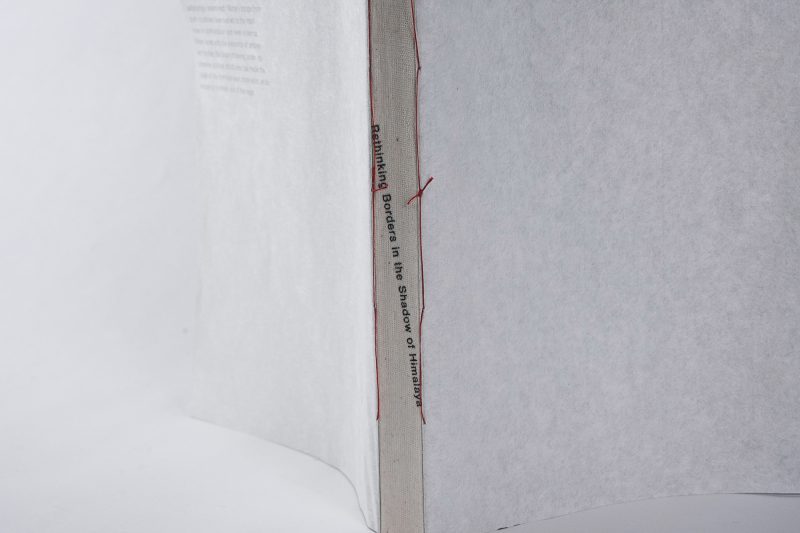
In some photographs, the mountain dissolves almost completely into the grain of the print; elsewhere, a geometric grid fills the page whilst small human figures appear at the edges. The contrast seems almost ironic: humanity’s obsession with measuring the landscape set against its indifference. The project draws on elements of the tradition of topographical photography, but also on Alighiero Boetti’s conceptual maps, in the way that geography is transformed into a political issue. Here, the boundary is not simply represented, but materially destabilised. Even the binding, with the red thread visible along the spine, suggests that every division is first and foremost a construct, something that can be joined and, potentially, undone. The quietest images are perhaps also the most politically significant. A monk almost absorbed by the mountain, a tiny figure beneath the barbed wire, peaks that vanish in the overexposure. Human beings occupy a limited space, whilst the landscape extends beyond the page. Shifting Lines, Silent Peaks does not, therefore, seek to redraw a border. Instead, it offers a broader reflection: it invites us to question why we continue to imagine it as a line, when everything that is supposed to contain it is constantly shifting.