
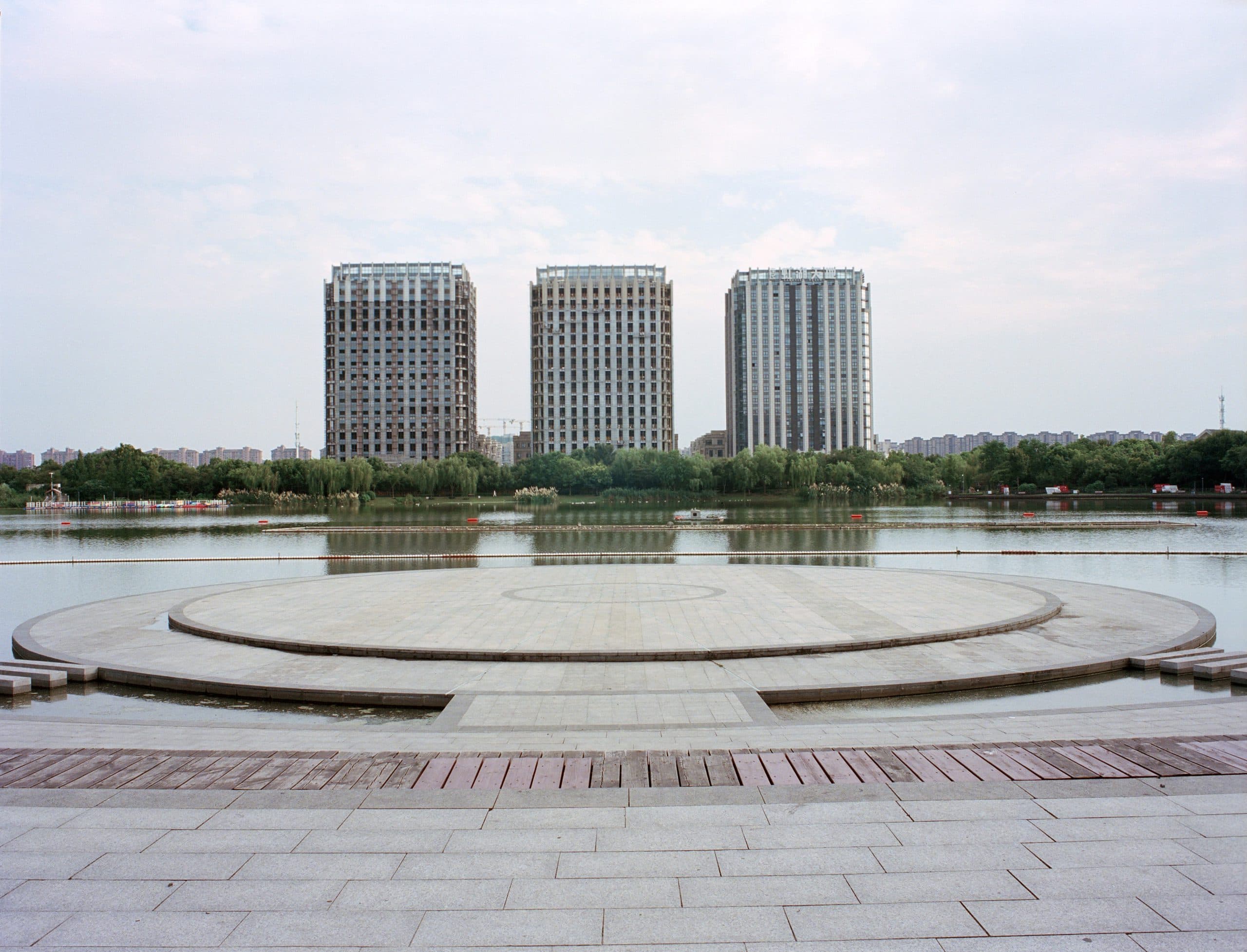
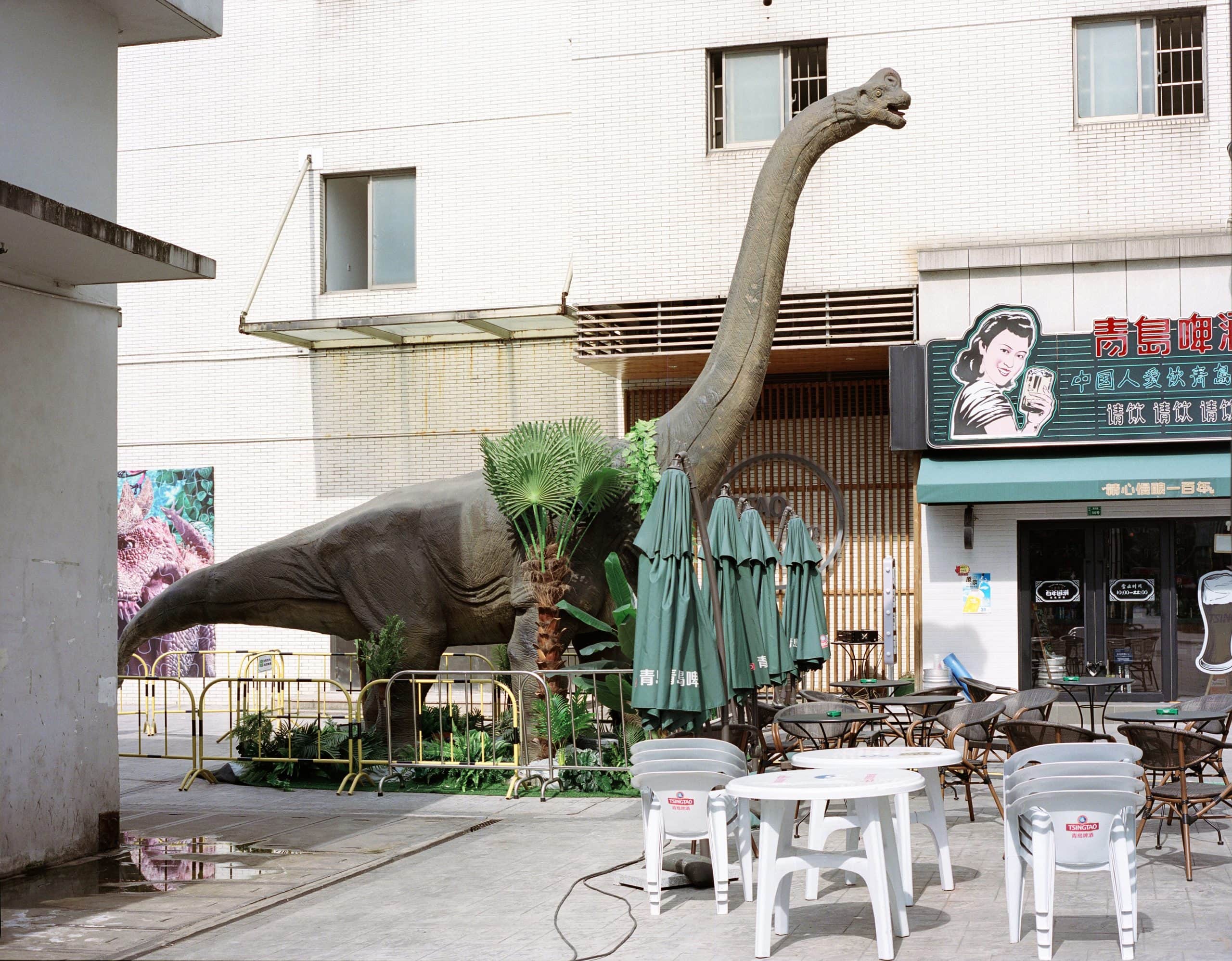
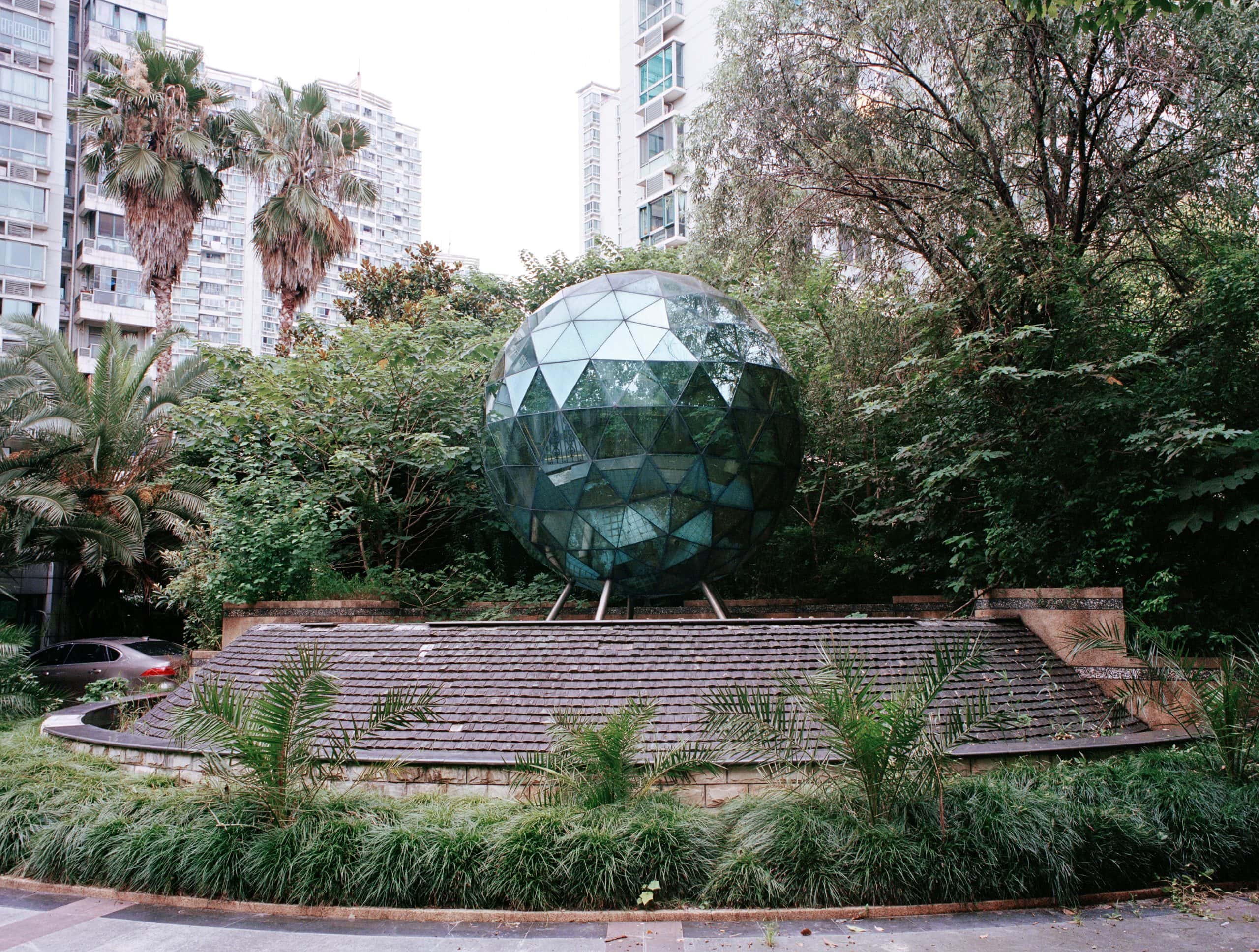
Shanghai Scenery primarily focuses on issues related to urbanisation. The visual space is compressed through large-scale demolition sites, construction sites, and abandoned land, allowing us to witness the absurd scenes that urbanisation brings to our daily lives. Shanghai has come to symbolise urbanisation. When we look at the current state of China’s real estate, we see a microcosm of the situation. As urbanisation accelerates and China strives to achieve its urbanisation goals, real estate has become the most important sector for economic growth. However, this has led to an expansion of real estate that exceeds demand, resulting in financialisation and the development of a real estate bubble. Vacant houses, excess housing, and unfinished buildings can be found throughout the country. Urbanisation depends on the construction efforts of migrant workers and young people, but it has not solved the housing problem for ordinary people. High housing prices are a common issue, often reaching dozens of times the average income. It is important for us to reflect on how we can shift the focus of urbanisation away from the expansion of real estate capital and towards a new type of high-quality urbanisation that prioritises the needs of the people. This reflection is not only significant for economics, politics, and the land system, but also for the overall development of our cities.
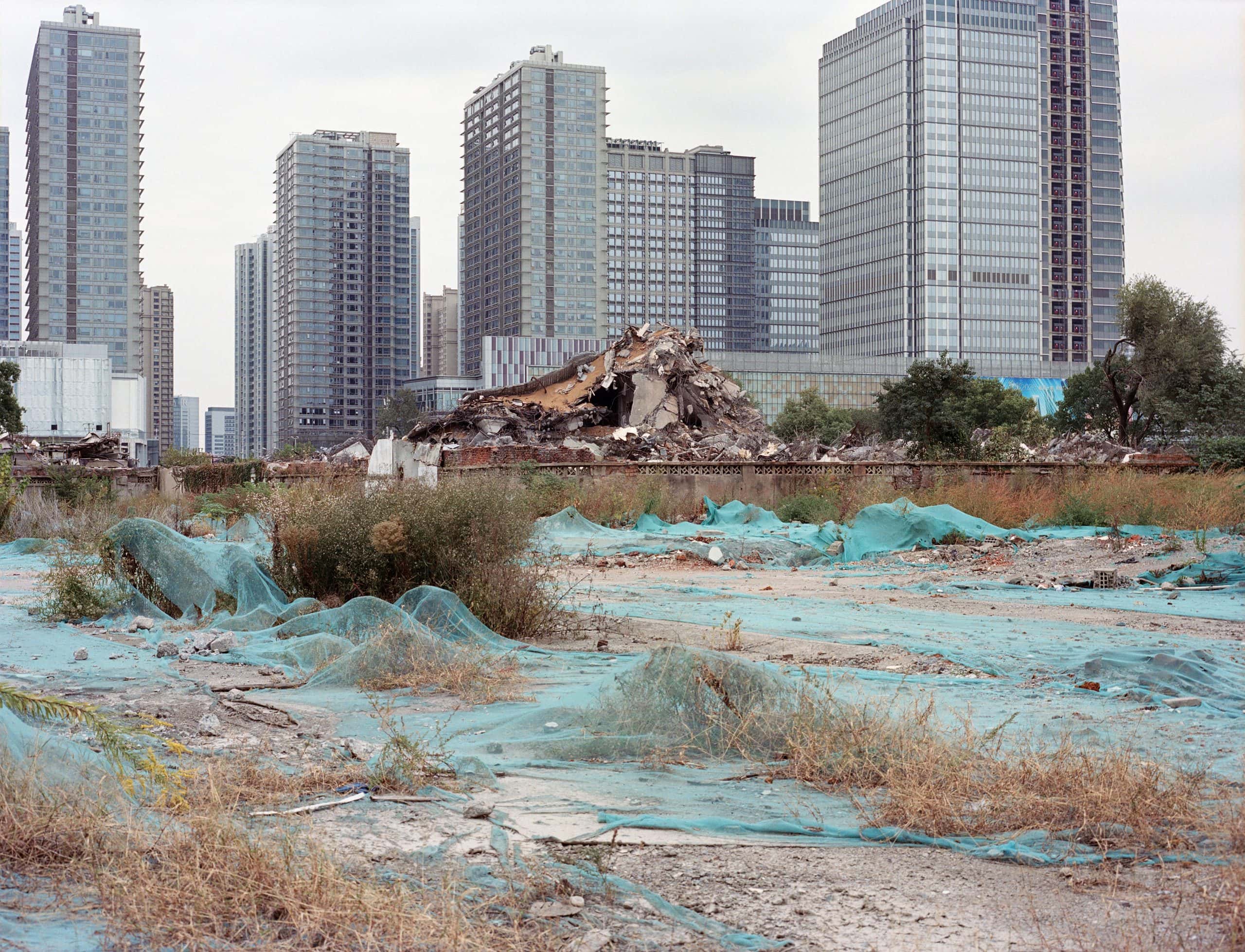
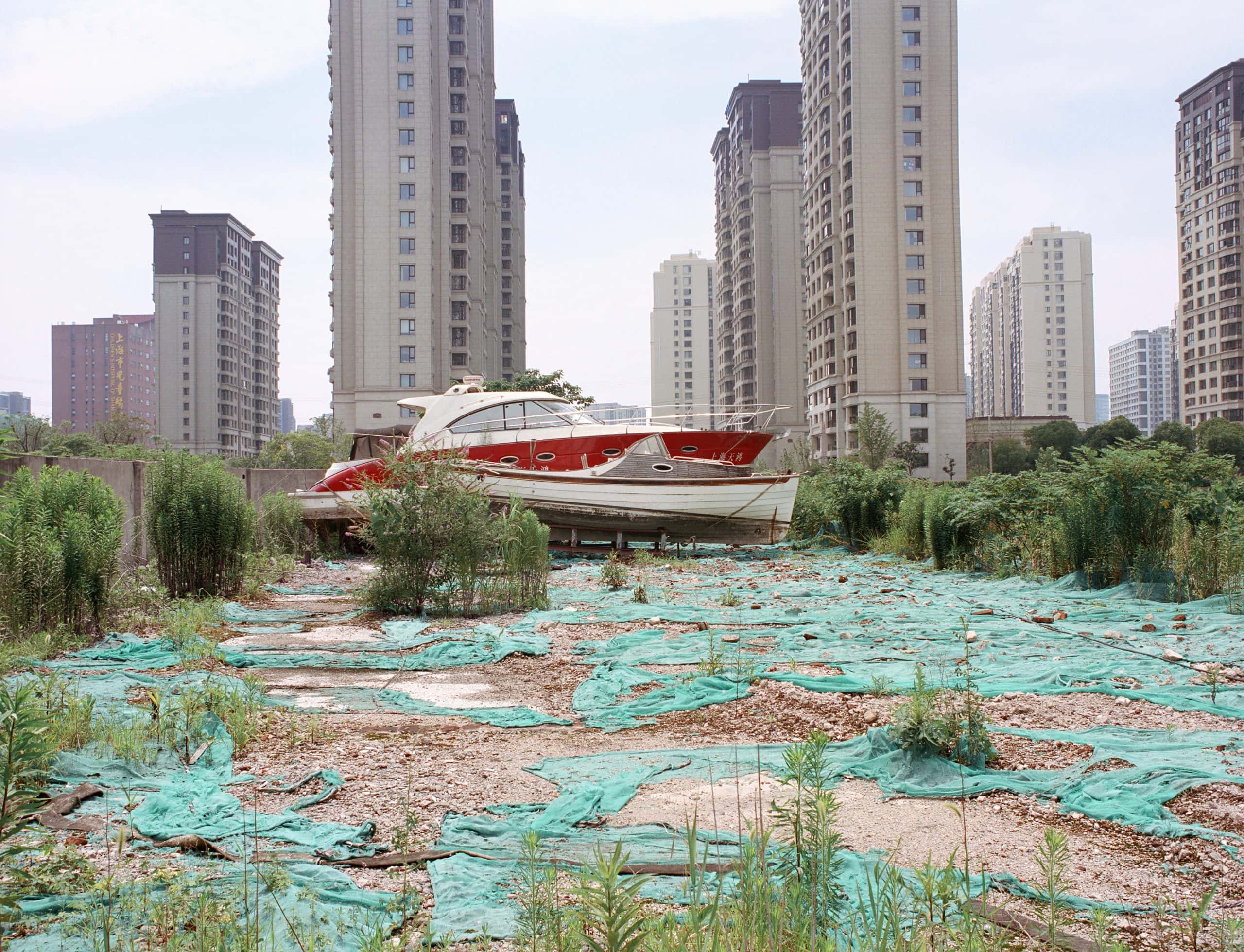
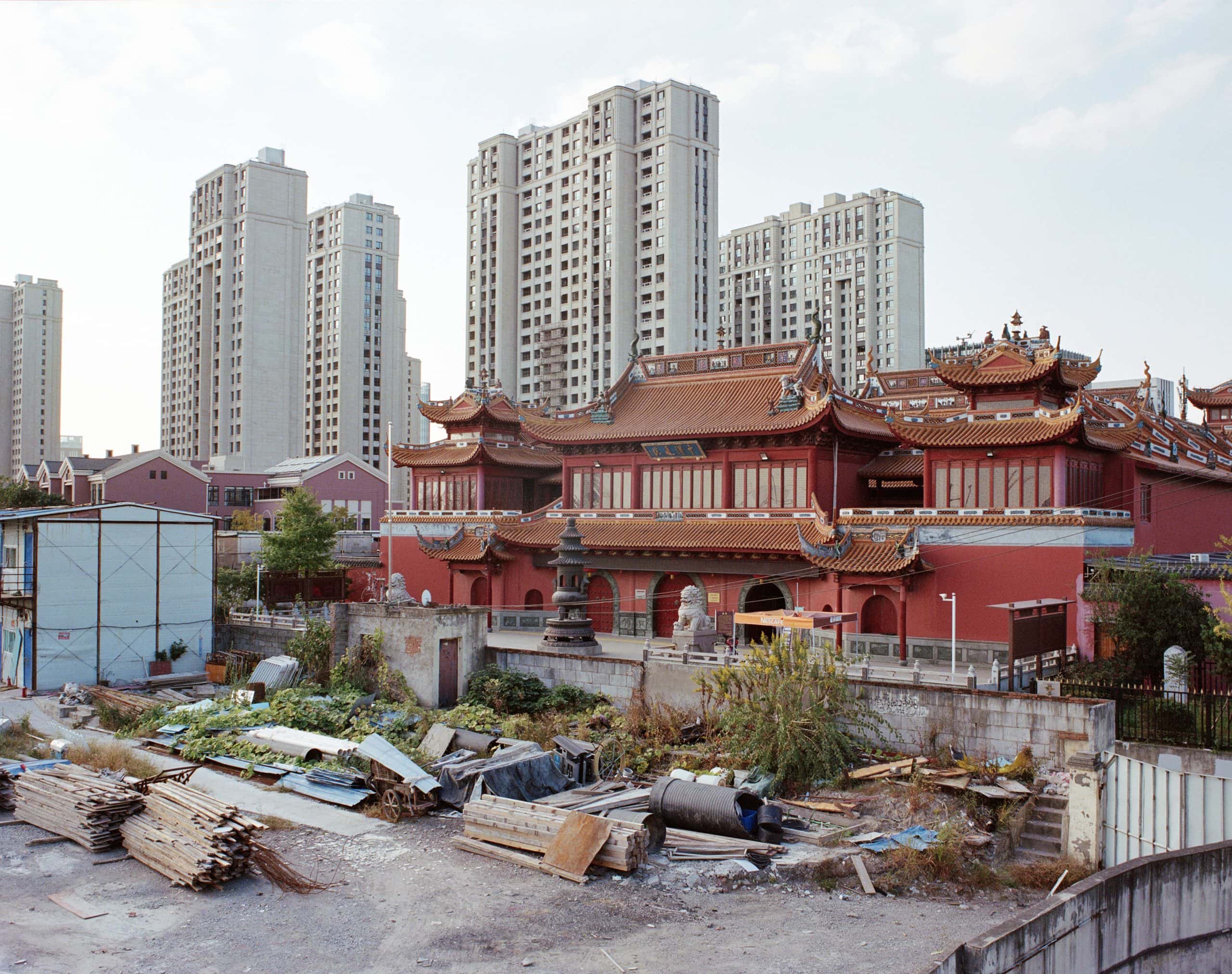
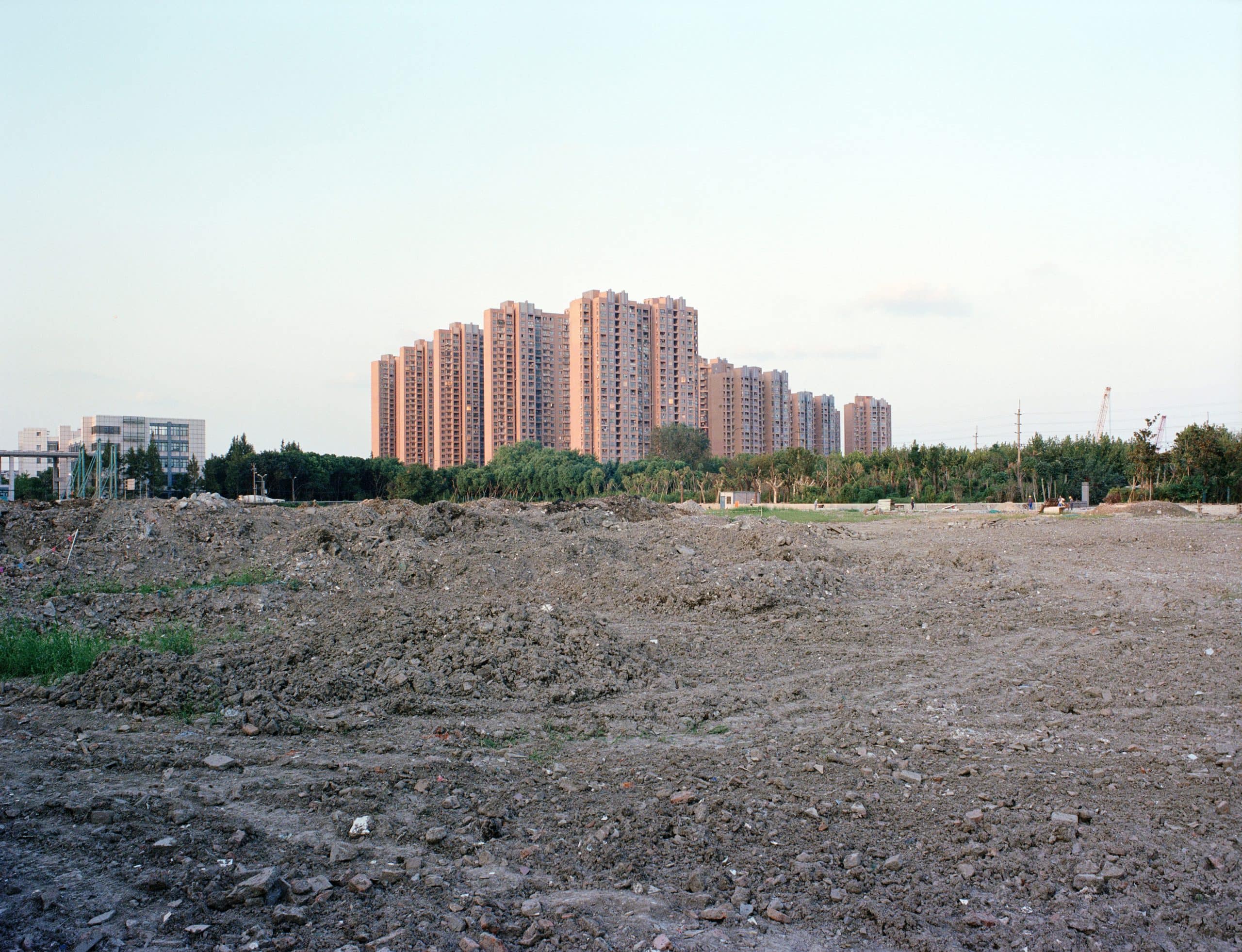

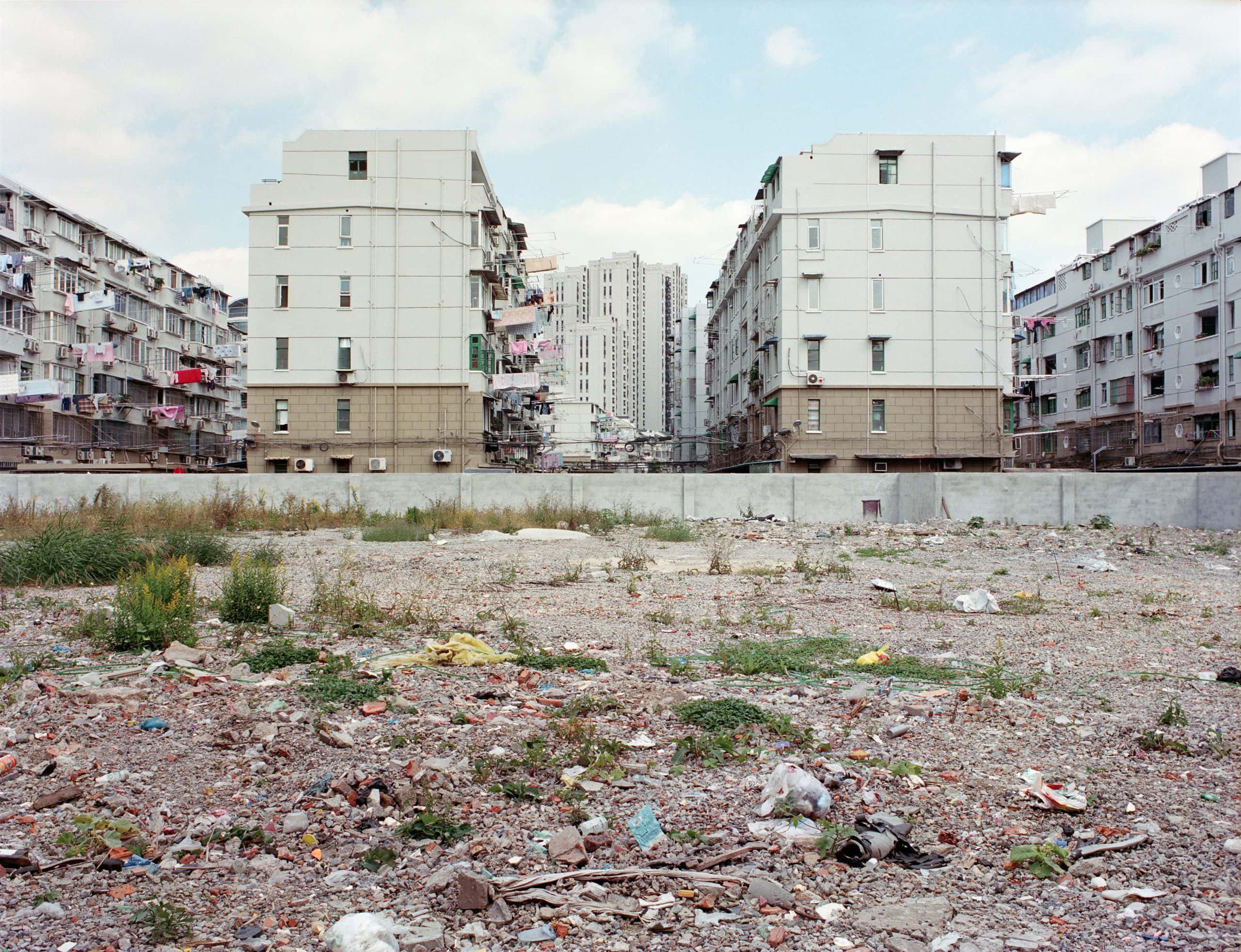
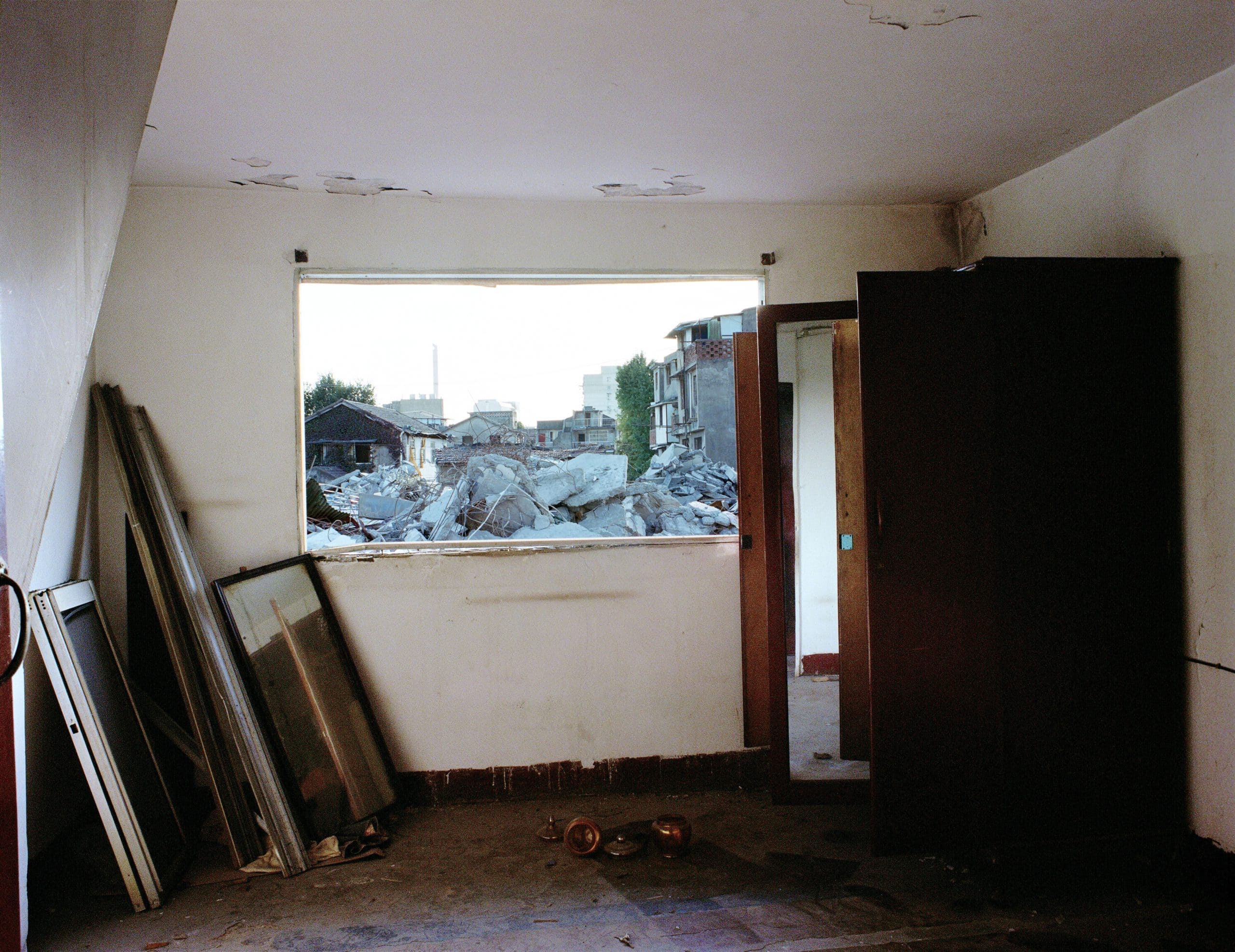
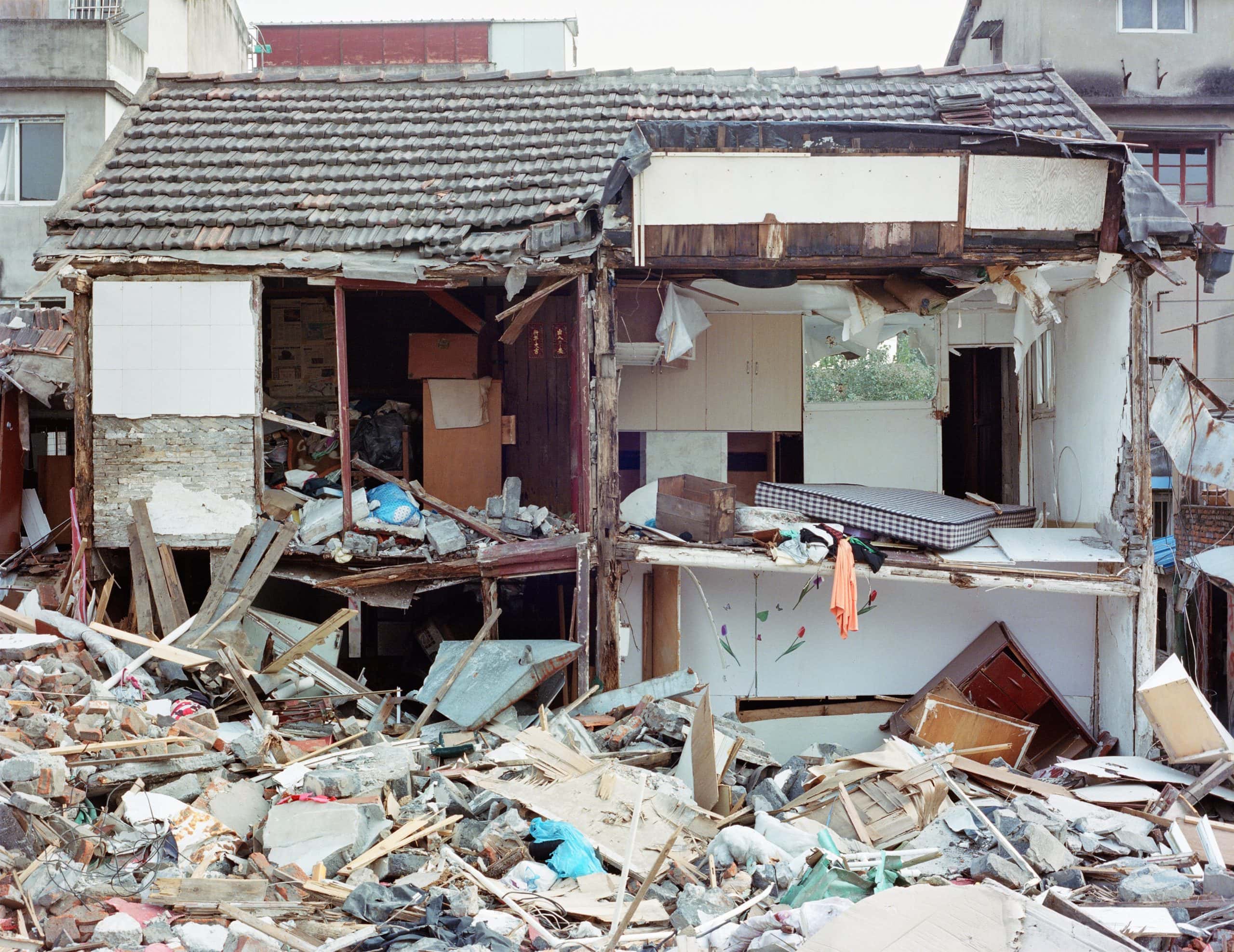
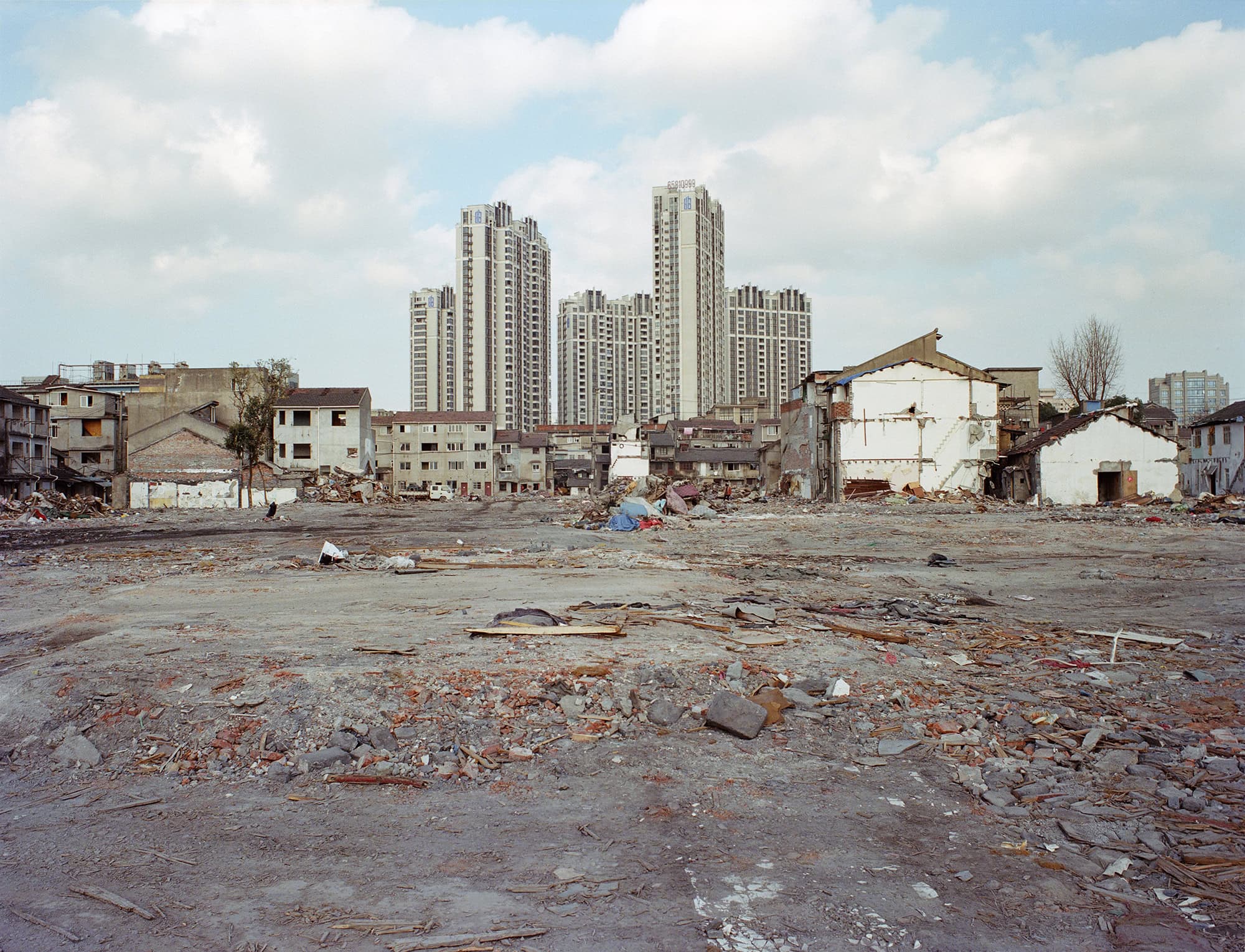
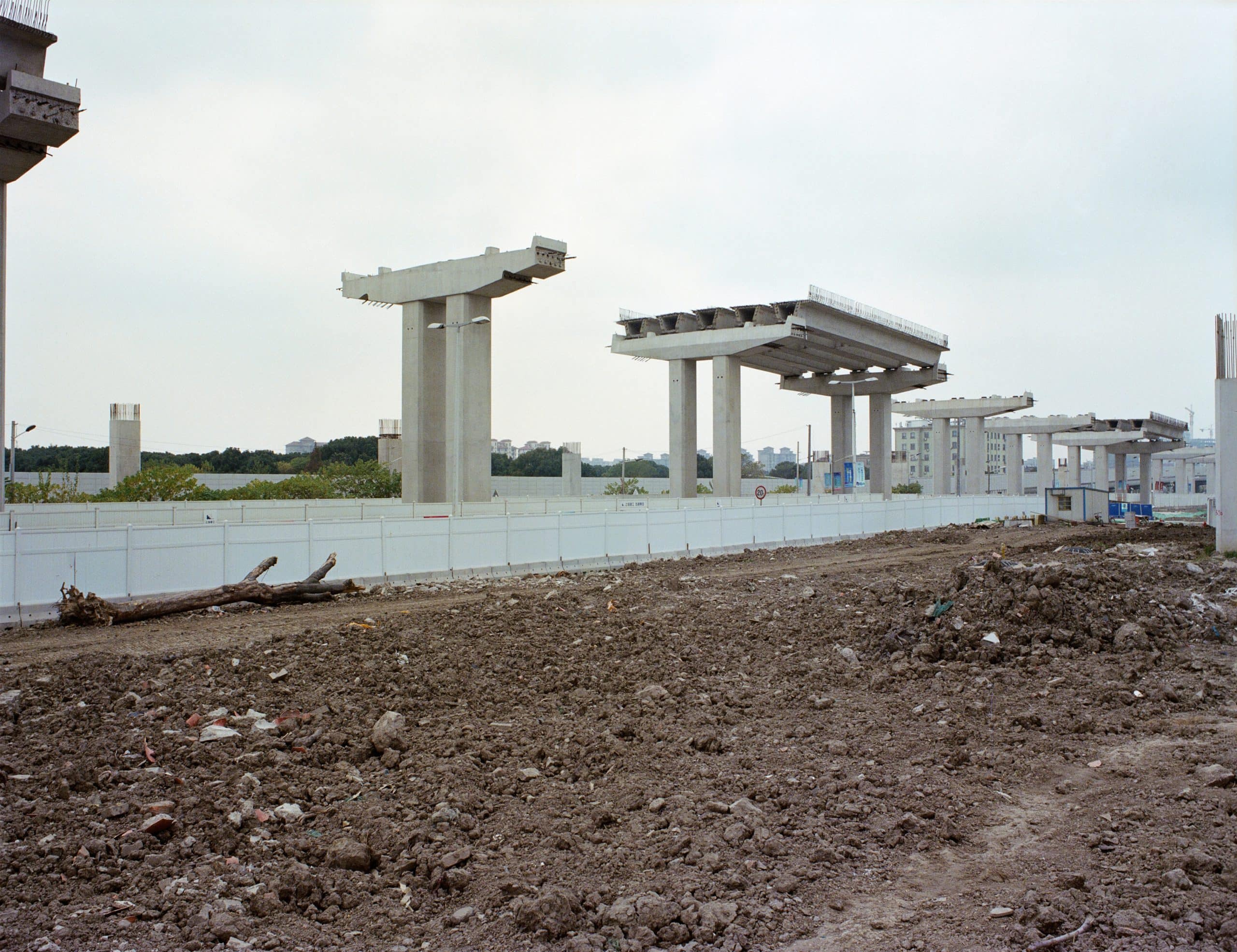

Environmental, socio-political issues, and the meaning of humanity are the main topics photographer Leslie Shang depicts in his work. By observing the situation, Shang reveals challenging moments in today’s society in China through comparison with the past generations. In an attempt to learn more about the modern family, Shang ZheFeng decides to research his own family archives, old images, and VHS footage. To explore the effect of urbanisation on today’s individuals, he photographs construction sites and ruined buildings, presenting a painful disconnection between the social layers of people inside and outside those structures. Through self-portraits, we gain insight into the artist’s emotional background and self-awareness.