I have always been interested in the way architecture can hold memory while continuing to evolve with the people who inhabit it. In Salento, this relationship feels particularly tangible: history is embedded in stone, landscape, craftsmanship, and everyday rituals. This is what drew me to Salentum Heritage Collection and to the work of its founder, Antonello Rizzello. In our conversation, we explored what it means to restore without erasing, to approach hospitality as a way of experiencing a territory, and to preserve heritage not as something frozen in time, but as something that can continue to live.
Barbara Guieu: Salentum Heritage was born from the encounter between the preservation of architectural heritage and a contemporary idea of inhabiting the territory. What was the first place or fragment of the Salento landscape that made you realize that this vision had to become a concrete project?
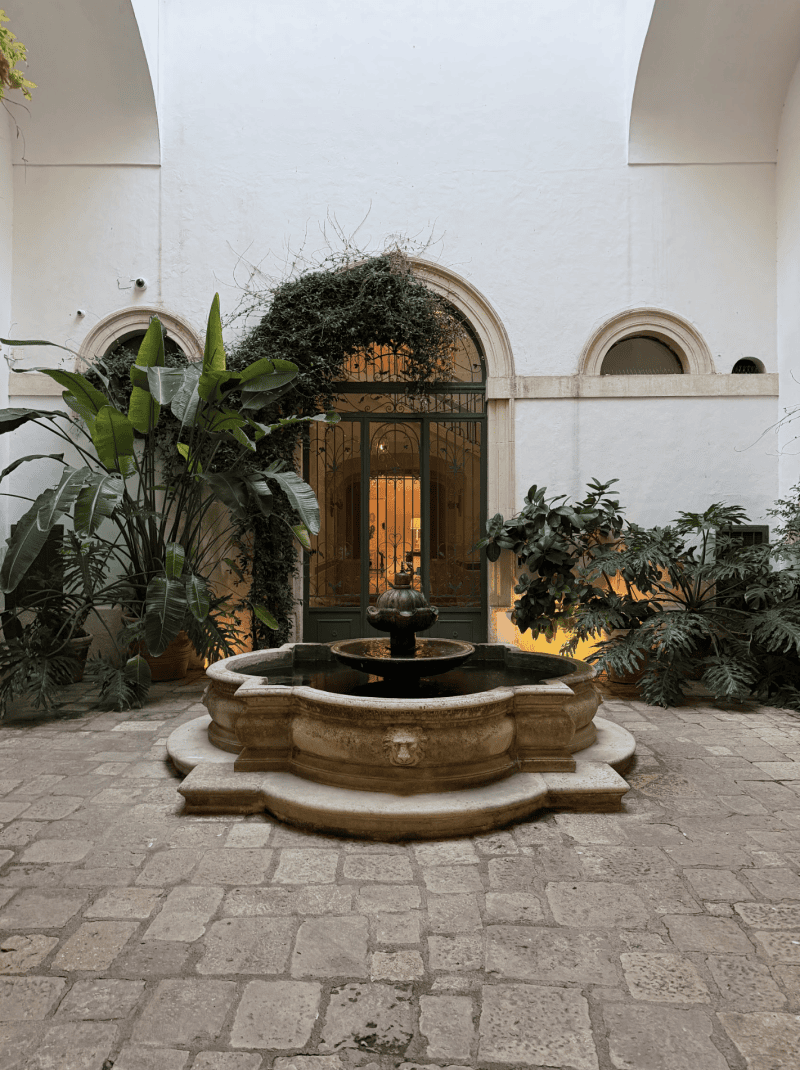
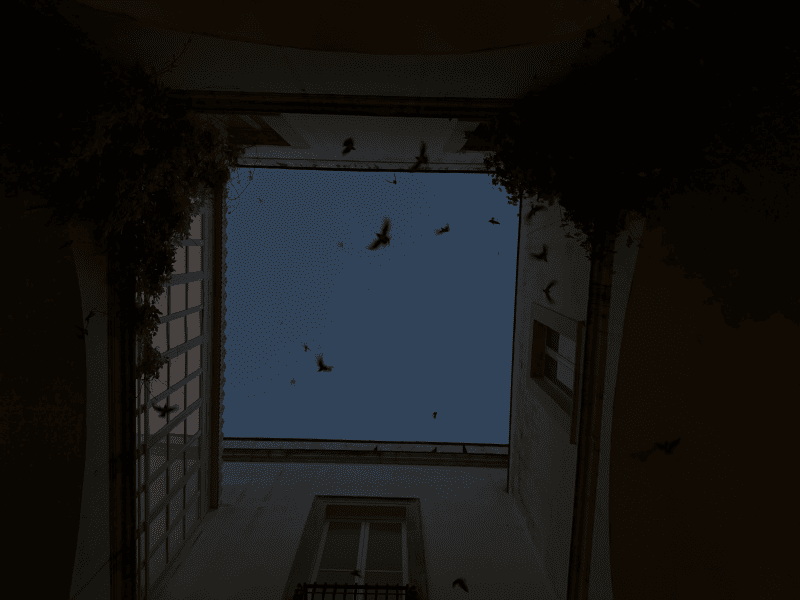
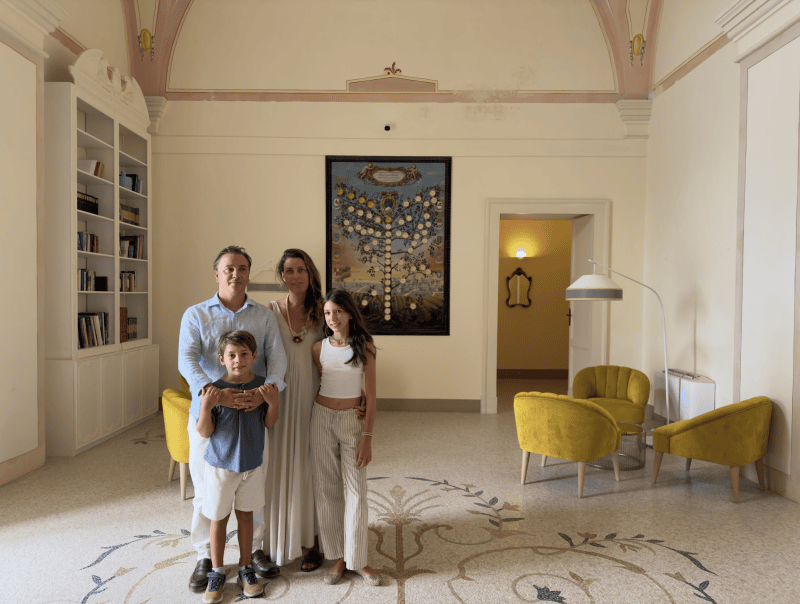
Antonello Rizzello: The project was born almost by chance, from a real love at first sight: Palazzo Mignano, an ancient courtyard palace. It was the first property we restored and the place where, without knowing it yet, everything began. At the time, I was living in Paris and had no intention of moving back to Italy permanently; after the restoration, we therefore decided to place it within the hospitality circuit and generate income from it. From that experience, I understood that restoring a historic residence did not simply mean restoring a building, but giving it back a function, a life, and a relationship with the territory. From there, progressively, came the idea that would later become Salentum Heritage Collection.
BG: In the selection and restoration of historic residences, a great respect for local materials emerges — Lecce stone, star-vaulted ceilings, natural light. How do you balance the preservation of historical identity with the requirements of interior design and contemporary comfort?
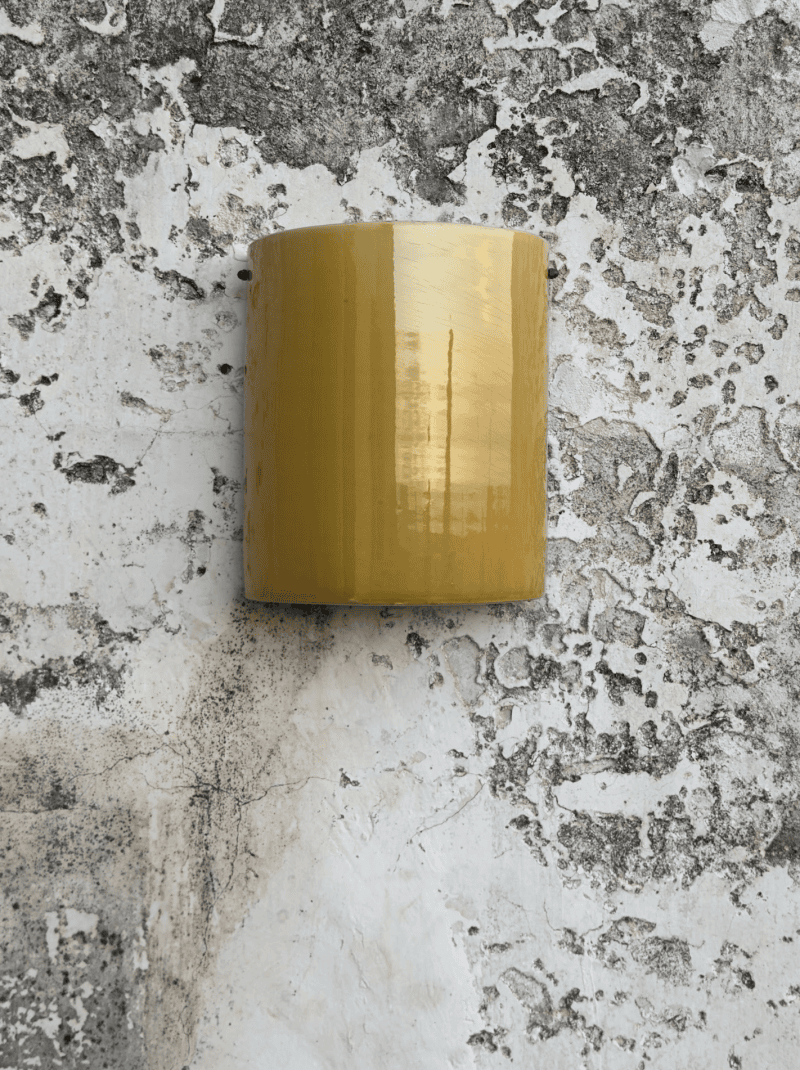
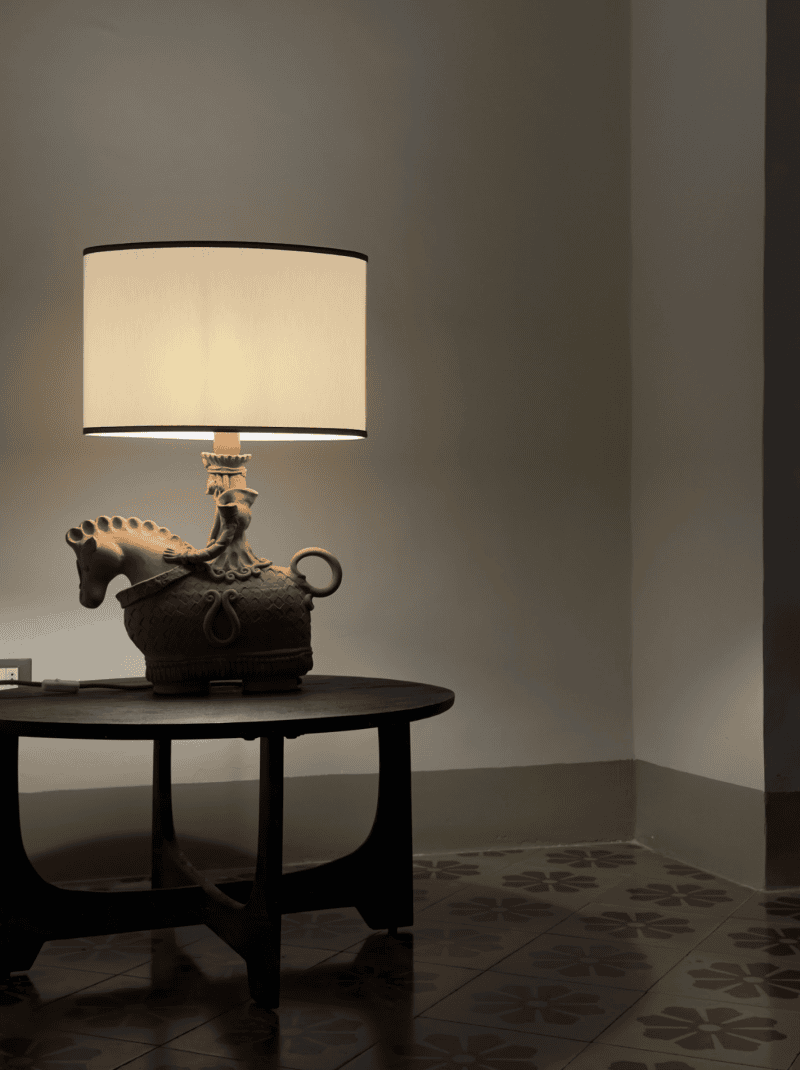
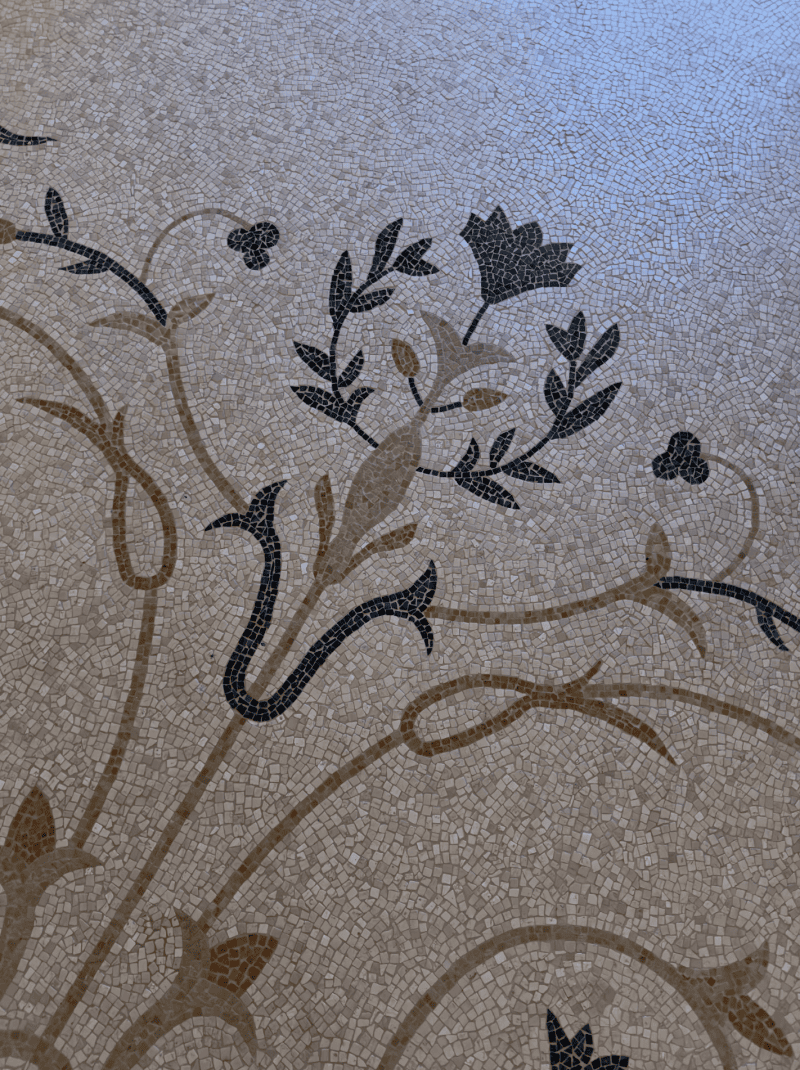
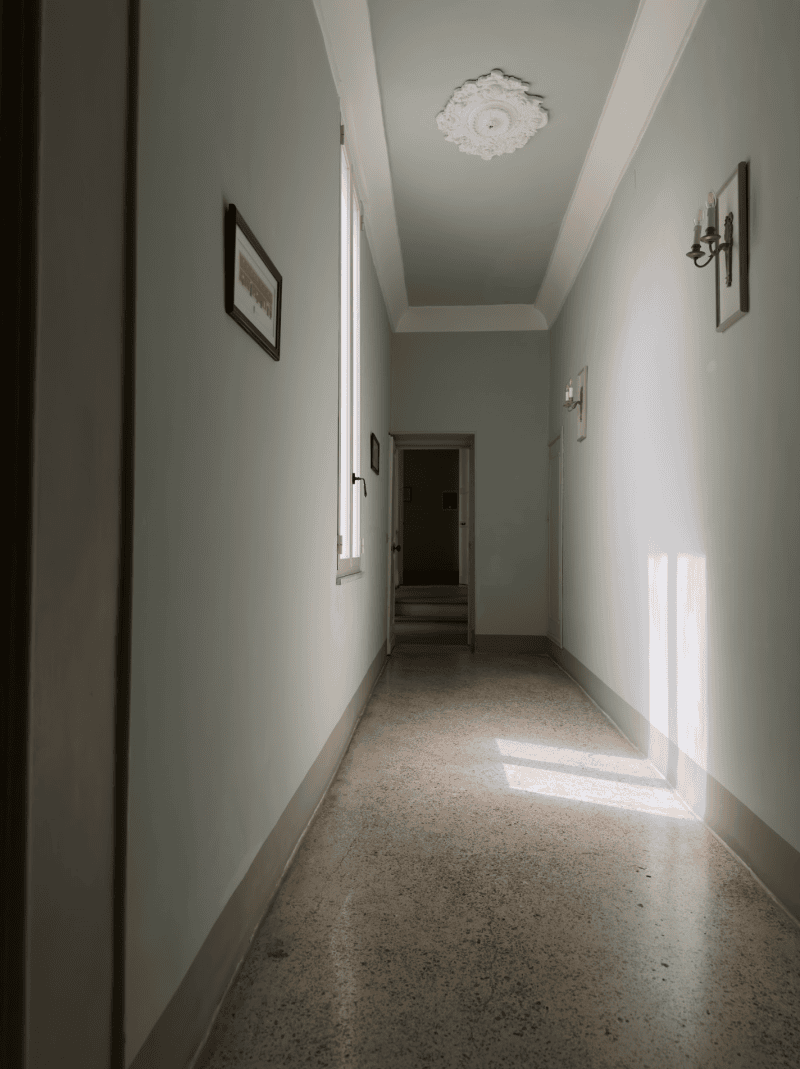
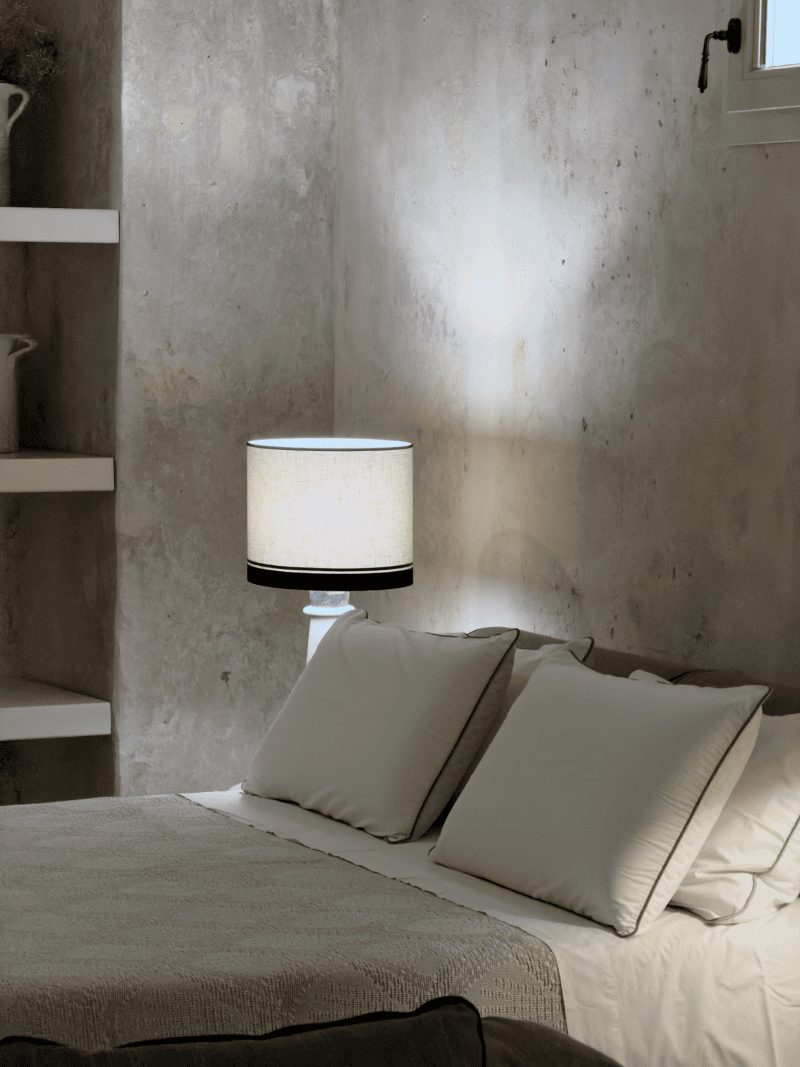
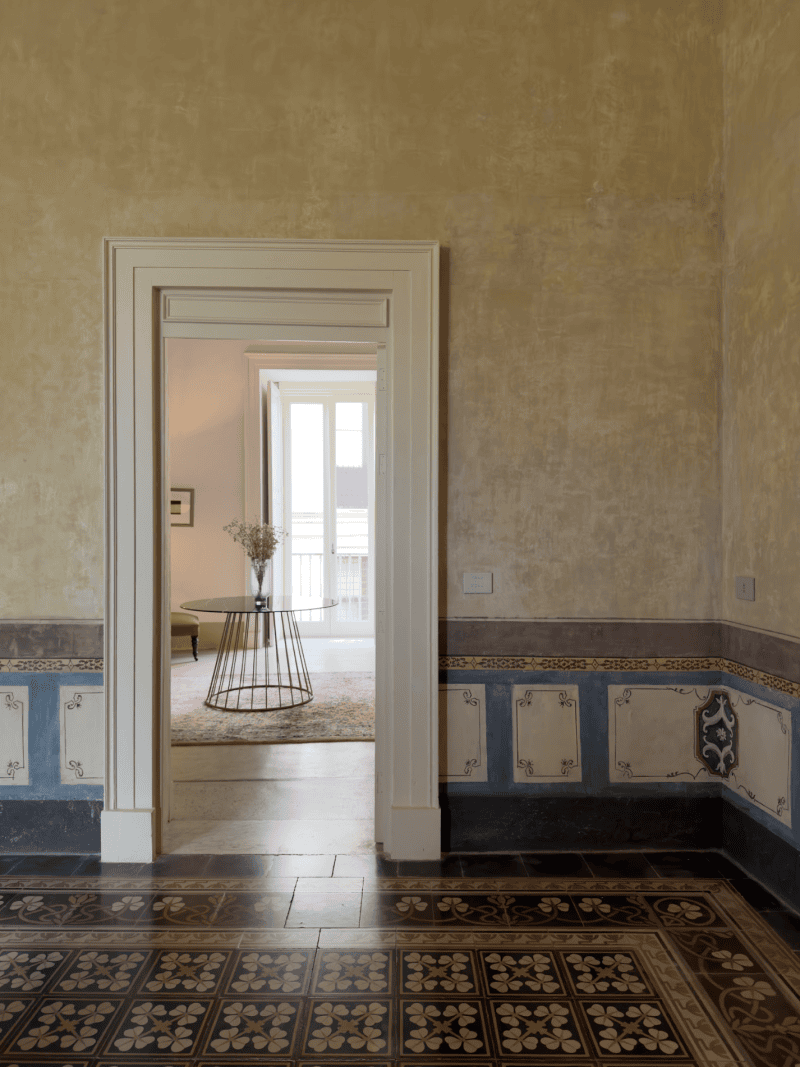
Antonello Rizzello: We have always chosen a conservative restoration approach. The starting point is never to transform a residence in order to adapt it to a contemporary image, but to understand what already exists and preserve its character. The stone, the vaults, the plasterwork, the ancient floors, the proportions, and the traces of time are part of the building’s identity. When we intervene, we use, as much as possible, materials that are consistent with the original ones and, in particular, local stone. Contemporary comfort must be there, but discreetly: systems, lighting, and furnishings must accompany the architecture, not dominate it. For us, true luxury is being able to inhabit an ancient place today without erasing its memory.
BG: At C41, we place great value on visual language. If you had to describe the personality of Salentum Heritage through an image, a color palette, or a specific moment of the day in Salento, what would it be?
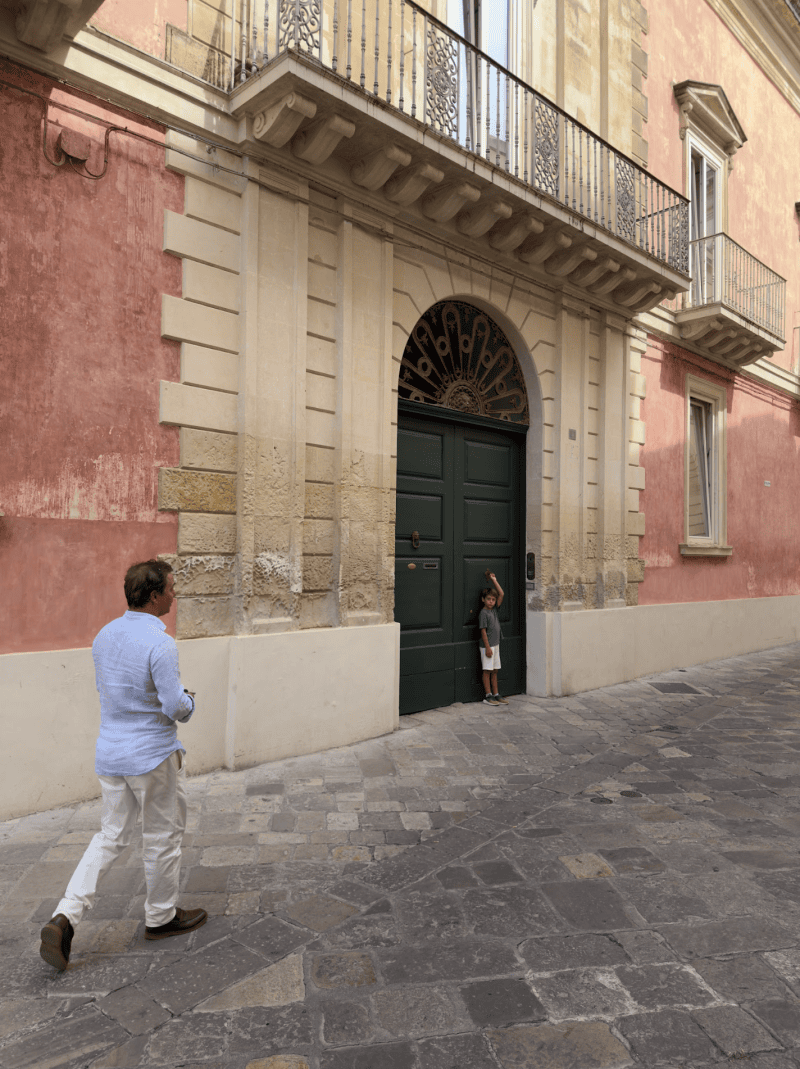
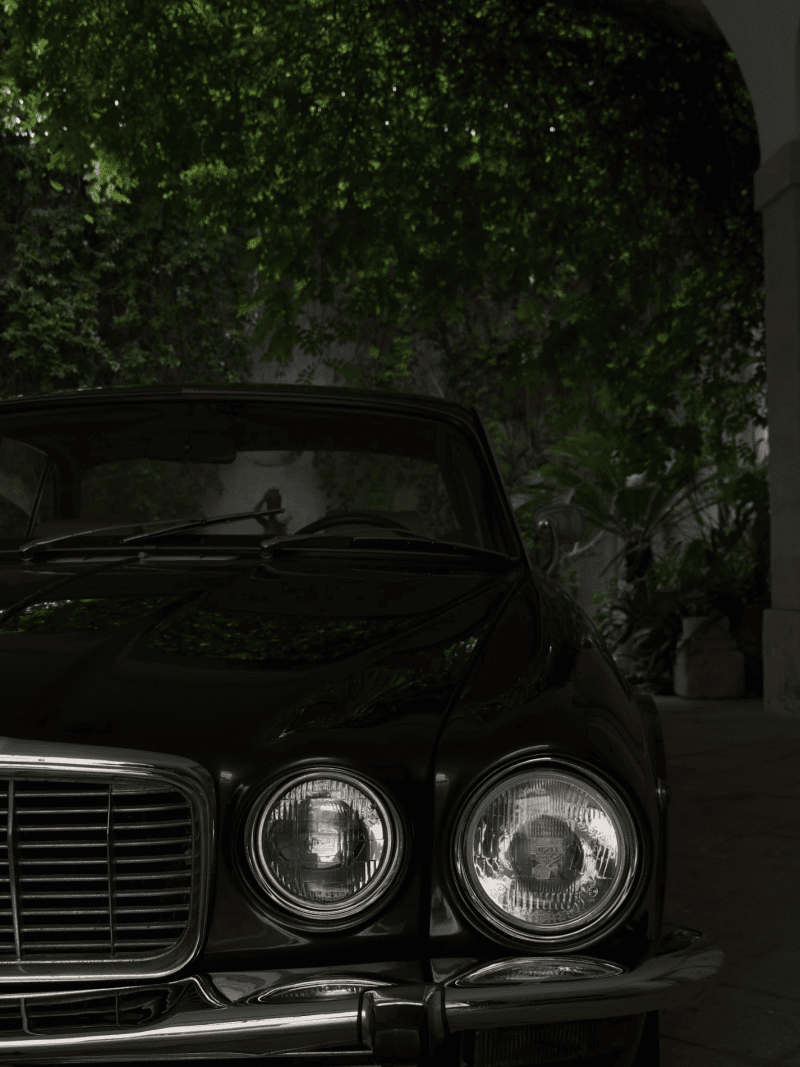
Antonello Rizzello: It would be green, first of all: the green of the olive trees, gardens, citrus trees, and Mediterranean vegetation. For me, it is also a color of hope, especially in a land that in recent years has seen its landscape change profoundly. To this, I would add the warm tones of Lecce stone and the light of the late afternoon, when the sun makes everything softer and the materiality of the buildings almost seems to change color. This is probably the image that best represents Salentum Heritage: architecture and nature that do not compete, but complement one another.
BG: Contemporary tourism is evolving towards the search for a more authentic and slower pace of life. In what way do the structure of your residences and the experience you offer help guests reclaim their own time?
Antonello Rizzello: What we try to offer is not simply a stay, but an experience. We often tell our guests, especially those arriving from large international metropolises, something very simple: learn to open the windows. Those who live among skyscrapers, air conditioning, and very fast-paced lifestyles rediscover here the pleasure of natural light, fresh air, silence, a garden, and a direct relationship with the landscape. At the same time, there is contact with history: some of our residences preserve layers that span centuries, in some cases almost a thousand years. For those coming from places where urban transformation has often erased many traces of the past, entering these buildings means physically perceiving time. Hospitality, for us, also serves this purpose: slowing down enough to become aware of the place you are in.
BG: Salento has historically been a borderland and a place of passage between different cultures. How much of this cultural stratification enters into the daily narrative of Salentum Heritage and the curation of its spaces?
Antonello Rizzello: It enters naturally, because it is already present in the buildings and in the territory. We try not to impose a language that is foreign to the places, but to work with what Salento makes available to us: stone, wood, iron, ceramics, textiles, artisanal techniques, and objects that belong to the local culture. At the same time, Salento has always been a land of encounters and cross-pollination, so we do not want to turn the residences into static museums. The spaces must continue to live and welcome people from all over the world. Our idea is to maintain very strong roots while allowing the dialogue with the present to continue.
BG: An architectural restoration and hospitality project always has an impact on the local social fabric. What is Salentum Heritage’s relationship with the local community, craftspeople, and local workers?
Antonello Rizzello: The relationship with the territory is fundamental. On our construction sites and within our properties, we try to work as much as possible with local people: companies, artisans, technicians, and workers who know traditional materials and techniques. There is also a real concern: some trades are becoming increasingly rare and risk disappearing along with the people who preserve their knowledge. At the same time, we see many young people from Southern Italy rediscovering craftsmanship, agriculture, restoration, and new forms of hospitality. It is an important sign. A project like ours only makes sense if, in addition to restoring buildings, it contributes to keeping skills and opportunities alive within the territory.
BG: Today, talking about heritage also means taking care of the future of a fragile territory. What architectural or management choices have you undertaken to ensure that the project is sustainable and respects the local ecosystem?
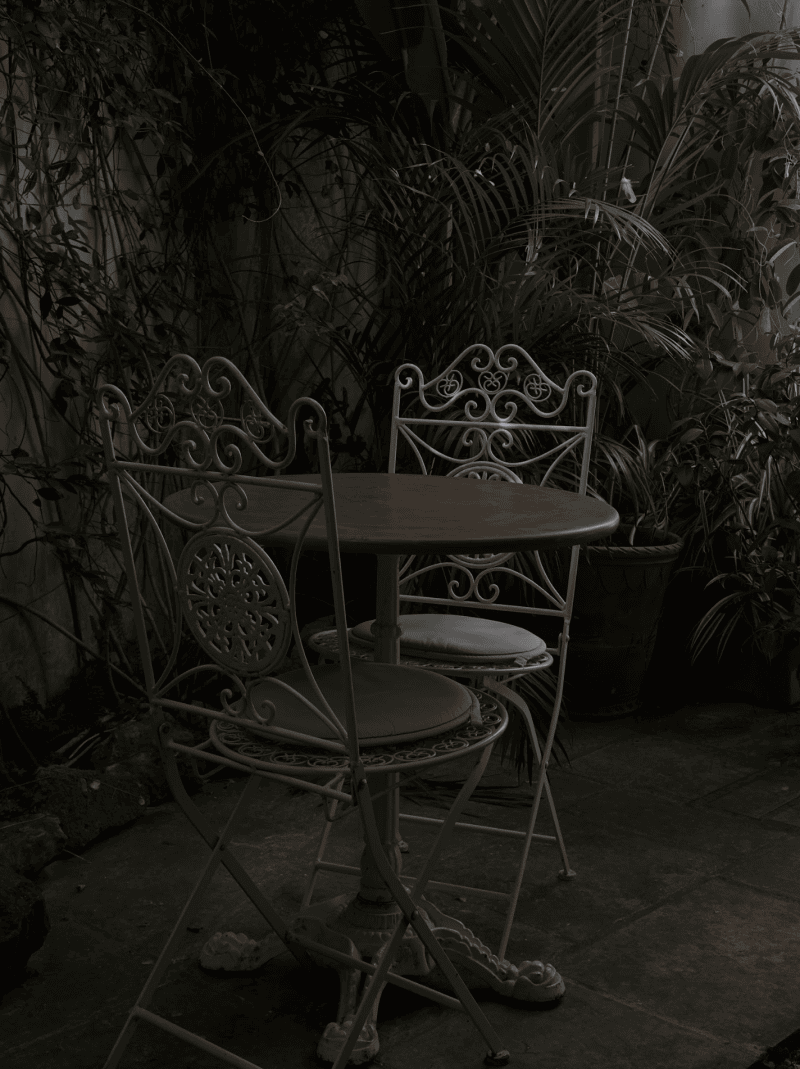
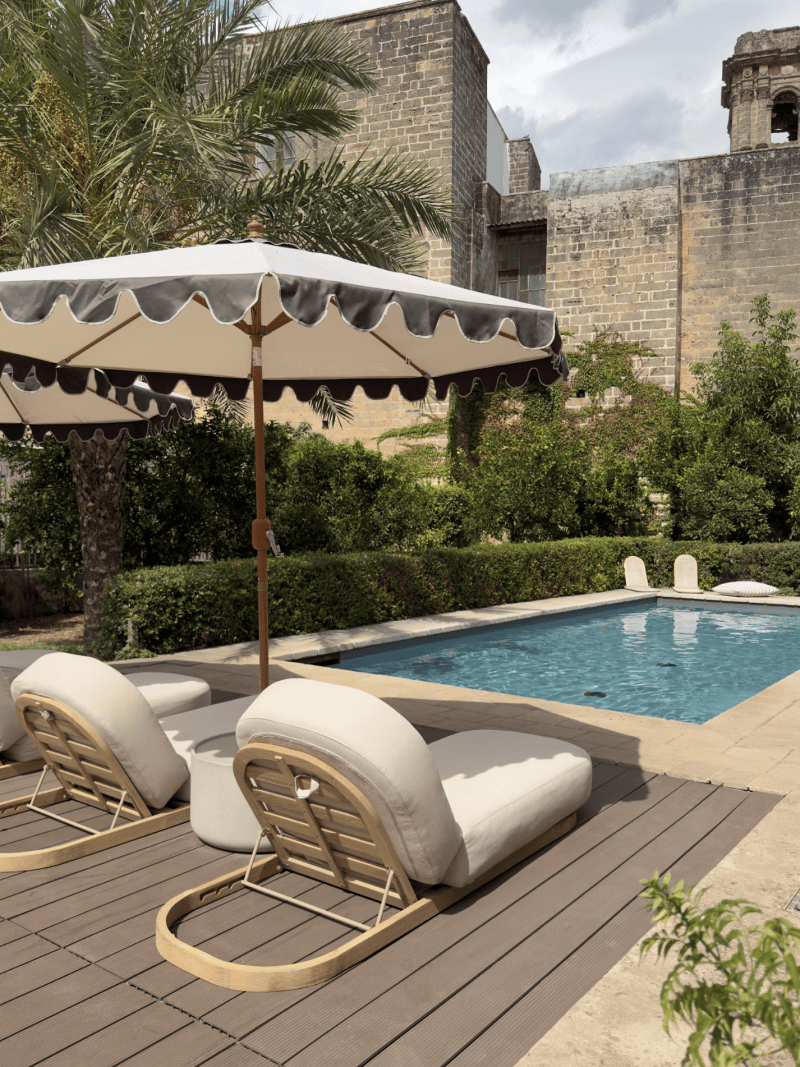
Antonello Rizzello: For us, sustainability means, first and foremost, restoring rather than consuming new land. In the gardens and on the properties, we also try to recover the ancient systems for collecting, distributing, and managing water, adapting them to current needs. The choice of plant species increasingly takes water availability into account: we favor Mediterranean species and plants with low water requirements. We are also working on the presence of trees and the creation of parks and shaded areas, because vegetation is a concrete tool for mitigating temperatures, which are becoming increasingly high in Salento. Preserving heritage therefore means not only protecting what we have received from the past, but preparing it for the conditions of the future.
BG: Looking to the future, how do you see Salentum Heritage evolving over the next few years? Are there new spaces or visual and cultural research projects that you would like to explore?
Antonello Rizzello: The growth will continue in a way that remains very closely connected to the territory. We are working on and looking at new projects in Nardò and in nearby towns, including Galatone, Galatina, and Copertino, as well as other locations in Salento that are easily accessible from the sea. We are particularly interested in palaces, masserie, and historic residences of particular architectural and cultural significance: buildings that still have a story to tell and that can be restored without losing their identity. We do not want to move too far geographically, because proximity allows us to maintain direct and consistent management within Salentum Heritage Collection. The aim is not simply to add new properties, but to progressively build a collection of places capable of telling, together, the complexity and beauty of Salento. The project is still evolving: keep following us.