Ross Mantle lives and works in his native Pittsburgh, PA. He divides his time between self-initiated projects, client commissions and teaching at Carnegie Mellon University in Pittsburgh.
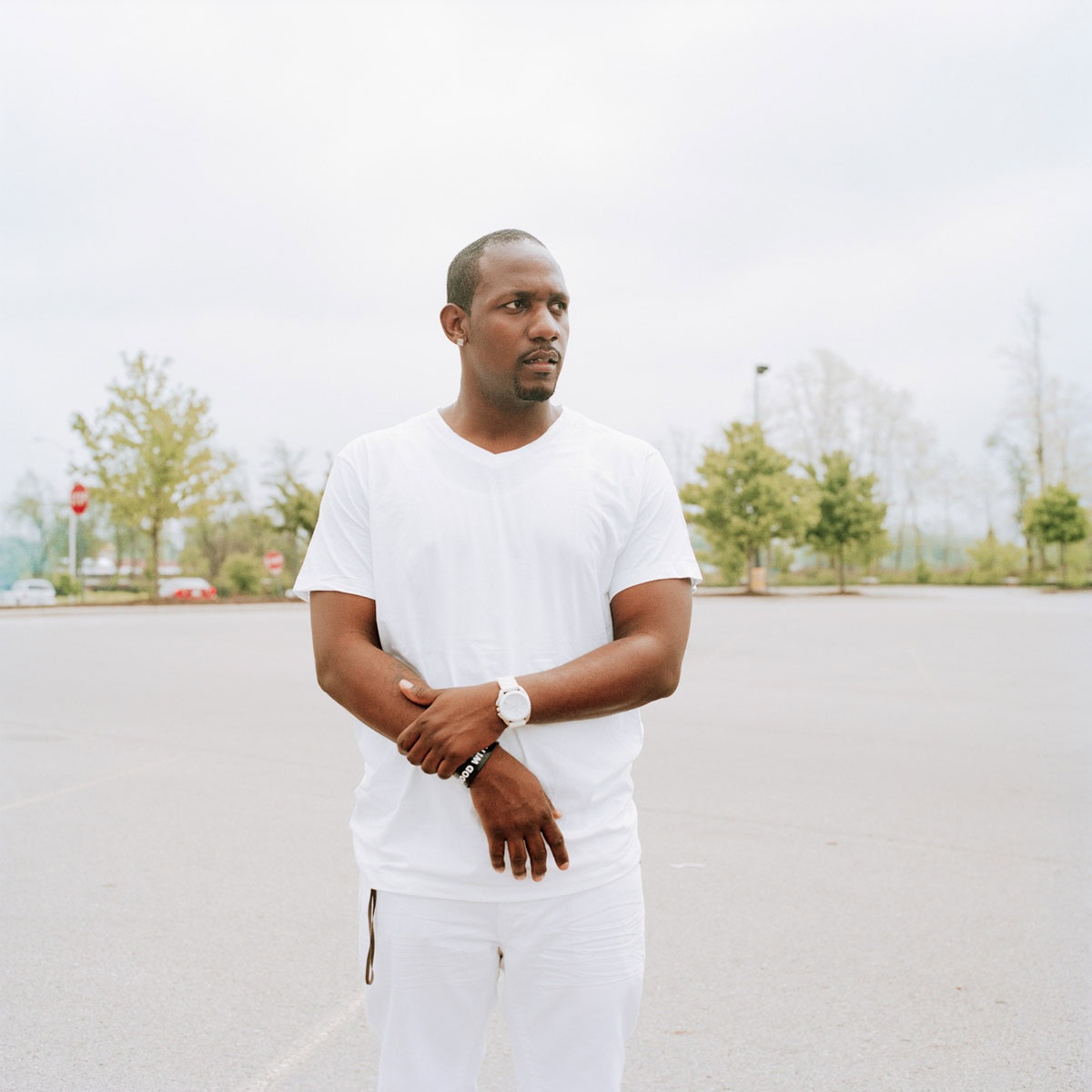
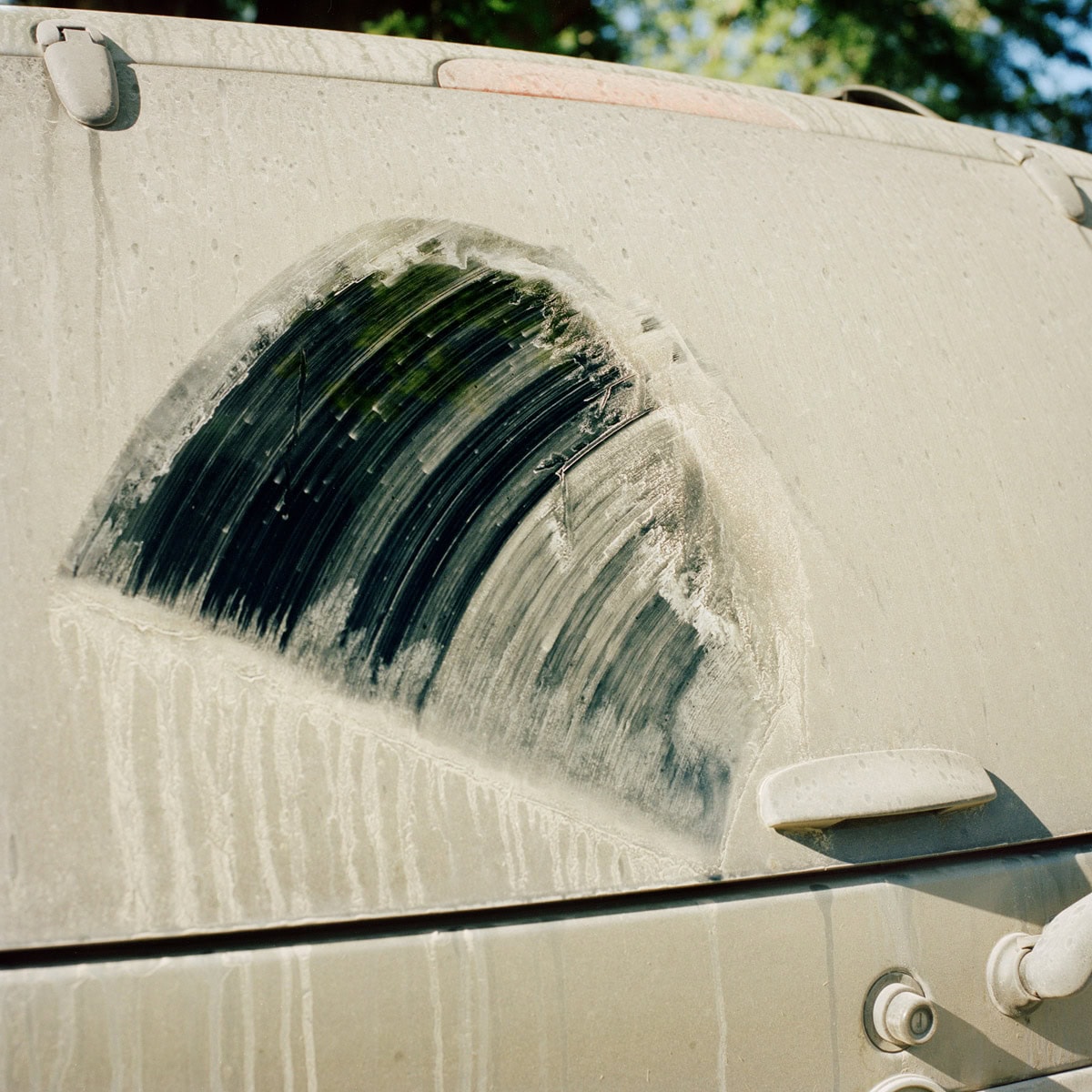
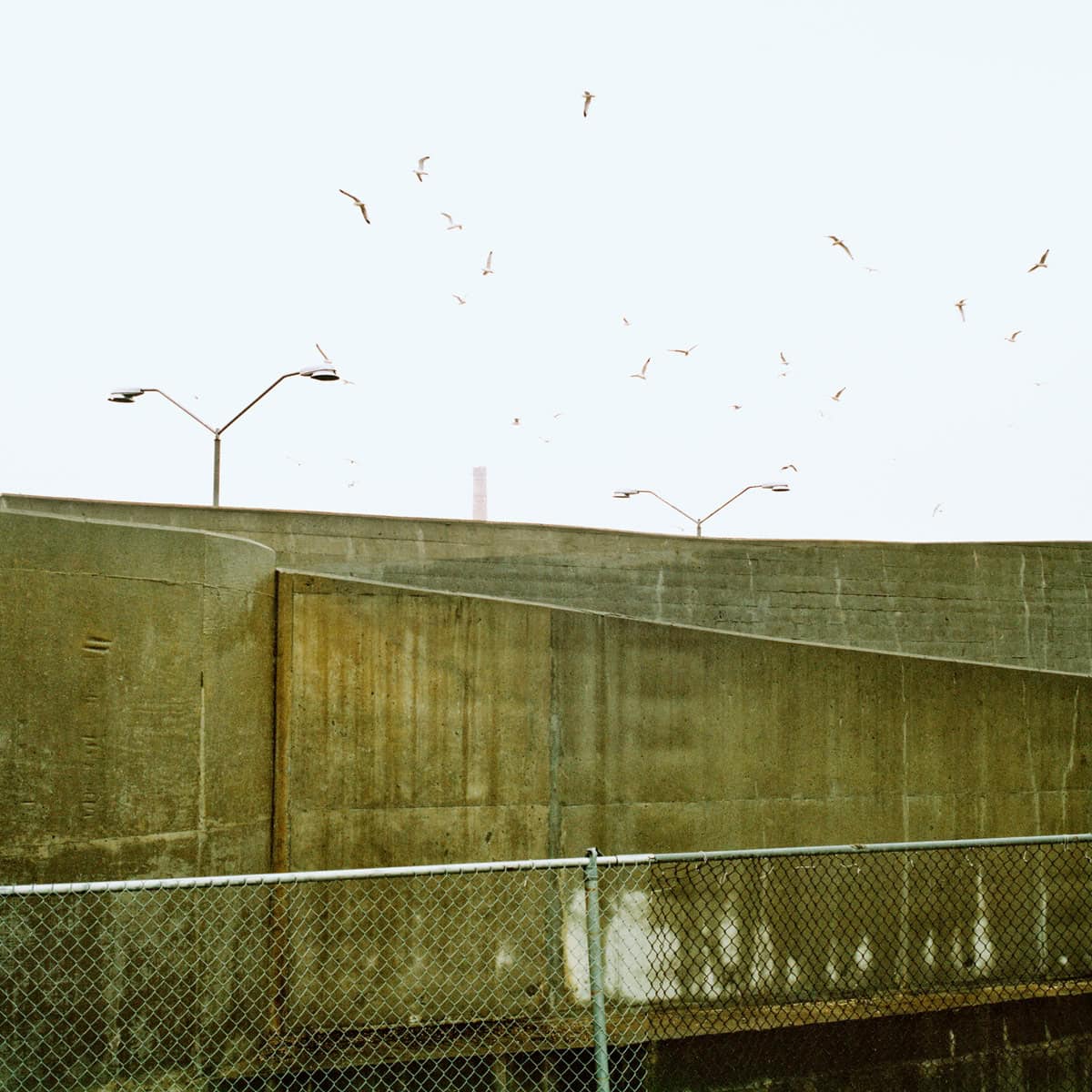
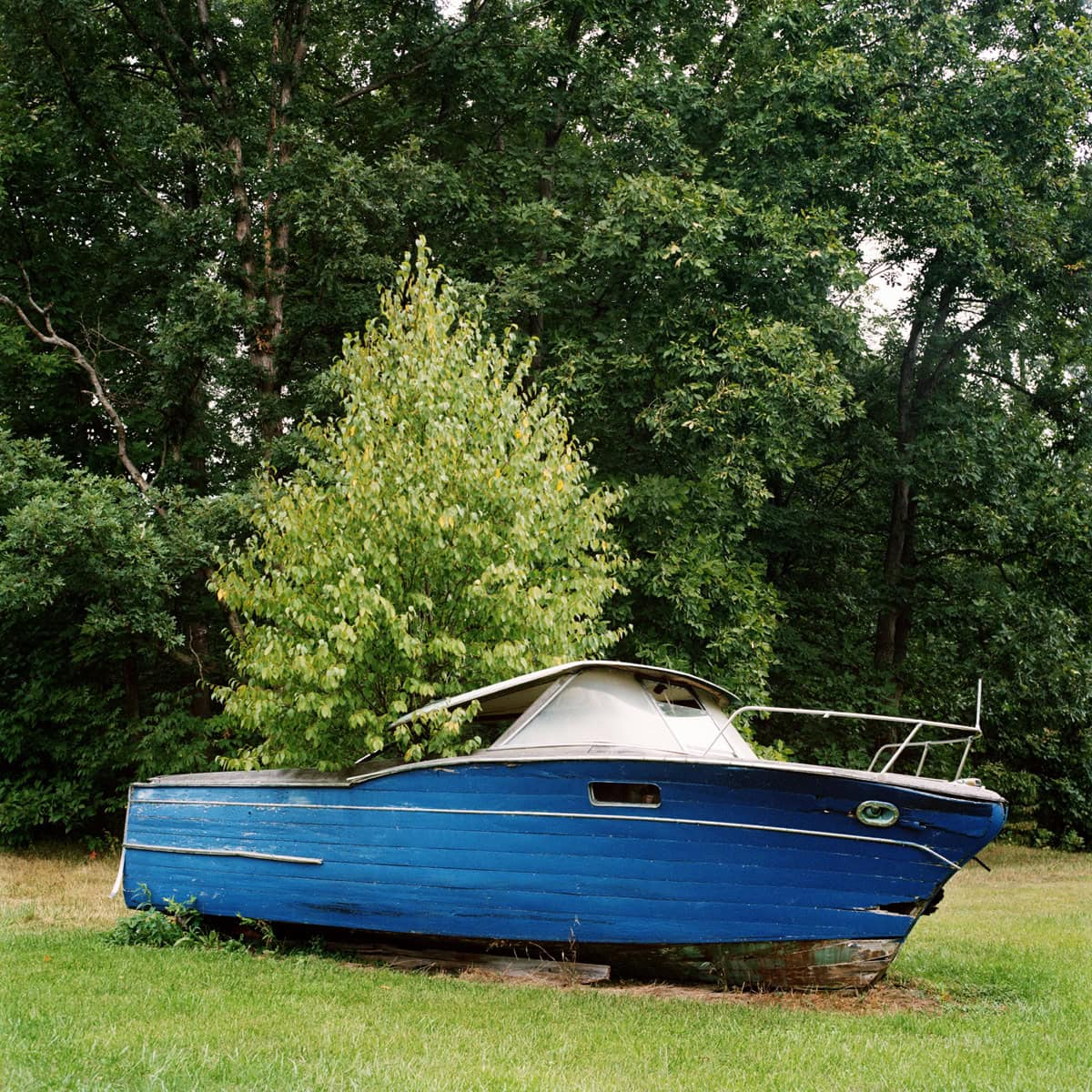
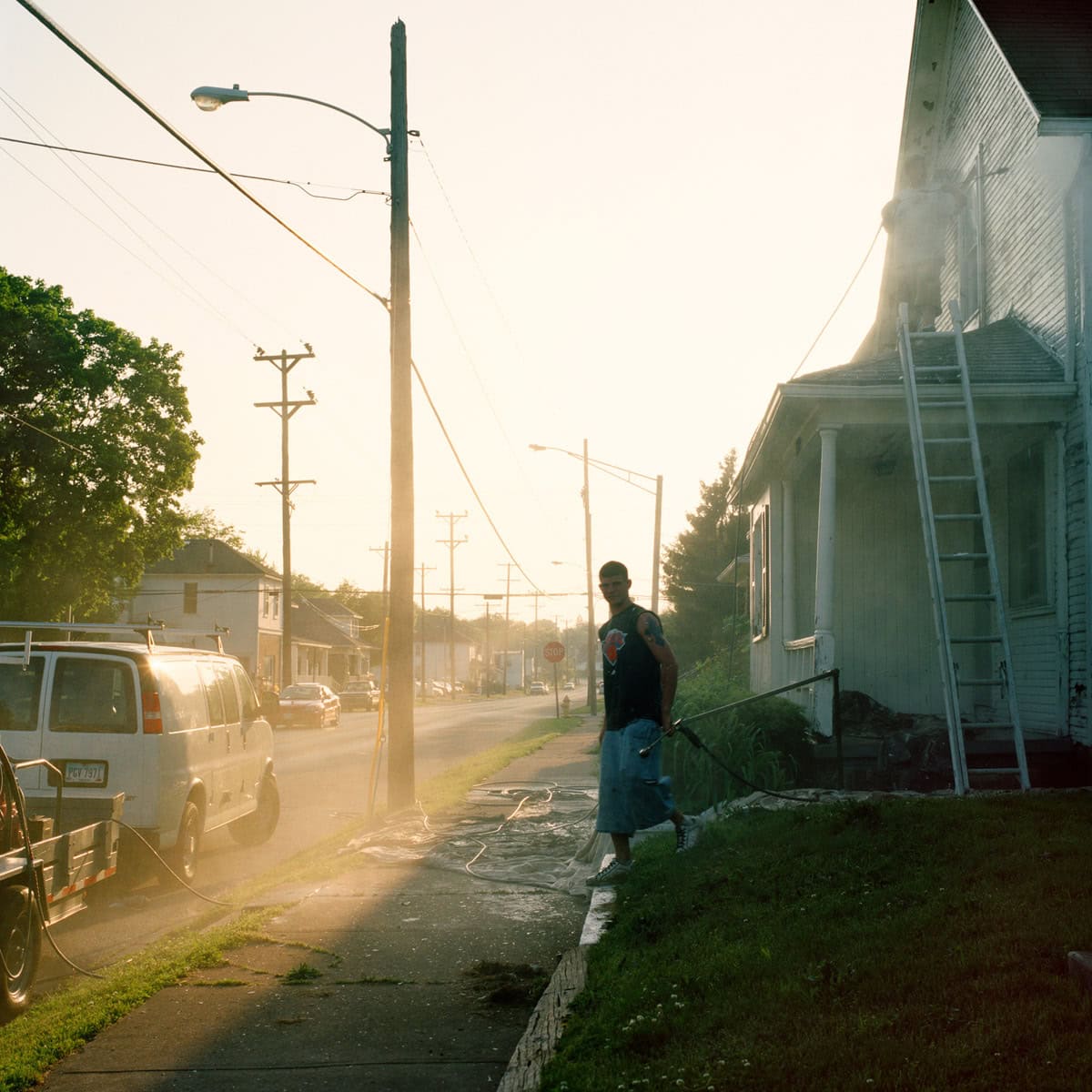
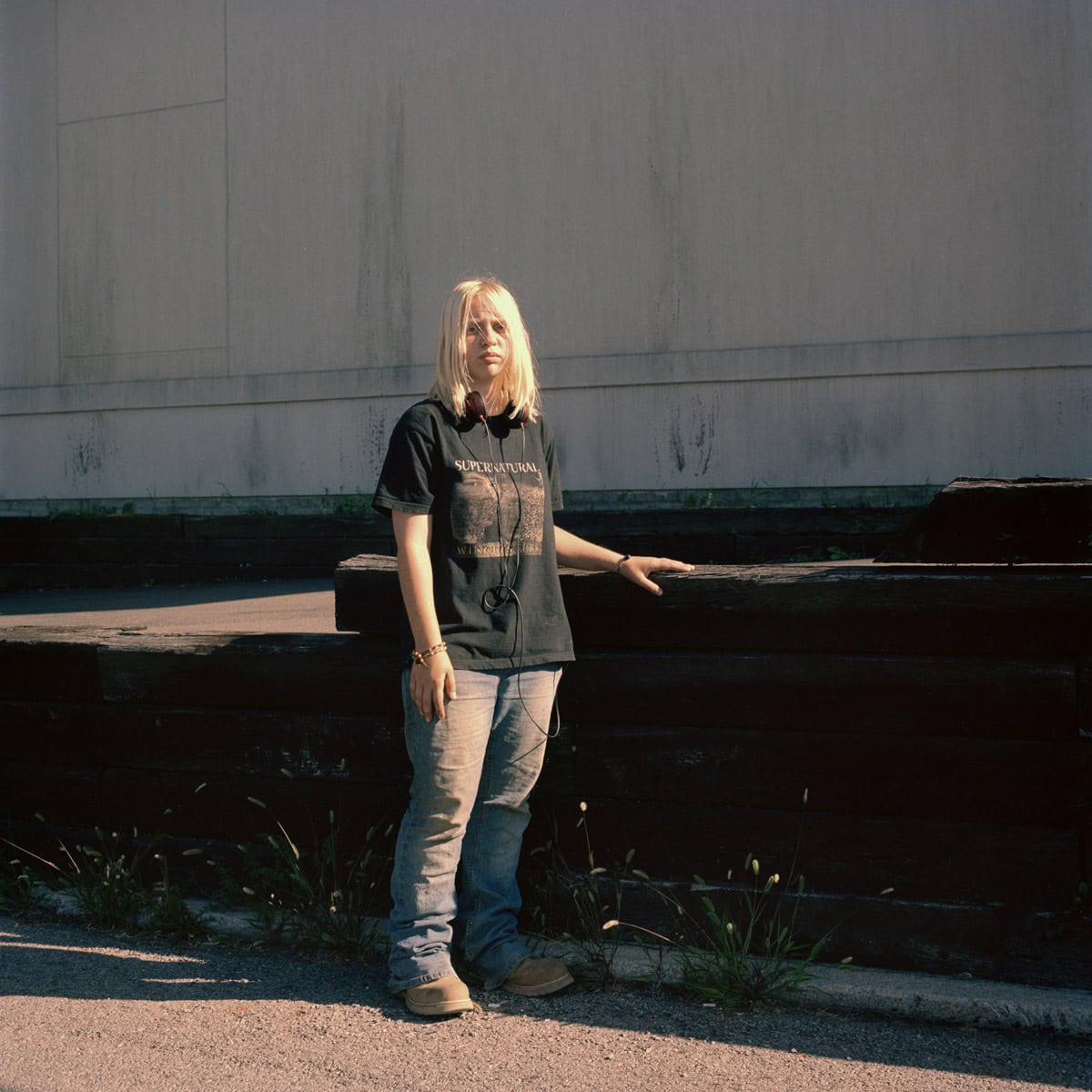
His work is based on documentary traditions while actively questioning this genre’s methods and histories to formulate new forms of visual storytelling. He works across photographic approaches from landscape and portraiture to architecture and still life, bringing these disparate modes together through careful sequencing that build layered narratives.
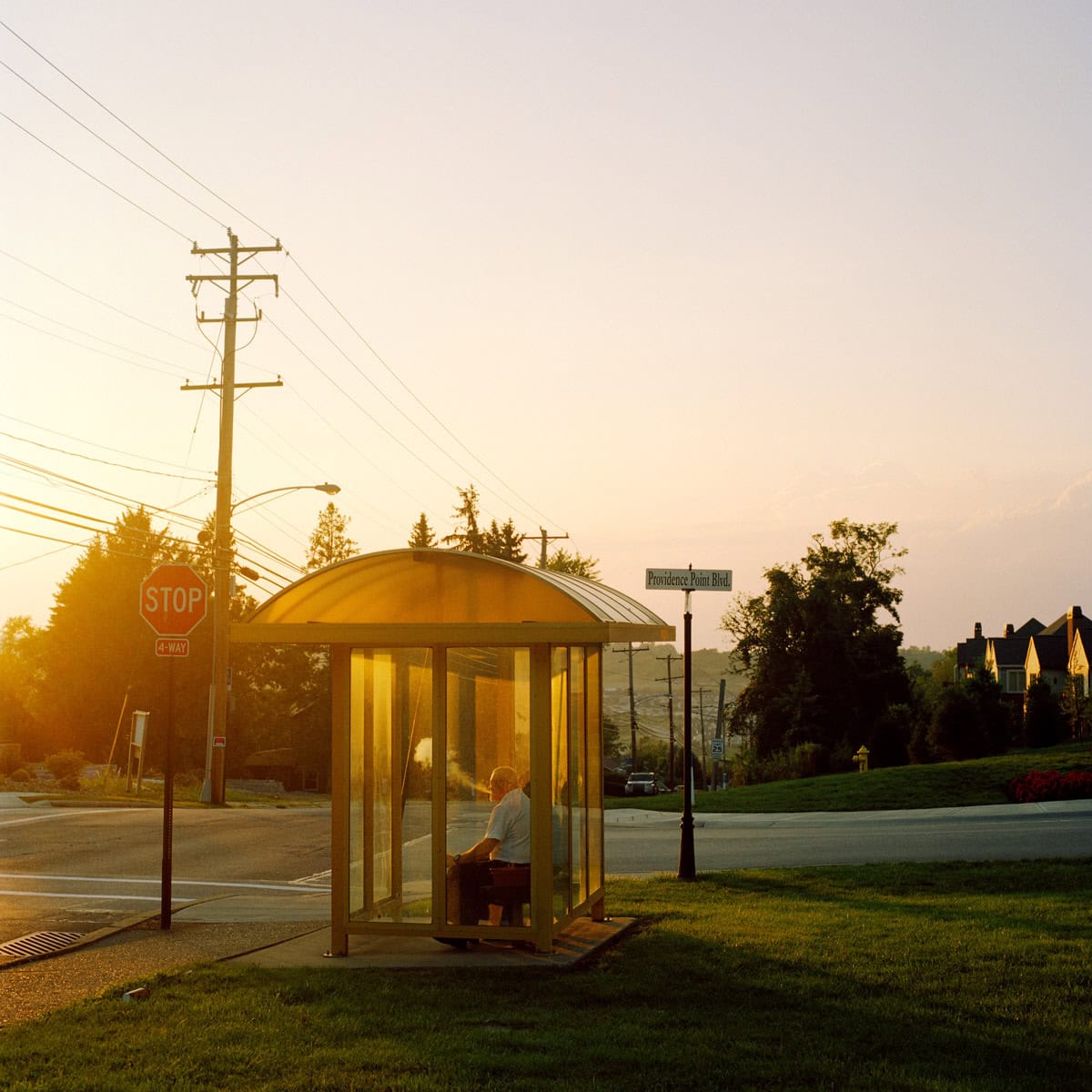
He often photographs throughout Appalachia, the Northeast, and the Rust Belt. Inspired by the writing of Wendell Berry, Ross prefers to work amidst the landscape he knows and understands best in order to create images that speak to the broader nature of humanity.
Ross has been commissioned by Herman Miller, Google-Design, Monocle, Dwell, Metropolis, The FADER, TIME, WSJ., The New York Times, WIRED, Rolling Stone, American Express, Air Canada, MASS MoCA, Whole Foods Market, and the Brooklyn Botanic Garden amongst others.
Ross’ prints and books are in the collections of the Antenna Reading Room, Franklin Furnace Artists’ Books Collection, Herman Miller Inc., Museum of Fine Arts Houston, The MFAH Hirsch Library, The Houston Center for Photography’s John Cleary Library. In 2013, Ross received the Keystone Award from the Silver Eye Center for Photography in Pittsburgh, PA and in 2012, he was selected for Young Guns X by the Art Directors Club in New York City.
About ‘Can You Spare an Umbrella?‘ – words by Ross Mantle:
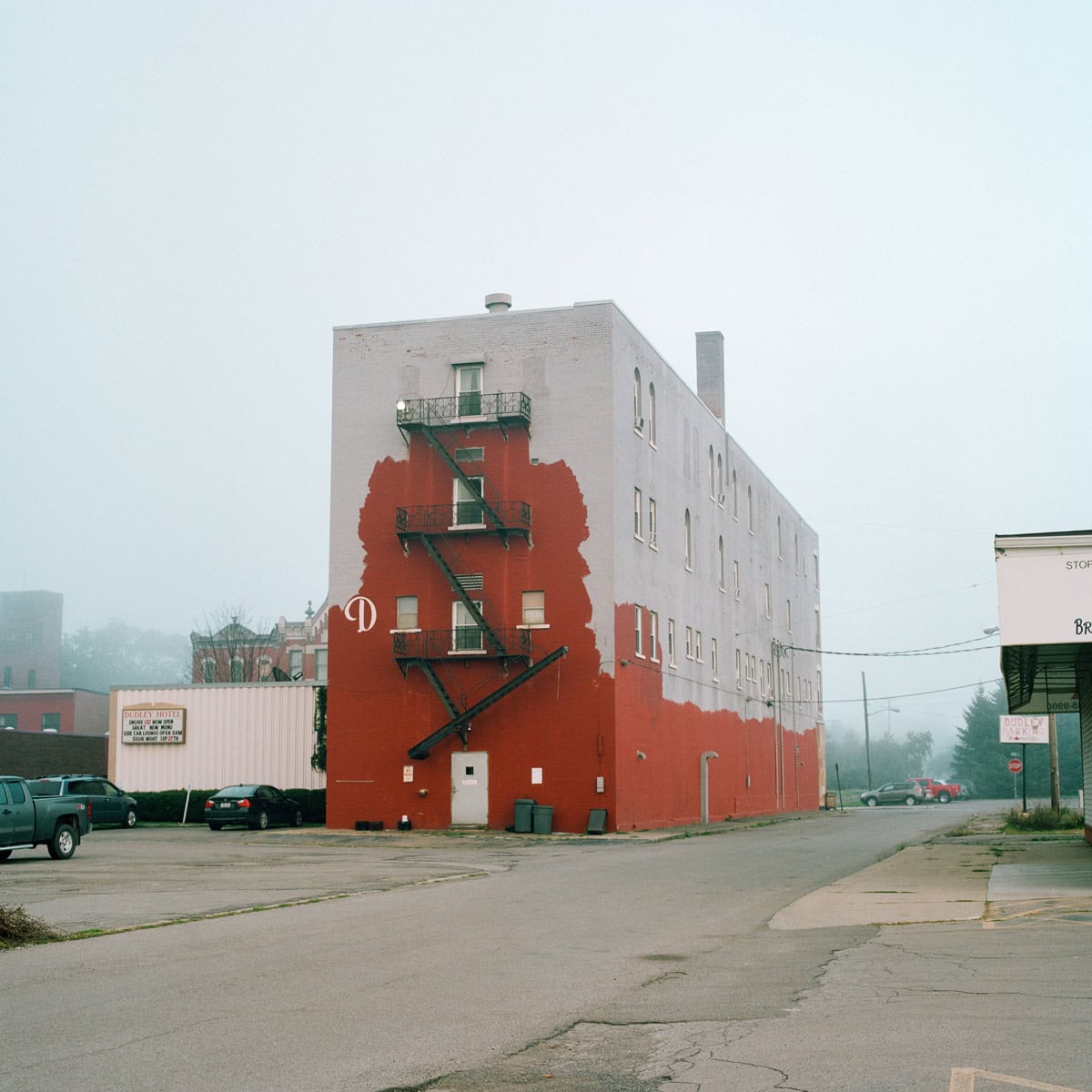
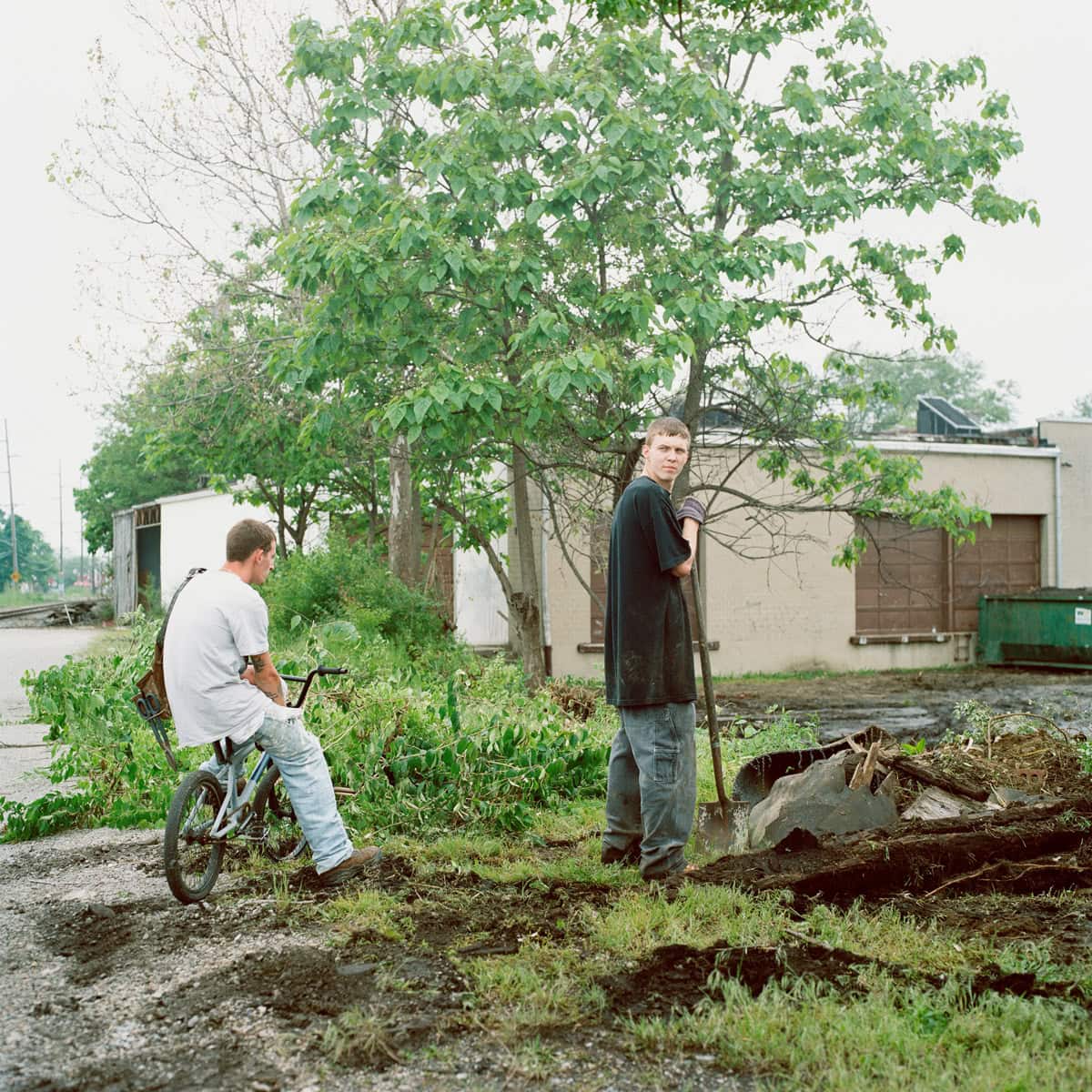
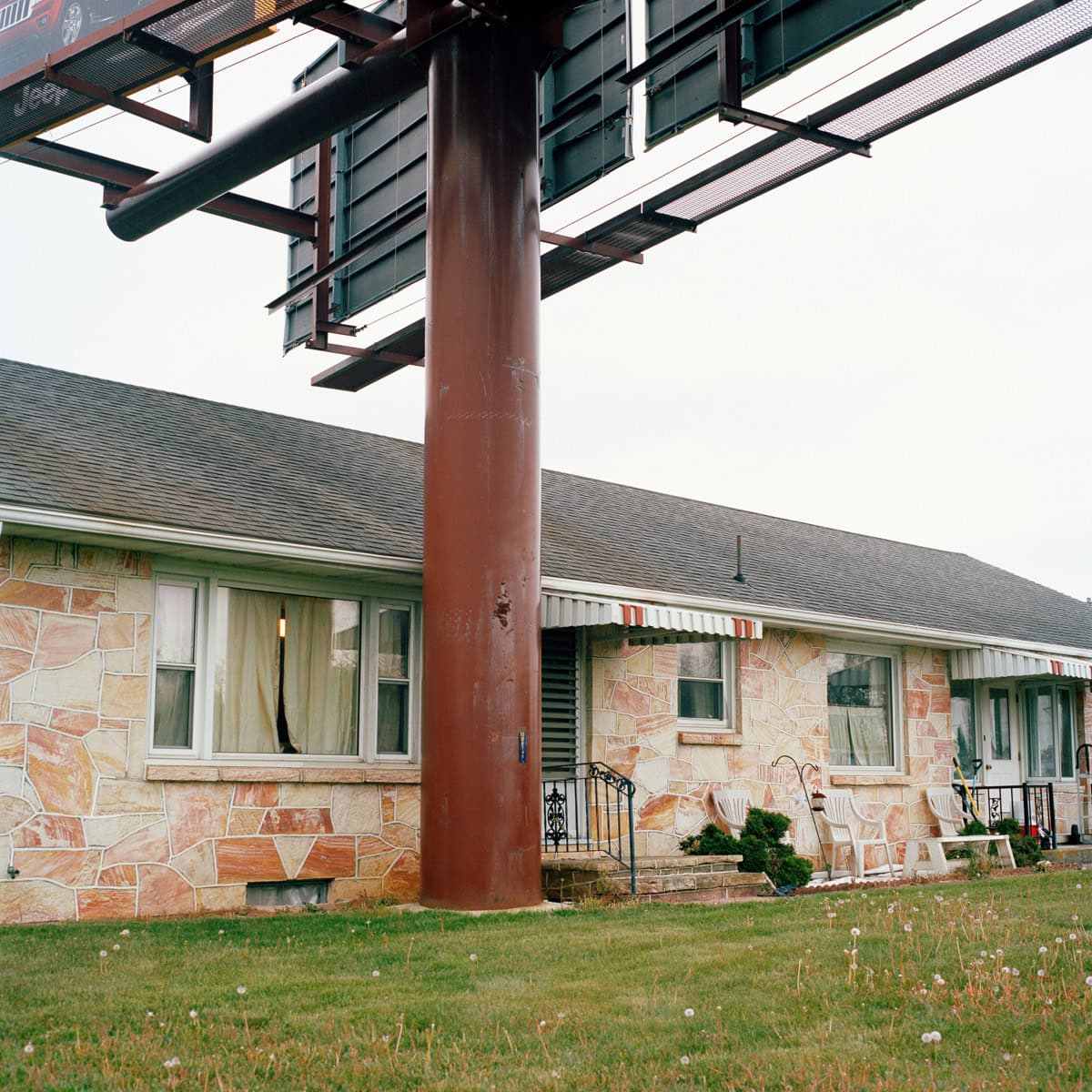
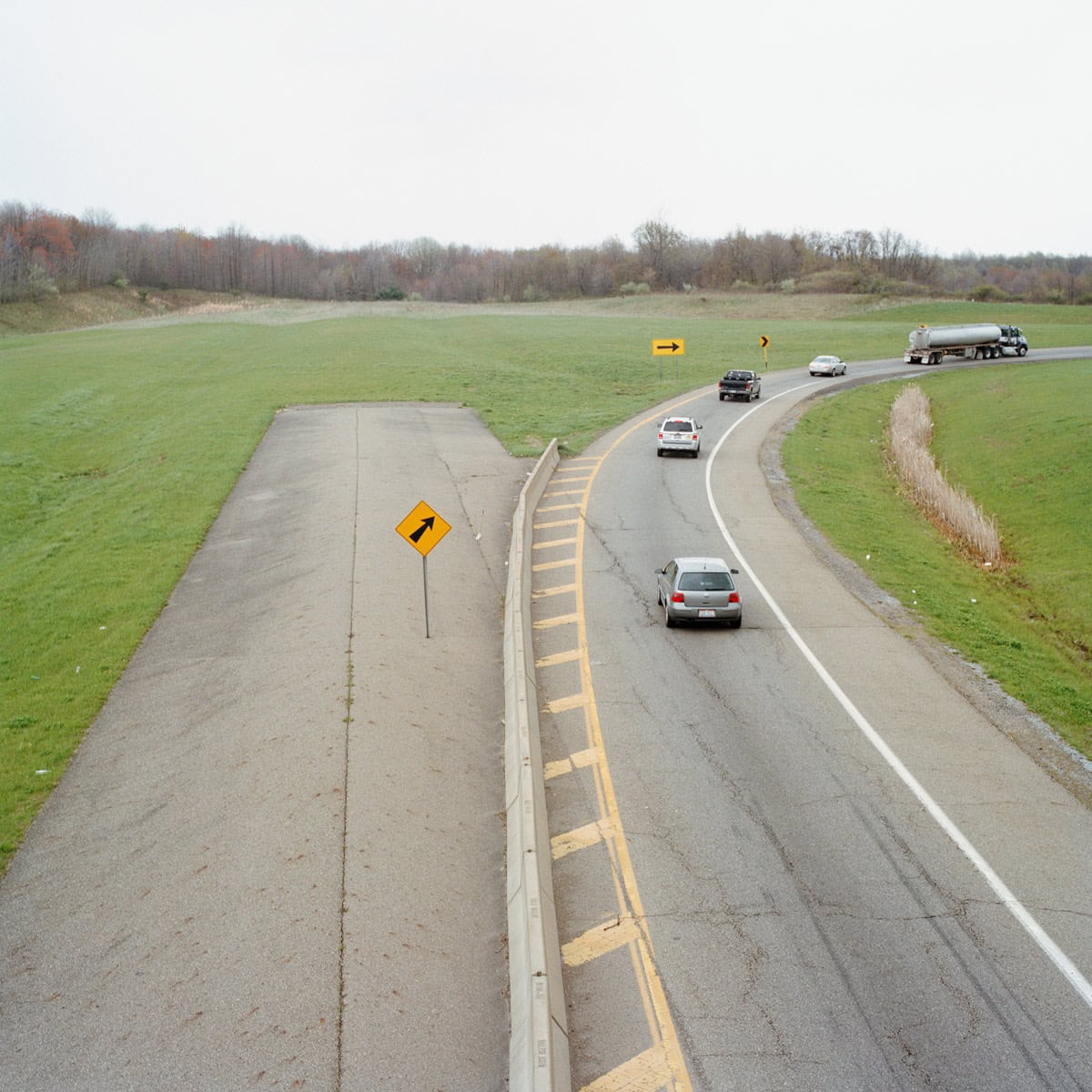
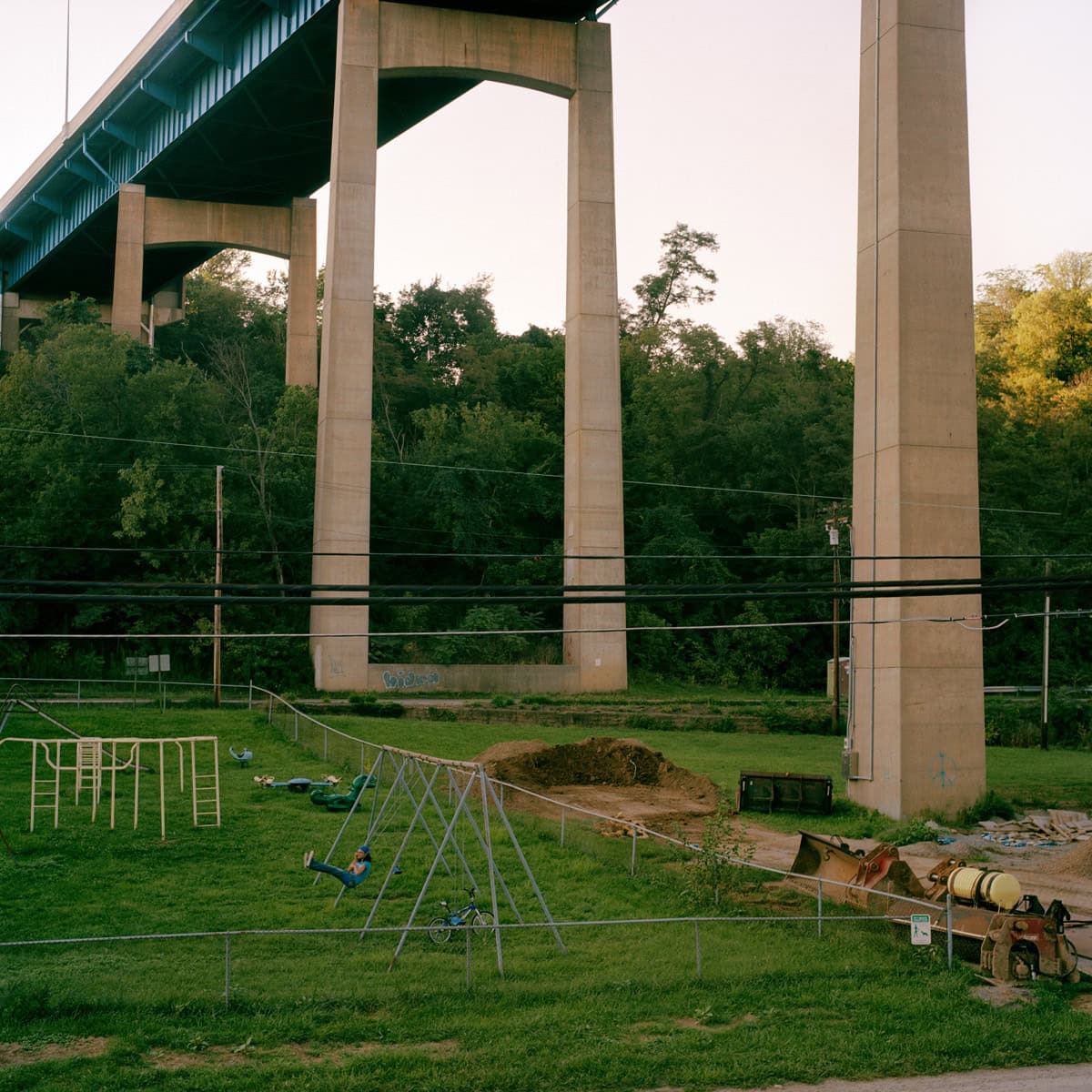
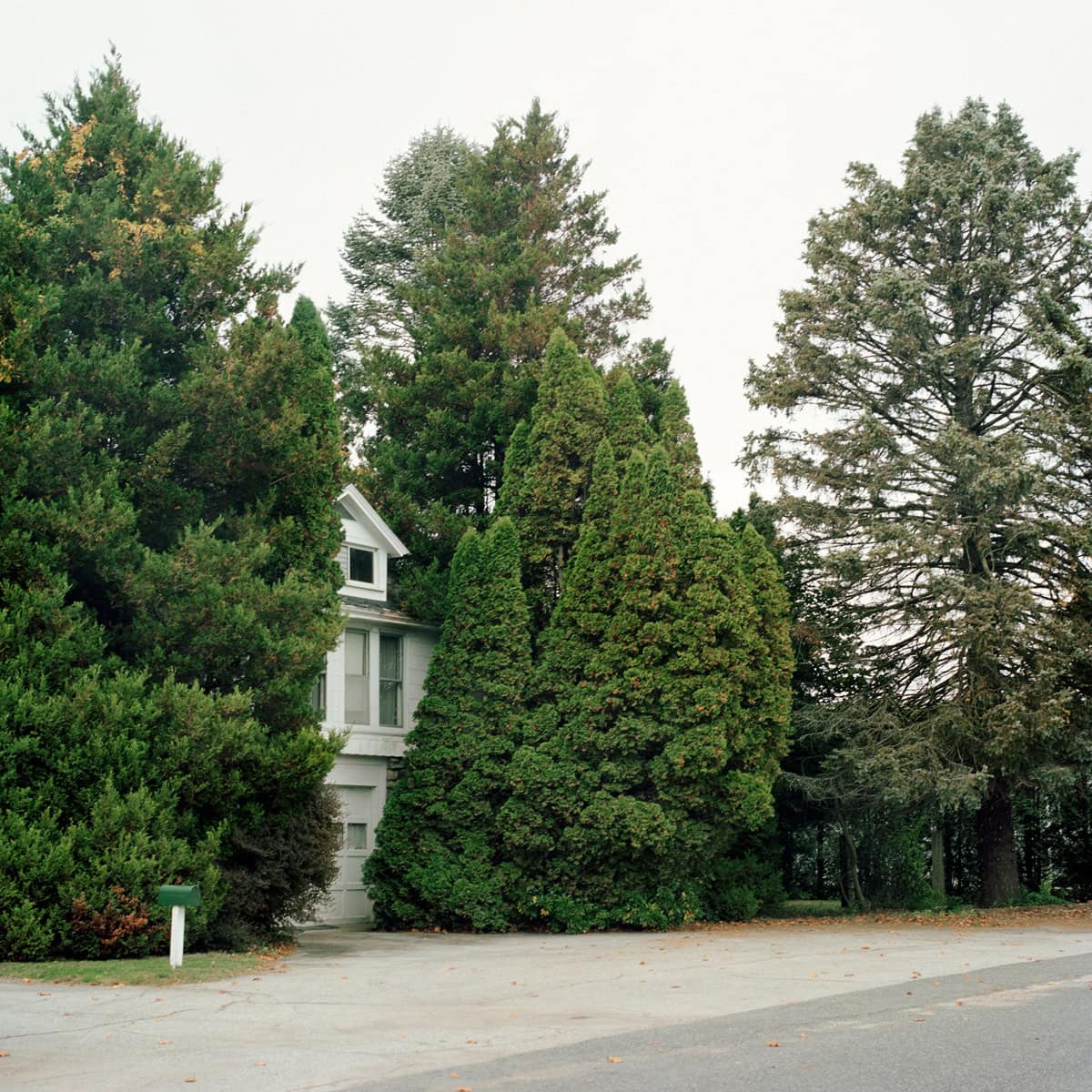
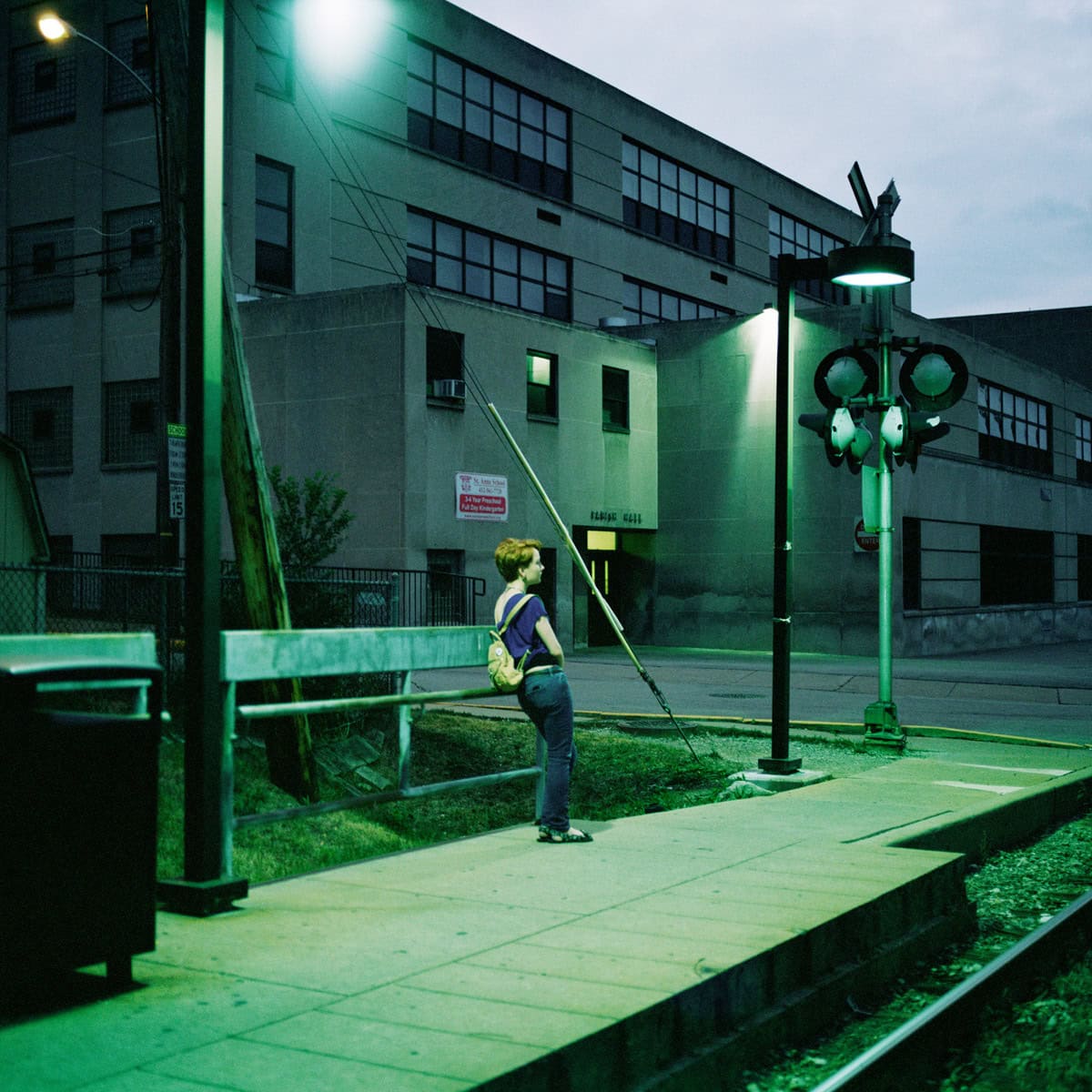
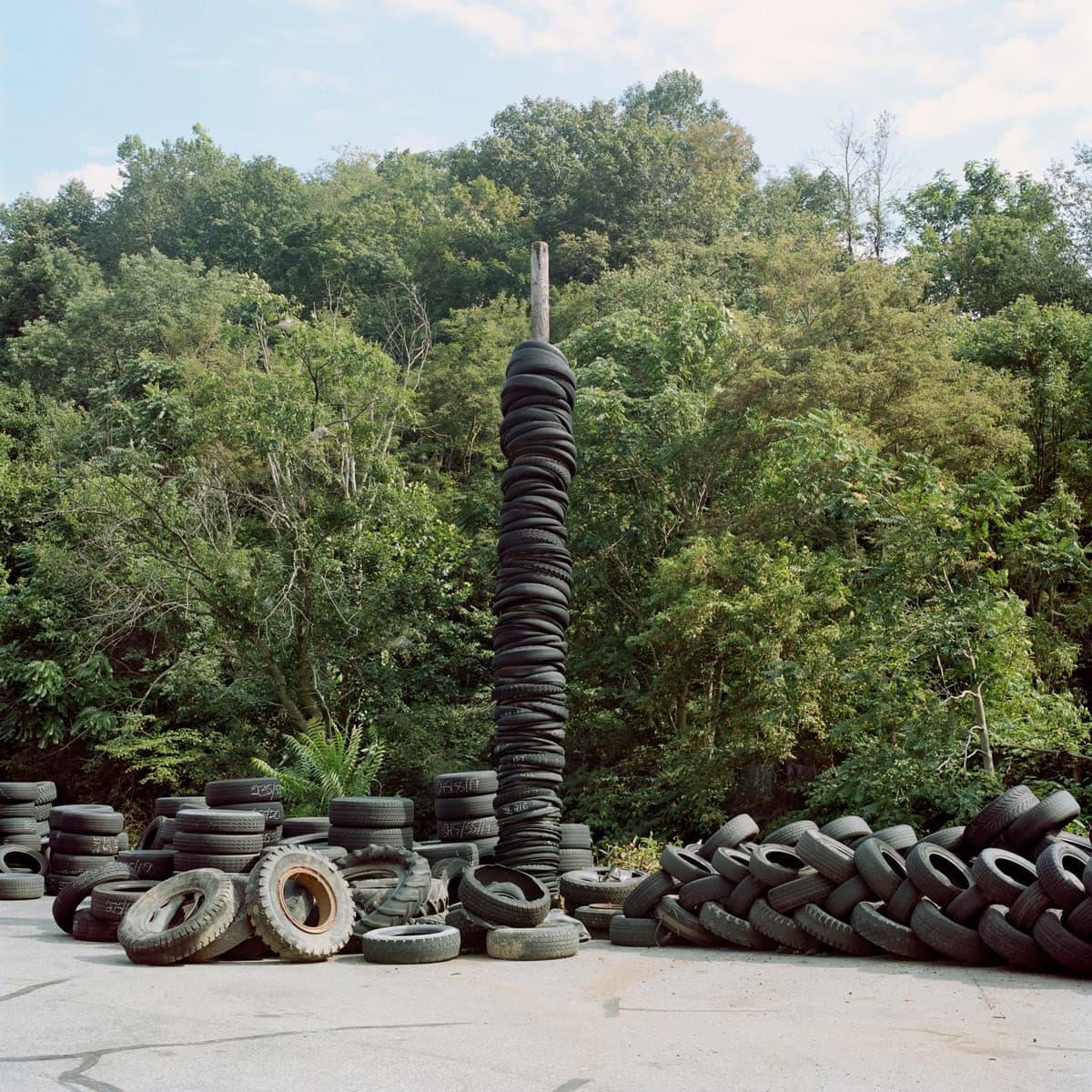
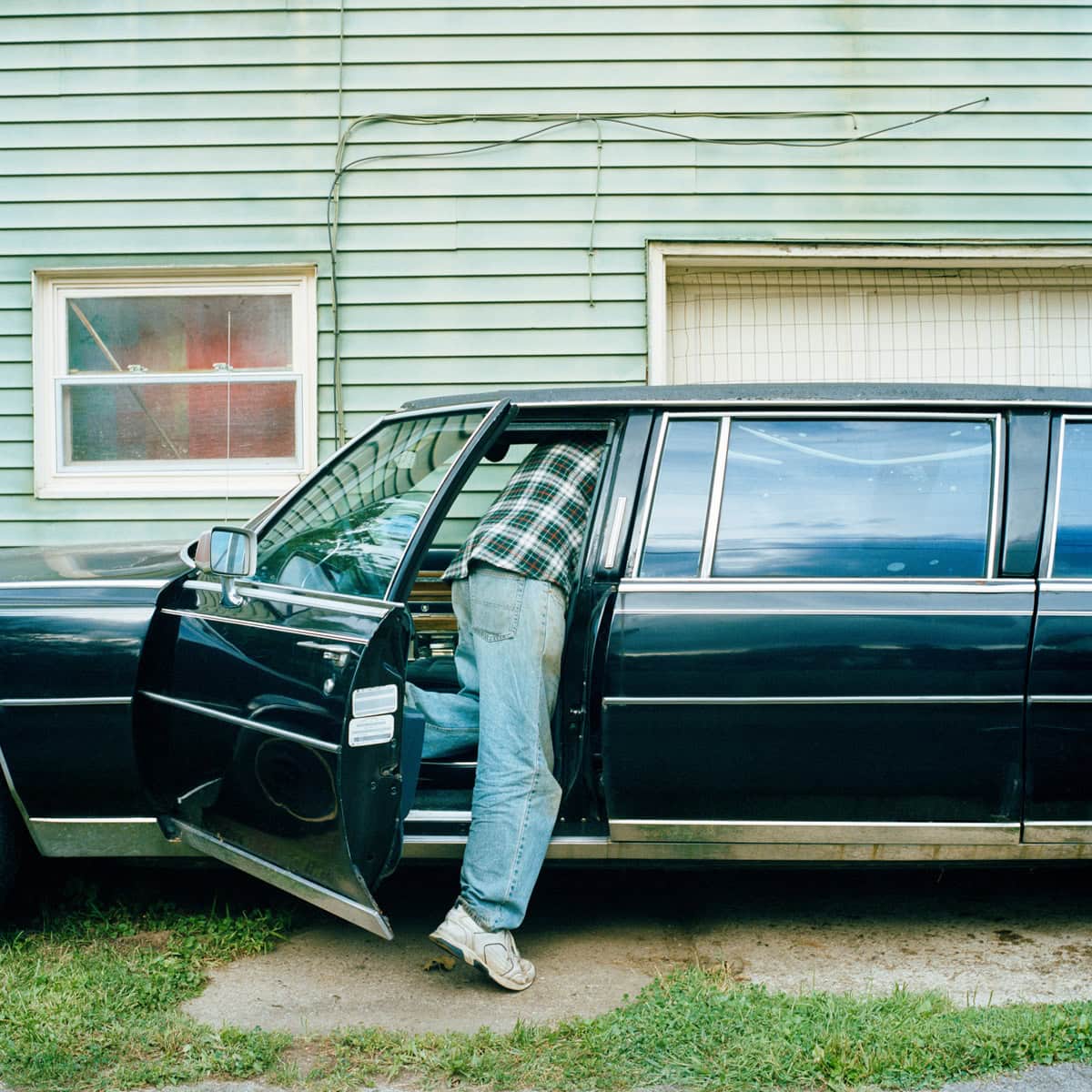
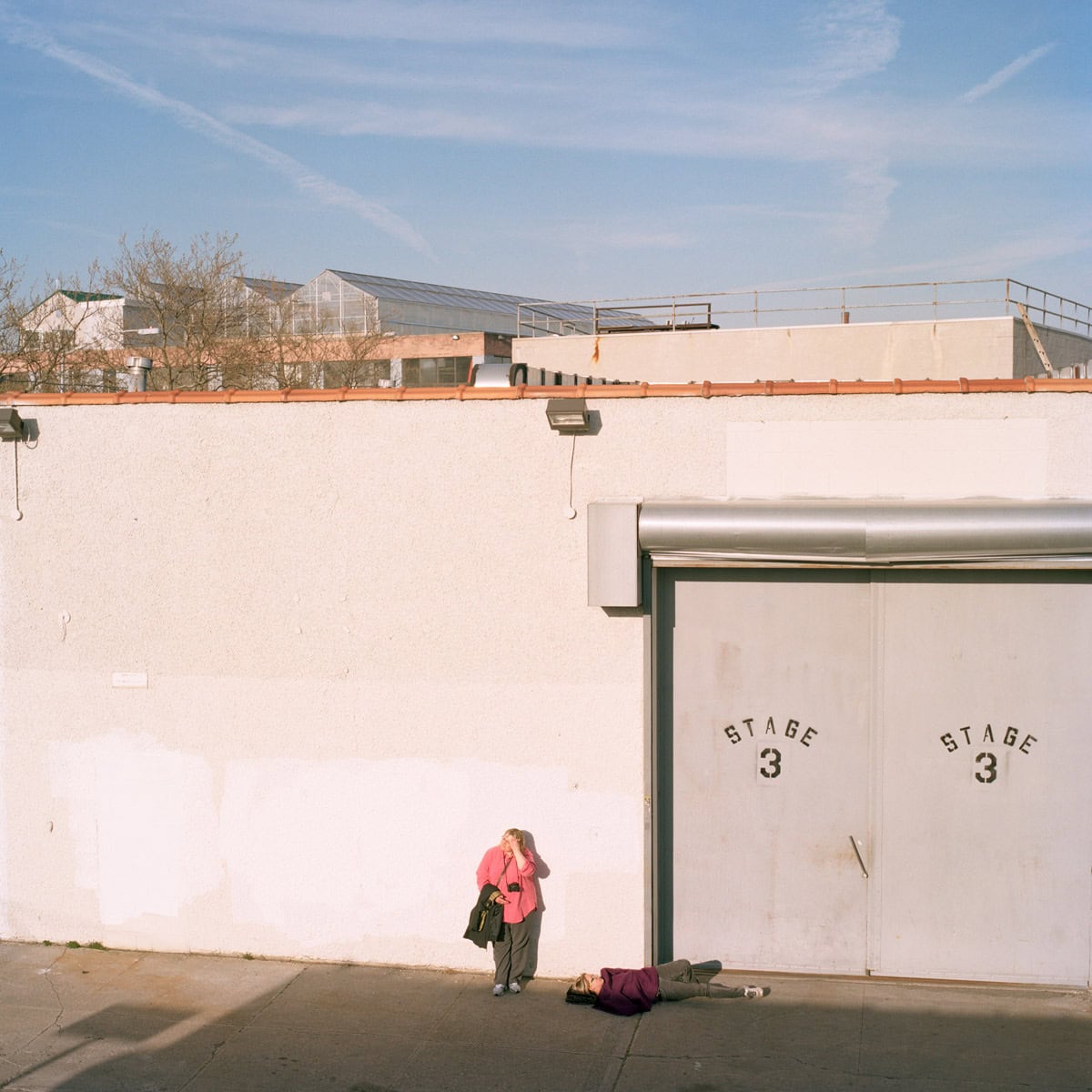
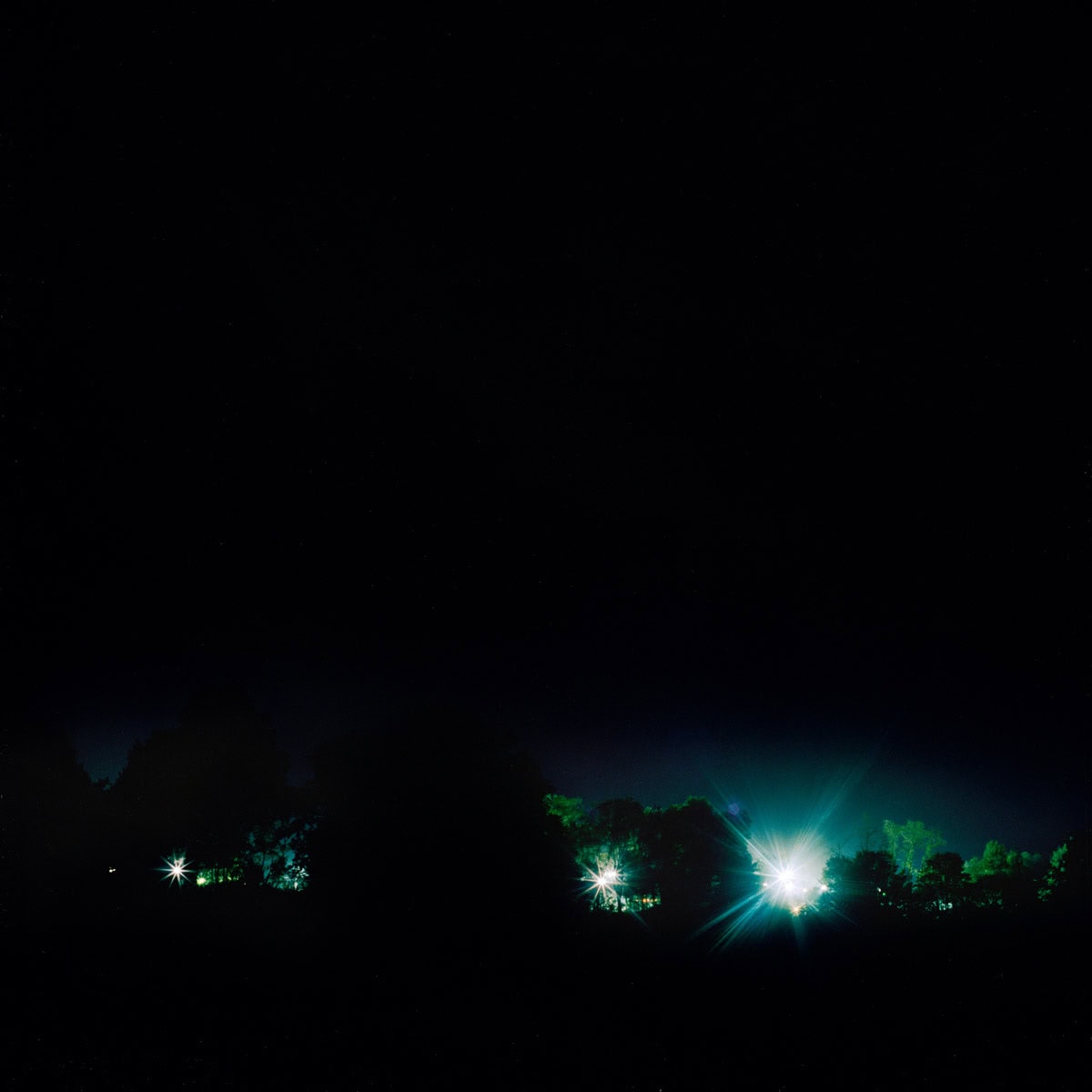
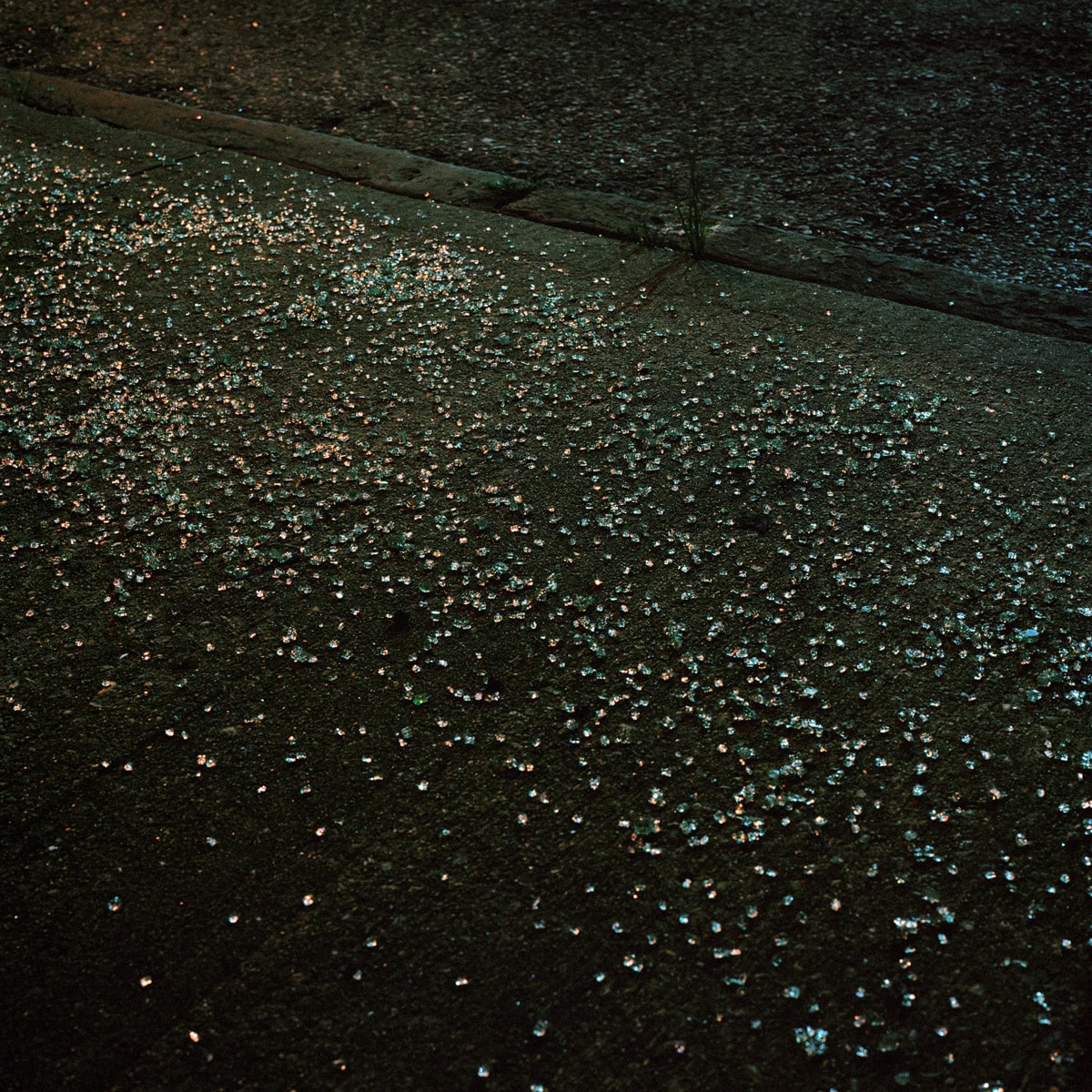
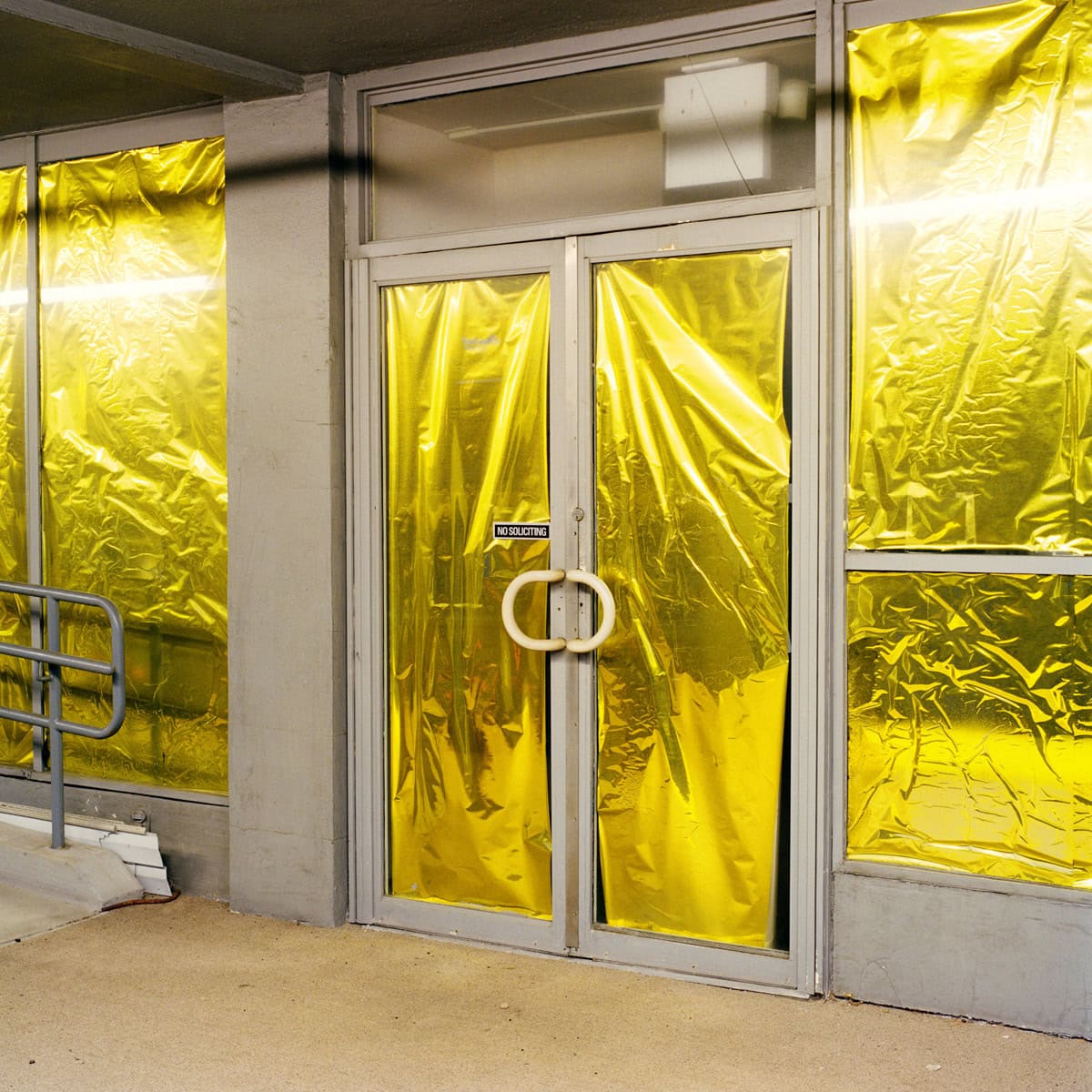
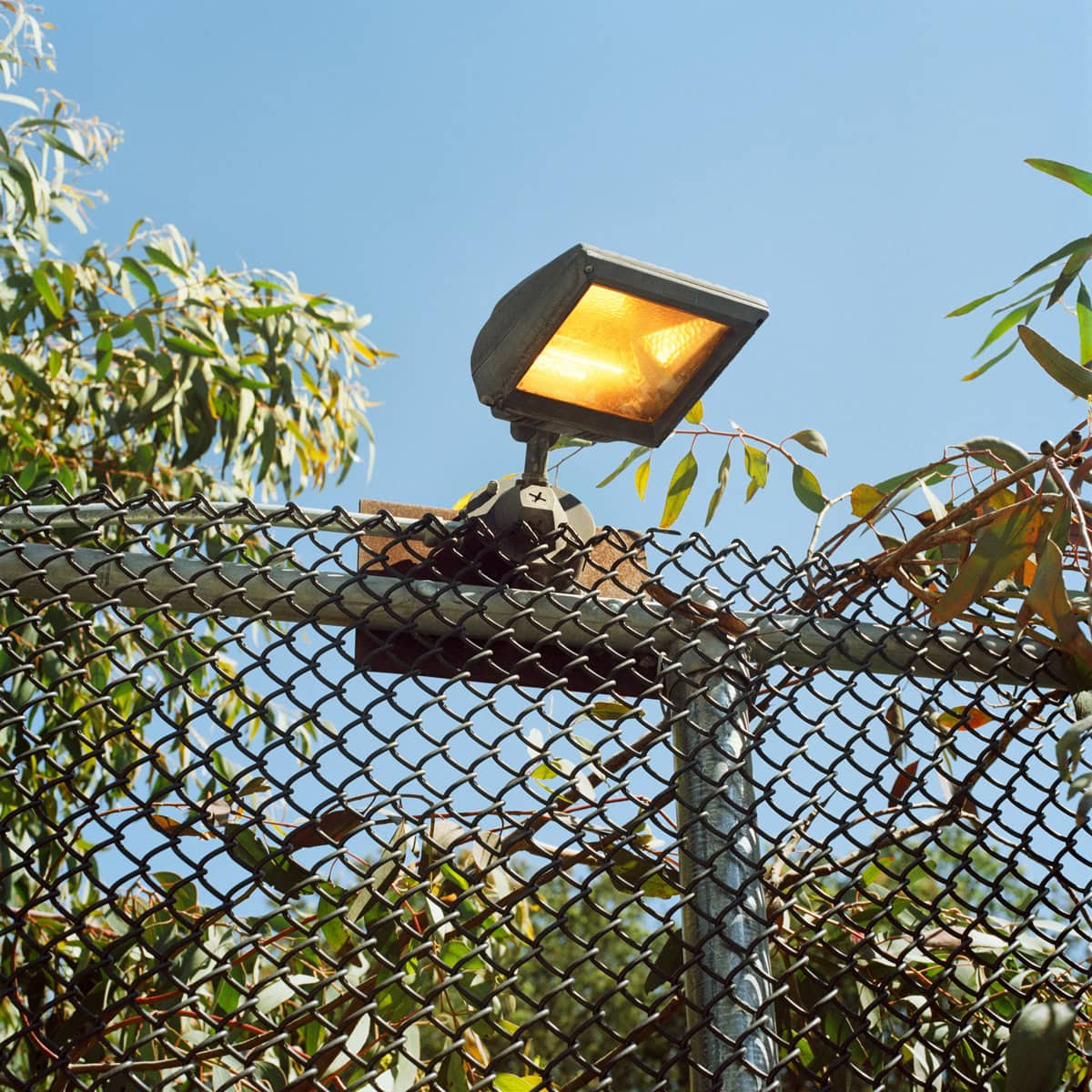
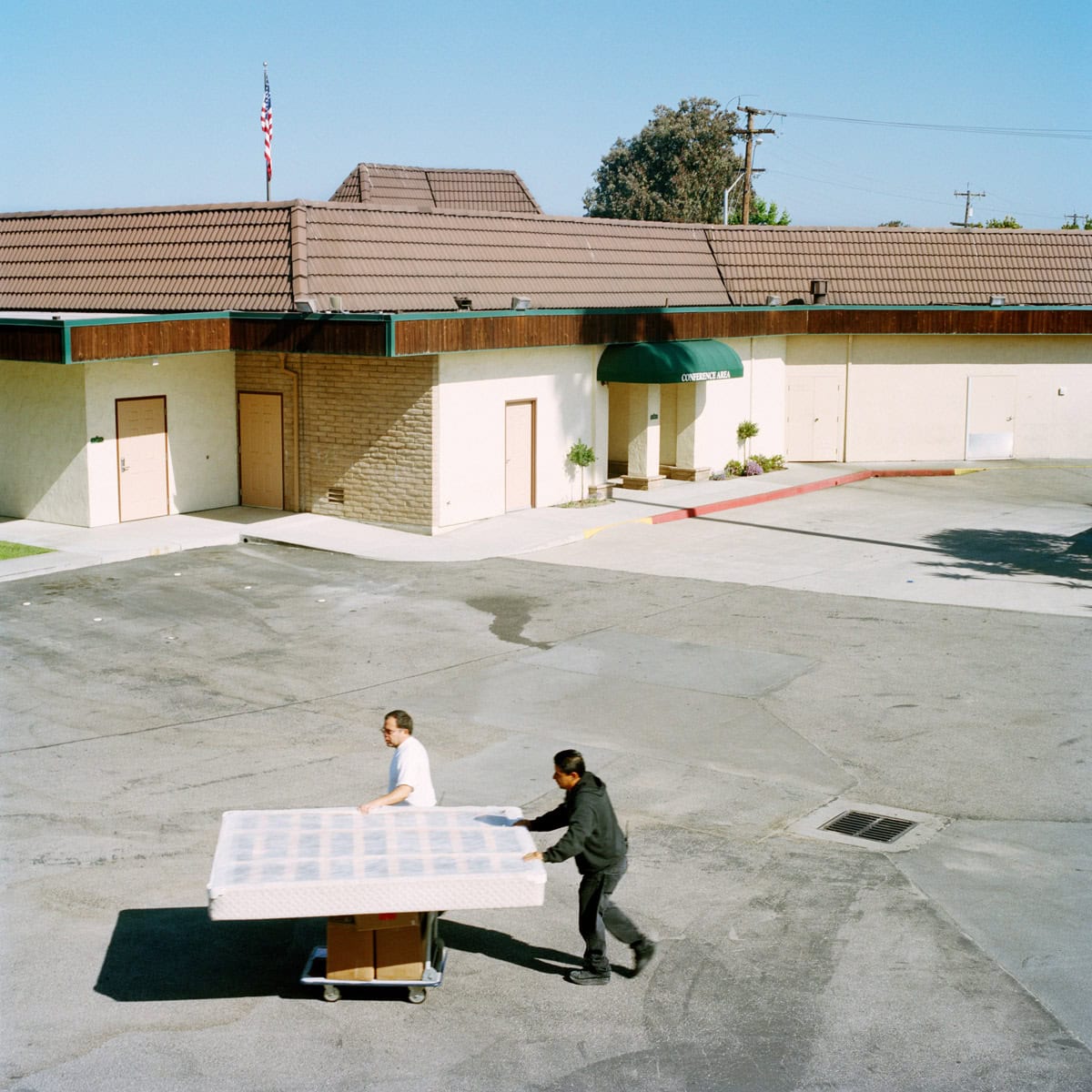
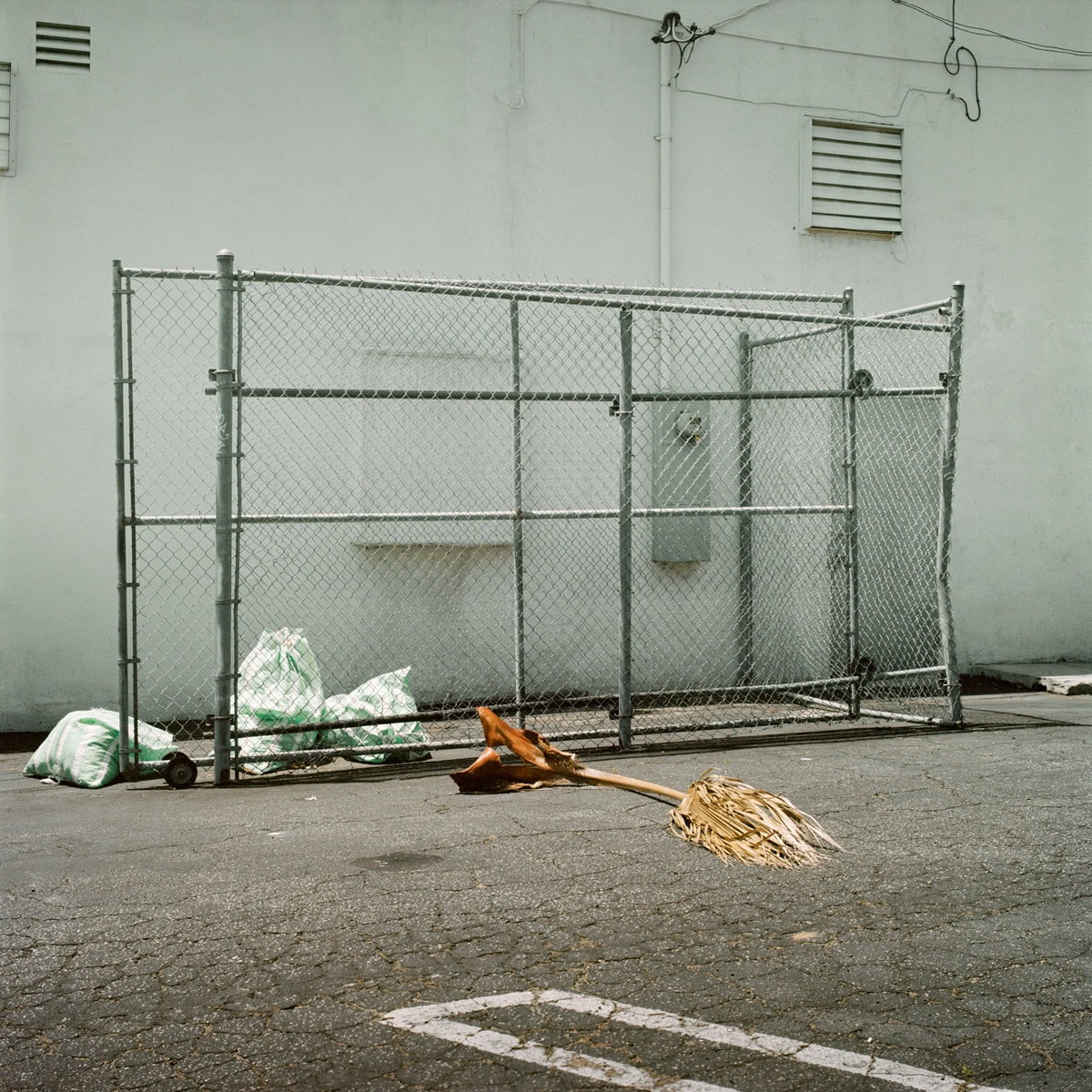
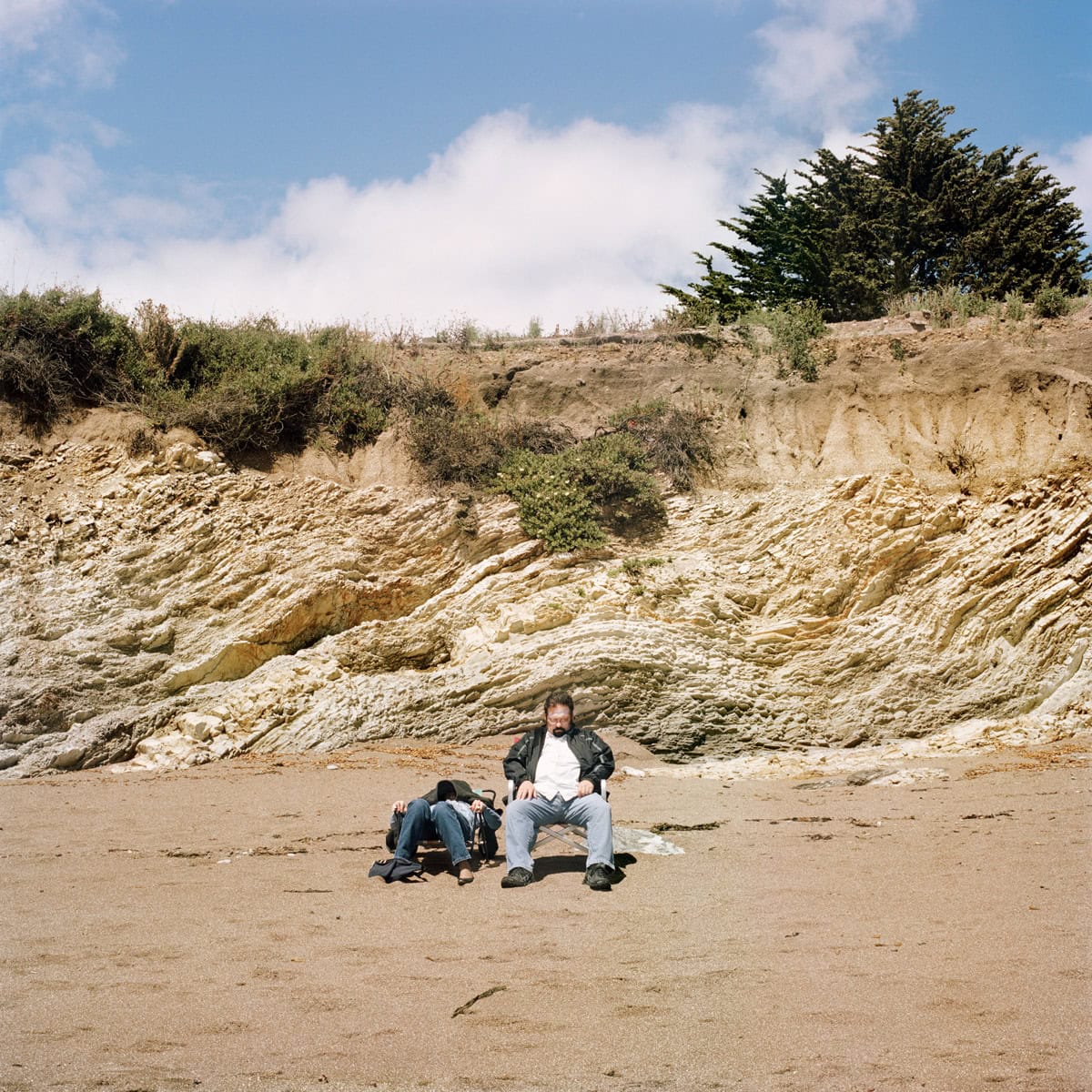
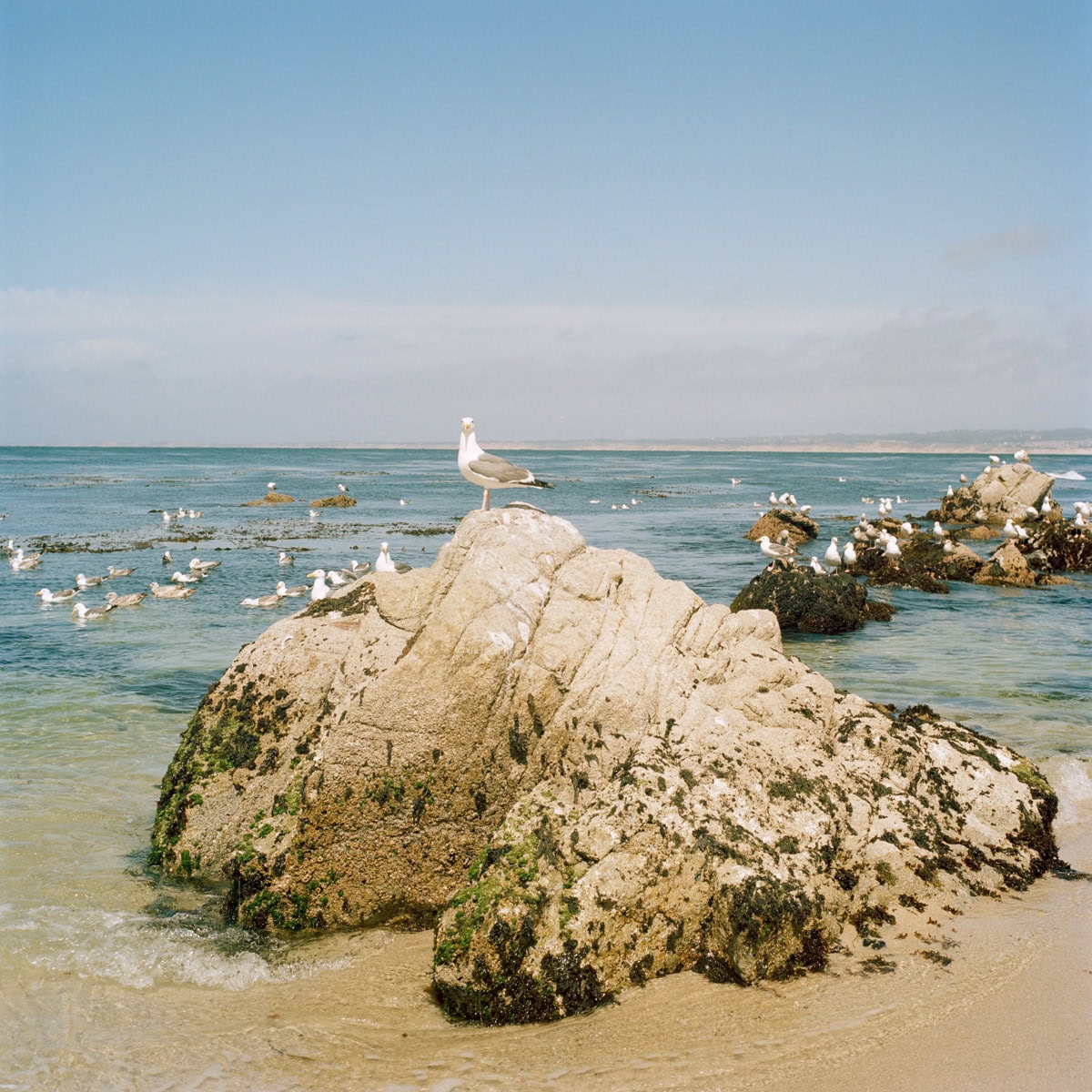
“Can you spare an Umbrella?” is a trip that reaches no destination. The work navigates fragile spaces of restlessness, desire and disenchantment, questioning our fascination with the American road trip tradition and its daydream visions of California.
The project has been inspired by the story of a small town in Southwestern Pennsylvania, founded by a group of travellers headed west to join the Gold Rush of 1849. Along a sharp curve in the Monongahela River, the fortune seekers abandoned their ambitions, choosing instead to create a settlement named California, which they named in honour of the destination they would never reach.
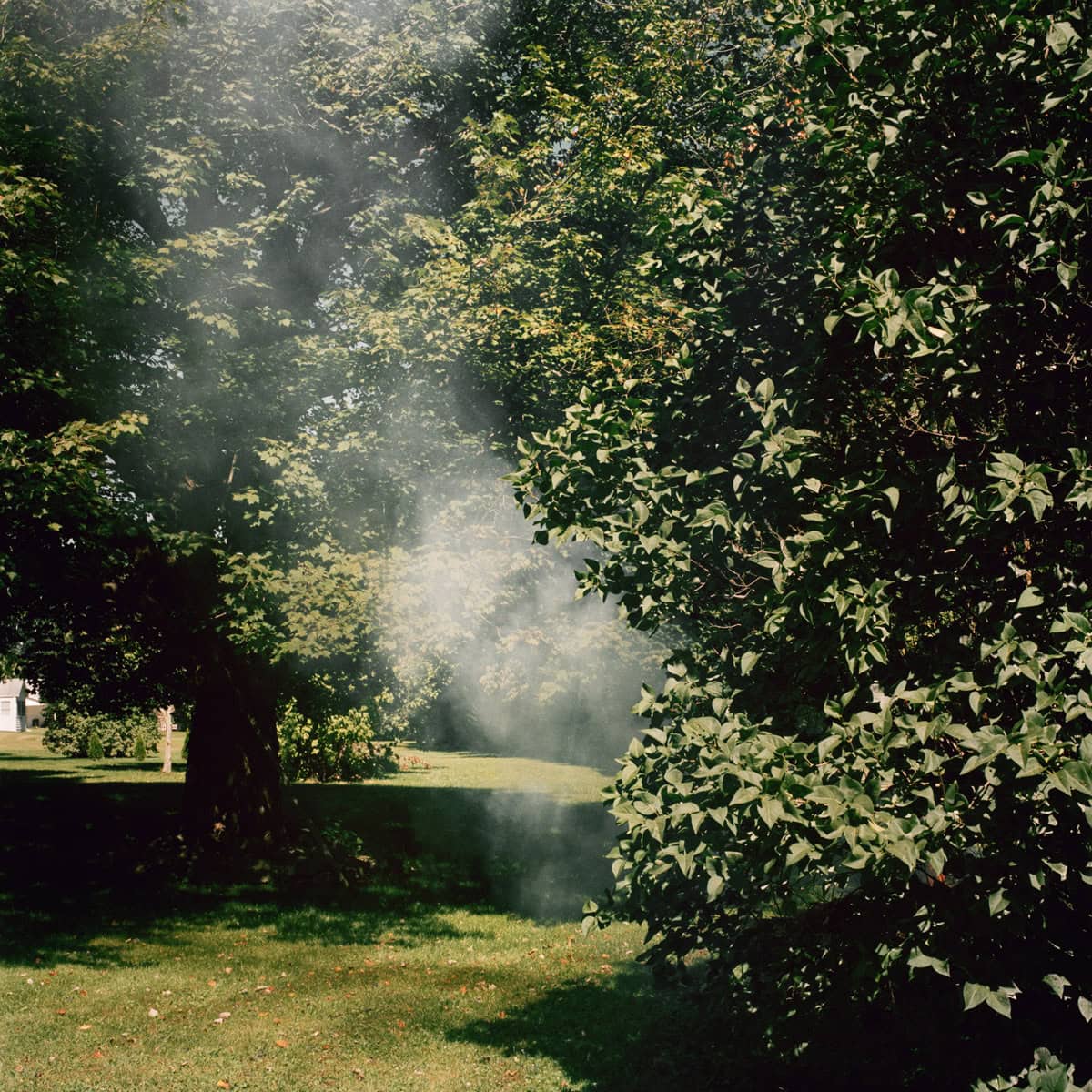
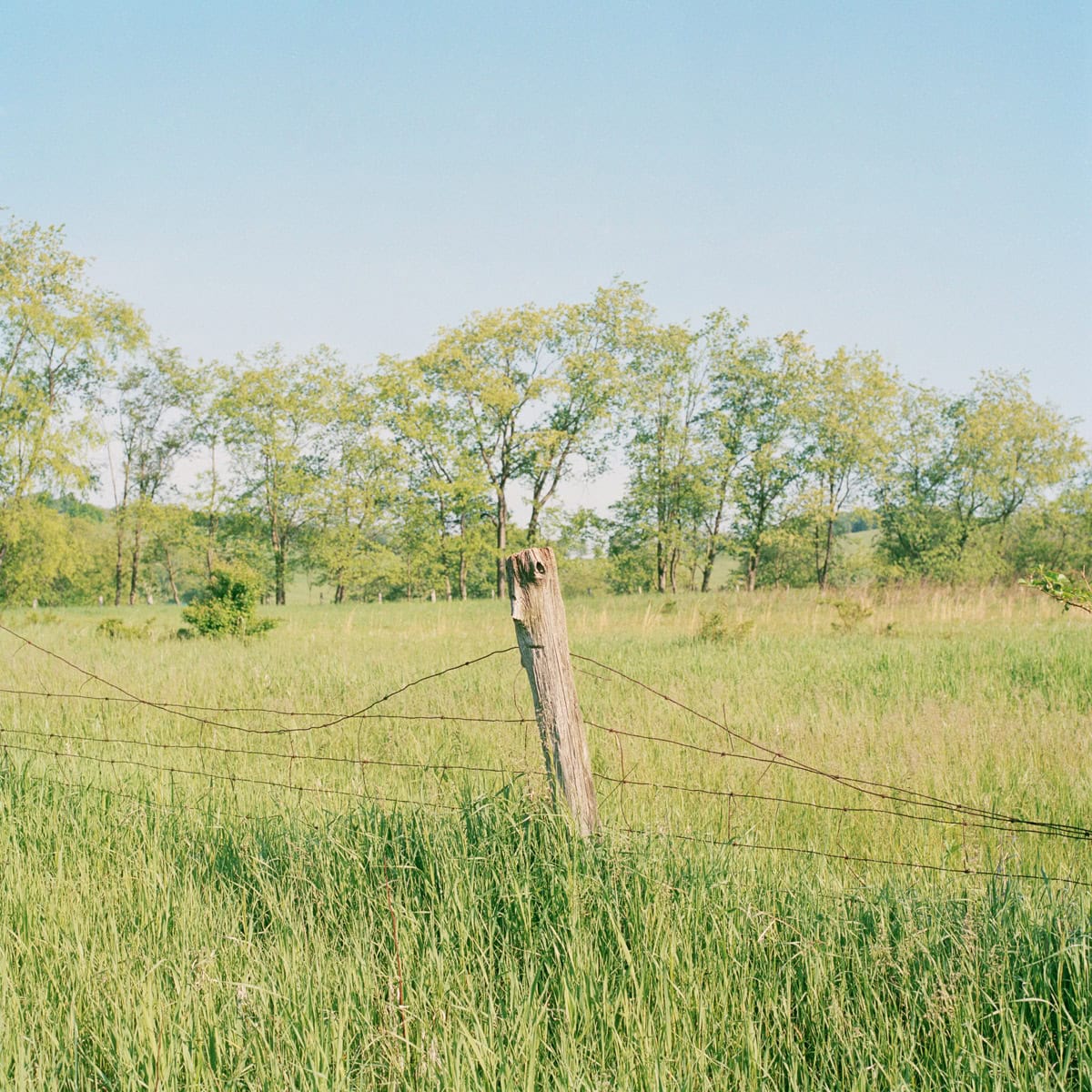
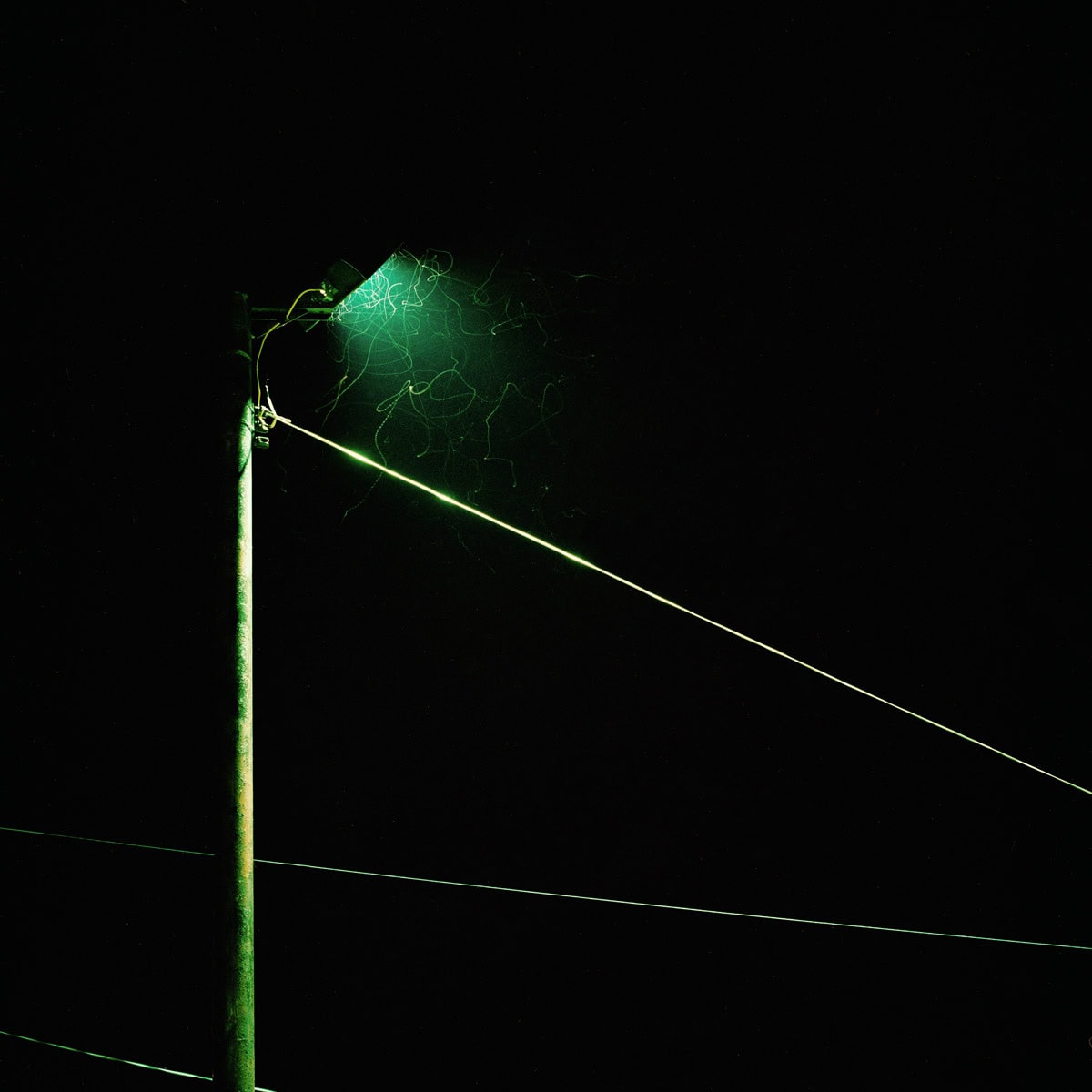
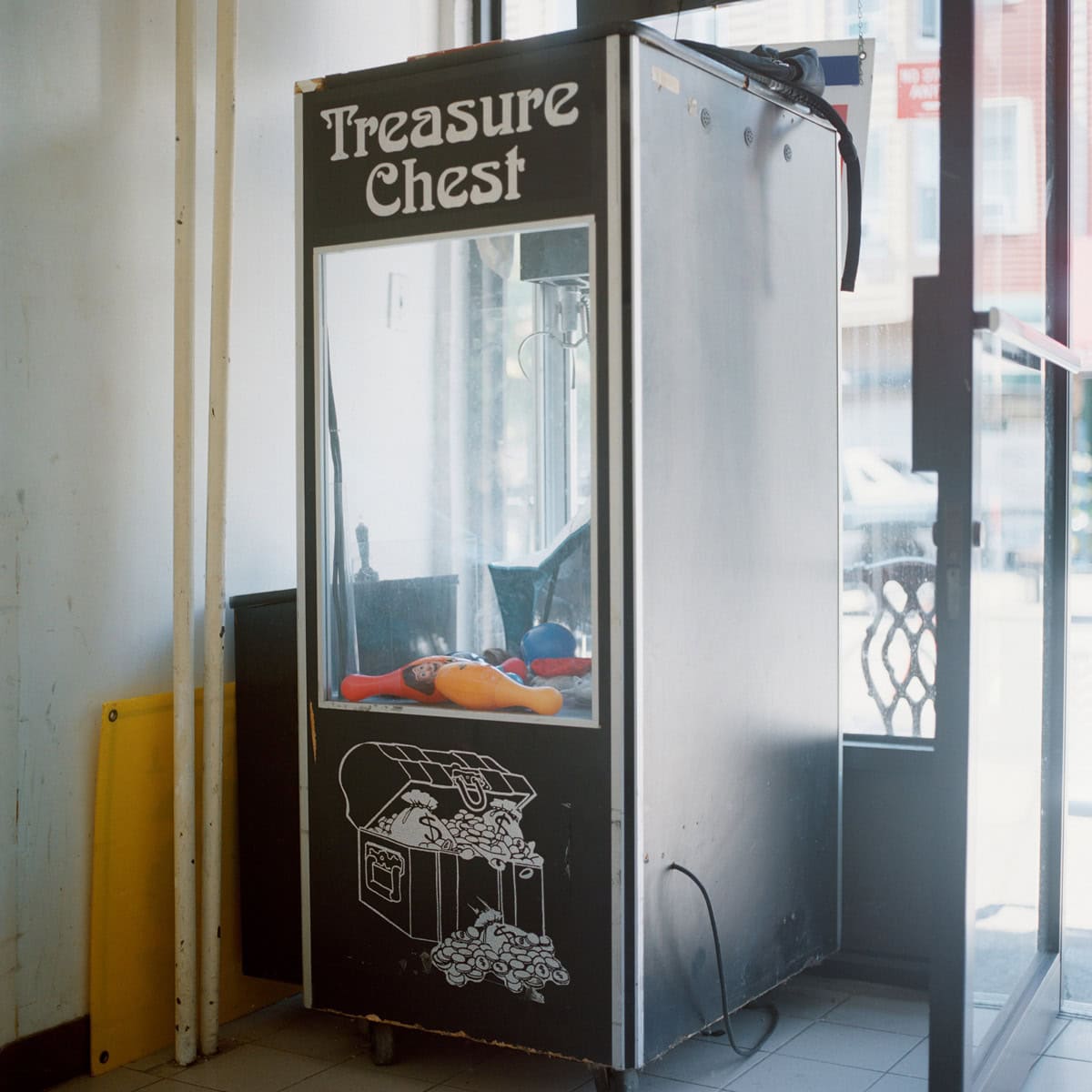
Inspired by the structure of short story cycles, the project’s edit and pacing takes the viewer along a circular journey. Repeating themes, objects, shapes and landscapes are continually recontextualized, underscoring its cyclical narrative while reminding the viewer of the implicit promises of the California coast.
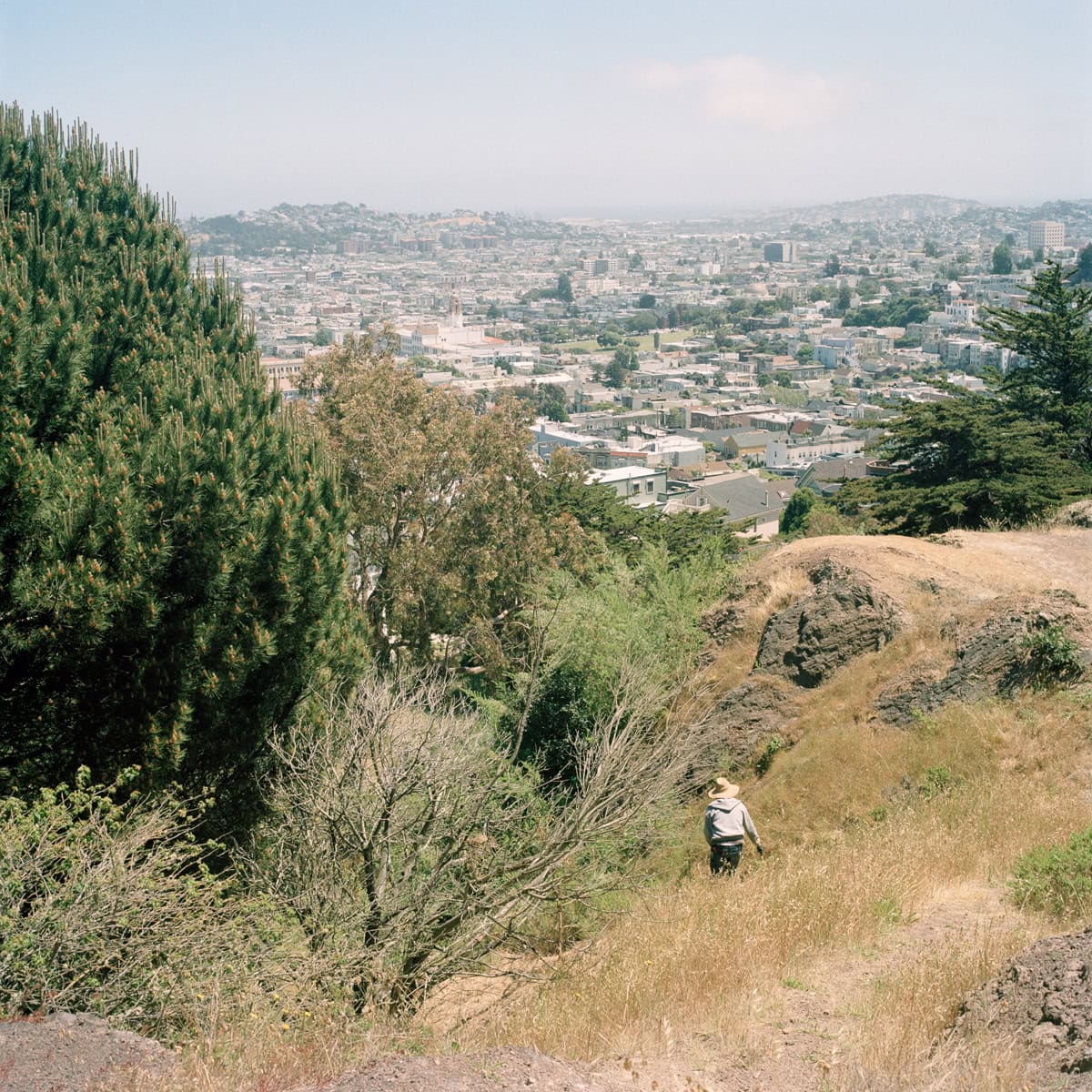
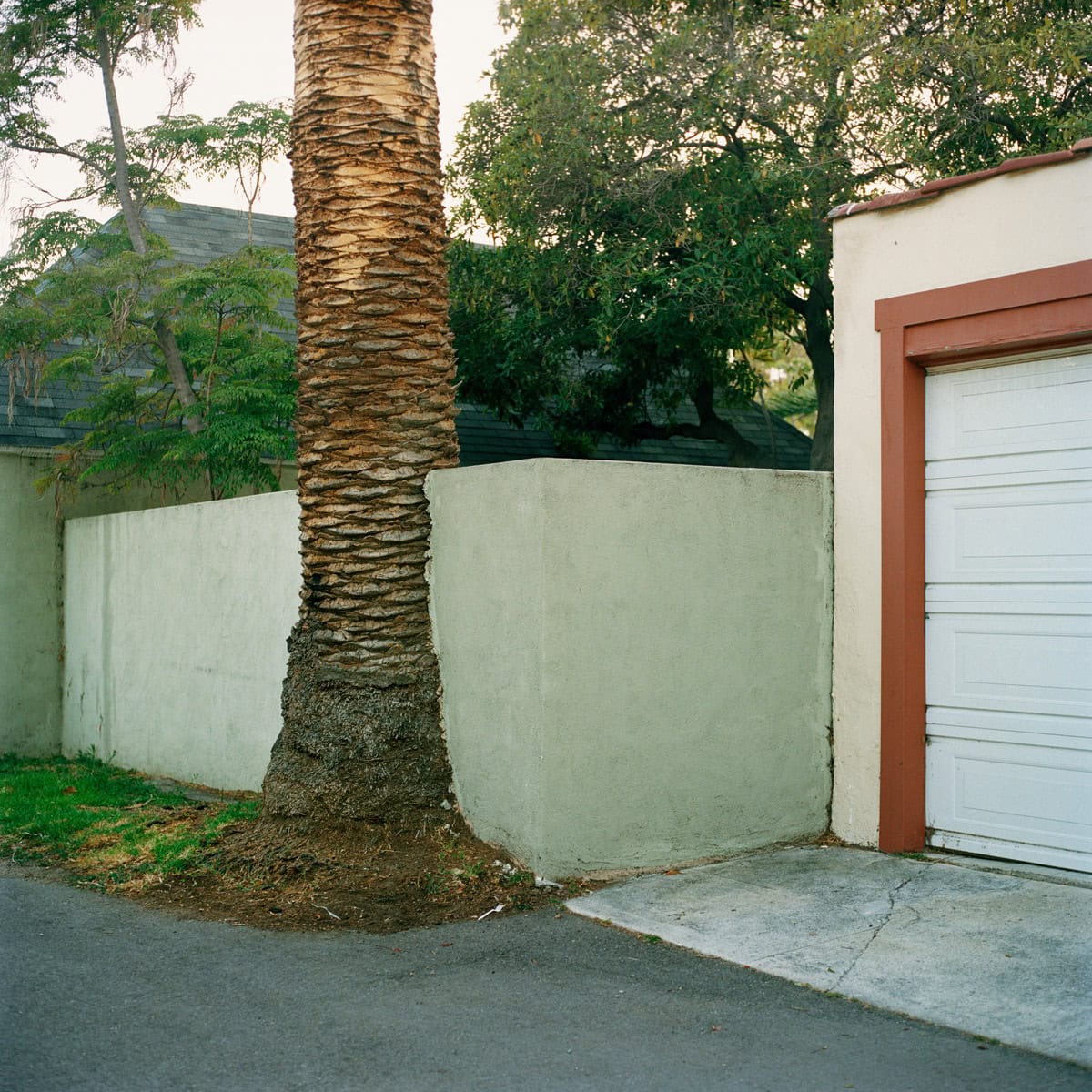
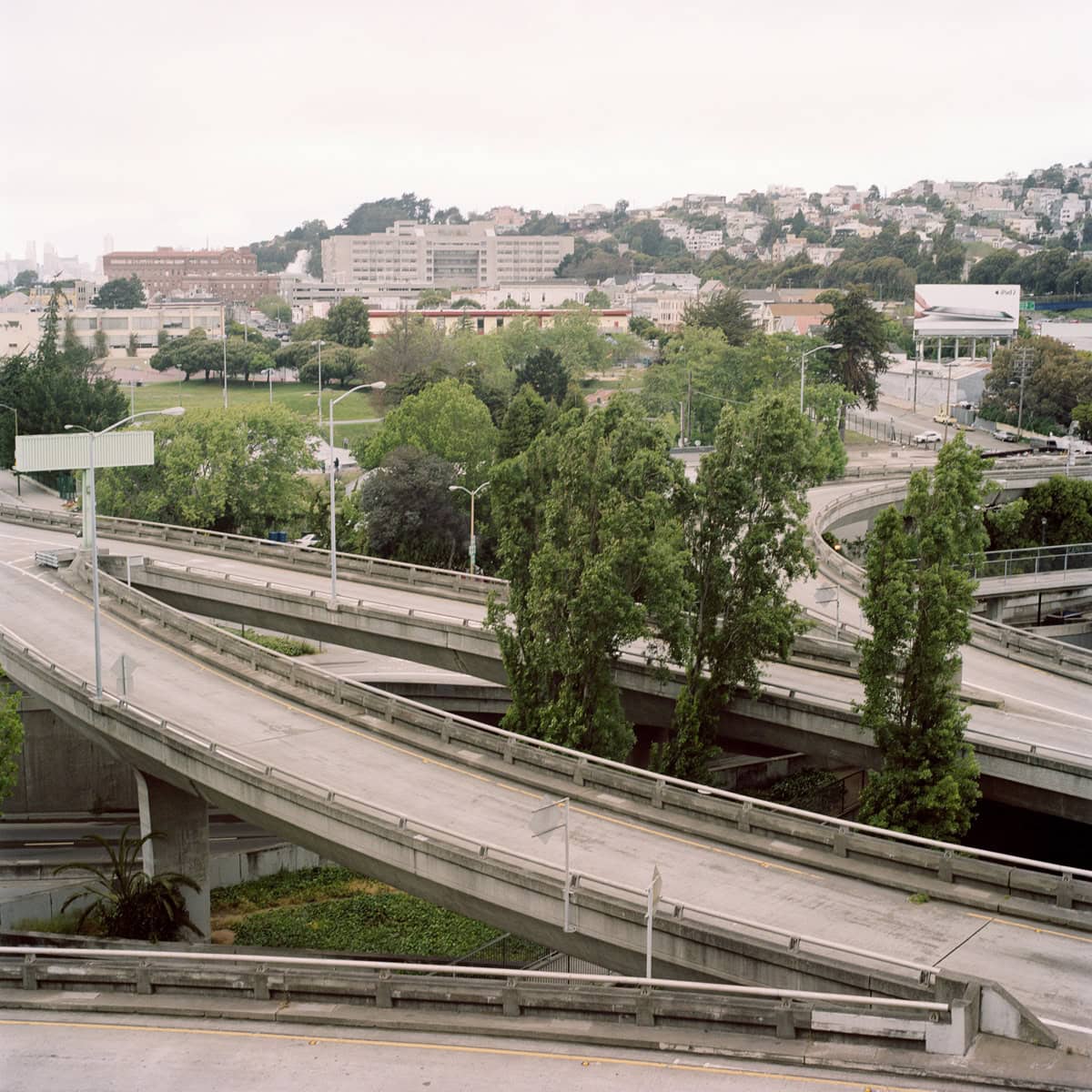
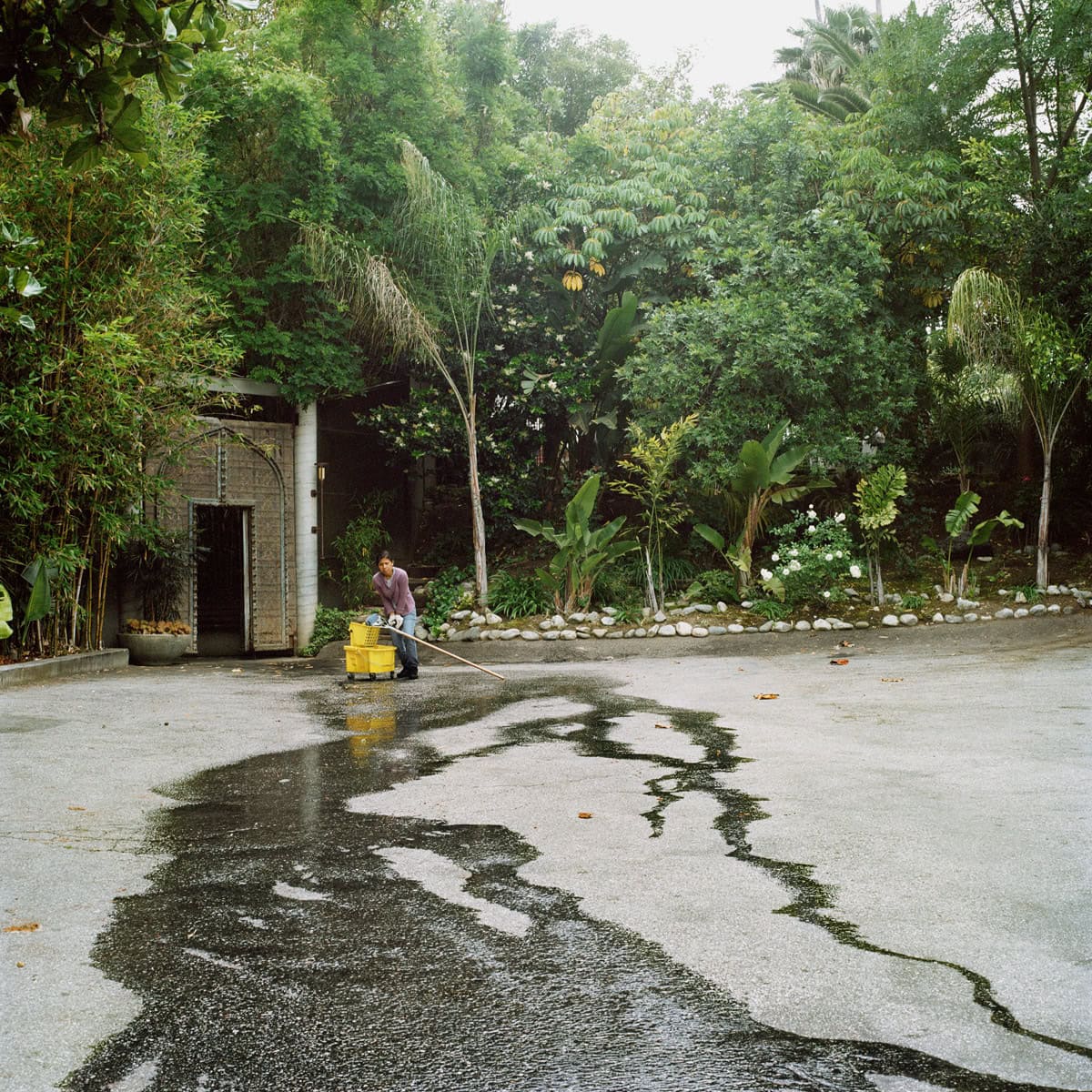
Two distinct but intertwined volumes comprise the project with the intent that each section can be read into it or — for a fuller understanding — as a set that speaks to one another. Photographs from throughout the Northeast United States comprise the first section (California, Pennsylvania), while its companion (referred to as Appendix, California) is a shorter series of images made between San Francisco and Los Angeles.