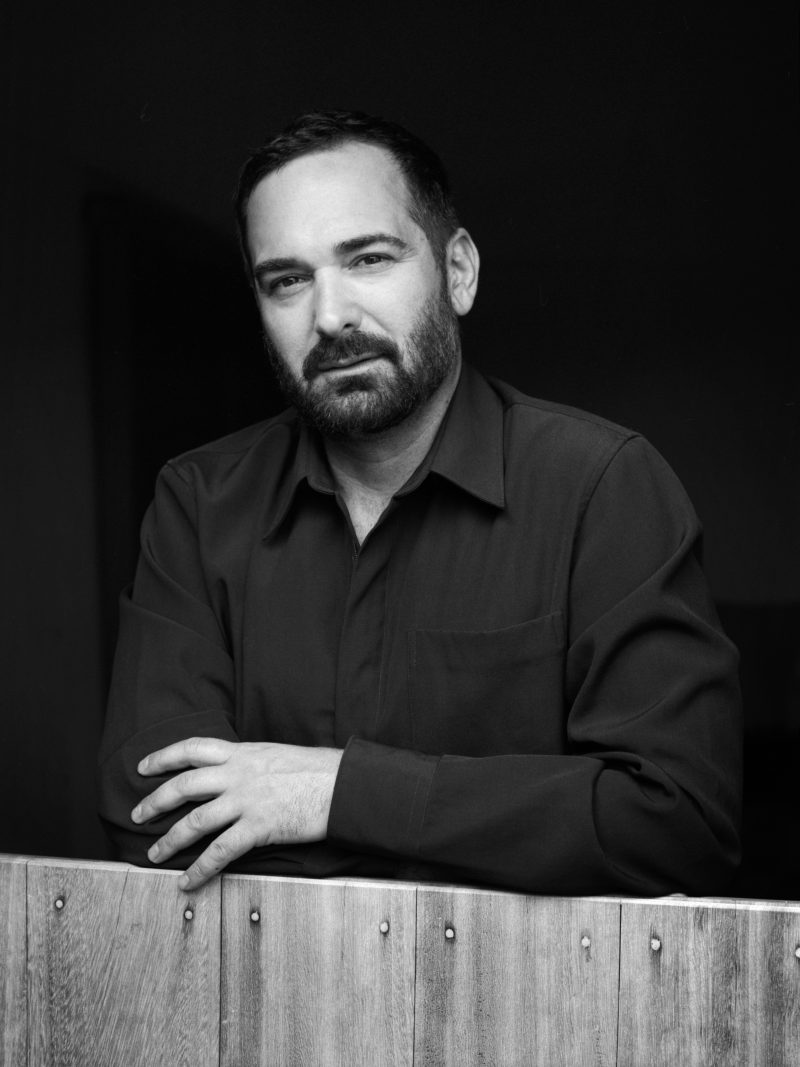
Architecture, at its most potent, is a narrative told through the collision of eras and the raw emotion of matter. For interior architect and designer Rodolphe Parente, space is not a sterile canvas to be filled, but a living dialogue where historical references are stripped of nostalgia and reinterpreted through a deeply contemporary vernacular.
In this conversation, interior architect and designer Rodolphe Parente invites us to look closer at the friction that keeps a place alive. Refusing the sterile comfort of a recognizable signature, Parente treats space as a living methodology rather than a static formula. From the cinematic, theatrical collision of cabaret glamour and harsh maritime modernism at Hôtel Le Provençal to his personal, volcanic creative laboratory in Pantelleria, he explores what happens when we dare to let materials collide. Here, Parente strips back the superficial armor of contemporary “good taste” to reveal a design language rooted in radical geometry, sensory risk, and the enduring intelligence of context.
Athena Kuang: Your aesthetic language borrows heavily from the 1930s, the ’70s, and the ’80s. When you look at these decades, are you looking at them through the lens of historical accuracy, or are you designing based on a memory of an era you want to romanticize? What do you love taking out of these decades?
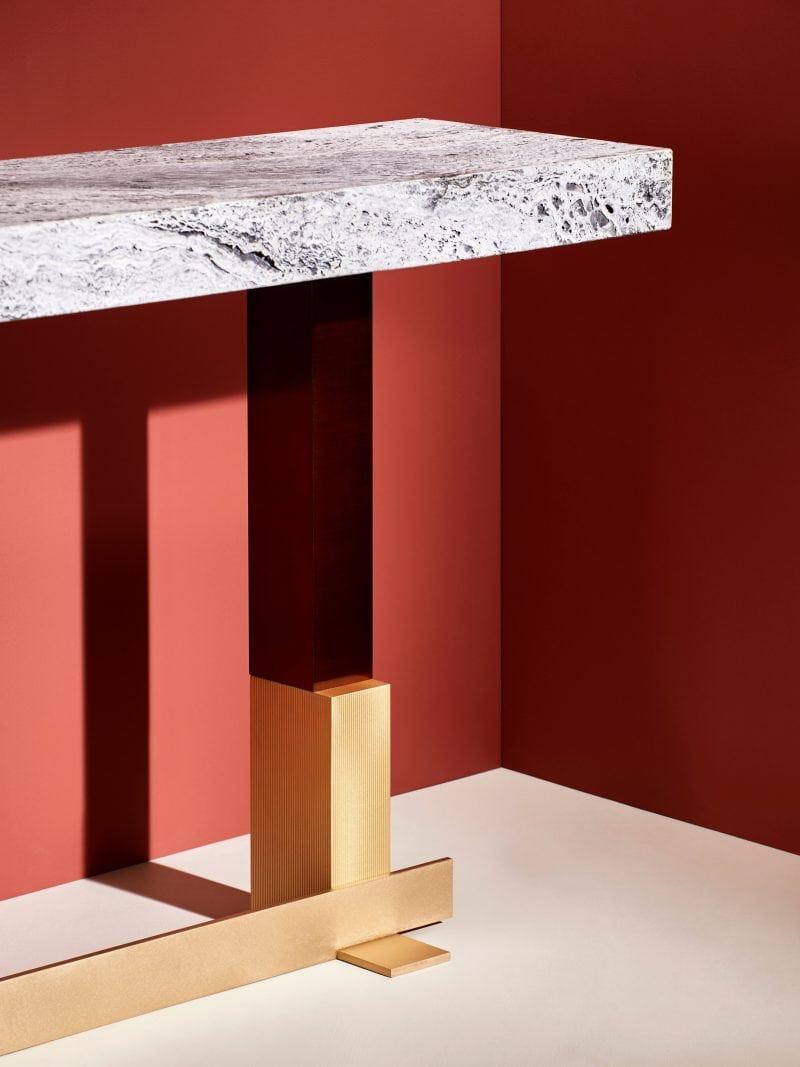
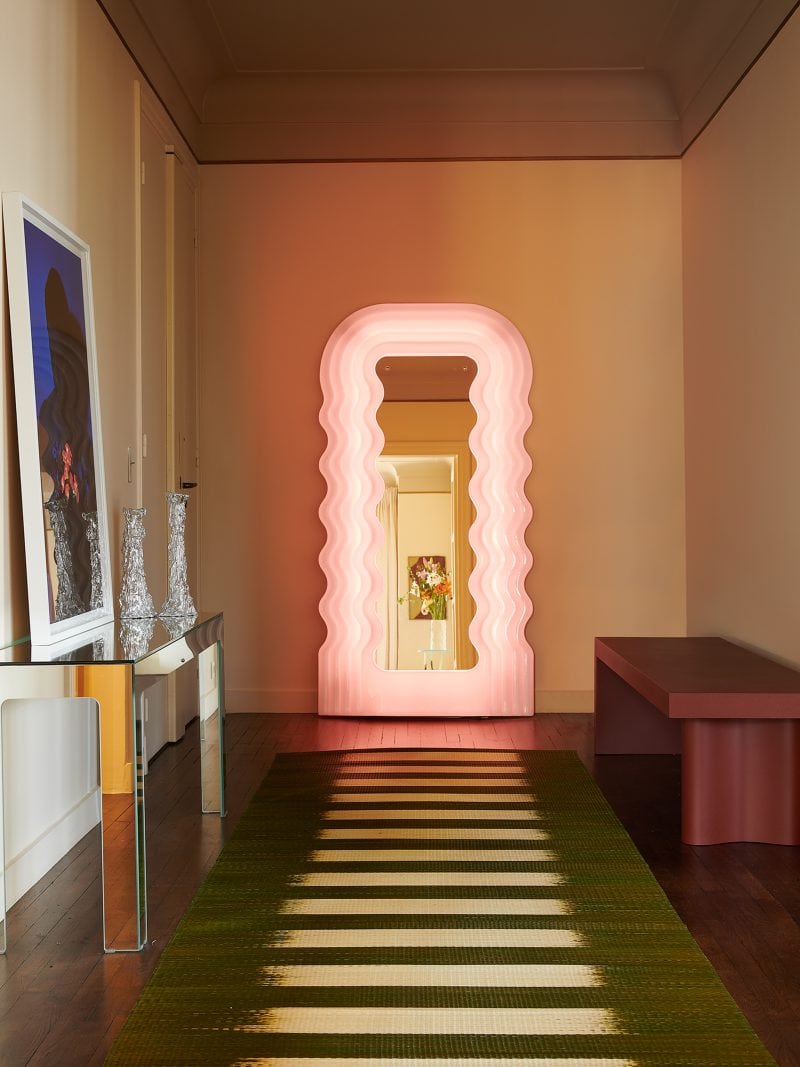
I’m not a historian, I’m a creator. What interests me in these decades is the reinterpretation of certain details and the use of iconic materials. The 1930s fascinate me for the rigor of their lines and the way design was deeply connected to gesture, the way a drawer opens, for example and for a certain idea of modernism and its radical geometry.
The ’70s interest me for their chromatic freedom and their glamorous approach to living. The ’80s, for their refusal of conventional good taste, and for embracing decoration as a statement in itself. What I extract from these periods are the elements that still resist today: a certain idea of gesture, generosity, and formal experimentation.
AK: You mention subverting traditional codes to ensure your spaces feel non-stereotypical. What is a specific aesthetic cliché in contemporary interior design that you find yourself actively fighting against right now?
Reassuring minimalism. This polished beige-on-beige aesthetic that has colonized hospitality and high-end residential interiors, presenting itself as a kind of consensus of good taste.
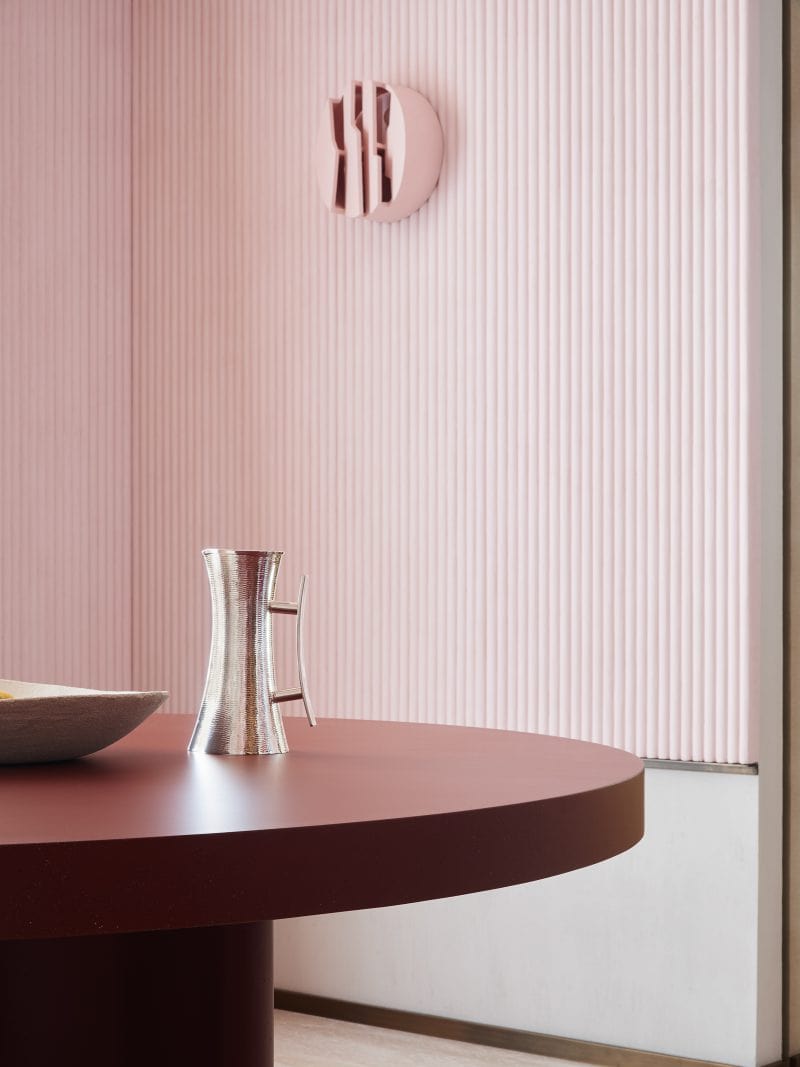
People have confused emptiness with the art of restraint à la Jean-Michel Frank. True luxury is not neutrality, it’s risk. It’s daring to make poor and rich materials coexist, or applying a color that feels slightly disturbing at first glance. I fight against preconceived ideas, and I constantly try to reinvent myself through unexpected combinations, even if it means making mistakes.
AK: You often embed unexpected intersections and subtle homages into your architecture. Could you share a detail from a recent project that the average visitor might miss, but that holds the soul of the project?
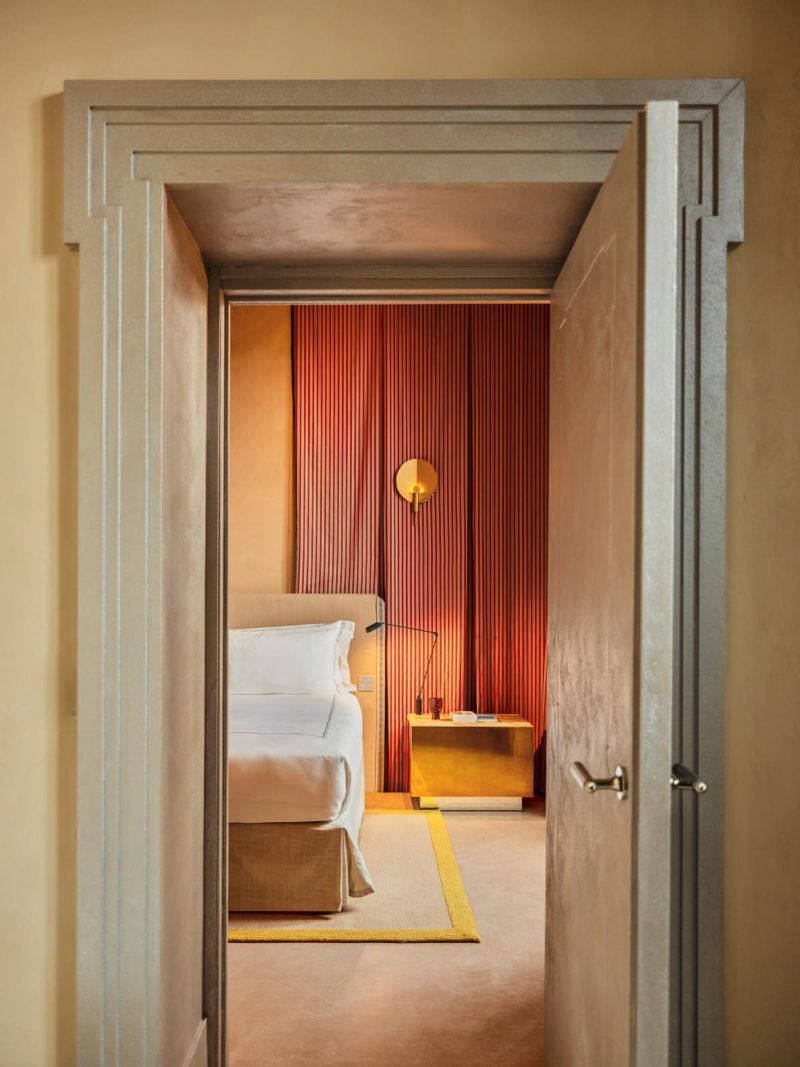
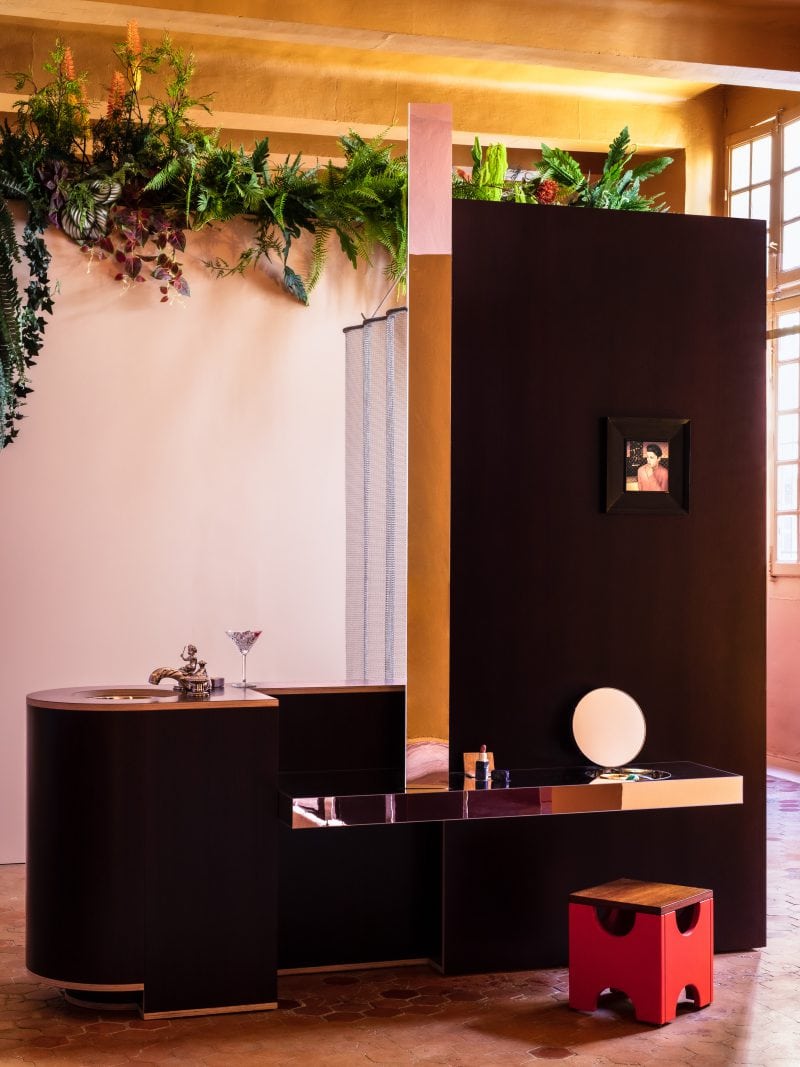
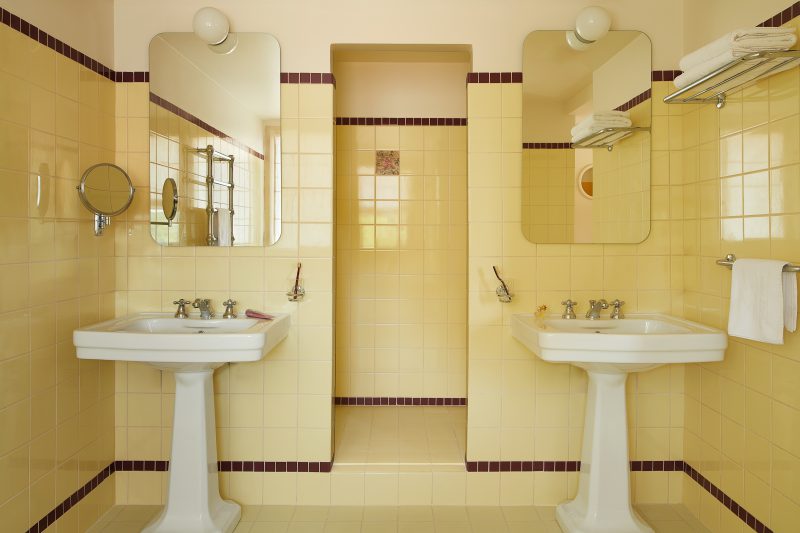
At Hôtel Le Provençal in Giens, the place itself is an extraordinary collision of worlds. Its founder had worked at the Lido in Paris, and he brought with him something of that universe: glamour, spectacle, the extravagance of cabaret revues, confronted here with the much harsher and more elemental Provençal landscape. The building itself resembles a 1950s ocean liner resting among the pine trees. What fascinated me was this tension: the Provençal cliché on one side, seaside modernism on the other, and in between, the lingering memory of a Parisian stage set. I didn’t want to choose between these identities. I wanted that friction to remain visible almost tactile throughout the entire project.
AK: You’ve stated that your work is about creating a unique narrative each time rather than applying a signature formula. In a world that constantly demands visual consistency for the sake of branding, how do you defend your right to be heterogeneous and unpredictable?
By refusing the ease of a recognizable style. What interests me more is defining a paradigm a way of seeing and thinking that allows for different outcomes each time.Every place has its own geography, history, light, client and cultural platform; each project therefore calls for a contextualized response. If I designed the same hotel in New York or in Pantelleria, the result could not possibly be the same.
My consistency is not formal, it is methodological: it lies in the way I listen, the way I build a narrative, the way I articulate architecture, materials and use.The common thread is the intelligence of context, attention to detail, my desire to détourne materials, and also the idea of disappearing into the project so that the place itself can exist beyond the designer’s signature.
AK: Your work bridges radicalism and sophistication, history and modernity. In your view, what makes a space truly timeless?
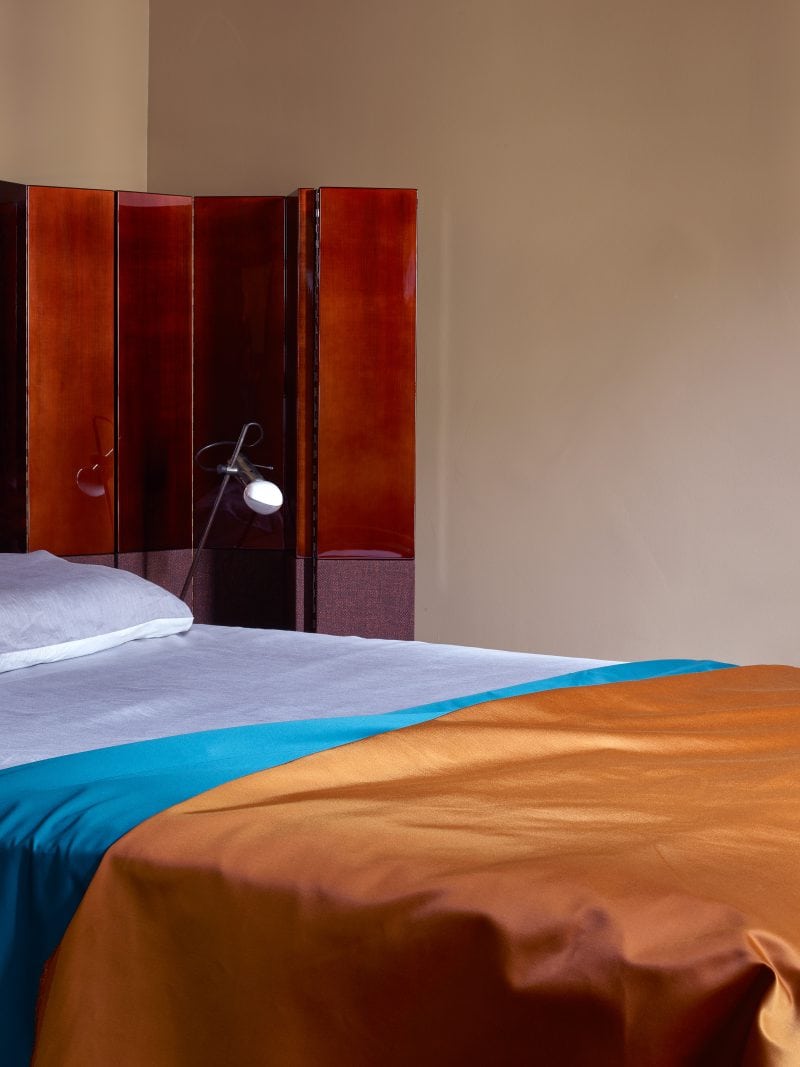
Timelessness is not a question of style, it’s a question of accuracy. A space becomes timeless when it escapes its own era while still questioning it. You also have to dare to inject emotion into a project. The places that endure through decades are those conceived with a form of love: for light, for materials, for the people who will inhabit them, for craftsmanship and gesture. Everything else effect, trends, spectacular details disappears very quickly. What remains is attention.