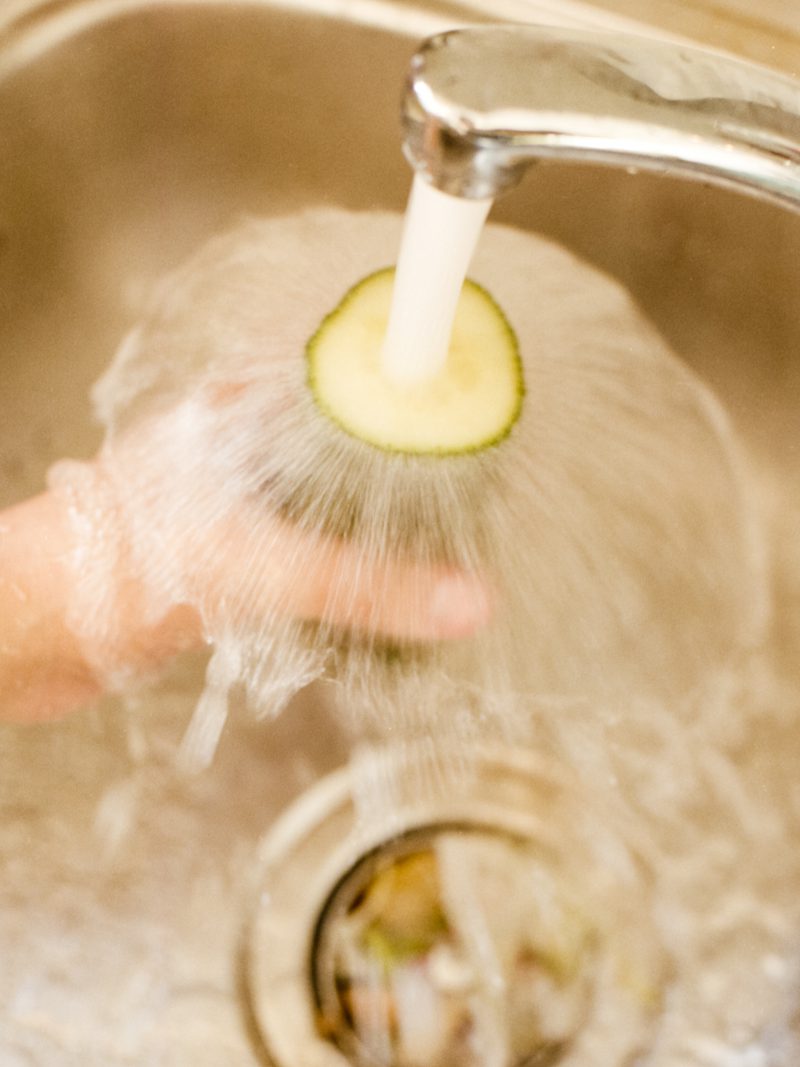
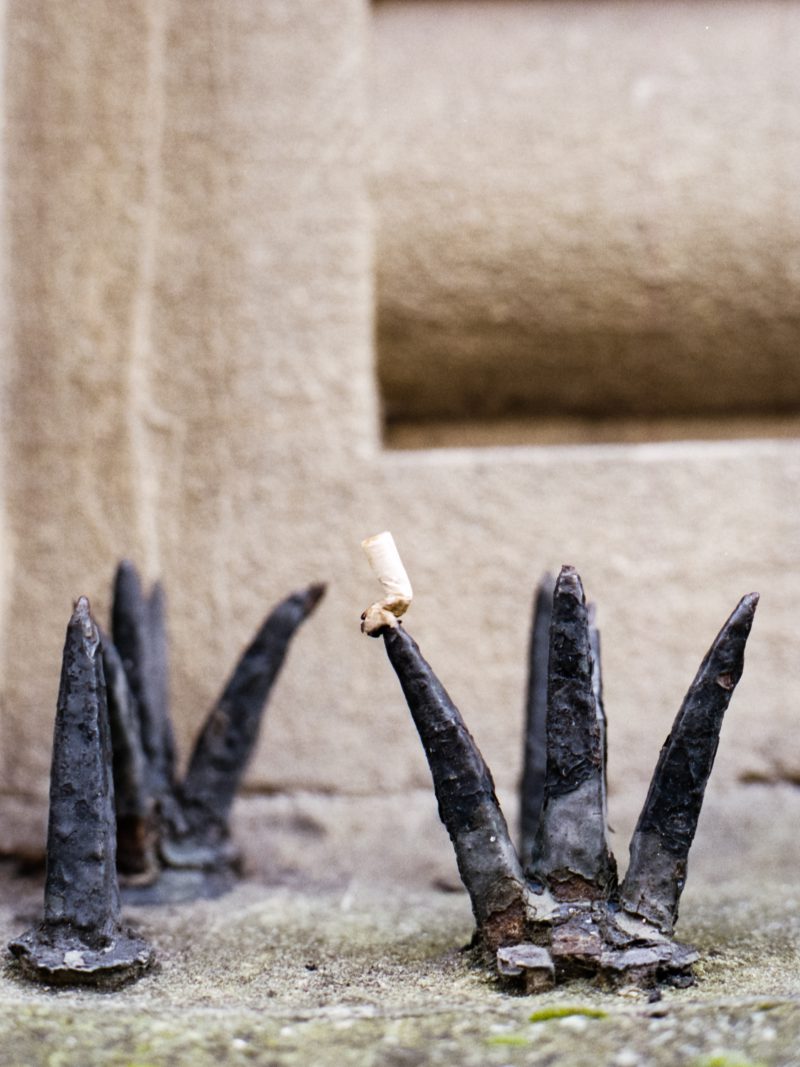
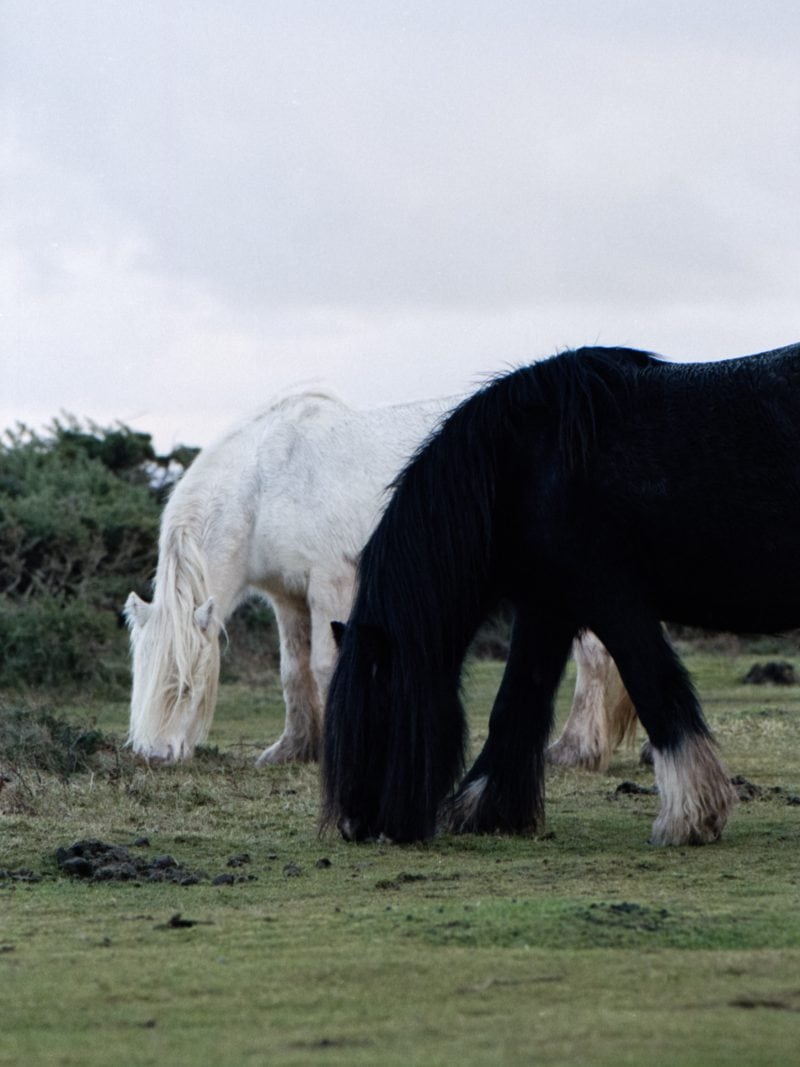
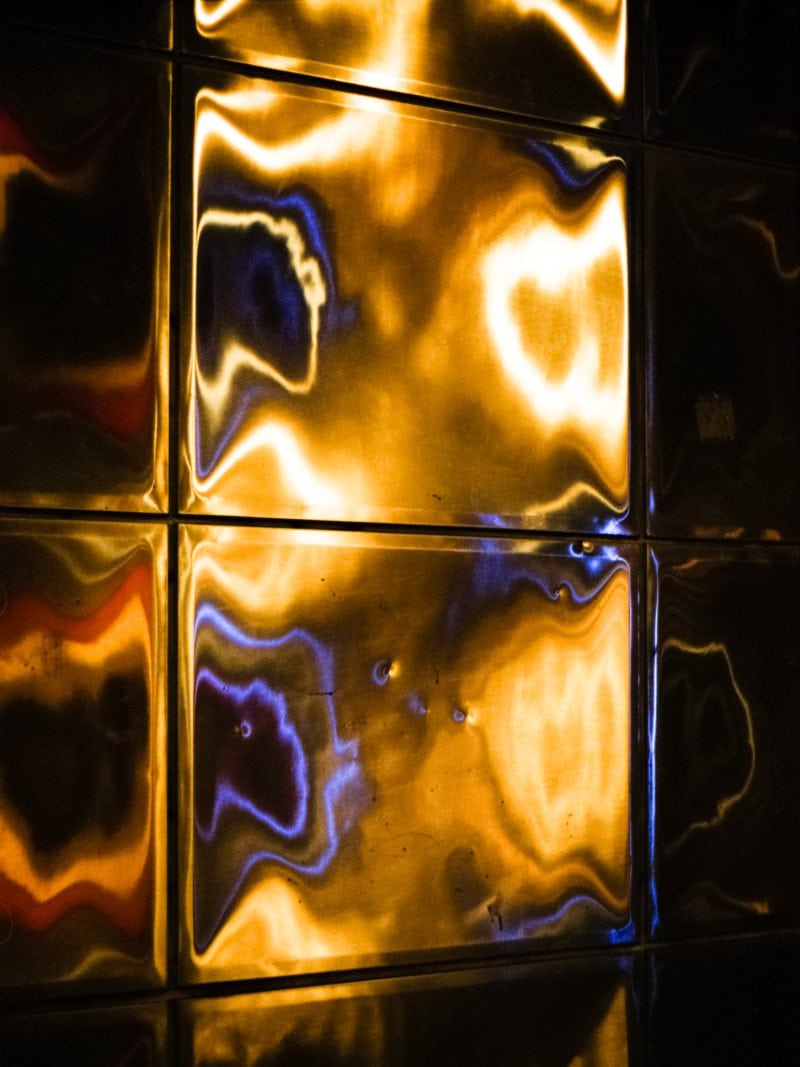
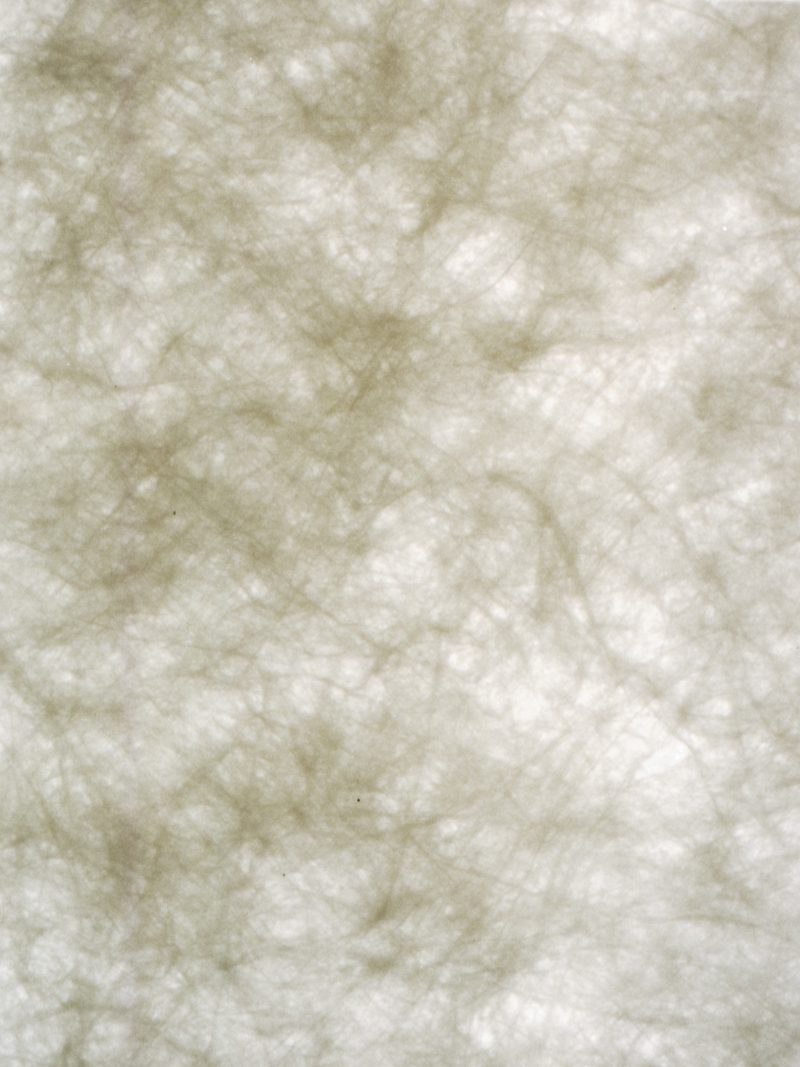
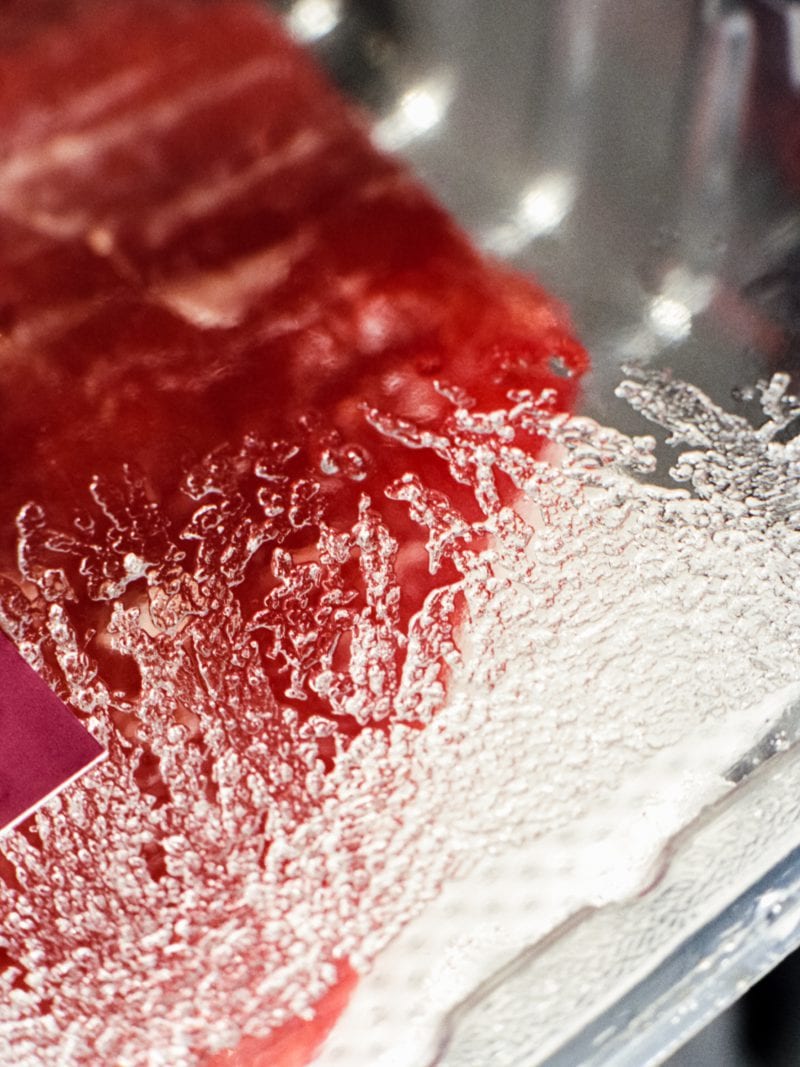
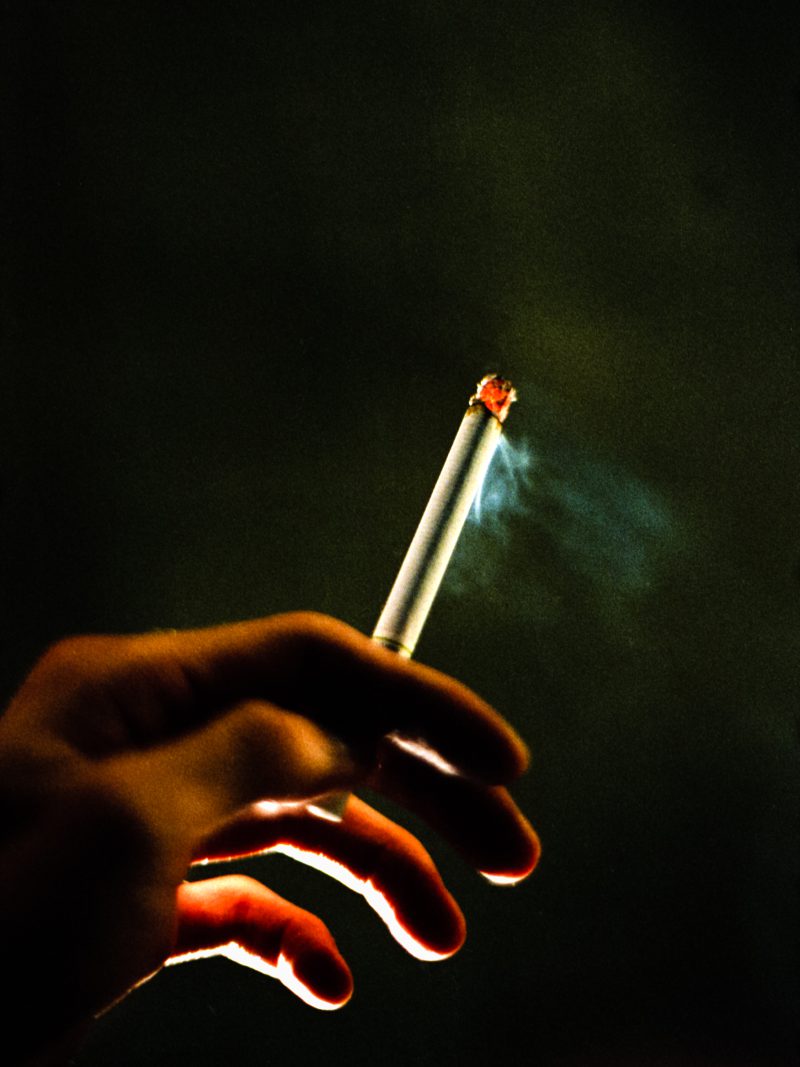
A slice of apple with water running through it, a cigarette butt balanced between dark tips, two horses grazing with their heads bowed. In Roaming under the Apple Tree by Wei Yu Lin, the images seem to arise from chance encounters: things glimpsed in passing which, once isolated within the frame, cease to be merely everyday.
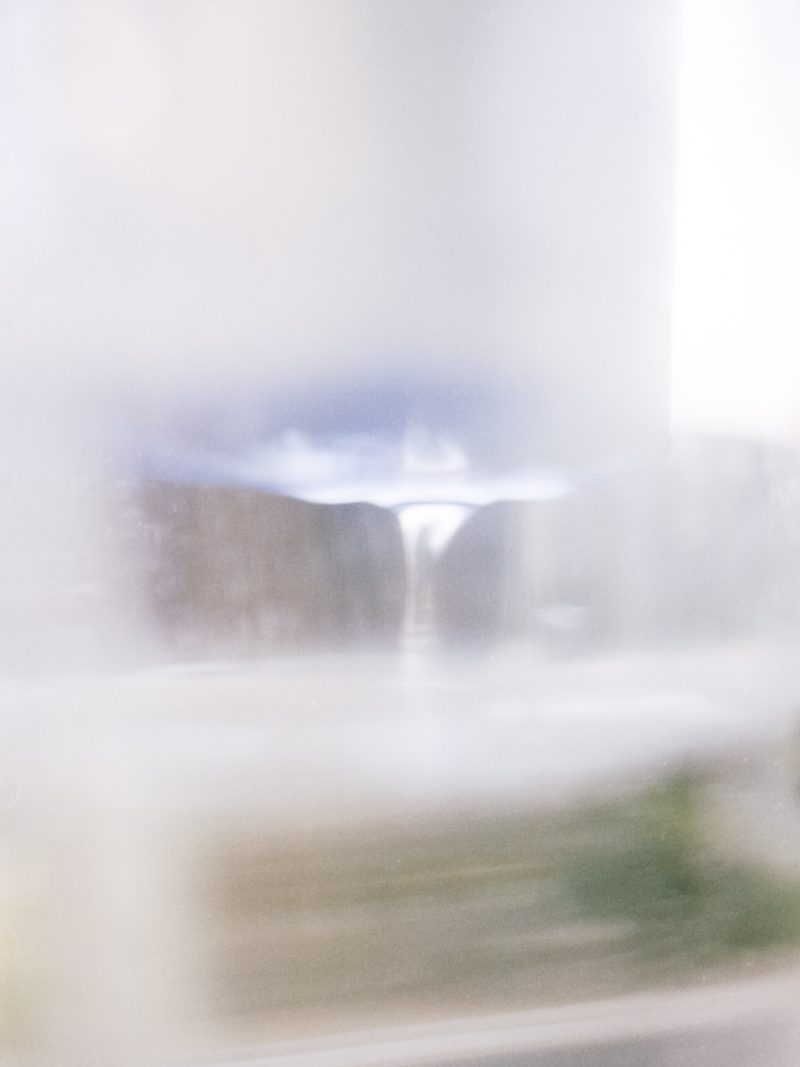
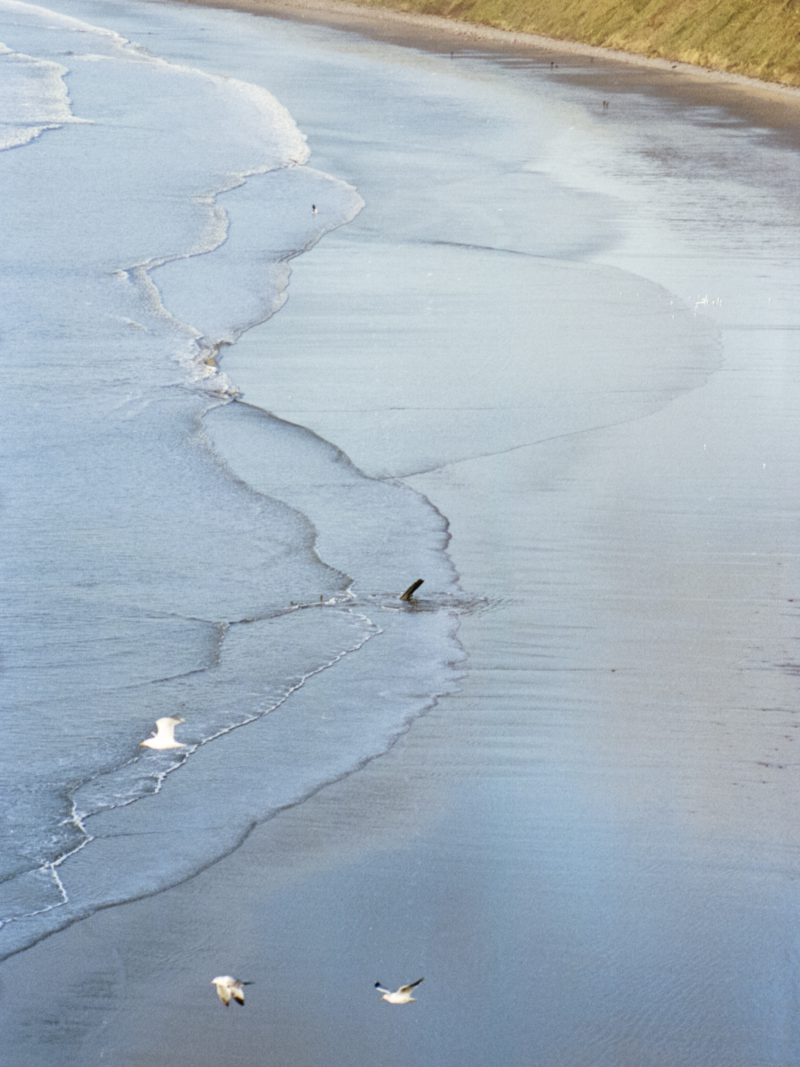
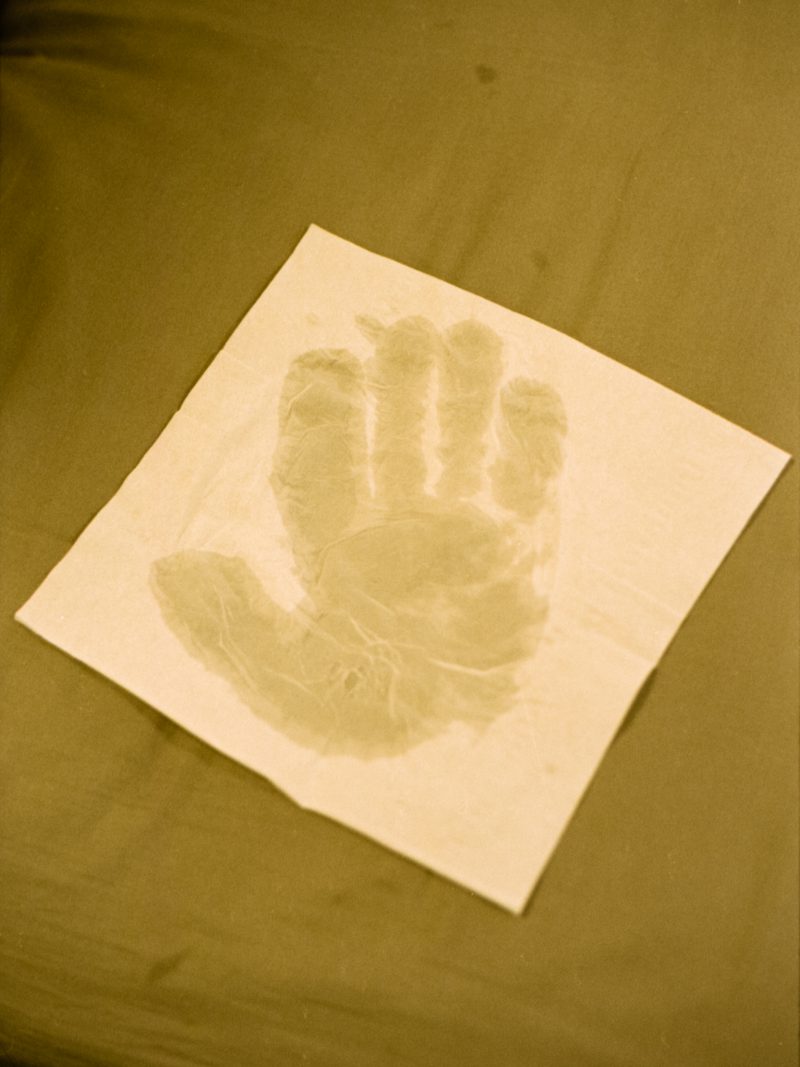
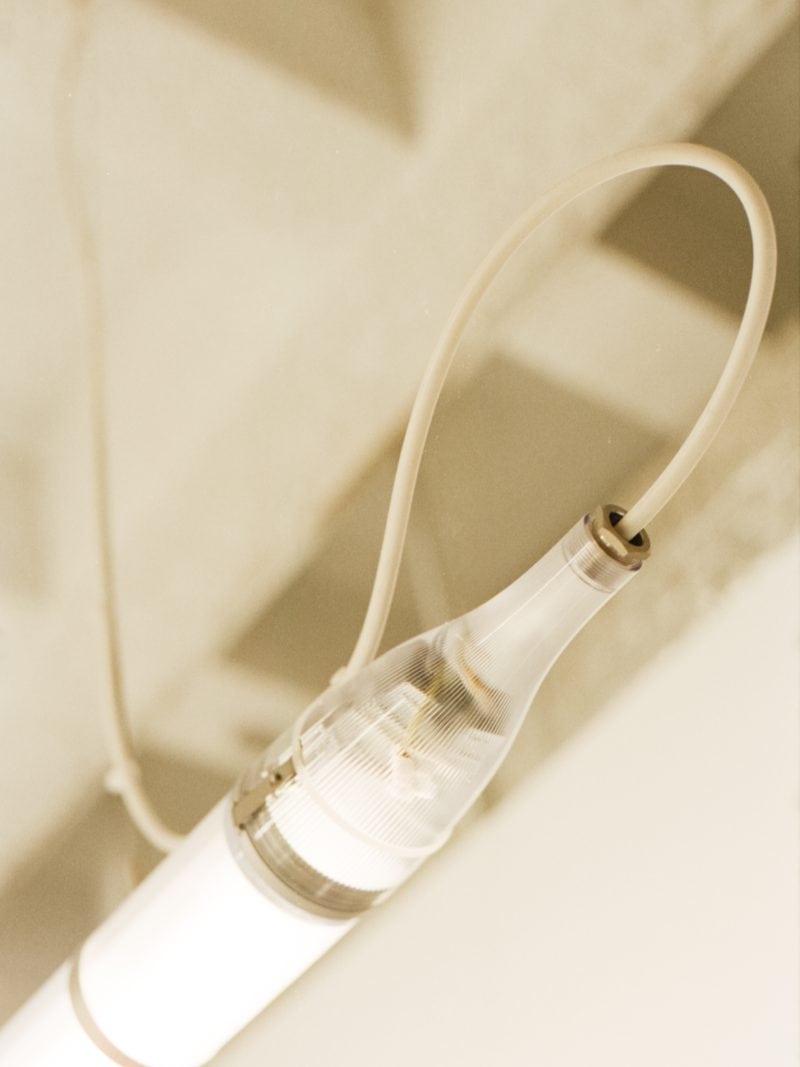
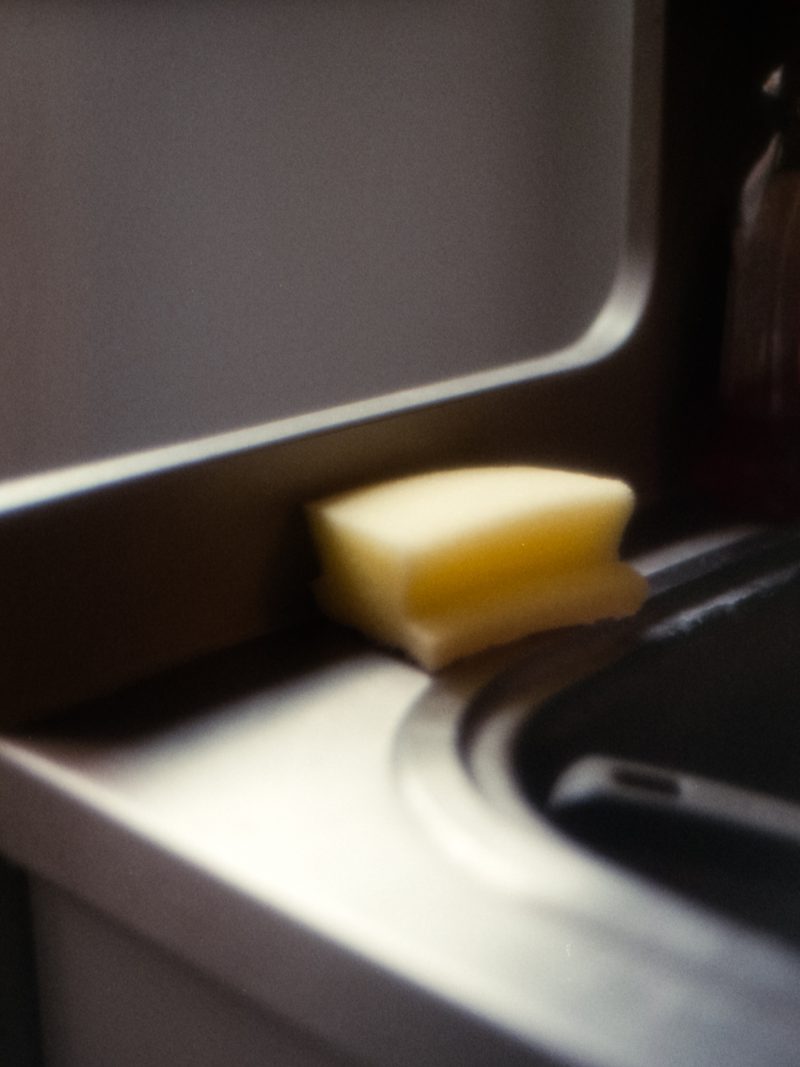
The project moves between interiors and landscapes without constructing a linear narrative. A lamp, a switched-on television, the outline of the coastline: subjects far removed from one another, held together by a photograph that alternates between milky light, muted colours and sudden bursts of red and gold. At times the focus becomes uncertain; elsewhere, a single detail occupies almost the entire frame. It is a sequence that invites the viewer to slow down their gaze, rather than seek an explanation.Here, photography does not function as evidence of something that has happened. Rather, it resembles an exercise in attention: looking long enough to notice what normally remains on the margins. But observing does not mean being neutral. Even an imperfection, an object out of place or a residue enters the image and can alter its meaning. The audience thus completes the photographer’s gesture, bringing with them associations that the artist cannot foresee.
It is in this gap between what is seen and what is said that the project takes shape. The prints and fragments of text do not confine the photographs to a single narrative; rather, they complement their ambiguity. The compositional freedom of Rinko Kawauchi, Daido Moriyama and Masafumi Sanai offers a possible point of reference: images capable of remaining open, without requiring words to interpret them.
The title suggests a stroll beneath a tree, but also a way of being in the world: without a specific destination, open to being surprised by what was already there. The tree, then, is not a symbol to be deciphered. It is the point from which to begin looking.