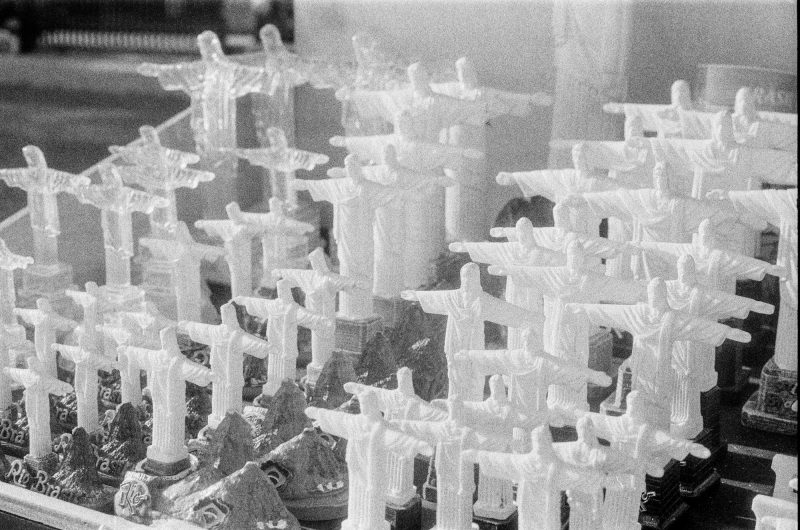
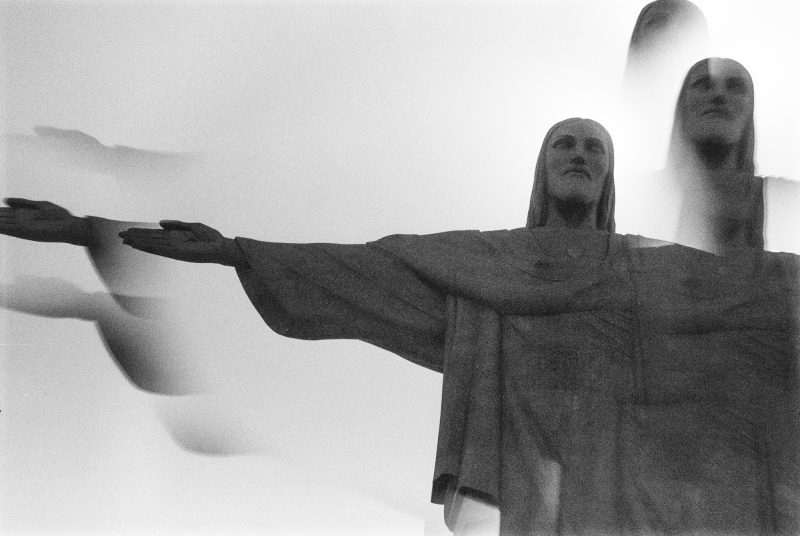
The name of Rio de Janeiro originates from a mistake—a bay once mapped as a river—yet that initial misreading feels strangely appropriate. Rio resists clarity. It stretches beyond definition, unfolding in ways that maps cannot quite contain. You can trace its contours, follow its coastlines and streets, but the city always seems to spill outward, as if its true form exists somewhere just beyond reach, out on open water.
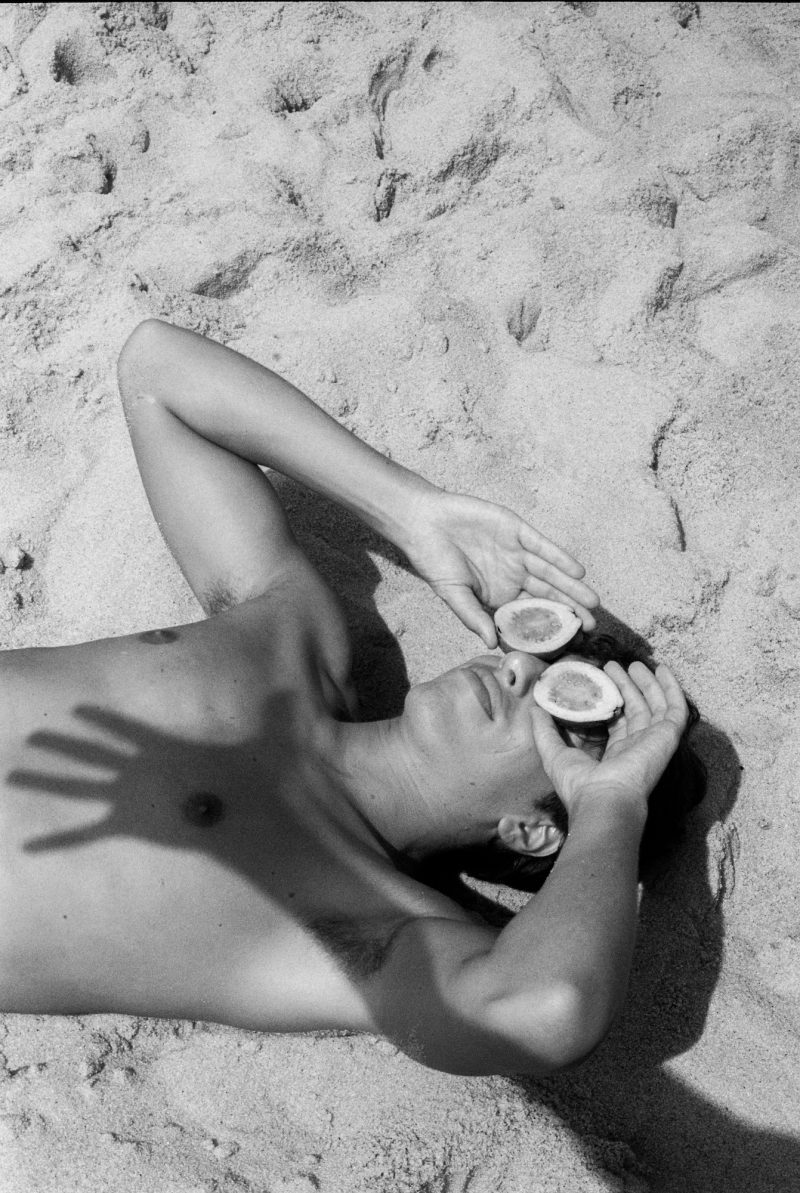
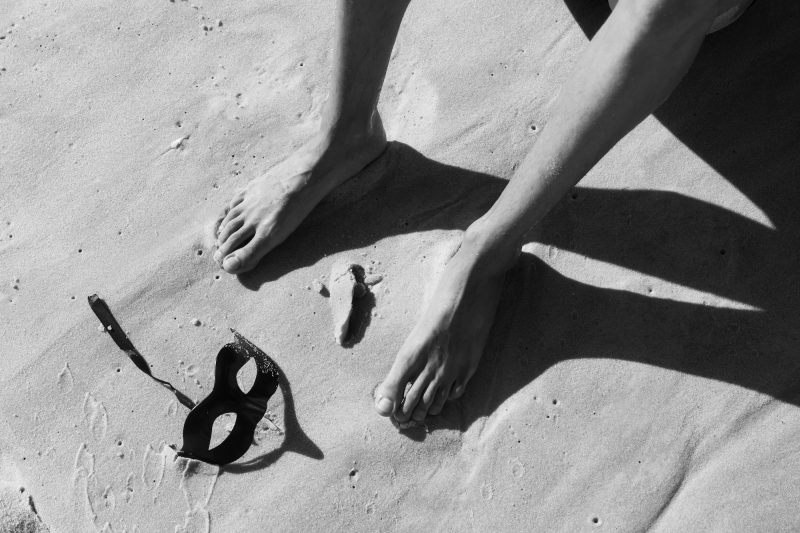
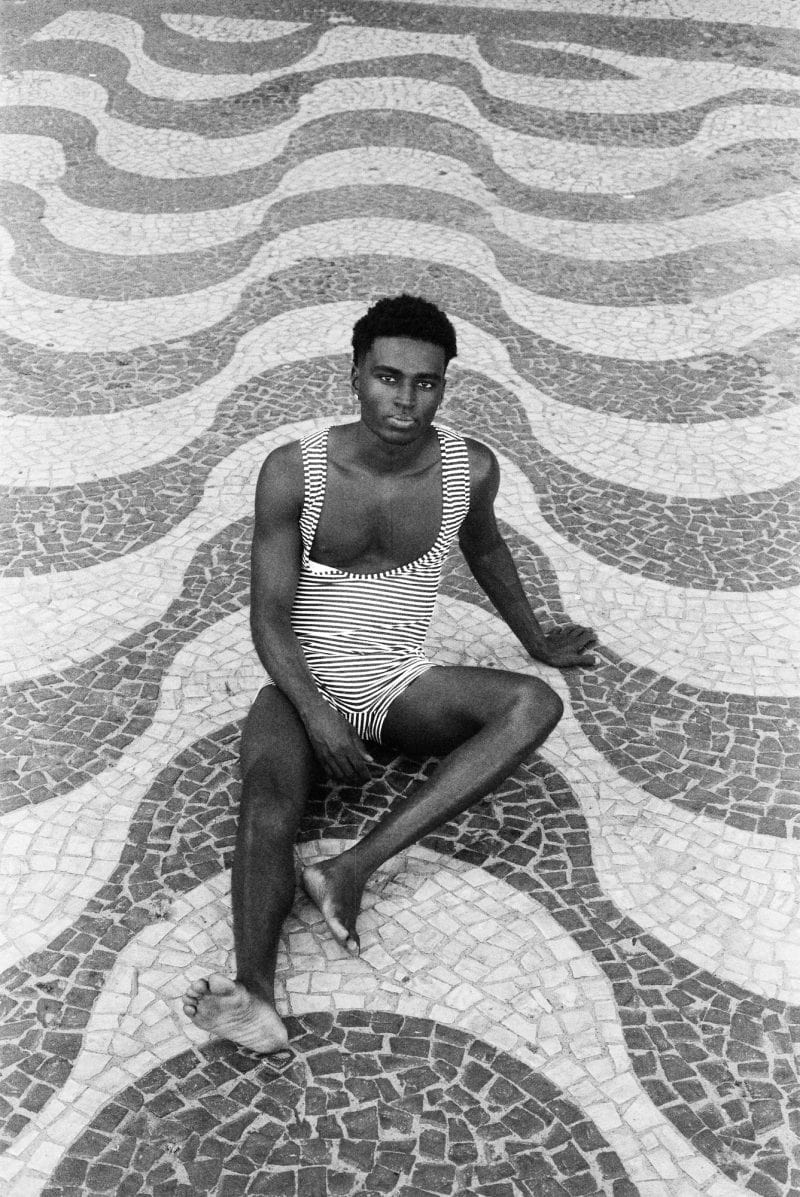
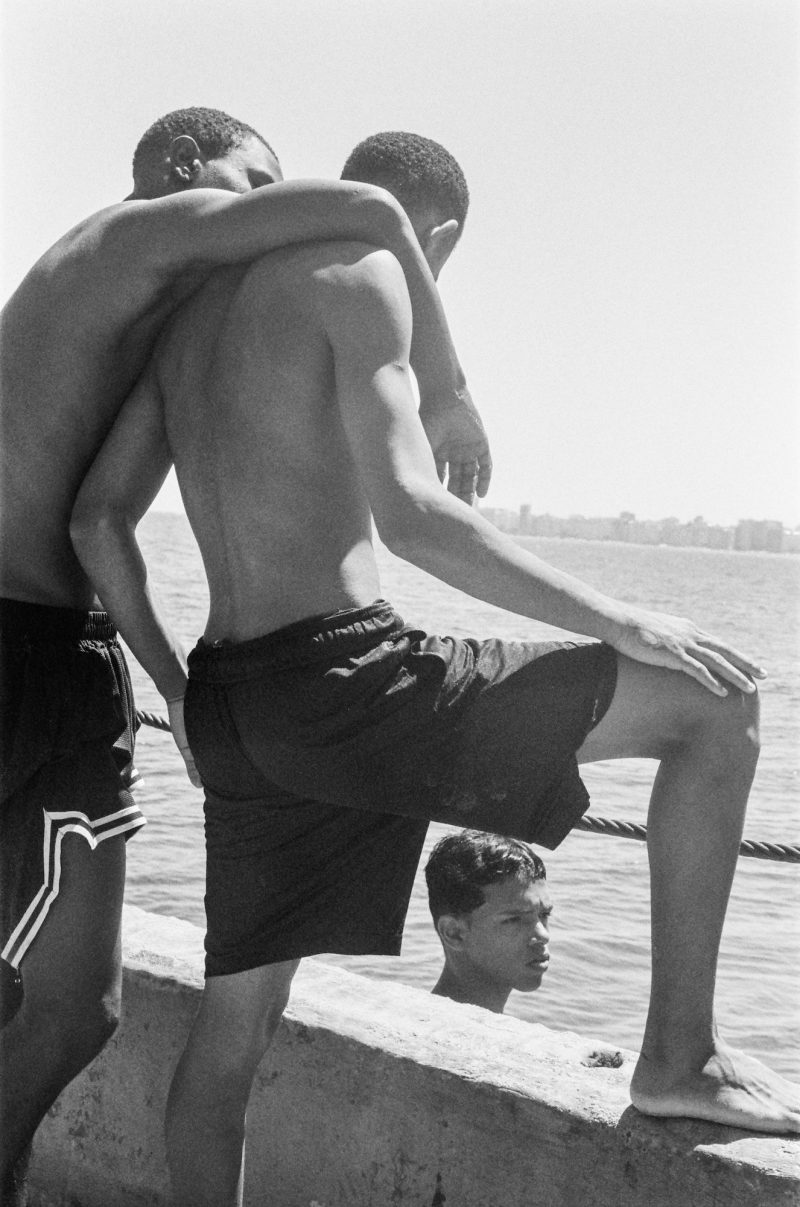
It is a place synonymous with colour—lush greens climbing over mountains, saturated blues of sea and sky, the shifting tones of sunlit skin. And yet, removing that colour reveals something more elemental. Without pigment, Rio becomes a study in light and structure. The brightness sharpens. Shadows deepen. What remains is not absence, but intensity. The light feels almost theatrical, as if each figure has stepped onto a stage, yet there is no performance. People remain entirely themselves, unaltered, unposed.
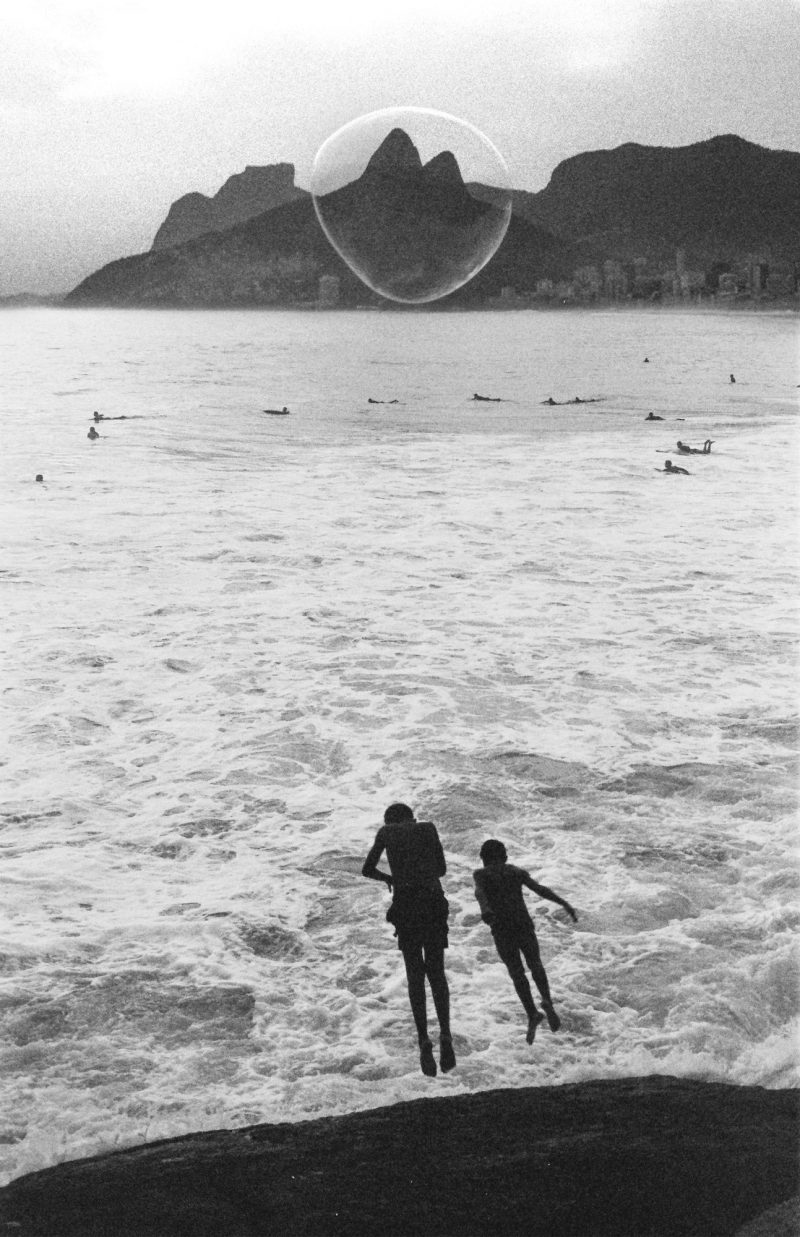
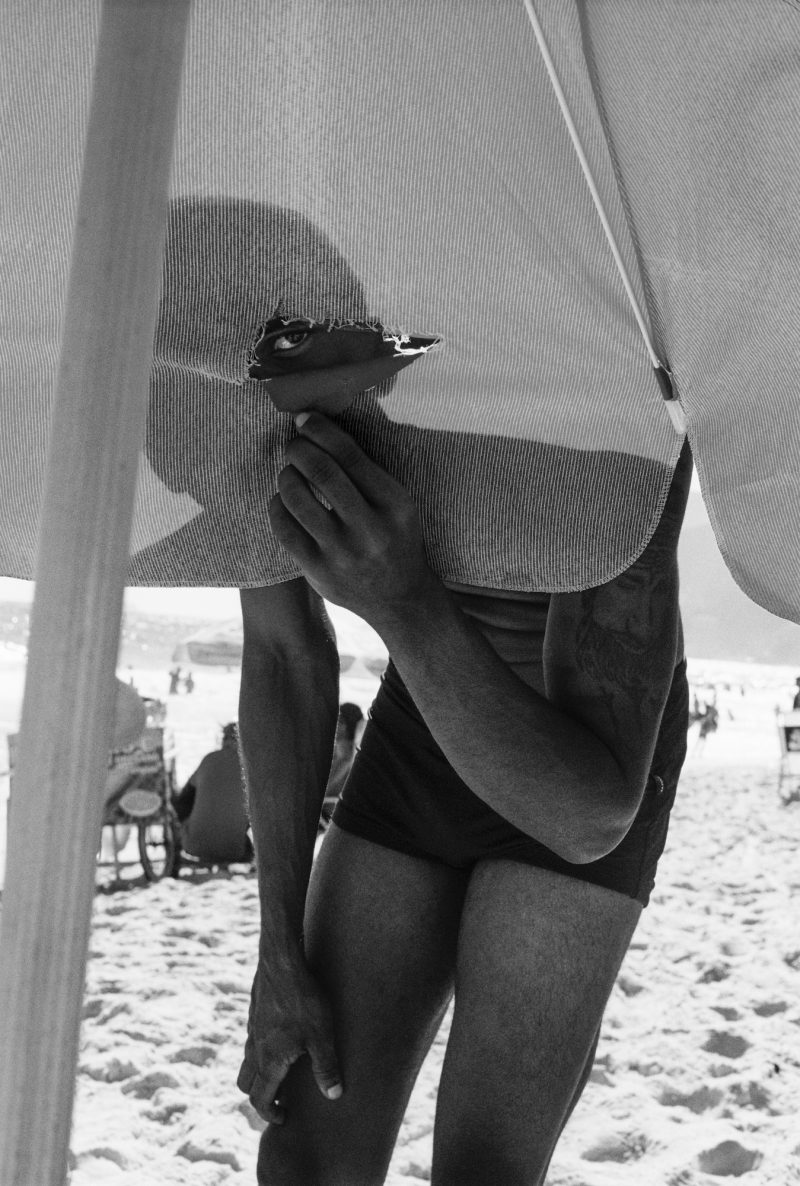
In this stripped-back palette, the body takes on a new presence. Gesture becomes more pronounced, posture more deliberate. A glance, a stance, the way someone leans into or away from the sun—these details surface with quiet insistence. The city, often understood through its vibrancy, begins to speak through contrast, through restraint.
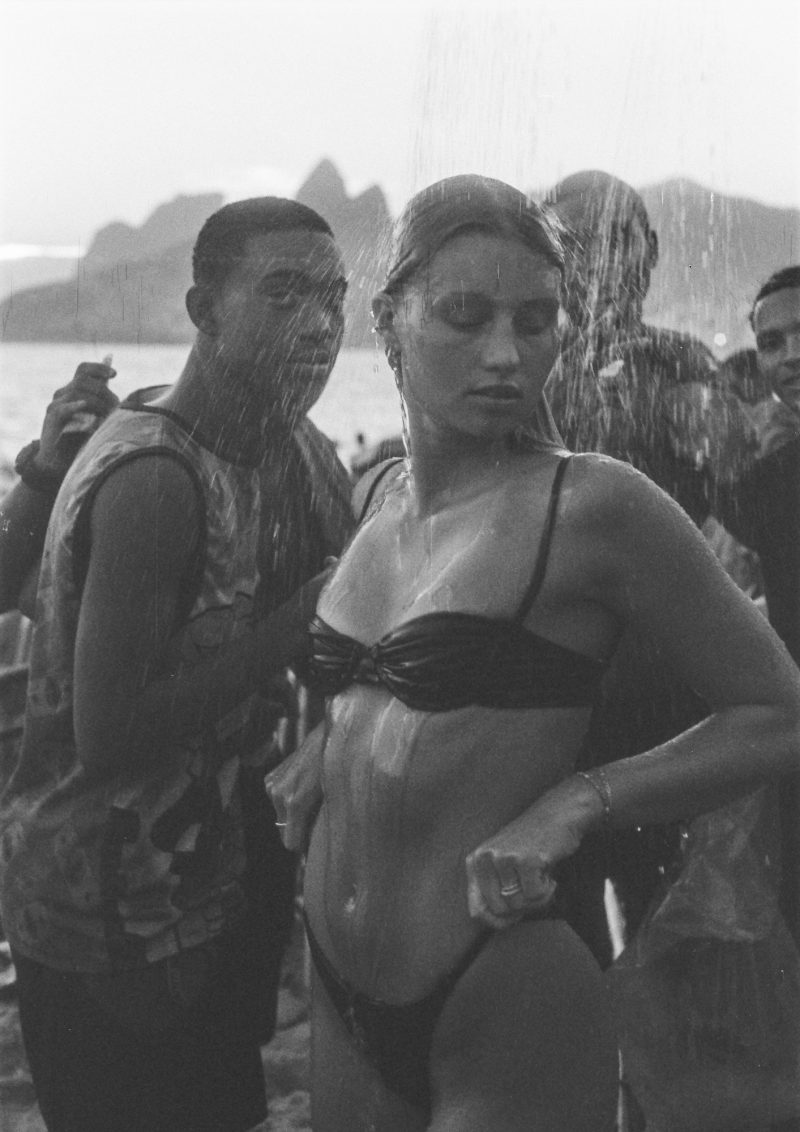
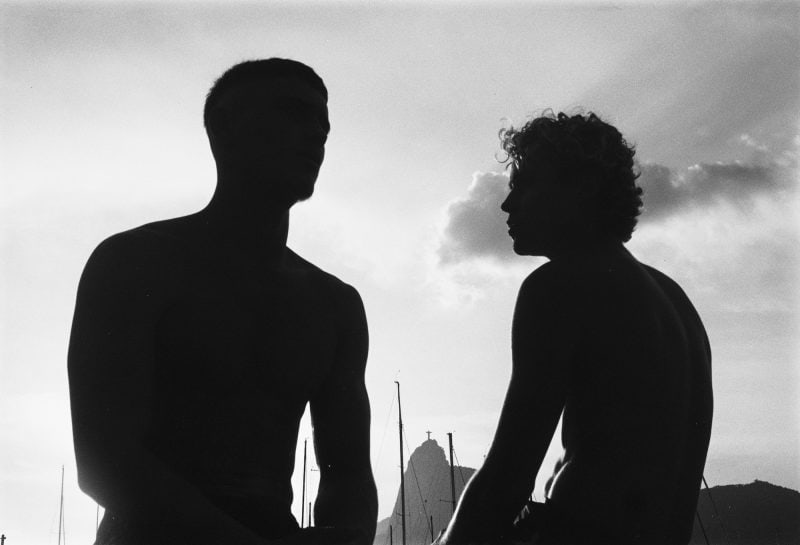
Shot on 35mm, the images carry a physicality that resists separation from their environment. Grain settles into the frame like sand on skin, like salt in the air. Texture builds until it becomes difficult to distinguish where the place ends and the photograph begins. The medium does not just document Rio; it absorbs it. The images feel weathered, as though they have passed through the same elements as their subjects.