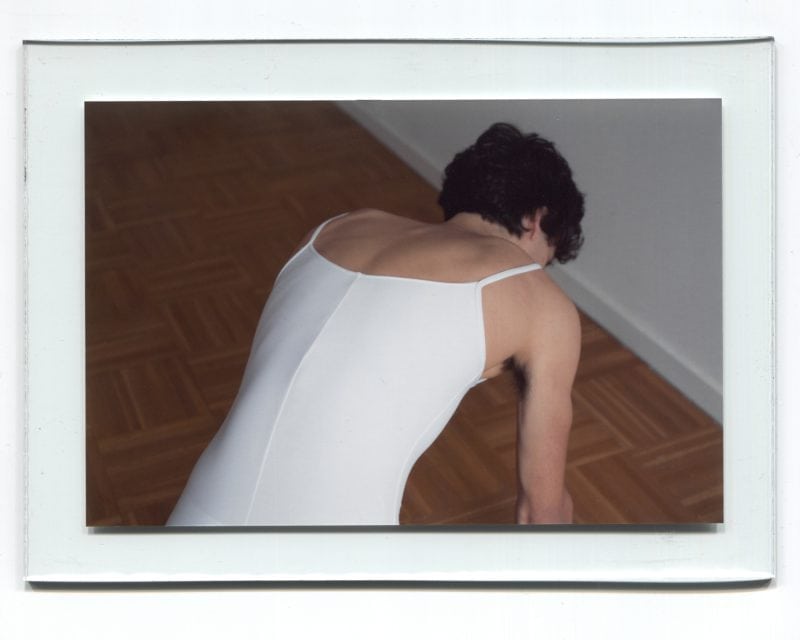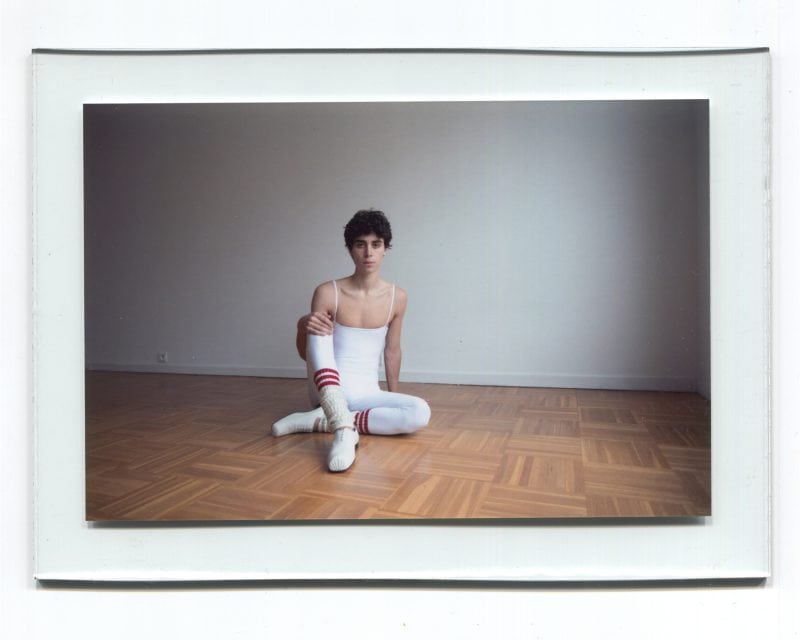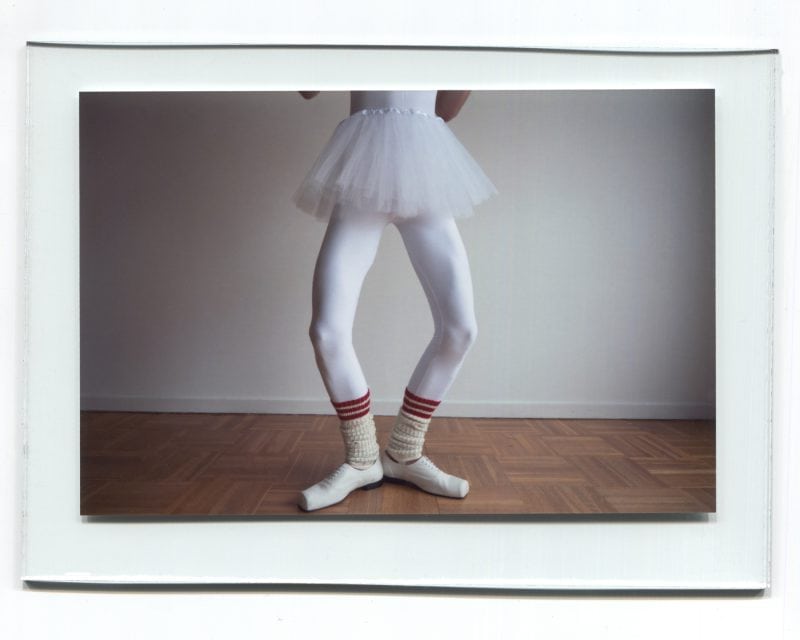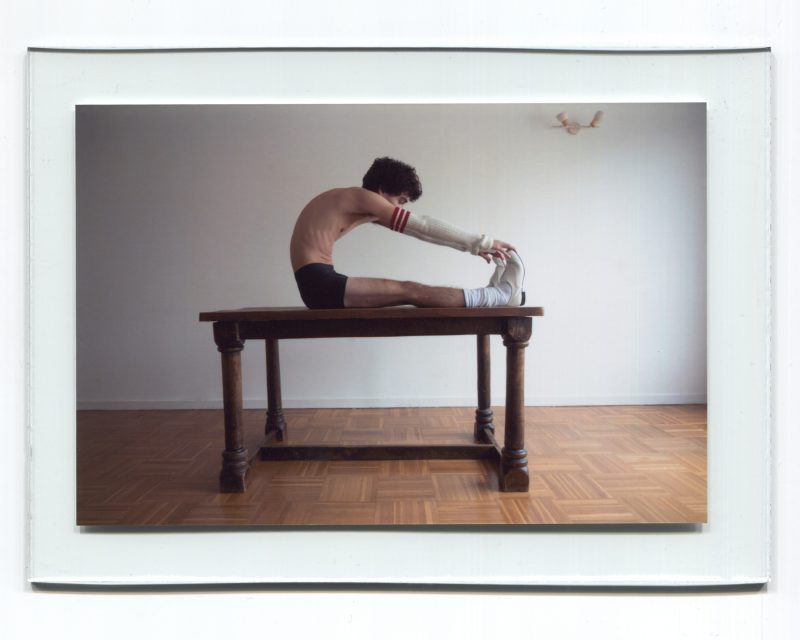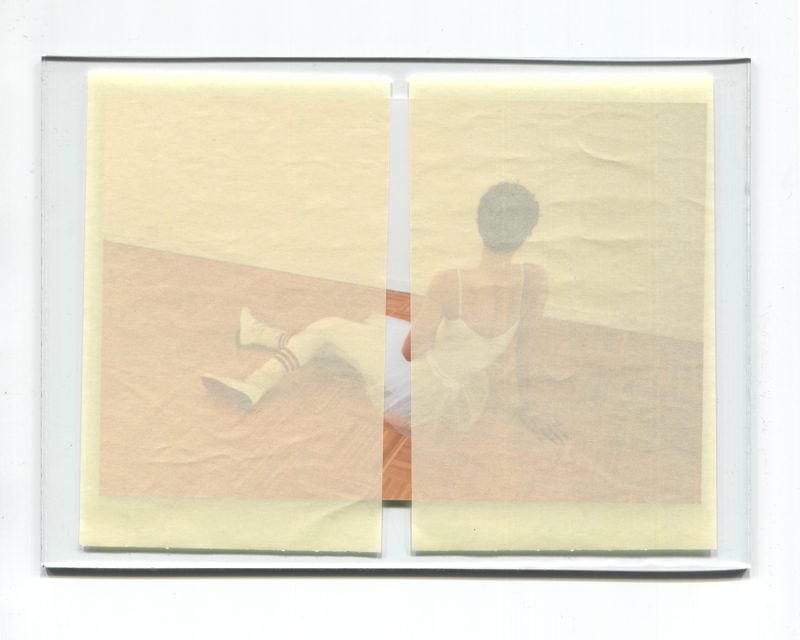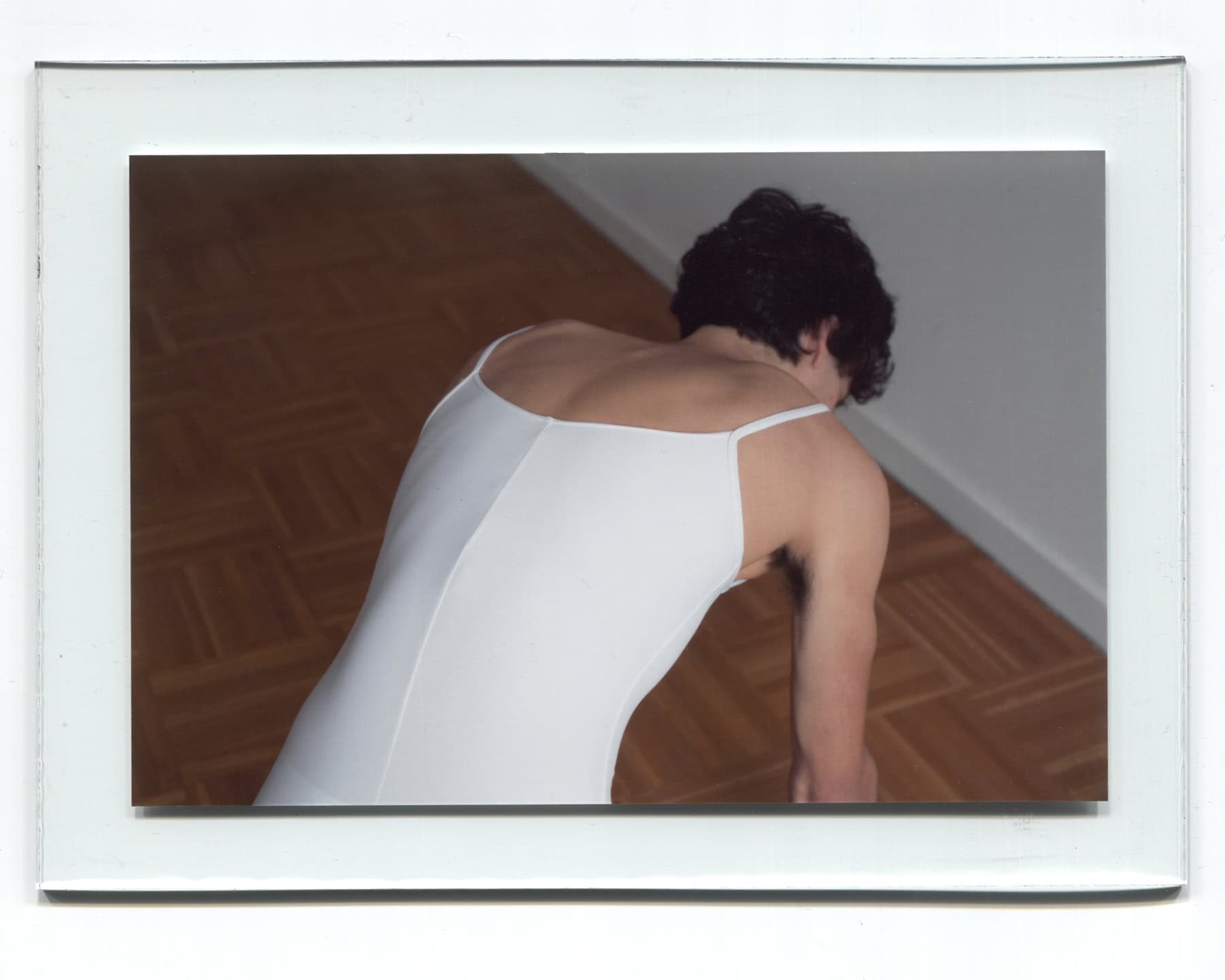
Red Soles, Quiet Ground, the new photographic project by Davide Giuseppe Campanella under the movement direction of Ismael Del Valle, directs attention to a seldom-examined phase of choreographic practice: the suspended interval in which the body remains present without generating spectacle. This editorial explores an intermediary state where action recedes, allowing for heightened perception. The images do not capture the execution of dance but rather the moment when the body engages with its own weight, balance, and spatial endurance. Posture supplants movement, while duration assumes the role of the event, yielding a contemplation of the physical identity’s construction, observed outside the theatrical stage and the directness of the spectator’s gaze.
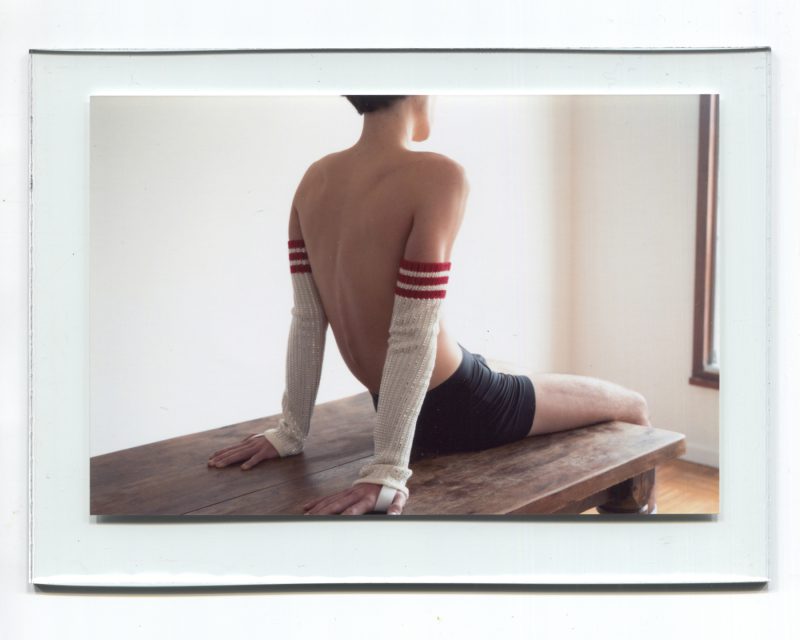
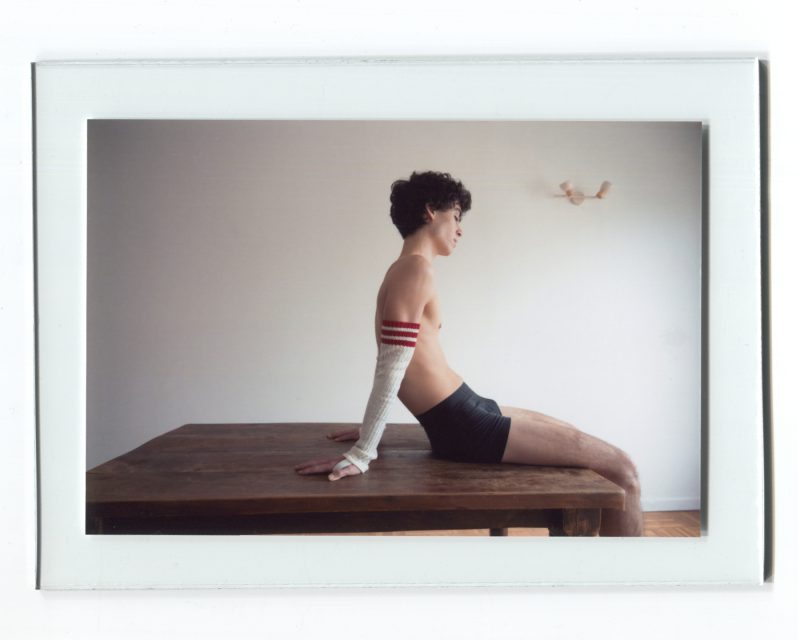
The work directly engages classical dance codes through styling. The body of Toan Jacinto is enveloped in a white leotard and tulle tutu, elements that redirect focus from gender distinctions to the body’s functional essence. The attire functions not as a symbolic declaration but as a means of exposure. The composition of the images emphasizes the interplay between organic materials and rigid surfaces. Skin and lightweight fabrics confront the solid wood of the table and the precise geometry of the parquet floor, evoking the tangible dimensions of choreographic discipline, characterized by resistance, repetition, and physical contact with the ground. The conventional association of dance with lightness gives way to a more technical and corporeal interpretation of the body.
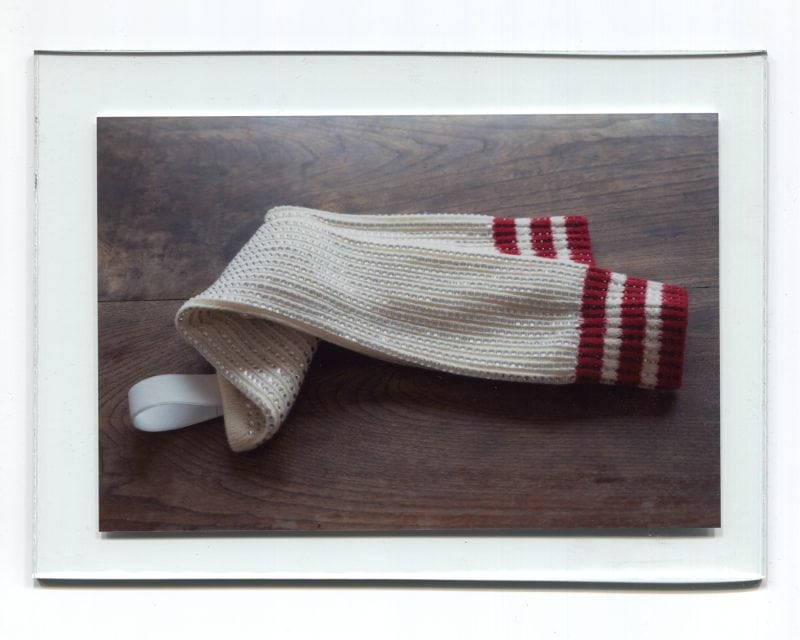
Styling by Sabīne Groza introduces an additional layer of analysis through functional details, such as the red-striped wool socks by Christian Louboutin. References to sportswear and archival athletics position the dancer within an everyday, operational context. The figure sheds any idealized aura, adopting the concreteness of a body in repose, situated between preparation and recovery. Red Soles, Quiet Ground advances a perspective that prioritizes process over outcome. The editorial examines the periods preceding and following performance, when the body remains attuned and the ground serves as the primary point of interaction. Dance emerges as an internal, silent practice, embedded in the direct relationship between physicality and space.