Practical Wears originates from a reassuring promise, practicality, which it then analyses and dismantles within. It doesn’t reject function, but rather takes a critical look at it, observing how it loses its rigidity and evolves into an expressive language. This way, getting dressed isn’t a final act, but a process of continuous construction where the body is the main tool for critical analysis.
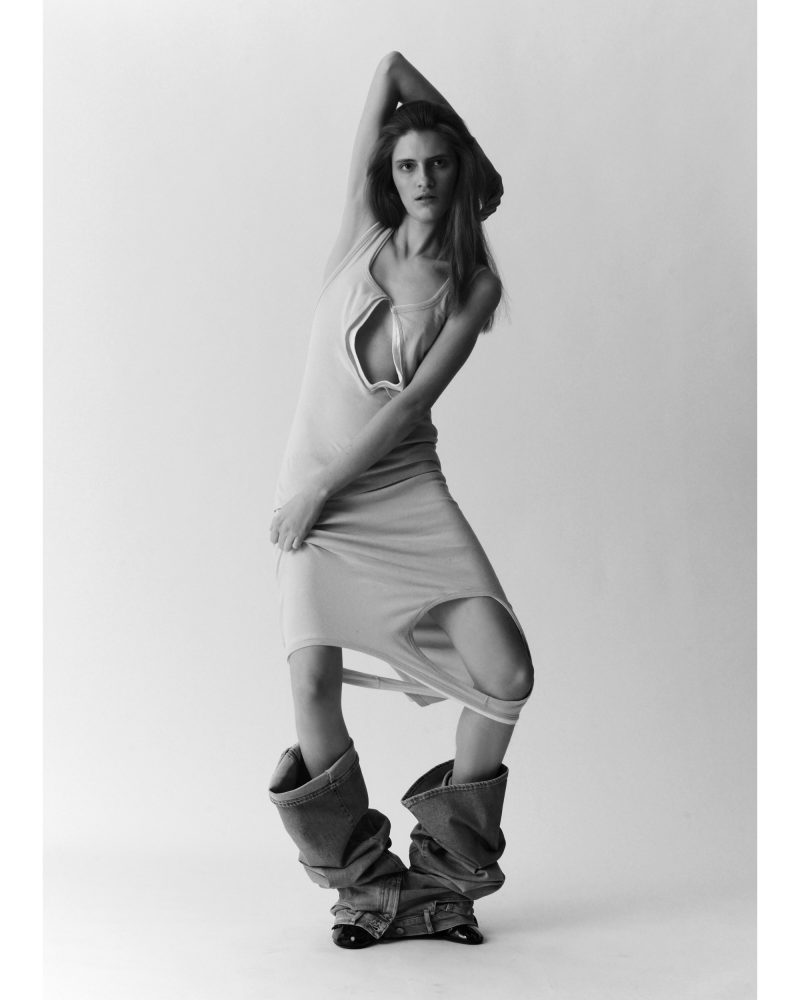
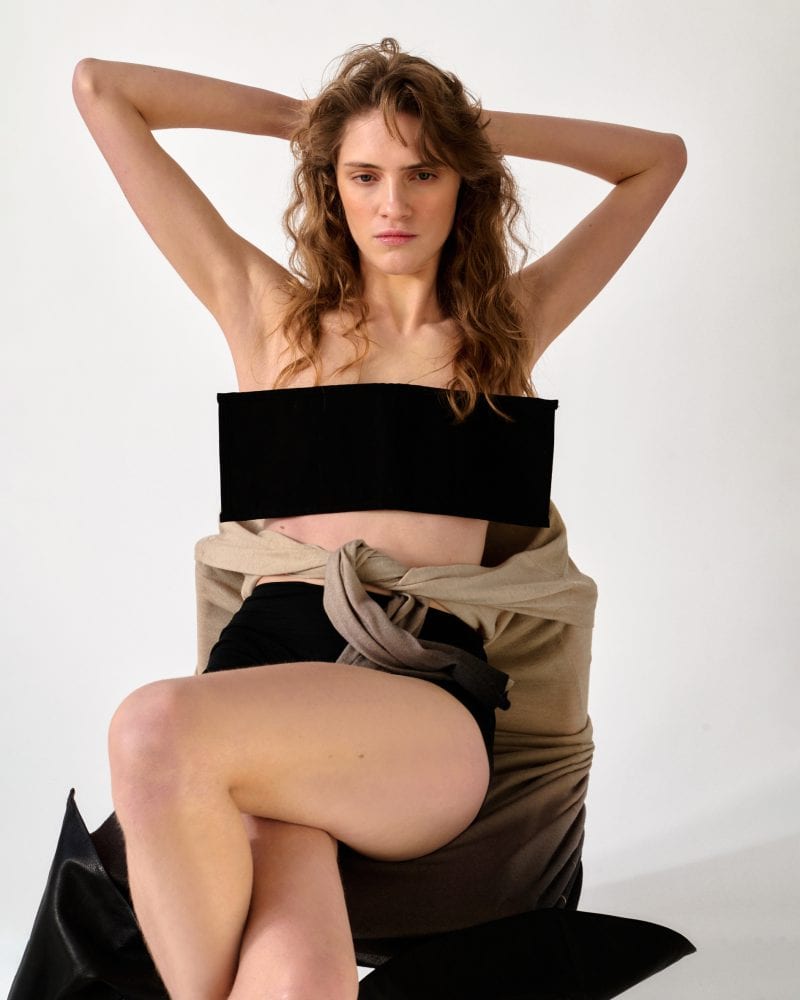
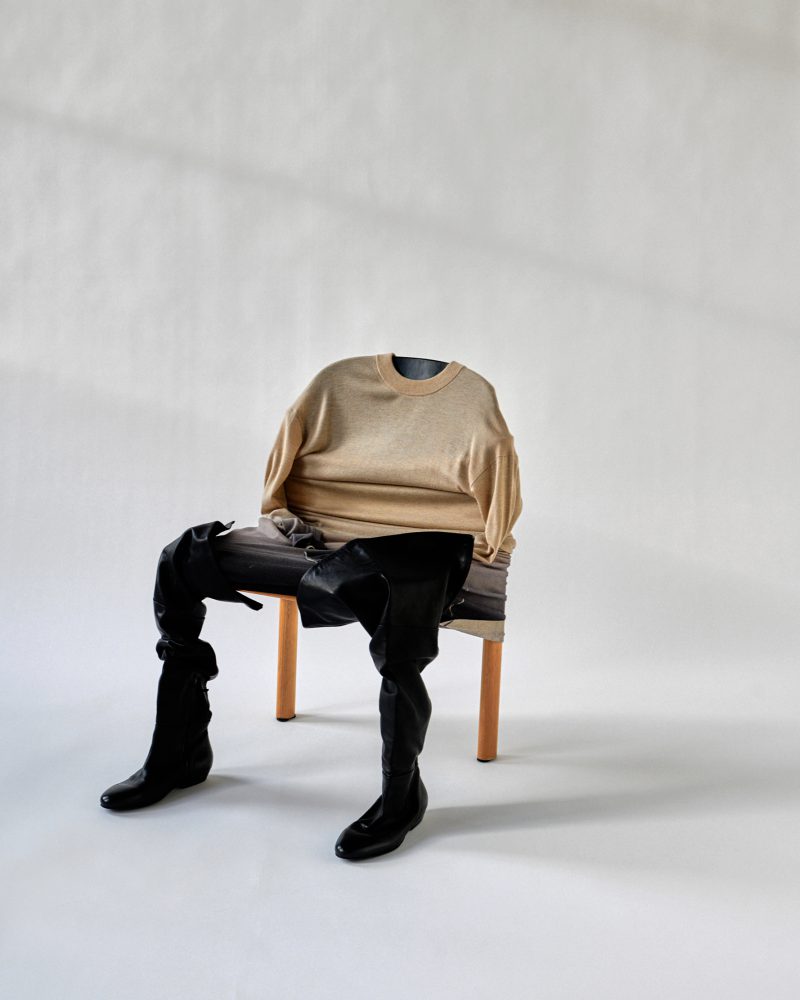
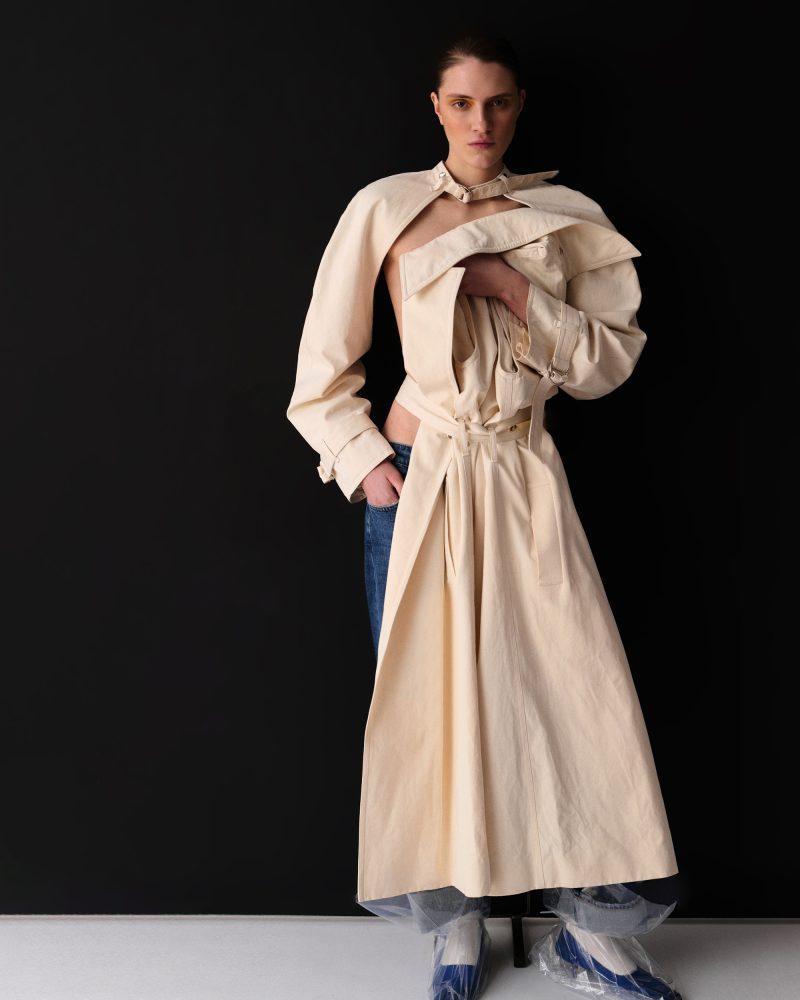
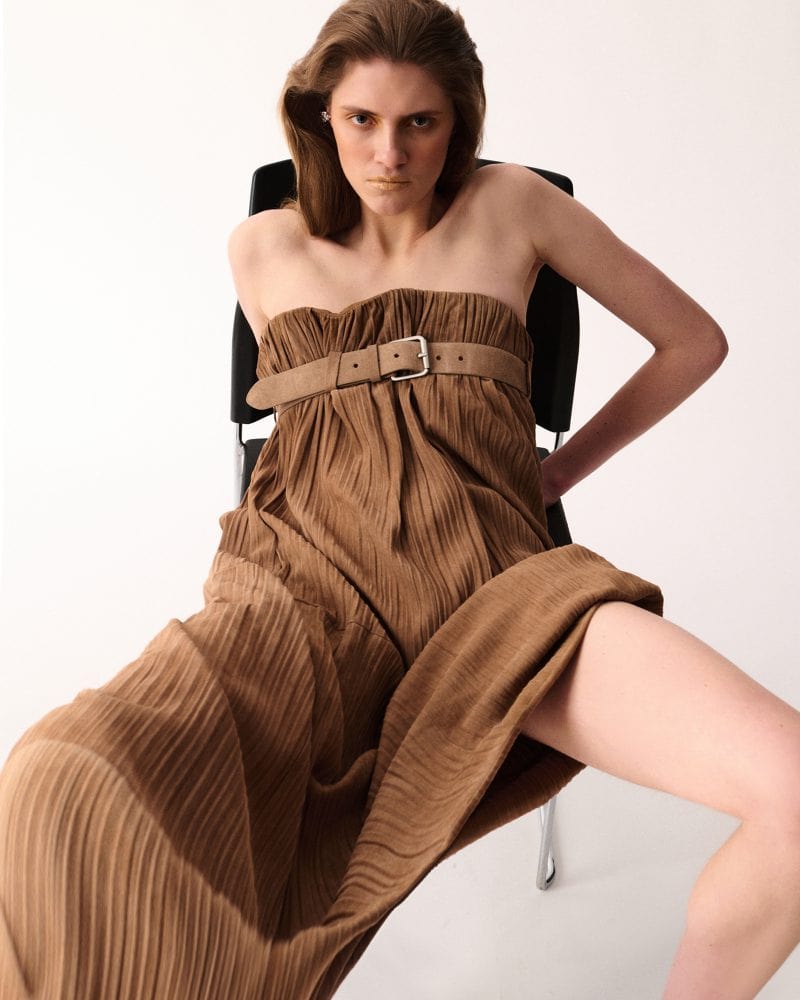
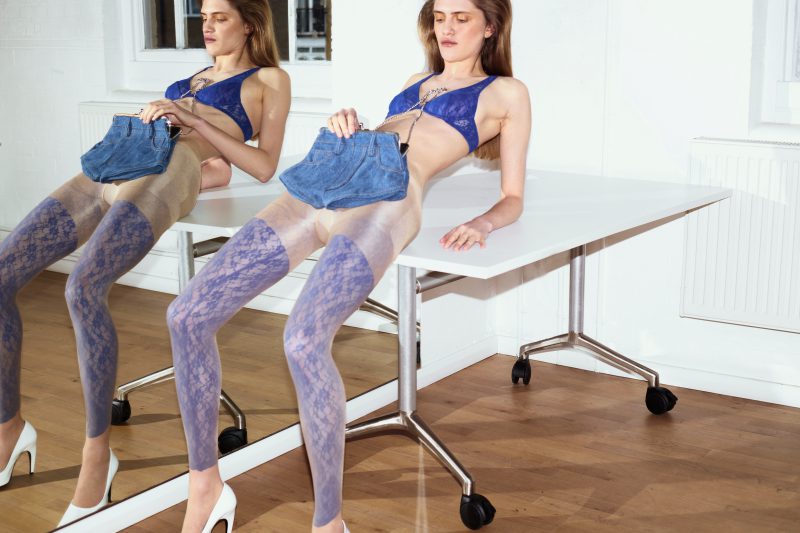
The images show a tense but rational relationship between the clothes and the person. The clothes are laid out on a chair as if they still have some of the body’s presence, suggesting that function continues even when the wearer isn’t there. When the body enters the scene, it does not assume comfortable positions, but rather restrained and sometimes awkward ones.
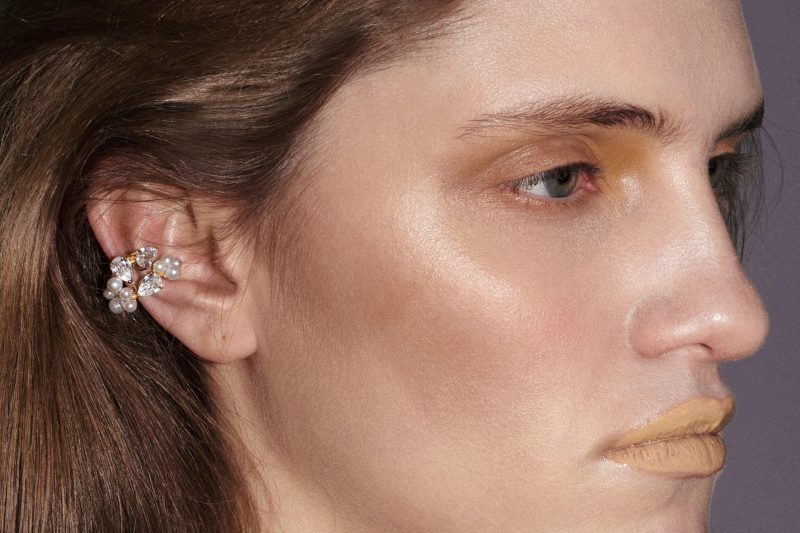
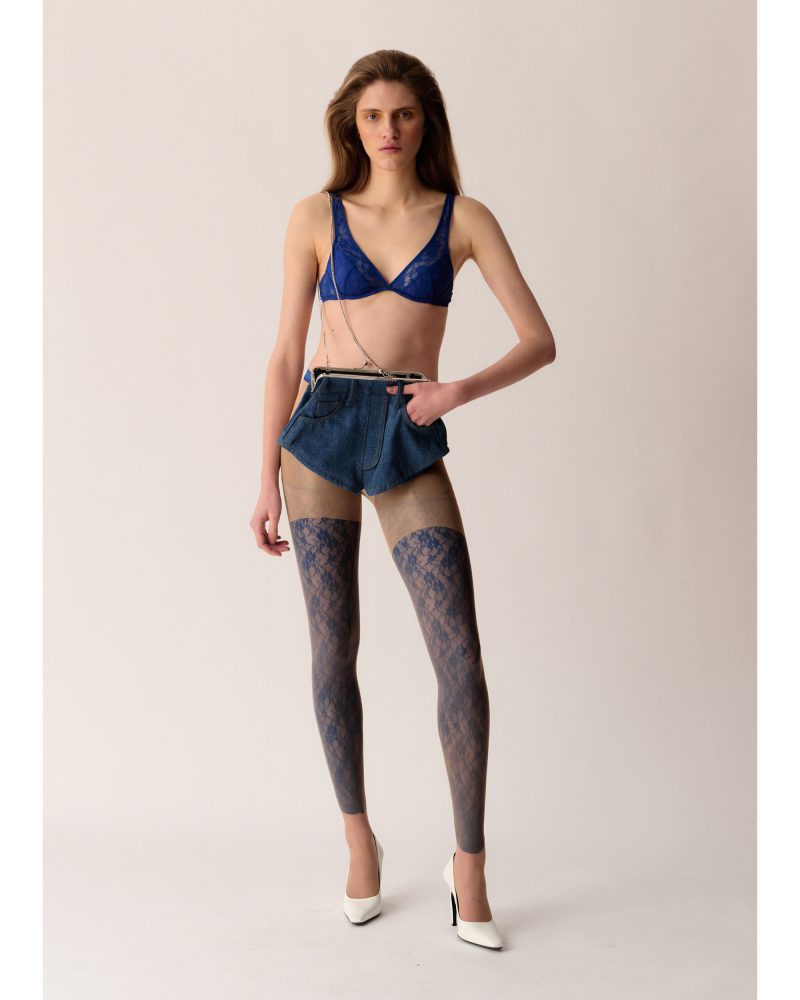
The editorial uses neutral backdrops, the absence of narrative contexts and minimal use of accessories to focus attention on the essential relationship between form and function. Even the beauty elements, calibrated and discreet, avoid emotional distractions. The result is a clinical, lab-like look that transforms each outfit into a test.
Practicality manifests itself as repetition and exercise. The garment remains unchanged, but the way it is worn varies, indicating that function is not intrinsic to the object, but rather dependent on the gesture that activates it. Practical Wears illustrates a constant friction between what a garment should do and what it can become. Fashion is examined as it reflects on itself, aware of its own rules and sufficiently solid to question them. The editorial demonstrates that practicality, when it ceases to be a dogma, can transform itself into a field of possibilities, no longer as an immediate response, but as a space for invention.