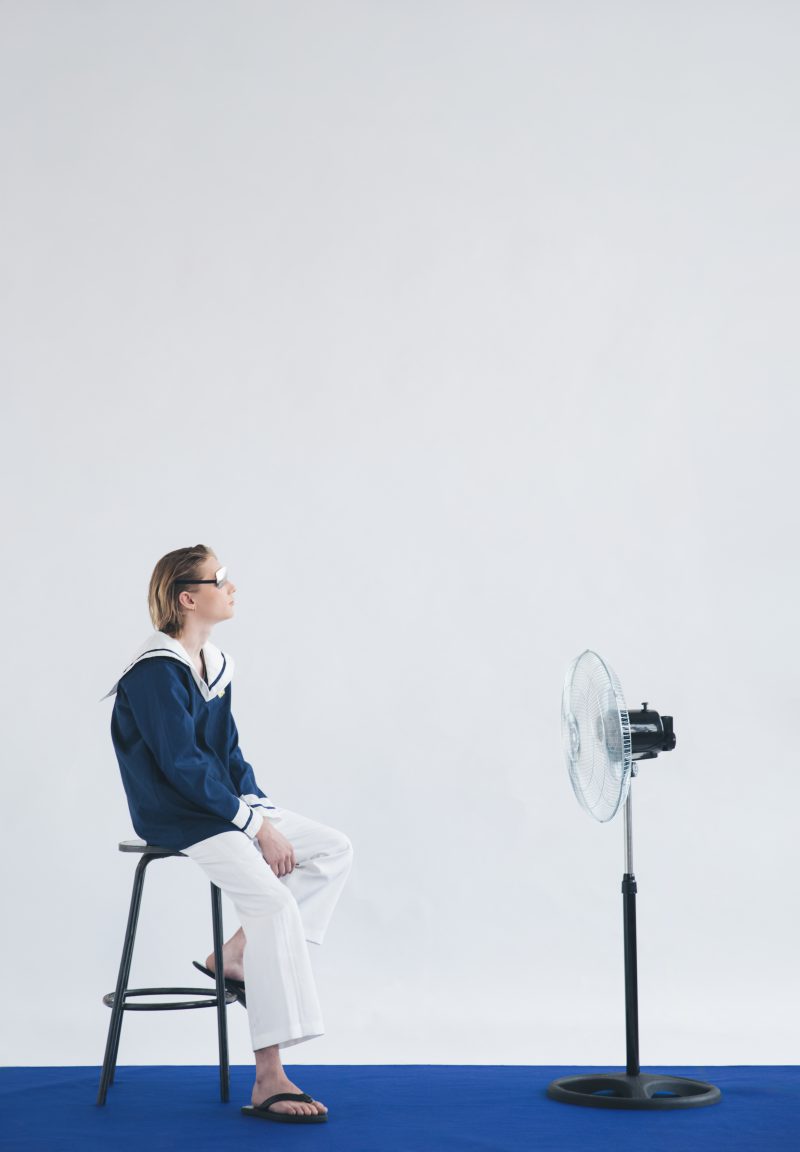
In an age where artificial reality can recreate almost anything, memory remains one of the last untouchables. AI can rebuild a scene or simulate movement, but it cannot replicate the sensory weight of being there. The salt on your lips, the tug of wind through your hair, the sway of your body with the waves—these live in us: stubborn, alive, and
unmistakably human.
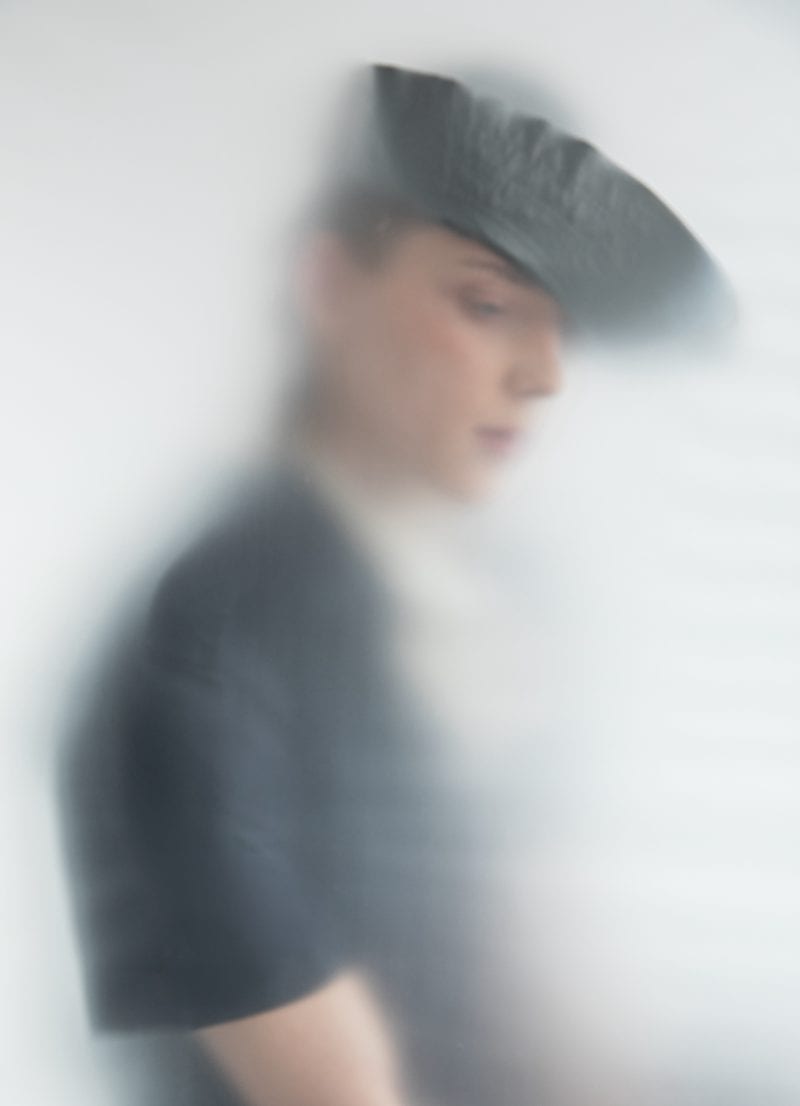
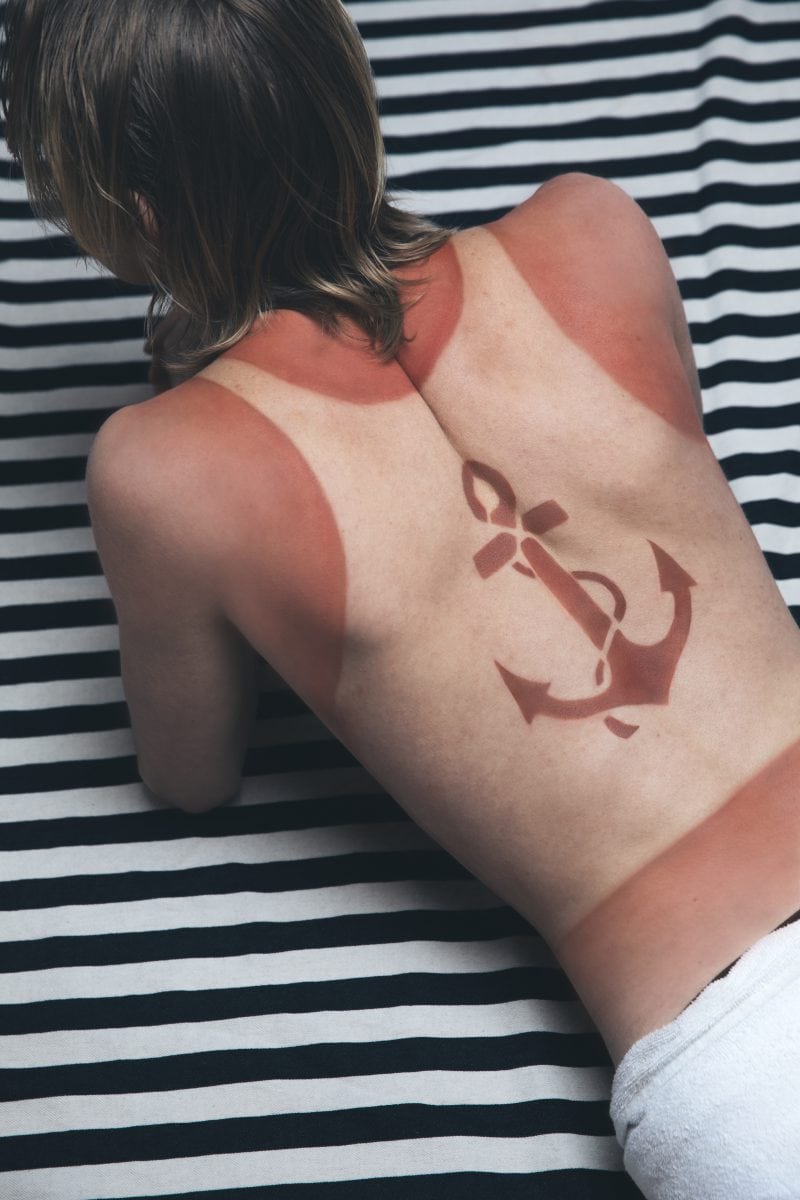
The sailor in lost__@land is more than a figure; he is a reinterpretation of the modern persona. We are all navigators of a world built on screens and oversaturated imitations, chasing the rush of something real. Every staged gesture and filtered image stands in for what memory carries: a life that refuses to fit into pixels. The more perfect the imitation becomes, the clearer the absence feels.

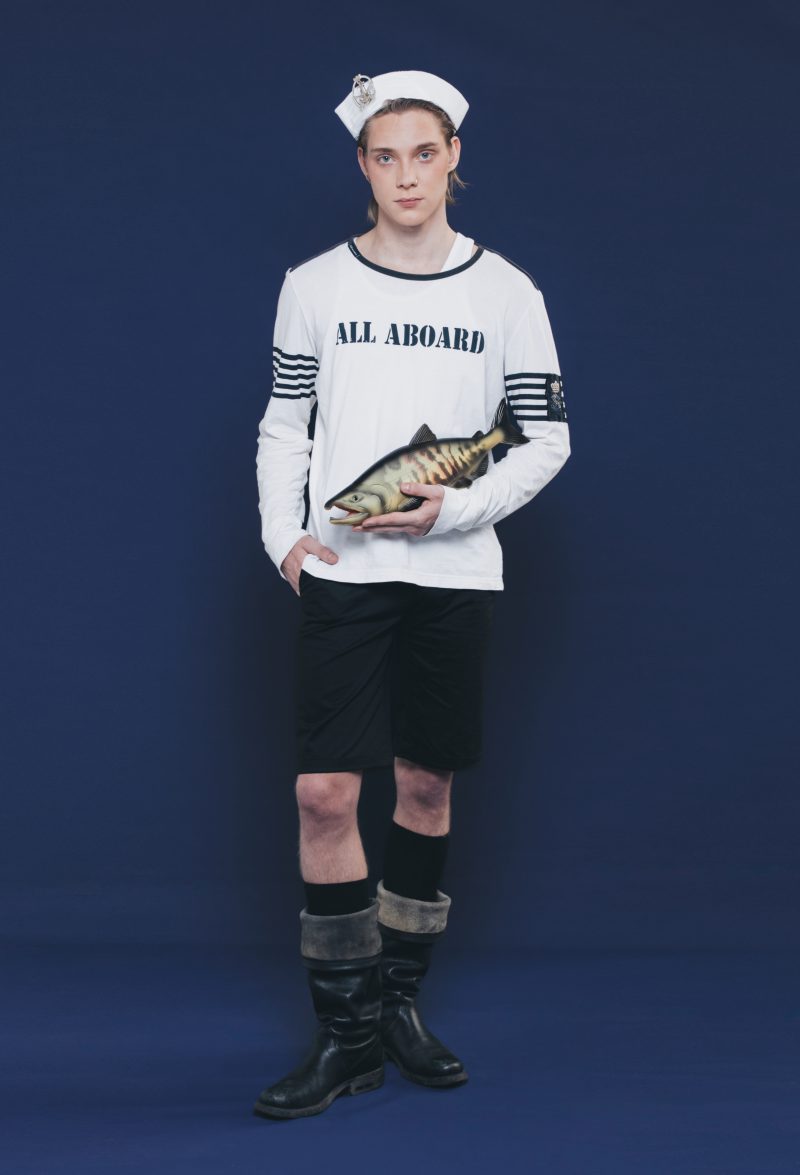
The sailor plays with the reality he inhabits. He denies it, pushes against it, yet still gives in. Plastic fabric becomes haze. A paper boat recalls childhood. A fan mimics the wind felt close to shore. He builds his own sea, fully aware it is artificial, and dives into it anyway—not because it replaces the ocean, but because his body still remembers what it felt like to be held by it. That tension between the real and the fake is where longing lives.
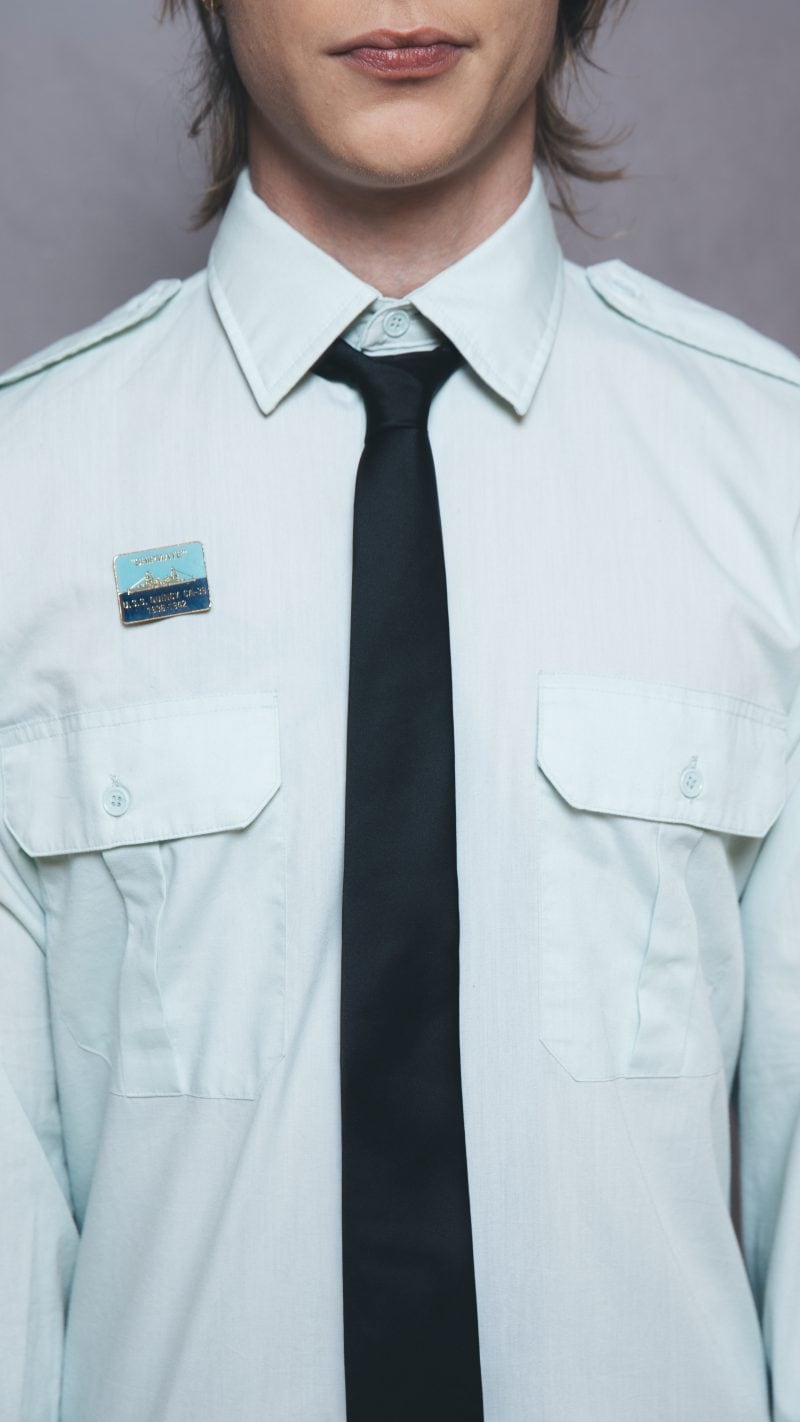
Memory does not stay still. It moves through the body like a current. Even on solid ground, there is a sway beneath the feet—a quiet imbalance, as if part of him never fully returned to shore. Blue becomes more than a color; it becomes a state of mind. The body remembers the world has forgotten.
We are all sailors like this. We scroll and stage our lives, slowly losing touch with the texture of the real. But memory keeps us afloat. It carries what no machine can reach—the warmth of the sun, the ache of missing someone, the moments that tighten your chest without warning. Messy, imperfect, and entirely ours.
Artificiality may assist our urge for perfection, but memory—like a tide that never recedes—keeps pulling us back to shore.