A fragrance does not need to be seen to alter a perception. It can permeate a room, rekindle a memory or transform something familiar into a scene that suddenly feels alien. It is precisely in this unstable realm, between what appears and what remains unseen, that Perfume Who operates – an independent studio founded in Brooklyn by the Taiwanese perfumer and artist Hannah Wu. Here, fragrance is stripped of the traditional conventions of luxury to become a narrative device, a sort of cinema without a screen. The cinematic reference is not merely conceptual. Meshes of the Afternoon takes its name from the experimental film made by Maya Deren and Alexander Hammid in 1943, whilst The Very Eye of Night again draws on Deren’s universe. Rather than literally translating a film into a scent, Perfume Who seems to ask what remains of an image once the image itself has been removed. Fig, rose and honey; dry grass, violet and white musk: the notes become fragments of mental landscapes, capable of constructing a place without representing it.
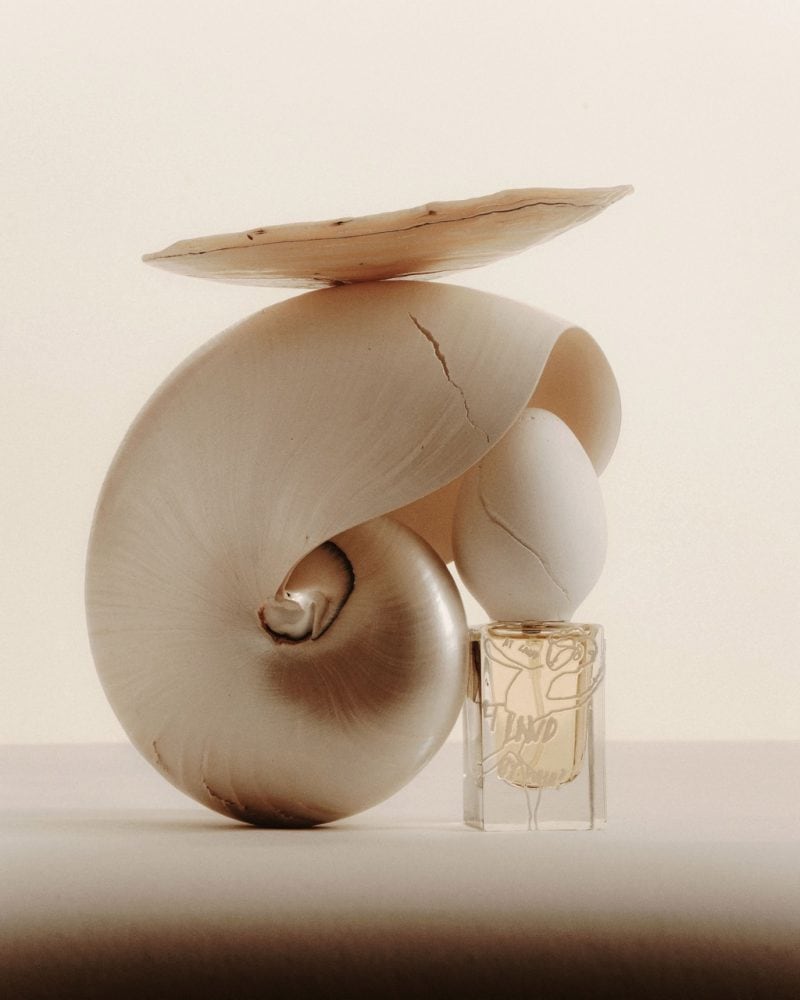
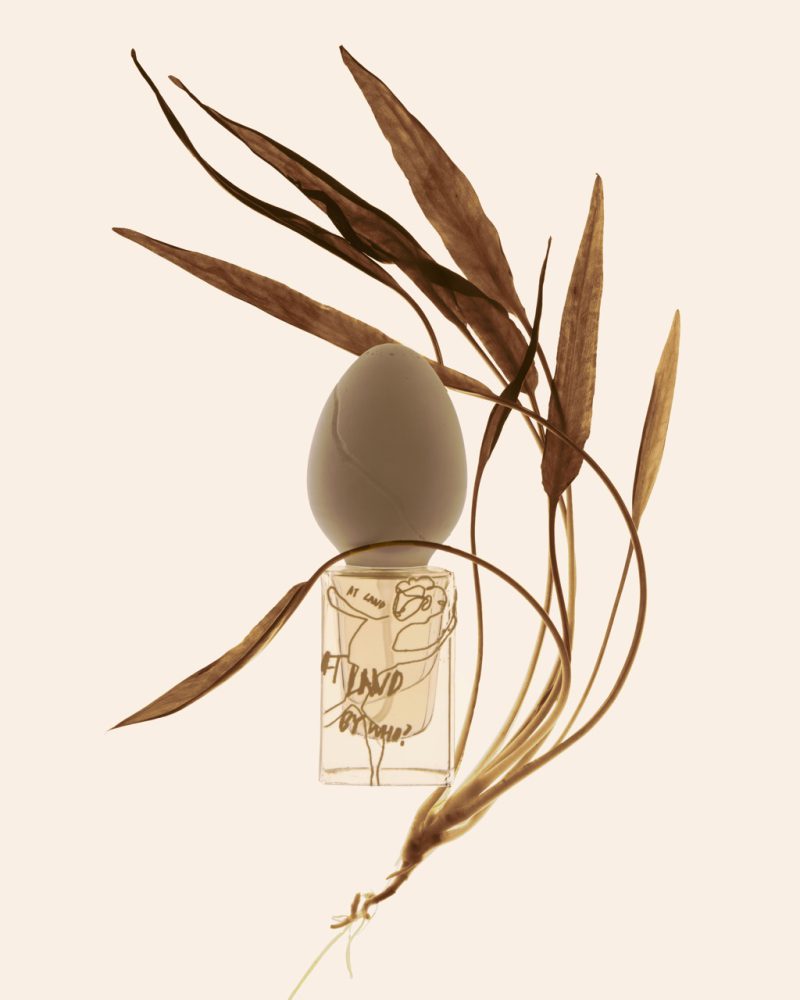
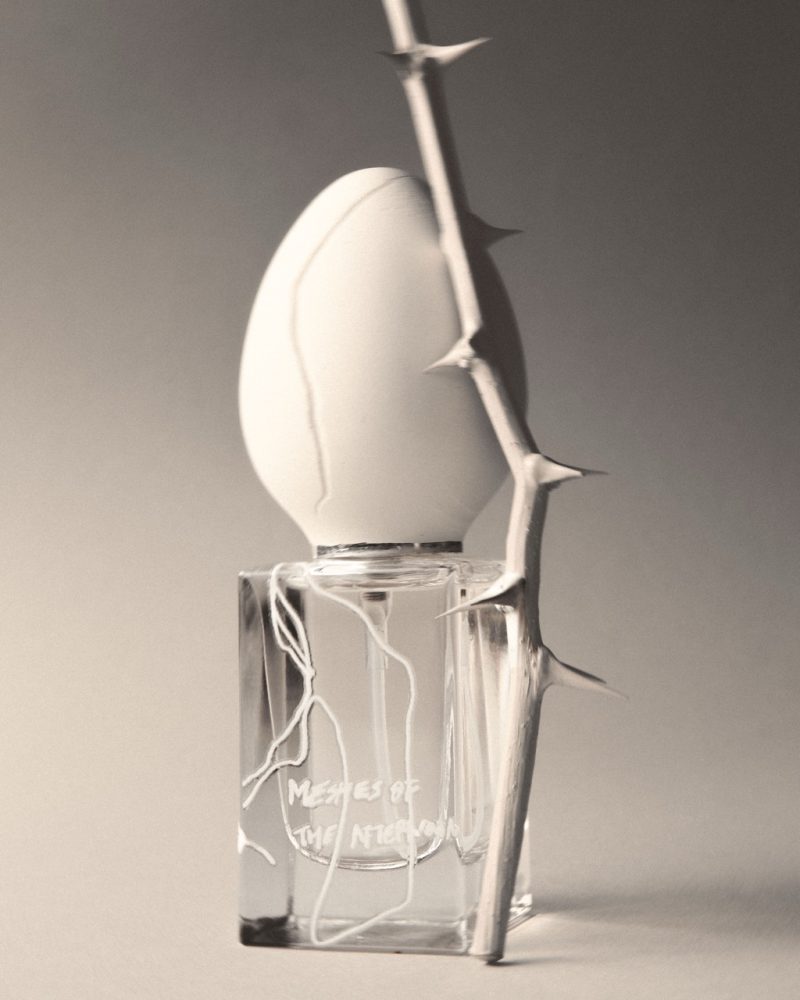
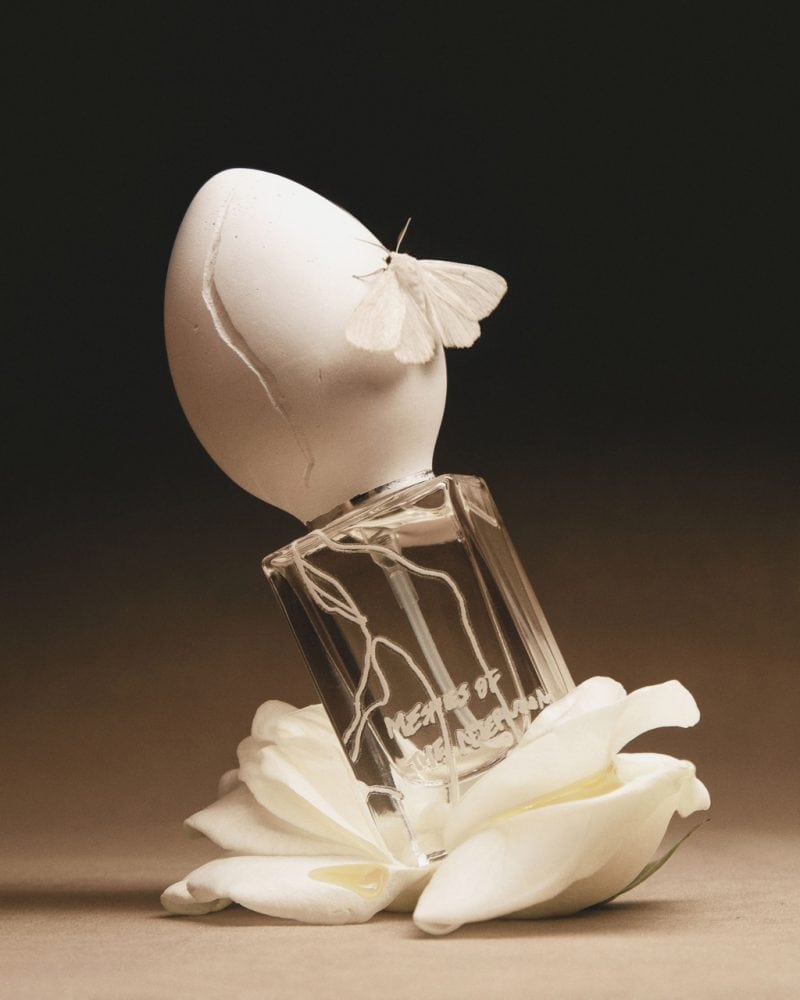
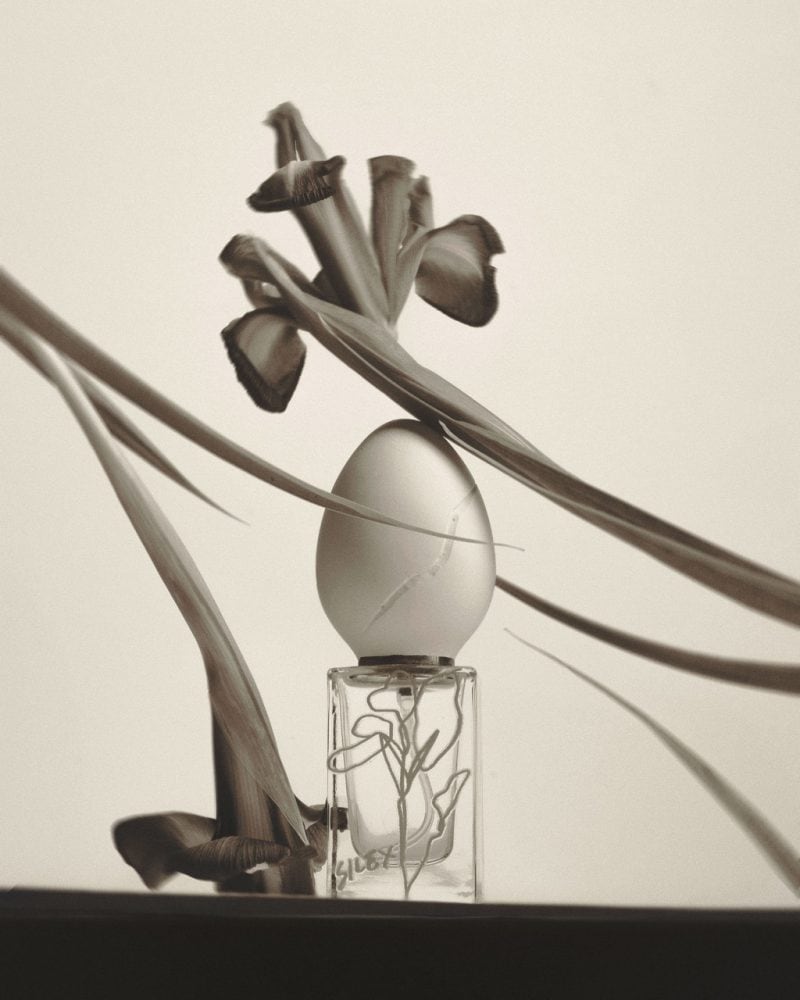
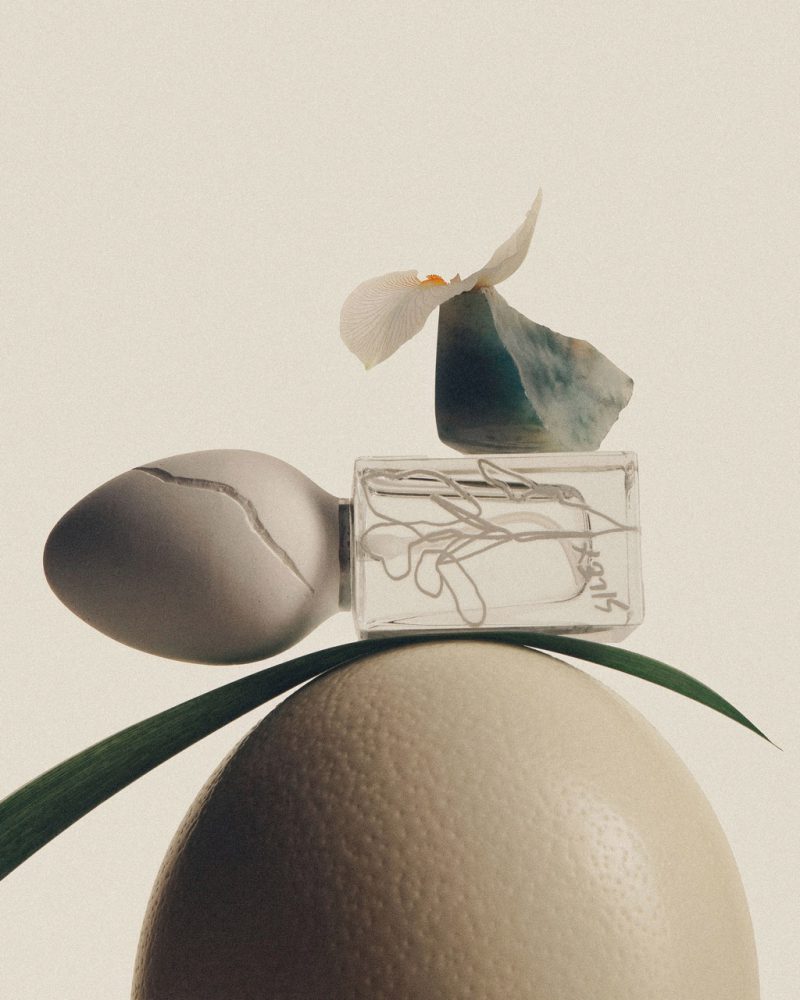
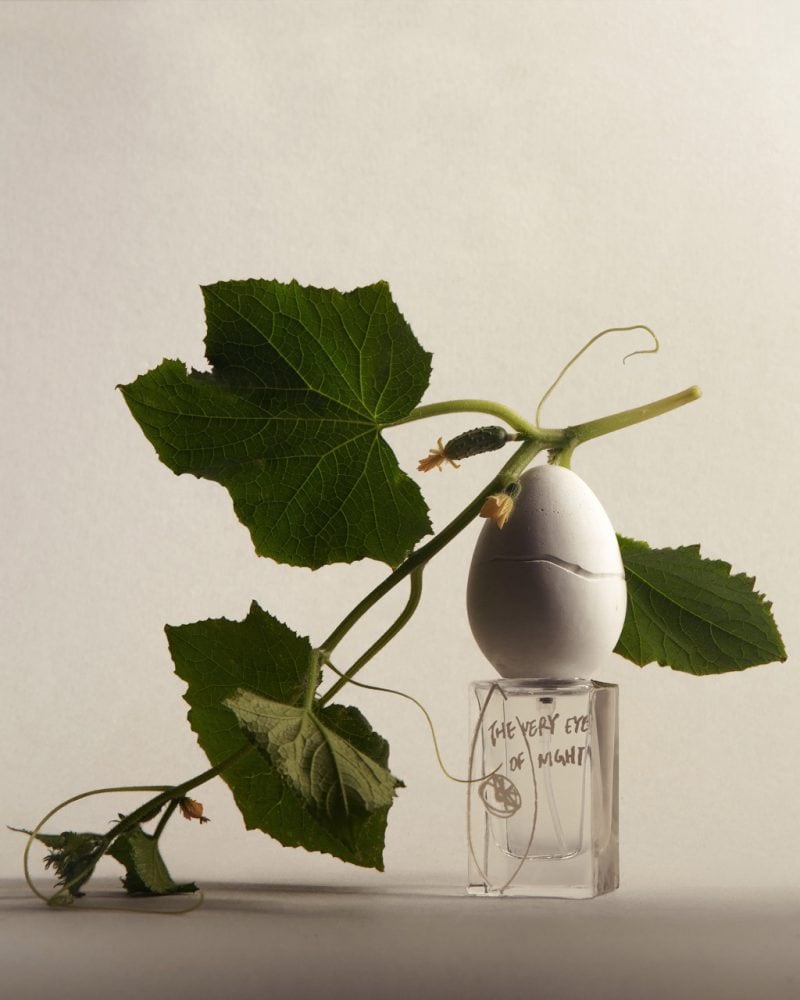
In the photographs by Andriy Shurpin and Valerie Sagura, too, the bottle ceases to behave like a product. Instead, it appears within small, surreal ecosystems: resting against a shell, intertwined with branches, surrounded by leaves, petals and organic forms. The plaster egg that seals each bottle introduces a fragile, almost archaeological element. The cracks are not concealed, but become part of its identity. Handcrafted, the stopper is also porous: it absorbs the fragrance and slowly releases it into the air, transforming the packaging into a small olfactory sculpture. It is hard not to think of Surrealist still lifes, where ordinary objects and natural forms were juxtaposed to produce impossible associations. Here, however, the missing element is precisely the central one: the scent. In Mothlight, damp earth, matsutake mushroom, moss and sandalwood construct the image of a forest floor without ever revealing it; At Land, on the other hand, moves from seaweed to driftwood, through to oud, tobacco and incense. Perfume Who thus seems to focus less on perfumery than on sensory memory. Each fragrance is an image we cannot see, but which the body can recognise. An invisible frame that continues, silently, off-screen.