Tilda Swinton’s debut work, Ongoing, is not an autobiography, but rather a manifesto. Far from being celebratory, the book is an exploration of time and its flow through cinema, fashion and art seen as areas that are permeable and constantly evolving.
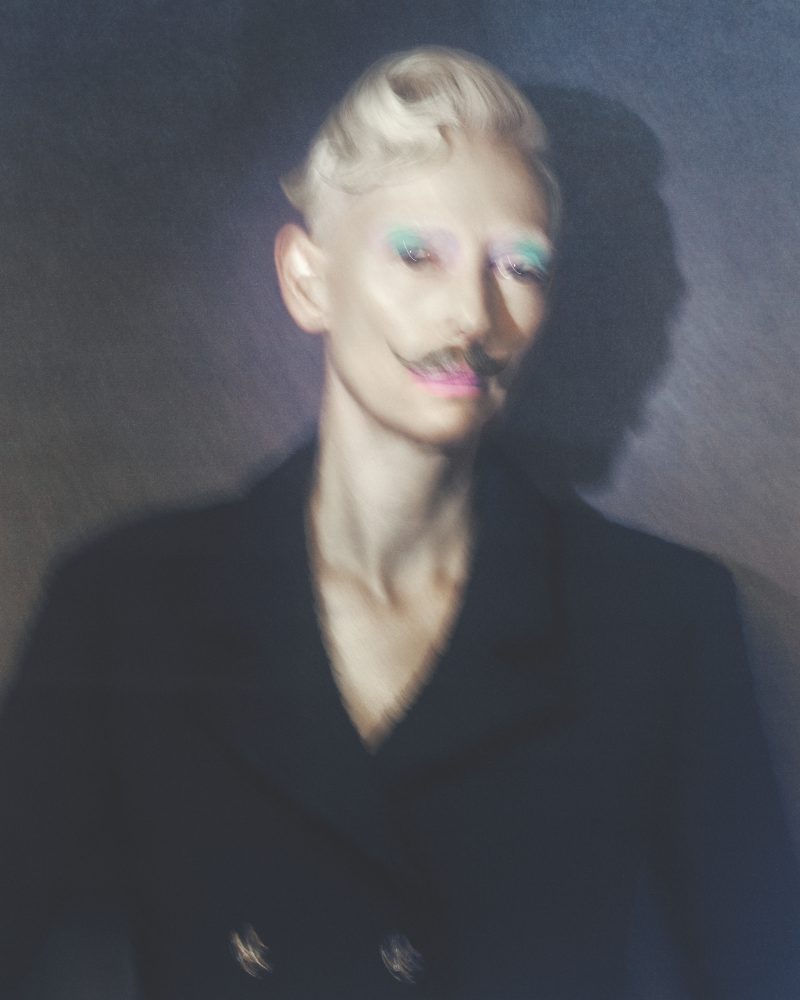
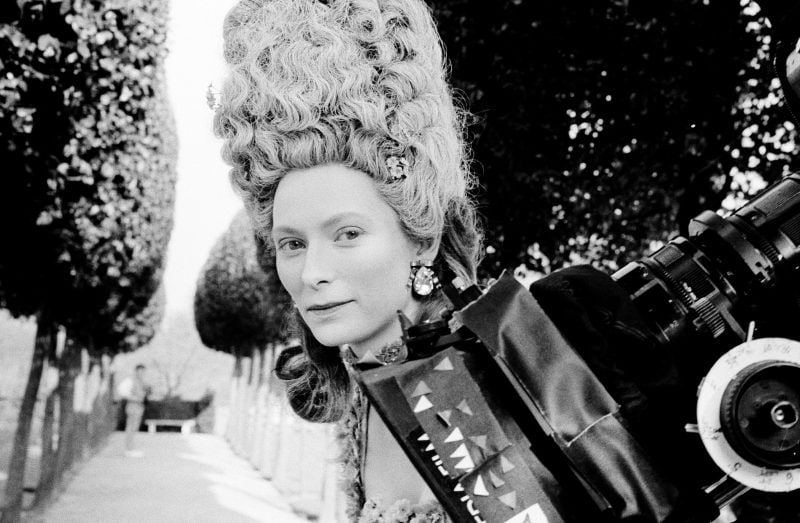
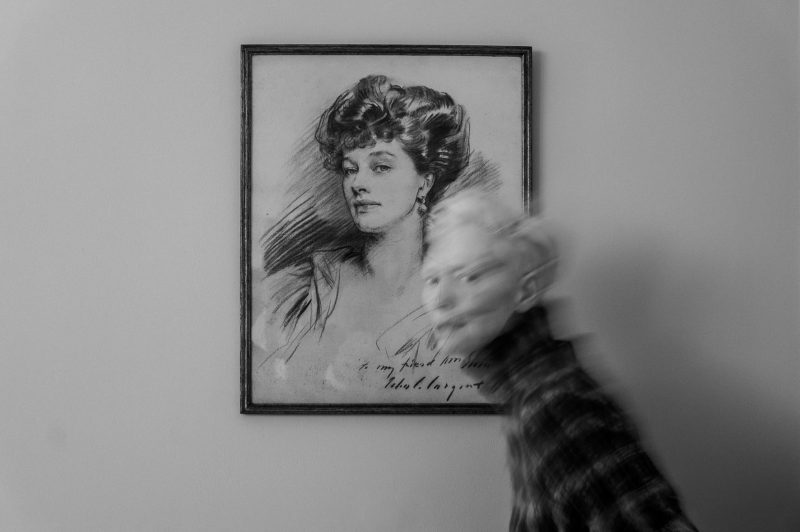
Swinton presents herself as a work in progress. Throughout the pages, the central concept of identity emerges as a non-static, shared construction. The images go from her early collaborations with Derek Jarman to her most recent projects, which are true signs of a transformation in progress. In a black-and-white photograph, the shaved back of the head evokes the radical androgyny of Orlando, translating the body into a political and experimental space. Elsewhere, a blurred, almost ghostly portrait dissolves the features, suggesting a rejection of any iconic fixation.
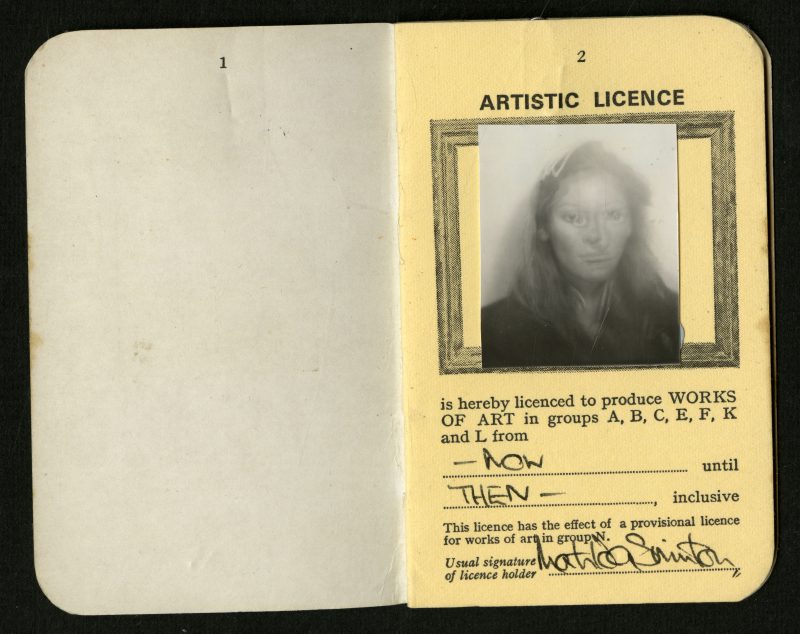
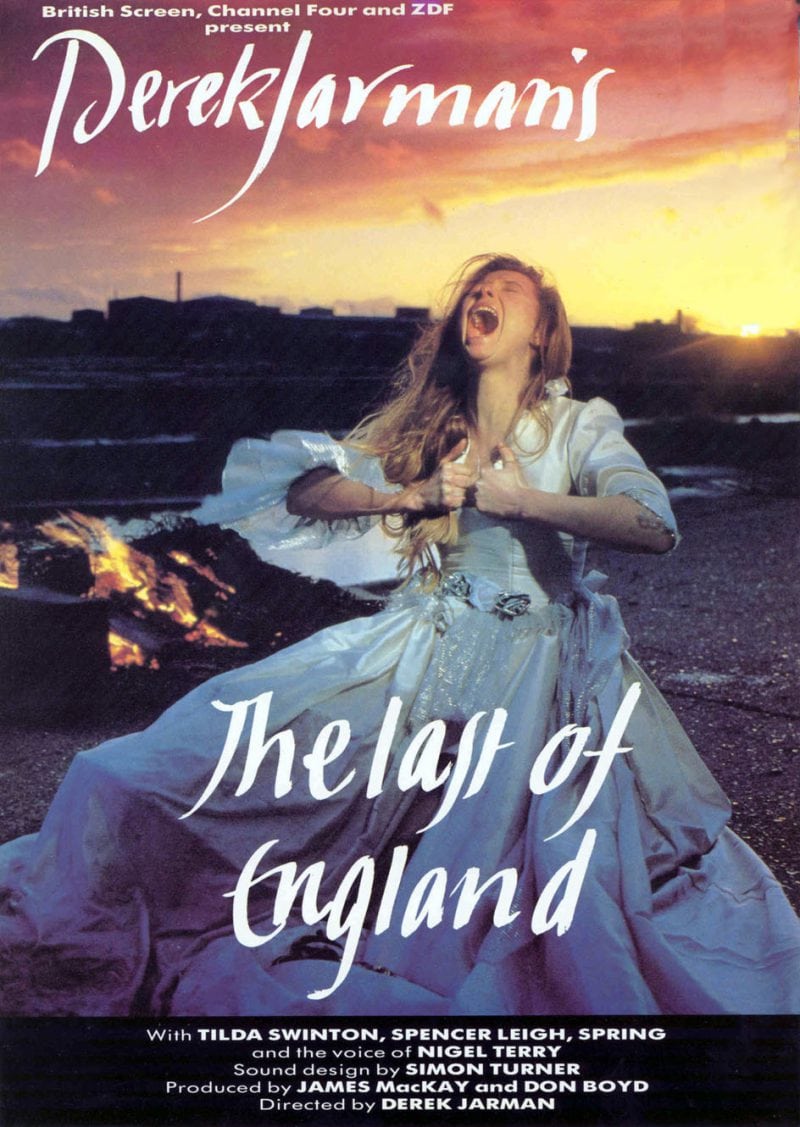
The core of Ongoing lies in connection. The volume consistently emphasises co-creation as a primary practice. Derek Jarman is a foundational collaborator and Joanna Hogg is an intimate and constant presence, capable of reactivating the past without turning it into a museum piece. The pages dedicated to Jarman, enriched with archival material and images that evoke celluloid and political urgency, reveal how this encounter shaped an idea of cinema as a collective and vulnerable act.
Even fashion, in this context, transcends its mere ornamental function. Collaborations with Olivier Saillard and Jerry Stafford prove to be expressions of storytelling in action. In a photograph reminiscent of a performance, Swinton moves through space in a dress that encapsulates gesture and archive. The dress does not “cover” the character, but rather unsettles her.
The materiality of the volume is equally noteworthy. Different papers, acetates, visual layers: Ongoing invites you to touch, savour and experience it. For C41, Ongoing is primarily a cultural manifesto to conceive of creativity as an alliance, as an endless conversation. Swinton does not archive forty years of career but keeps them open.