
This editorial unfolds through two parallel narratives that coexist within a unified visual language, each offering a distinct way of engaging with fashion while sharing a common sensibility.
Story A: Old-School Weirdness leans into the tradition of fashion editorials that embrace strangeness without spectacle. It draws from a visual vocabulary where the unexpected is subtle rather than exaggerated—where poses feel slightly off, compositions resist polish, and styling hints at something familiar yet just out of place. This “weirdness” is not loud or confrontational; it is quiet, almost polite, allowing the viewer to notice its oddities and on their own terms.
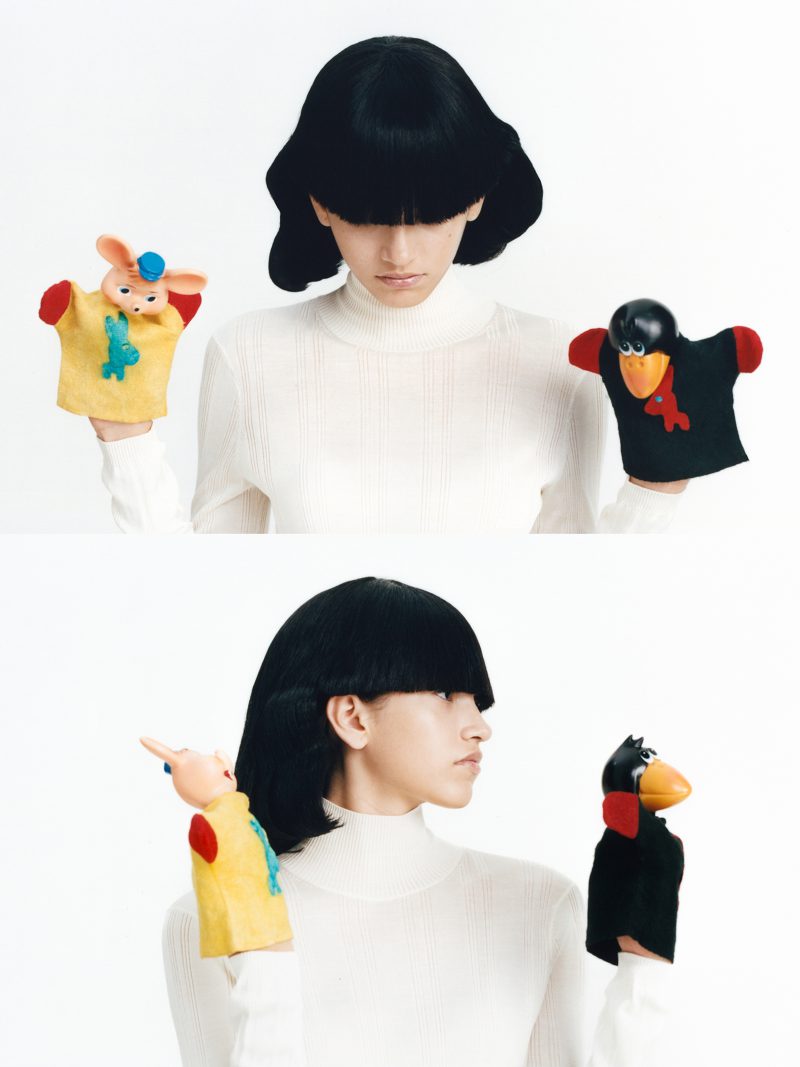
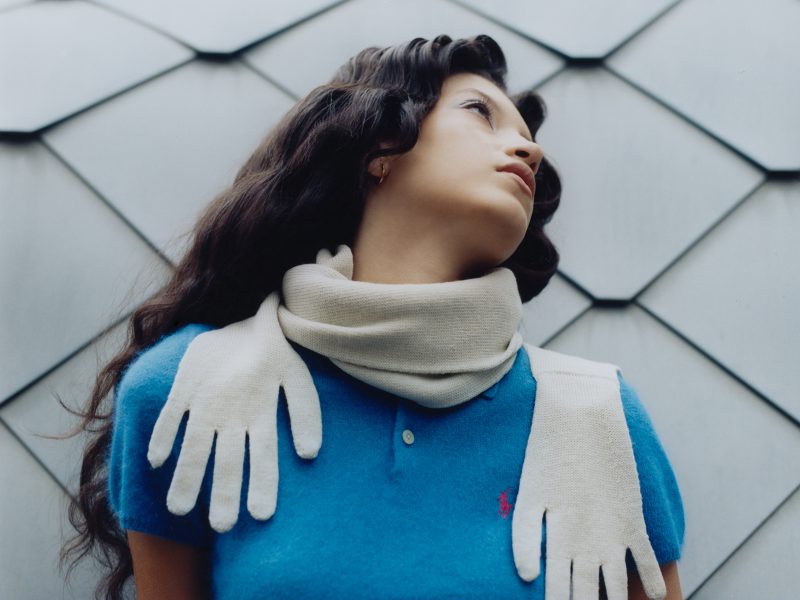
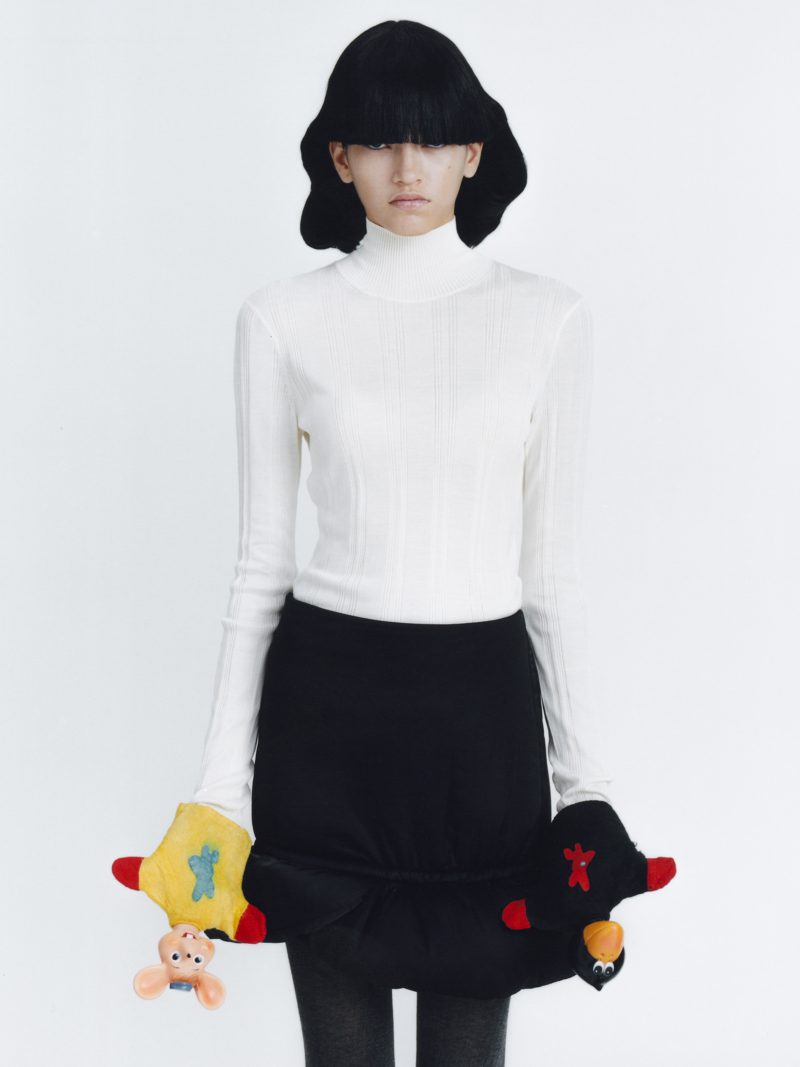
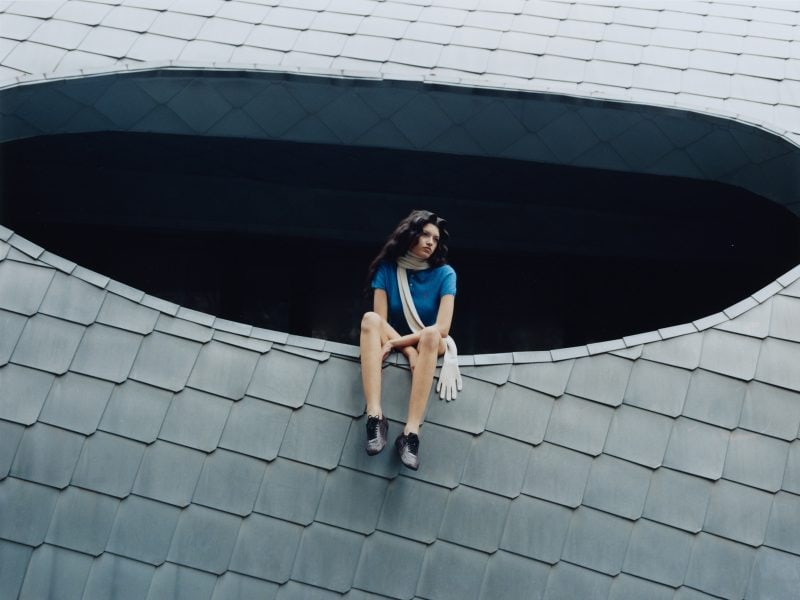
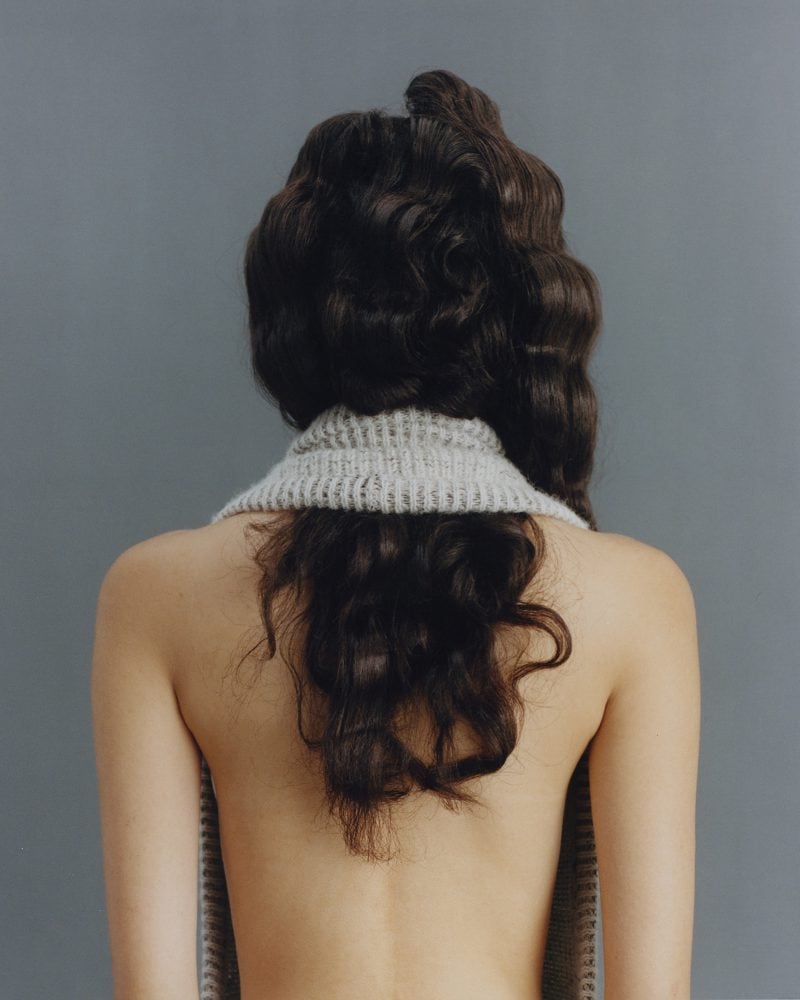
Story B: Guidebook takes on a more playful, quasi-instructional tone. It mimics the structure of a manual or handbook, offering gestures toward clarity and direction while never fully committing to either. There is a sense of humor embedded in its format—an awareness of how fashion often tries to prescribe meaning, here gently unraveled through subtle inconsistencies and unexpected details.
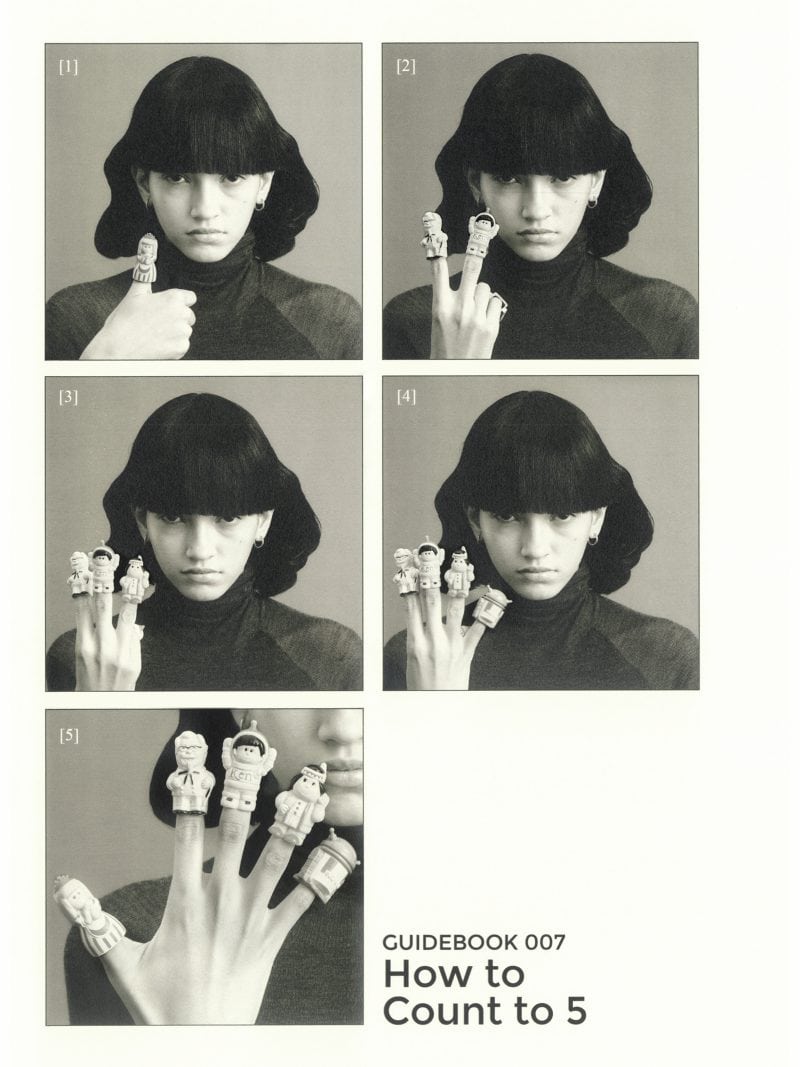
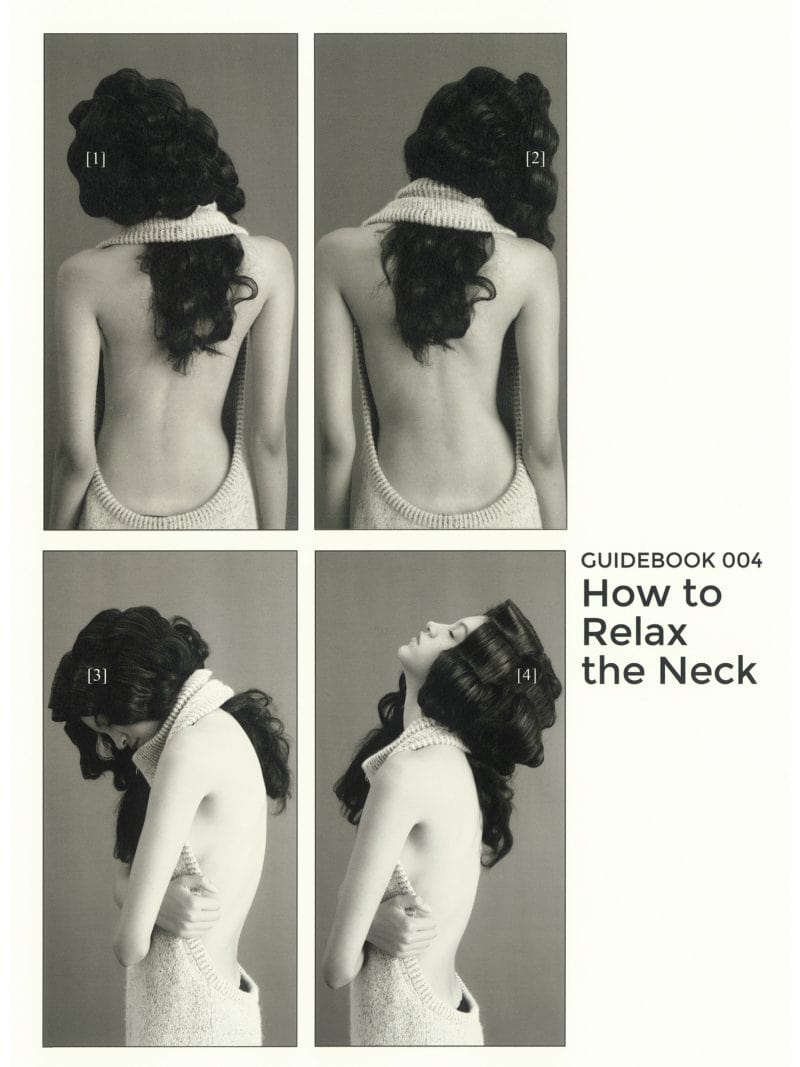
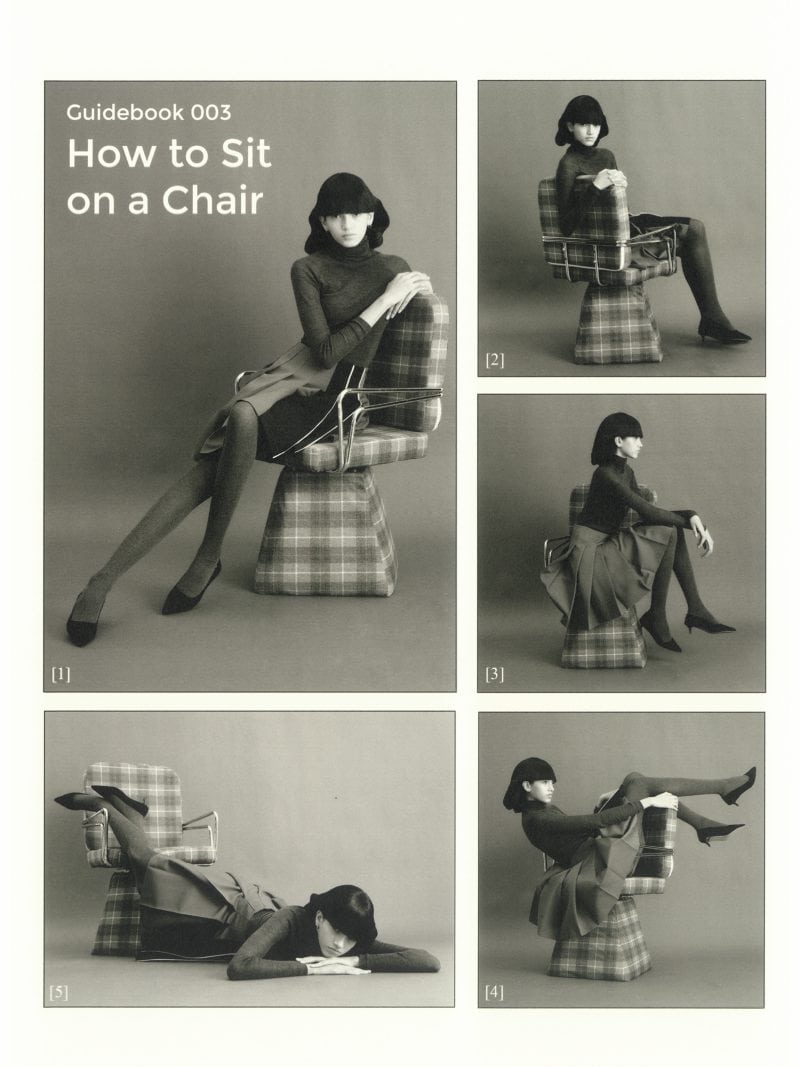
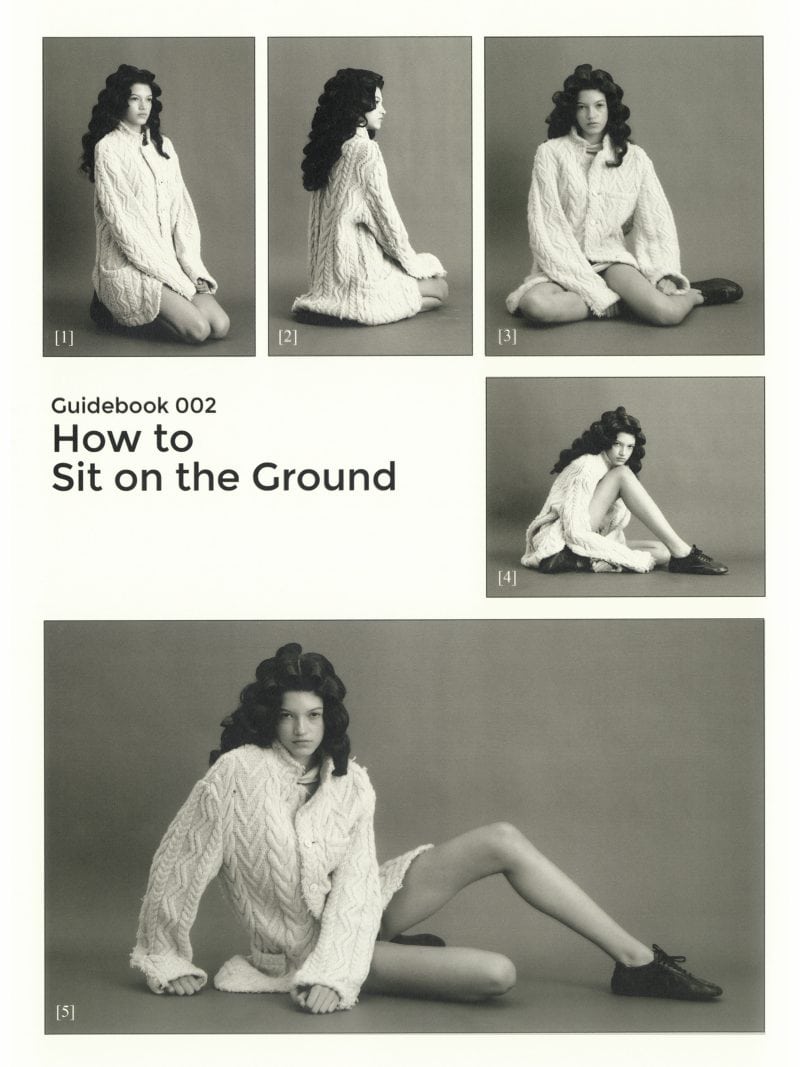
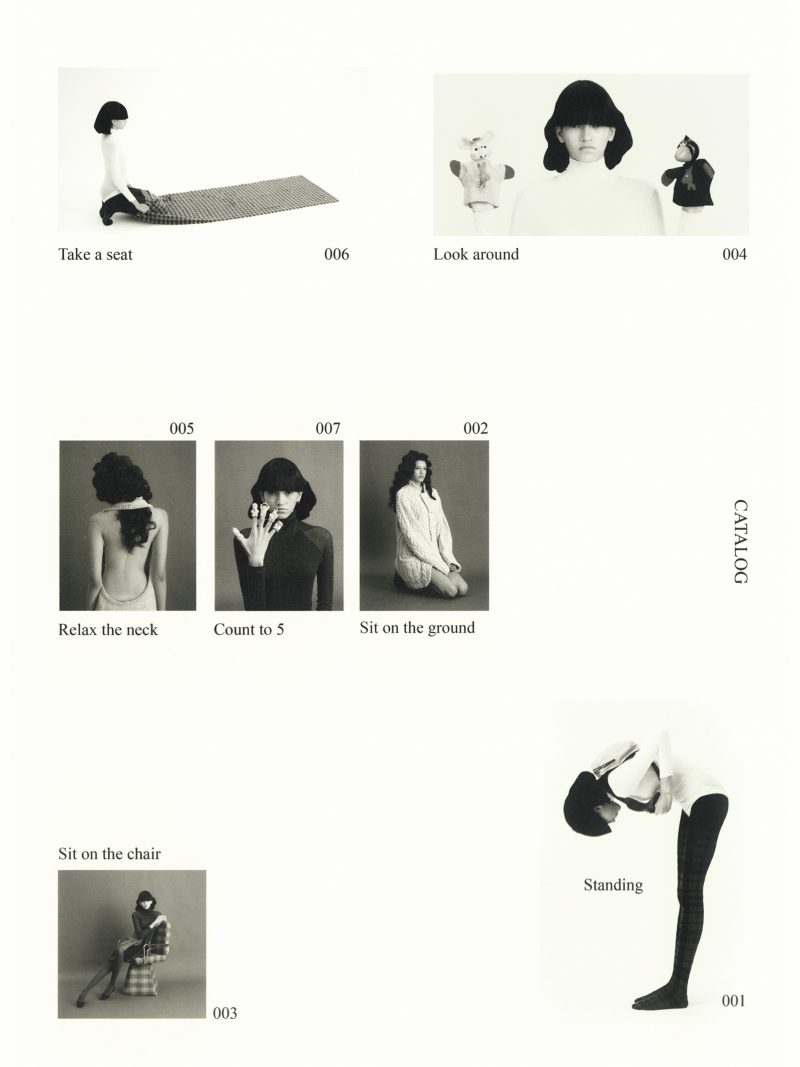
Despite their structural differences, both narratives operate within the same emotional register: a form of serious humor. It is restrained, light, and quietly offbeat—never demanding attention, yet persistently shaping the way the images are experienced. This tone allows the work to exist in a space that feels both deliberate and unforced.
The approach to fashion photography here is defined by looseness and ease. It is not about rejecting fashion or critiquing it from a distance. On the contrary, it comes from a genuine appreciation of fashion—paired with a desire to hold it lightly. Within this space, ambiguity is not only allowed but welcomed. Awkwardness becomes a tool, and small misalignments—between body and garment, intention and outcome—create moments that feel alive rather than resolved.