
There are places where time feels layered rather than linear, where the past does not recede but settles into the present, shaping its textures and rhythms. Old Delhi is one such place. It does not ask to be observed quickly. It reveals itself slowly—through light that shifts across worn walls, through the cadence of footsteps in narrow streets, through the quiet persistence of daily rituals.
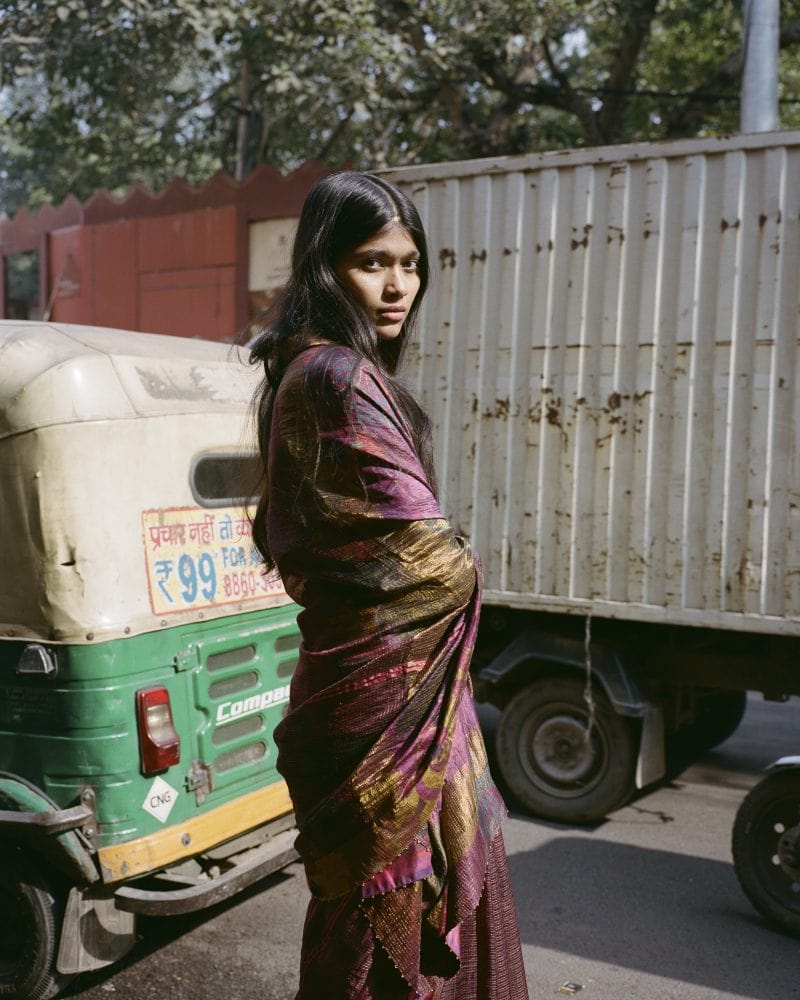
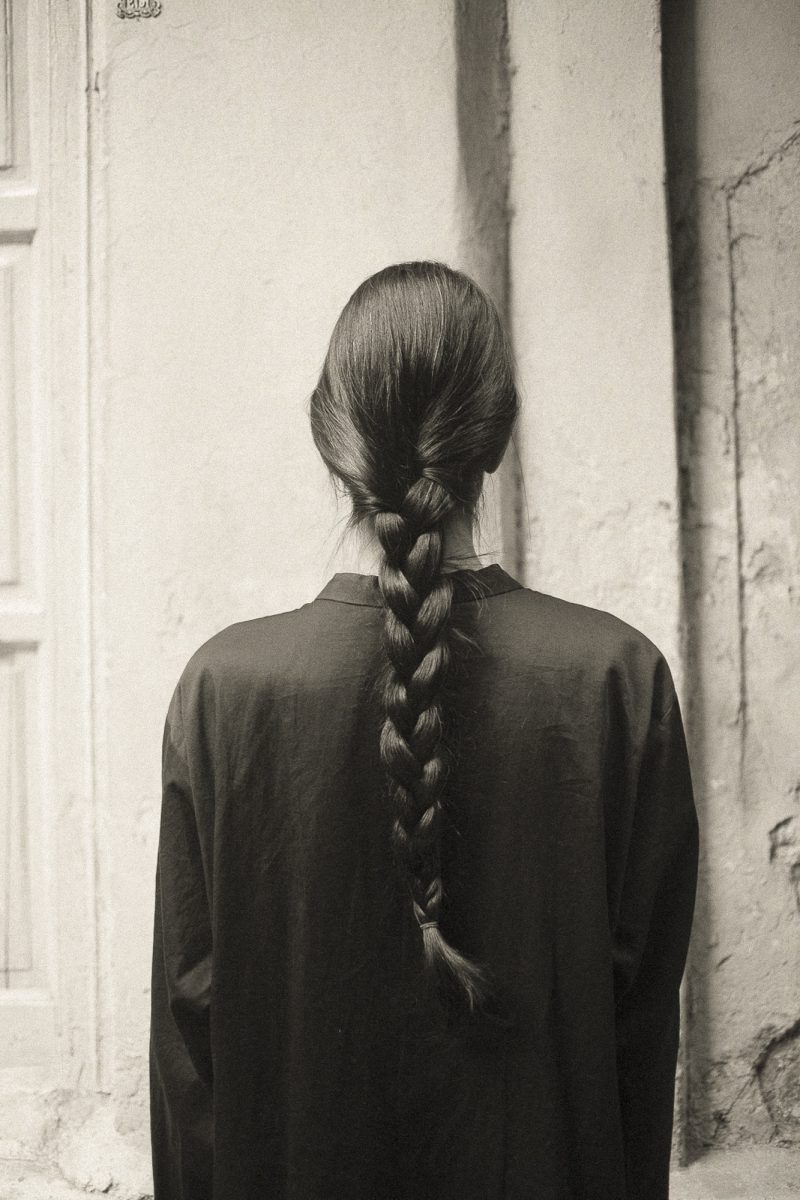
This editorial was conceived within that tempo. Shot in the family home of Arun and Anka and extending into the surrounding streets, the space itself became an active collaborator. Rather than imposing direction, the environment guided the process. Afternoon light entered rooms unannounced, tracing surfaces and softening edges. Sounds filtered through—distant conversations, passing vendors, the subtle movement of a lived-in home—creating a backdrop that could not be staged.
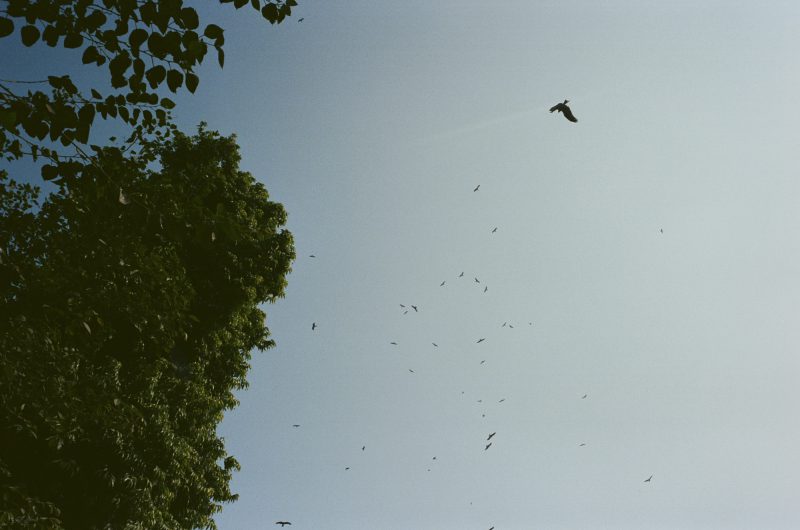
Within this setting, the garments take on a different kind of presence. Finely made and handwoven, they carry their own sense of time—hours of labor, inherited techniques, and the quiet irregularities that come from being shaped by hand. In Old Delhi, these qualities do not stand apart; they resonate. The city, much like the clothing, is defined by accumulation rather than precision. Layers of history, repair, and reuse form a continuity that resists the idea of perfection.
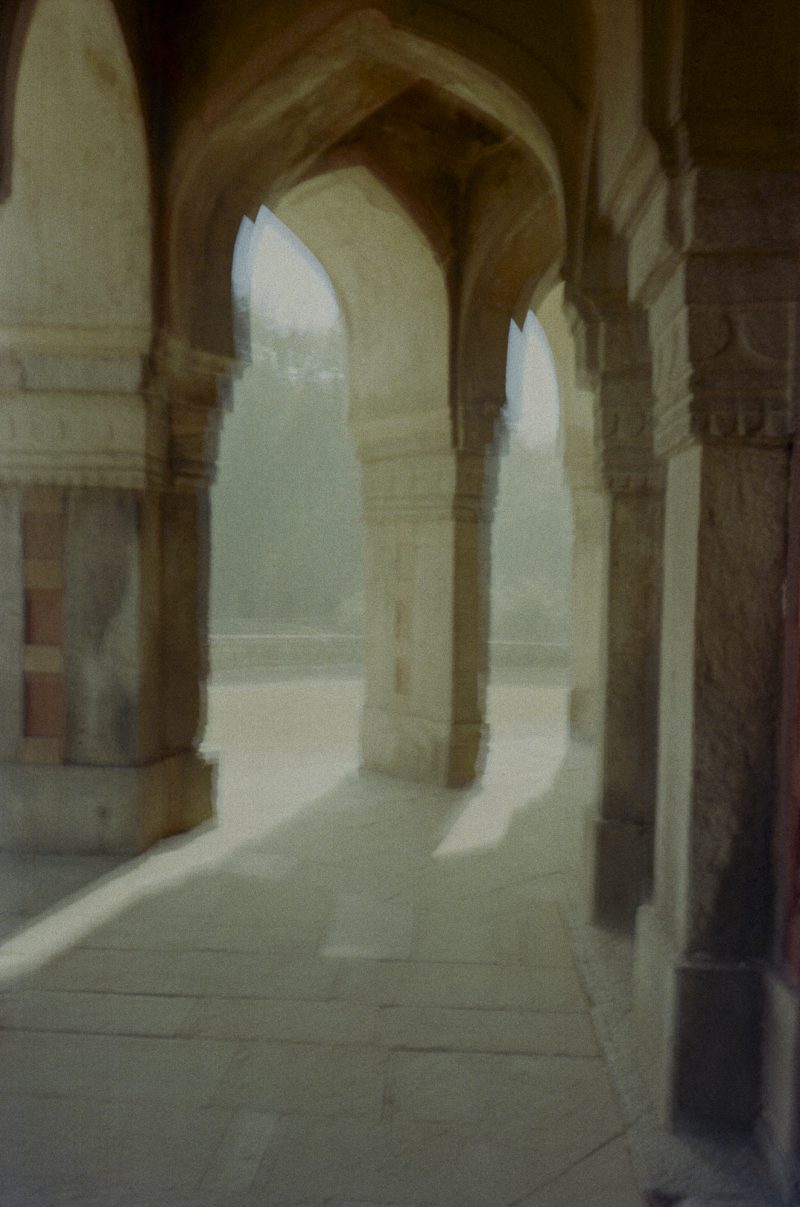
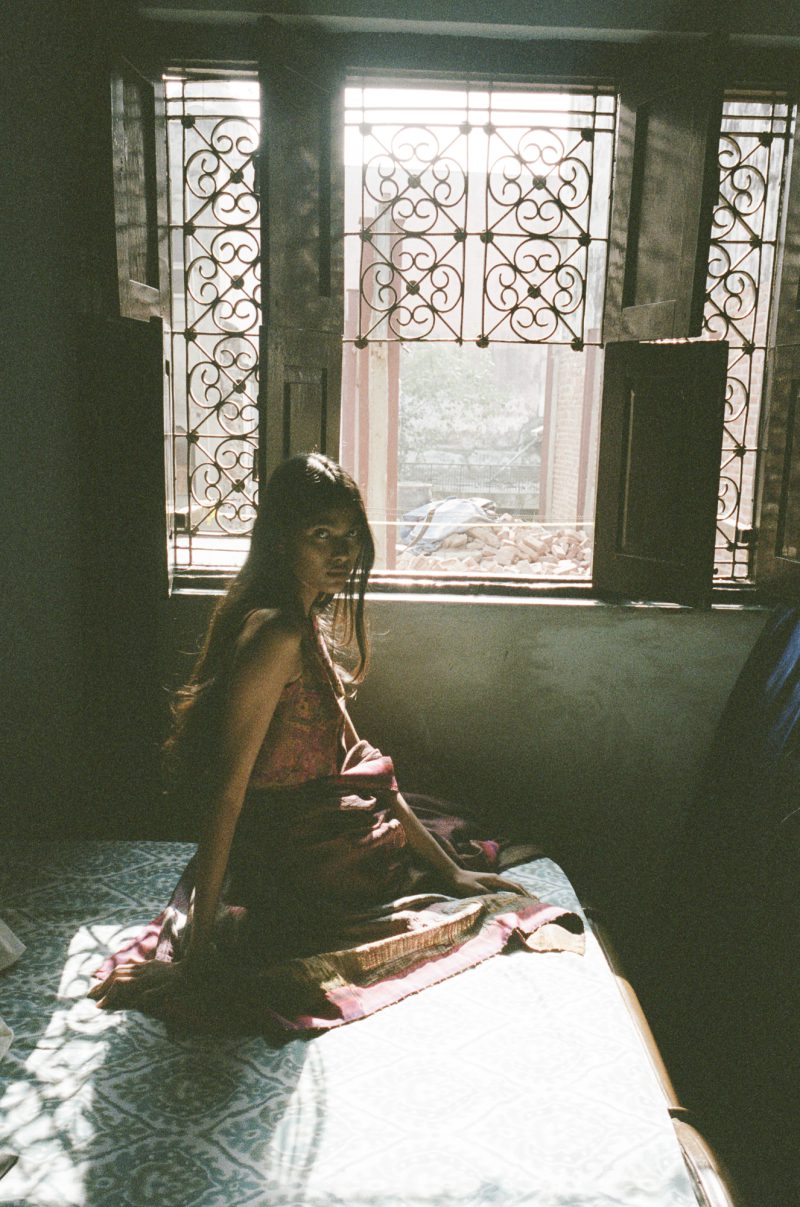
Placed against aged surfaces—peeling paint, worn stone, softened fabrics—the garments do not demand attention. Instead, they settle into their surroundings. Movement becomes subtle: a sleeve catching light, a hem brushing against the floor, a figure passing through a doorway. Fashion, here, does not interrupt the space; it participates in it.
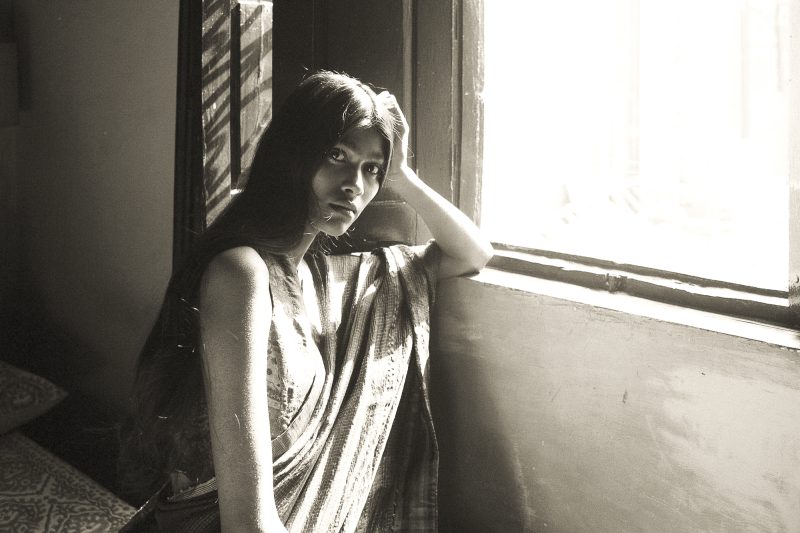
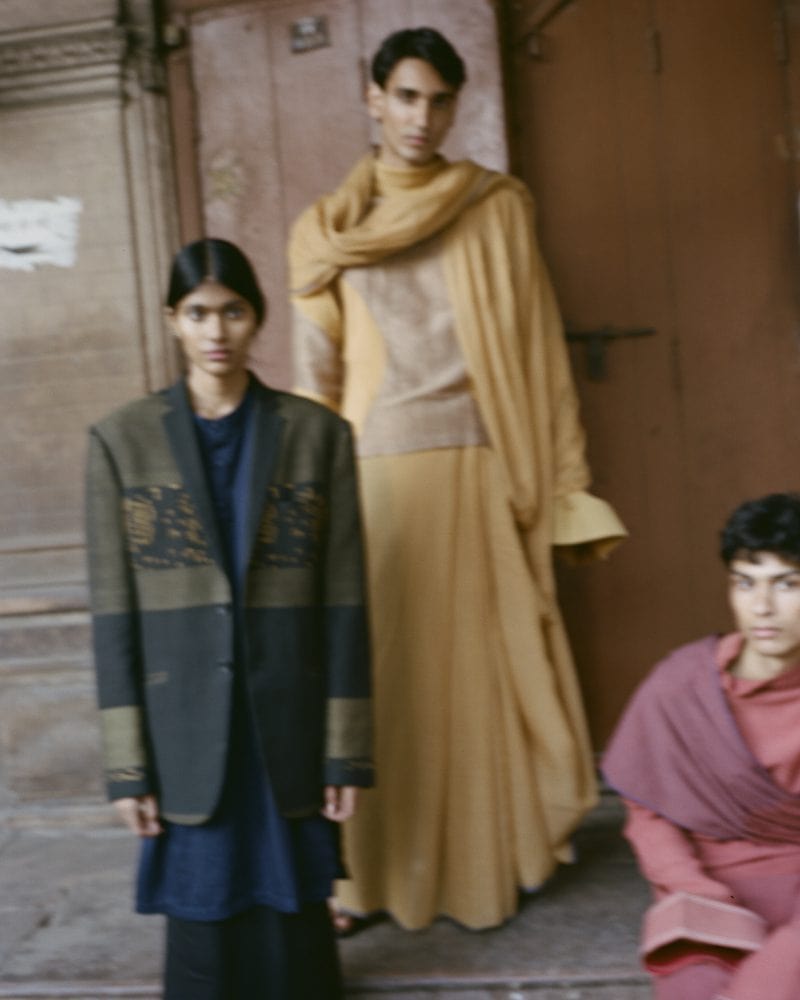
The images do not follow a fixed narrative. There is no singular story being told, no dramatic arc to resolve. What emerges instead is a series of moments shaped by attention and presence. A body leaning into a familiar corner. A glance toward the street. The stillness between gestures. These fragments suggest a quieter approach to fashion—one that considers how clothing exists within real environments and how it is lived in, rather than performed.
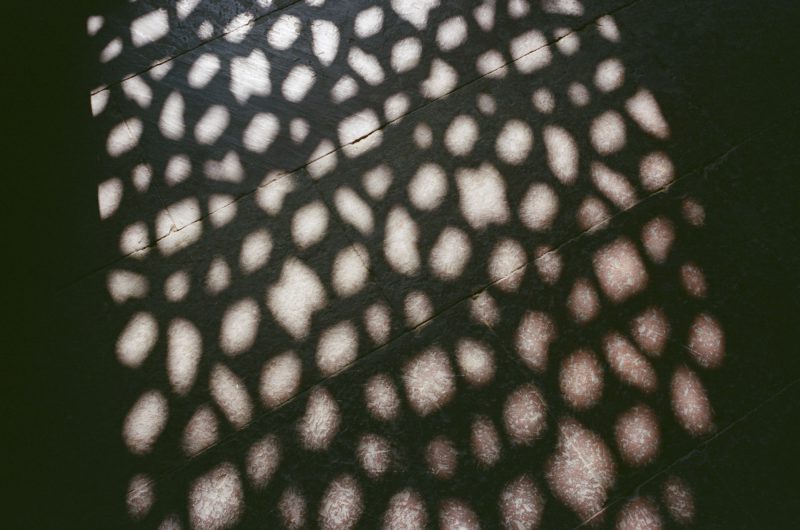
What remains is a sense of softness—an understanding that fashion does not always need to declare itself loudly. It can exist gently, embedded within the everyday, shaped by its surroundings and, in turn, shaping how we experience them.