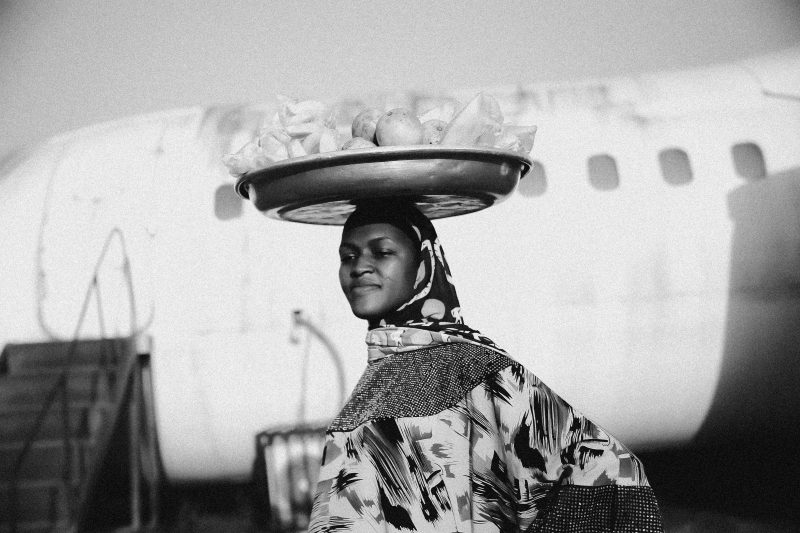
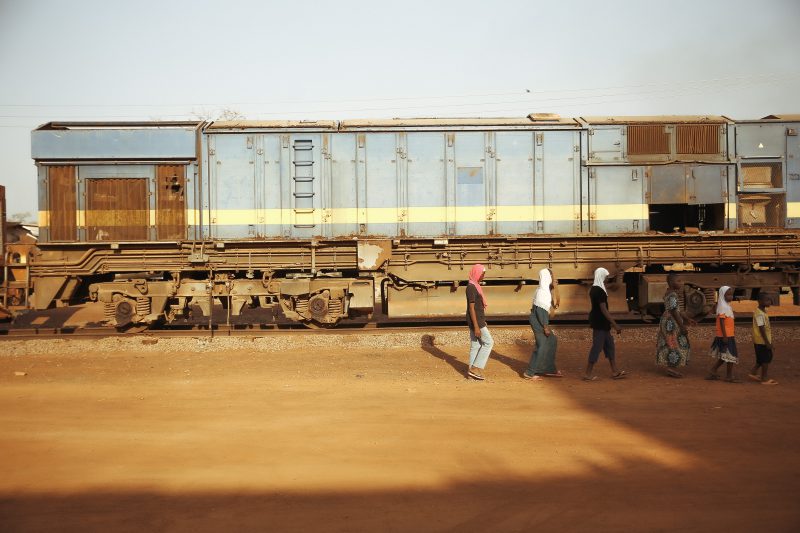
Rising in rhythm, Tamale greets you in a momentum of motion. Markets flicker with restless energy, voices barter, laugh, argue, and pray—each sound layering into the city as it unfolds. Here, in the northern reaches of Ghana, our journey began with Black Spectrum – a cinematic program reflecting on inheritance – a creative lineage empowering the present and shaping what comes next.
In 2020, Melissa Alibo initiated Black Spectrum for the ASVOFF Film Festival alongside Diane Pernet, unveiling the narratives of Black artists from diverse backgrounds, cultures, and horizons. The program explores the common threads, feelings, and cognitive mechanisms that connect—or, at times, complicate—these perspectives, foregrounding the artists’ vision, their interpretations of ordinary moments, raw beauty, and idealism. From Dover Street Market in Paris to Casa del Cinema in Rome, and the United Nations Headquarters in New York, Black Spectrum has provided a medium allowing black artists to speak for themselves to the world—a sacred space to honor what has been passed down, celebrate the continuity of ideas and aesthetics, and imagine futures rooted in self-determination and collective vision.
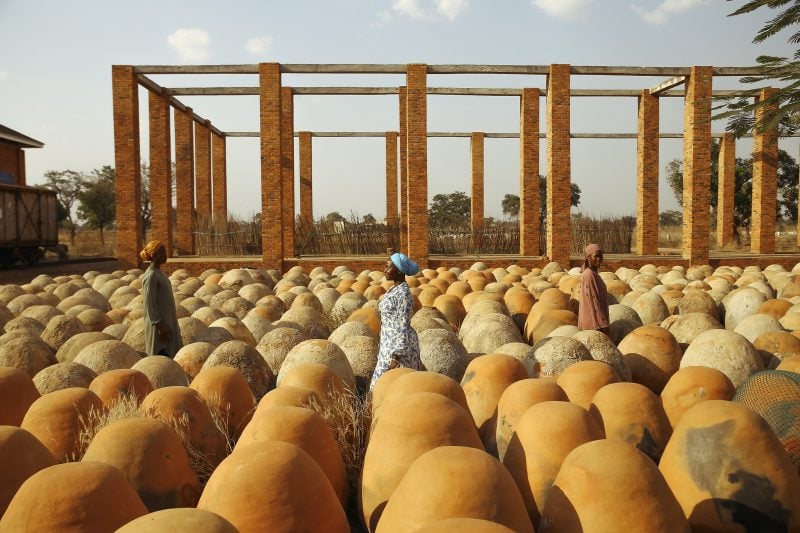
At Red Clay Studios, Black Spectrum flowed into a sanctuary shaped by Ibrahim Mahama’s commitment to communities in the making. With a sense of endless possibility, the space emerges as an inclusive ecosystem, imagination wandering freely. Film and workshops merged into a communal gesture, with voices from across the globe—including Christian Saint, Herrana Addisu, Palmer Williams III, Andy Madjetey, Dumas Haddad, Malakai, and Melissa Rouillé —creating an uplifting dialogue that amplifies young minds.
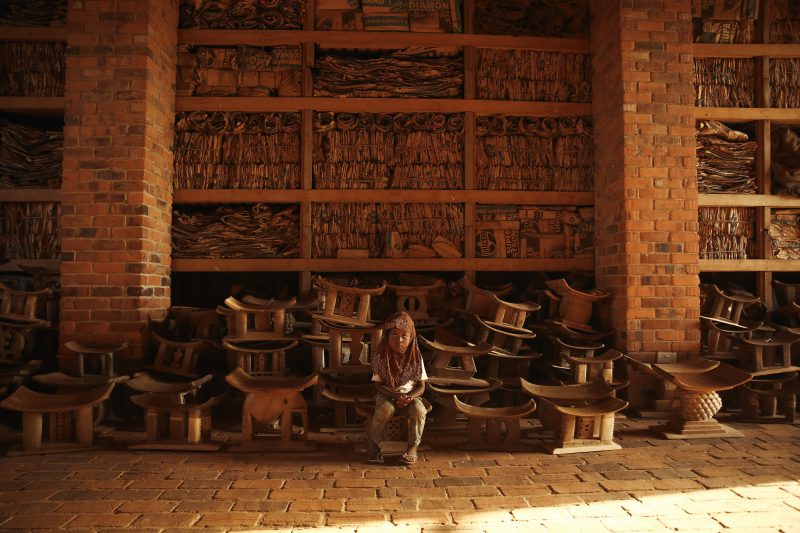
Never too far, Ibrahim Mahama’s presence lingers at Red Clay Studio. Jute sacks, bricks, steel, and timber—objects that have traveled continents—become vessels of memory. What does it mean to think of place not as fixed geography but as a living system of exchange?
Mahama reminds us that Tamale is more than a place—it is a node in a living network of histories. “The studio is not a museum,” he expresses. “It is a politically charged place. Those who gather here are as essential as the materials that surround them. Each brick carries the weight of labor, of pre-colonial trade, of journeys across continents. Material is a trace of movement symbolizing histories that refuse to stay buried.” Mahama’s vision is expansive: a desire to create an authentic healing experience touching the living, the dead, and generations to come.
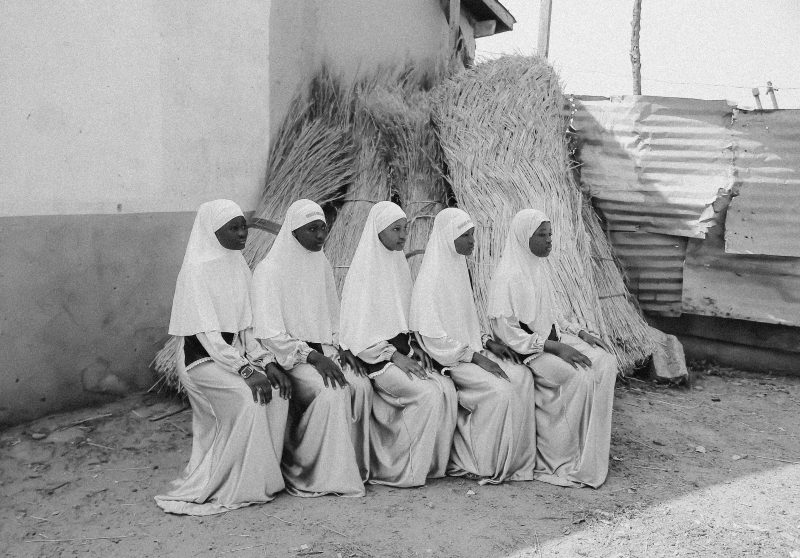
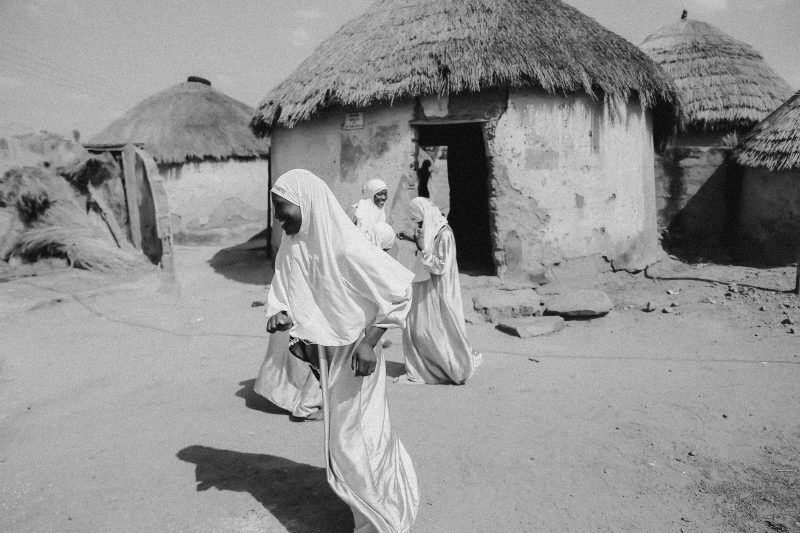
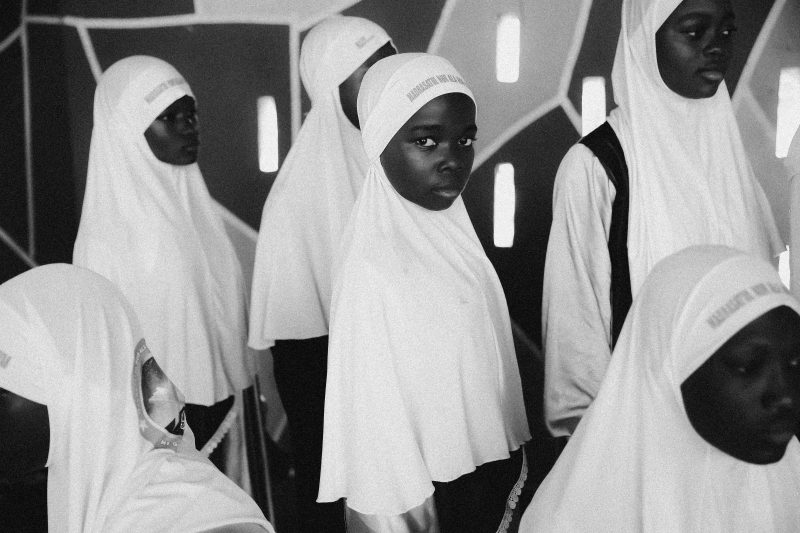
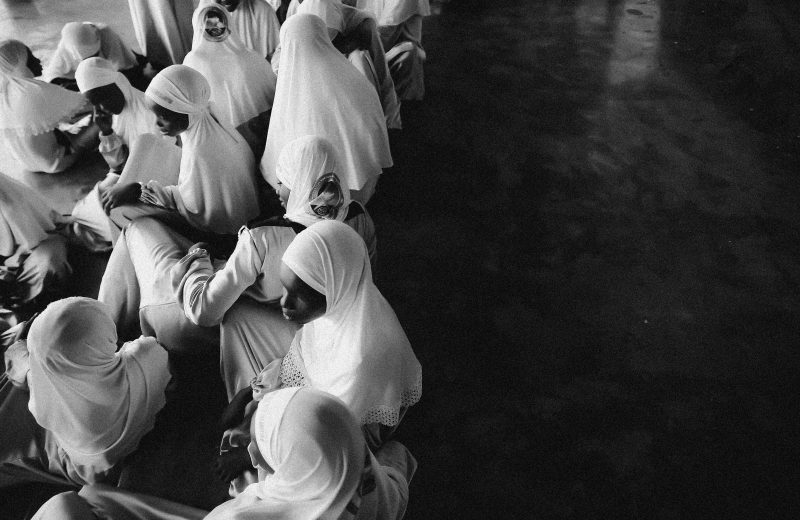
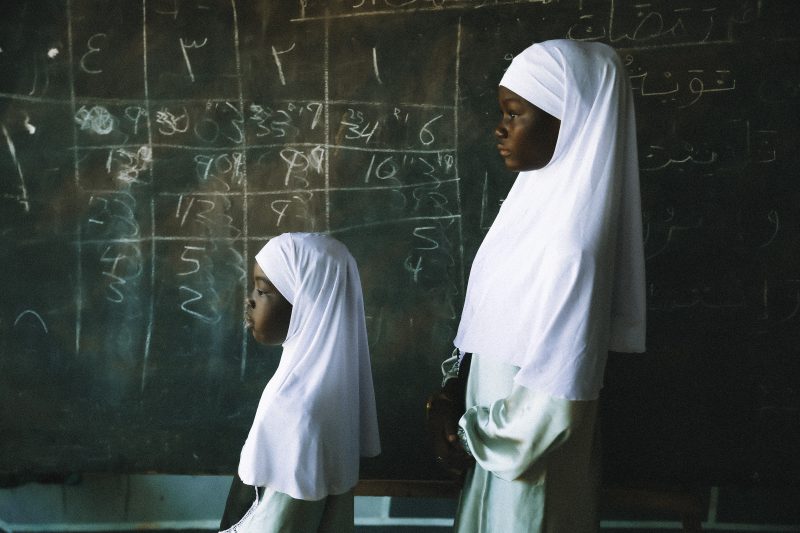
High frequencies, luminous patterns lead the way to our spontaneous encounter with Bawa Sulemana Wunpini, an educator and mentor guiding seventy young teens through education and life skills. Upon arriving in the village of Tutingli, we offer our homage beneath the sacred dome of the chief Tindana Abubakari—gathering on animal skins and reflecting on collective memory, a certain unbroken continuity. Shaping not just thinkers, Bawa nurtures among the youth values, discipline, and, more importantly, hope. Emancipation as a motto, we invited 15 young girls to dream without limits and to step into the possibilities that await them.
Their confidence was immediate; some wished to become nurses, others teachers, and a few even envisioned roles in the police, driven not by authority alone but by a profound sense of protection and service.
To witness Mahama and Wunpini in cohesion to their principles is to reveal the prism of Tamale, an intemporal hub and unforeseen perhaps from our respective vision. Humanity at the crossroads of conversion, stories retold and framed into a different perspective, rehearsing its future. And as we leave, we carry with us the quiet insistence that culture and youth are a living system, very much alive, always asking who will hold the mic next.
Melissa Alibo