Transformation is rarely a clean arc. It does not arrive with the sudden clarity of a clean slate; rather, it lingers in the friction between what we cling to and the inevitable unraveling that follows. Founded in Tehran in 2025 by designer and creative director Mehdi Aligoli, independent fashion label EXPOINT treats garments not as seasonal declarations, but as intimate vessels for this perpetual human flux. Rooted in deadstock textiles and a sculptural, narrative-led approach, Aligoli’s latest visual series navigates the emotional anatomy of transformation across three distinct chapters: Inertia — Resistance, Liminal — Chaos, and Becoming — Acceptance.
Brought to life through the lens and vision of art director and photographer Hessam Yekta, the series was conceived as a single continuous psychological progression, tracing the quiet, abrasive poetry of letting go.
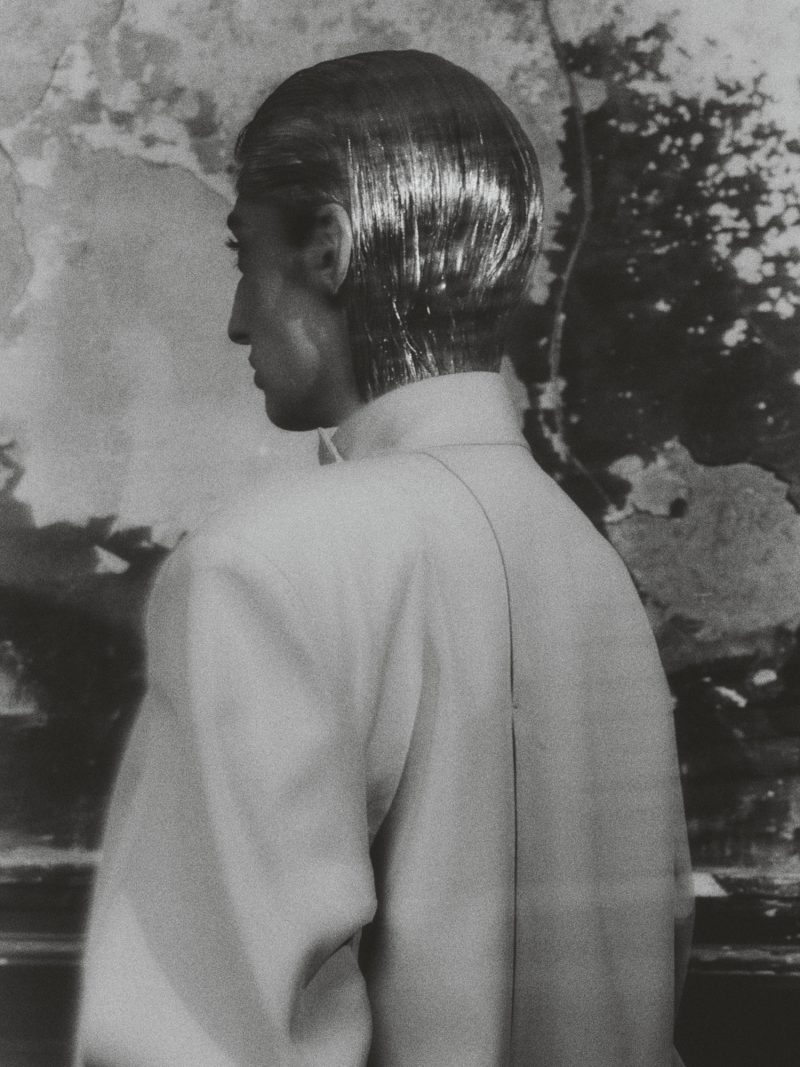
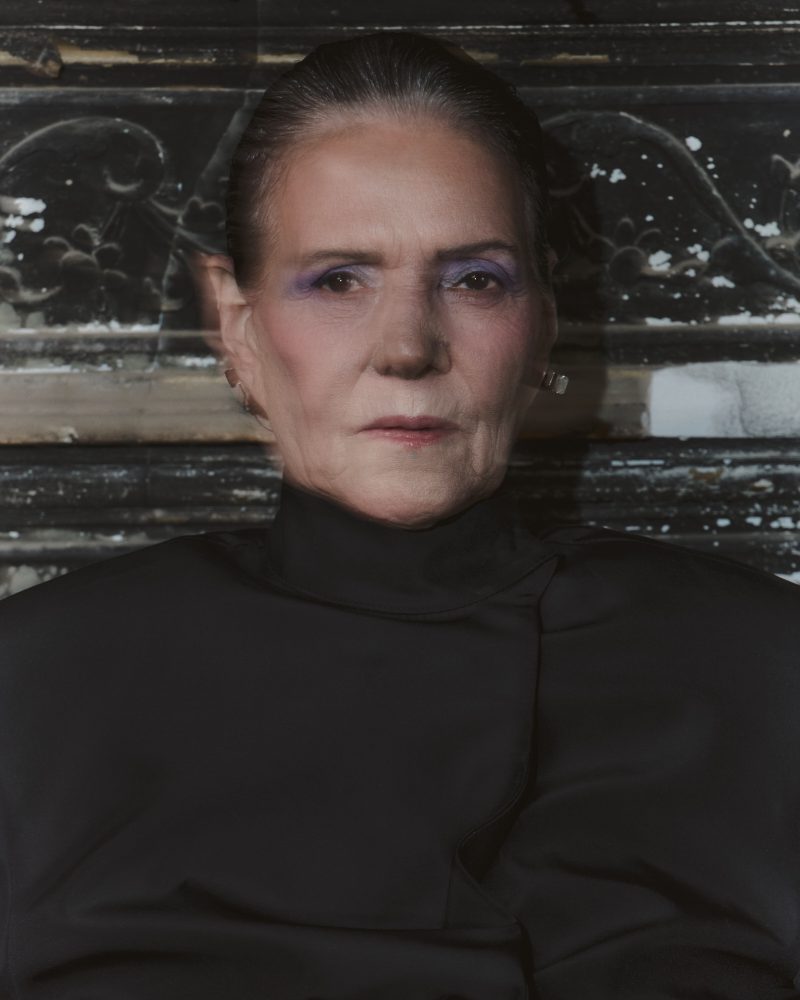
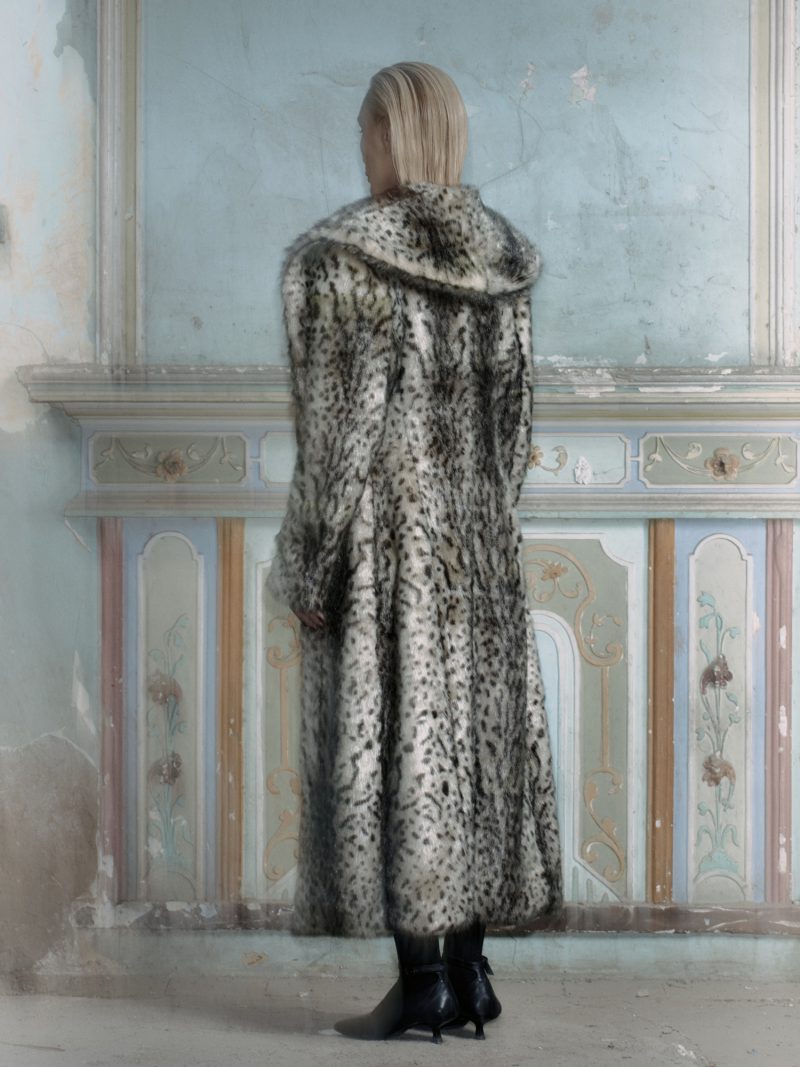
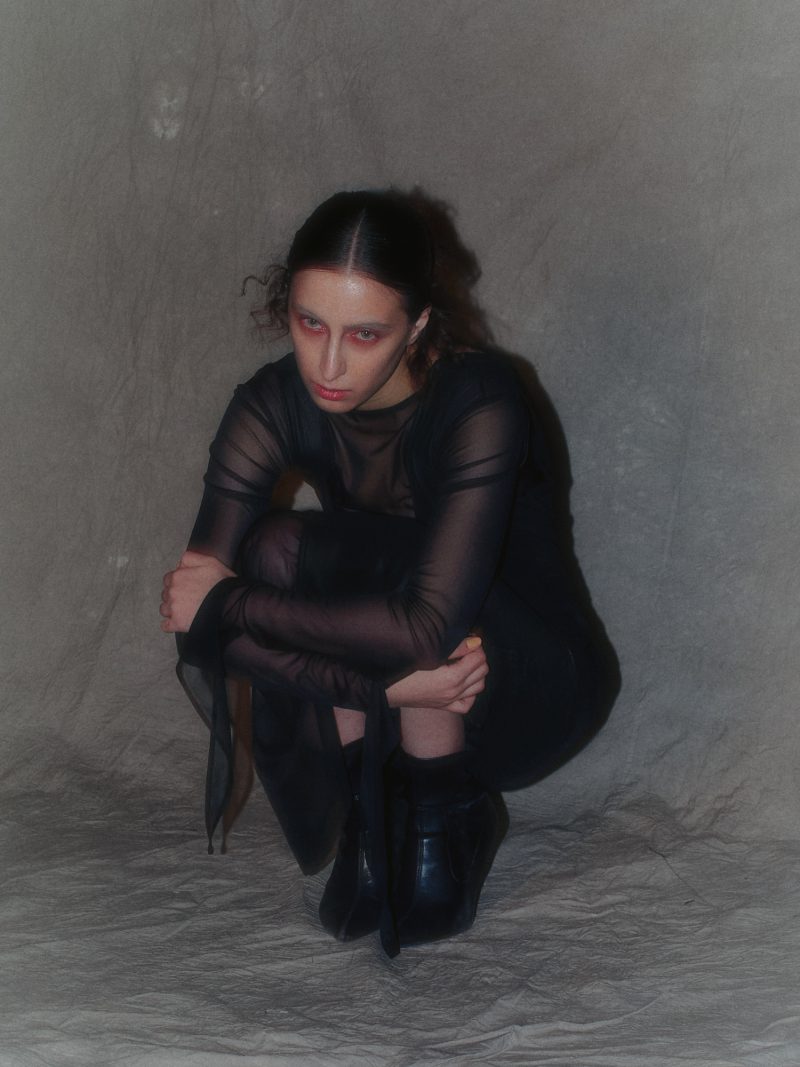
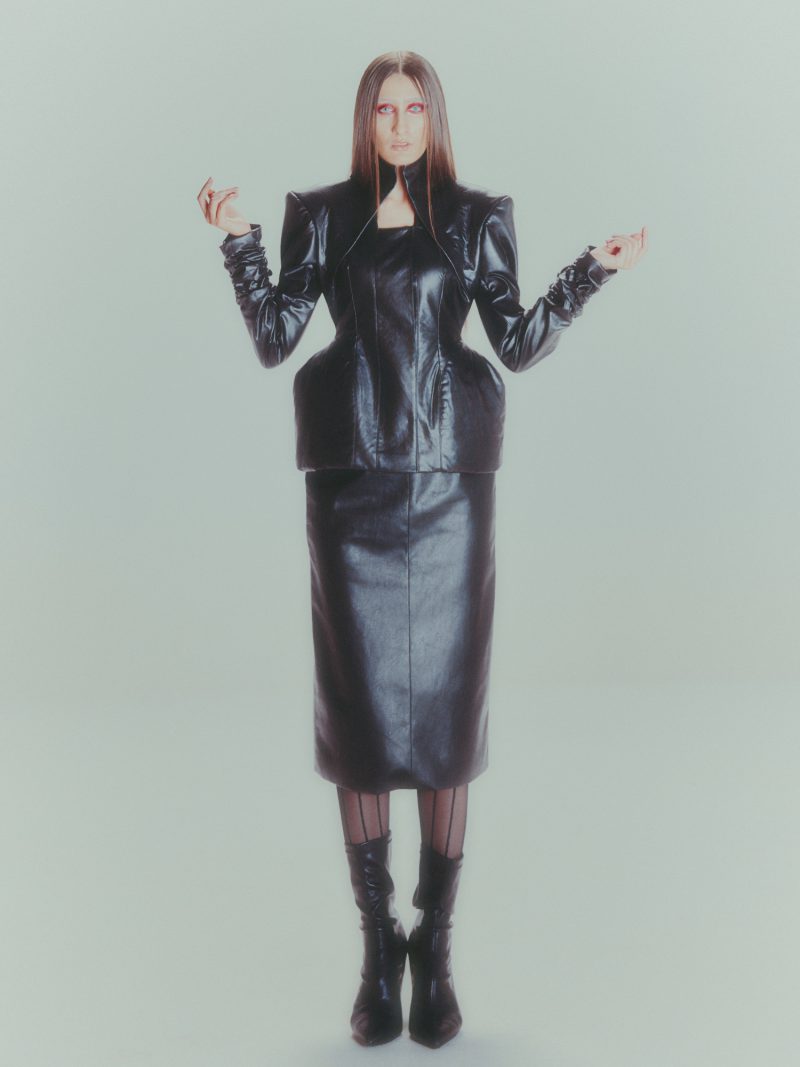
The narrative opens in stillness—a dense, guarded state where the instinct to withstand change takes physical form. Here, clothing functions as psychological armour. Aligoli sculpts silhouettes marked by sharp, exaggerated shoulders, high enclosed collars, and heavy, protective textiles that frame the body as a fortress.
Set within the decaying interior of an old house, the imagery evokes an uncanny dialogue between body and architecture. Flaking plaster, faded decorative mouldings, and cracked walls mirror the garments’ rigid structures: a familiar domestic sanctuary visibly coming undone, held together by sheer willpower. Inertia — Resistance captures that suspended breath just before surrender, when an old world is crumbling beneath our feet, yet the act of letting go remains unthinkable.
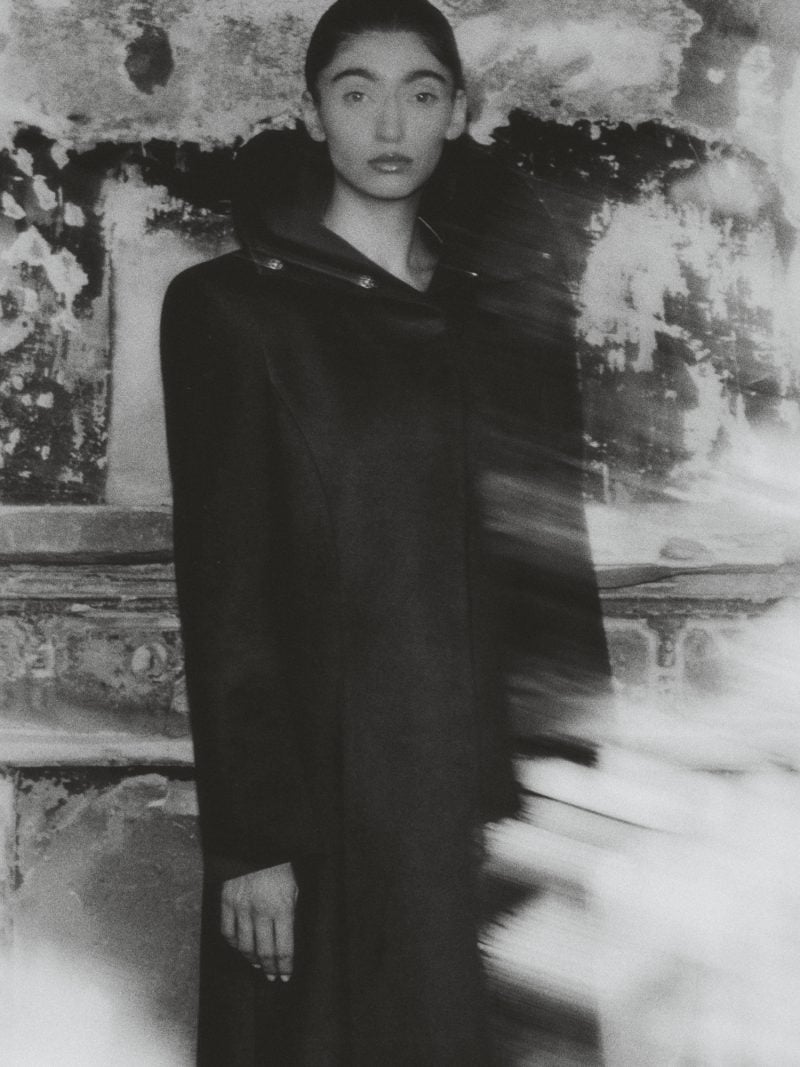
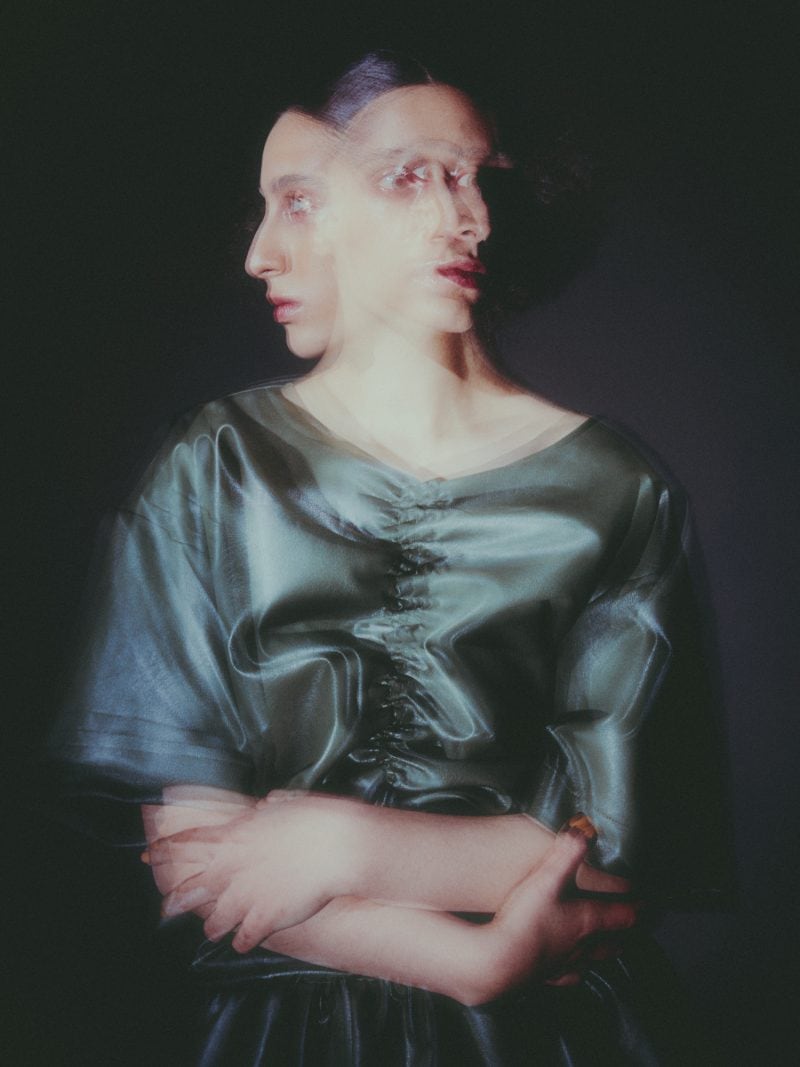
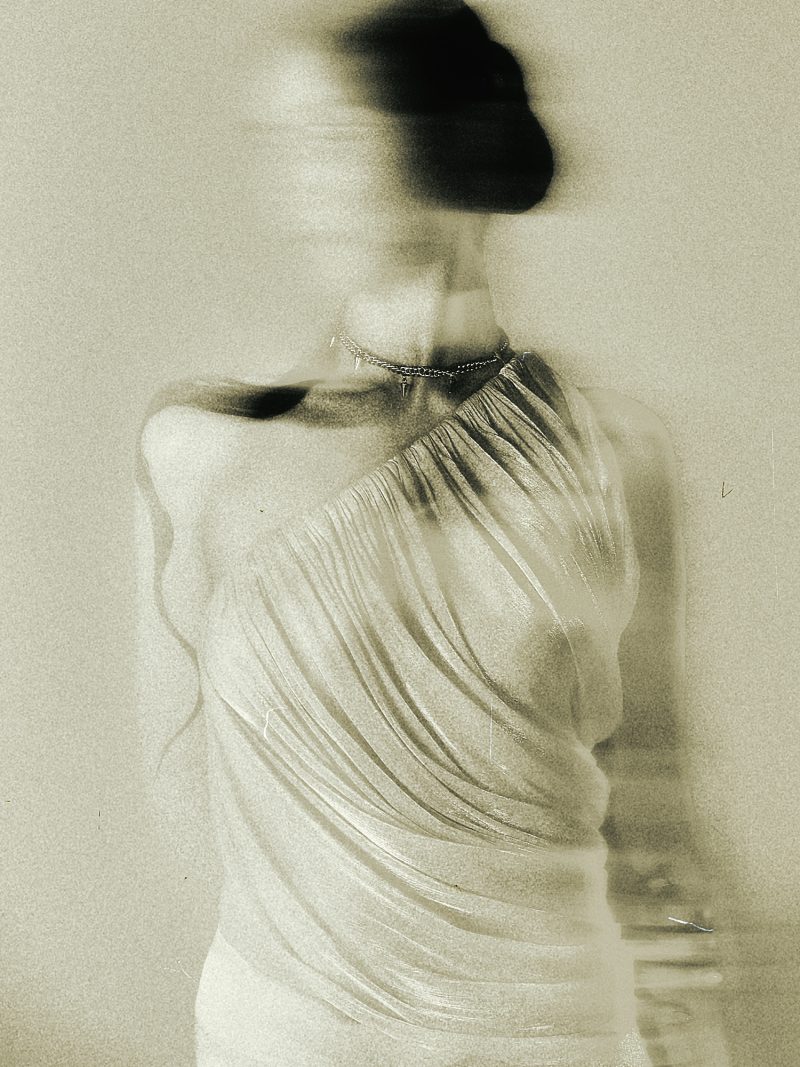
What happens when resistance breaks, but the future has yet to arrive? Liminal — Chaos steps directly into this uncomfortable, suspended threshold. The solid geometries of the first chapter disintegrate into motion blurs, multiple exposures, and fragmented forms.
Silhouettes twist and distort; sharp tailoring yields to the tactile tension of gathered sheer tulle colliding with heavy leather. The human subject appears multiplied, faceted, and unmoored, caught in mid-gesture against muted, textured backdrops. In these frames, Aligoli renders disorientation not as an aesthetic flaw, but as a vital stage of being. It is the raw, exposed center of change—where identity is liquid, ambiguous, and utterly unsettled.
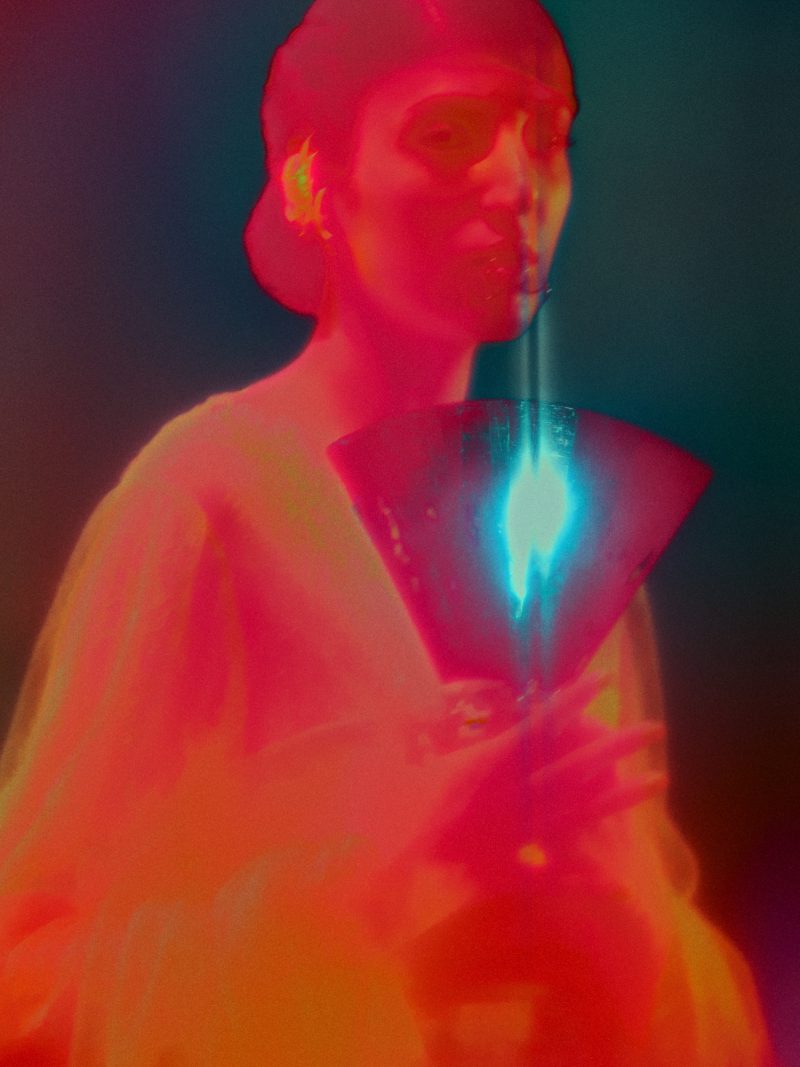
The final movement, Becoming — Acceptance, rejects the idea of a fixed resolution. Rather than arriving at a placid, final destination, the series opens outward into saturated light, fluid drape, and luminous color. Vibrant turquoise, incandescent reds, and shifting chromatic fields wash over translucent gathers and asymmetric, draped garments that move in dialogue with the body rather than encasing it.