
Niamh Barry’s primary practice consists of film and digital photography. She’s a Dublin-based photographer, videographer, and creative director who captures moments that normally go unseen through their analog street photography, working with fellow creatives to capture varying artistic visions, and, most notably, exploring queer experiences within Irish society. Her practice attempts to magnify queer Irish identities through portraiture and documentary photography. Through conveying intimate moments and emotions in a country marked by the rigid sexual mores of Catholicism, she challenges traditional notions of Irish femininity, masculinity, and sexuality.
Ilaria Sponda: What’s your approach to photography? How did you start your practice?
Niamh Barry: I started photography when I was about 22 years old. It started with my fascination with the idea of being able to digitally scan film negatives. I never achieved the feeling I saw in moments through digital until I picked a film camera up. From there, it started with street photography – discovering moments that usually go unseen. My work manifested into exploring queer topics shortly after this as I grew into myself as a person. I realised this was an aspect of my life that exceedingly shaped how I existed in Ireland. I had to talk about it! And my camera is my key tool for communication and storytelling. I also didn’t see myself or queer stories that surrounded me in mainstream Irish media. And when those things don’t exist, it drives your desire to fill that void. My approach now wishes to achieve sincerity in each shot–whether it be street, portrait, or commissioned work.
IS: How did the context you live in moulded your photographic practice?
NB: Growing up in Ireland shaped my practice considerably. There was such a lack of modern queer narratives being portrayed in Irish media. Any narrative that was put forward lacked any sort of intersectionality. By collaborating extensively with fellow queer artists/individuals, my work simultaneously became a call for solidarity and a call to action. Indeed, my practice attempts to magnify queer Irish identities and how they have evolved and continue to do so. My work conveys intimate moments and emotions within queerness in a country marked by the rigid sexual mores of Catholicism. I try to challenge traditional notions of Irish femininity, masculinity, and sexuality in my project. My work encourages Irish individuals to connect to my subjects both as individuals and community.
IS: What are your best shots?
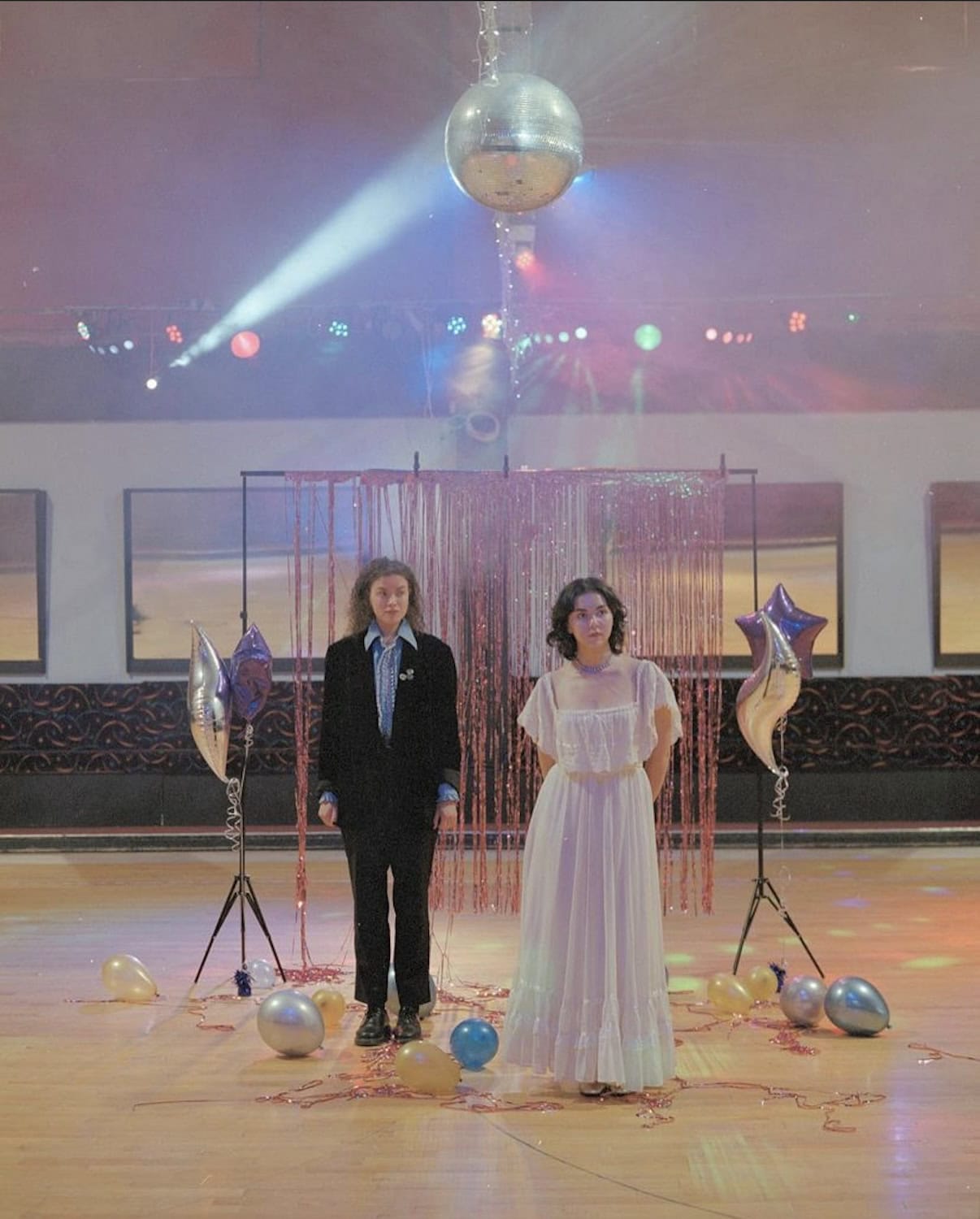
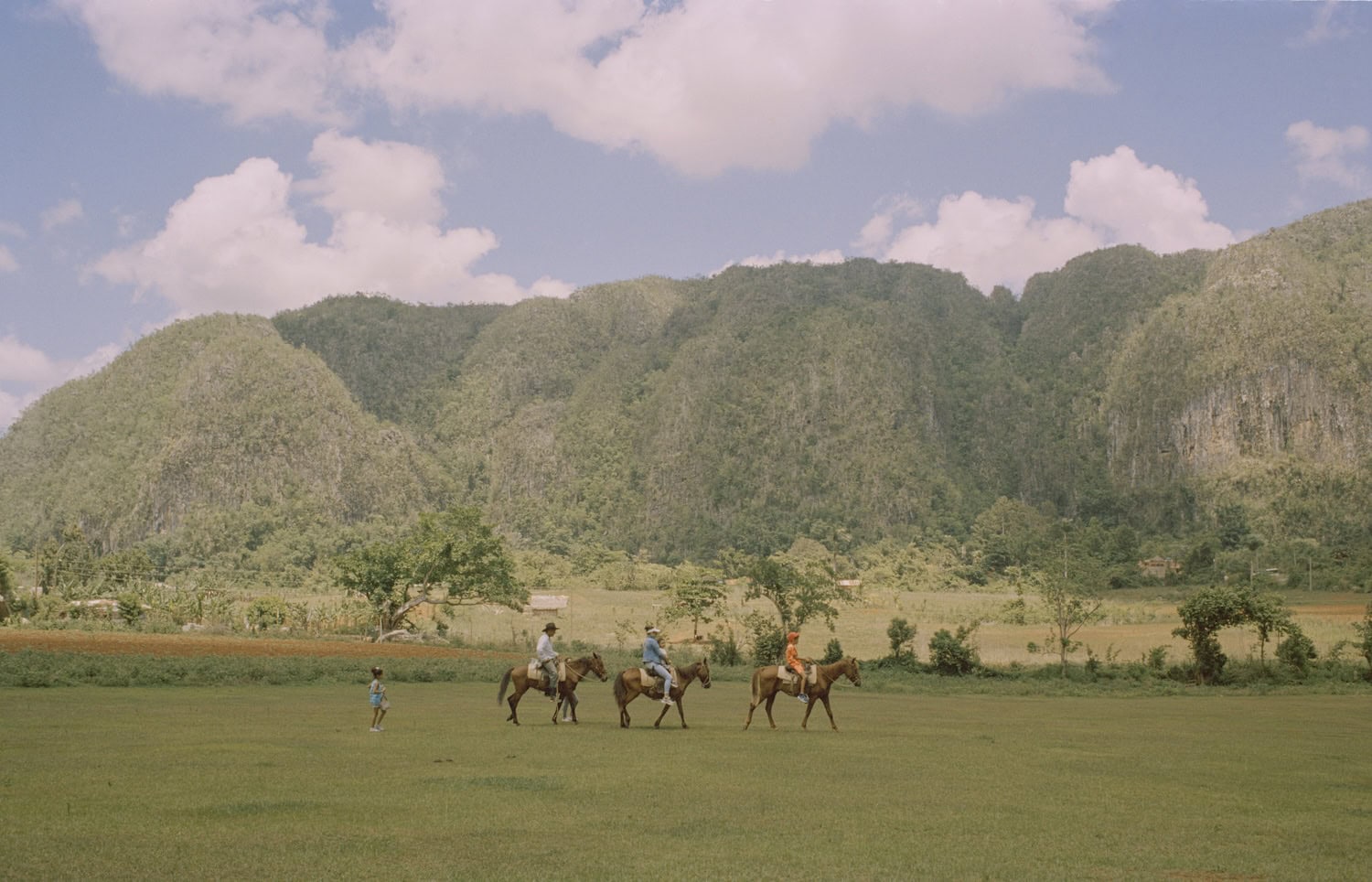
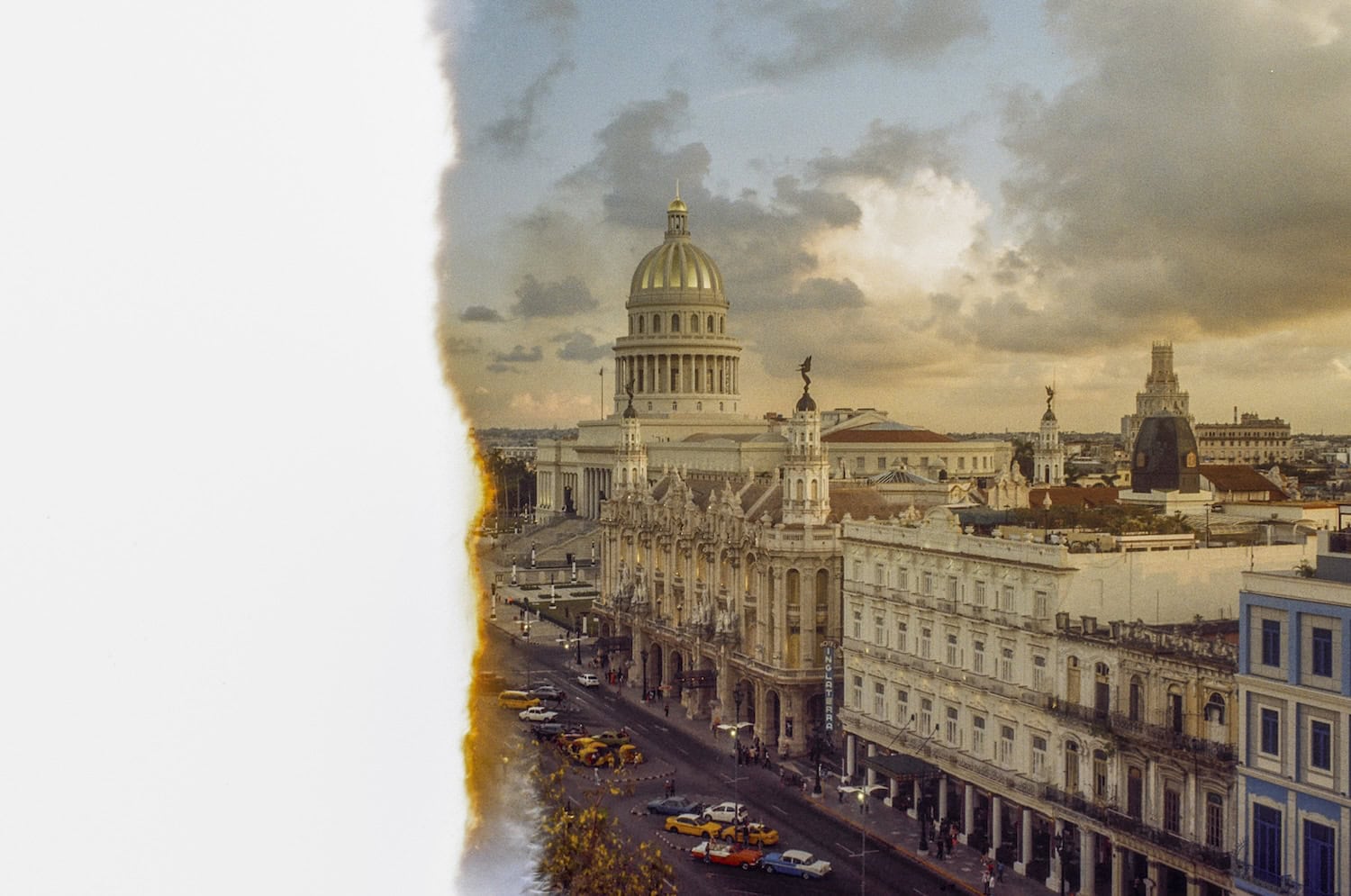
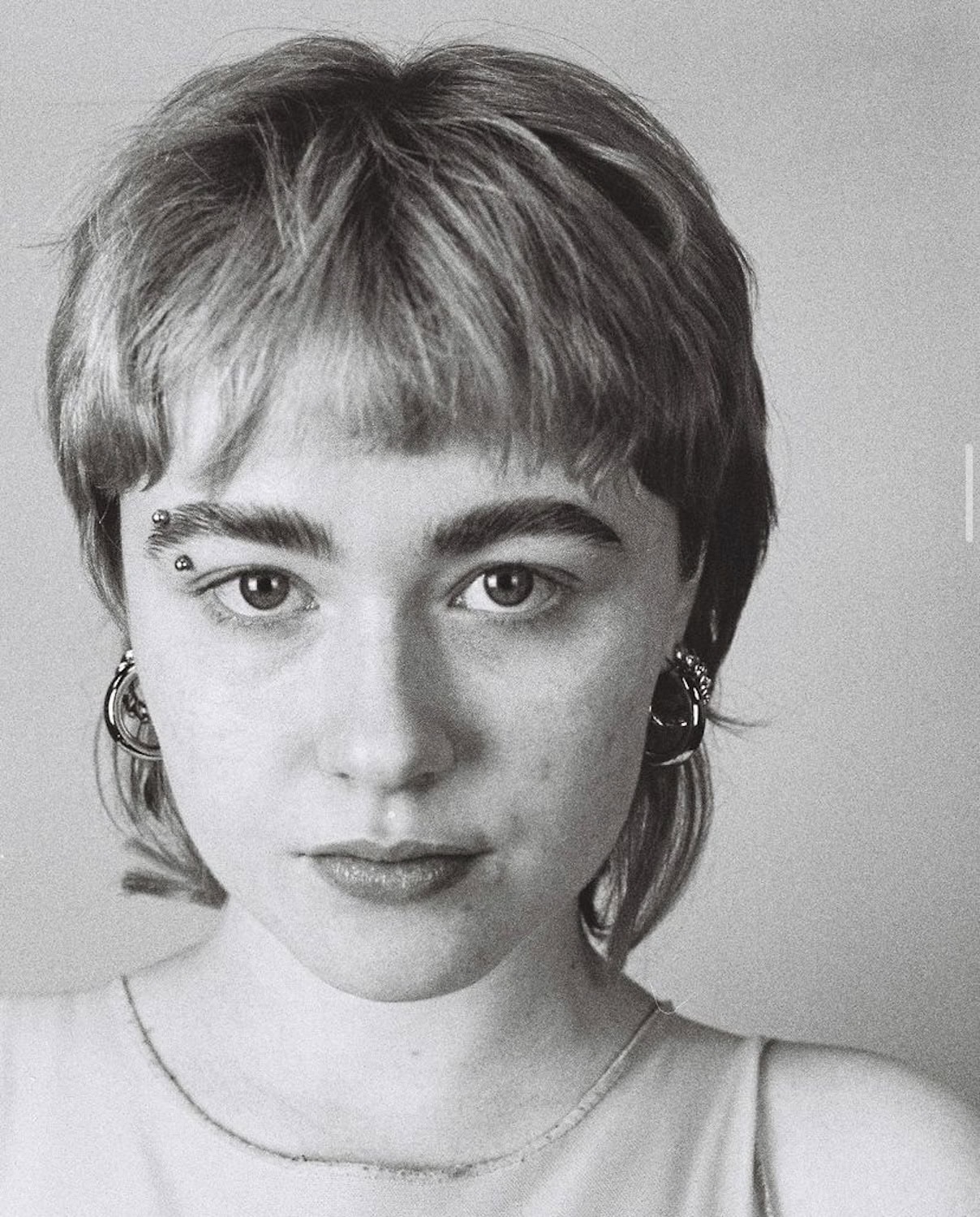
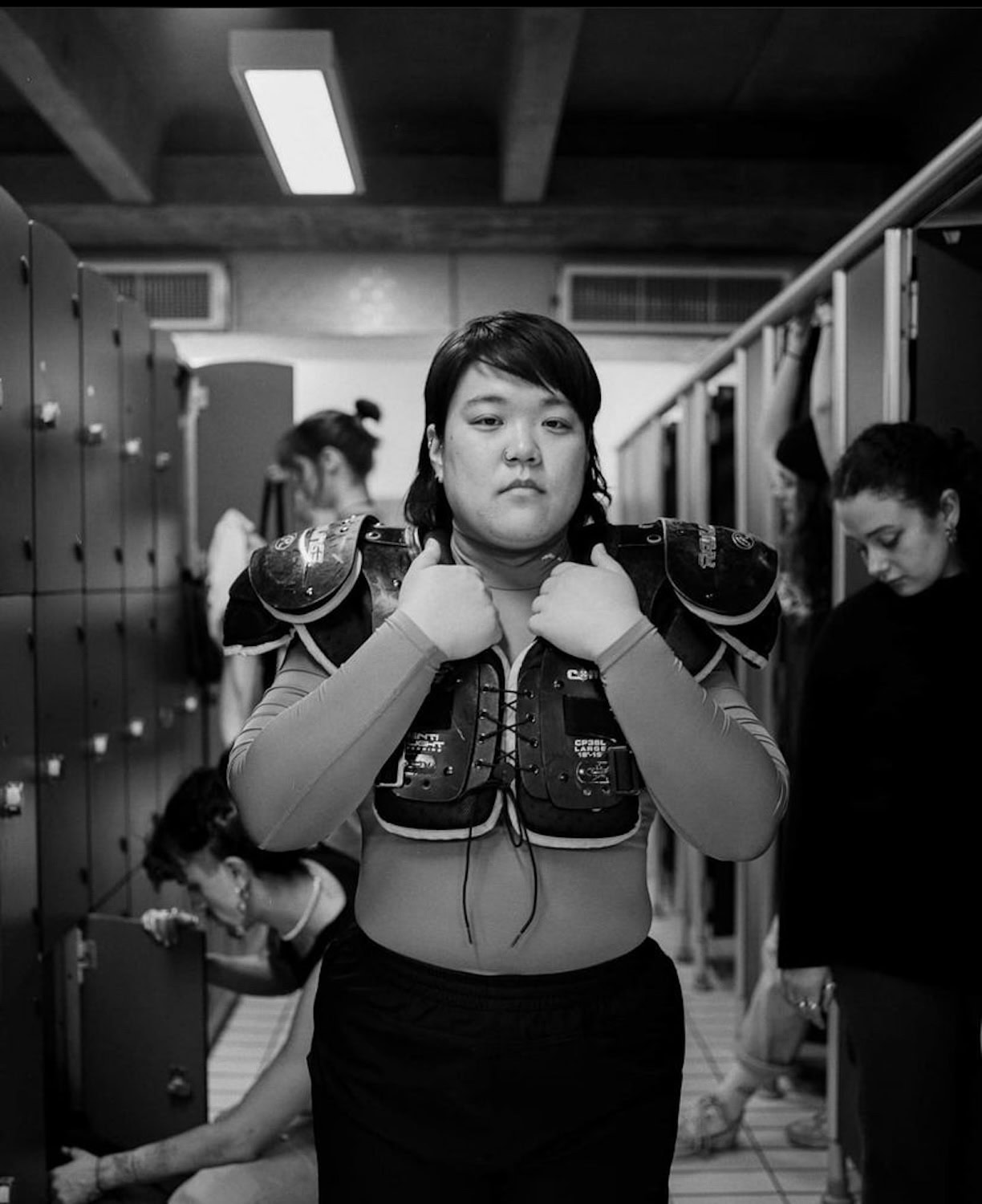
NB: I think some of my best shots are photos I took in Cuba this year and from my latest two projects exploring Irish queerness.
IS: And the best memories from your shootings?
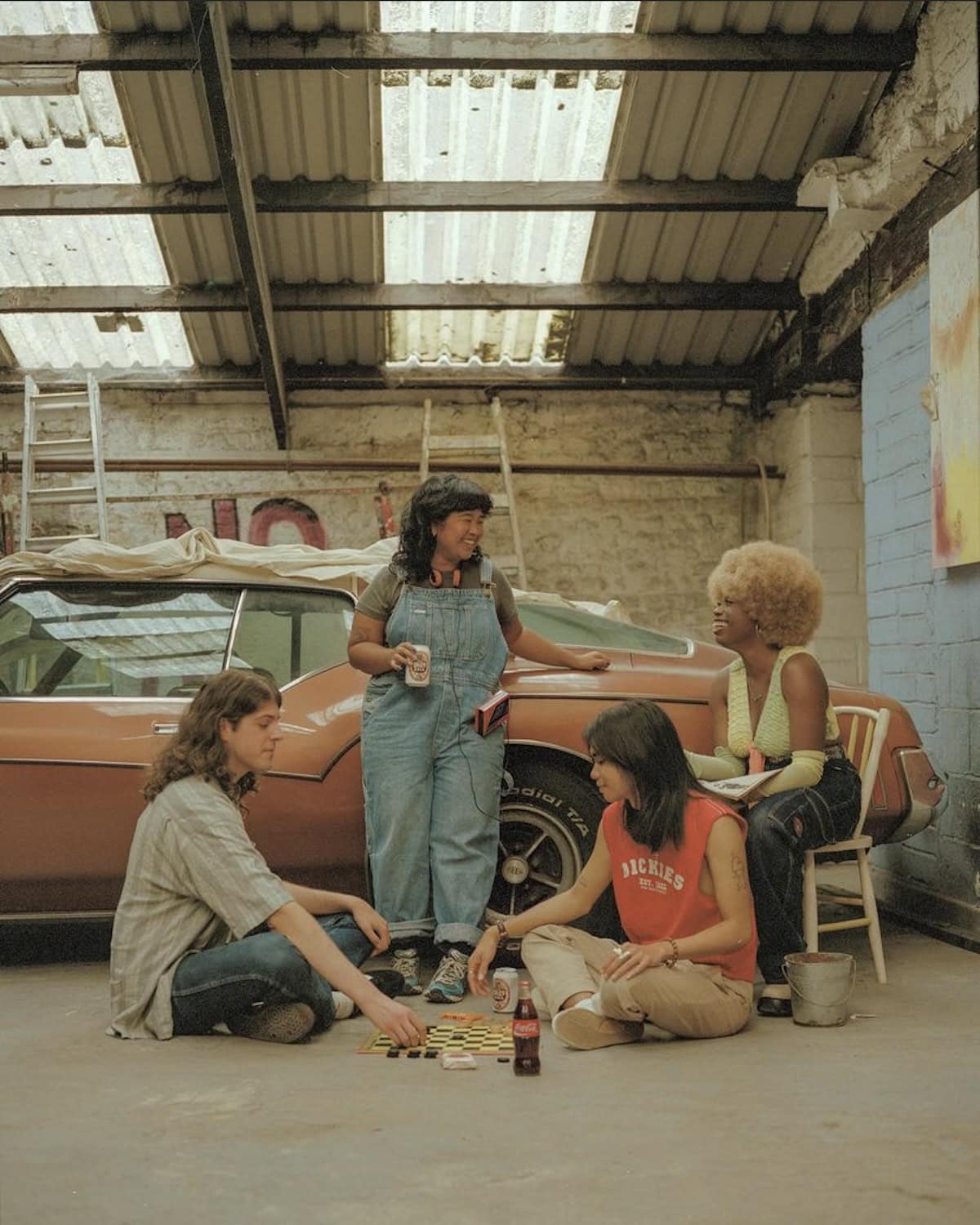
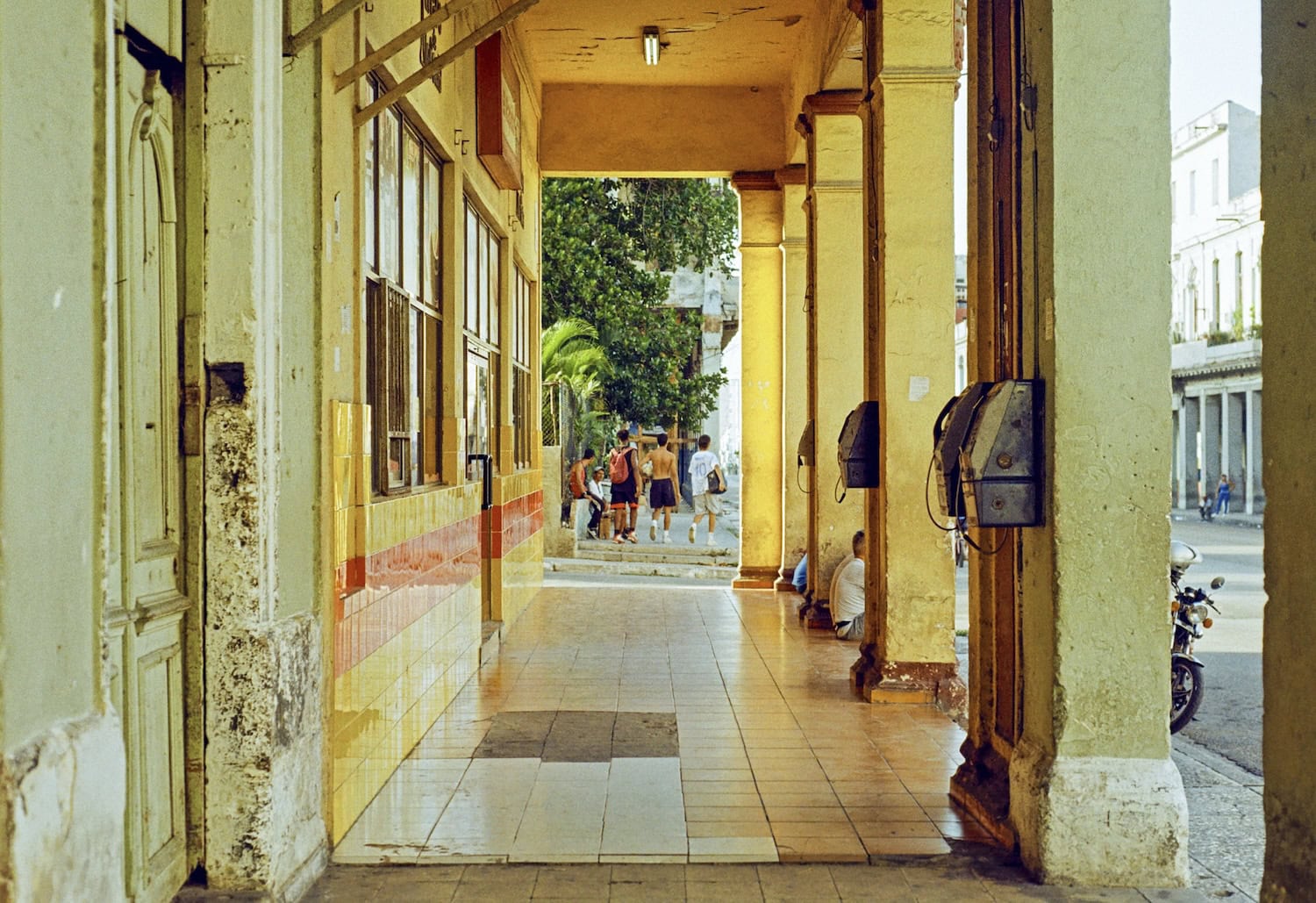
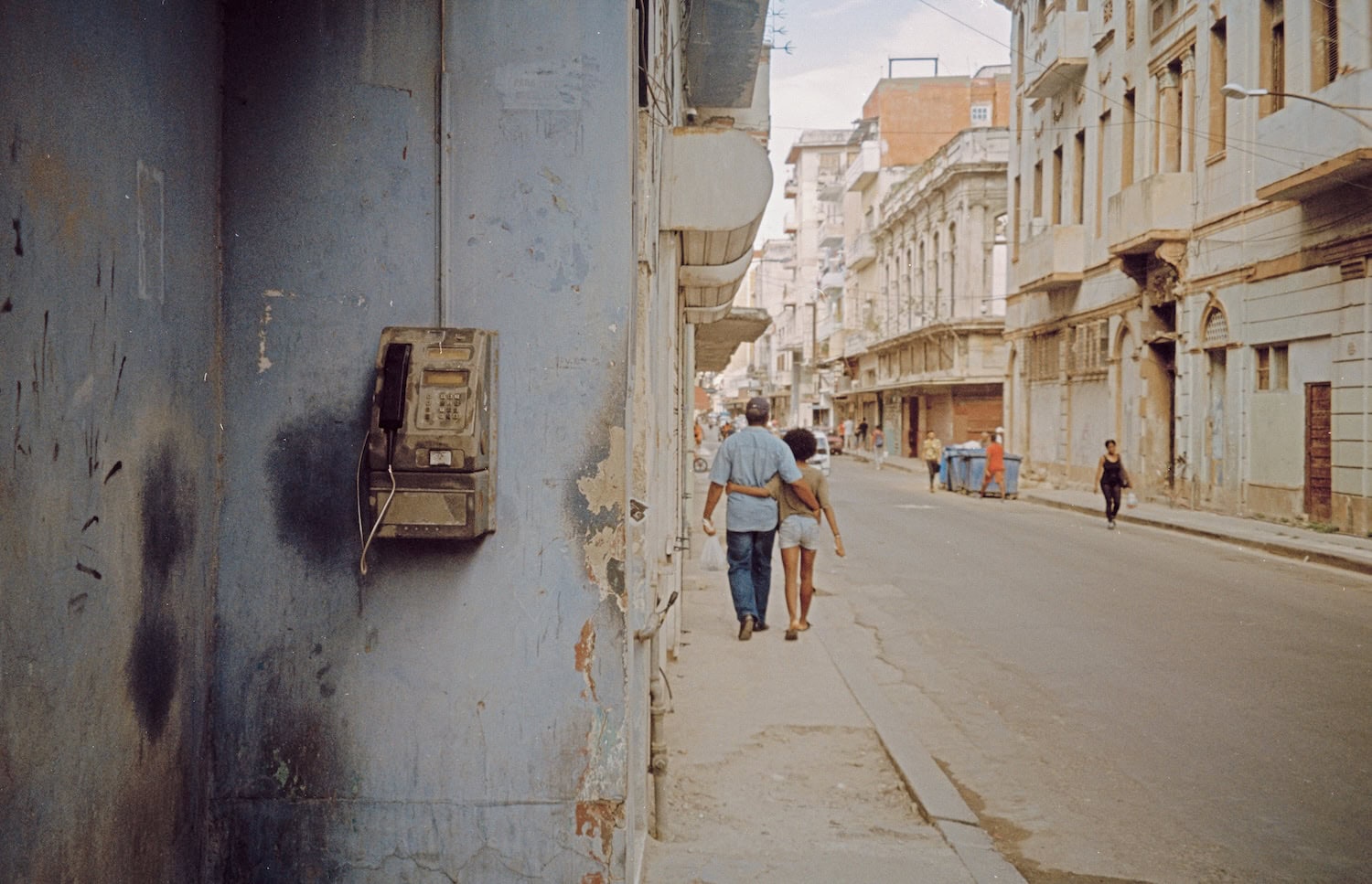
NB: My best memories include speaking to individuals I usually wouldn’t encounter otherwise without my camera. It’s the perfect tool to start a conversation with someone who may look intriguing or is physically doing something that seems to play out as a nice shot in my head. These people are usually strangers. By approaching them and asking for permission to take their photos, we began talking and conversing. They would tell me about the political climate of Cuba and their life. My mum came with me on that trip and we walked around the city during sunset together one evening, while I took photos of the city. We had so much fun together that day. That evening remains close to my heart as my mum is my best friend. It felt comforting she wanted to witness my approach to photos. Last year, I worked on a project Interpersonally Queer. I created a scene between friends in a garage with an old car in the backdrop. Taking those photos formulated some lovely friendships as the people included were a mix of people I knew and only just met. I became extremely close to two of the people in that photo. And I have fond memories of our friendship beginning to blossom during the shooting process.
IS: You work a lot within the Dublin music scene. What sort of community have you found there?
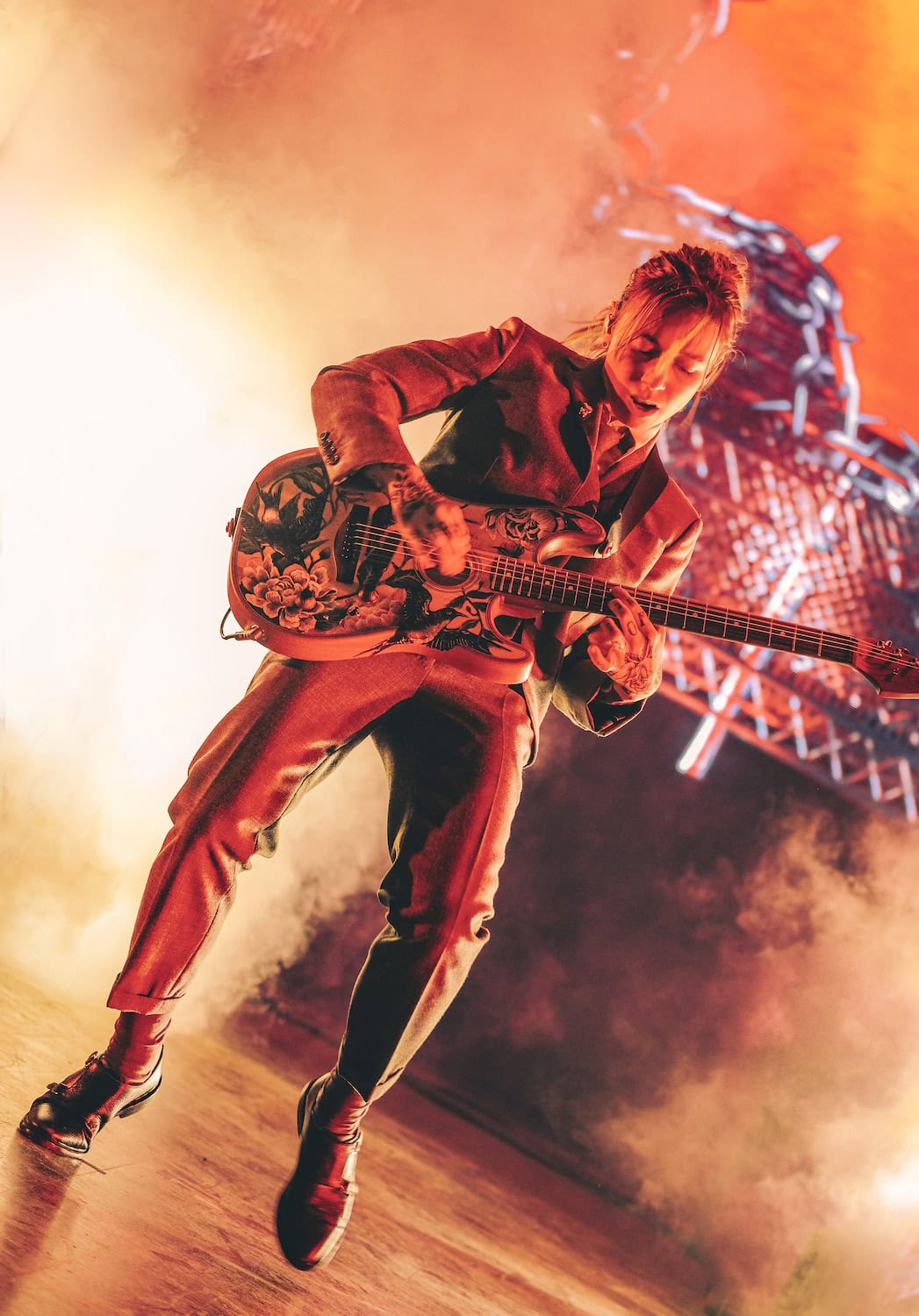
NB: In another life, I would have loved to be in a band. I used to play guitar a lot. But then I turned more towards listening to music rather than playing it. When I moved from Cork to Dublin, I realised there was a huge local music scene in Dublin that wasn’t exactly there in Cork. I stuck myself into it by just enjoying the music and going to gigs. So when I picked up a camera, I already had a few connections with those local artists. It just all falls into place. Now, I love working with musicians on their artwork. It’s really fun to be a part of expanding the world they have created in their music. It feels special to be able to contribute to bringing those visuals to life. The community in Dublin in the local music scene is so amazing. It’s so creative, wholesome and supportive. The community has provided me with some crazy experiences I will always cherish. Additionally, the community nurtured my confidence and encouraged me to work within the industry outside of Ireland. I’m looking forward to the future of photography within the music scene.
IS: Talking about your project Interpersonally Queer: how is it unfolding through your work and personal life?
NB: Interpersonally Queer was so special to me. It’s still an ongoing project and will be an ongoing one for the time being. There are so many possibilities for bringing different aspects of the queer community together with this project. It feels like it will unfold as the years go on. And unfold in different ways as life pulls away and pushes towards different corners of the community in Ireland and around the world. As it unfolded while I was shooting the initial parts of the project, I made so many new friends. Also, other friends could meet other friends from different groups/aspects of life while shooting. And seeing those connections combine and hum together in harmony although it may have been the first time those people met, reinforced the themes of the project even more so.