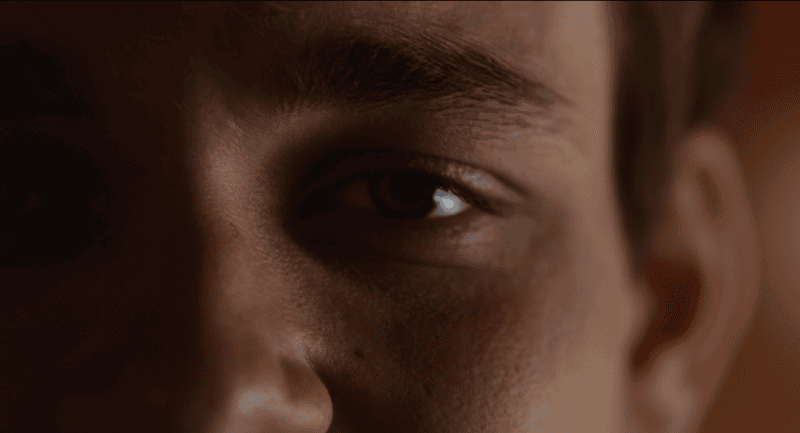
In the peripheral topography of the Venetian Lagoon, community identity is maintained not only through spoken codes but through physical transformation. In Mutrion, the debut narrative short film by Venice-born director Marco Cavazzin, this regional tie is externalized through a collective myth: a local legend dictates that inhabitants of a secluded island community painfully shed the nail of their big toe as an explicit requirement of reaching maturity.
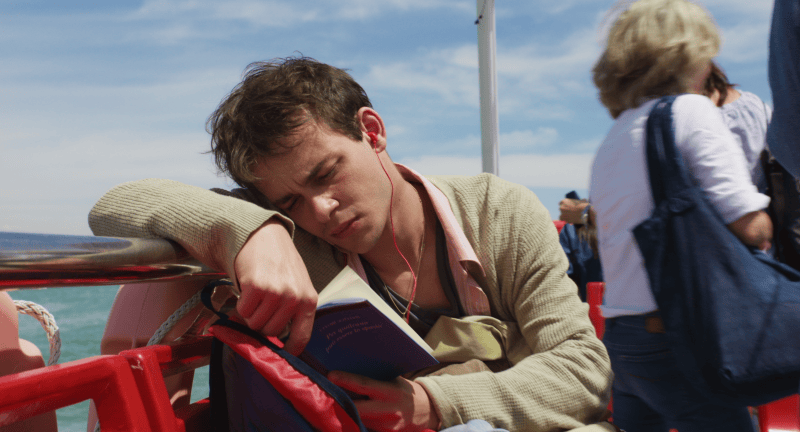
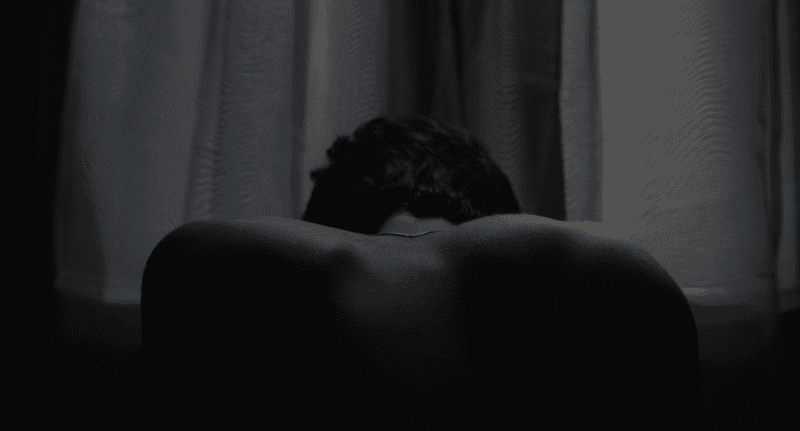
The narrative follows Marco (portrayed by Manfredi Marini), nicknamed “Mutrion” (sulky) during his childhood, who left the archipelago at twenty, abandoning his familiar circle. Returning four years later, he faces an atmosphere characterized by tacit expectations and structural isolation. His presence acts as a lens through which the landscape shifts between physical reality and psychological projection. The community he re-encounters remains closed, ambiguous, and heavily regulated by unspoken rules. Cavazzin constructs the lagoon as an unstable, archaic emotional territory where natural landscapes and human memory intersect.
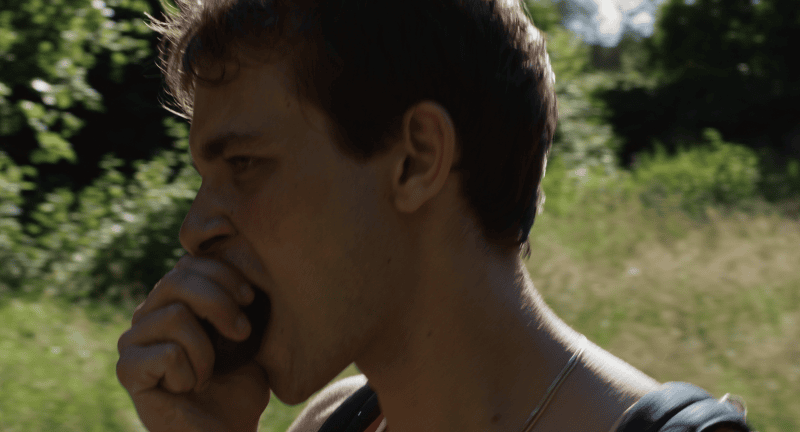
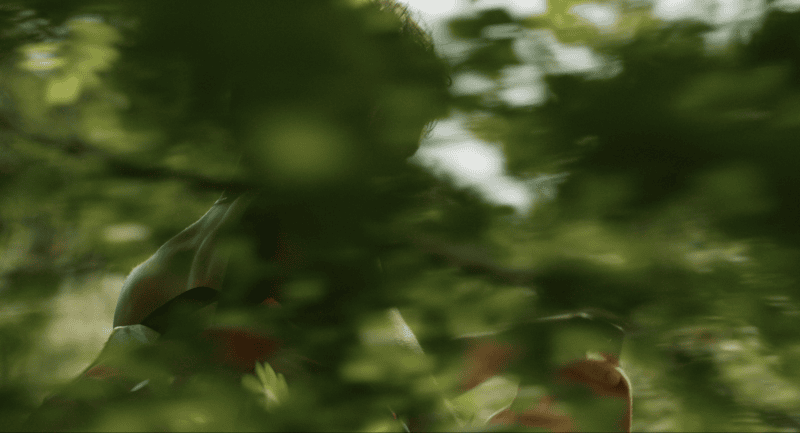
Marco’s alienation is contrasted against Maicol (Giulio Maroncelli), an exuberant childhood friend who chose to stay behind to work as a fisherman, continuing a lineage established by his father and grandfather. Maicol’s instinctual connection to the environment highlights Marco’s internal suspension between the urge to separate and the biological gravity of his origins. Written by Cavazzin alongside screenwriter Alessandro Padovani, the text treats the grotesque detail of the detached nail as both a bodily relic and a symbol of passage. Left to dry in the sun, the nail represents what is discarded but simultaneously capable of regeneration. Supported by the Film Commission Veneto and produced by Etimo, the project employs a dry, deliberate cinematic language, emphasizing the silence and wild vegetation of the Venetian islands.
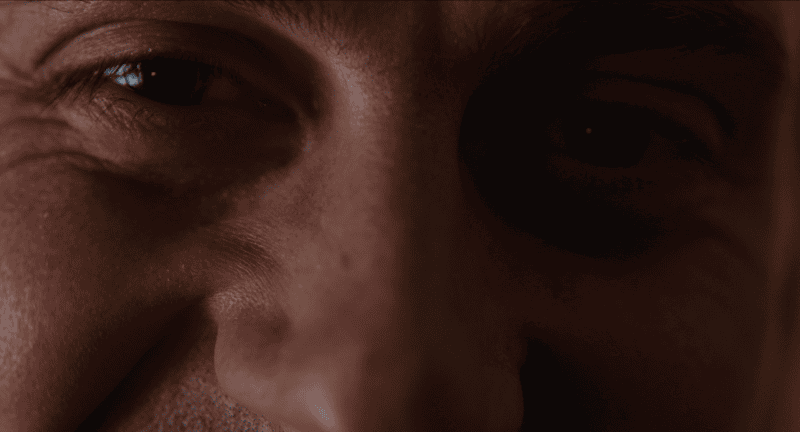
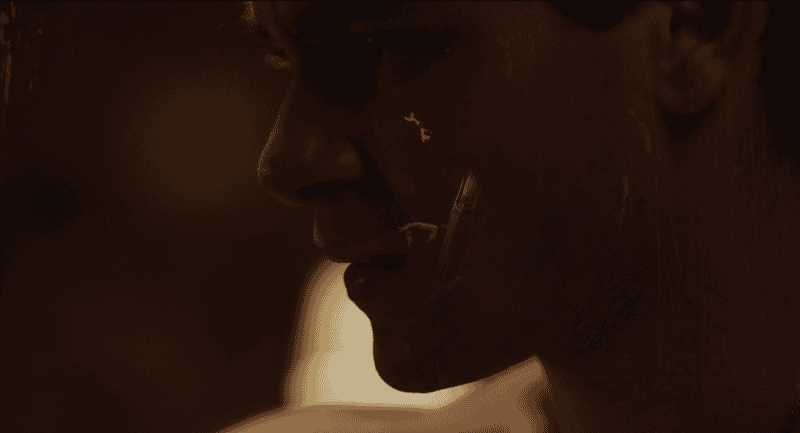
The framework is technically supported by cinematographer Francesca Pavoni, whose visual translation captures the heavy stillness of the water, and editor Christian Marsiglia, who structuralizes the film’s tension between memory and contemporary reality. Distributed by Cattive Distribuzioni, Mutrion positions its narrative within a wider exploration of how landscape shapes identity, capturing a generation suspended between the necessity of departure and the permanence of home.