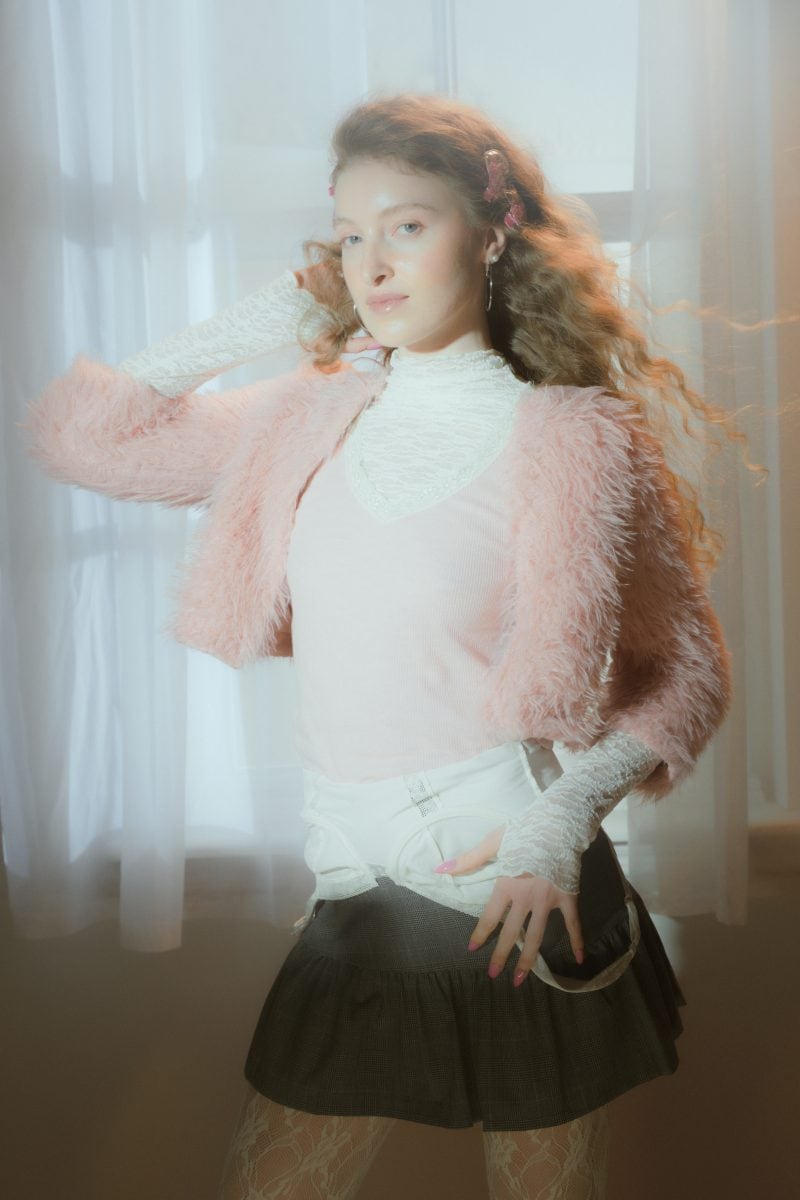
In Giulia Calbi’s latest editorial project (Art Direction, Photography, Styling, Graphic Design), entitled Modern Liturgy, the daily act of looking in the mirror becomes a spiritualtransition that crosses desire and introspection. The work does not stop at documenting an image, but rather dissects the psyche through the structure of religious liturgy, reinterpreted in a contemporary and deeply intimate context.
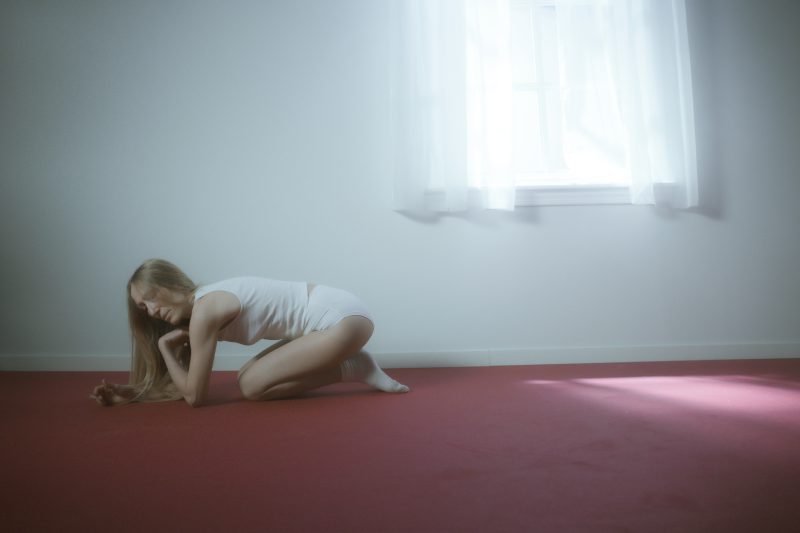
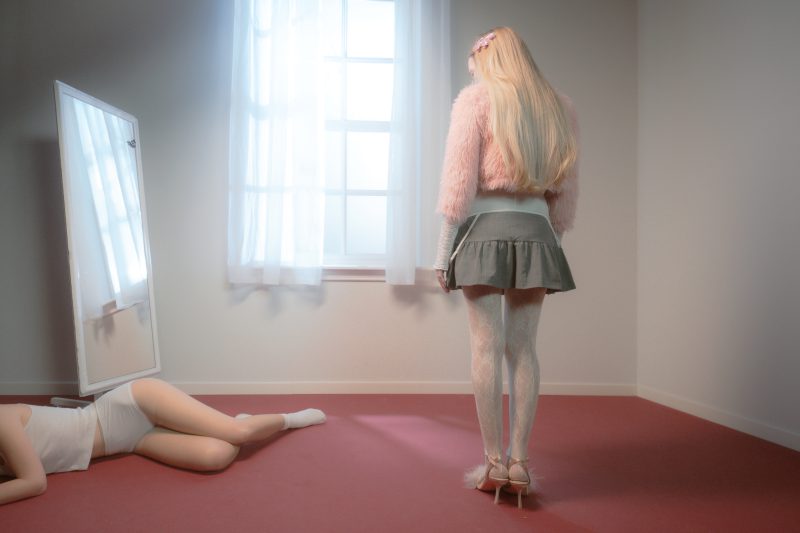
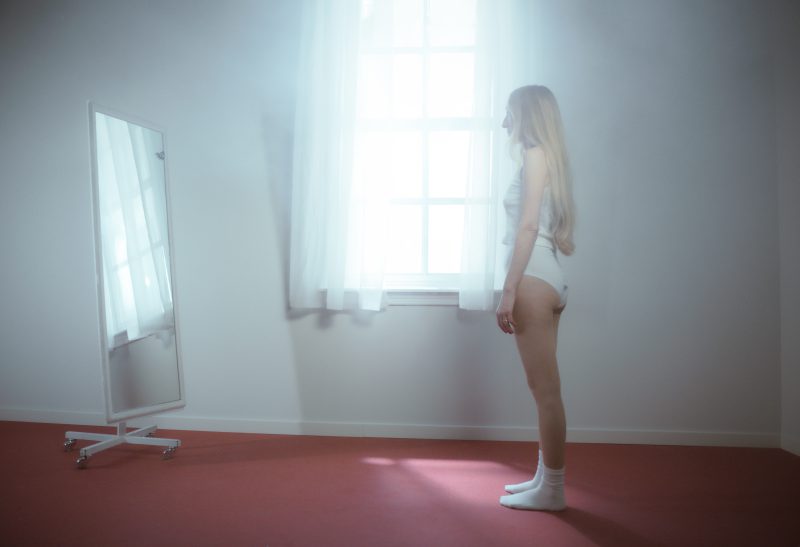
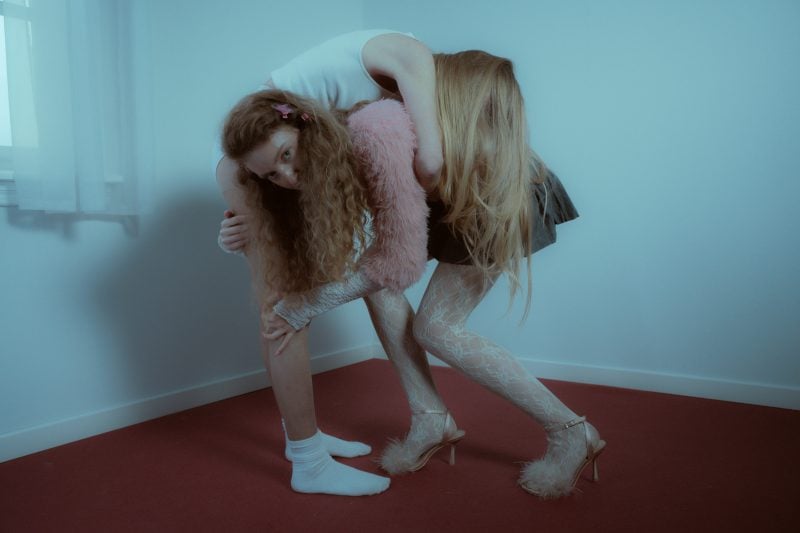
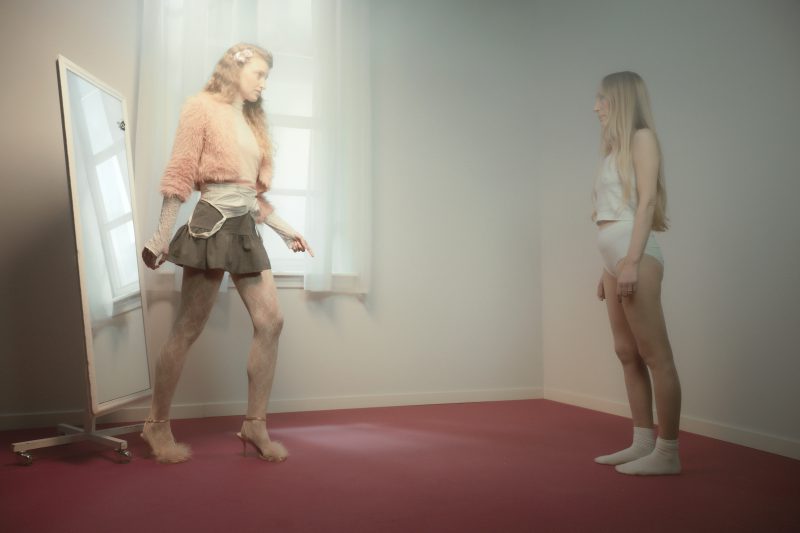
The setting refrains from domestic warmth to become a container. The room, with its sterile walls and diffused light filtering through a veiled window, is more reminiscent of a dressing room than a home. It is where transformation takes place, a mental space where identity is stripped away and clothed in new awareness. In this setting, the concept of the “double” emerges strongly through the constant presence of two female figures. They are not distinct
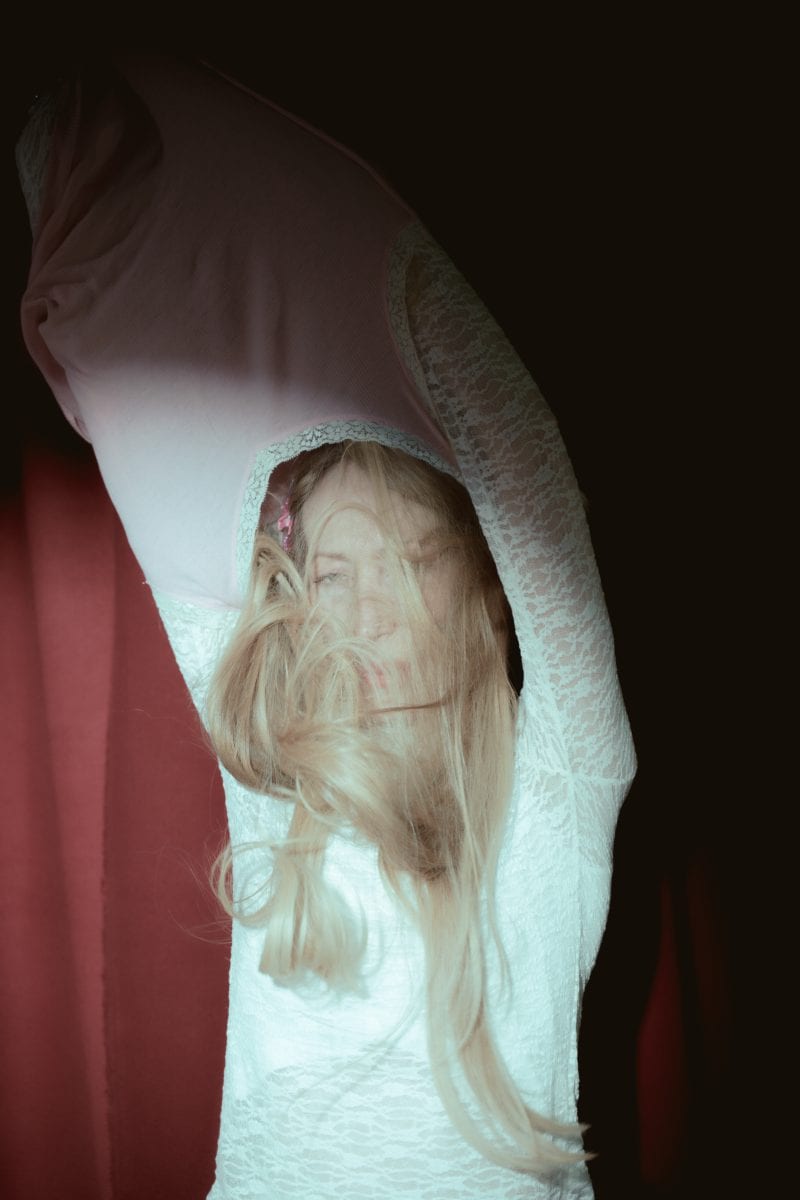
entities, but projections of different states of the same identity that coexist in unresolved tension. The visual narrative is divided into three acts that follow the liturgical path. Adoration, where the reflection does not show the present image, but the icon of a younger self, an inner image full of nostalgia and regret. Visually, this version appears magnified, almost disproportionate, a luminous and intense figure that seems to want to “swallow up” the adult woman who observes her in silence. Communion, where contemplation becomes action. The protagonist attempts an impossible fusion, trying to wear her past like a second skin. The union is only touched upon, revealing the insurmountable boundary between what we are and what we wish to return to being. Confession is the curtain closing on an inner theatre. Through the gesture of undressing, the protagonist abandons the idealised images in which she sought to inhabit. Vulnerability becomes the only possible form of liberation.
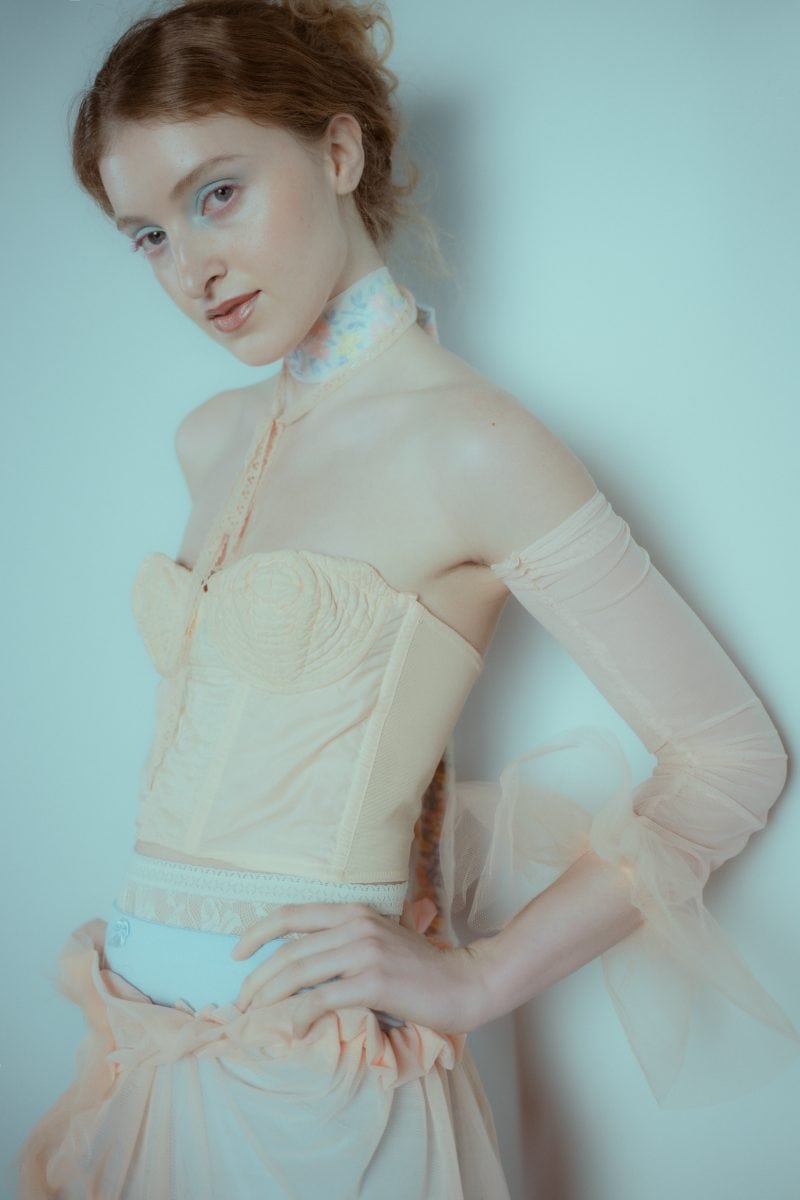
Modern Liturgy transforms the commonplace gestures of fashion and self-care into acts of devotion. Calbi’s work suggests that true acceptance lies not in embracing an unattainable ideal, but in recognising and honouring the real, imperfect and present self.