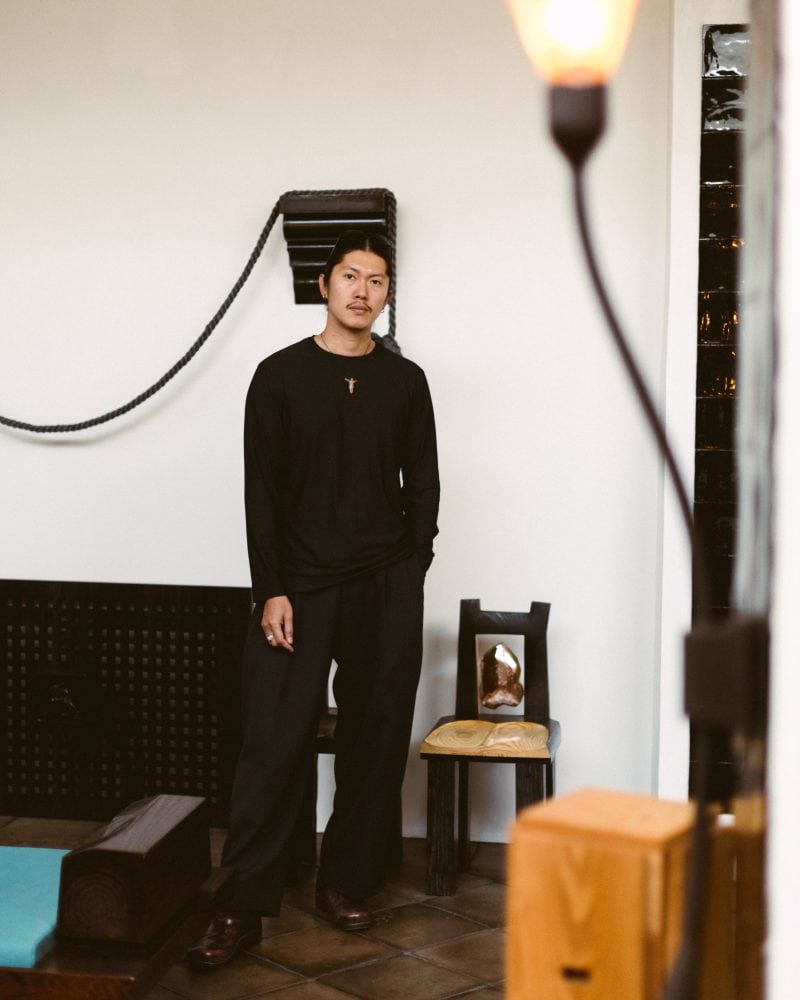
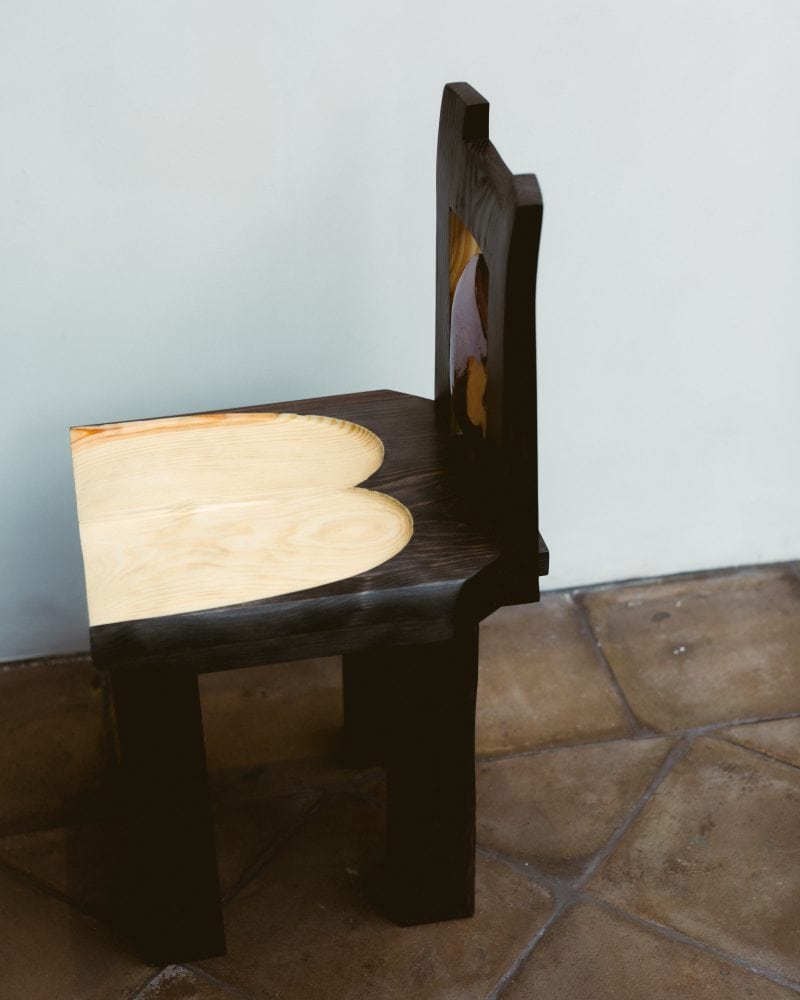
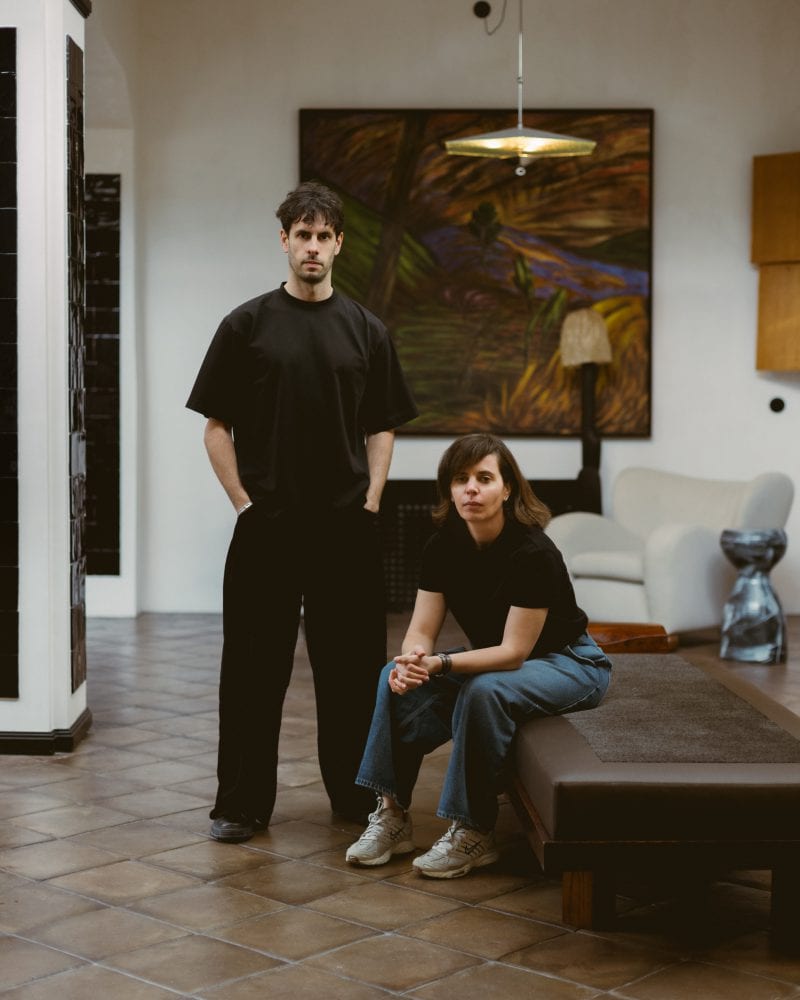
There are objects that invite the eye and others that seem designed to be lived in. In the Garcé Dimofski showroom in Porto, the boundary between these two dimensions is deliberately blurred. The spaces retain a domestic feel, whilst not appearing entirely familiar: a chair may take on the proportions of a small architectural structure, a lamp those of a figure, and a piece of furniture those of an artefact of uncertain origin. It is within this ambiguity that Minjae Kim’s work finds its place.
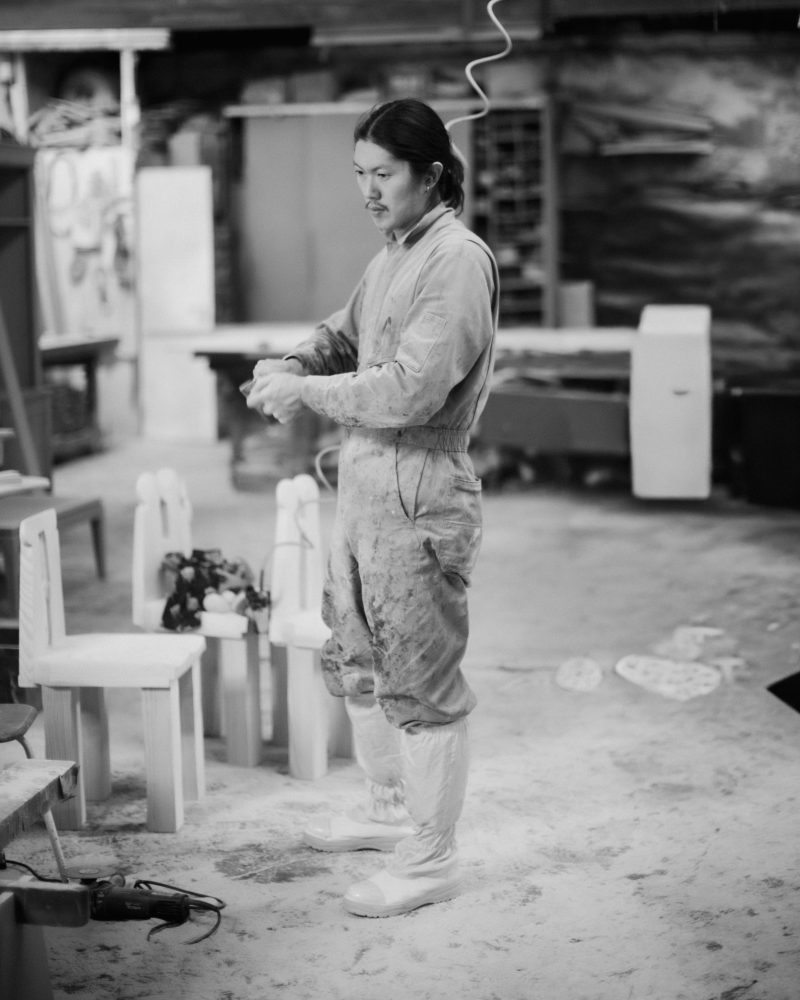
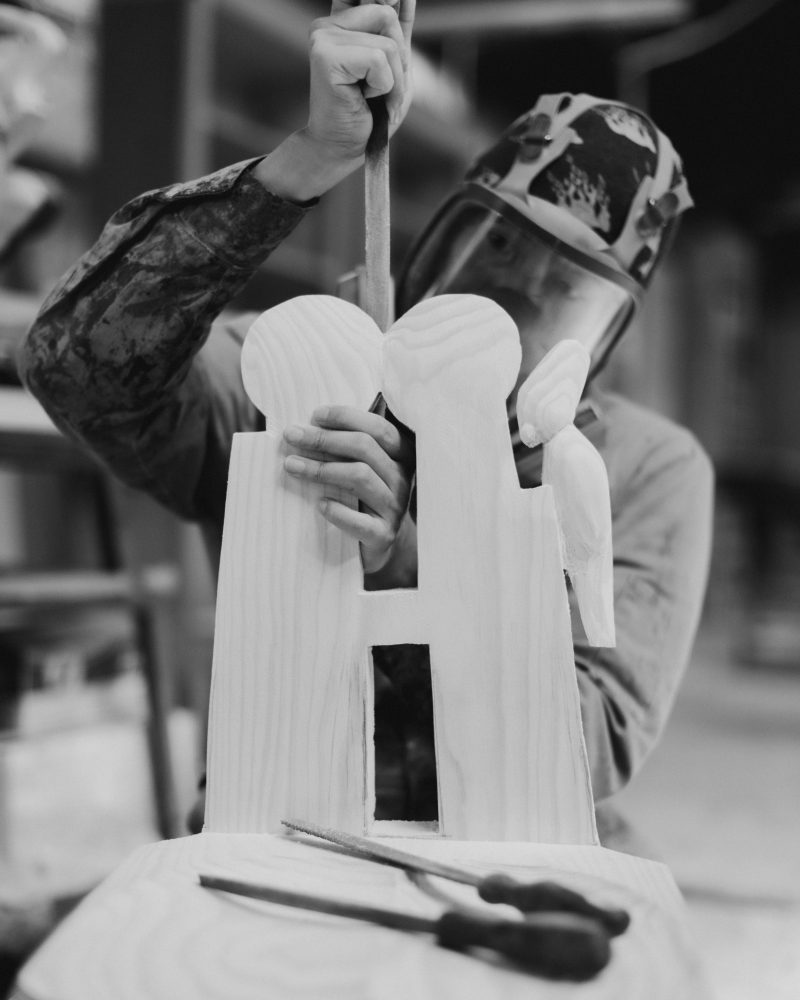
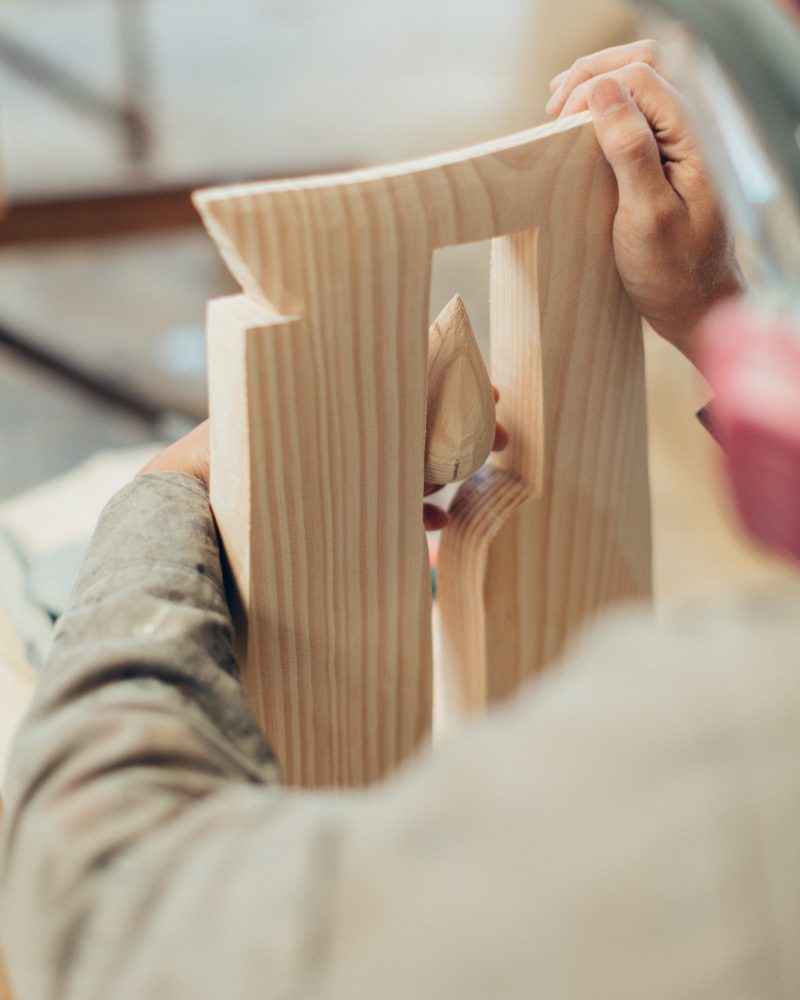
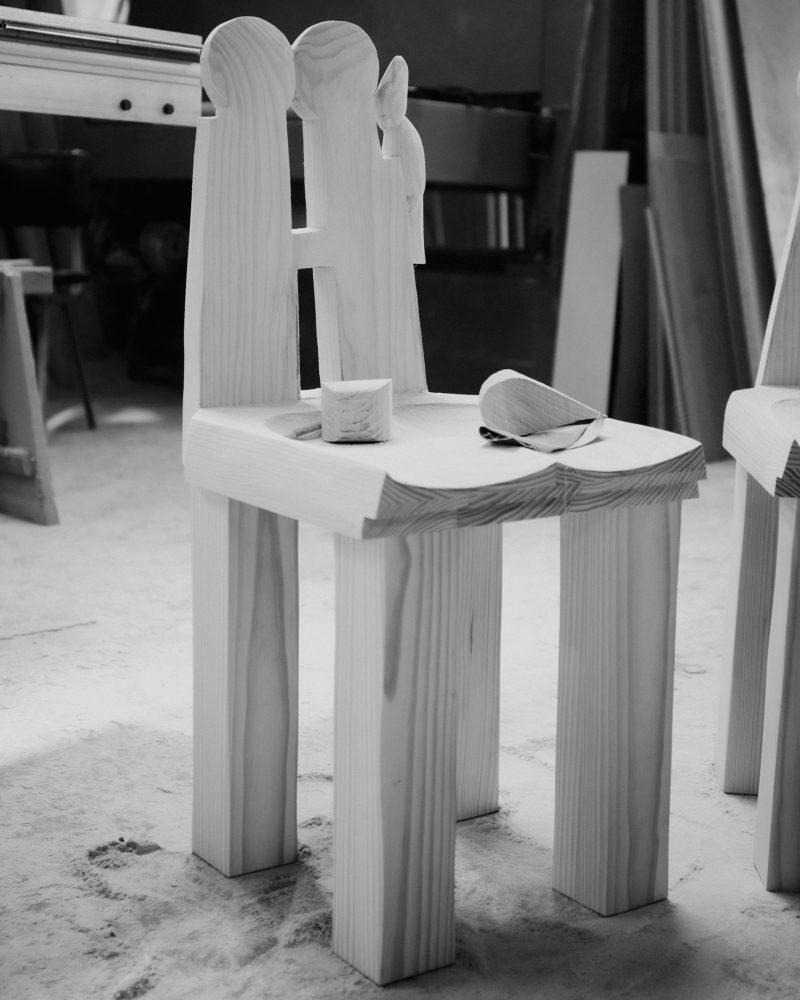
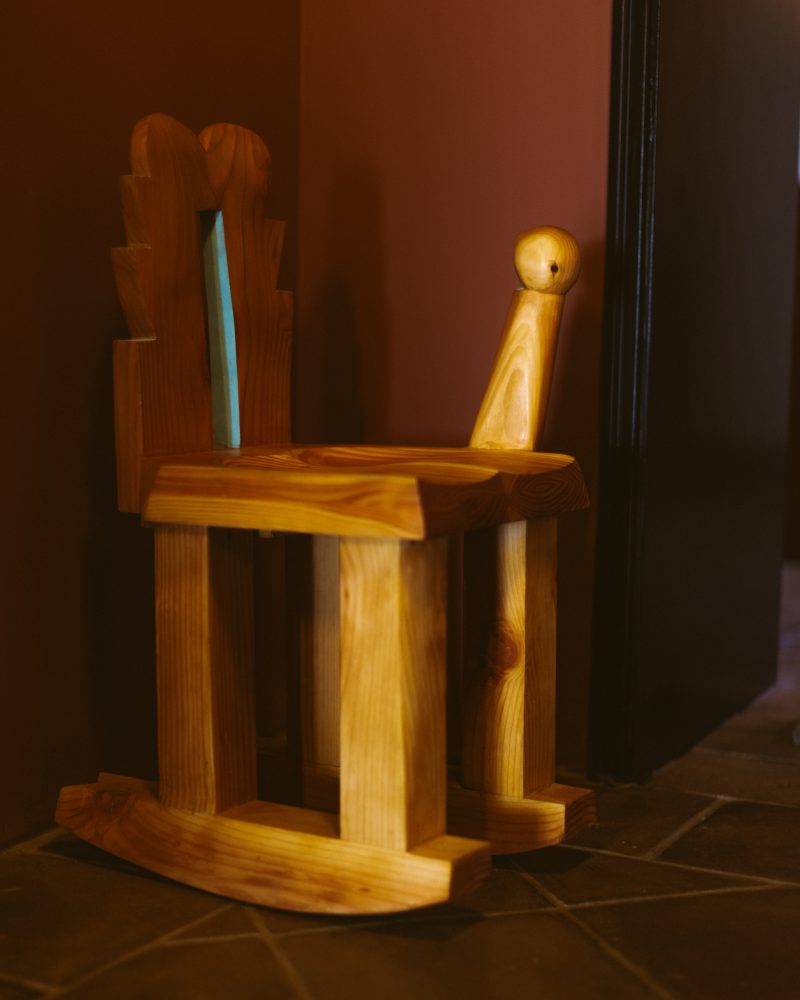
The South Korean designer develops a language based on essential forms that nevertheless bear a subtle anthropomorphic imprint, in which function does not overshadow the gesture. The chairs photographed whilst still in their raw state in the workshop illustrate this tension well: before becoming design objects, they are wood, dust, cuts and hands. Backrests and armrests evoke stylised figures, almost like symbols from a primitive alphabet.
One senses a reference to Art Brut, combined with the freedom with which postmodern design has liberated the domestic object from mere rationality.
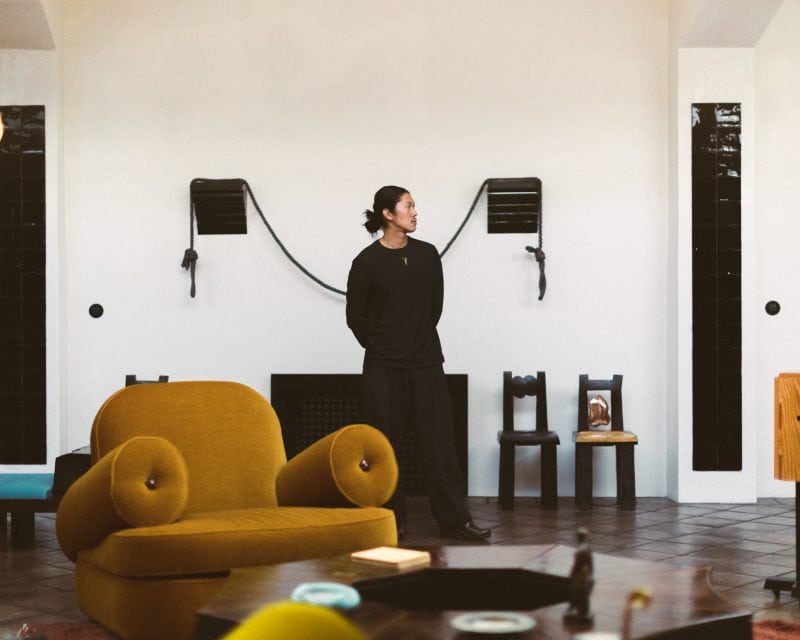
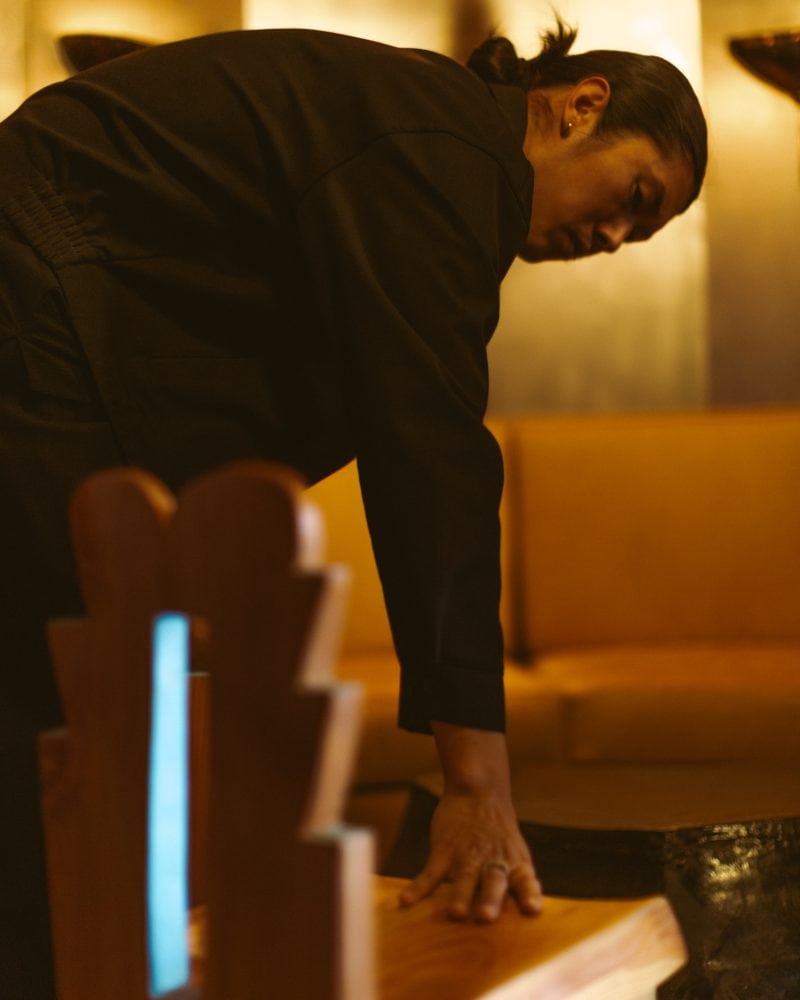
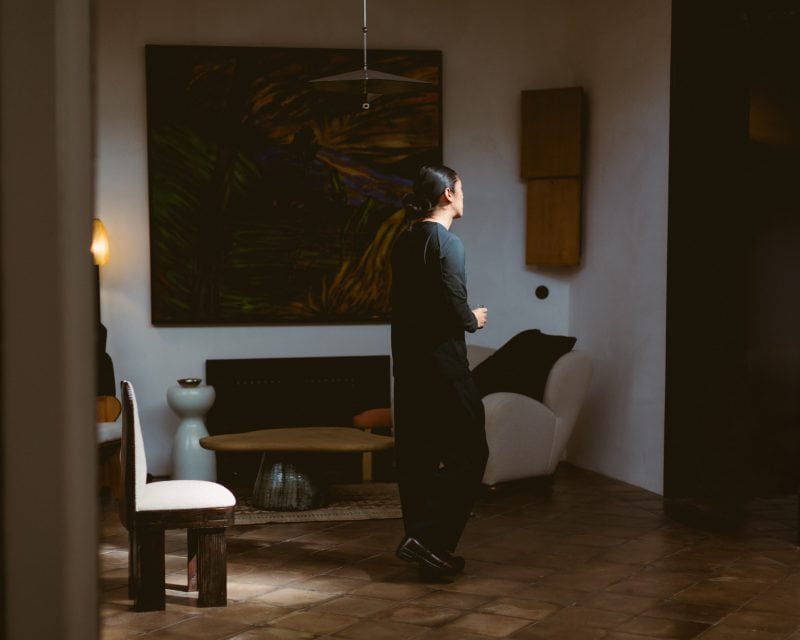
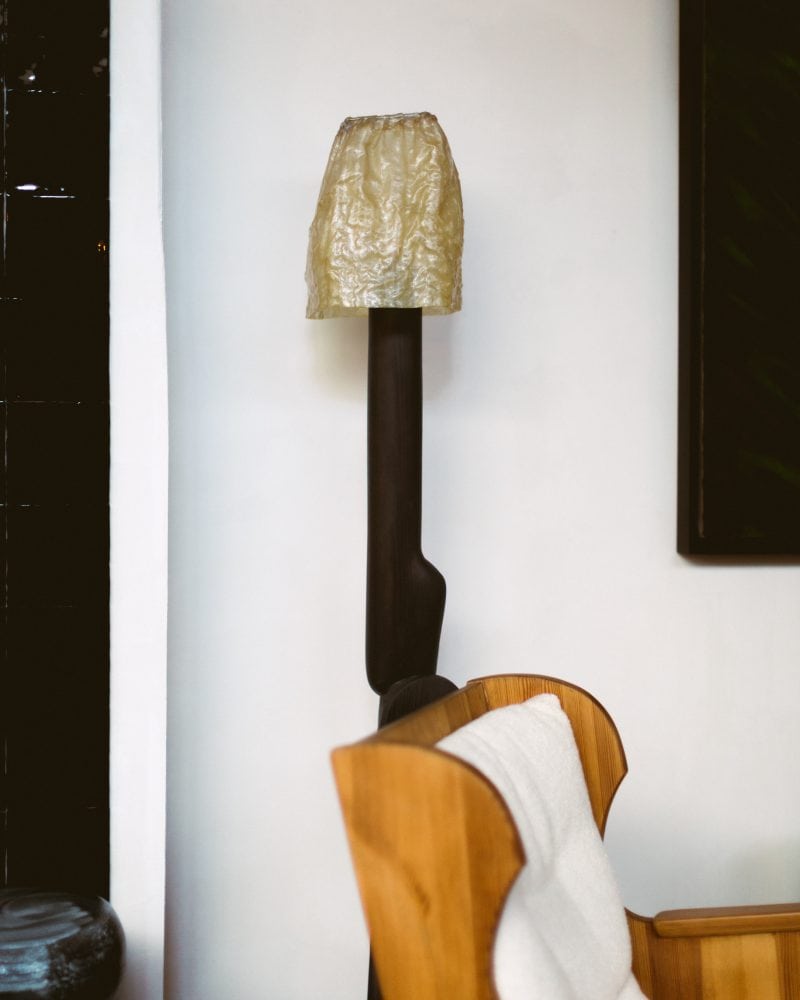
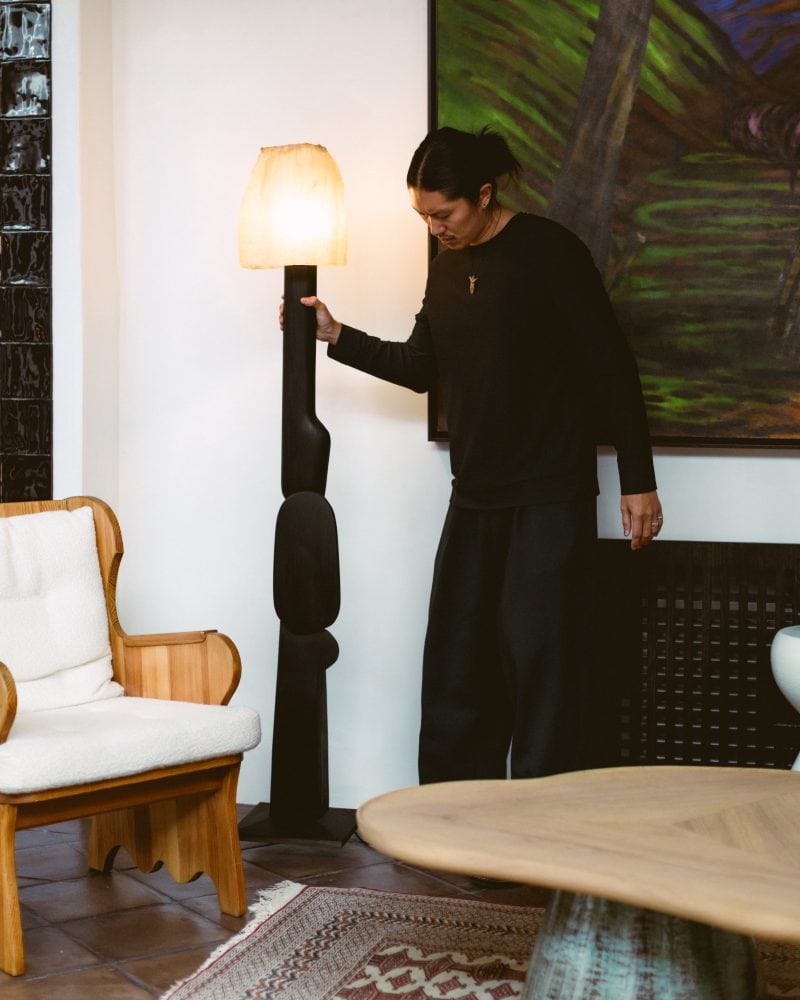
The collaboration with Garcé Dimofski brings this design language to Portugal, where the pieces are crafted by local artisans. More than a mere aesthetic exchange between Korea and Portugal, the project reflects on the significance of a form that transcends different geographies, techniques and hands. Craftsmanship is not seen as nostalgia for a pre-industrial era, but rather as a means of generating new design languages. The photographs highlight the tangible nature of this process. The black and white of the workshop gives way to the warm tones of the showroom: wood, ceramics, fabrics, polished surfaces and natural light interplay without taking on a theatrical quality. In one of the images, Kim holds a lamp as one might hold a sculpture; elsewhere, the same vertical presence seems to blend in amongst paintings and furnishings. Even the rocking chair, with its deliberately simple geometry, retains a quality that lies somewhere between a toy and a totem.
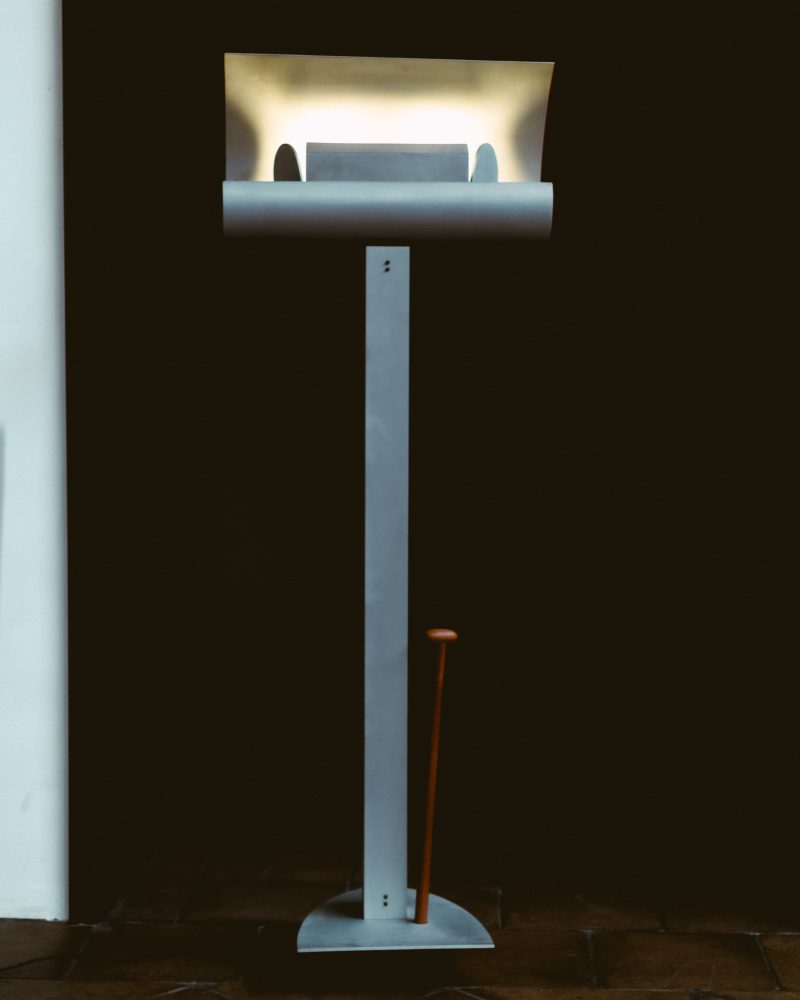
It is in this context that the Garcé Dimofski space reveals its most appropriate function: when it ceases to present itself as a mere showroom. The objects are not placed on isolated pedestals, but arranged in relation to one another, left to coexist with rugs, paintings, shadows and other elements. Design thus returns to being a presence with which to share the space, simple in its essence and yet difficult to define.