Fashion, at its most potent, is not merely about representation—it is about reactivation. In “MILES AWAY,” a striking two-part photographic story captured by photographer Gabriel Gómez and styled by art director Ayrton Luc-Clément, style becomes a conduit for a legendary, spectral energy. The project is structured as a physical and visual transmission, paying homage to an absent figure while casting his aesthetic rhythm directly into the contemporary arena. Through sharp tailoring, somatic movement, and deliberate spatial design, the editorial manifests as a dialogue between history and the modern body.
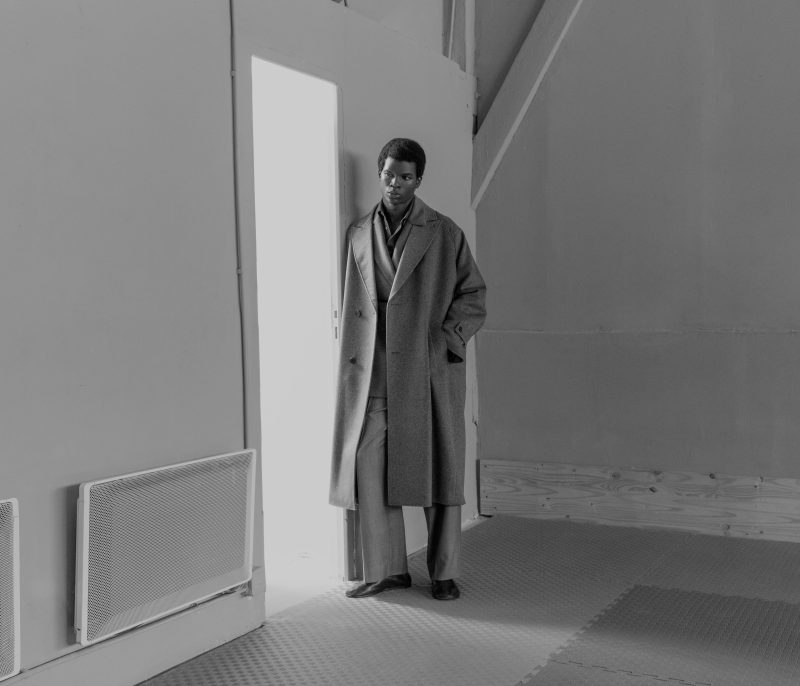
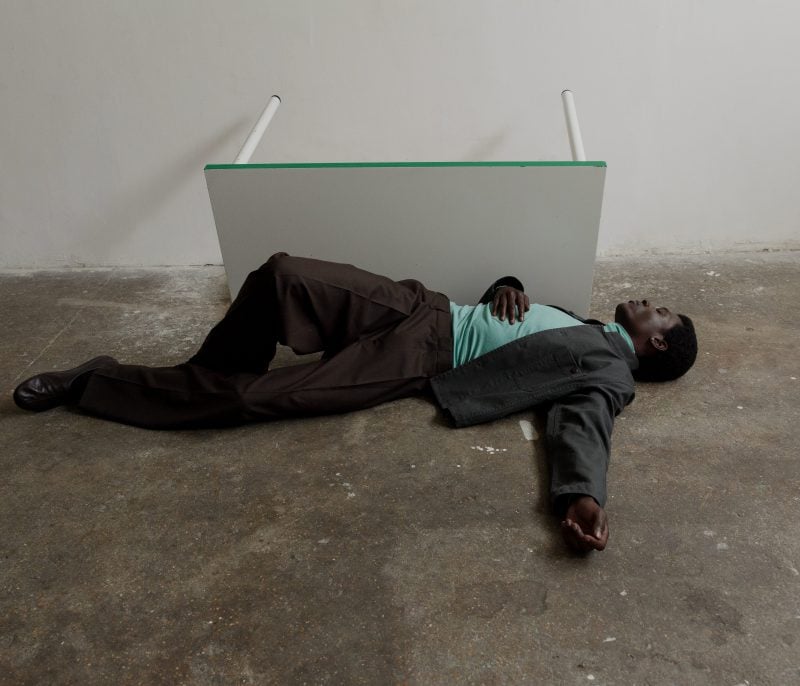
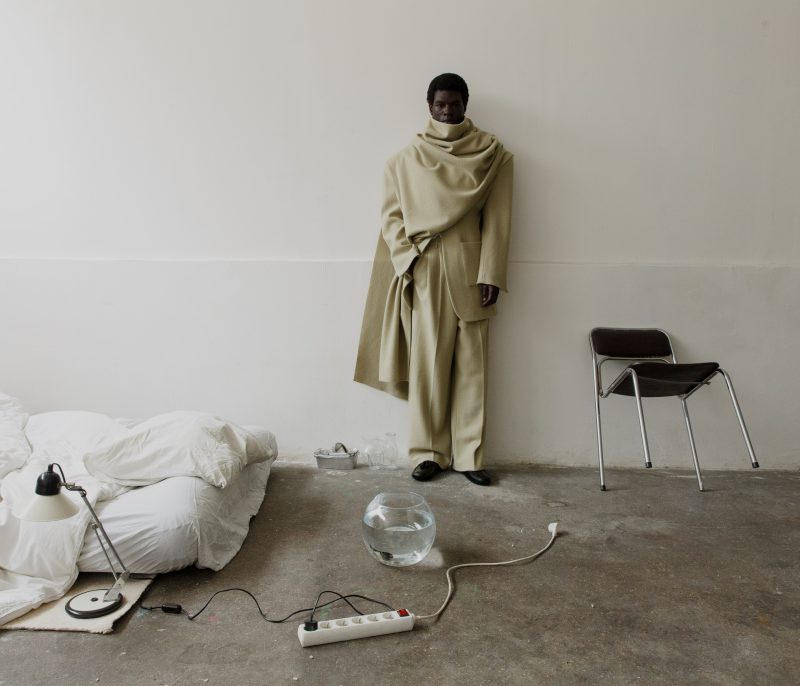
The first volume introduces a stark, minimalist environment where the boundary between the human form and the technological system begins to dissolve. Set against neutral walls, models Ekko and Hollow navigate a landscape scattered with analog remnants—tangled audio cables, vinyl records, amplifiers, and even a vintage synthesizer.
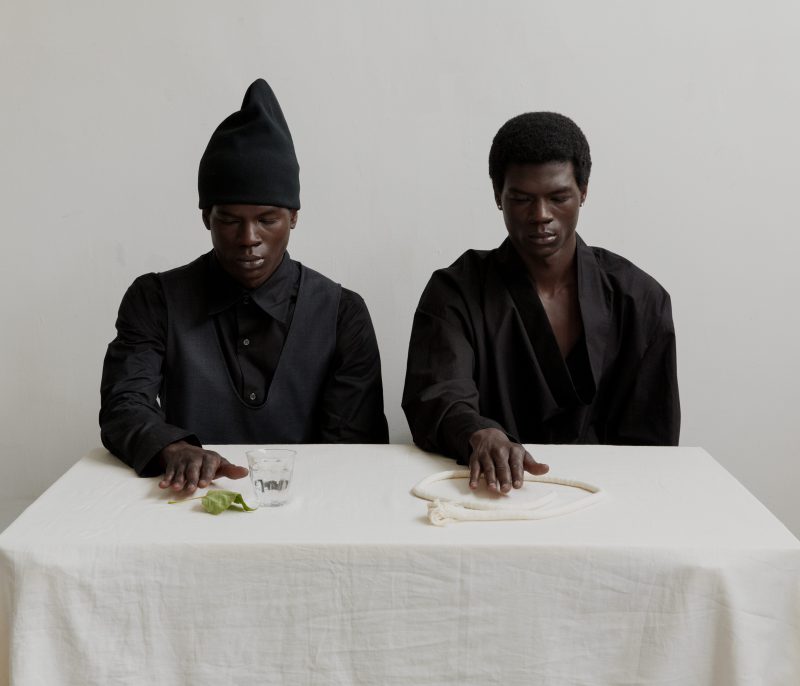
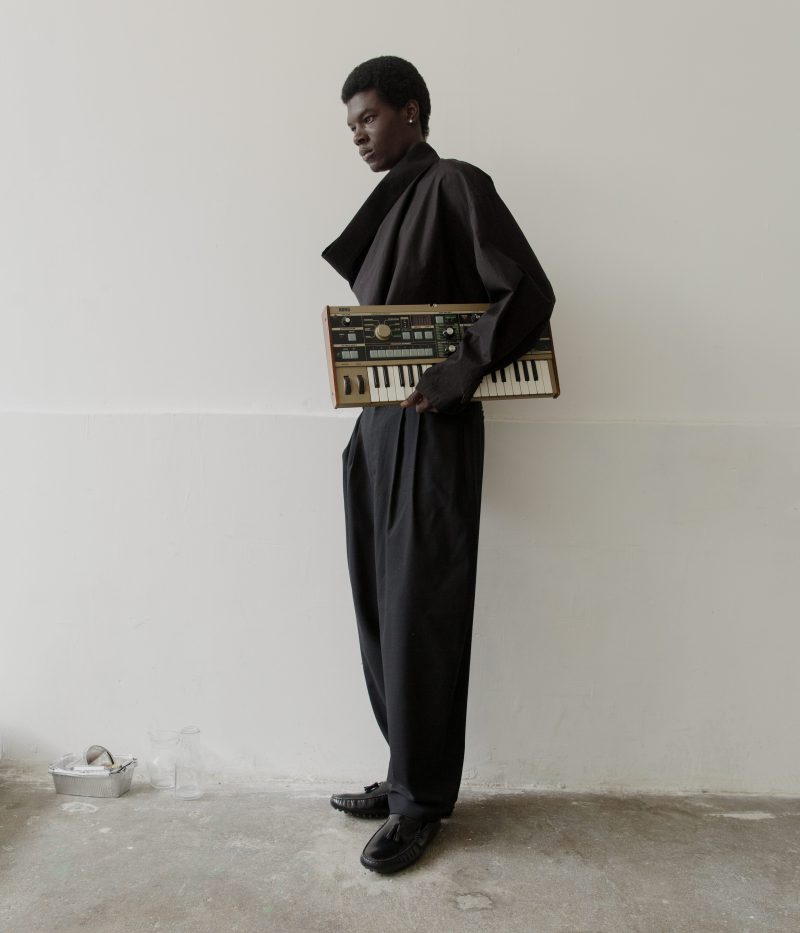
The garments worn in this volume serve as the new circuit through which the pressure of the past is felt. Ekko stands in a sharp, three-piece suit and shirt, anchored by elegant shoes. Hollow complements this structured classicism in a sleek, draped look, but is also styled in a textured coat and scarf, leather trousers, polished shoes, and dark shades.
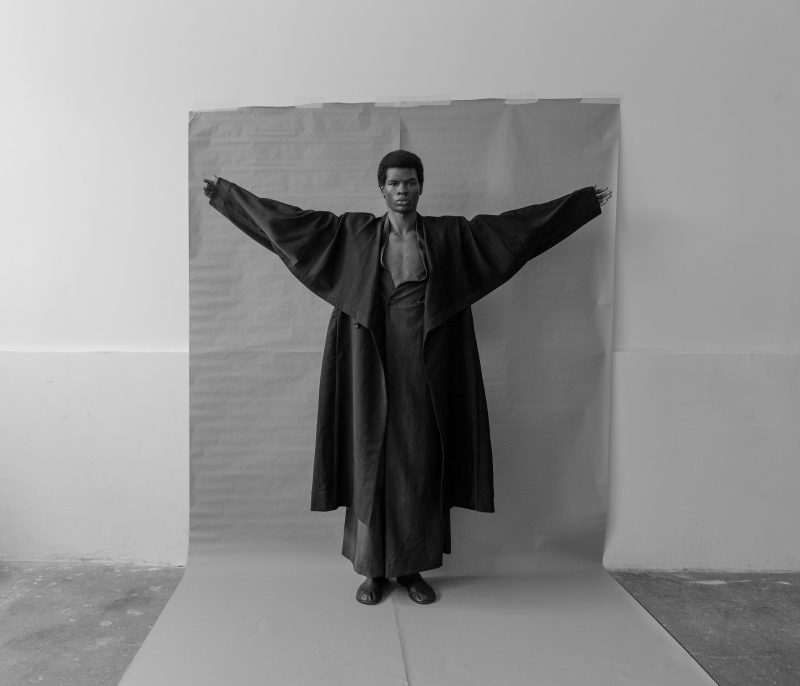
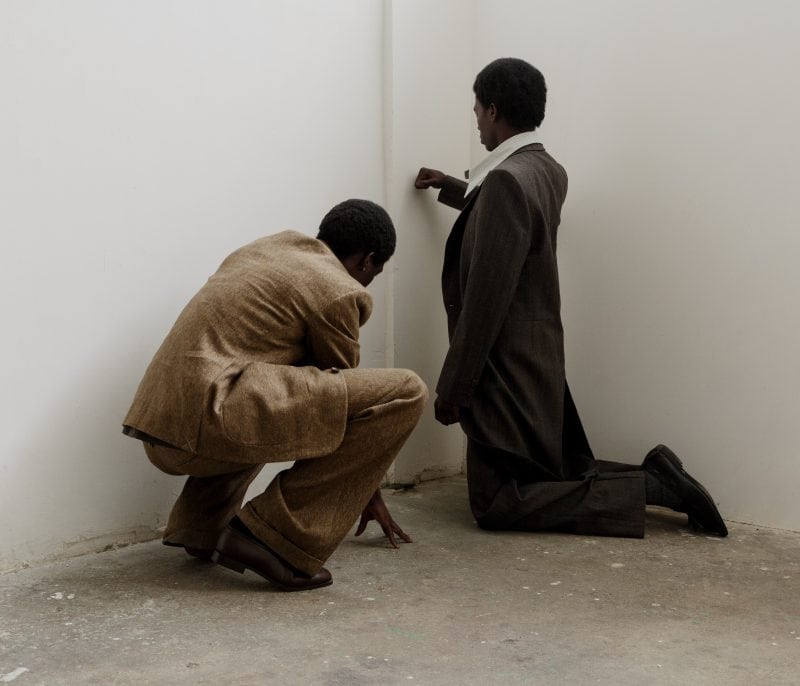
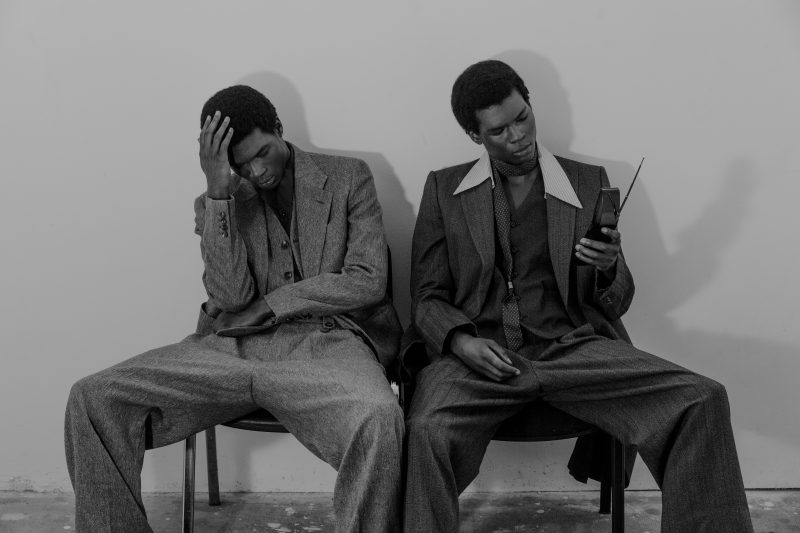
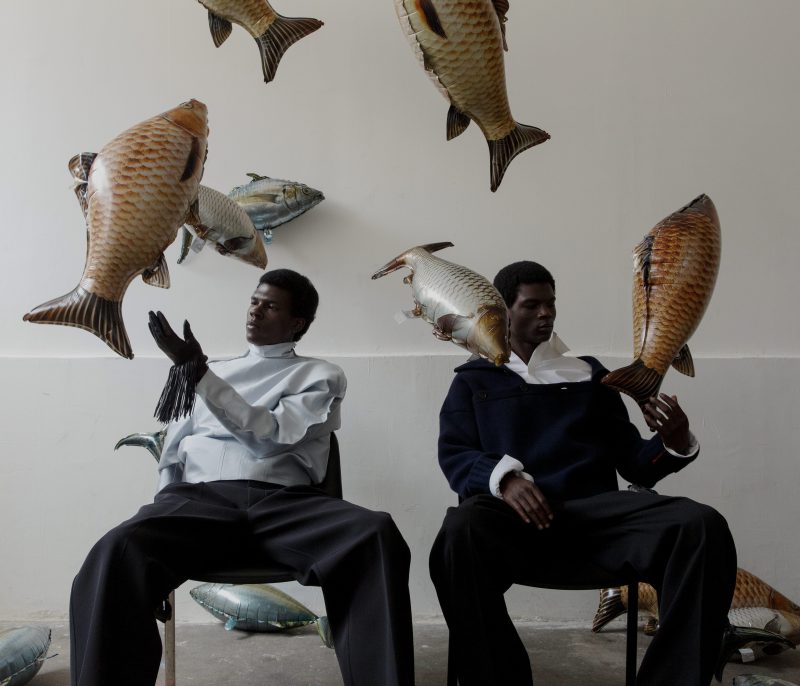
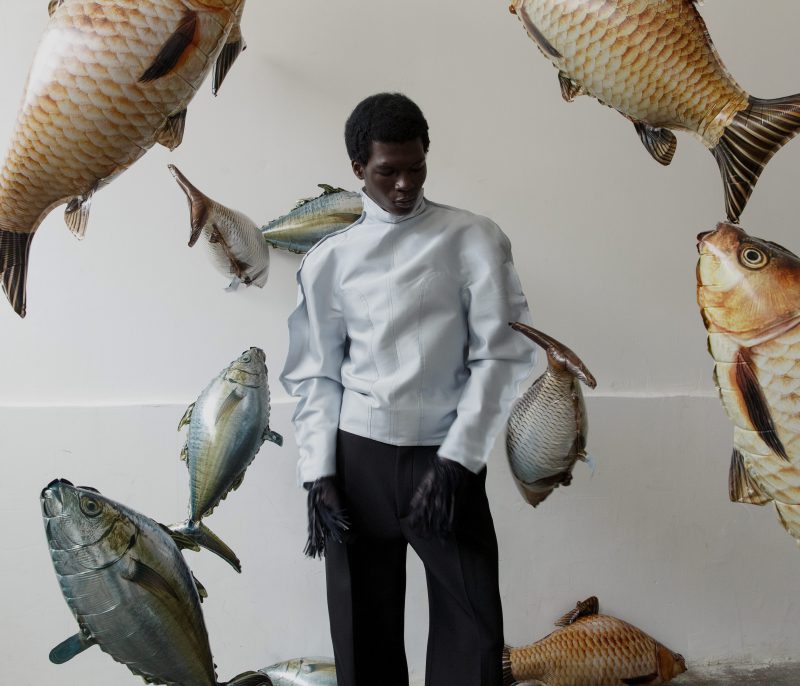
Towards the end of the volume, the imagery takes a surreal turn, featuring models suspended in gravity-defying poses wearing Moncler and Gardouch, and interacting with metallic, fish-shaped balloons while styled in pieces from Carven, Ferragamo, and Vautrait. Rather than attempting to reconstruct historical jazz style, Volume I uses these clothing choices to ground a classic cool in the present. The silhouettes fluctuate between rigid and soft, highlighted by Hollow in a dress paired with a classic shirt and a simple beanie, while Ekko wears fluid, dark separates paired with refined shoes. Towards the end of the volume, the imagery takes a surreal turn, featuring models suspended in gravity-defying poses wearing voluminous technical outerwear, and interacting with metallic, fish-shaped balloons while styled in tailored, sculptural pieces.
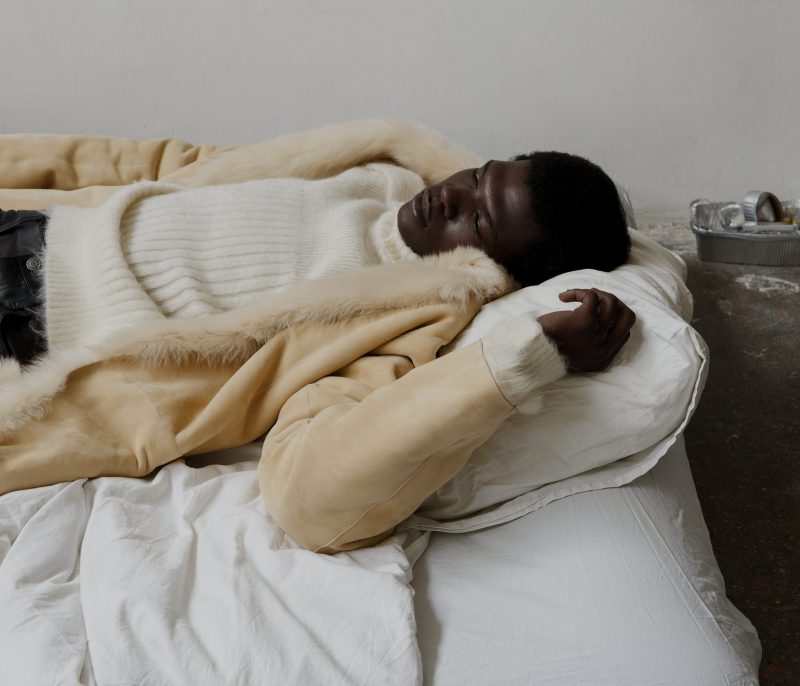
Towards the end of the volume, the imagery takes a surreal turn, featuring models suspended in gravity-defying poses wearing voluminous technical outerwear, and interacting with metallic, fish-shaped balloons while styled in tailored, sculptural pieces.
If the first volume established the intellectual and aesthetic circuits of the project, Volume II returns that signal directly to the flesh. The visual landscape shifts dramatically from sterile whites to an intense, absorbing blue, reminiscent of martial arts dojos or sensory deprivation chambers.
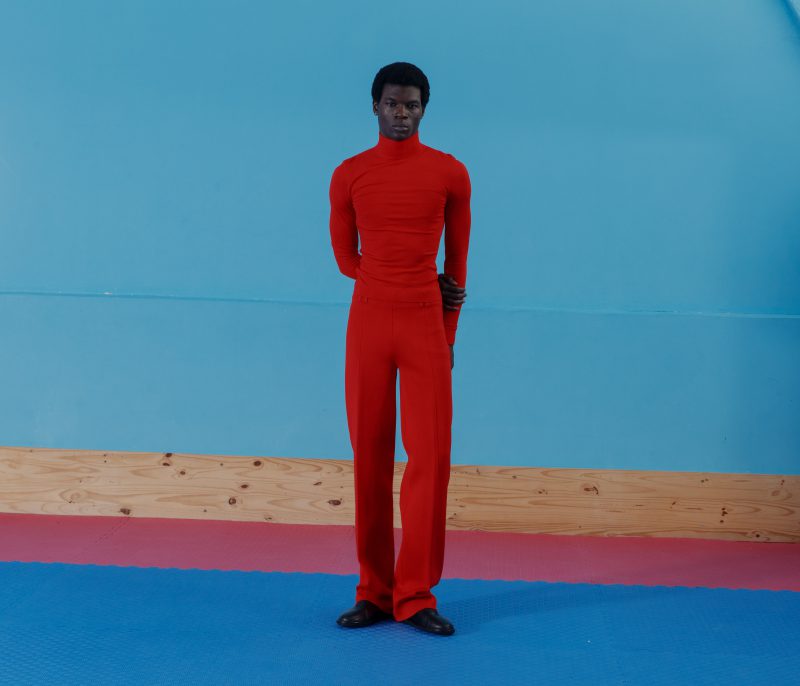
Here, the images behave like a visual cardiac massage—pressing relentlessly against silence and isolation until physical movement returns. The cool blue backdrop is pierced by an intense red jumpsuit paired with minimalist shoes, worn by Hollow, creating a high-contrast visual beat.
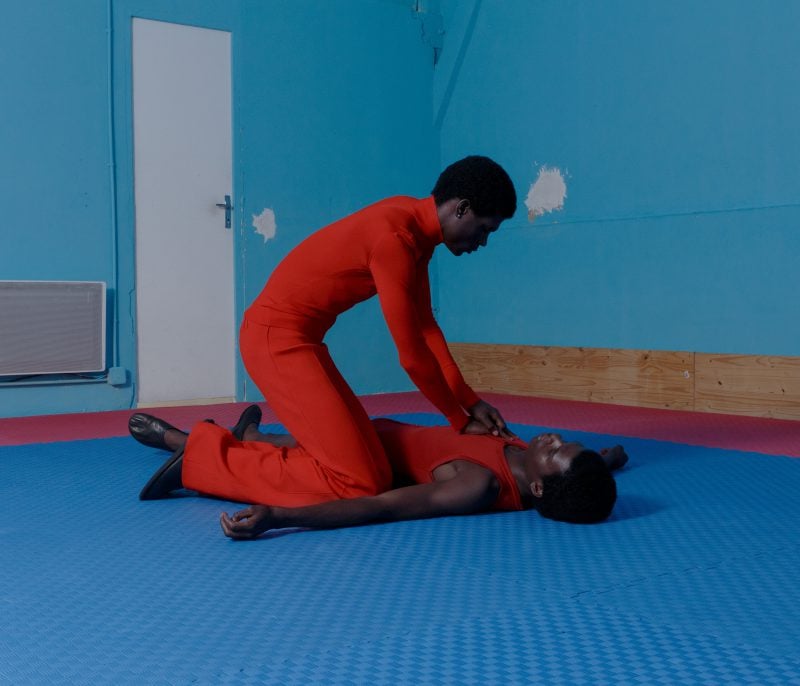
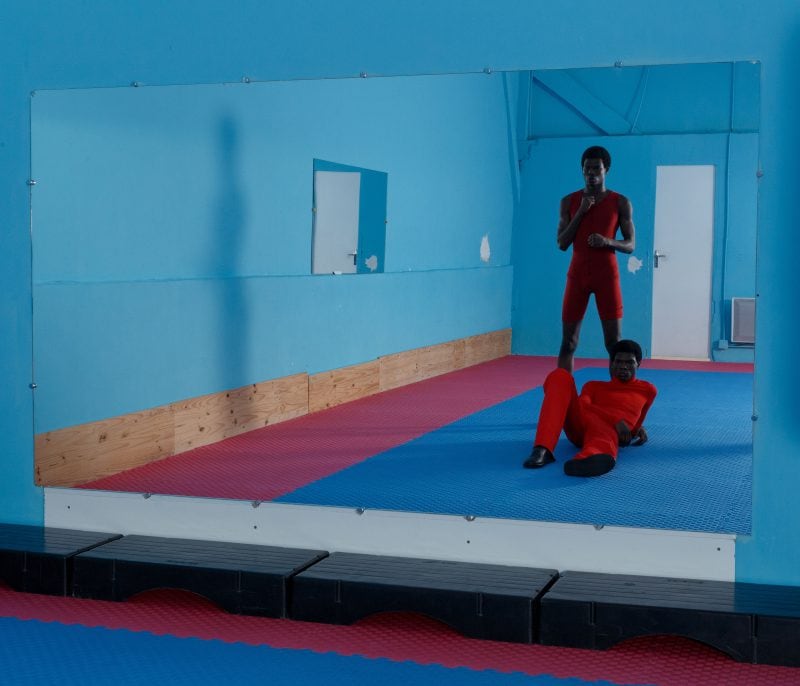
Ekko is similarly enveloped in the space wearing draped, tonal garments. The models wrestle, fall, and support each other, mirroring a CPR gesture or an intense dance. The clothing moves with them, whether it is Hollow in a structured coat, jacket, and trousers with refined shoes, or Ekko in a timeless plaid suit and tie contrasted against classic loafers. The narrative concludes not in perfect, sterile harmony, but in a sustained pulse, leaving an exploration of proximity, breath, and the persistent desire for contact.