Why can’t students and young workers afford to live in the city?
The answers to this question could be found in several directions, which often are not excluding but rather complementing each other. Low salaries, too high rents, soaring inflation rates. Everything nowadays has become too expensive. And we’re not just talking about ‘extra’ activities related to leisure, entertainment, or anything else that can add to basic needs. But for young people, it is becoming increasingly difficult even to do a basic activity necessary for subsistence, such as grocery shopping. Young students and workers find themselves stealing food from supermarkets, stores, or restaurants because they are struggling with financial problems. The feeling shared by today’s contemporaneity is certainly discouragement for those who have to carve out a place for themselves in the world, those who are trying to make important decisions in an unfavourable climate. It is them, the students who choose to take the path they were told would set them up, would give them a future. How many futures are we talking about now? What future do they aspire to? Is there such a thing as a future?
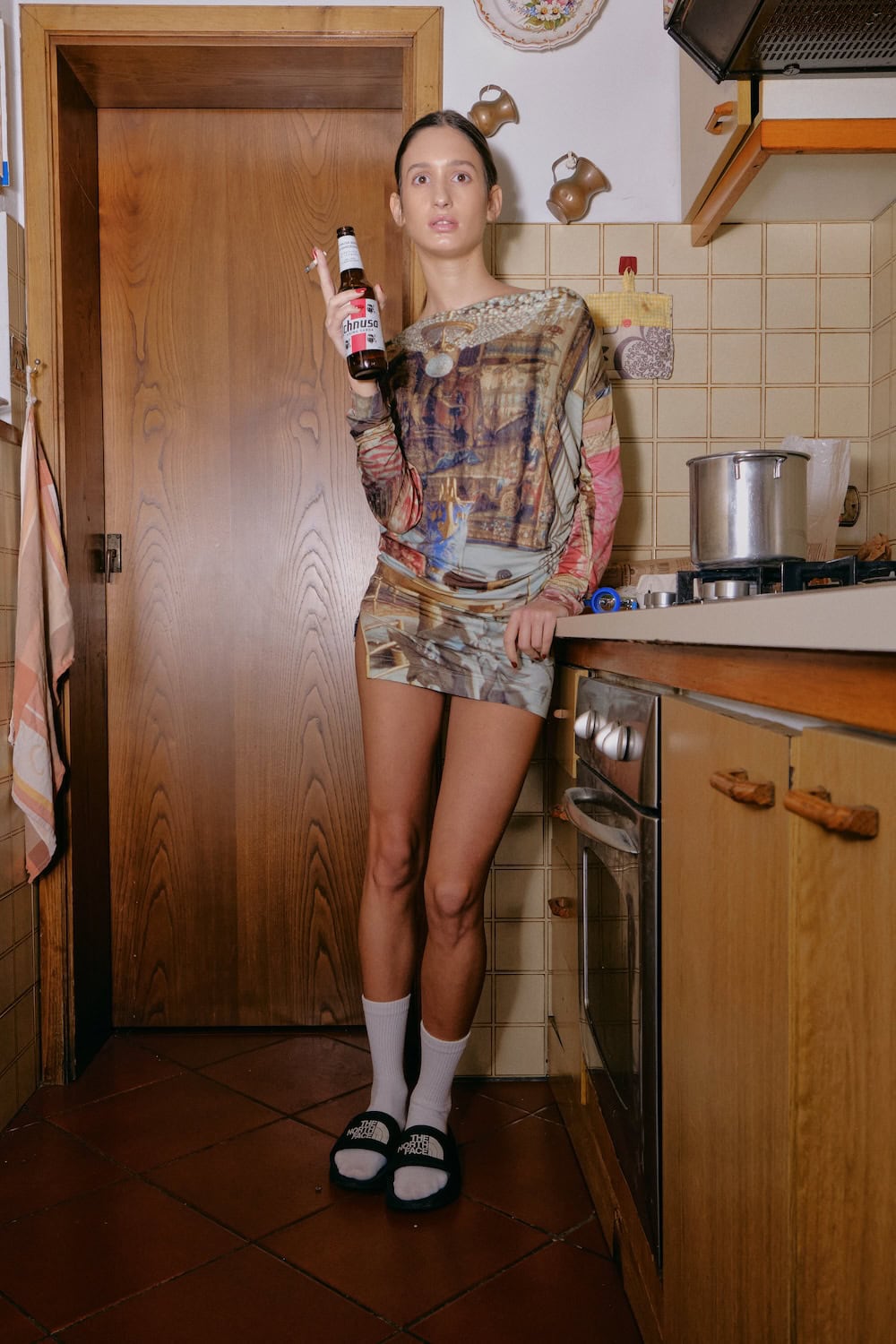
C41 presents Microsurvival, a fashion editorial produced by students from Polimoda: Ana Bogdanović, Camilla Giusti, Maria Helena Pupo Albuquerque, and Ronnie Galiya Morell. The editorial was produced in the context of LEONE’s course part of the Master in Art Direction at Polimoda. Polimoda represents the high training in the fashion industry in an internationally recognised center of excellence, located in Florence, the heart of one of the most important production areas of Made in Italy.
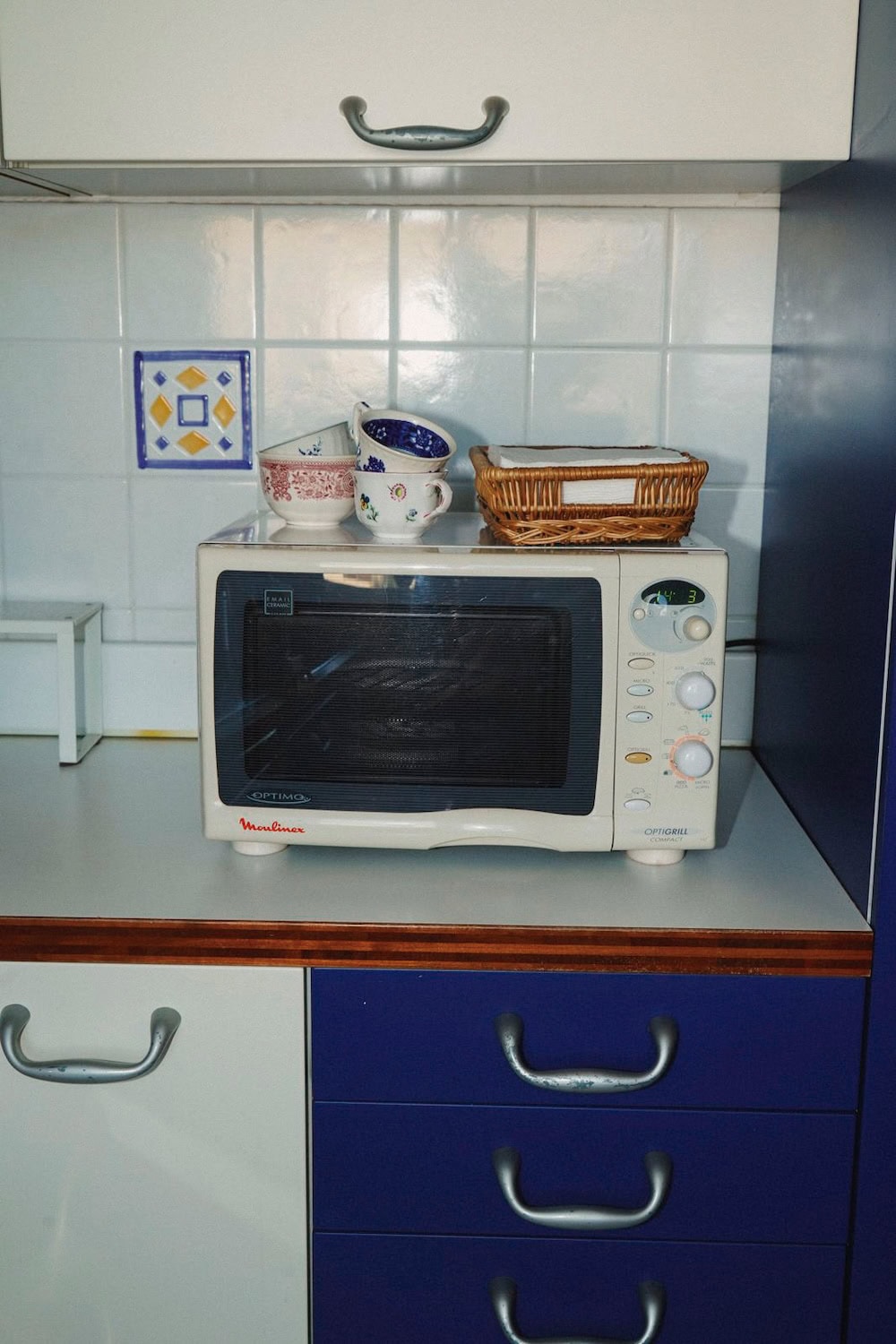
The microwave is fundamental in the life of a young and broke person. It allows to have meals ready within a few minutes, at low costs. Starting from this concept, Microsurvival is a guide for young people to help them find other solutions to survive in big cities. The story is inspired by true life experiences and features video and written interviews with a group of young people between 18–25 years old telling how relevant the microwave is for them.