“Slowness is the most radical form of freedom.” Milan Kundera. In a world where speed is the marker of relevance, the decision to slow down is almost radical. We scroll, we consume, we replace, and often we do it without pause. Images travel faster than objects, and objects circulate faster than the time required to truly live with them. Time is no longer something we inhabit; it is something we manage, compress, optimize. Within this landscape, slowness emerges not as nostalgia, but as luxury, perhaps the rarest form of it.
To design today means working within this acceleration. But what does it mean to create an object when attention spans are short and novelty is constant? Do we genuinely need more design pieces, or are we responding to a deeper absence, a longing for continuity, for grounding, for something that resists disappearance?
Contemporary design often operates inside a loop of perpetual newness. Each season introduces a collection, each fair demands a debut, each digital platform rewards immediacy. Objects are launched like events: visible, circulated, archived. Yet in this rapid cycle, permanence becomes the exception. The radical gesture may no longer be invention, but endurance. The ability of an object to stay, to age, to gather traces, to deepen its meaning through use. In this sense, slowness shifts from aesthetic choice to ethical position. It is not about romanticizing the past, but about restoring density to the present. Designing not for instant impact, but for long-term companionship. Not to capture the gaze, but to build presence.
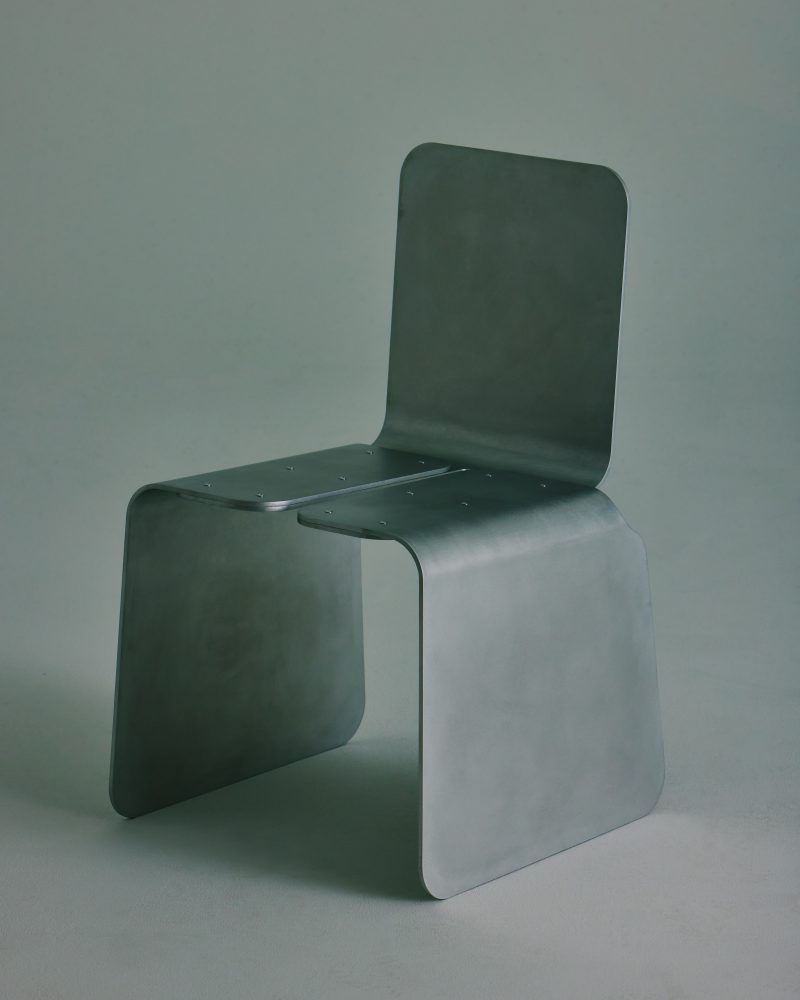
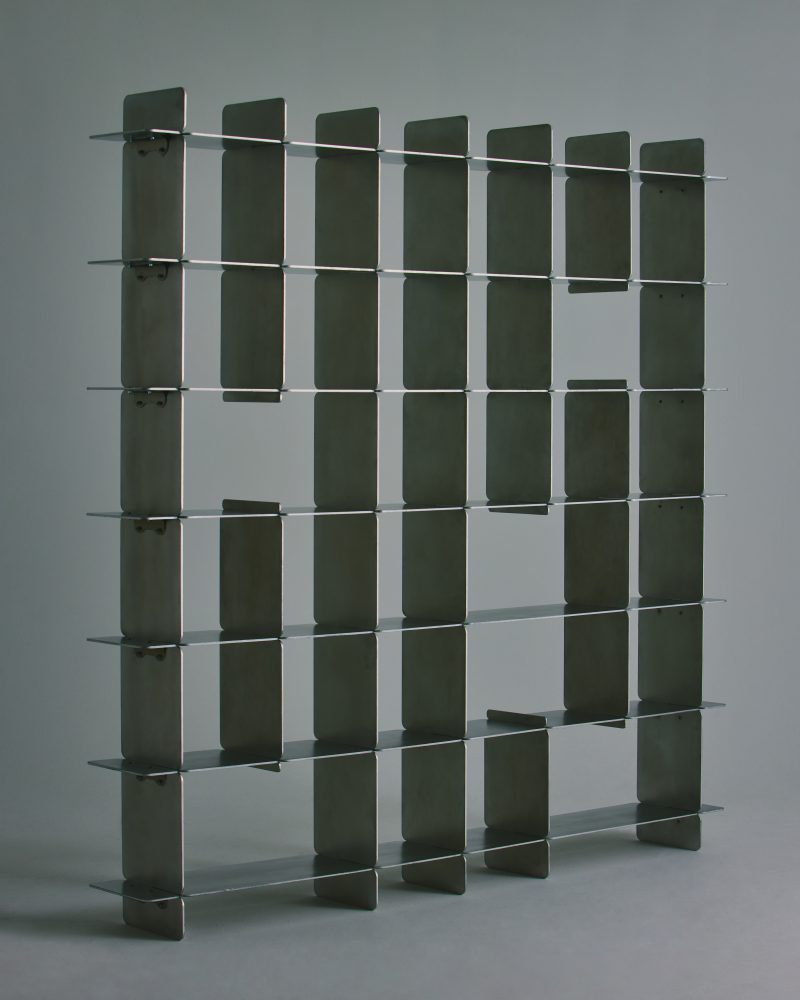
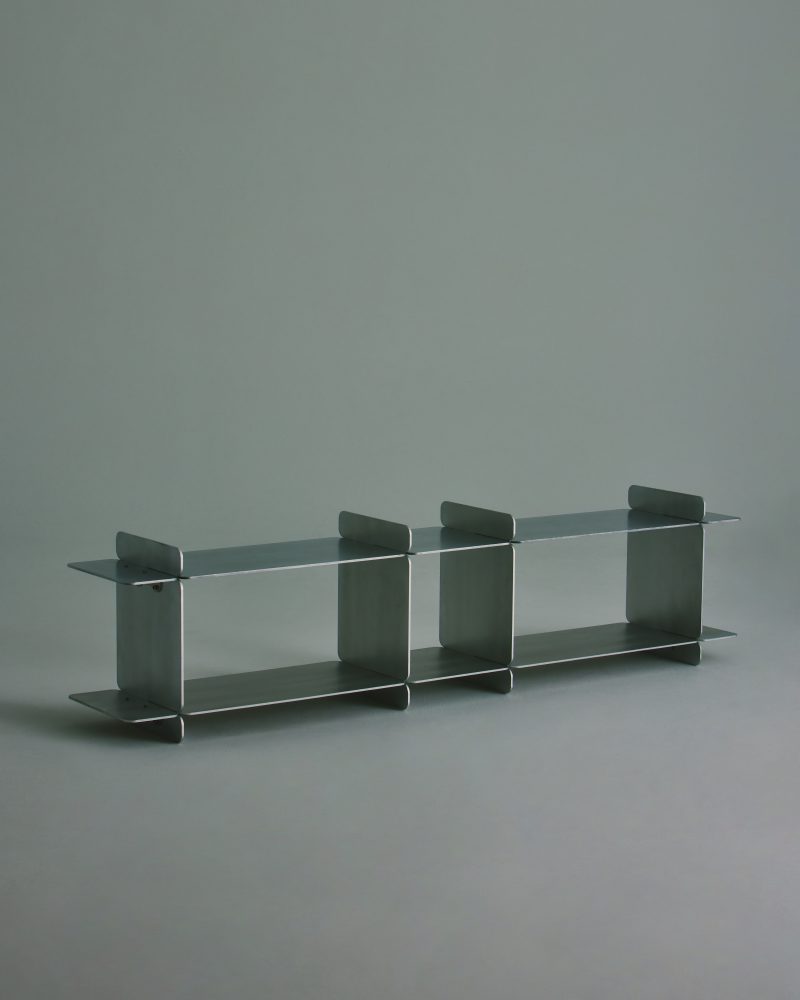
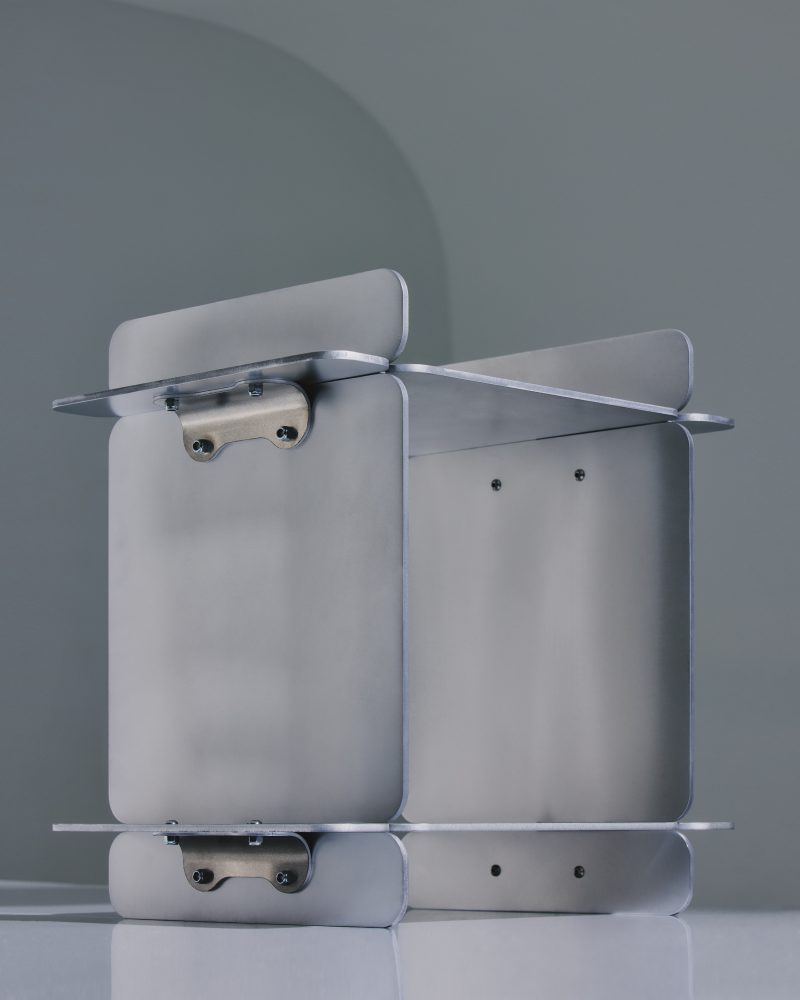
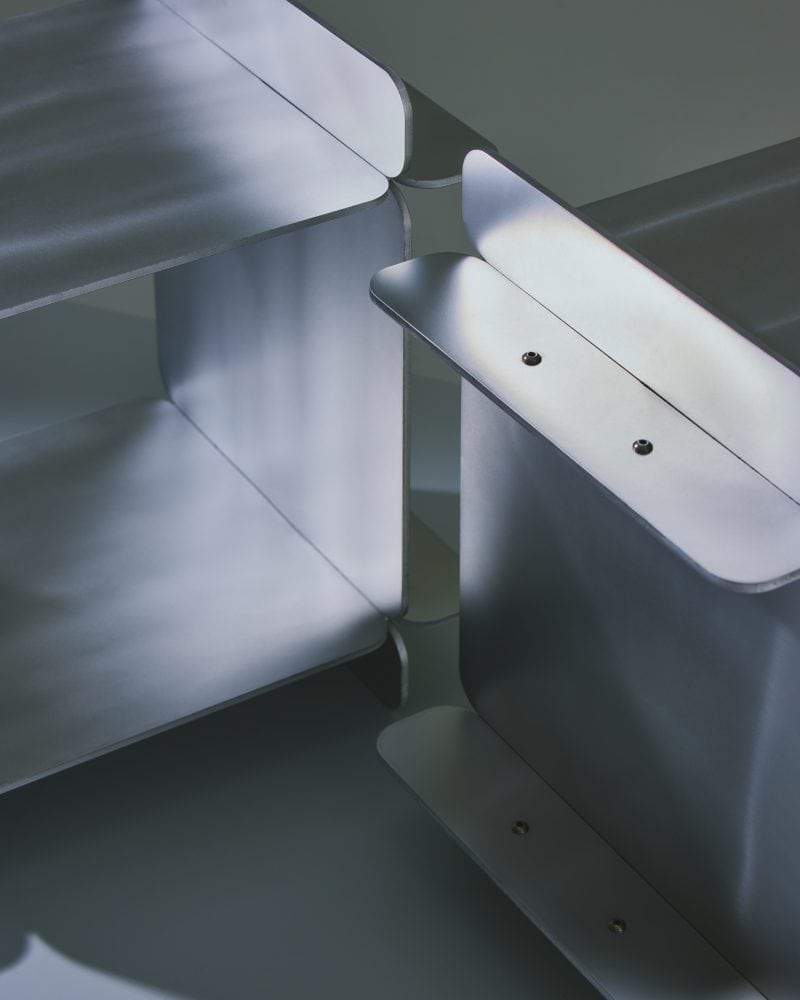
Founded in 2023 by David Raymond, LESORR (Les Objets Raymond Raymond) operates precisely within this tension. The studio does not seek to amplify urgency; it subtracts it. Its work proposes weight over spectacle, tactility over immediacy. The objects ask for time to be understood, handled, inhabited. The Rounded Edges Collection is one such example of this. The generous proportions and carefully considered curves of this collection are more than simply aesthetic statements; they are temporal tools. The softness of the edges is a subtle pause in perception, an invitation to a different kind of interaction. These pieces do not dominate space. They settle into it.
In a world of constant flow, the real question is not whether we need new objects, but whether we can still build lasting relationships with them. True luxury may lie not in rarity, but in duration, in having time to live with what we choose to keep. From this perspective, LESORR is less about producing objects and more about recalibrating rhythm, restoring time to gesture, material, and presence.
Simone Lorusso: In a culture driven by acceleration, where relevance is measured in immediacy, what does it mean for you to design at a slower pace? Is slowness a resistance, a methodology, or a form of privilege?
David Raymond: For me, slowness is a methodology. My designs usually begin with a simple concept, anything from a detail of a building or a structural gesture can catch my attention. I draft everything on paper first, sometimes leaving it for a while before bringing it to life. It’ll most likely change a lot from my first drawing to the final piece. I never force myself to make something before I feel ready. I’d rather let it mature than create something that’s half-finished. Urgency feels unfulfilling.
SL: Do you believe contemporary production systems allow for real thoughtfulness, or does the market inevitably compress the time needed for depth? How do you negotiate this tension within LESORR?
DR: I think most designs exist as a reaction to the market nowadays, whether that be for or against it. Consumers have gotten used to quickly produced and often cheap, straightforward objects. The relationship between production and market has to be redefined in order to evaluate the level of thoughtfulness applied to a product. LESORR tries to exist for clients and markets who value slowness and timelessness.
SL: Objects today often exist first as images and only later as physical presences. How does this inversion of temporality affect the way you conceive form and materiality?
DR: I always try to make 1:1 prototypes early in the process. Both for proportions and to grasp the overall feel of an object, but especially because I want to see it in a space. Although I do design and conceive my pieces digitally, I rarely share a new piece if it hasn’t been physically made. Not only is it always better looking as a physical object, but it’s the best and easiest way to spot what needs to be adjusted or fixed, something that a render can’t show you. Working closely with makers and knowing what the limits of the machines are while making a final prototype is the best teacher.
SL: When you design, are you thinking about how an object will age? Can aging — patina, wear, adaptation — be considered a core design parameter rather than a secondary consequence?
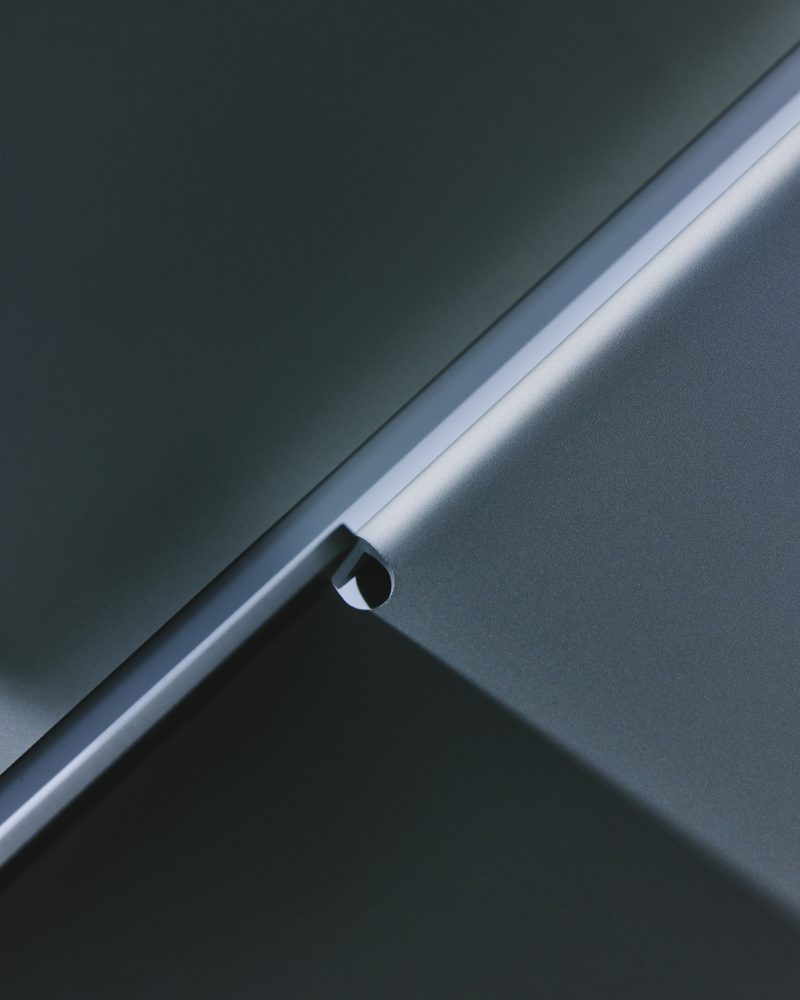
DR: Always. That’s why I use aluminium most frequently in my practice. Growing up in a quieter, slower region of Quebec, I was surrounded by a lot of aged and well-loved furniture and household objects, pieces that had been kept and cherished for generations. It’s something I wish to emulate through the material I use. Raw aluminum is very expressive and reactive to the way we use it. It develops a patina over time, and, much like a softer wood, it records marks and scuffs from use. Those traces remain and live on to tell a story. The choice of material is a direct translation of how I wish for an object to age over time.
SL: The idea of “newness” has become almost automatic in design culture. What justifies creating something new today? When does a new object deserve to exist?
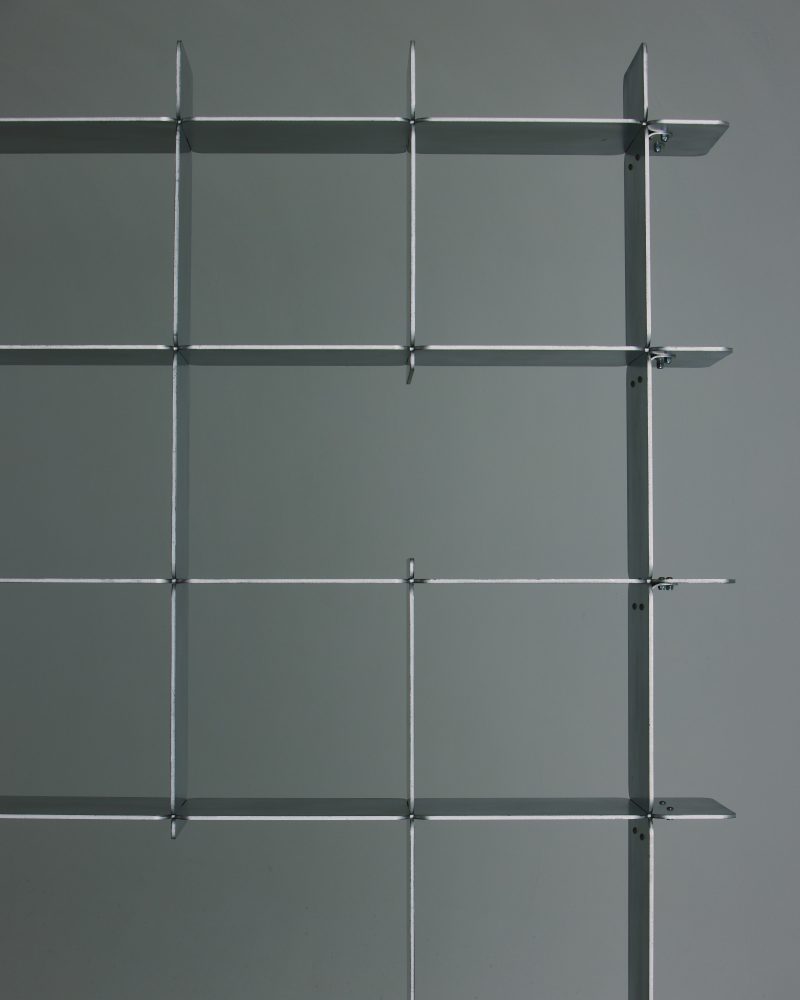
DR: In many ways, everything has already been made. New designs are reinterpretations of existing typologies. I wouldn’t position myself as the judge of what deserves to exist, but for LESORR, a piece must justify itself either through its assembly or through its final form.
For me, if the reinterpretation doesn’t add something meaningful, structurally or visually, it doesn’t need to be produced.
SL: Do you see repetition and continuity as more radical than disruption? In a system obsessed with innovation, can refinement be a stronger statement than reinvention?
DR: I use repetition in my practice as a way to ground forms in my designs. In terms of innovation, I believe it’s important for designs to evolve, rather than be broken down completely and built back again. Refinement allows a design to become more precise and more honest. Most of my pieces go through small changes to make them better and more durable, comfortable or stronger.
SL: Your forms carry weight — physically and visually. Is gravity, in your work, a metaphor for permanence? Are you consciously opposing the dematerialization of contemporary culture?
DR: I definitely want my pieces to appear grounded and have a confident presence in a room. That being said, I wouldn’t say I’m consciously opposing dematerialization. I am drawn to tangible presence more than conceptual abstraction. I want objects to feel real and anchored, inhabitable, and substantial.
SL: How do you reconcile the ethical responsibility of producing fewer objects with the economic necessity of sustaining a brand? Can slowness coexist with growth?
DR: LESORR’s model is built around longevity rather than quantity. I think it is easy to create unsustainable objects in our digital world, but harder to create long lasting and meaningful designs for real life. Slow and steady growth needs patience. It’s hard to reconcile both ethical responsibility with economic necessity in a fast paced world but, I believe a good model takes time to get to where it’s supposed to be. Growth doesn’t have to mean acceleration.
SL: Does designing slowly also require consuming differently? Do you think designers have a responsibility not only to shape objects, but to reshape desire itself?
DR: I believe designers influence desire through the values they embed in their objects. By creating durable, well-thought out objects using honest materials, can subtly reshape what people value. We also have to practice ethical consumption ourselves; it would be hypocritical not to.
SL: If time is the ultimate luxury today, what does a “timeless” object truly mean to you? Is timelessness an aesthetic condition, or a relational one — something built through years of coexistence?
DR: A timeless object, rather than a trendy one, is one we don’t get tired of, one that evolves alongside us and reflects the years of coexistence. It allows us to associate memories with the wear and tear carried by the piece.
Timelessness is less about a fixed aesthetic and more about relationships. It’s about the story that accumulates around an object over years of use.