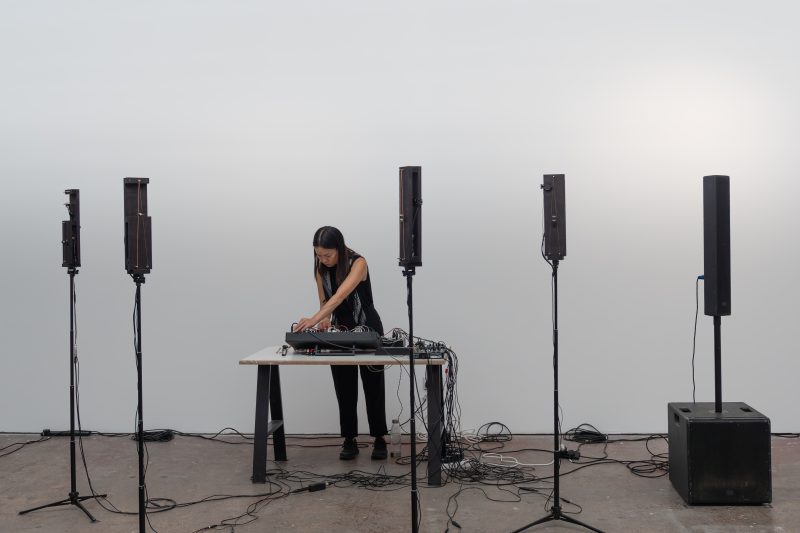
There is a particular tension that exists in sound and performance art. It resists capture. It exists once in our memory and leaves us only an emotional impression. And when those practices are carried by communities such as East and Southeast Asian artists, already pushed to the edges of the contemporary art world, that resistance can easily become invisible.
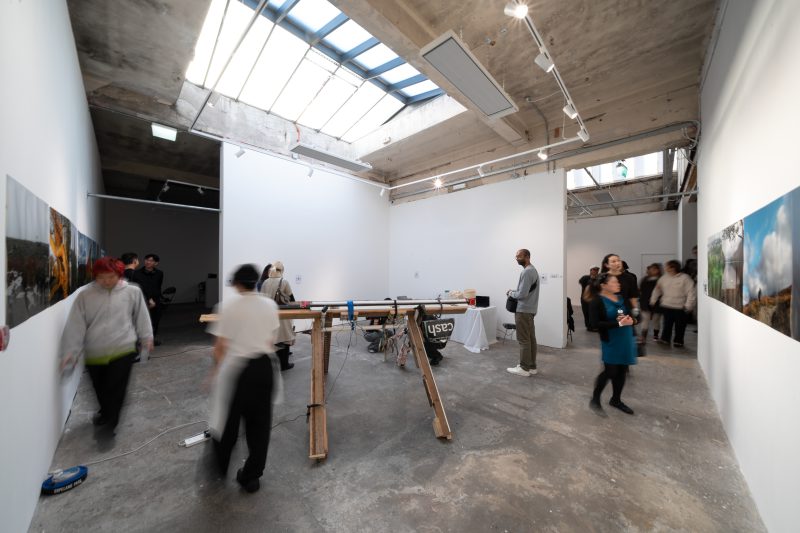
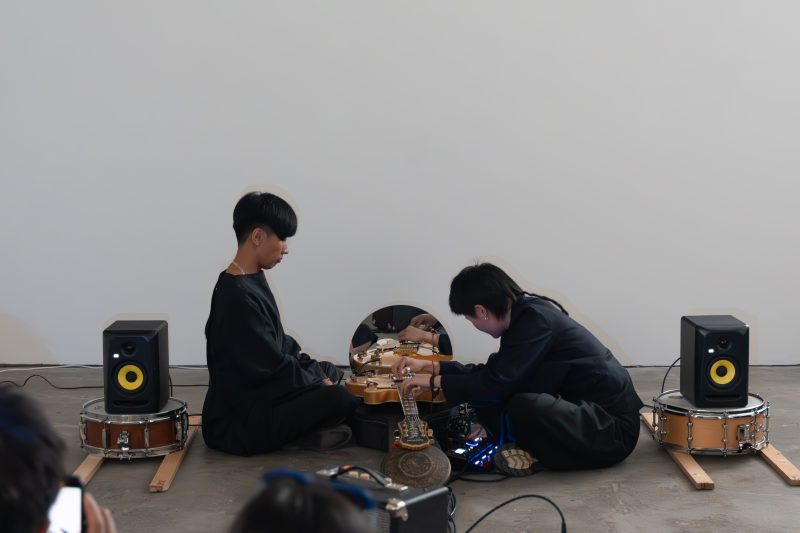
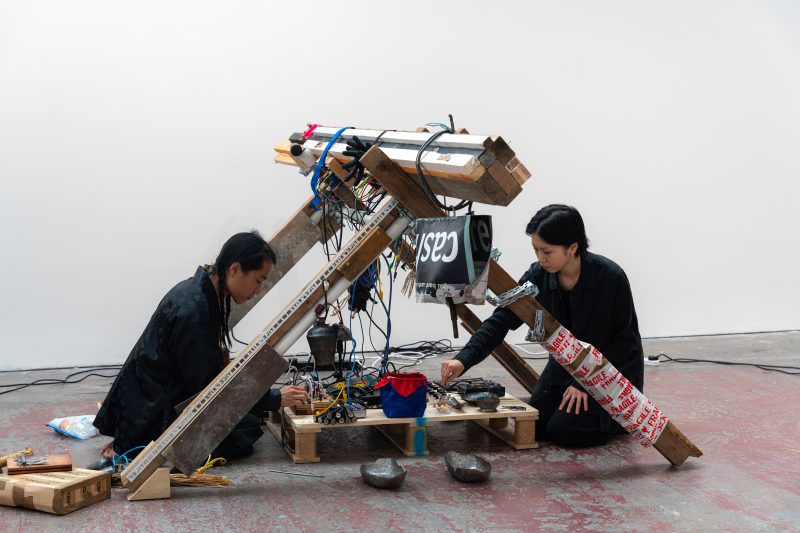
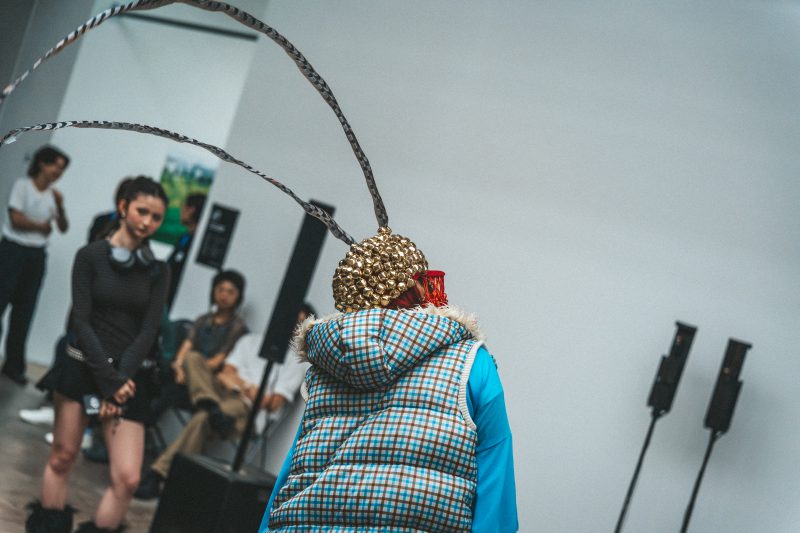
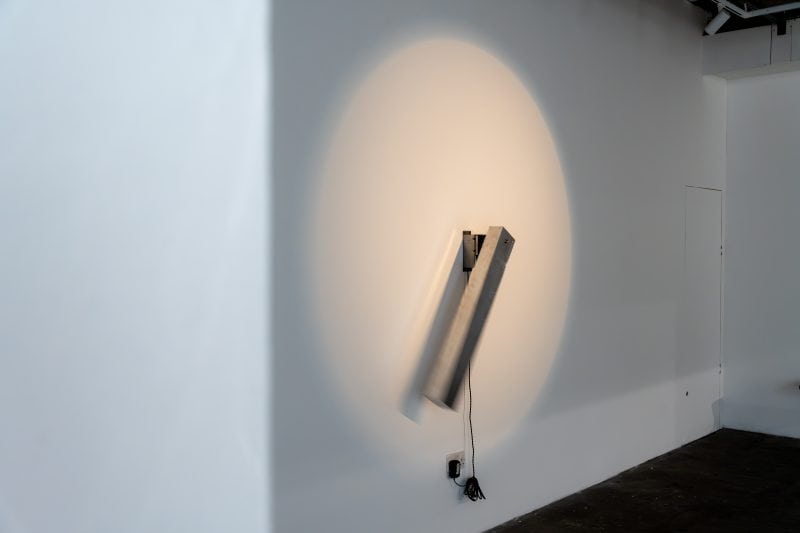
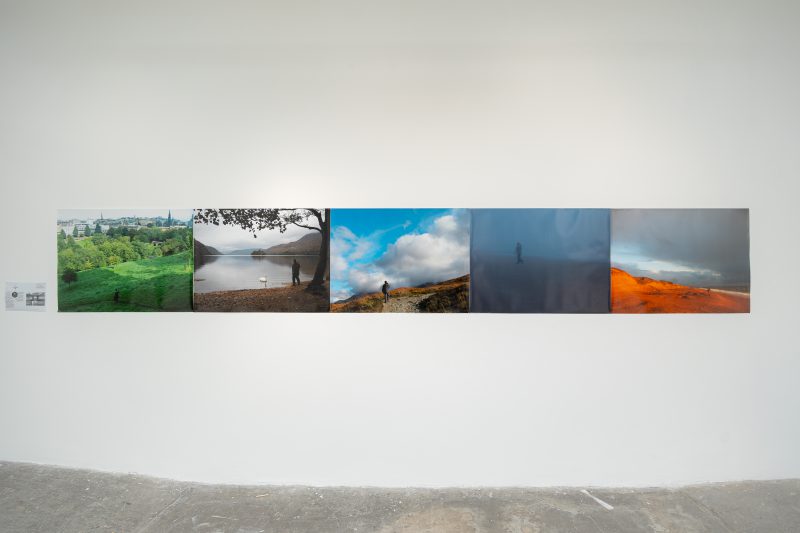
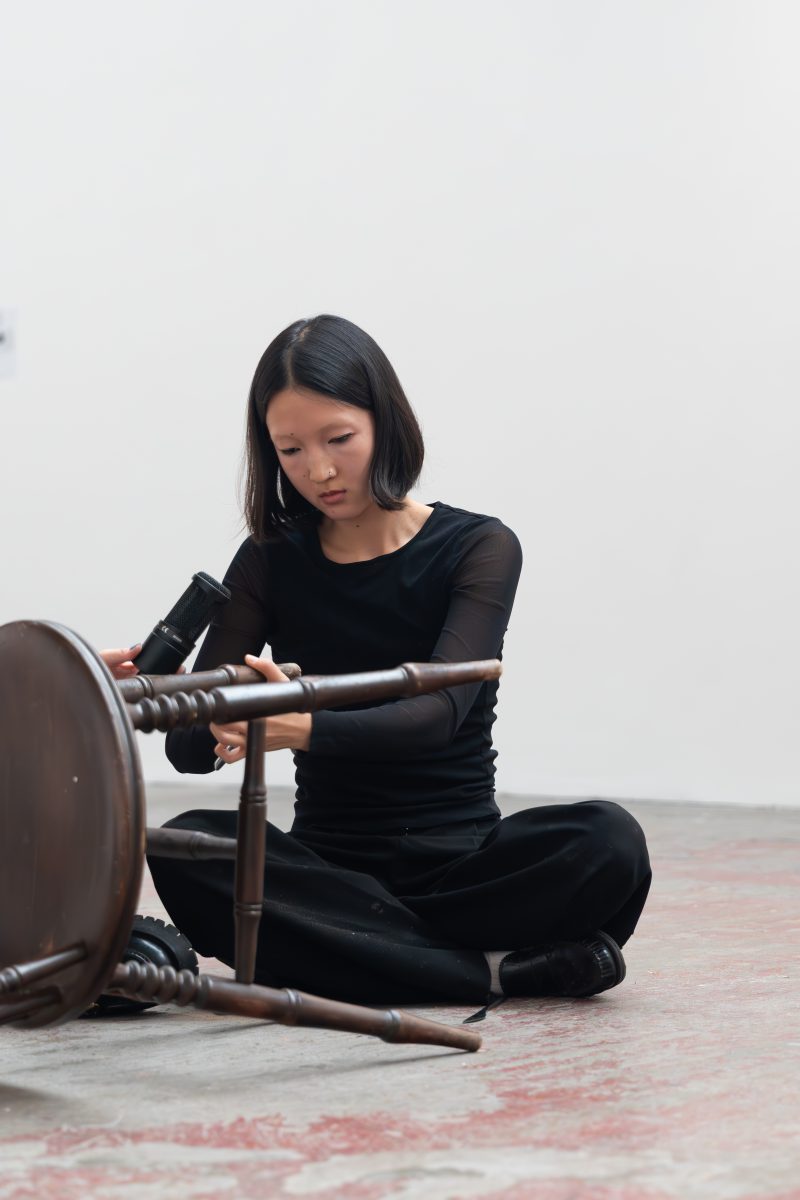
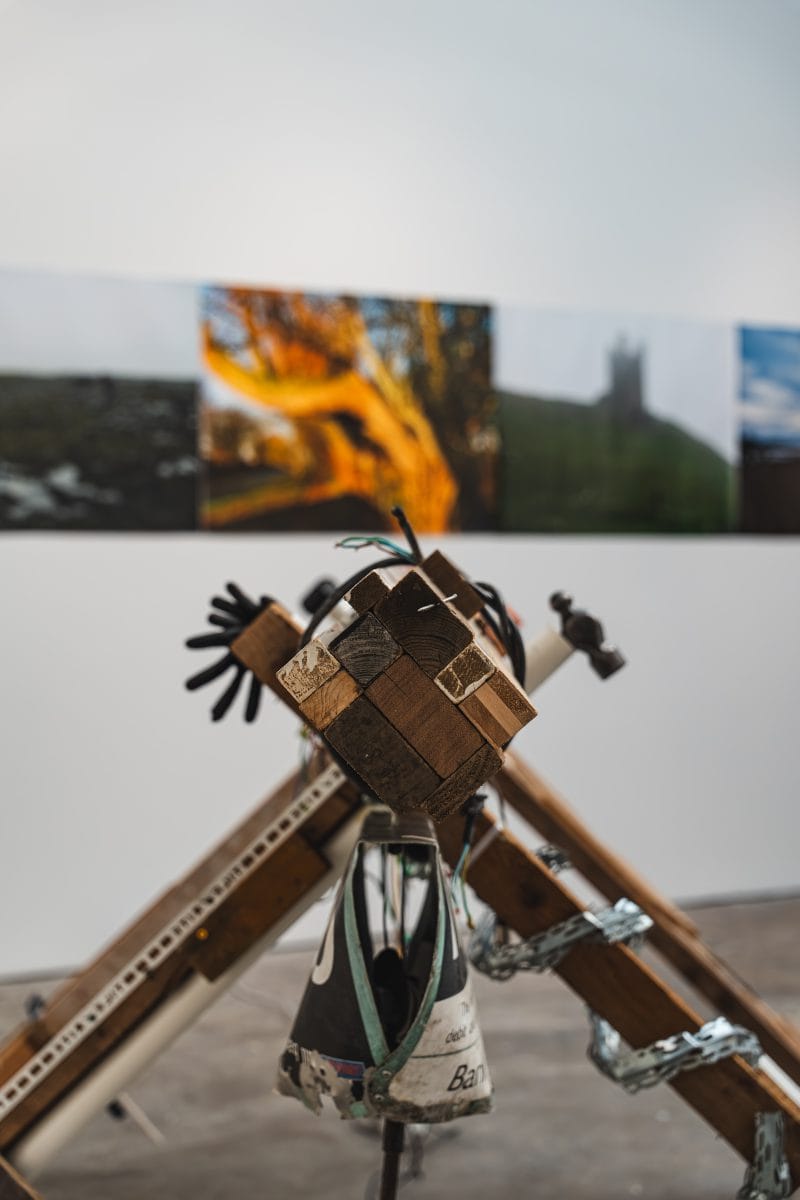
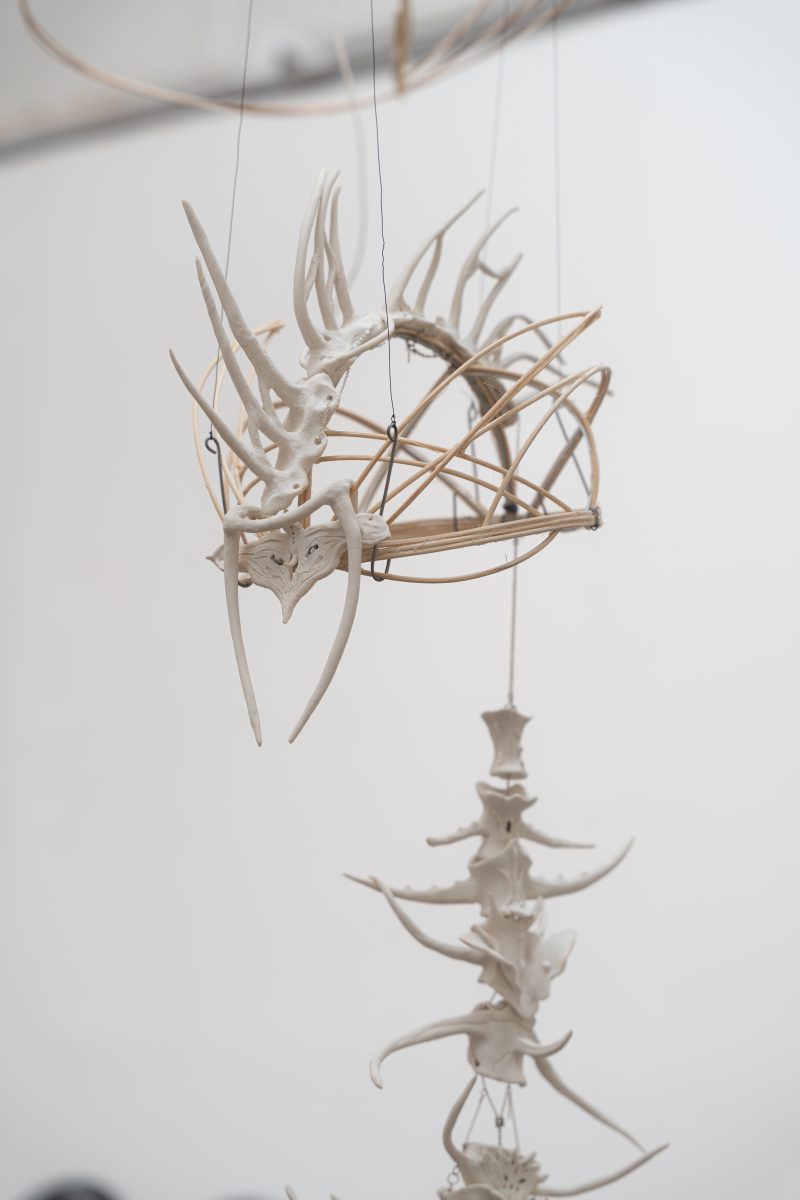
undercurrent: ESEA Performance and Sound Art Festival emerges precisely from that space of friction. Taking place at Copeland Gallery in London, the one-day festival gathered East and Southeast Asian (ESEA) artists working across performance, sound, moving image, and installation—mediums that rarely sit comfortably within institutional frameworks, yet speak insistently about the present.
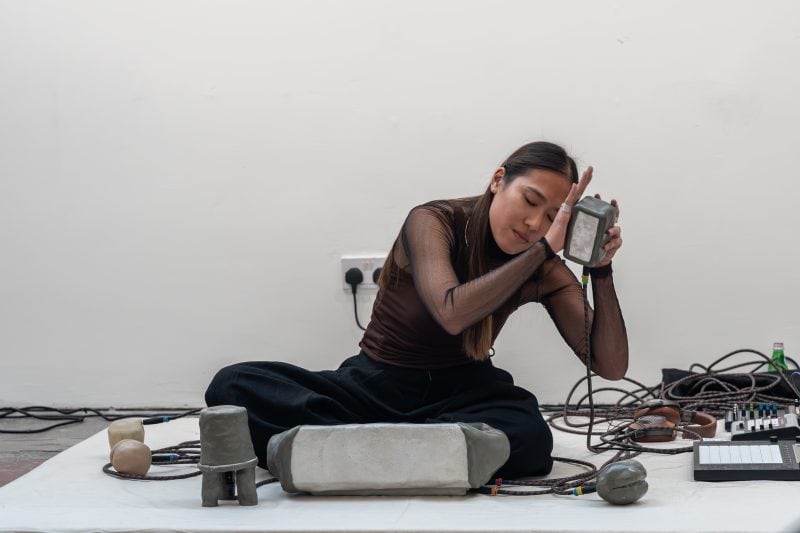
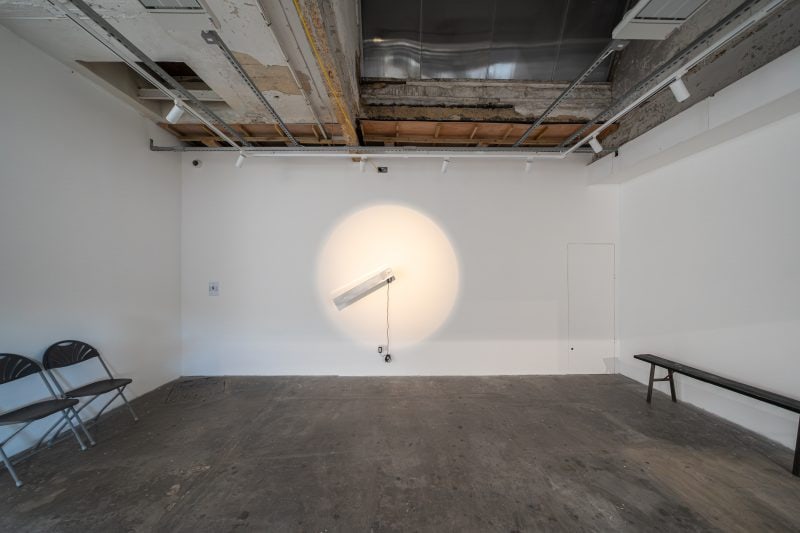
Curated by independent curator Erika Song, alongside TRA Collective, undercurrent is positioned as a site of resonance where diasporic experience and experimental practice intersect. Across live performances, sonic works and an exhibition, the festival brought together thirteen ESEA artists and collectives whose practices interrogate heritage, migration, assimilation and the complexity of living in-between.
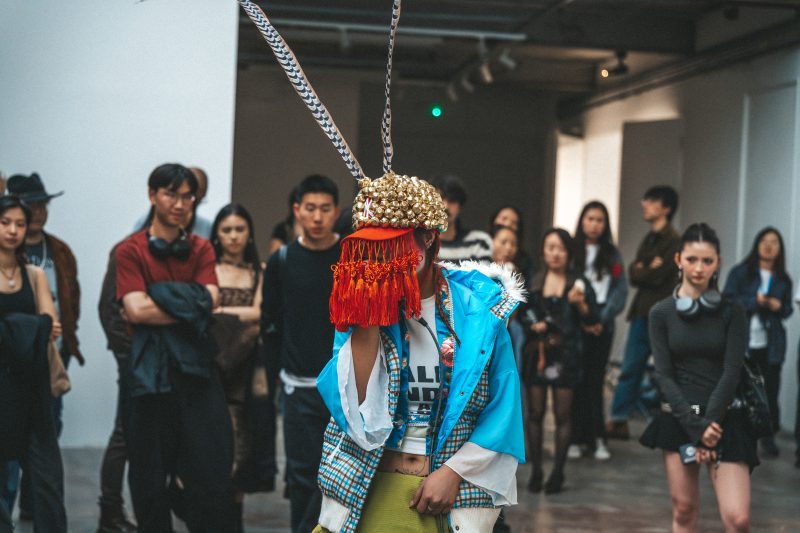
Rather than attempting to define ESEA identity as a singular experience, the programme allowed the artists’ subjectivities to coexist. Voices overlapped, bodies moved through sound, silence carried as much weight as noise. Performance became a way of processing lived identity. Sound functioned as structure, shaping experiences of heritage and integration.
The works are not asking for visibility on mainstream terms. They resist assimilation, refusing to soften their edges or translate themselves into easily consumable narratives. As Song articulates, the intention is to create a collective space where artists are encouraged “to stand out rather than blend in.” The festival becomes less about representation and more about agency, about who gets to take up space, and how.
undercurrent doesn’t attempt to resolve the structural marginalisation it responds to. Instead, it offers something more durable: a realized platform for East and Southeast Asian artists. And perhaps most importantly, it invites us to listen—not for clarity or resolution, but for what is already happening beneath the surface.