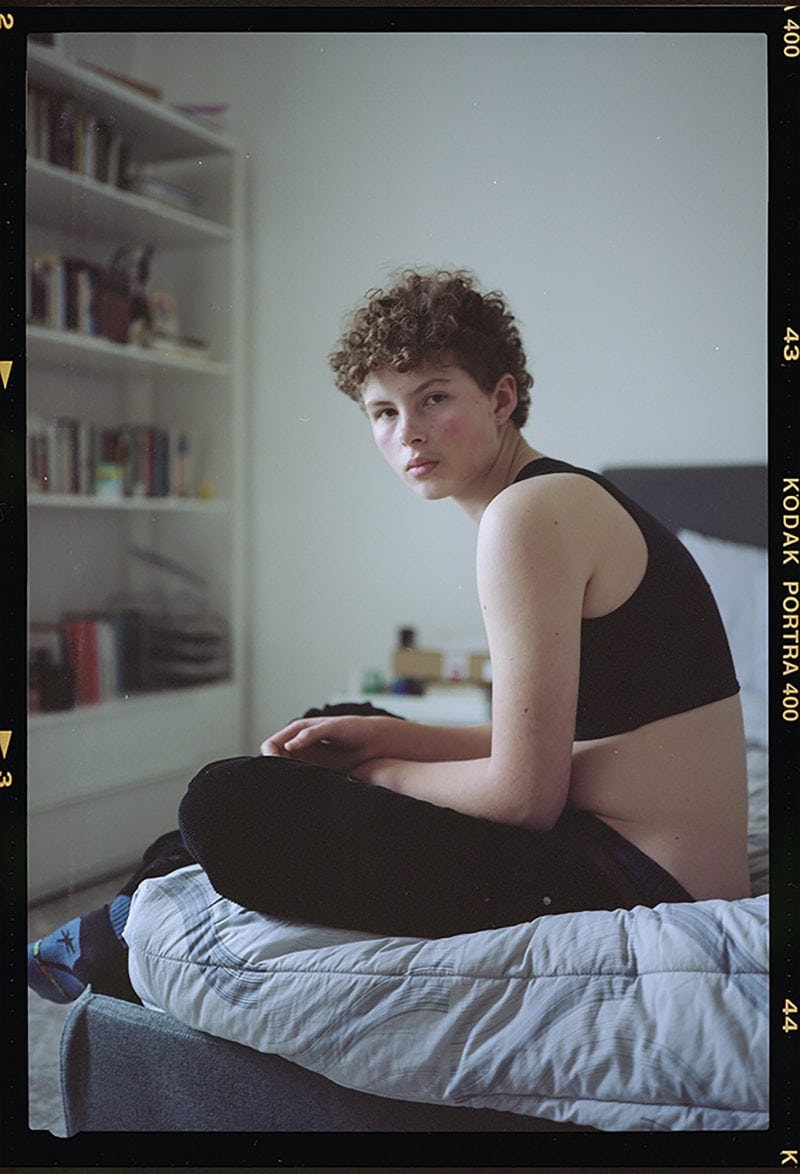
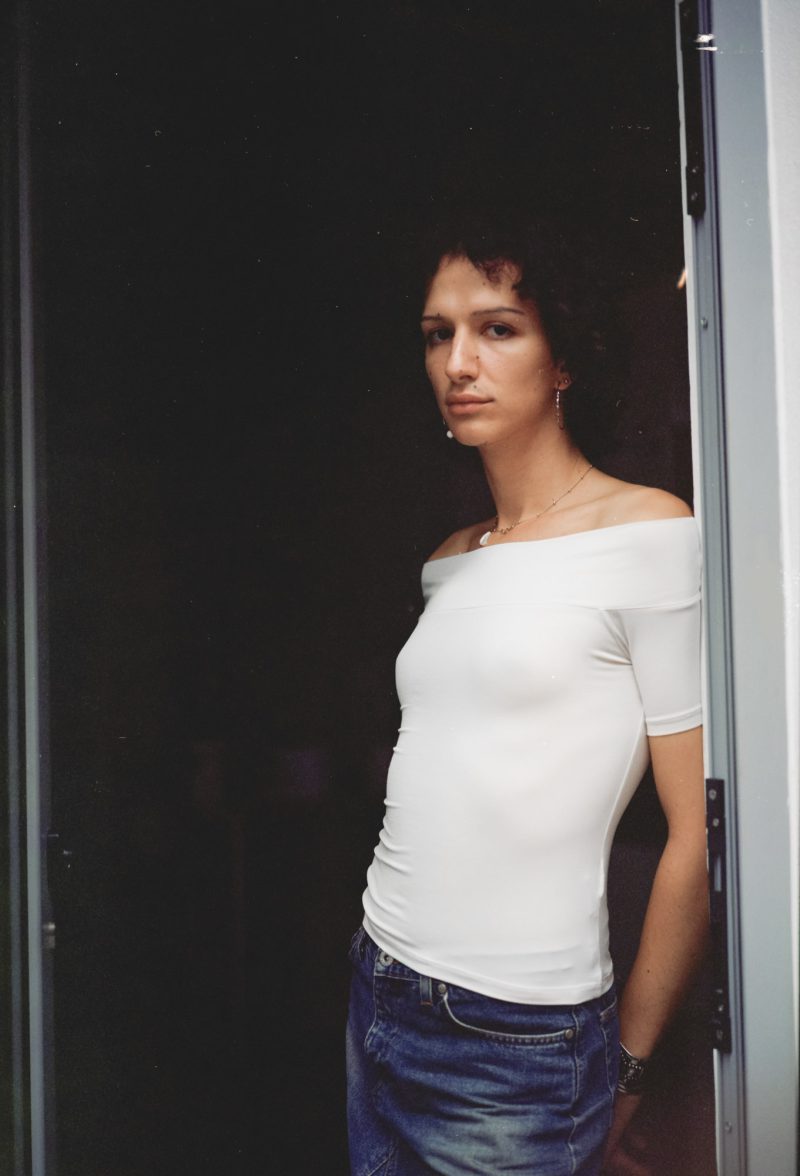
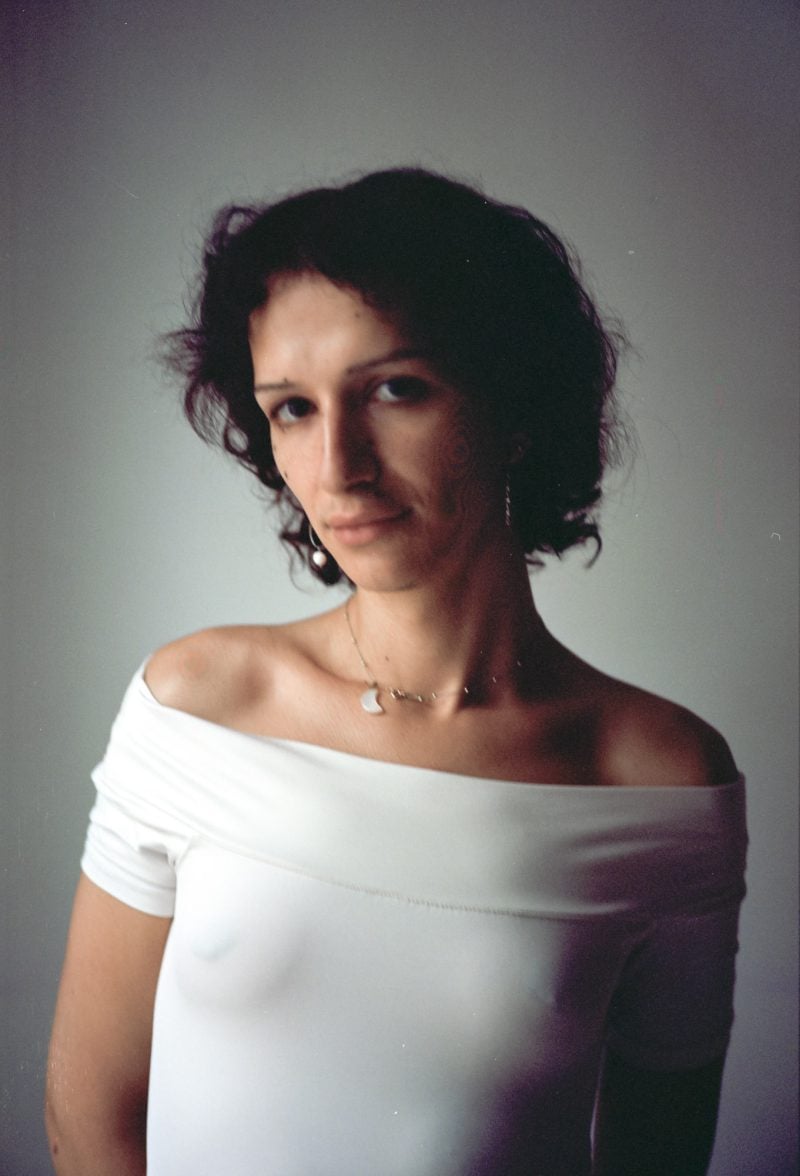
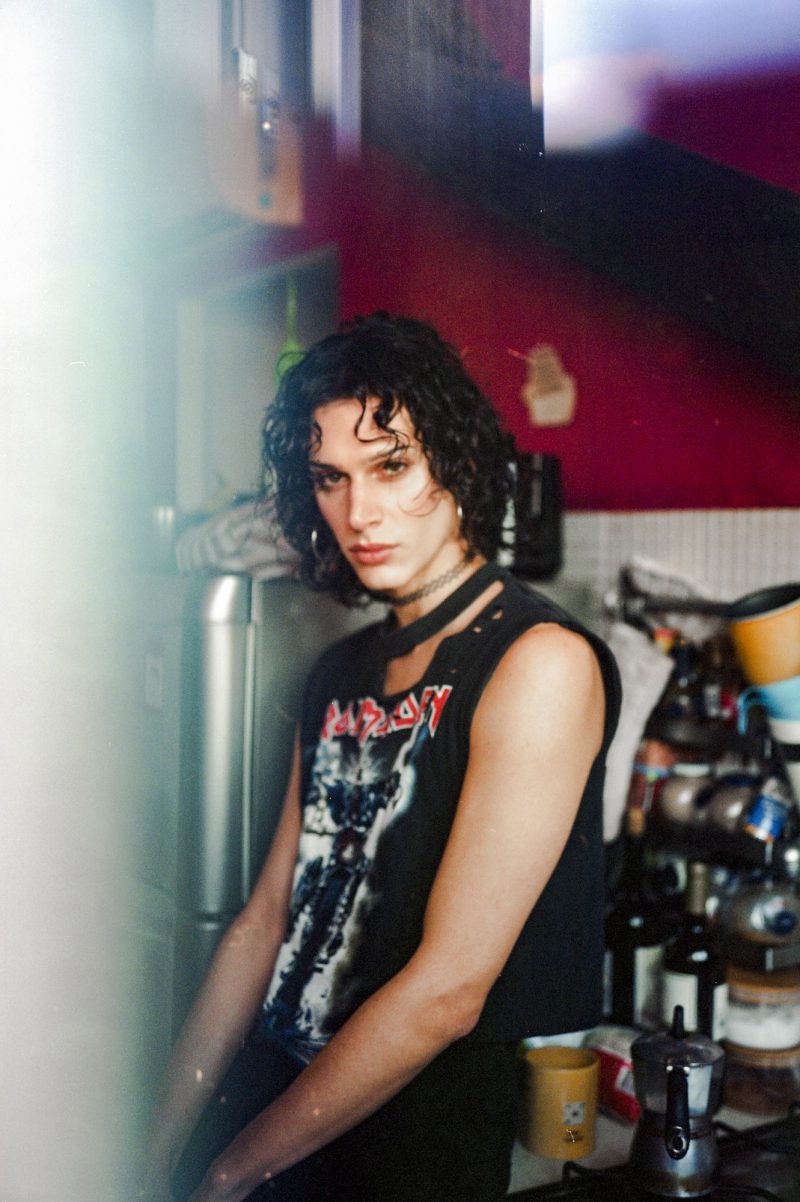
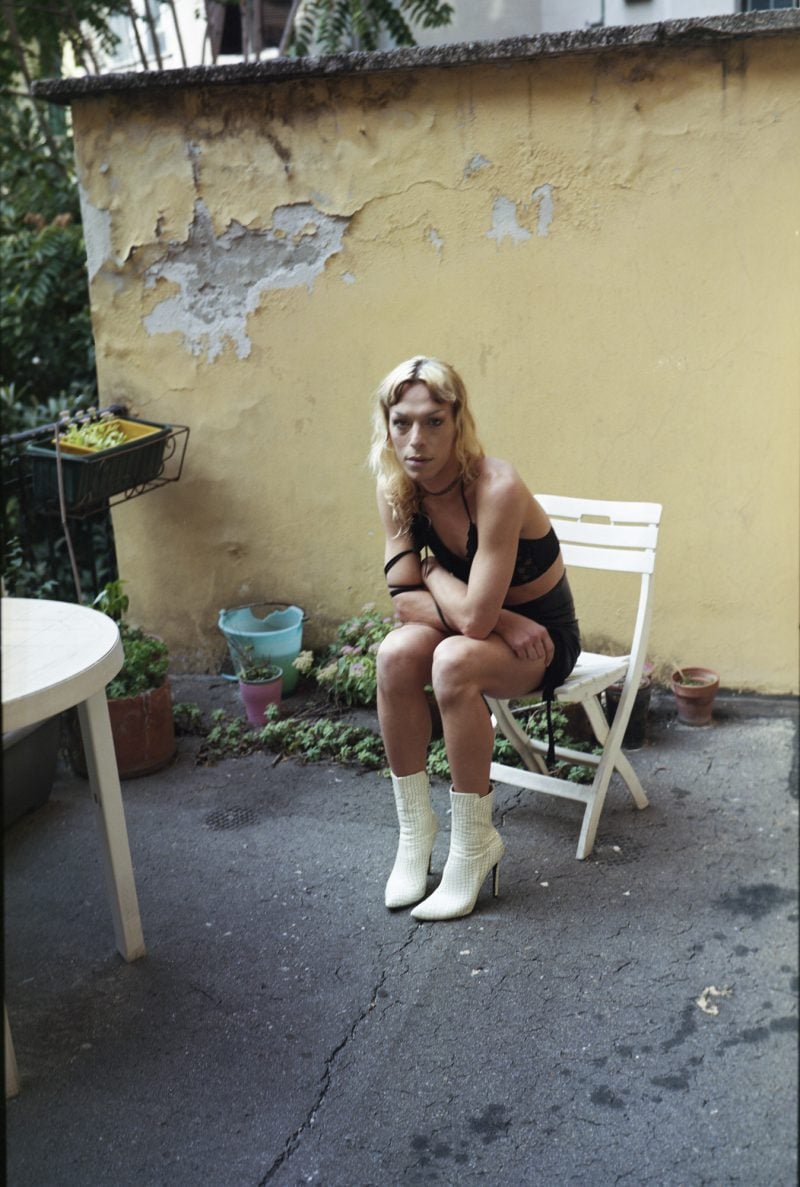
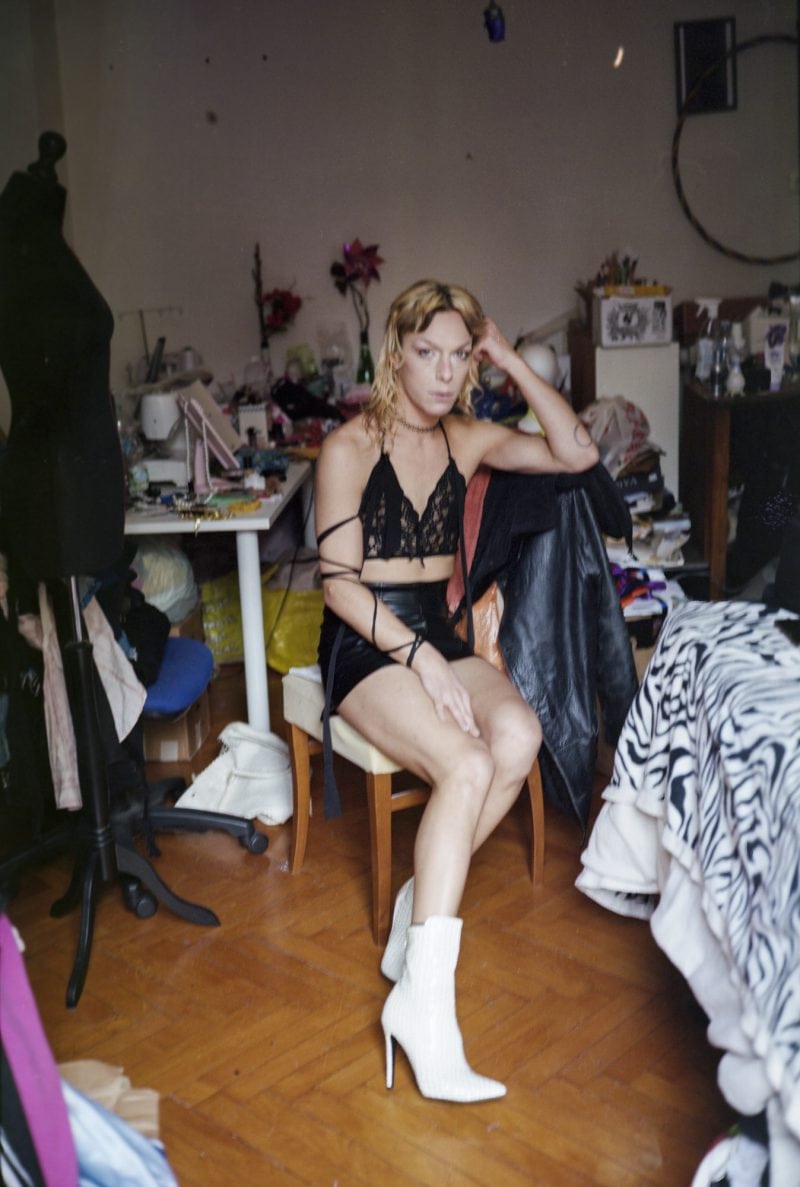
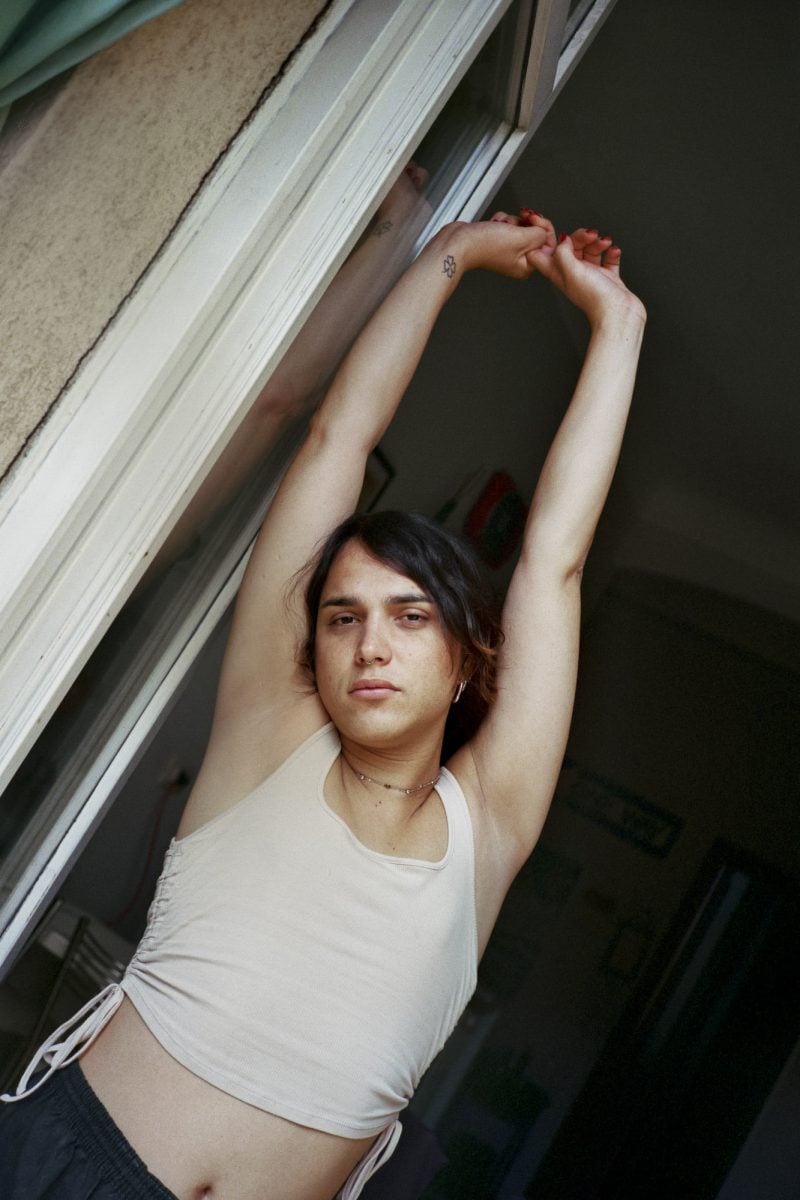
In his photographic project Inhabit, Pier Costantini highlights the contrast between personal identity and social identity – on one hand, the private and authentic self, and on the other, the masks imposed by the external context – and he does so by choosing the intimacy of the home as his setting, a safe and uncontaminated space where everyone can “be themselves” without compromise. Here, the authentic self takes over, while outside, in the world, clichés and stereotypical expectations prevail.
The subjects portrayed embody the space between interiority and exteriority. Yet the photographer avoids any didactic rhetoric: no proclamations or voyeurism, only the reality of their daily lives speaking for them. As the photographer himself suggests, “the body begins to represent just that, the only safe place where one can recognise oneself” – a personal sanctuary immune to social pressures.
The domestic dimension embraces these images of everyday life, recalling Nan Goldin’s raw sincerity in capturing the lives of her friends with tenderness and honesty. The camera becomes a confidant: natural light – soft on the face of a person curled up on the sofa or sharp in defining the contours of a young man standing in front of the window – sculpts real emotions.
The subjects’ gaze, sometimes directed at the camera and sometimes lost elsewhere, recalls the search for everyday truth that animated the works of Wolfgang Tillmans, focused on identity and ordinary moments captured in their simple beauty. Yet the author’s voice remains original, his gaze empathetic but dry, far from sensationalism and political militancy.
In Inhabit, belonging to one’s own body is a revolutionary act in its silence. Without explicit proclamations, these photographs suggest that true self-acceptance takes place away from the spotlight, in everyday gestures and personal spaces. The result, in Costantini’s hands, is an intimate and universal story, in which everyone can glimpse the shared desire to feel at home in their own skin.