By engaging with the history of the Jewish fashion industry in Germany and its systematic, forced Aryanization during National Socialism, the project examines what remains hidden or forgotten, yet continues to be passed down subconsciously through generations.
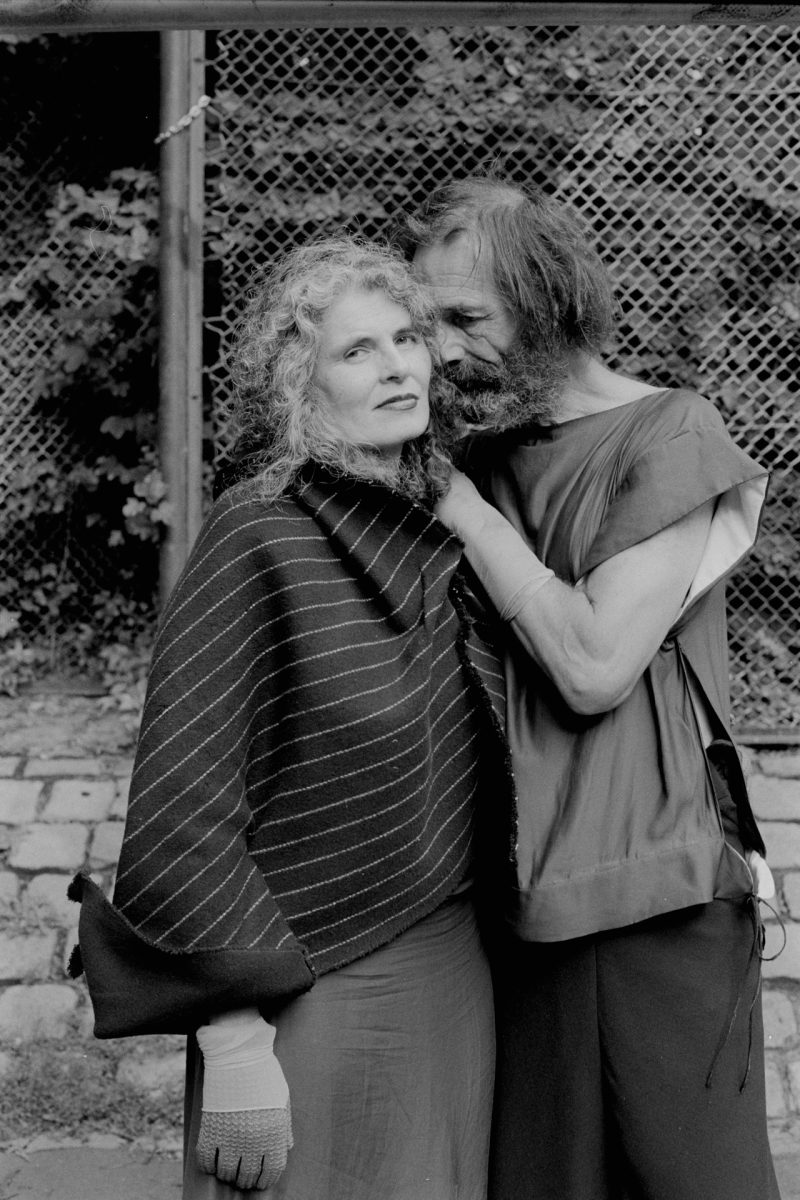
Tracing back the origins of the designer’s great-grandmother’s dress, the work highlights how she had sewn it for herself to attend her younger sister’s wedding in 1944. Gertraud and Walther—the designer’s great-grandparents—were prohibited from marrying, even though engaged, because Walther was half-Jewish.
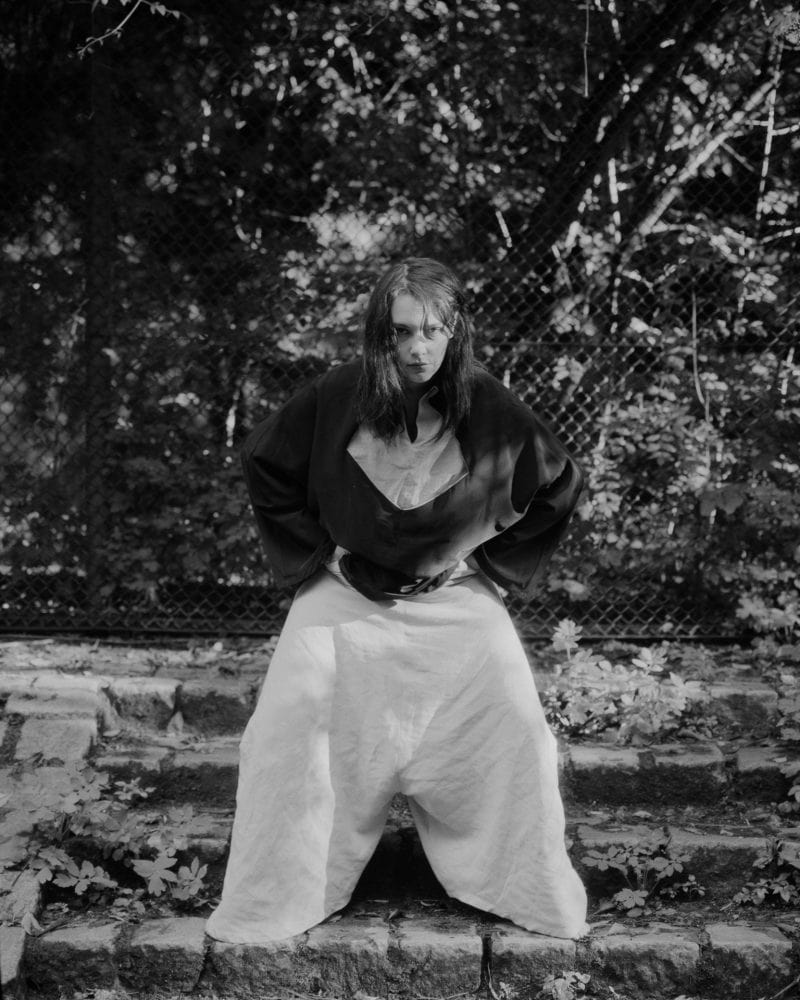
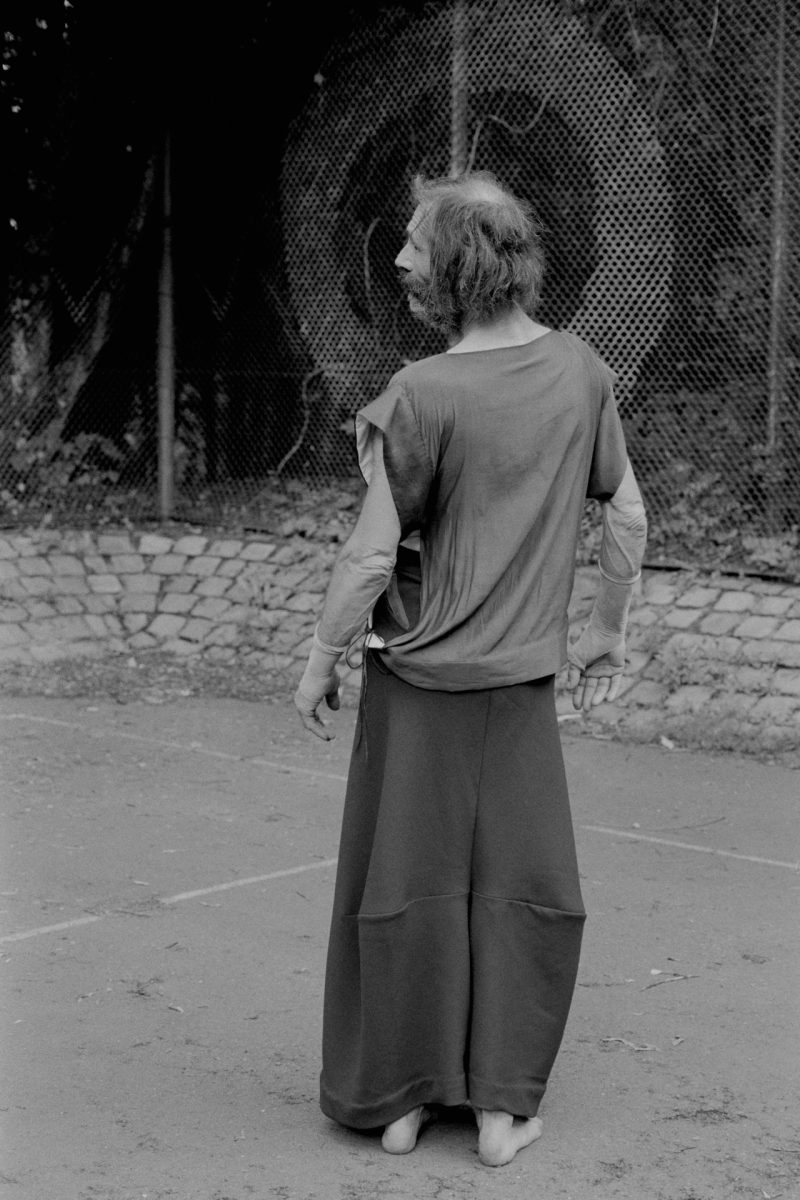
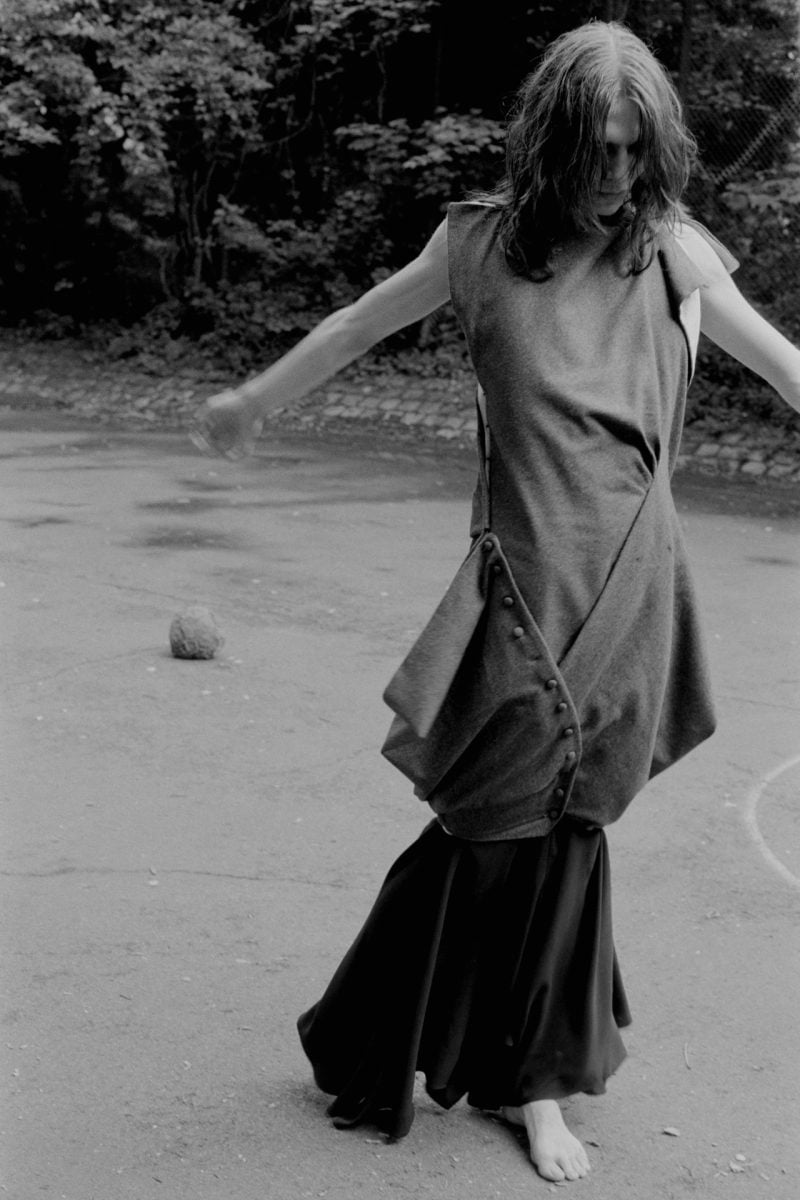
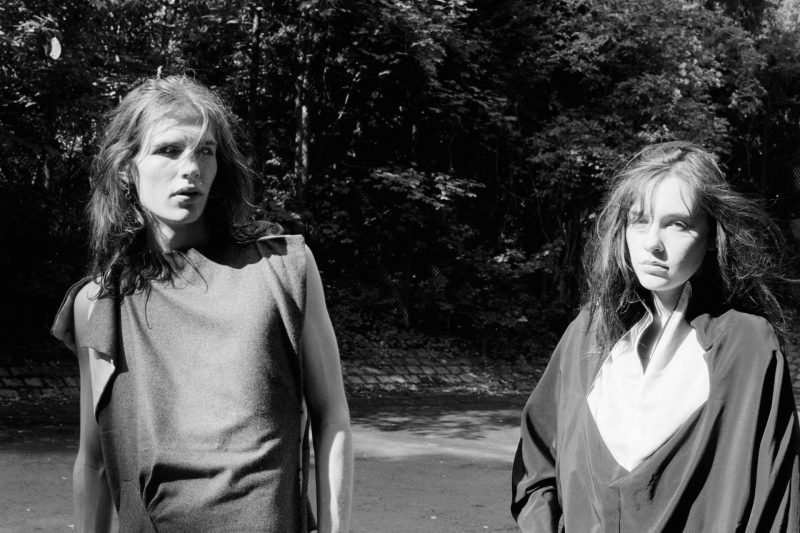
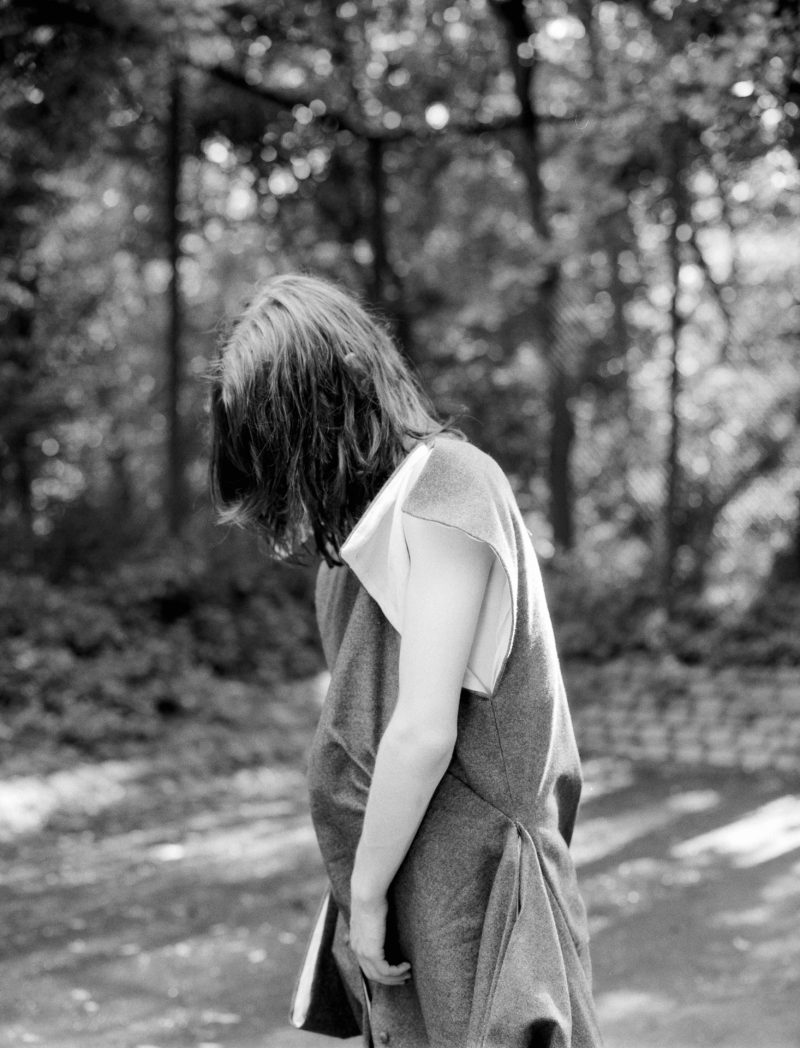
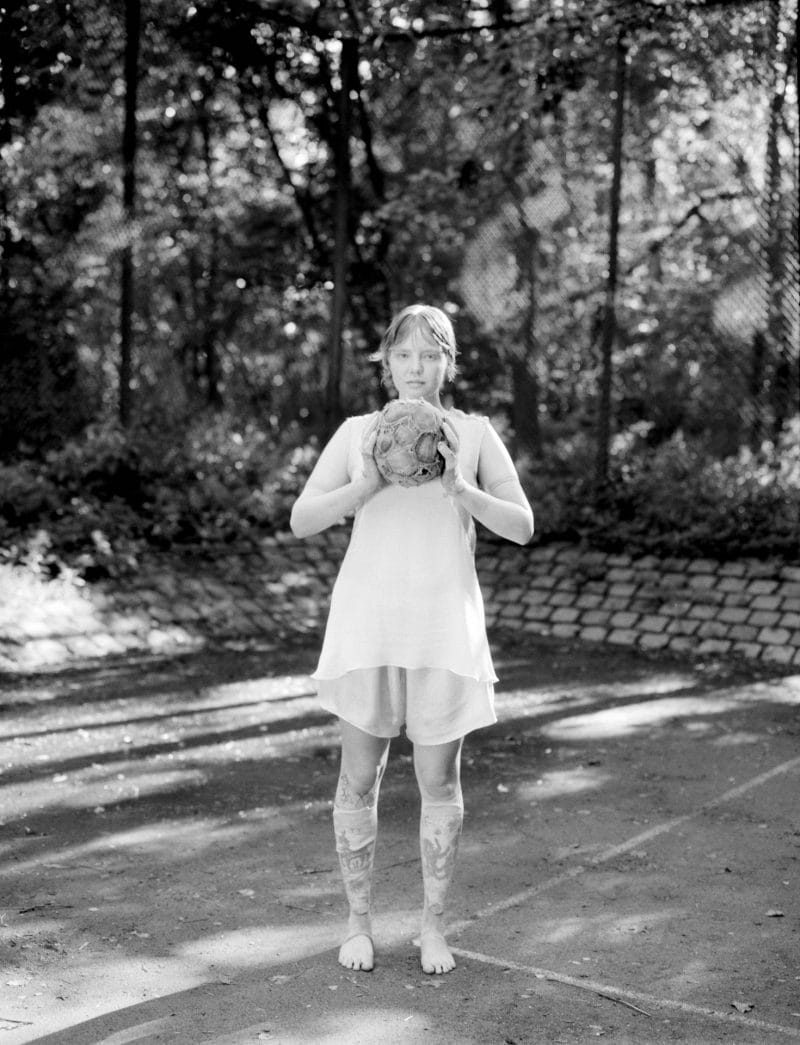
The original dress carries the physical traces of these political transformations, visible in its pattern, fabric, and construction. Through careful analysis and deconstruction, new garments emerged from this history. Moritz and Daria—who is Jewish herself—become the physical vessels through which the complex gender dynamics between Walther and Gertraud are reconsidered. Materially, thick wool layers conceal delicate silk underneath; one has to literally move through these heavy layers to uncover the shadows passed down through generations, lingering beneath the skin. Through motion, unexpected openings reveal the hidden, delicate fabrics and intricate embroidery beneath.
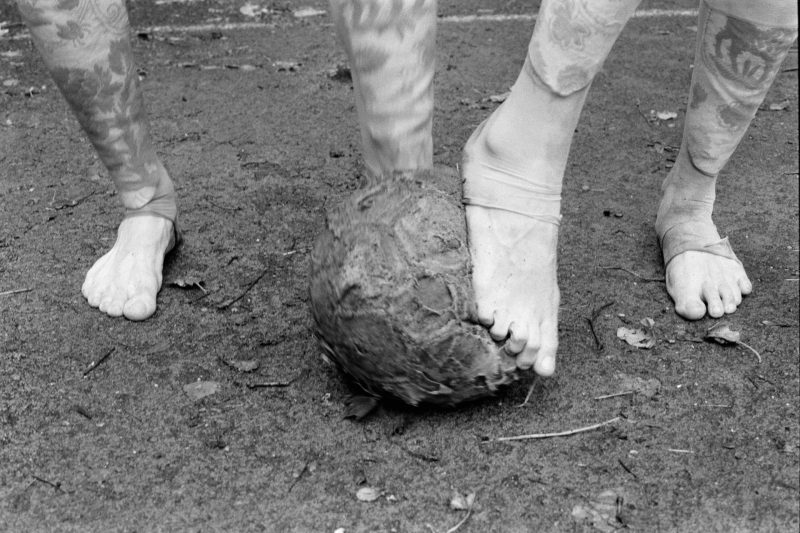
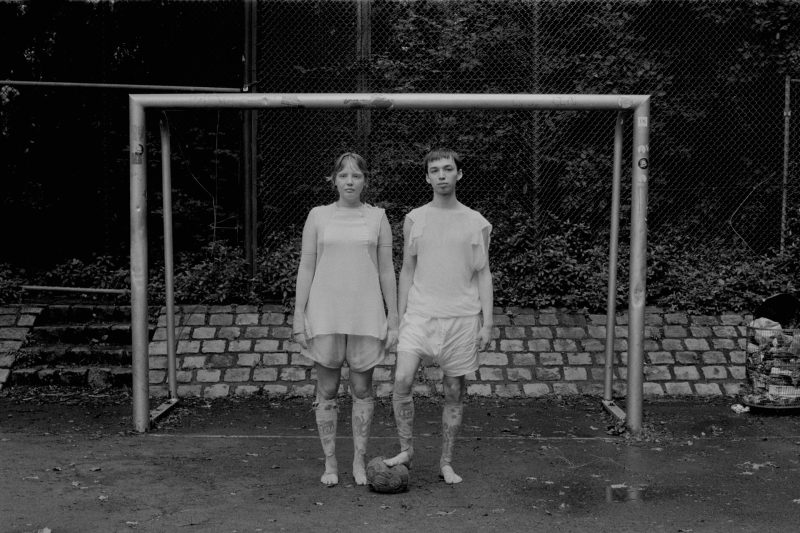
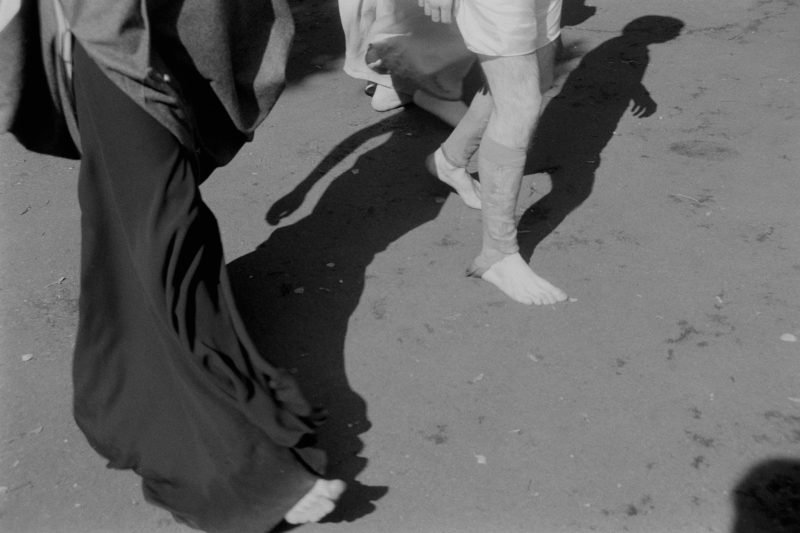
Daria’s trousers, worn in the photographs by Ludwig, open through embroidered pockets that directly reference the domestic textile work idealized onto women, contrasting sharply with rigid military pattern construction. All three trousers in the collection feature an extra-deep crotch, prioritizing comfort, free movement, and an exploration of androgyny. Constructed from a mixture of deadstock fabrics, leftovers, and antique flea market finds, the collection balances historical gravity with contemporary utility. Despite their historical weight, these clothes are meant to be lived in—to move, to play, and possibly even to play football in. Captured on a Sunday afternoon at Humboldthain in Berlin by photographer Ida Weber, the accompanying imagery utilizes two analogue formats to catch the models in fluid motion, blending the ghosts of the past with the vitality of the present.