
Stone Relief begins with a photograph, moves through CGI and sculpture, and ultimately returns to photography. What interests you most about this cycle of transforming an image across different mediums rather than being confined to a screen?
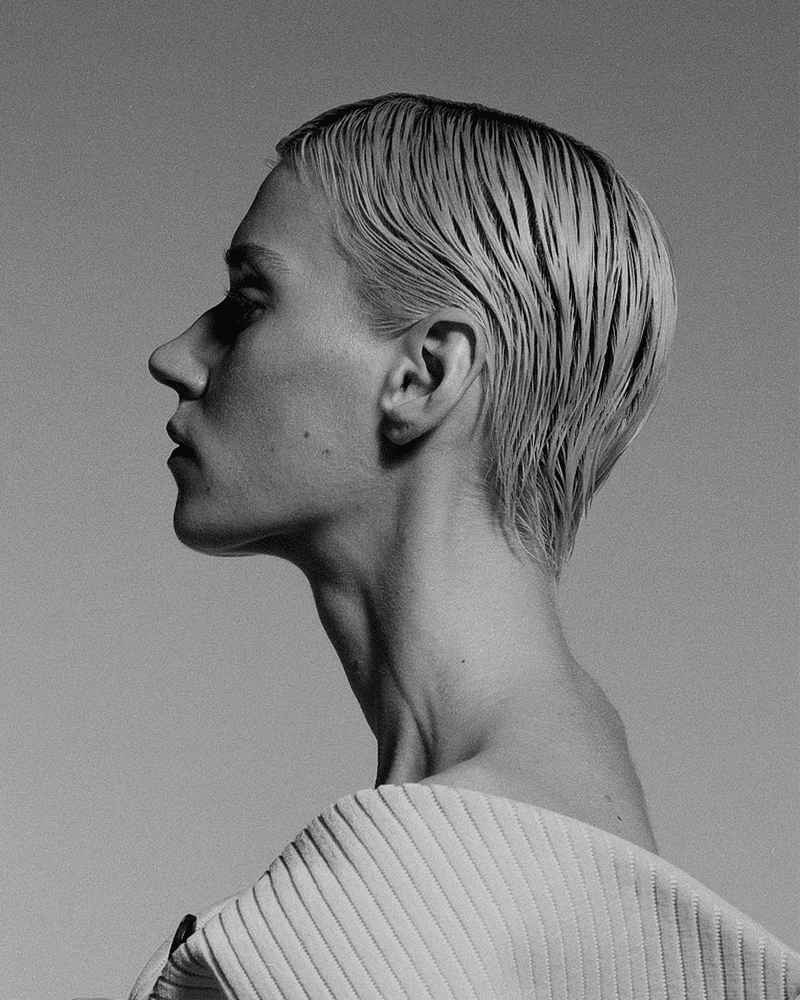
Within my work I explore a visual language at the intersection between traditional photographic methods and digital experimentation, combining analogue processes with emerging technologies to materialize images. I have always been interested in the idea that an image or a photograph doesn’t have to be an endpoint, but instead using it as a base to consistently build upon using different techniques. Pushing a 2D image into a 3D surface allows me to find crossovers between photography and sculpture, bringing dimensionality and tactility into the images. Same as with the beauty of analogue photography, introducing materiality or physicality into 3D workflows has always been a great interest of mine. That transfer from one material to another, photograph to digital model to physical relief and back, is exactly where the idea of an image becoming more tangible comes into place. Each medium reveals something the previous one couldn’t hold, transforming the same image in different ways.
CGI is often heavily associated with very polished and somewhat futuristic aesthetics, but your work here feels both tactile and textured whilst also being grounded in emotion. For this project why was it important for you to resist that visual language?
Often when we see very high-polished visuals made with CGI it is really showing off these software’s incredible capabilities of what it can do. However, I think there is less emphasis placed on how all this software can also expand in experimental ways, such as using it more as an investigative method and tool to expand on different techniques. I like to attach more significance to the process of production, as it is really the process that often allows for new ideas to come to life. When it comes to CGI tools, it is not based on emotion at all, that’s why bringing in traditional ways of working is so important to me. When I am working purely in CGI workflows I always try to develop a very specific idea forward to not get lost in all its endless possibilities.
I’m very interested in the imperfections and material qualities you get from very early photographic processes, so I am always trying to find correlations between these older techniques and digital workflows. I am constantly pushing digital tools in this same direction too to create new imagery, not knowing exactly where the final result will take me.
For you, how does transforming a photograph, in this context into a concrete relief, change the way you’re able to understand the original image?
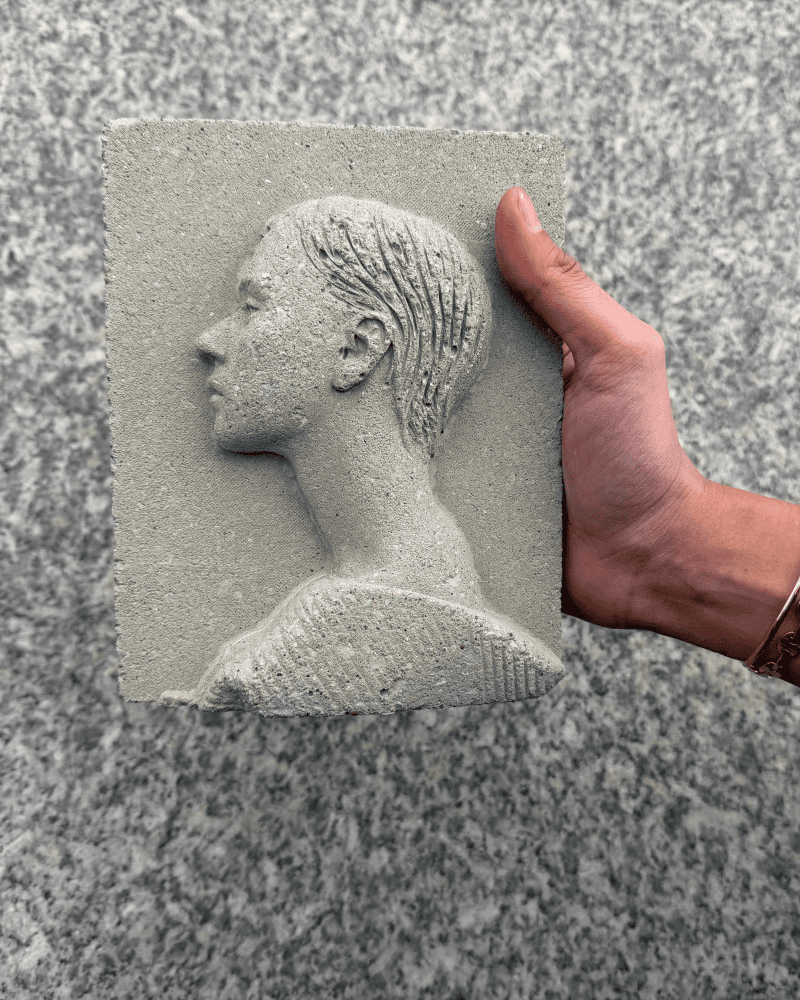
When turning a photograph into a 3Dimensional sculpture it becomes less about the photographic image and more about the photographic object. I am able to position it in a new time and space creating a new reproduction and perspective of the image, that allows me to examine the transformation of a sculpture through photography that has always been really exciting to me.
It feels like there is this ongoing tension in the work between physical materiality and digital construction. Do you think contemporary audiences are craving more tactility within image culture again?
For me what is more interesting is how I can invent alternatives to the digital’s own accepted standards, pushing it back toward more analogue and material processes. I like the idea that an image you look at through your screen can also become something that occupies space, having sculpture and photographs together that can generate a visually rich dialogue and more conversations about process and materiality. At the same time I don’t necessarily think that contemporary audiences are solely craving nostalgia or rejecting digital processes, it’s more about within any context how we can make the work personal to us. It’s the personal element and narrative that I feel people are missing within digital culture where there are so many images saturated on the internet.
While Stone Relief feels like an art project, the process behind it could open up interesting possibilities for fashion image making. How do you think these kinds of processes translate into the campaigns or more editorial work you do for global fashion brands?
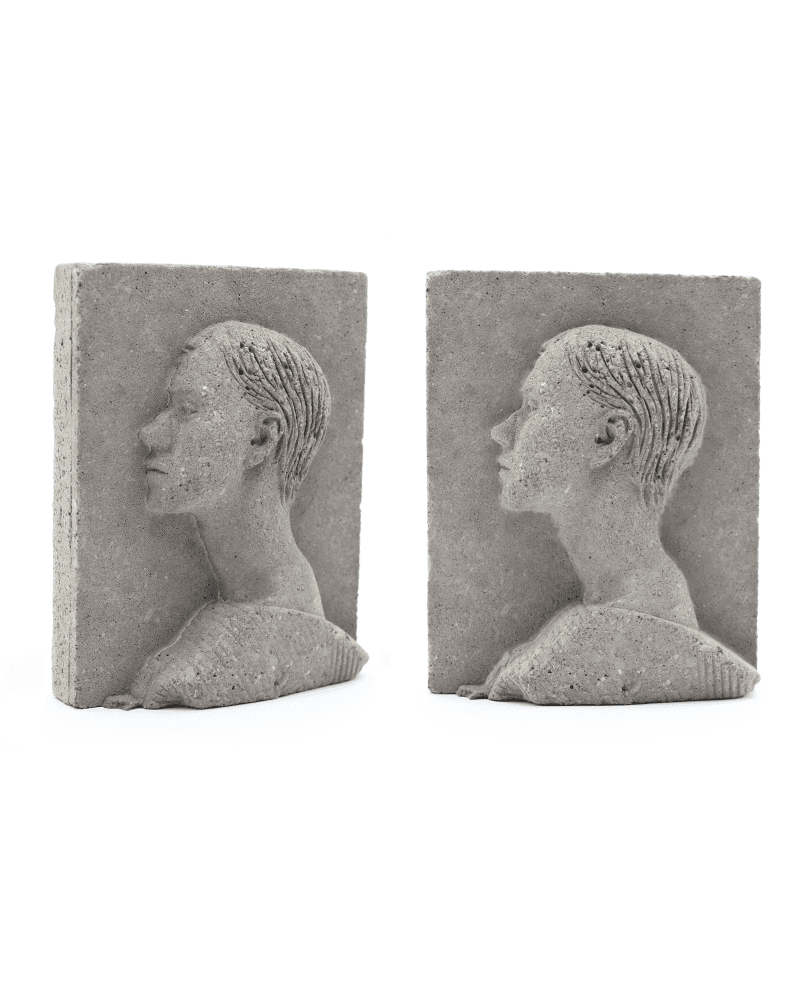
It translates directly into how brands now often also build visual worlds and image series rather than single hero shots. A campaign increasingly exists as a flexible set of references, textures and narratives that has to function across editorial layouts, motion, social and immersive formats while keeping one coherent identity. A process like this, by taking a single image and moving it through digital and sculptural states can potentially reconfigure a form. Within the context of campaigns or editorial work, that means one image can be reused in different ways which can open exciting new possibilities. This can also be an interesting way of reusing already existing images for new ways of recontextualizing each element.
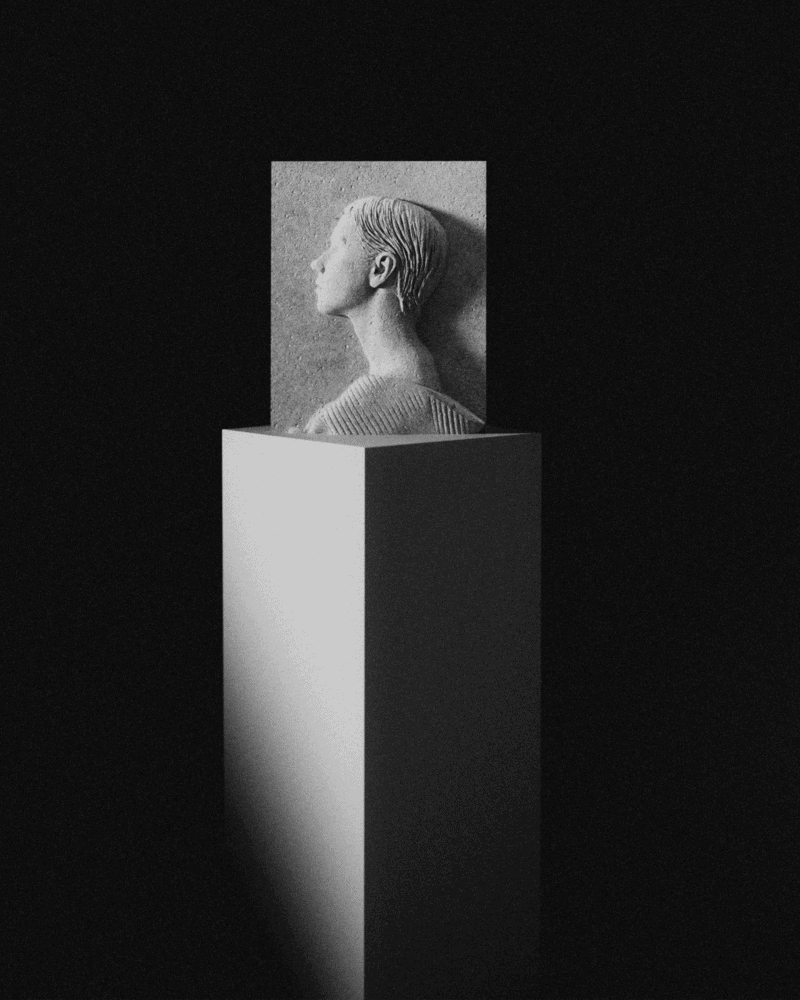
You’ve mentioned wanting to move beyond the flatness of purely digital imagery. How do you see introducing sculptural elements – as you’ve done with Stone Relief – into photographic workflows changing the way we can experience images, particularly within the fashion industry that a lot of your work sits in?
Even though images are becoming more digital they are also turning more material. In the past a lot of photographers have photographed objects to appear sculptural, therefore photographically formed images used in a sculptural or fully dimensional manner is a very exciting way for me to take this concept further.
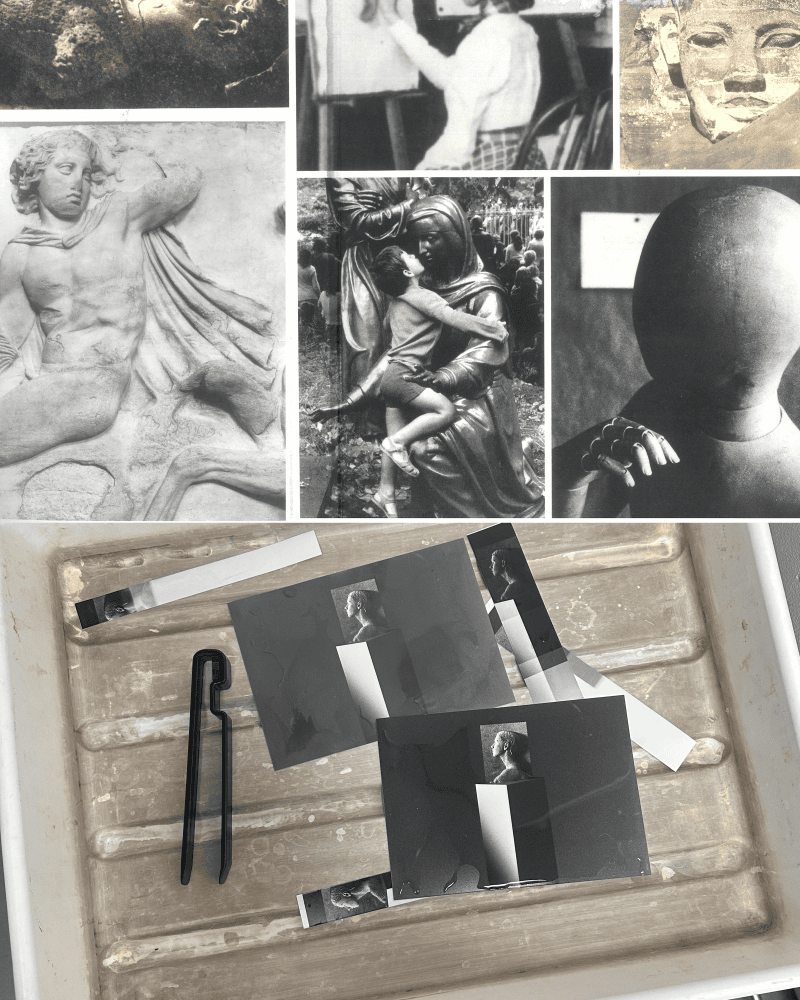
Another ongoing project is a collaboration with the Warburg Institute, a research centre whose photographic collection holds around 400,000 analogue images of sculptures, paintings, drawings and other visual material. Together we’ve identified sculptures that have been lost or destroyed, and for which the only surviving record is the analogue photograph or drawing itself. Working from this material, I reconstructed the sculptures in 3D using a range of CGI tools, which then became the basis for new photographic and moving-image work, bringing these objects back into a new space, and into a contemporary visual context. Within the fashion industry this could be an exciting way of reinterpreting clothes or archival pieces in disparate ways.
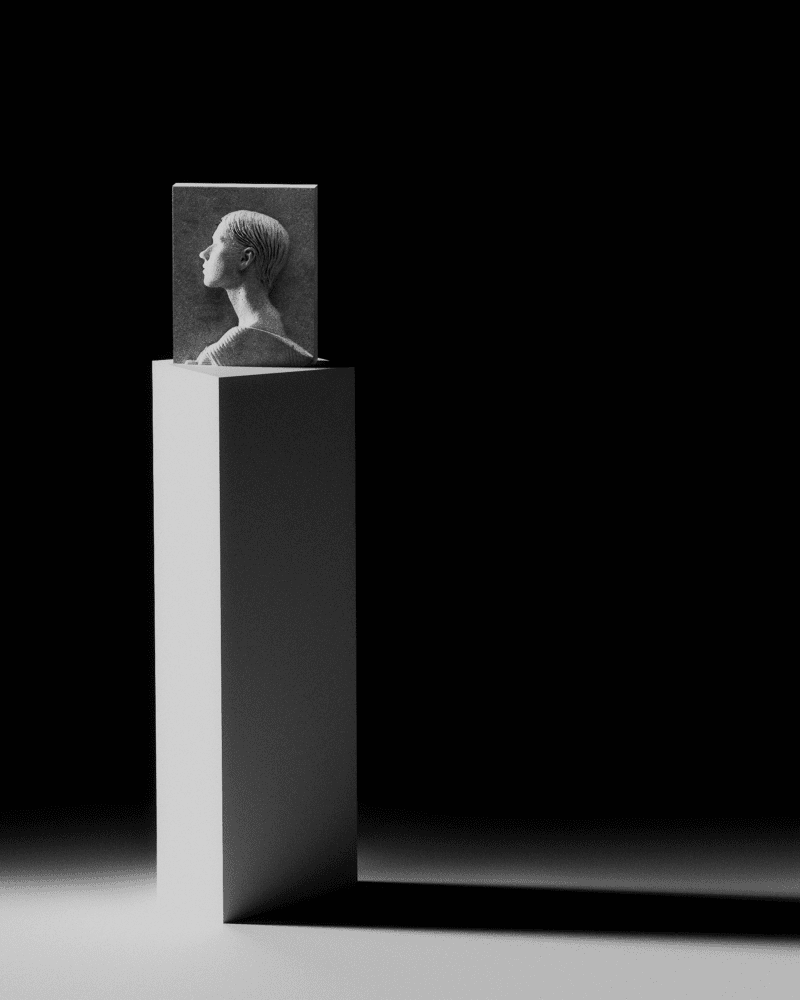
In a culture oversaturated with endlessly circulating digital images, at such rapid rates, what makes an image feel truly present to you?
The omnipresence of smartphones and their image-capturing strategies have come to dominate contemporary life, pushing photography into nearly every possible aspect of existence. This has made photography expand both technically and conceptually, embracing new strategies and approaches, blurring the medium’s boundaries more than ever before. The images that feel present to me are the ones where a connection is drawn across time, connecting something very old and contemporary together, creating unexpected juxtapositions.