
In an industry dominated by rapid cycles and fleeting trends, a quiet revolution is taking shape through thoughtful craftsmanship and deliberate patience. This interview dives into the philosophy behind a new unisex denim collection designed to endure, starting with the conscious selection of an honest, mid-weight organic cotton and hemp blend. Stepping entirely off the traditional seasonal fashion calendar, the designer behind this vision discusses the advantages of a localized preorder production model, the balance between a subtle design signature and timeless versatility, and how nostalgic memories of carefree student life translate into relaxed, everyday cuts. What emerges is a blueprint for the future of conscious design—where beauty, durability, and responsibility coexist seamlessly, proving that the most impactful garments are those built to be lived in for years, not just a season.
The collection uses a specific two-thirds organic cotton and one-third hemp blend. Can you take us through the development of this fabric?
We did not engineer this fabric ourselves, we found it. It comes from a partner mill, and choosing it was its own kind of work. Most denim that looks beautiful is either heavy and stiff, or it feels soft only because it has been treated and washed to death. I was looking for something honest, hardwearing, that still breathed. This organic cotton and hemp cloth was the one that did all three. The hemp gives it structure and longevity, the cotton keeps it soft against the skin, and organic on both sides keeps the impact low. At roughly two thirds cotton and one third hemp, around a mid weight of 315 grams, it holds its shape, ages well, and still moves with you. Our job was not to invent the textile, it was to recognise the right one and build the pieces around it.
Why do you think more brands haven’t adopted hemp, and how does HACOY hope to change that perception?
Honestly, because hemp is harder to work with and slower to source at scale, and most of the industry is built for speed and volume. It needs the right mill, the right blend, the right finishing, and none of that fits a calendar that wants a new drop every few weeks. There is also an old image problem, people still associate hemp with something rough or crunchy, a sack rather than a garment. We want to quietly break that association by simply making a piece that feels good and looks like proper denim, and letting people discover the fibre underneath. If the jeans feel right on the body, the sustainability stops being a lecture and becomes something you can feel.
How do you educate your customers to embrace the wait, and how does the preorder model impact your production timeline in Italy?
We do not really try to sell the wait, we explain how it works, and people respond well to honesty. The model is simple. We open preorders and wait until we reach a minimum number, because that is the point where production makes sense and nothing has to be made speculatively. Once we hit that number, we check the timing with our production partner so we can give everyone a realistic window. Customers pay fifty percent upfront, and only then do we kick off the manufacturing in Italy. The other half follows closer to delivery. What holds it all together is transparent communication on both sides, our customers know exactly when and what is happening, and so does the workshop. Nobody is left guessing, and nothing is made that someone has not already chosen. The waiting becomes part of owning the piece, you anticipate it, and when it arrives it means more.
How does stepping off the traditional fashion calendar change the way you approach design, and how does it support the financial sustainability of a growing brand?
Stepping off the seasonal calendar frees you to design the right piece instead of the next piece. We are not chasing four collections a year, so we can spend the time to get one garment properly right and then keep it. Everything we make is meant to stay in the range and stay in your wardrobe, so we design for years, not for a window. And because we never discount, the price you see is simply the honest price, we are not inflating it in spring to cut it in autumn. That is actually healthier for a growing brand, we hold our margin, we hold our value, and we build slowly on pieces that keep selling rather than on a spike that has to be cleared out three months later.
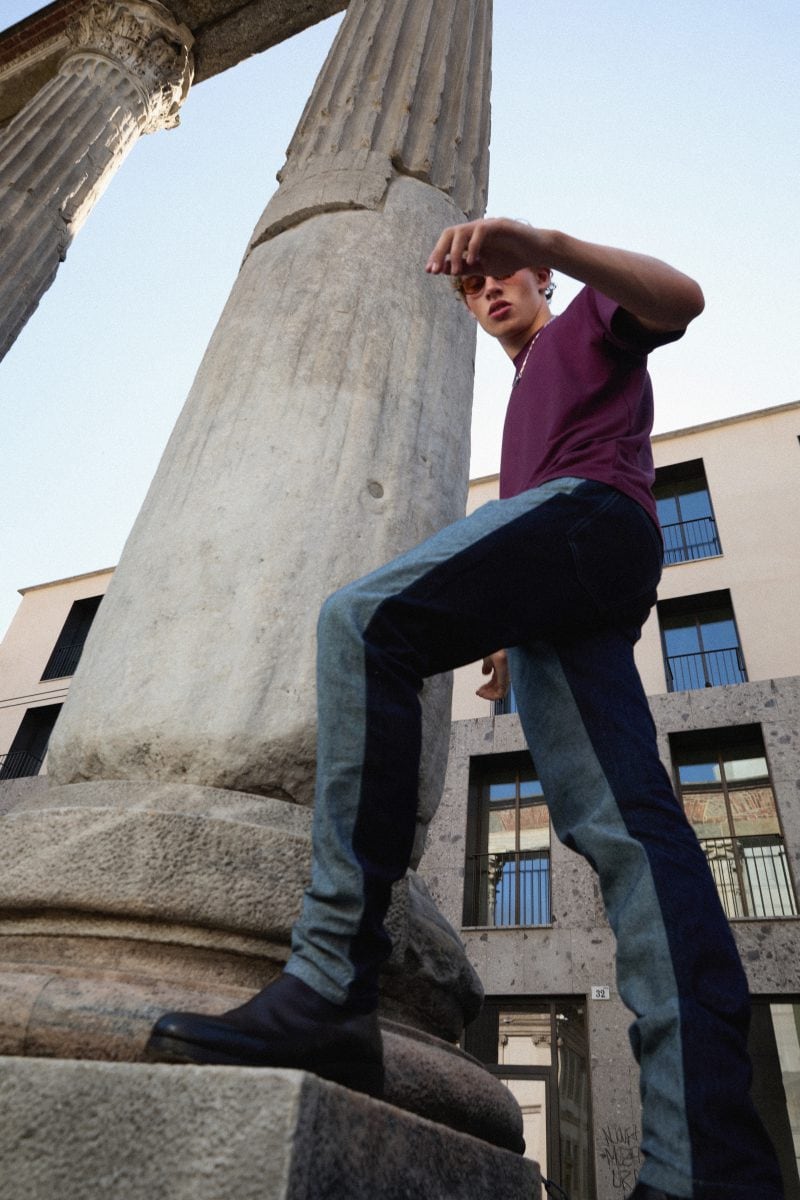
How do those memories of “carefree lightness” translate into the physical cuts and silhouettes of the jeans and jacket?
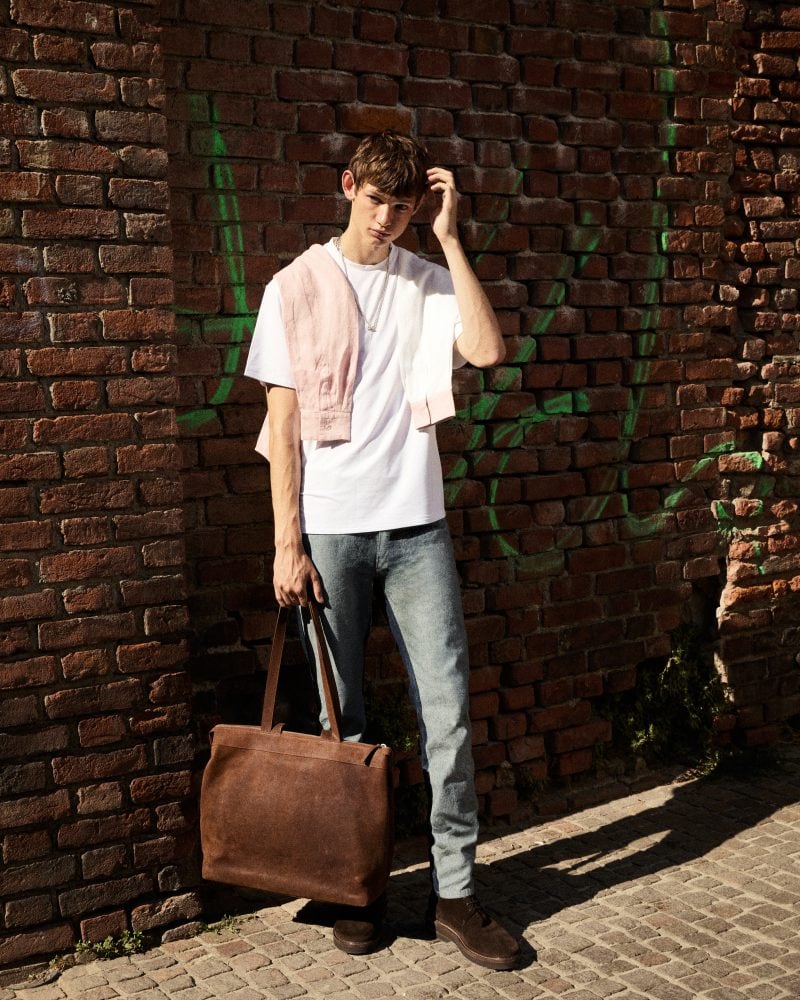
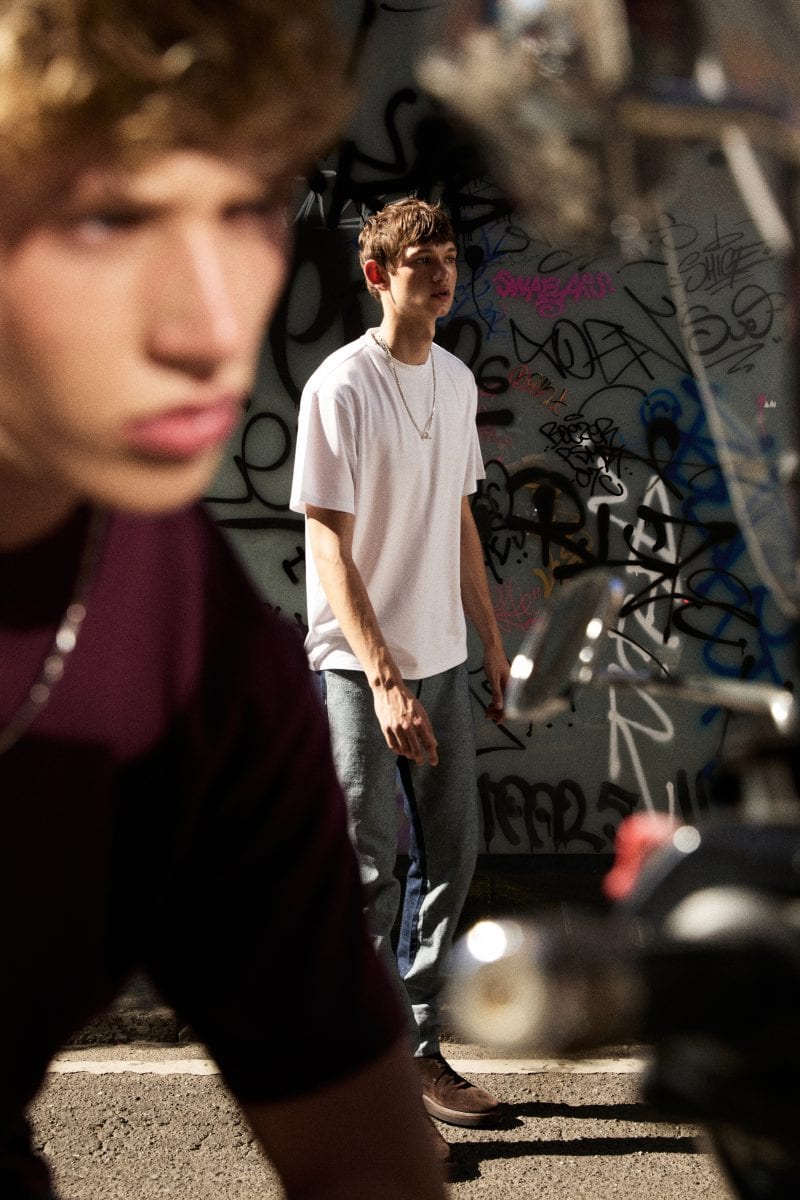
The collection grew out of my own student time at Polimoda in Italy, and the feeling I carried away from it. There is a certain Italian lightness to being a student there, sitting outside with friends, no rush, living in the moment before everyone was permanently online. I always think of the spirit of 1980s Italian student life, a time before social media, that same carefree ease. In the garments that becomes a relaxed cut rather than a tight one, room to move, nothing that pinches or performs. The jacket is easy over the shoulders, the jeans sit comfortably and age with you. It is denim you throw on to meet people, not denim you have to think about. That lightness is the memory, and the cut is how you wear it.
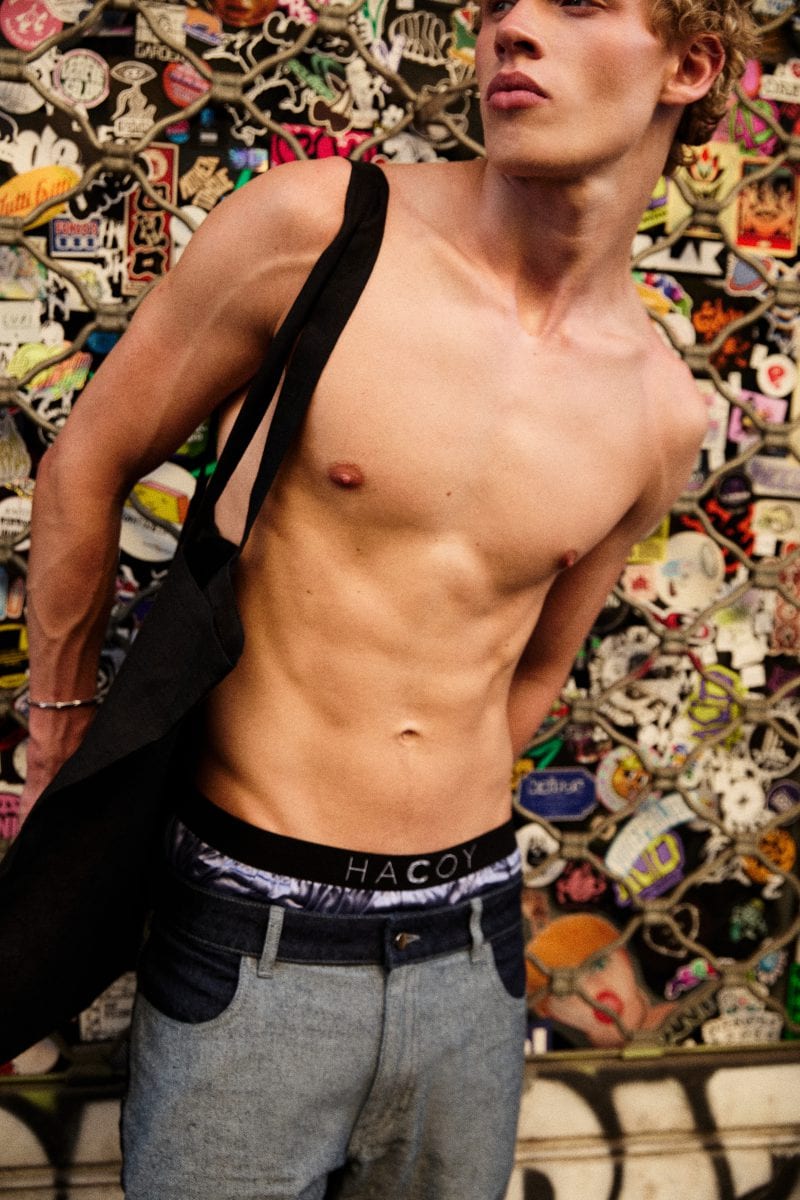
How do you balance creating a distinct brand “signature” while keeping the garments truly timeless and versatile for a unisex audience?
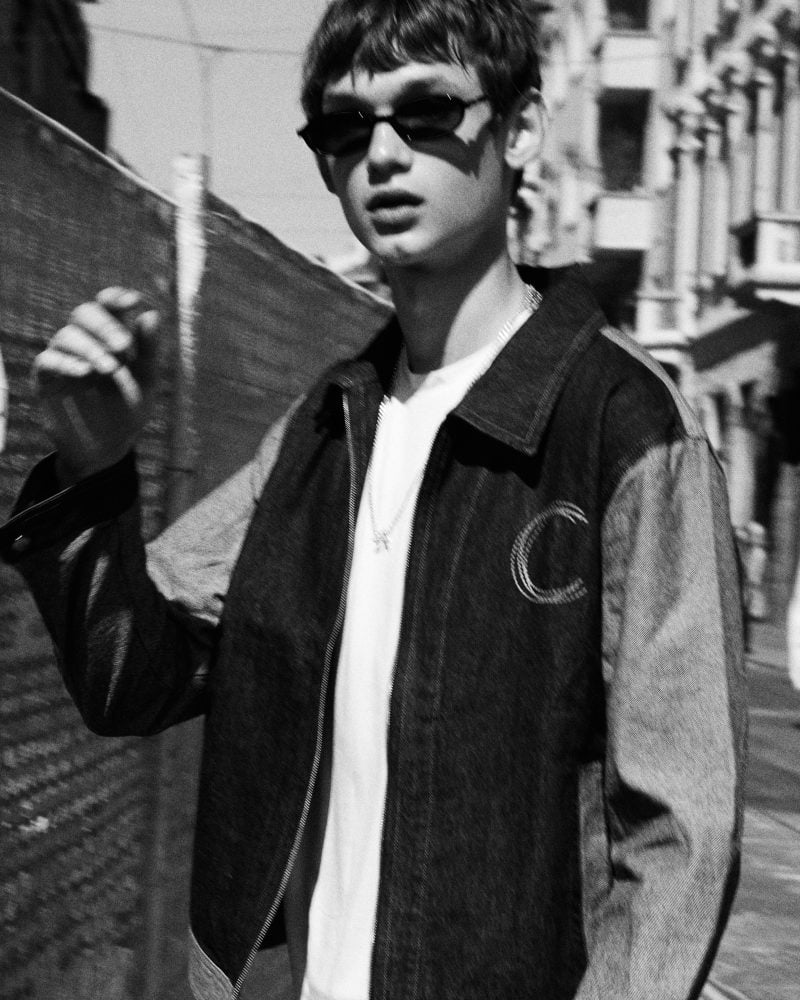
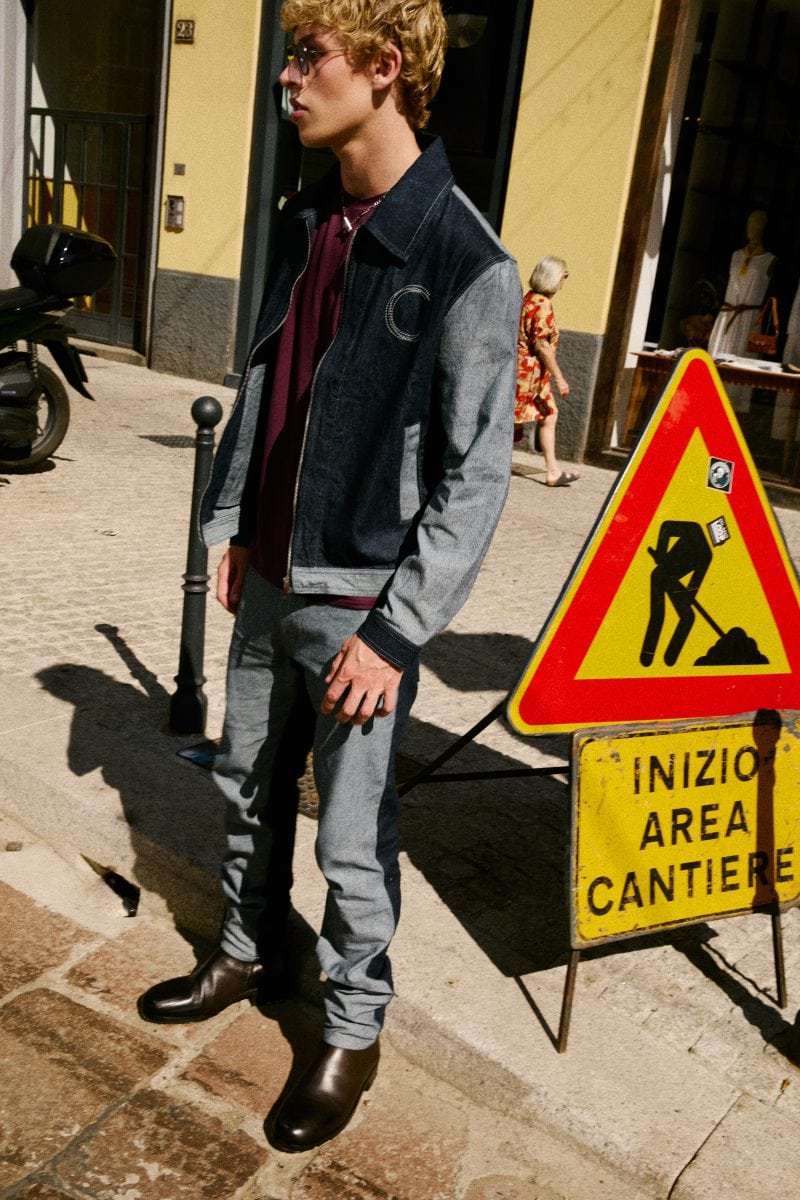
The rule we set ourselves is that the signature should reward a second look, never demand the first one. The two tone panels give the piece its own quiet identity, you can tell it apart across a room, but it reads as denim, not as a logo statement. The monogram is deliberately discreet, it is there for the person wearing it more than for everyone watching. We keep the silhouette unisex and clean so the same piece works on very different bodies and very different lives. A signature that shouts dates quickly, a signature that whispers can stay timeless. We would rather someone wear these jeans for ten years than recognise them for one season.
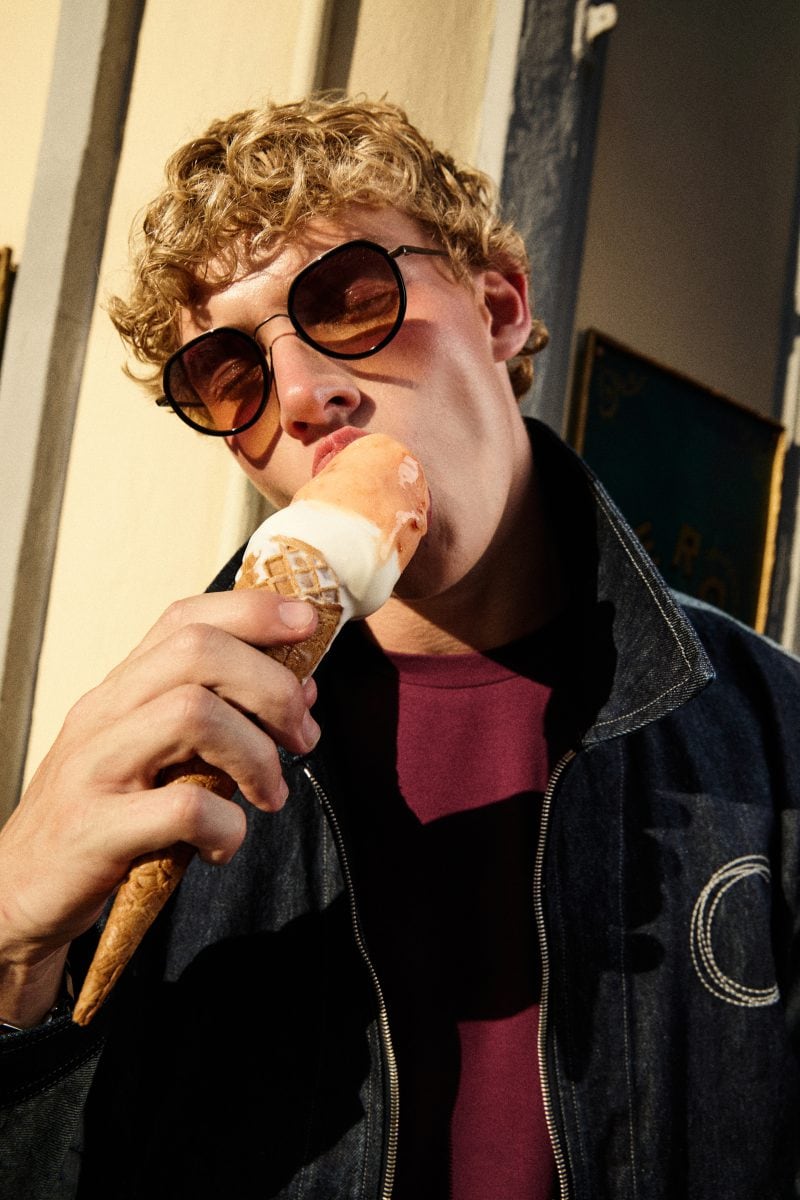
How do you select your production partners, and how do you ensure your ethical and quality standards are met across borders?
We choose partners the slow way, by talking, testing, and building relationships over time rather than shopping around for the cheapest option. We found this fabric through Fabricsight, a partner we have worked with for over a year now on fabric scouting and sourcing, and who we trust to bring us the right cloth. The denim itself is woven in Turkey, and the garments are cut and sewn in Italy where the craft and the finishing are exceptional. We also work with trusted workshops in Lithuania on other lines. What ties it together is that these are real relationships, not anonymous suppliers, we know the people we work with and we keep the circle small enough to actually oversee. Standards hold when you stay close, so we would rather work with a few partners we trust deeply than spread across many we never see.
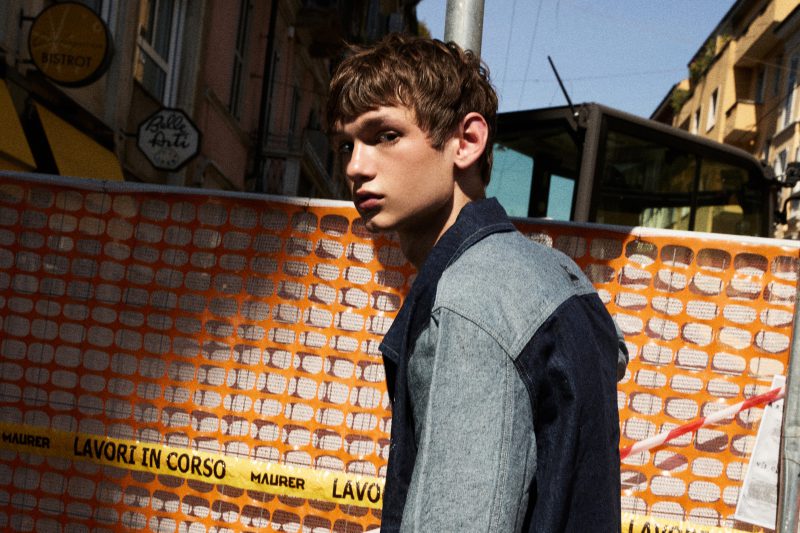
As a member of the New European Bauhaus, how does that membership influence HACOY’s long-term vision? What can we expect next after denim?
The New European Bauhaus says something we already believed, that sustainability and beauty are not a trade off, they belong together. A responsible piece still has to be something you really want to wear, otherwise the sustainability is meaningless. That membership keeps us honest about designing for the long term, for durability, for pieces that earn their place rather than pieces that impress once. After denim we keep building the same wardrobe outward, our home office clothing, our essentials, always the same idea of comfort and lightness made responsibly. We are not in a hurry to be everywhere. We would rather add one considered piece at a time and let the brand grow the way the clothes are meant to be worn, slowly and for years.