Berlin has long been a city defined by its unfinished edges. For decades, its cultural mythology has been built around experimentation rather than permanence: temporary exhibitions, artist-run initiatives, warehouses transformed into gathering spaces and, eventually, something else entirely. Design, despite flourishing within the city’s creative ecosystem, has often existed in the background of this narrative, overshadowed by contemporary art, music and performance.
The opening of Galerie OM suggests a subtle shift. Launched on May 28 with the inaugural exhibition Partie Une, the new Berlin gallery arrives not simply as a venue for collectible design, but as an attempt to rethink how design is experienced altogether. Founded by Moana Thies and Oscar Gröne, with creative direction by the Swedish-born interior architect Julian Zacharias Eide, Galerie OM positions itself somewhere between gallery, salon and cultural platform, embracing an understanding of design that extends beyond objects into atmosphere, conversation and social ritual.
Located in central Berlin, the gallery emerges from an increasingly international dialogue around collectible design while remaining distinctly shaped by the city’s character. Rather than maintaining a fixed inventory, Galerie OM operates through a commission-based model, sourcing works in close collaboration with collectors and partners. The result is a program that evolves organically, allowing each exhibition to function less as a marketplace and more as a carefully composed environment. Beginning in Berlin, the gallery plans to expand its program through a series of pop-up exhibitions and cultural events in Paris and Milan, extending its vision across some of Europe’s most influential creative capitals.
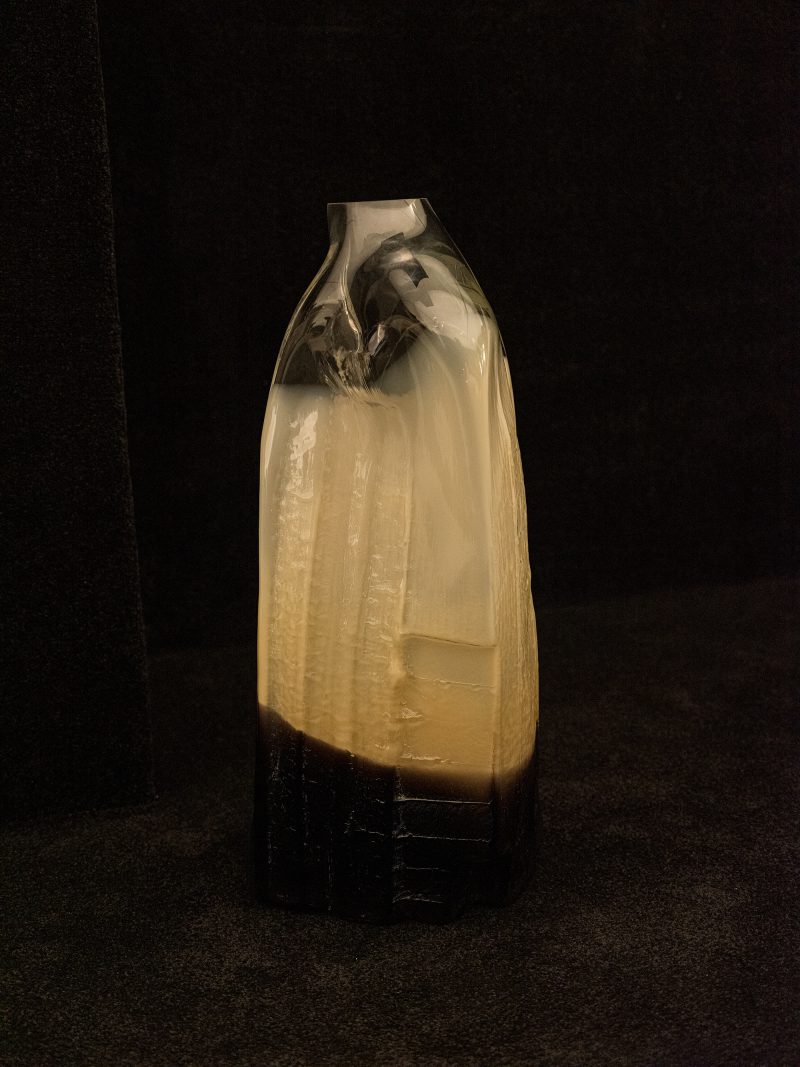
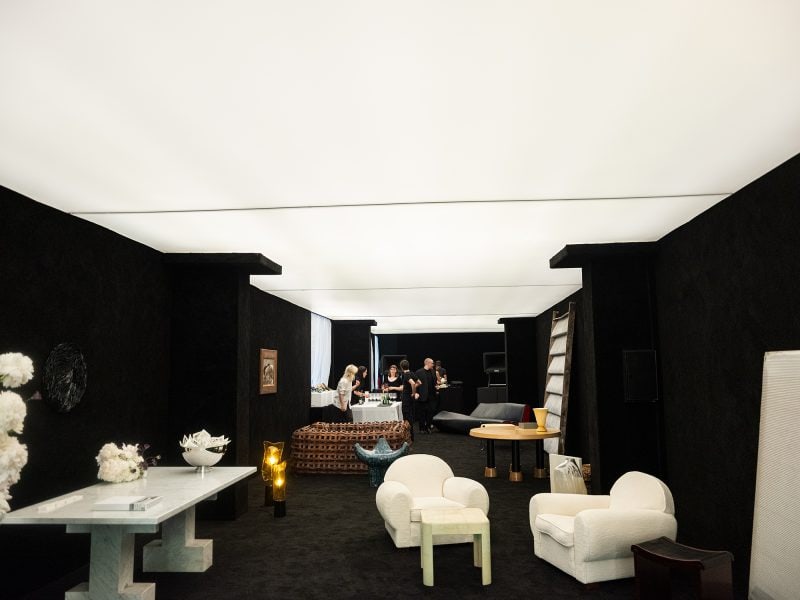
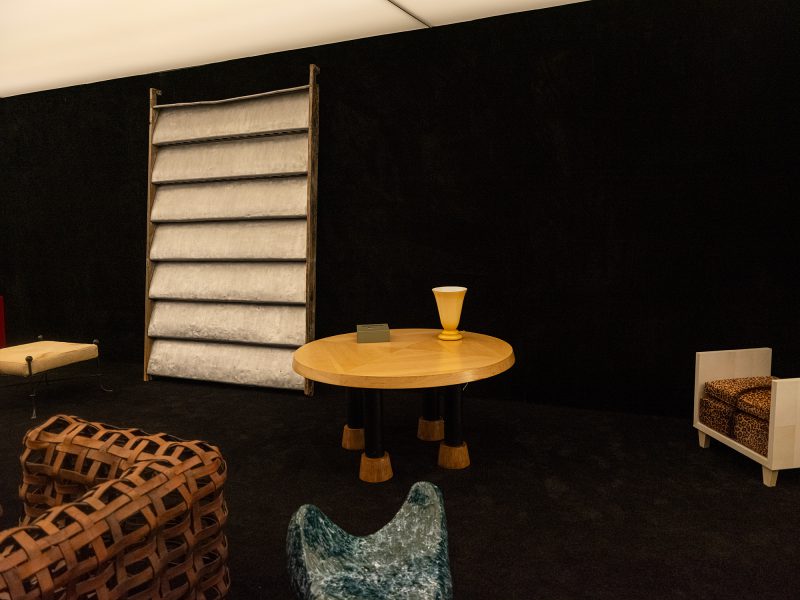
That approach is immediately evident in Partie Une. Curated by Eide, the exhibition explores materiality, atmosphere and contemporary creative expression through a selection of works that move fluidly between design, art and interior architecture. Rather than presenting furniture and objects as isolated masterpieces, the exhibition treats them as participants in a larger spatial narrative.
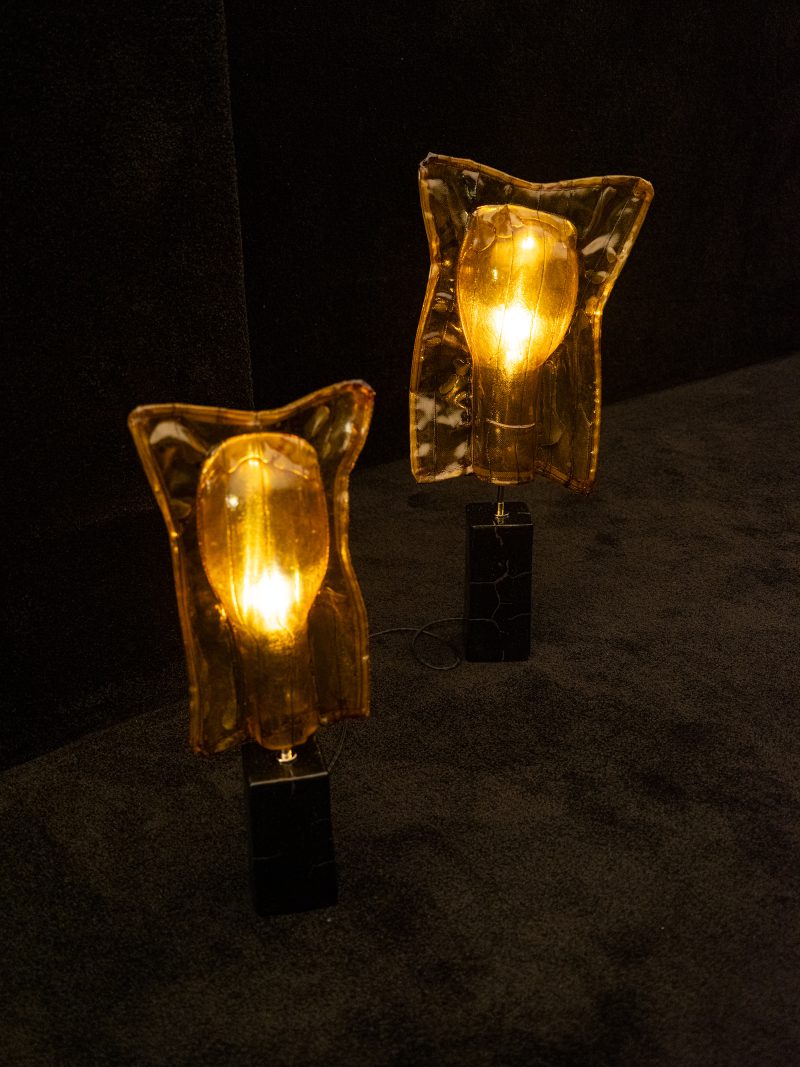
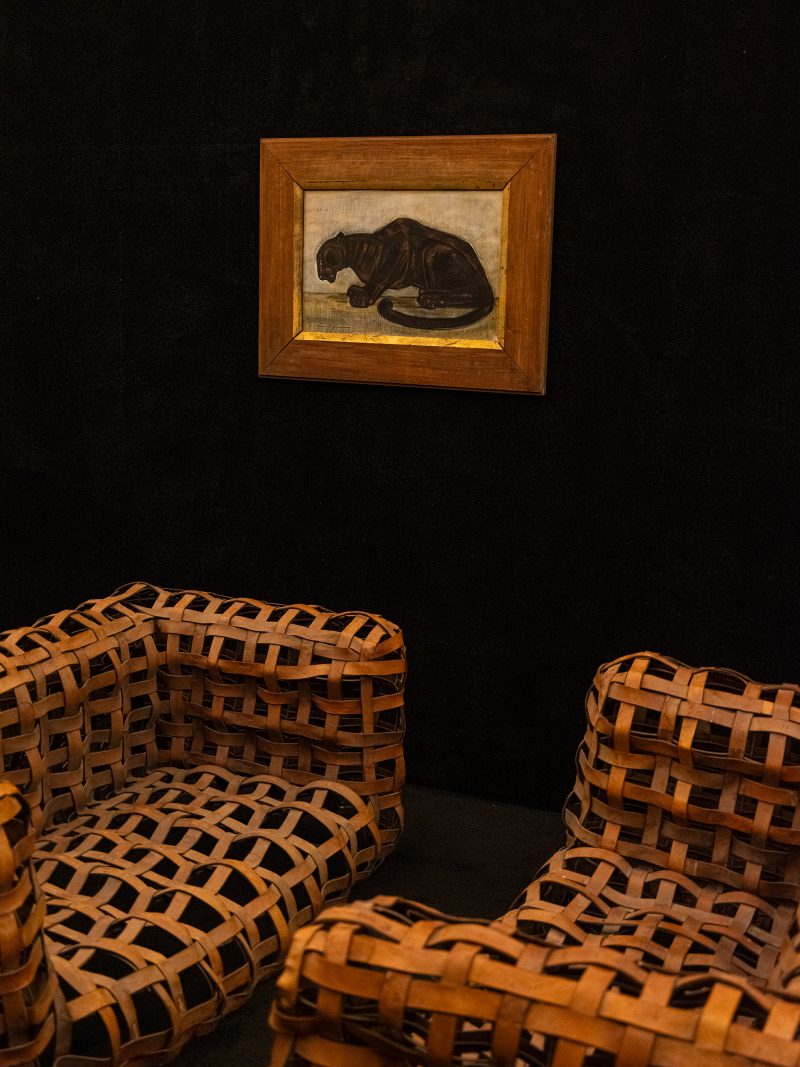
Historical and contemporary voices coexist throughout the presentation. Pieces by Pierre Chareau, Jean Prouvé, Jean Royère and Ettore Sottsass appear alongside works by Martin Margiela, Fabio Novembre, Maarten Baas, Caroline Keslassy, Marten H. Anderson, Lorène Cavagna and Alex Joncas. The dialogue is not chronological but emotional. Forms, textures and materials respond to one another across decades, creating a landscape in which visitors move through design rather than simply observe it.
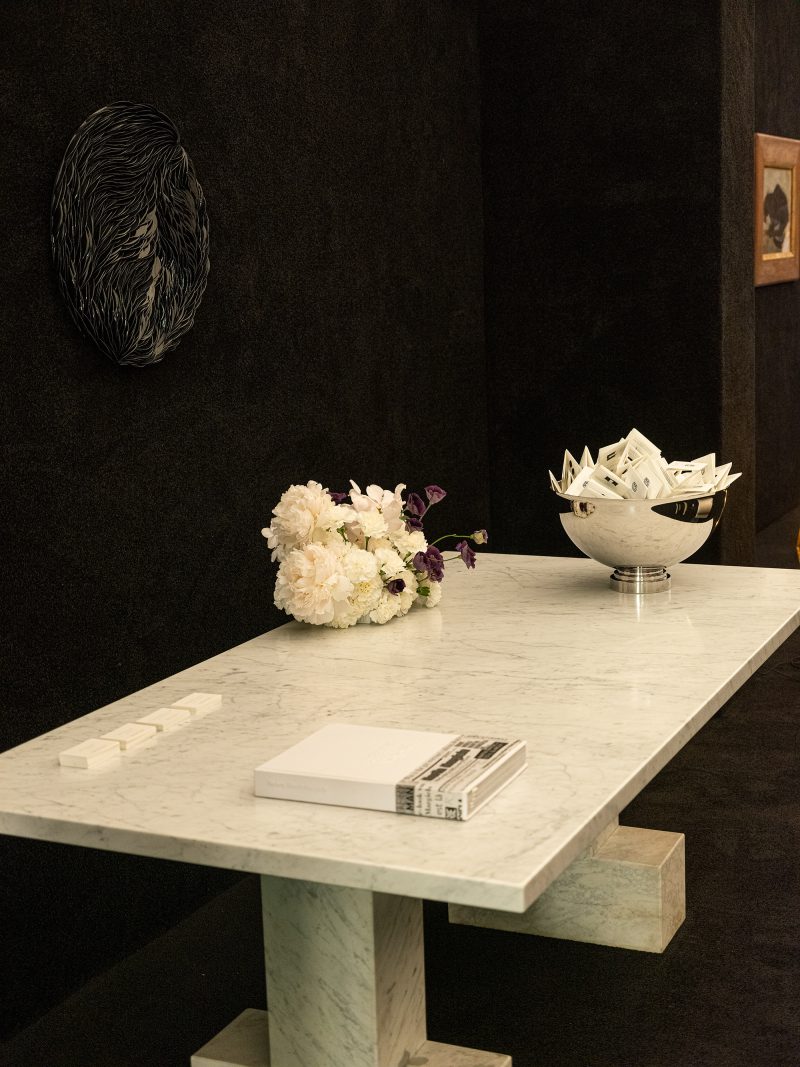
Among the works on view, a white python table has become a favorite of Thies. More than a statement piece, it serves as a concise expression of the gallery’s sensibility: luxurious without excess, sculptural yet functional, familiar and unexpected at once. Its presence captures the spirit of an exhibition interested less in categorization than in the emotional and sensory relationships that objects can create.
The exhibition reflects Eide’s background in high-end residential design and spatial installation. Rooms unfold with a cinematic sensibility, informed by the darker tones of Berlin’s visual culture and an appreciation for the intimacy of 1970s interiors. Vintage furniture, carefully calibrated lighting and tactile materials establish an environment where design becomes experiential rather than purely visual.
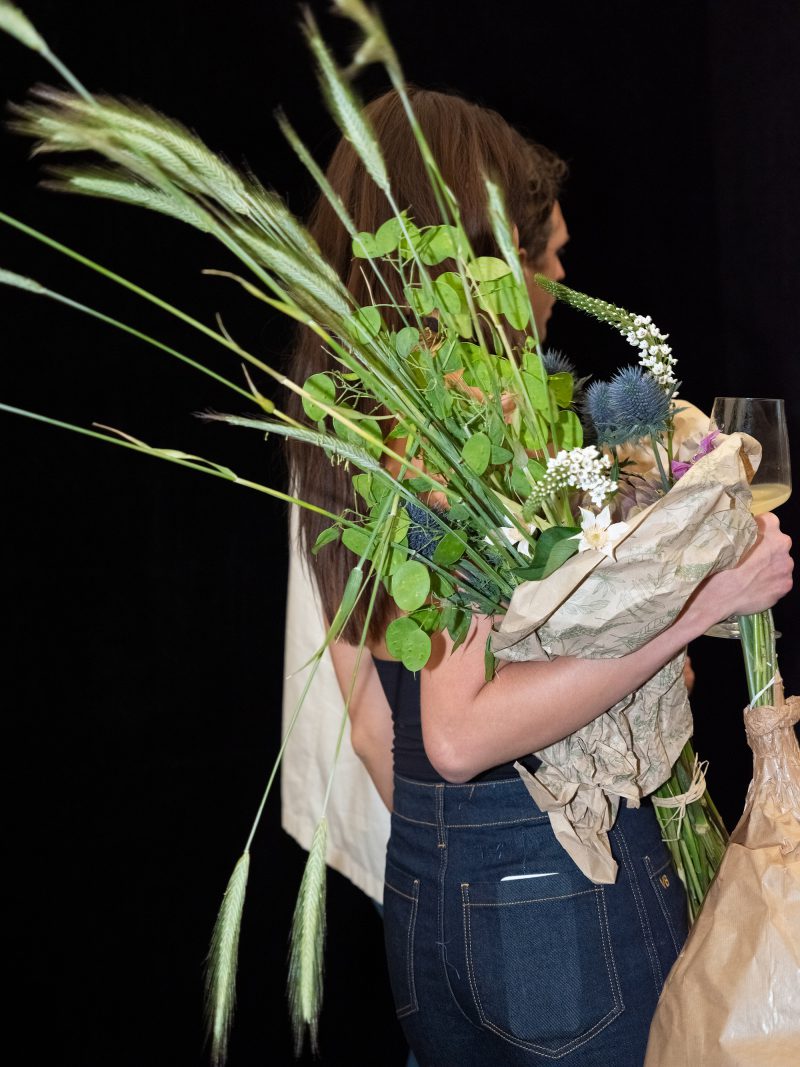
This emphasis on experience extends beyond the objects themselves. Galerie OM’s openings are conceived as intimate gatherings, bringing together collectors, designers and members of Berlin’s creative community in a more focused setting. Live performances, curated culinary moments and sake pairings form part of the broader program, reflecting the founders’ belief that design acquires meaning through interaction and shared experience.
If Partie Une serves as an introduction to the gallery’s philosophy, the forthcoming Partie Deux offers a more focused investigation into a single medium. The exhibition traces the history of the wall tapestry across three centuries, examining how woven textiles have carried cultural memory, craftsmanship and aesthetic influence across geographies and generations.
Spanning the eighteenth through the twenty-first centuries, the exhibition brings together historical works and contemporary commissions, exploring the ways textile traditions have absorbed and transformed influences from East Asia and beyond. Chinoiserie and Japanese references emerge not as decorative quotations but as evidence of centuries of cultural exchange. Hand-woven silk, mohair and cotton become markers of both material knowledge and historical continuity.
For the exhibition, Galerie OM has commissioned new works from two emerging studios working at the intersection of traditional hand-weaving and contemporary design. Weberei and New Rug Studio will each present site-specific pieces that draw upon inherited craft techniques while resisting easy categorisation as either artwork or functional object.
Together, the two exhibitions establish the contours of Galerie OM’s ambitions. In a city that has long privileged the temporary and the experimental, the gallery proposes another possibility: that design can function as a form of cultural storytelling, capable of connecting history, craftsmanship and contemporary life within a single room. Not merely something to look at, but something to inhabit.