At the edge of the city Prato, the Centro per l’Arte Contemporanea Luigi Pecci feels almost improbable — a vast contemporary art institution planted in a city more often associated with industry than experimental culture. Yet that contrast is exactly what gives it its force. The museum operates less as a monument than as an active cultural ecosystem.
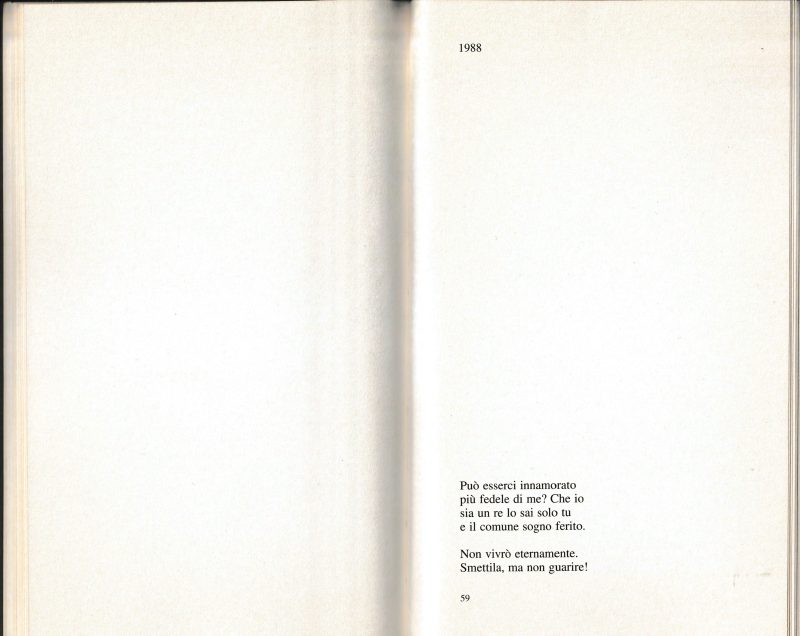
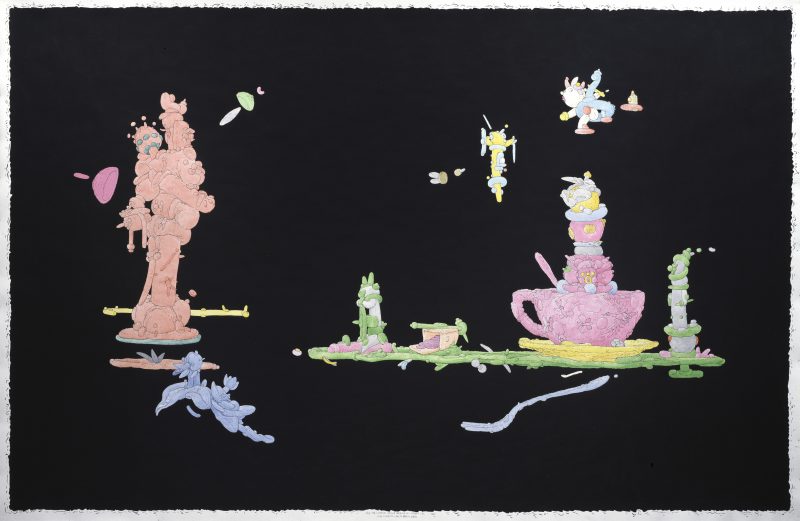
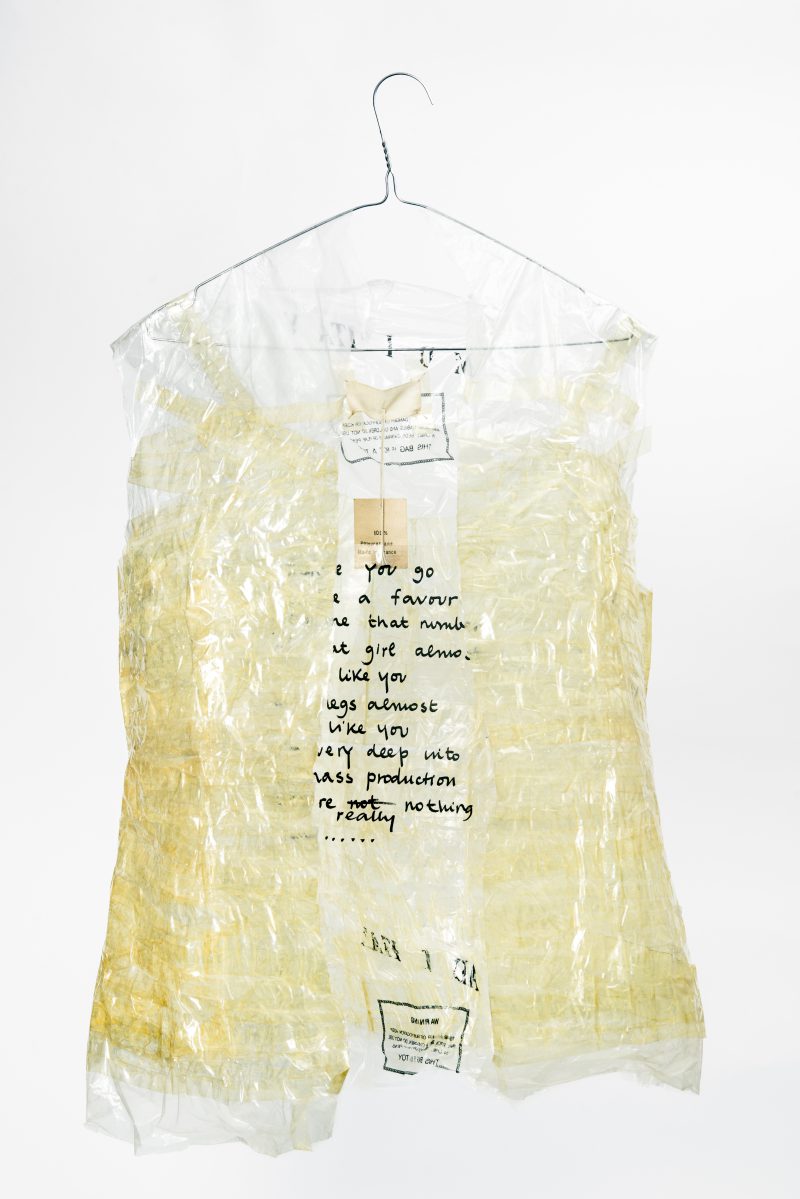
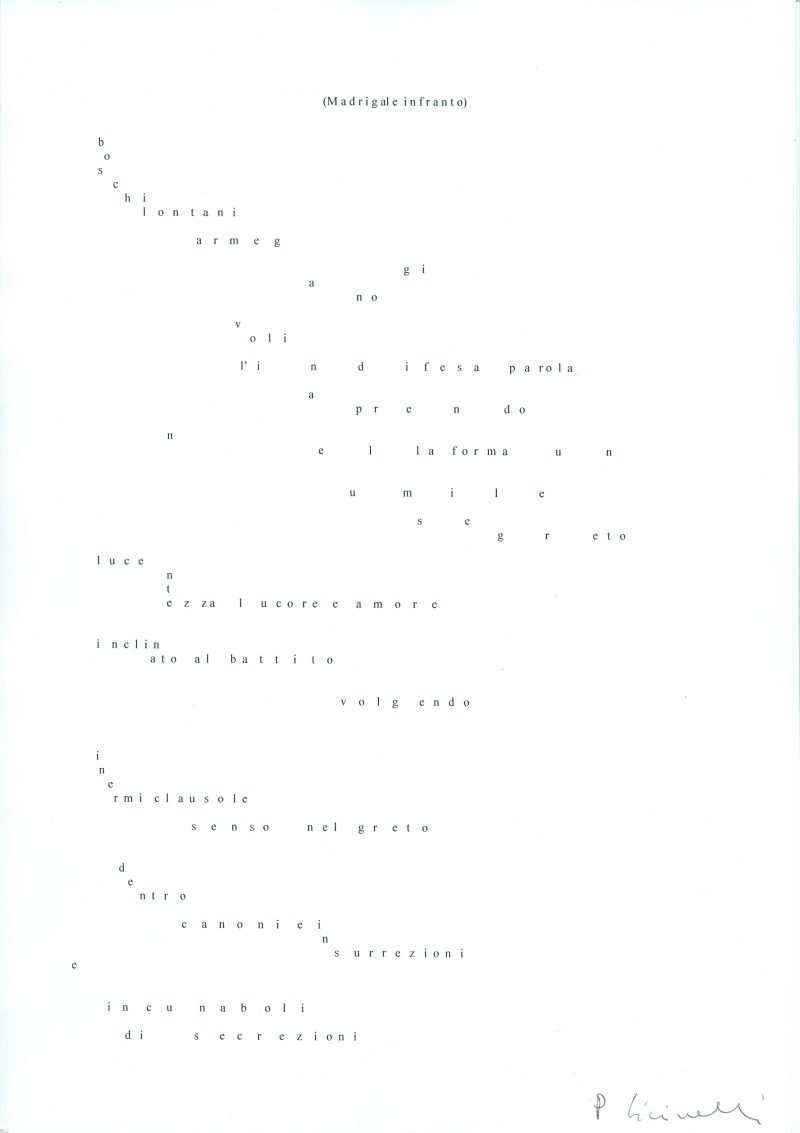
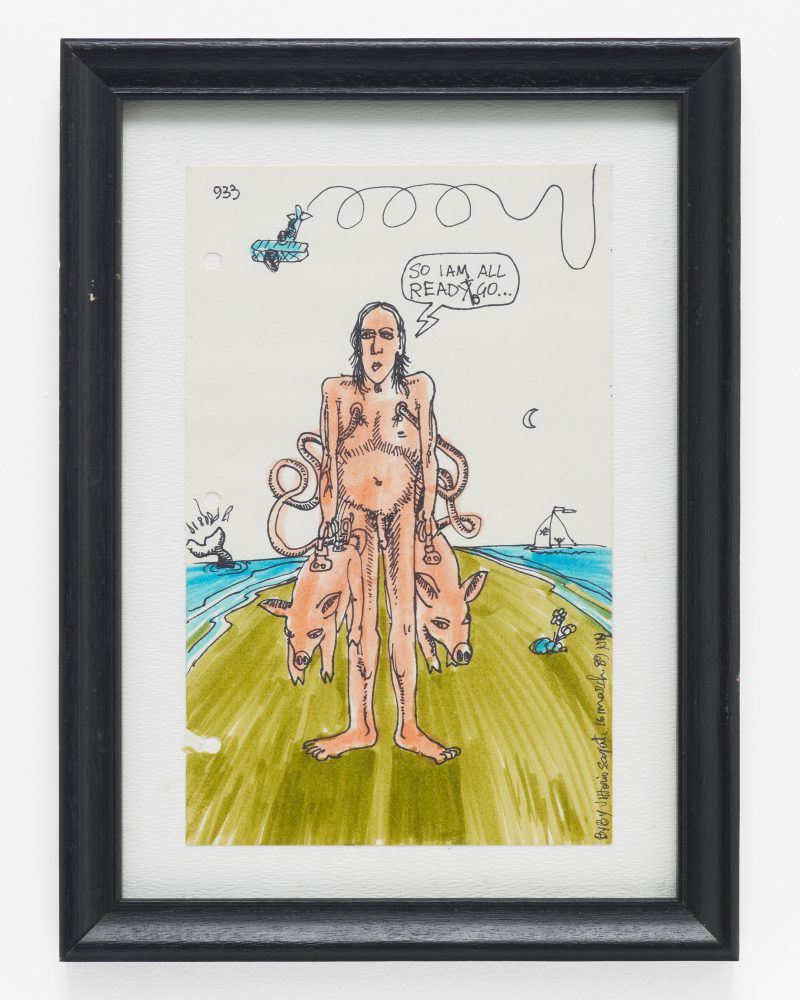
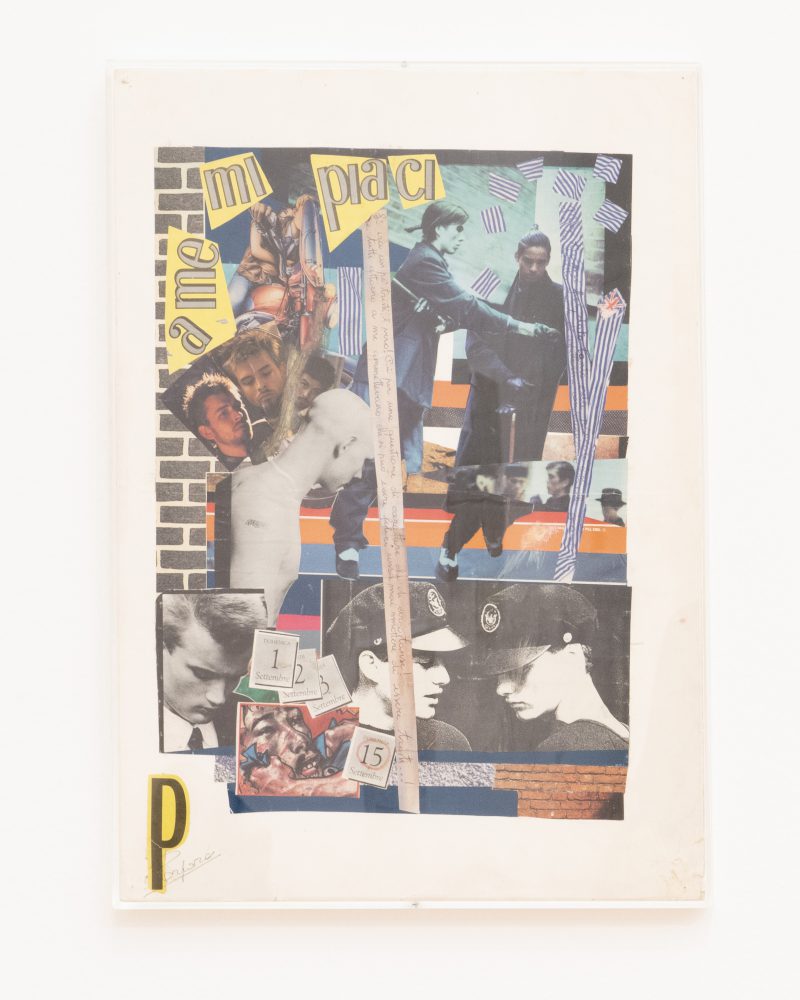
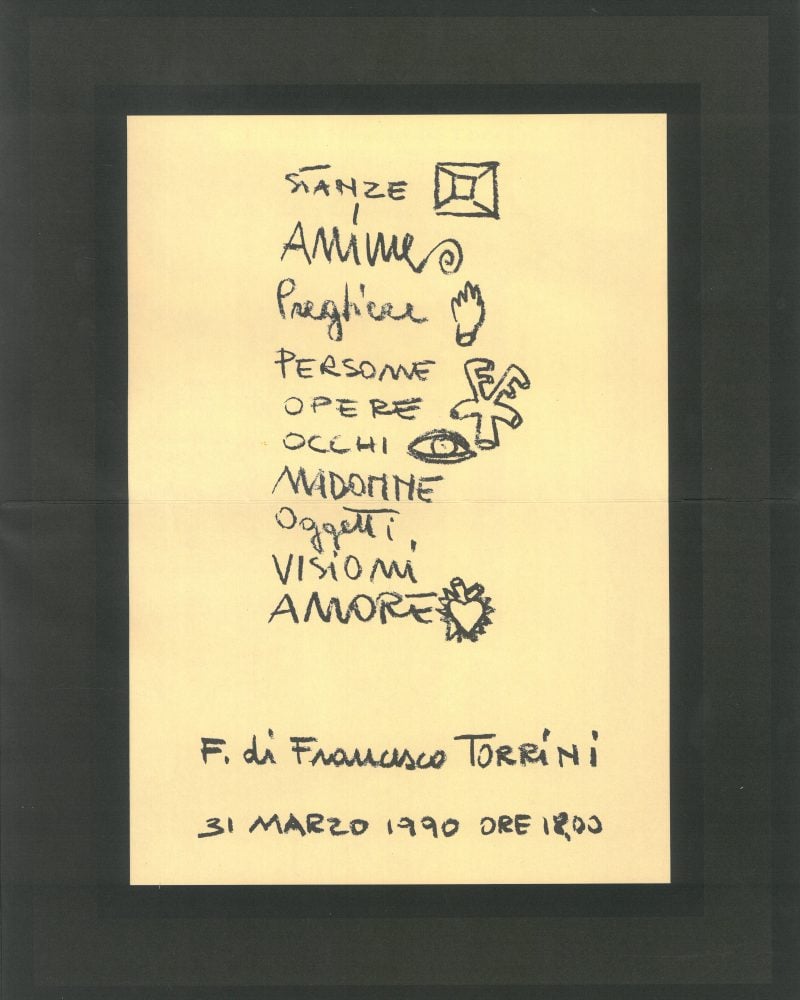
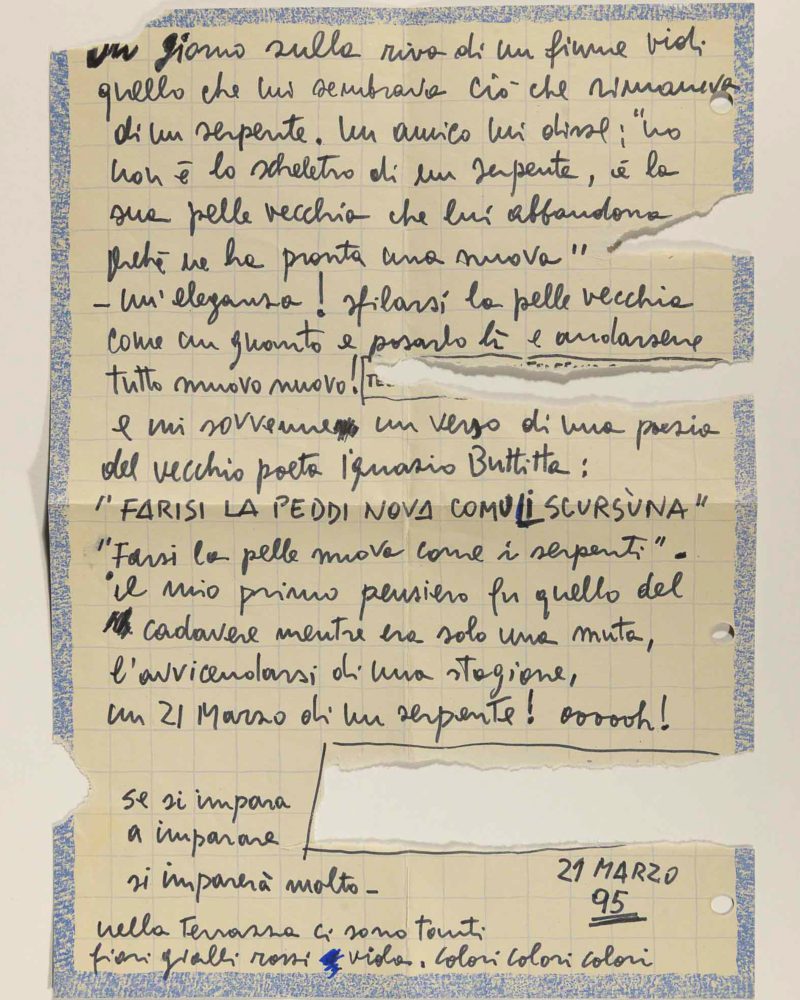
That feeling stayed with me after visiting VIVONO. Art and Affects, HIV-AIDS in Italy. 1982–1996, an exhibition curated by Michele Bertolino that attempted to not simply document the HIV/AIDS crisis in Italy, but to reconstruct the emotional and artistic worlds surrounding it. Rather than presenting the epidemic as a historical subject sealed in the past, the exhibition treated it as a network of interrupted lives, relationships, desires, and acts of resistance. Moving through the galleries meant moving through fragments such as poems, photographs, activist material, artworks, personal traces are all assembled with a sense of urgency that resisted nostalgia.
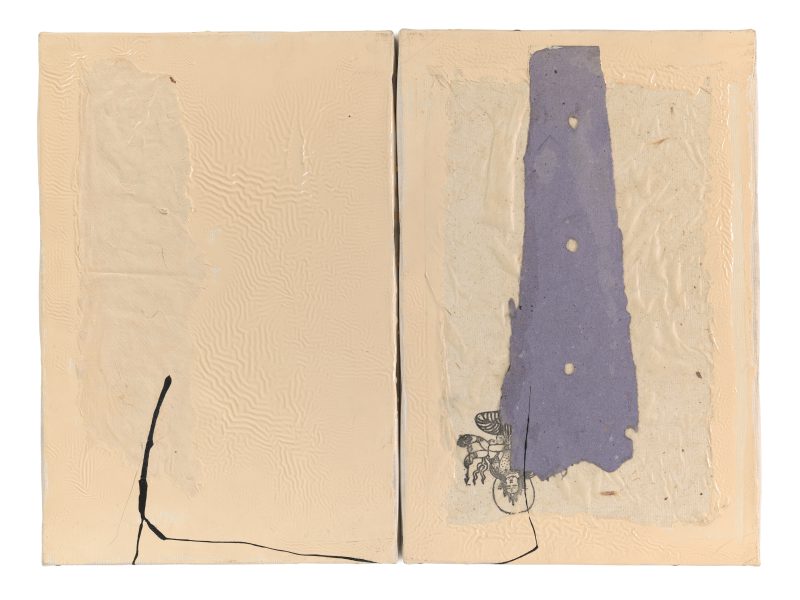

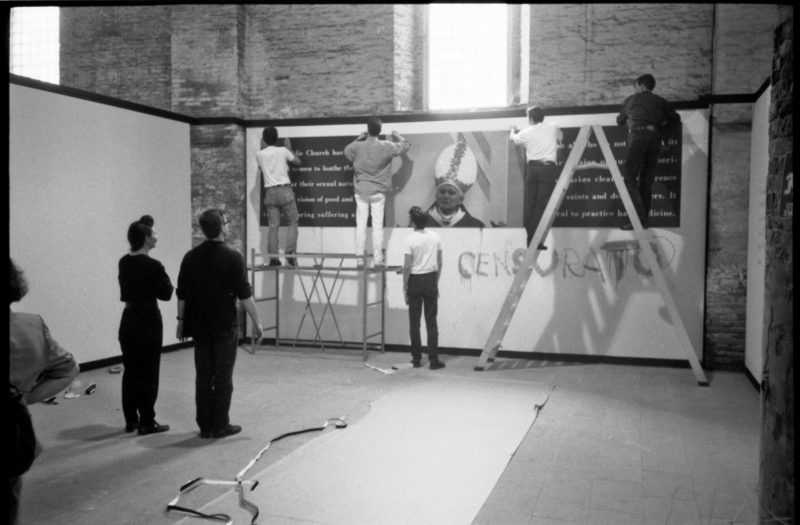
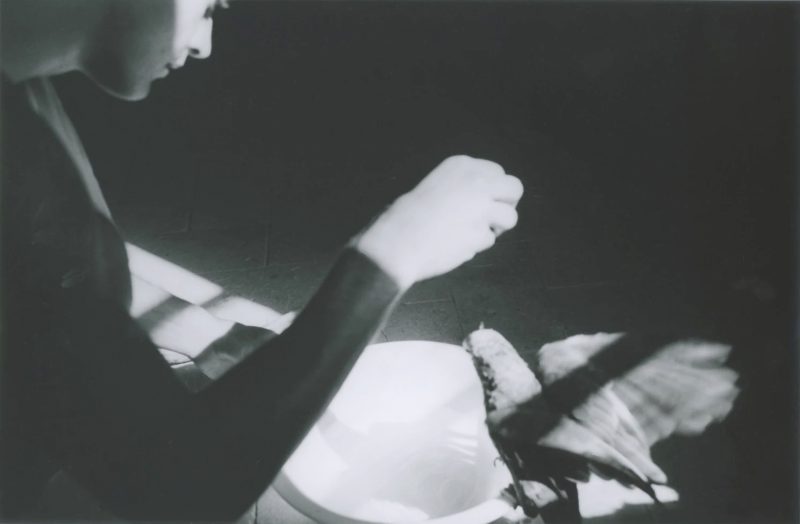
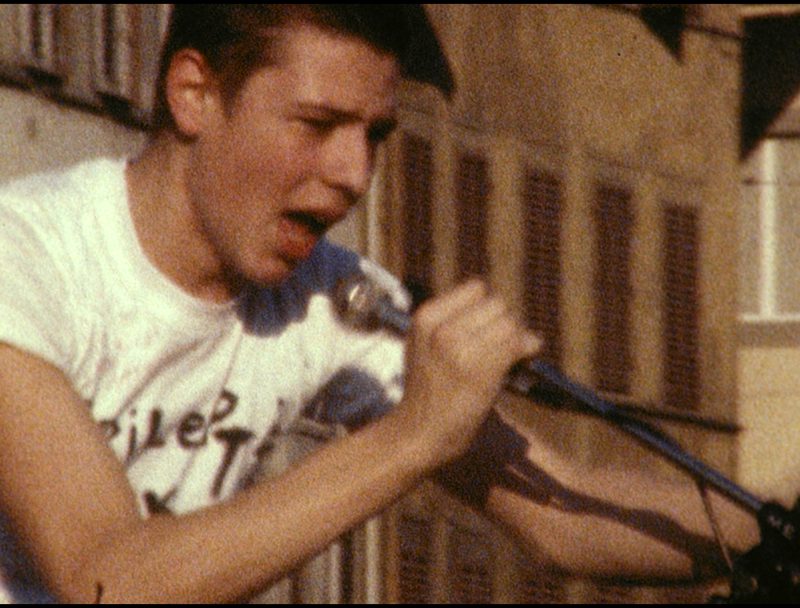
What made the experience especially resonant was attending the performance and talk by Theatre director Fabio Cherstich in the final days before the exhibition closed. Cherstich spoke about his research into the lives and work of three artists who died from HIV-related illness in the 1990s: Patrick Angus, Larry Stanton, and Darrel Ellis. The presentation unfolded like a sentimental investigation into the proximity of a whirlpool of talent and into the moving ways artists unknowingly orbit one another across time.The most affecting moments came when Cherstich described discovering unexpected links between them. A painting by one artist appearing in another’s archive. The realization that two of them had worked as museum security guards during the same period, inhabiting the same institutional spaces before history had fully recognized either of them. These revelations felt less like coincidences than evidence of an invisible community: lives brushing against one another in ways only retrospect can illuminate.
What lingered was not only the tragedy of their early deaths, but the magnitude of what remained unfinished. Angus, Stanton, and Harris each possessed radically distinct visual languages, yet all three carried the same sense of urgency and the need to record intimacy, loneliness, family, sexuality, tenderness, urban life. Seeing their stories refracted through Cherstich’s research made the exhibition’s broader themes suddenly intimate. The AIDS crisis was not presented as an abstract catastrophe measured through statistics or political milestones, but through interrupted conversations and unrealized futures.
Throughout VIVONO, archives played a crucial role, though never in a static or purely documentary way. Materials were arranged almost provisionally, as though the exhibition acknowledged its own incompleteness. History here was not fixed; it was still being assembled. That openness felt important, especially considering how many artistic and queer histories connected to HIV/AIDS remain fragmented or underrepresented in Italian institutions.
There was also something deeply moving about the exhibition’s insistence on affection , not only grief. Many of the works and texts seemed animated by the idea that tenderness itself could become a form of resistance. Love, friendship, touch, nightlife, collaboration, shared language: these were treated not as peripheral details but as essential cultural forces. The exhibition suggested that surviving a crisis also means preserving the emotional worlds that existed within it. In Prato, the museum feels like an oasis, expansive, ambitious, and unafraid to engage with difficult histories through contemporary art. Exhibitions like VIVONO do more than preserve memory, but they create new relationships between people, artworks, and generations. And in Cherstich’s performance especially, one could feel that process happening in real time: fragments of forgotten lives suddenly reconnecting, however briefly, in front of an audience willing to listen.