In physics, the ‘fracture point’ refers to the precise moment when a material, subjected to prolonged stress, ceases to deform and breaks. In the Fracture Points project, photographer Cecilie Mengel transfers this concept to the intimate sphere, mapping, through a feminine and analytical lens, the cracks that affect human relationships.
The project, rooted in the research of the same name, is a layered investigation that uses attachment theory as a compass to navigate the complexity of bonds. Mengel transforms personal experience and openly candid dialogue with her peers into a visual vocabulary, where the boundary between reality and fiction becomes blurred, approaching the dreamlike.
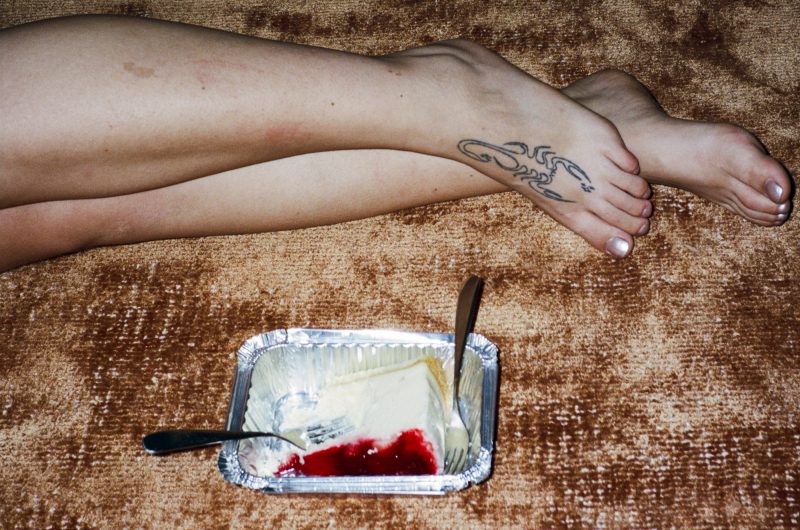
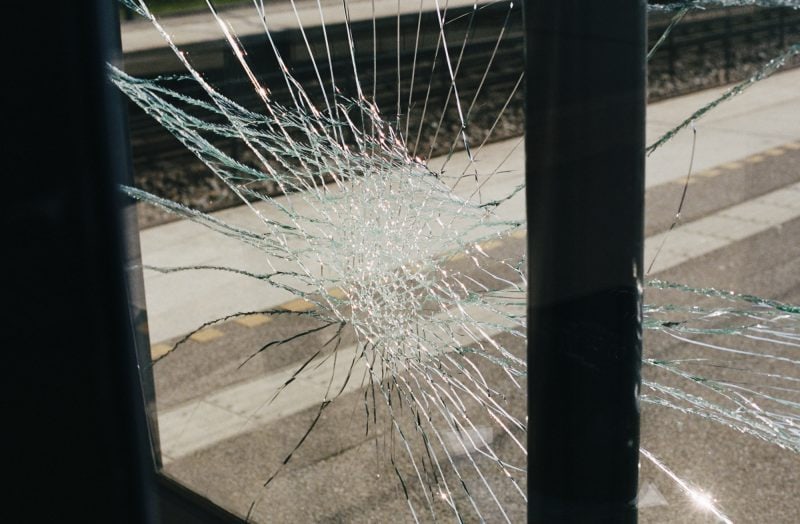
The images appear as fragments of an interrupted discourse. Emblematic is the shot of broken glass, in which the geometry of the break becomes a visual metaphor for an emotion that has exceeded its limit of endurance. It is not merely damage, but the visualisation of a failure of feeling.
This tension between desire and defence emerges forcefully in the image of a woman wrapped in a white veil, surrounded by black crows inside a basket. In it, the symbolism of the wedding ritual, as the highest aspiration for connection, collides with the restlessness of the birds, evoking atmospheres suspended between neo-Gothic and surrealism. The representation shows a vulnerability that becomes armour, investigating the human tendency to withdraw at the very moment of maximum closeness.
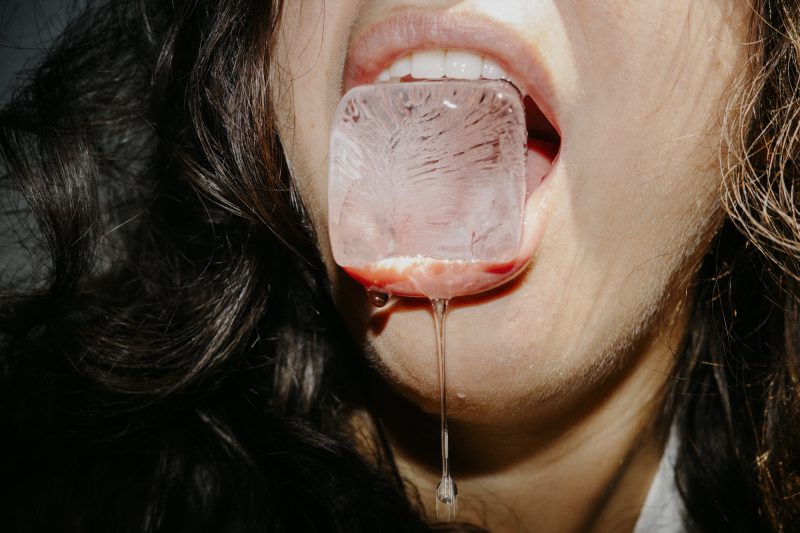
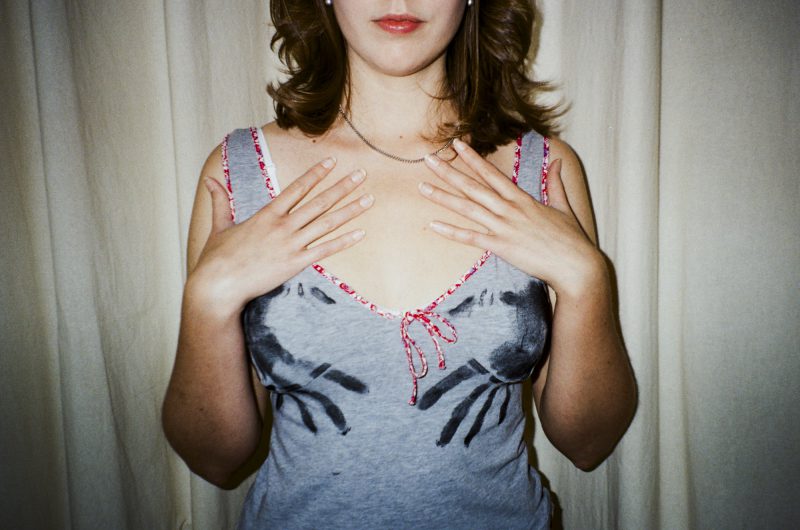
Mengel acts on the senses to convey the ambiguity of feeling. An ice cube melting in the mouth evokes the transition between states of matter, parallel to the fluidity of constantly changing power dynamics. Similarly, black handprints on a grey vest mark the body like a map of presence: the touch of another leaving an indelible mark, a memory of intimacy experienced with “theatrical intensity”.
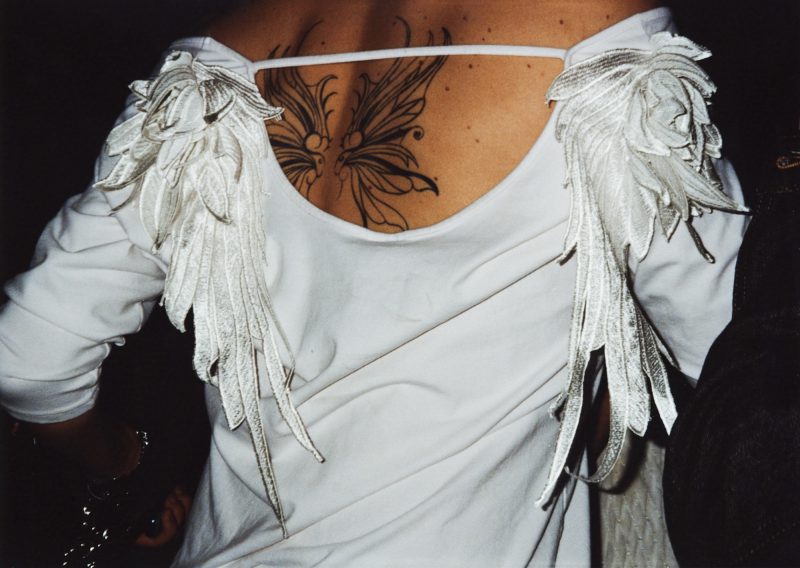
Through the use of both constructed and spontaneous scenarios, Fracture Points invites the viewer to inhabit uncertainty. Cecilie Mengel does not propose solutions to recurring behavioural patterns, but recognises the fracture as the only authentic space in which the truth of the individual can finally unfold.