We live in a world obsessed with speed, flooded with images, always rushing toward the next thing. In this climate, design is quietly being asked to do something harder: to slow down and think about what it actually means. A project’s worth is no longer just about how it looks. It’s about what it can hold: time, memory, a sense of belonging, the feeling a space leaves in you long after you’ve left it. And this is where design gets genuinely interesting – in that gap between what we see and what we feel. Between the wall and the warmth of a room. Between a chair and the conversation it invited. Which raises the question that sits at the heart of so much work today: how do you design for something you can’t quite point to?
This reflection resonates strongly with the theme chosen for 3daysofdesign 2026, “Make This Moment Matter.” The festival invites us to focus on the present as the place where design acquires meaning through its cultural, social, and environmental impact. It is not simply about designing objects, but about creating experiences, connections, and new forms of awareness. As CEO Signe Byrdal Terenziani points out, design becomes relevant when it is guided by a clear purpose and capable of generating an impact that extends beyond form itself.
Within this context, FORMEI’s participation feels particularly fitting. Announcing its second collection while making its debut as an exhibitor at 3daysofdesign, the brand marks an important milestone in its international journey and an opportunity to share a design vision rooted in the pursuit of essential beauty and in the capacity of space to evoke what is not immediately visible. The new collection is built around a question that is both simple and radical: how can we give form to what cannot be seen?
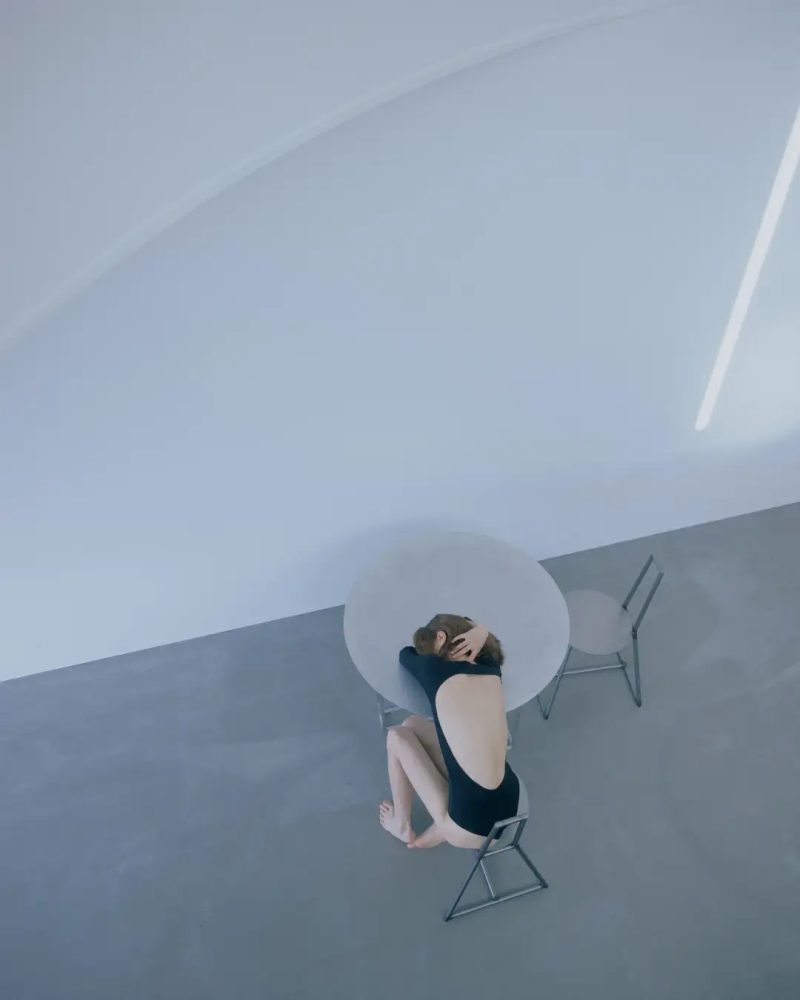
Presence, memory, time, weight, emotion. Intangible elements that cannot be touched, yet profoundly shape the way we perceive spaces and objects. FORMEI explores these subtle territories through a design language that privileges emptiness, materiality, and continuous transformation. The collection’s theme, “Giving Form to the Invisible,” connects closely with Japanese architectural traditions, which view buildings as living things that evolve continually. This idea sums up through three parts: carrying, assembling, and using—meaning that structures, materials, and people change each other over time constantly. So, everything keeps evolving together, through ongoing interactions.
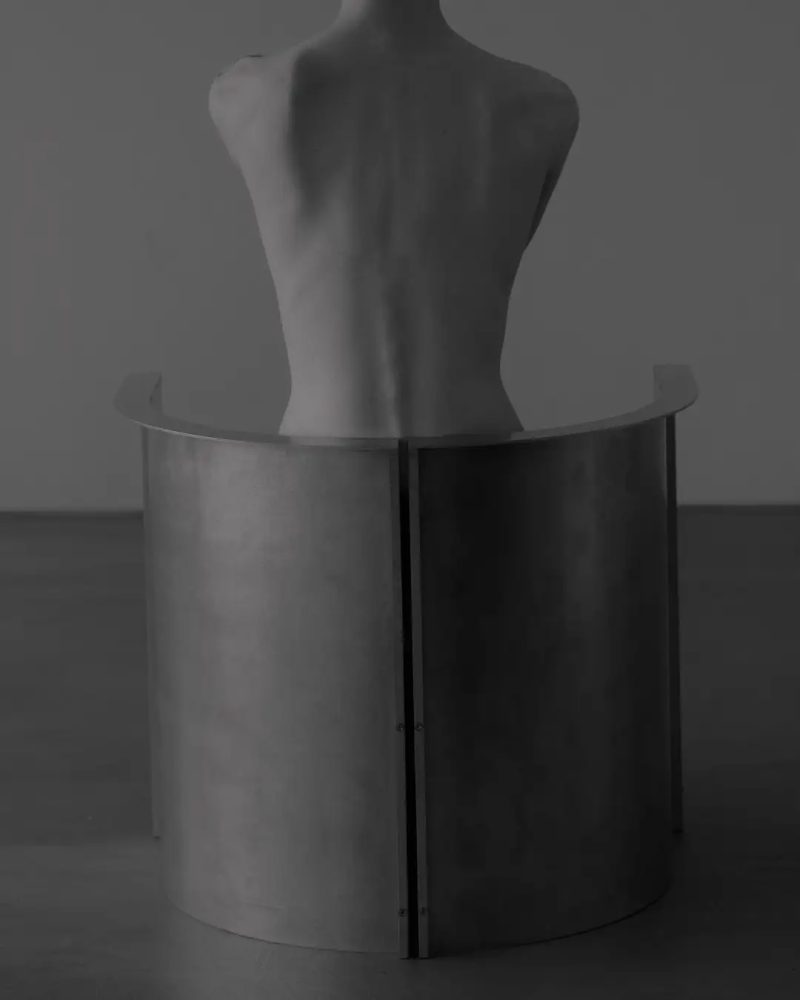
From this perspective, there is no definitive notion of completion. Elements can be moved, reassembled, and reused. Structures evolve, and with them the meaning of space changes. What matters is not the object as a finished form, but the process through which it continues to generate new relationships. The exhibition presented in Copenhagen embodies this research through an environment that physically translates FORMEI’s core values. Materials, textures, silhouettes, and the use of negative space become tools for creating an immersive experience in which visitors are invited to perceive what usually remains in the background.
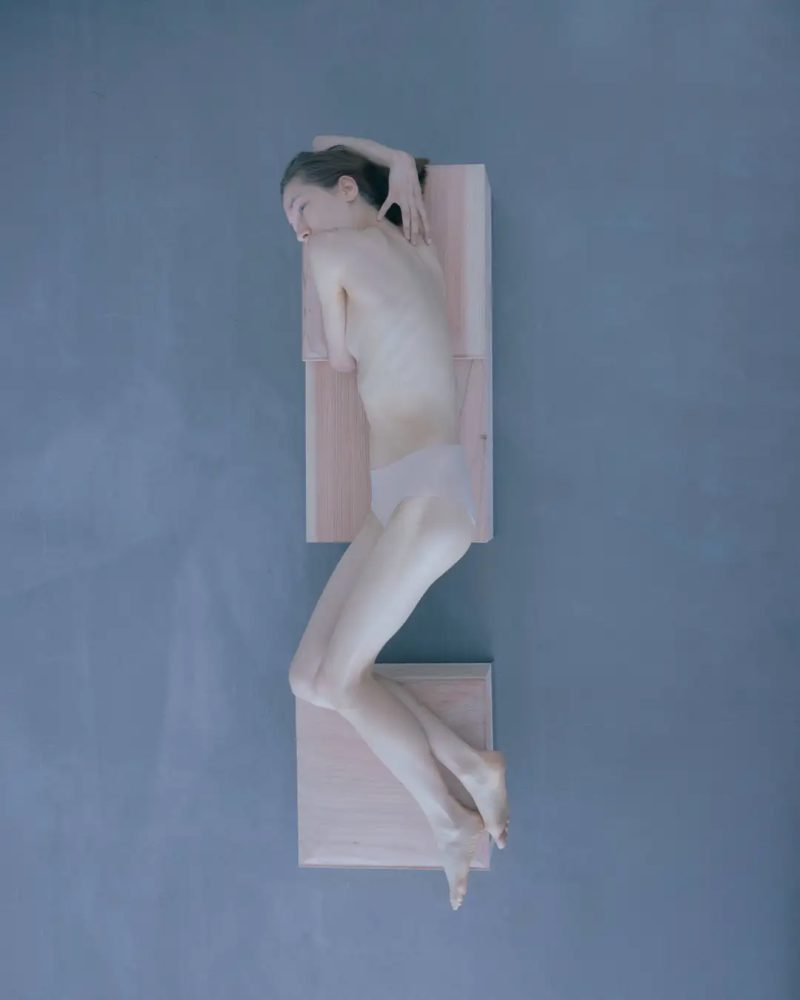
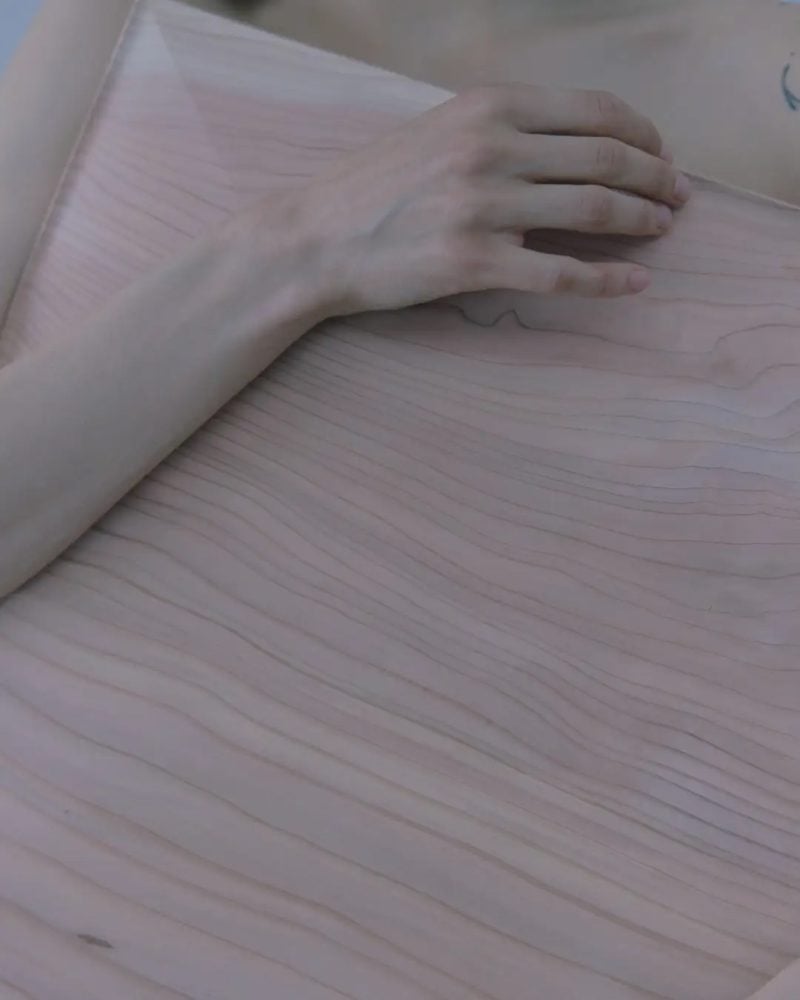
Wood preserves the traces of human touch. Voids acquire meaning when people move through them. Structures continuously redefine space through movement and interaction. The invisible emerges not as a static condition, but as the manifestation of an ongoing process of change.
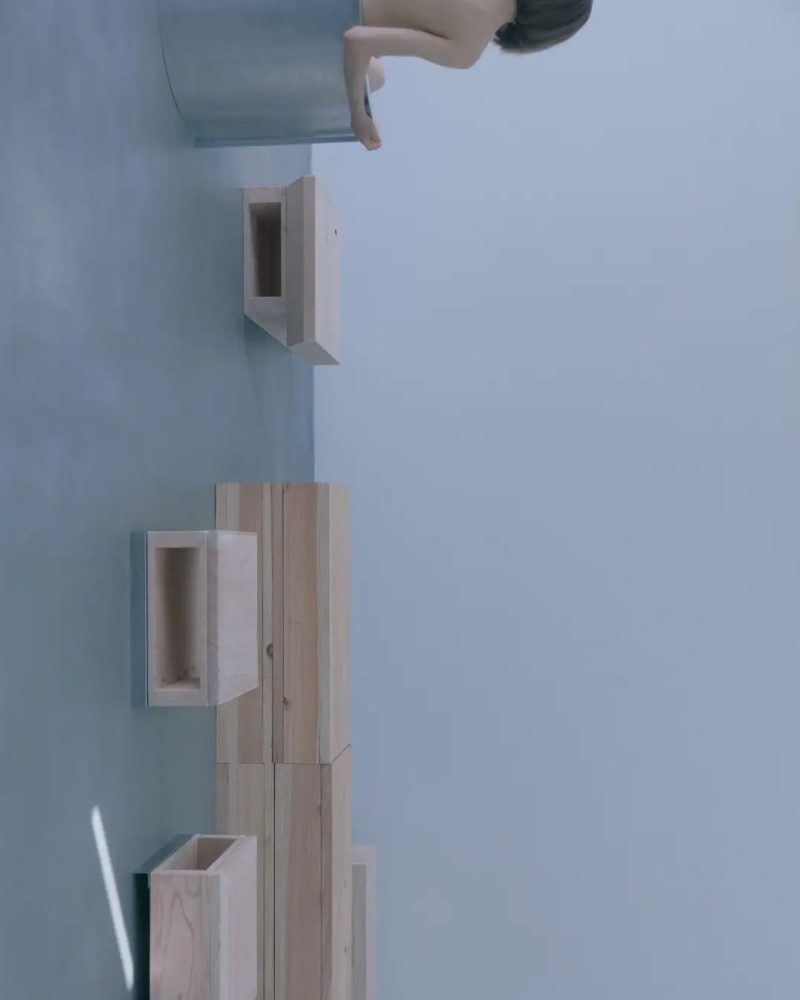
FORMEI’s participation finds a particular resonance within the theme “Make This Moment Matter.” If the festival encourages us to recognize the value of the present as the moment in which our choices acquire meaning, FORMEI responds by showing how design can make visible the invisible traces that inhabit every moment.
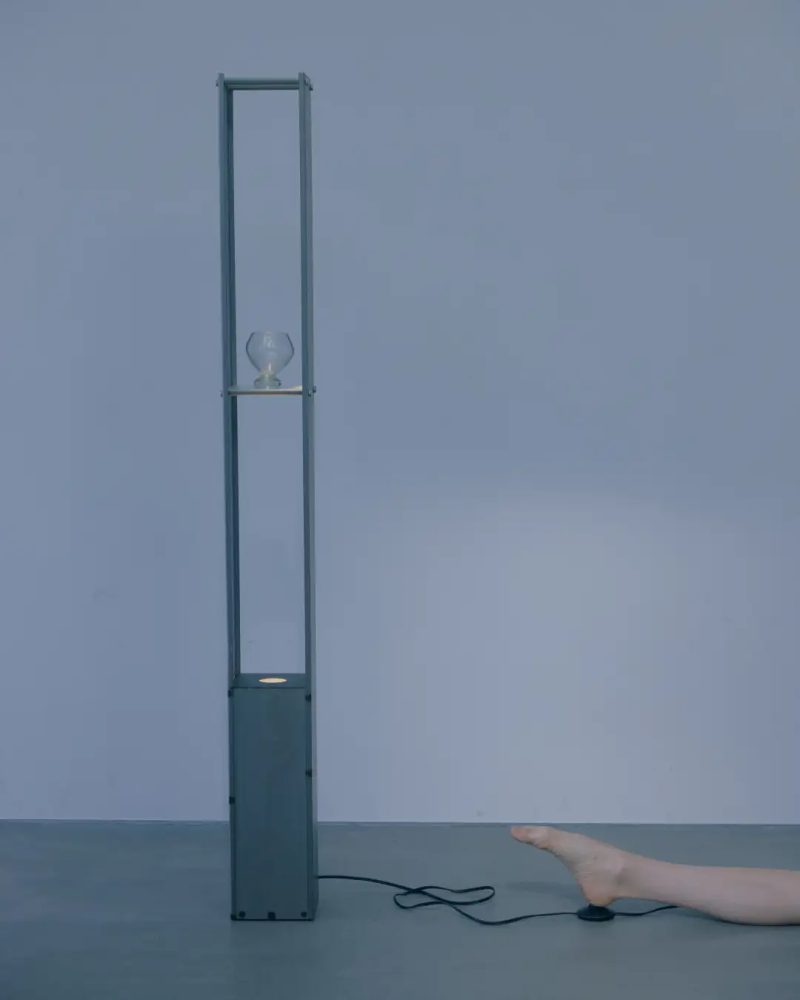
In a world constantly looking ahead, FORMEI invites us to pause and pay attention to what is happening now. Because it is precisely in the present—in the dialogue between material, people, and memory—that the invisible finally takes form.