
Form is a visual exploration of the delicate and often unexpected dialogue between the human body and organic inanimate objects. At its core, the series investigates the quiet yet powerful relationship between what is living and what is not, between softness and rigidity, movement and stillness, vulnerability and permanence.
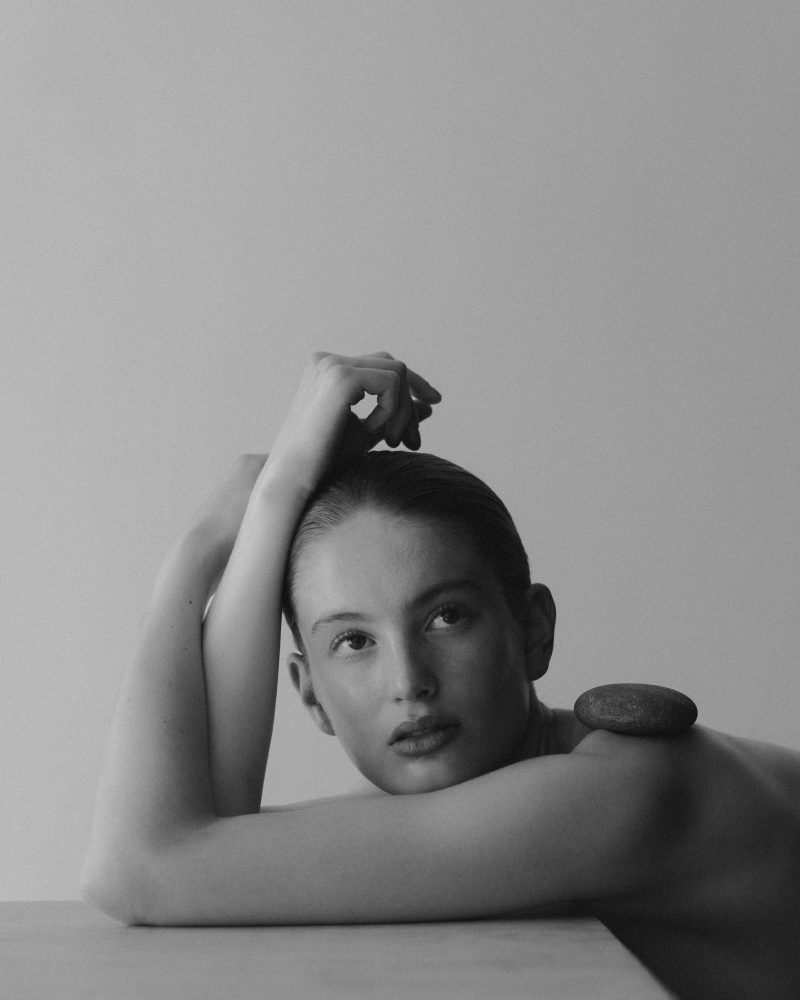
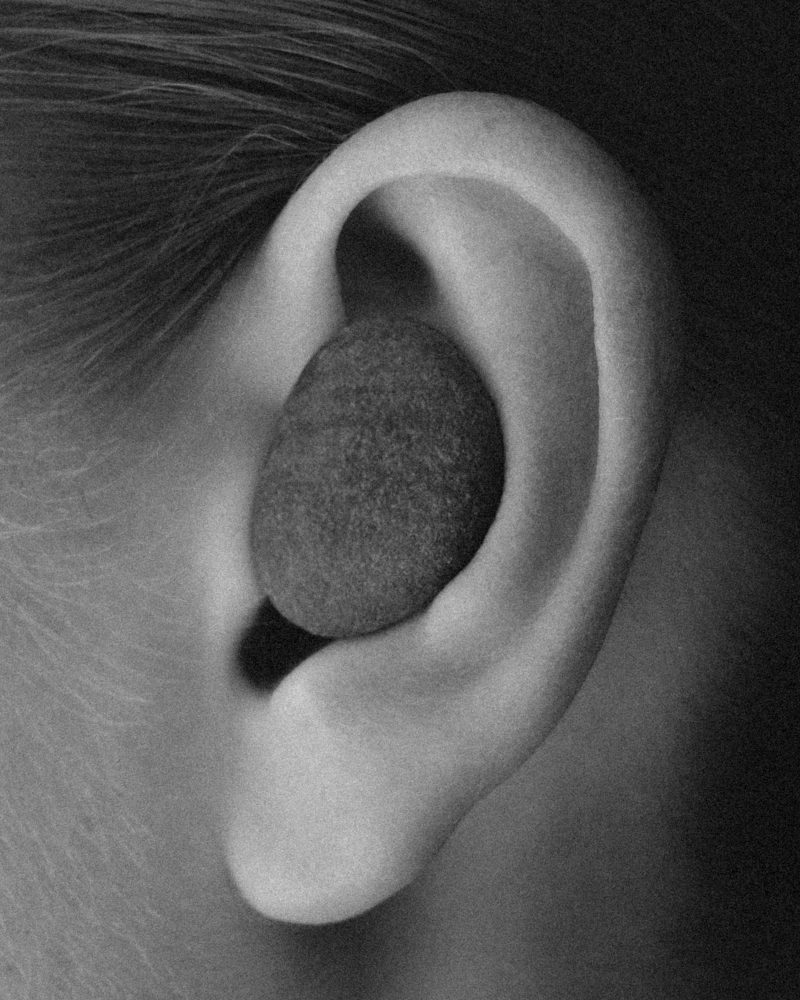
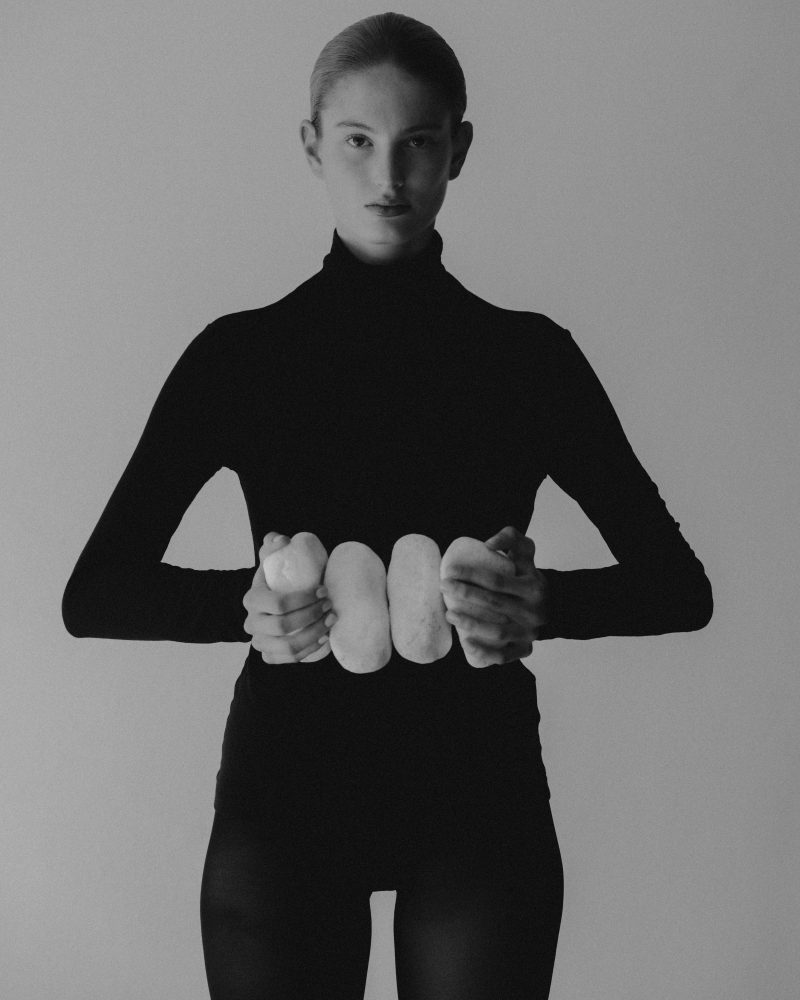
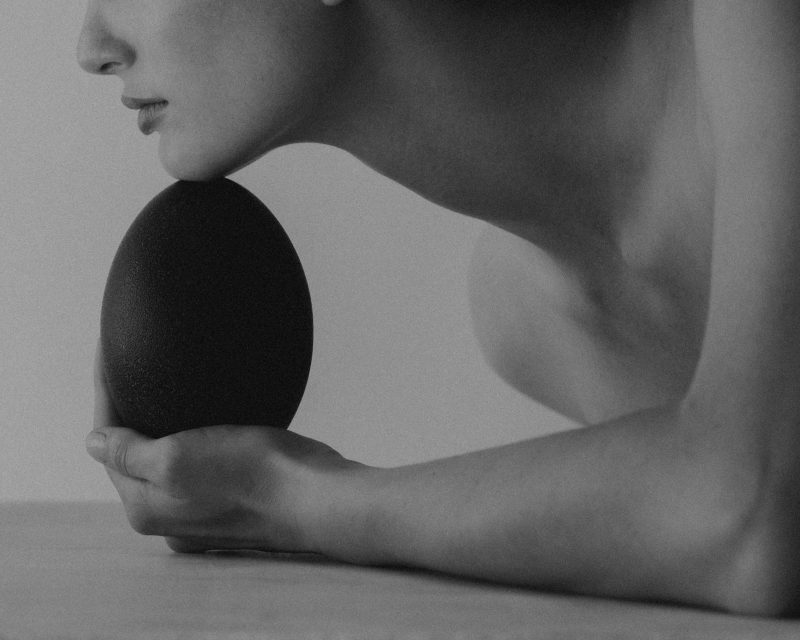
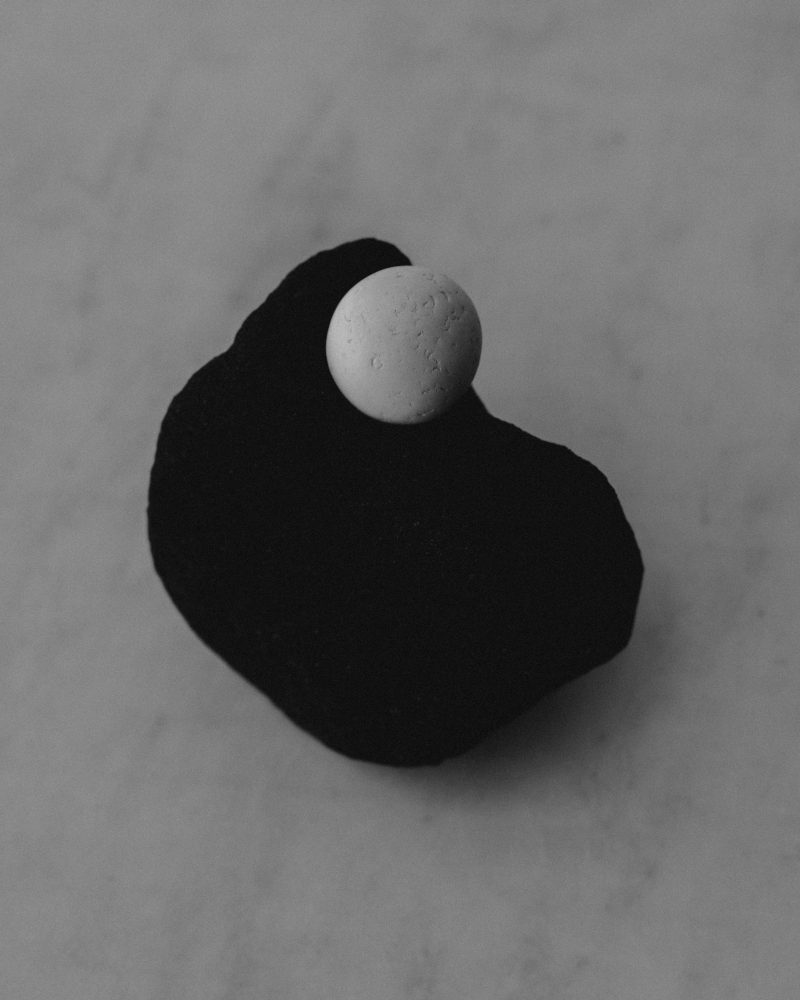
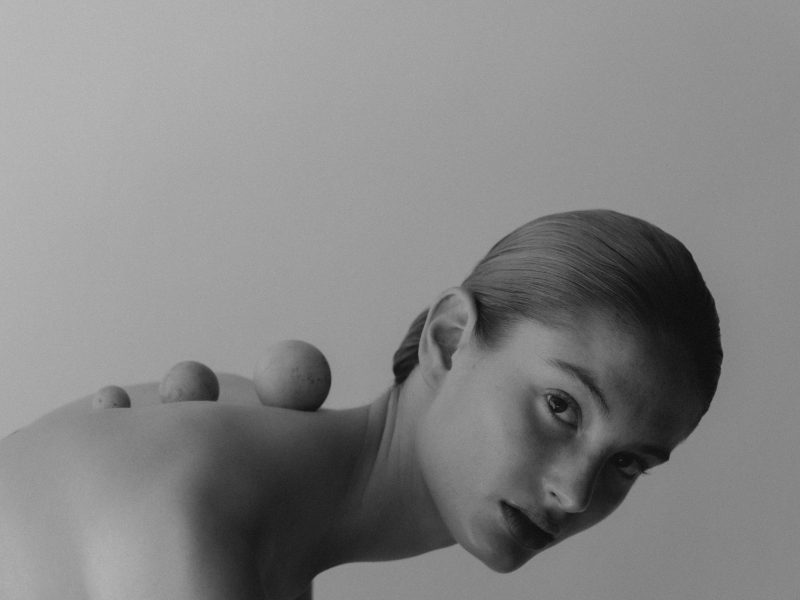
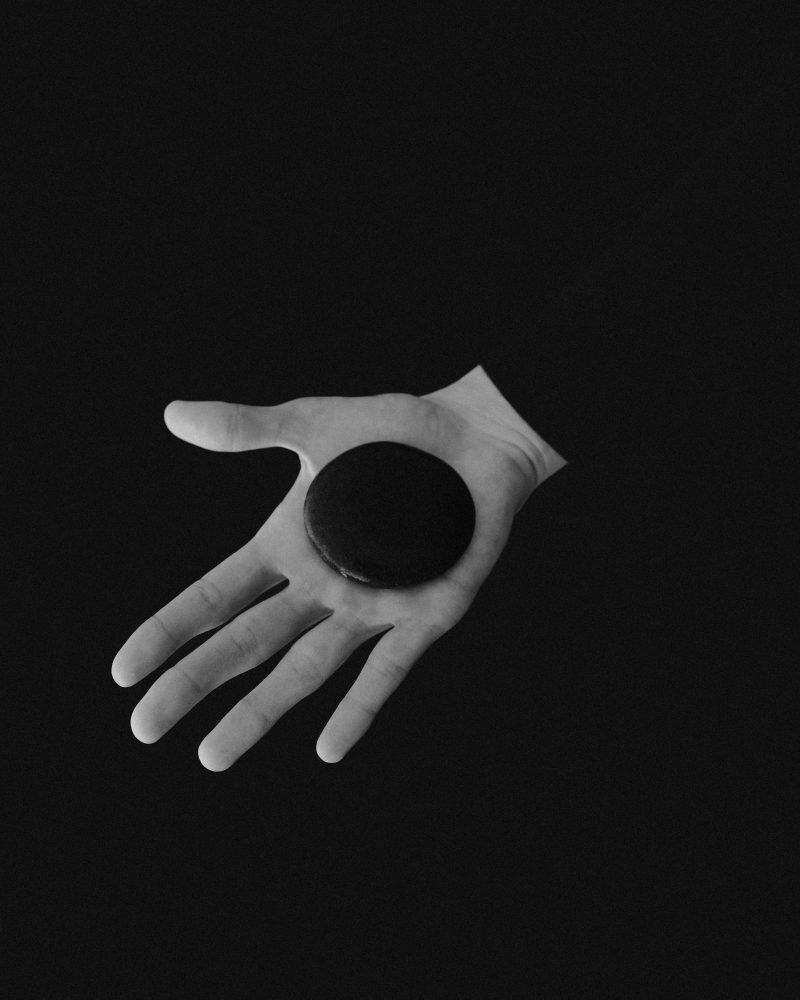
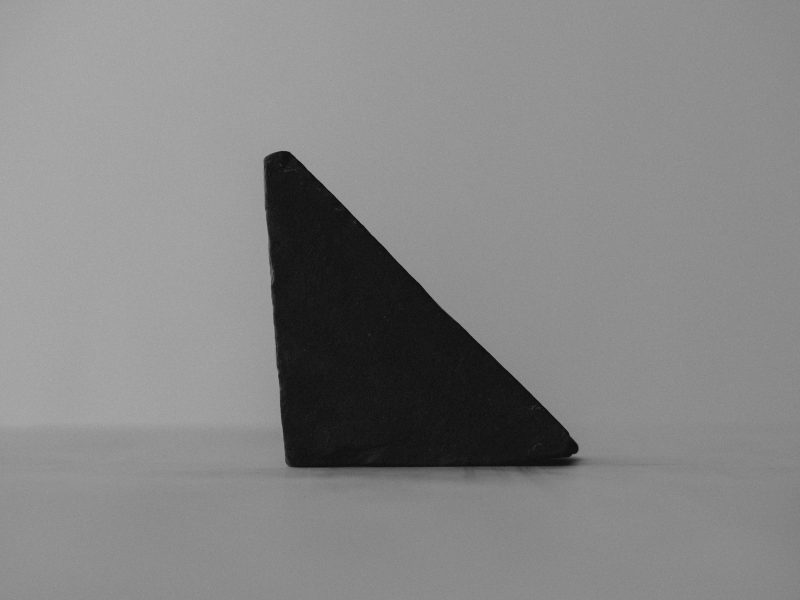
Through carefully controlled compositions, Form places the human body in direct conversation with natural materials such as stone, wood, and other organic elements. These materials, shaped by time rather than intention, contrast with the immediacy and sensitivity of human flesh. The resulting images evoke a subtle tension: the body yields, presses, adapts, while the object resists, anchors, and defines boundaries.
Yet within this tension lies a sense of harmony. The curves of a limb may echo the contours of a rock; the grain of wood may mirror the lines of skin. These visual rhymes suggest that despite their differences, both body and object belong to the same continuum of form and existence. The human figure becomes less dominant and more integrated—no longer separate from its surroundings, but part of a shared physical language.
FORM also raises questions about perception and material identity. When the body is juxtaposed with organic matter, it begins to take on sculptural qualities, while the objects seem almost animate. This exchange blurs the line between subject and object, inviting the viewer to reconsider where life begins and where it ends.
Ultimately, Form is not just about contrast, but about coexistence. It is an exploration of how opposing qualities, soft and hard, transient and enduring, can occupy the same space, creating moments that are both visually striking and conceptually resonant. The series invites viewers to slow down, observe, and reflect on the quiet connections that bind all forms together.
is a visual exploration of the delicate and often unexpected dialogue between the human body and organic inanimate objects. At its core, the series investigates the quiet yet powerful relationship between what is living and what is not, between softness and rigidity, movement and stillness, vulnerability and permanence.
Through carefully controlled compositions, Form places the human body in direct conversation with natural materials such as stone, wood, and other organic elements. These materials, shaped by time rather than intention, contrast with the immediacy and sensitivity of human flesh. The resulting images evoke a subtle tension: the body yields, presses, adapts, while the object resists, anchors, and defines boundaries.
Yet within this tension lies a sense of harmony. The curves of a limb may echo the contours of a rock; the grain of wood may mirror the lines of skin. These visual rhymes suggest that despite their differences, both body and object belong to the same continuum of form and existence. The human figure becomes less dominant and more integrated, no longer separate from its surroundings, but part of a shared physical language.
FORM also raises questions about perception and material identity. When the body is juxtaposed with organic matter, it begins to take on sculptural qualities, while the objects seem almost animate. This exchange blurs the line between subject and object, inviting the viewer to reconsider where life begins and where it ends.
Ultimately, FORM is not just about contrast, but about coexistence. It is an exploration of how opposing qualities, soft and hard, transient and enduring—can occupy the same space, creating moments that are both visually striking and conceptually resonant. The series invites viewers to slow down, observe, and reflect on the quiet connections that bind all forms together.