Every year, during Milan Design Week, the attention follows the same pattern. Large-scale installations, designer experiences, packed openings. The spectacle becomes the narrative, yet design rarely stems from what is immediately visible. Rather, it begins with observation.
For the 2026 edition of the collaboration between C41 and the Fuorisalone’s e.Reporter project, students from the Politecnico di Milano were invited to work around a simple guiding principle: to design is to observe. Not a slogan, but a method.
The invitation was to slow down the impulse to document what was already demanding attention. Instead, to look at what normally remains peripheral: transitional spaces, gestures, fragments, signs of presence and absence.
Since 2003, the e.Reporter project has been building a collaborative archive of Fuorisalone through the eyes of students of design, architecture and visual arts. Over time, the archive has evolved into something more than just documentation. It reflects the way in which each generation chooses to interpret the city.
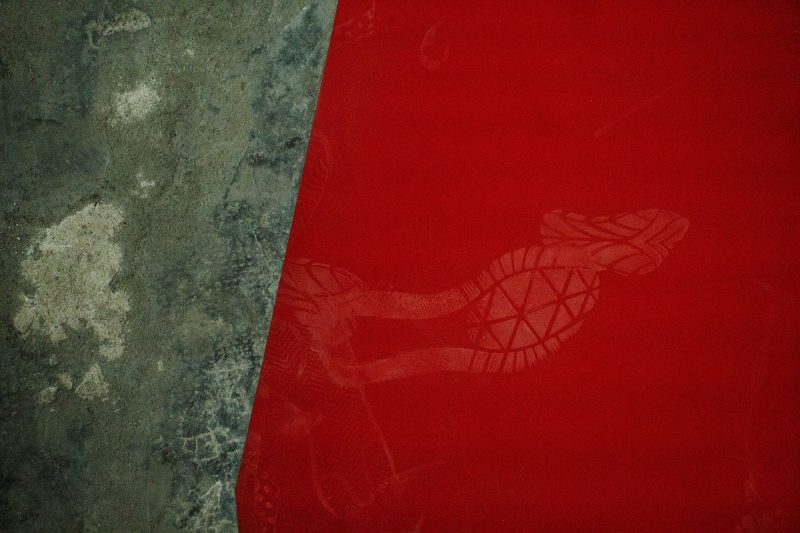
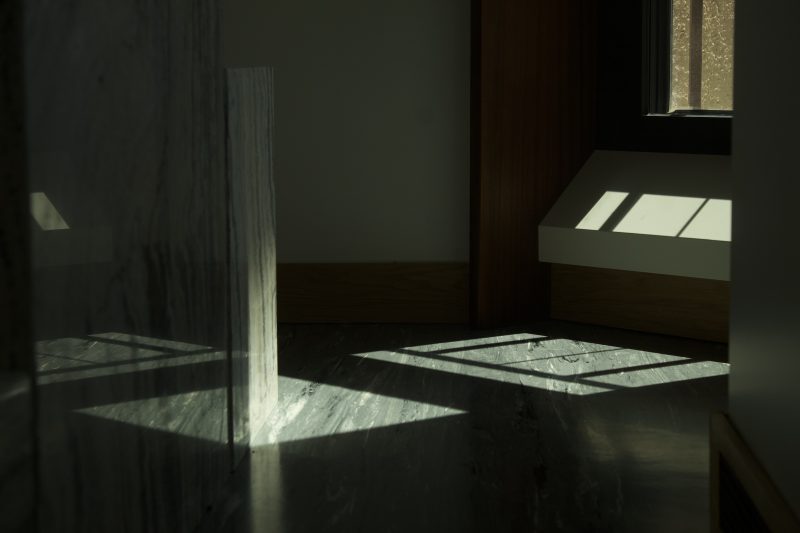
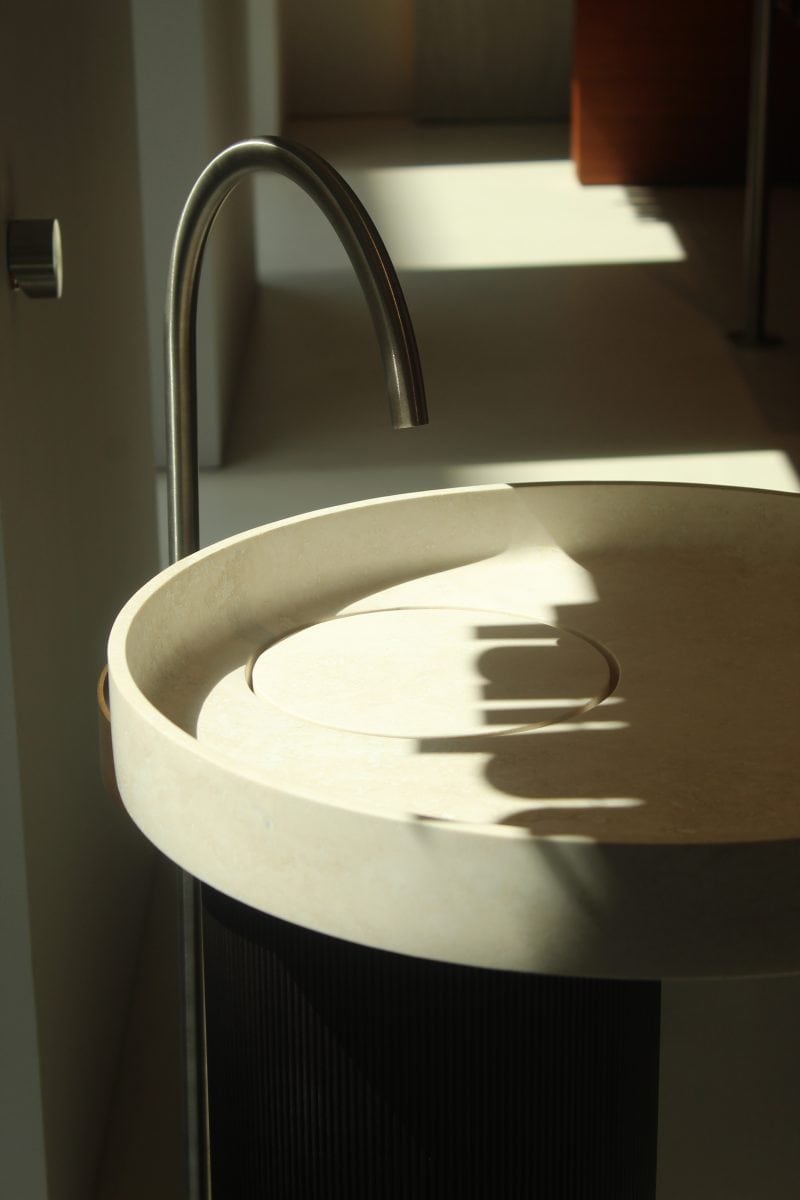
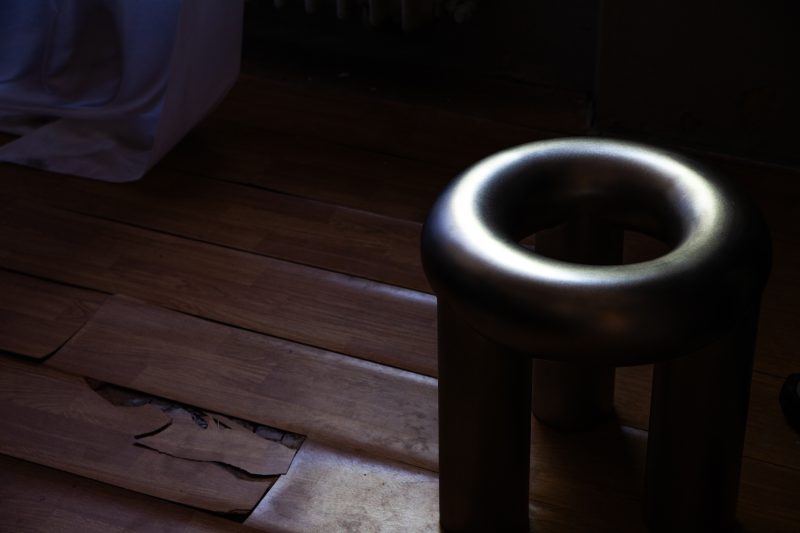
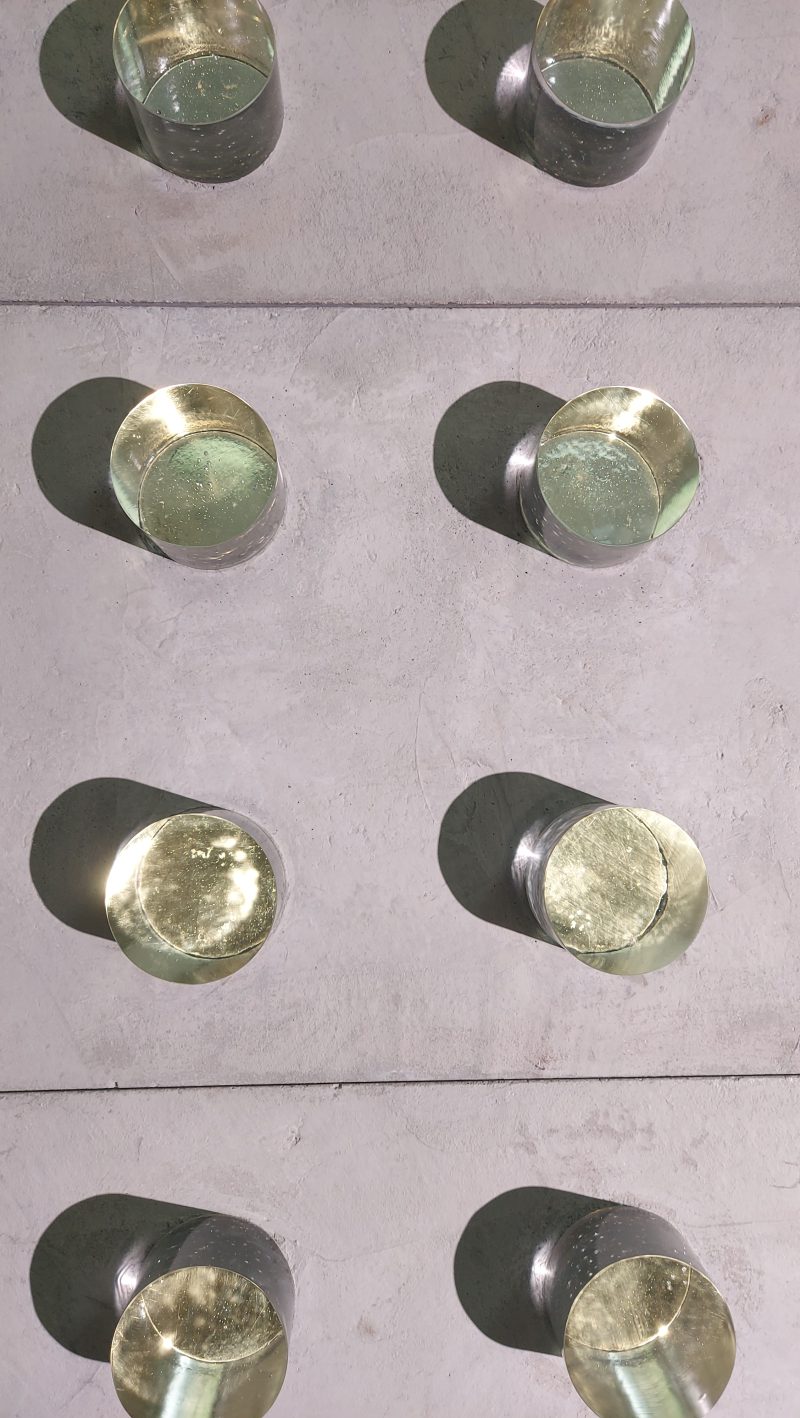
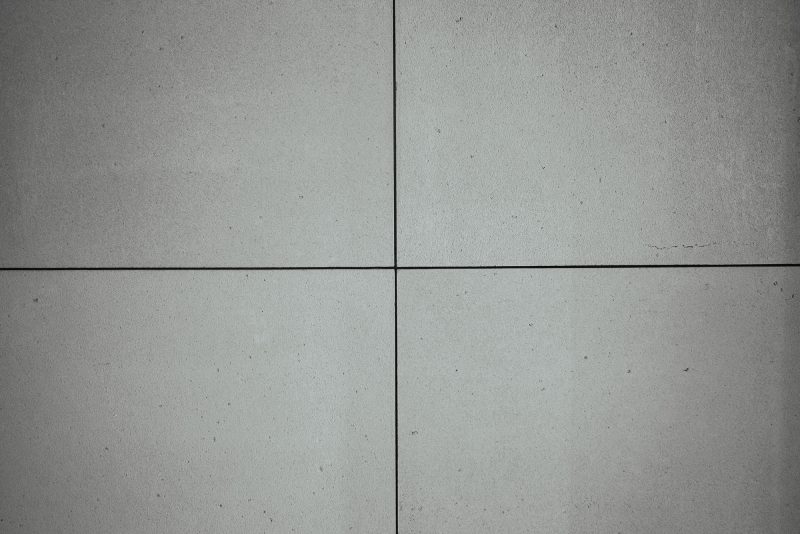
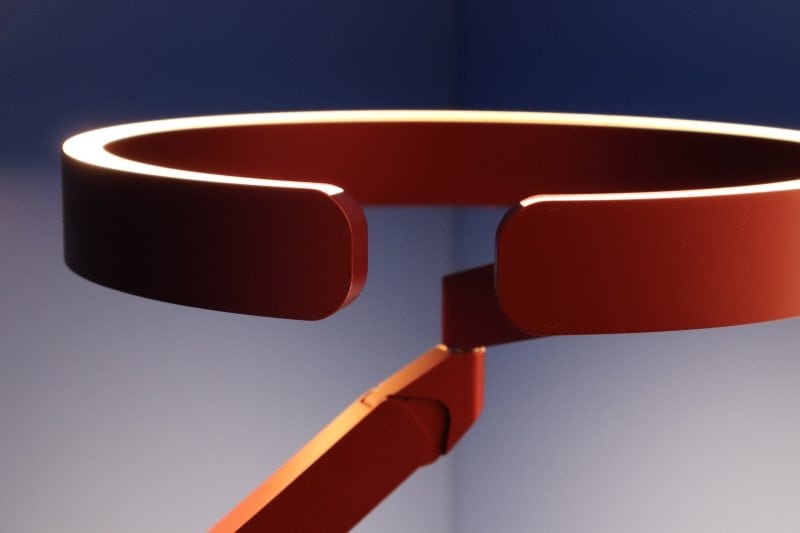
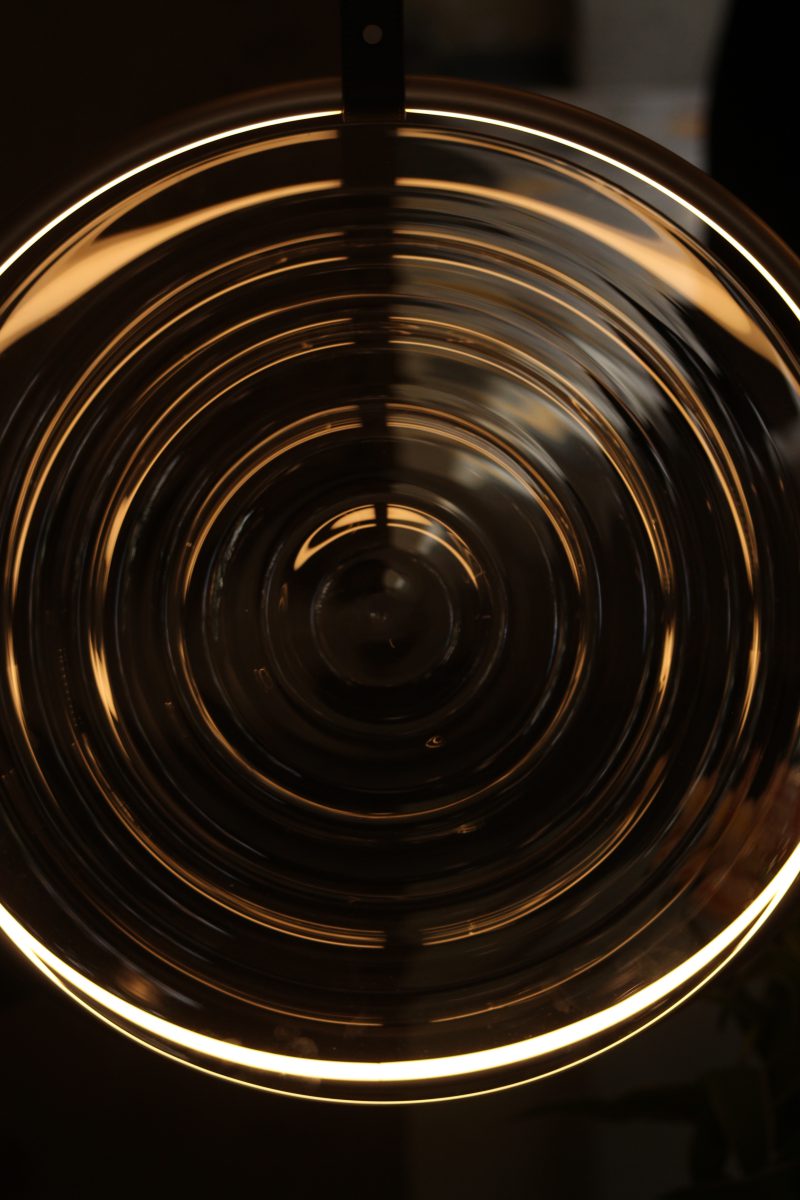
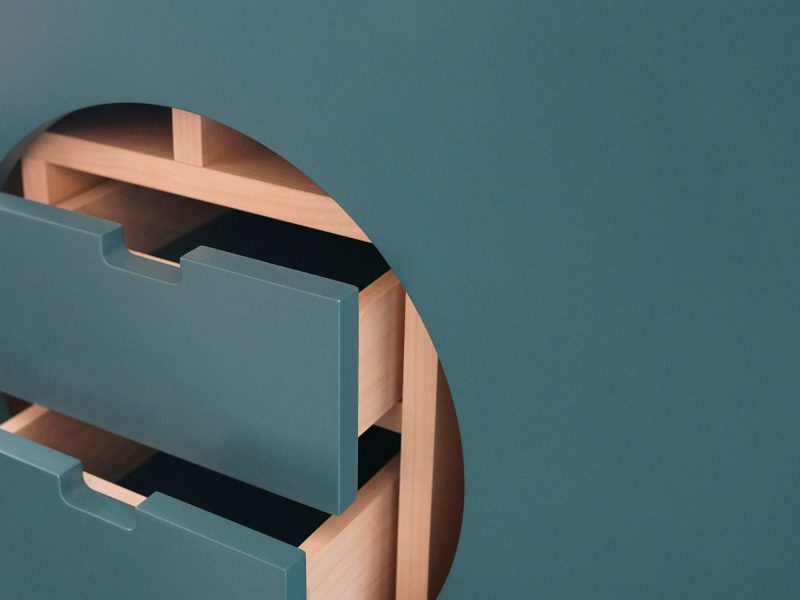
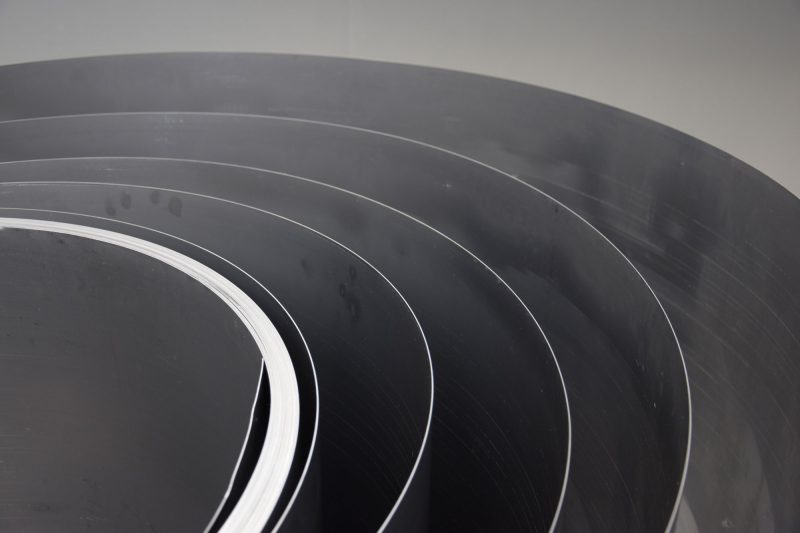
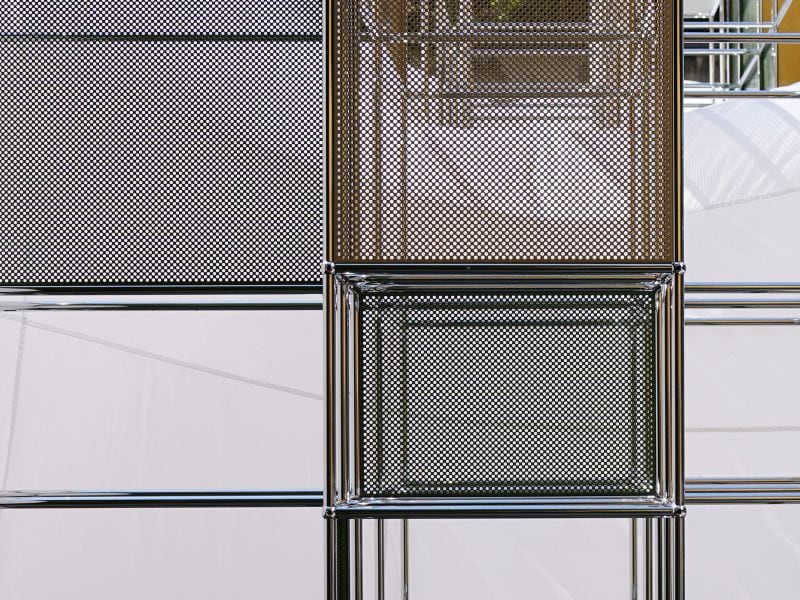
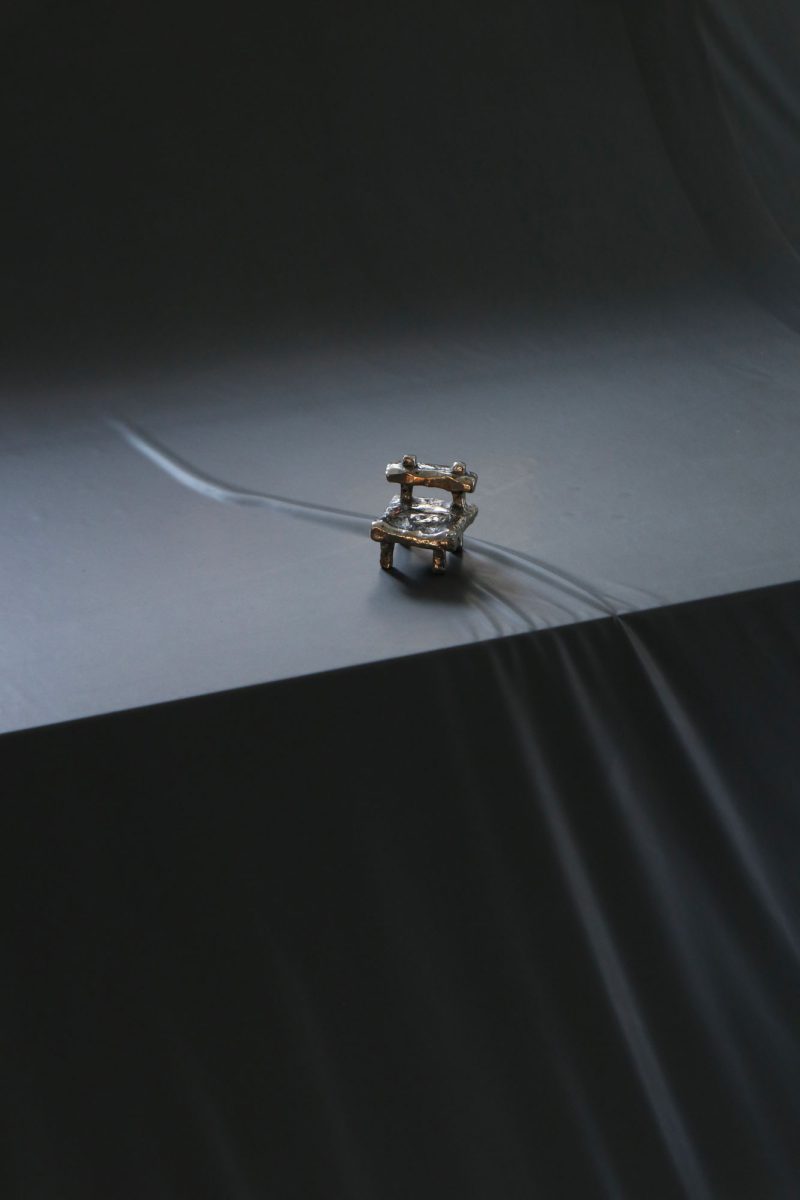
This year, the photographers explored Milan at a different pace. Giulia Greco, Amalia Gotti, Mattia Fedeli, Giulia Furlani, Viola Naldi, Simona Bortolotti and Mahya Jahangir Sales moved away from the event’s more predictable imagery. Their photographs do not attempt to glorify design. Instead, they isolate moments often considered secondary: surfaces, waiting areas, temporary structures, interactions taking place at the edges of the frame.
In recent years, photography linked to design culture has increasingly turned towards immersive narratives and large-scale visual productions. C41, too, has often worked on stories built around everyday details and human presence, rather than the object itself. The intention behind this edition was aligned with that direction: to treat observation as an editorial act rather than an aesthetic one.
The result is not a round-up of the week’s most important events. It is a reflection on attention and the ability to recognise visual tensions in places that are normally overlooked. Design is often described as a discipline that produces objects, systems or experiences. But before production, there is always a way of looking, an ability to notice what others overlook.
That is where every project begins.